


Local Bazaars & Rajasthani Cuisine
Mahadev Nagar Rd, Hawa Sadak, Jaipur, India
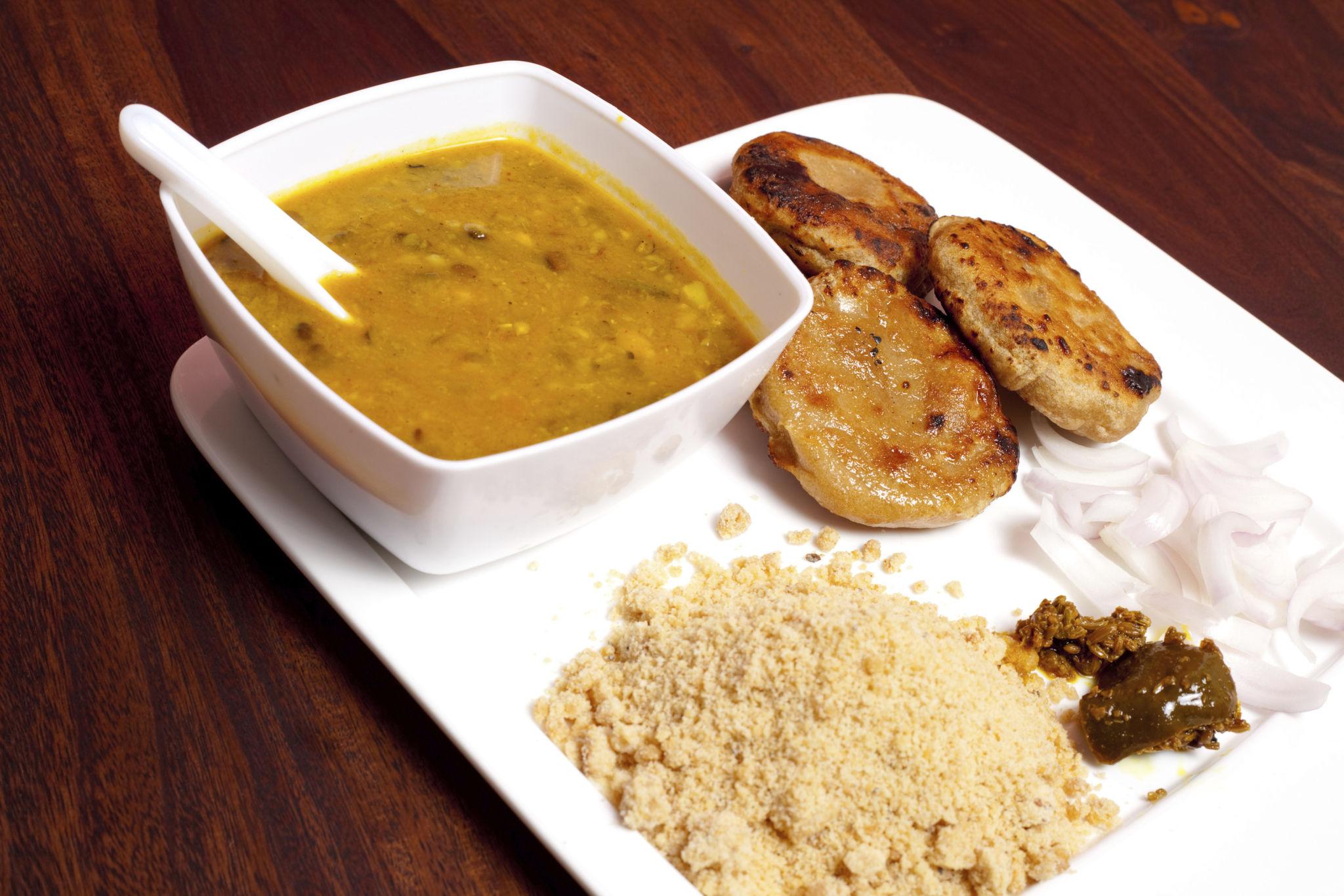
You've probably pictured the bazaar as shopping and the food as a hotel buffet. But here's the thing nobody tells you: wander into the first shiny emporium a driver drops you at, eat your dal baati churma in an air-conditioned resort restaurant, and you'll pay three times over for a fraction of the real thing. The bazaars that matter aren't on the tourist strip, and the best Rajasthani food isn't in a hotel — it's in a sweet shop that's been frying kachoris on the same corner for sixty years.
Let's fix that. Here's how the bazaars and the food actually work, and how to get it right the first time.
Why the hour and the lane decide everything
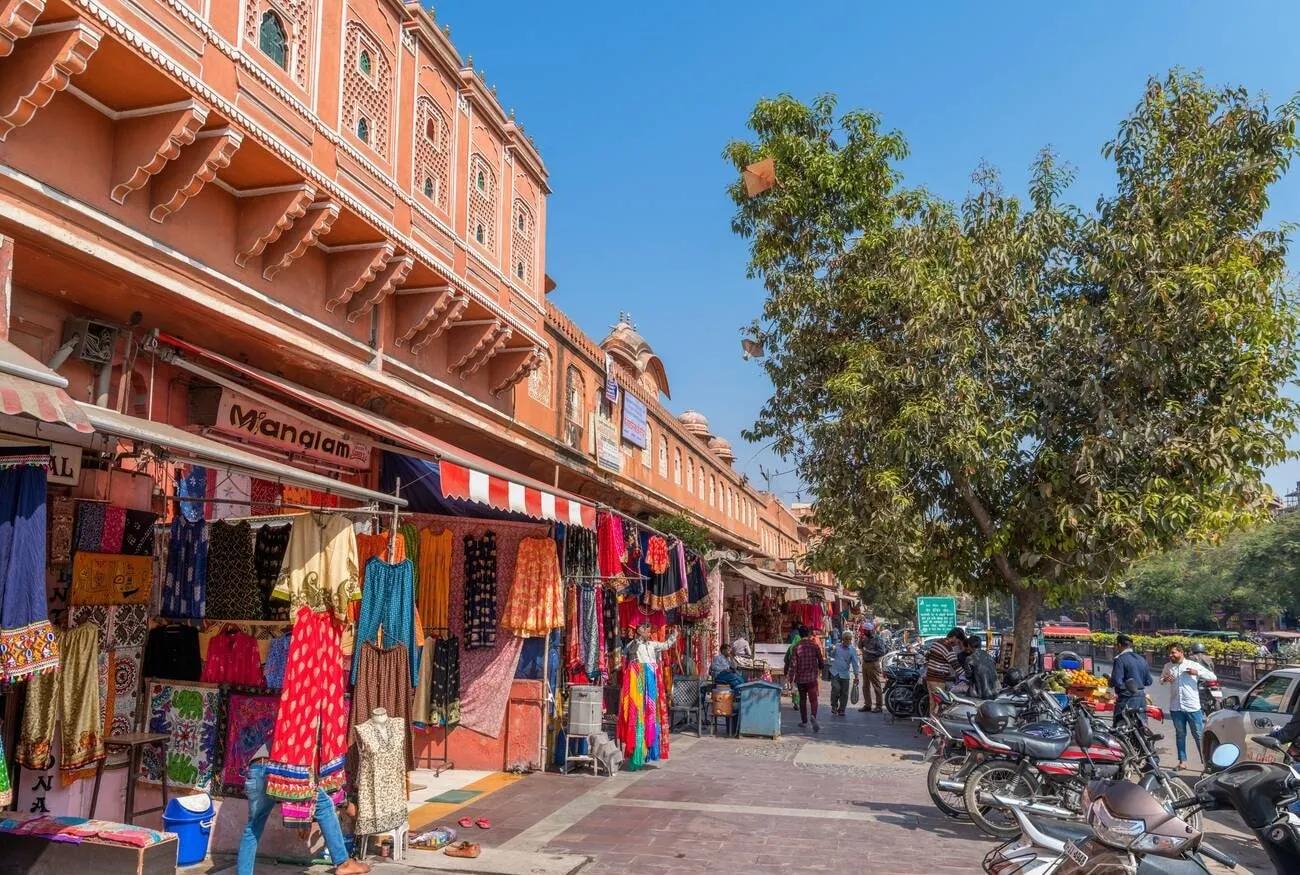
Rajasthan's old-city markets run on their own clock. Mornings are for produce, flowers and calm browsing; the bazaars come properly alive in the evening, when the heat drops, the lights come on, and the whole city seems to be out shopping and eating. Midday, in the hot months, half the shutters are down and the streets are punishing.
And the where matters as much as the when. The commission-driven "government emporiums" your driver suggests are not the market — they're a cut of your wallet. The real bazaars are the specialised old-city lanes: one for textiles, one for jewellery, one for spices, one for sweets. Go to those, in the evening, and you're in the actual thing.
What you'll actually find
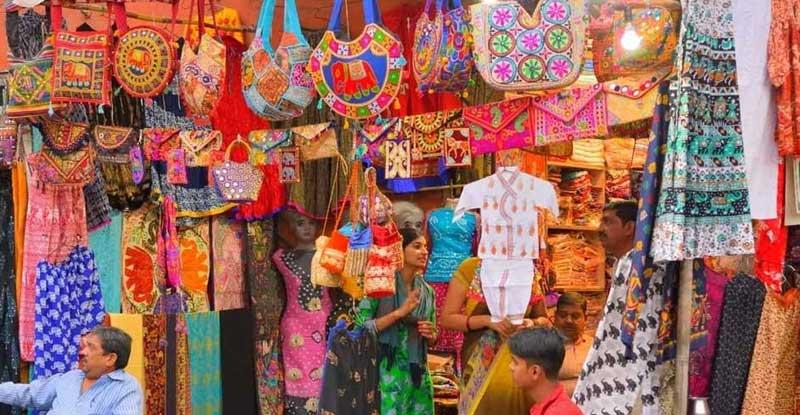
Every Rajasthani city has its own famous lanes — Jaipur's Johari and Bapu bazaars, Jodhpur's Sardar Market under the clock tower, Udaipur's Bada Bazaar — but the categories repeat:
Textiles — block-printed cotton, bandhani tie-dye, mirror-work, and Jaipur's blue pottery.
Jewellery — silver by weight, lac bangles, and Jaipur's famous gemstones (buy stones only from a trusted, certified shop).
The food stalls — pyaaz kachori, mirchi bada, mawa kachori, and jalebi fried in front of you.
A proper thali house — dal baati churma, gatte ki sabzi, ker sangri and laal maas, at a local institution rather than a hotel.
Come hungry and go easy on the first stall — you'll want room for four more.
And here's where the phone helps rather than hinders. Travellers who shop these lanes will tell you the same thing: check the going rate before you buy, and don't be shy about walking away — bargaining is expected, the first price is theatre, and a smile and a slow exit will halve it. But once the haggling's done, put the phone down at the food stall. The smell of ghee and cardamom, the clatter of the kachori pan, a hot jalebi handed to you in a leaf bowl — that's the part the photos never quite catch.
Pro tip: Eat where the locals queue, not where the tour buses park. A busy sweet shop with high turnover is both tastier and safer than a quiet tourist café. Skip the commission emporiums entirely and go to the specialised bazaars. And if you have a weak stomach, ease into the street food — start with fried, freshly-cooked things (kachoris, jalebi) rather than anything watery or pre-cut, and drink bottled or filtered water.
The mistakes that ruin it
Most first-timers trip over the same few things. They get driven to a commission emporium and think they've seen the bazaar. They eat Rajasthani food in a hotel and miss the real version. Or they pay the first quoted price because they didn't know it was meant to be halved.
The easy fix is to hit the specialised lanes in the evening with someone who knows which shop is which — and which sweet shop the whole city trusts.
Want the real Jaipur bazaar walk — Johari, Bapu, Tripolia — with a local who knows the craftsmen? Hit Get a quote.