

Jal Mahal Royal heritage
Amer Rd, Jal Mahal, Jaipur, India
You've probably seen the photo. A honey-coloured palace sitting dead centre in a lake, mirrored perfectly in still water, the Aravalli hills behind it. So you picture gliding up to it in a boat, wandering its halls, standing on that rooftop garden. Then you arrive, discover you can't actually go in — the palace has been closed to the public for years — and find yourself on a roadside promenade with a hundred other people photographing a building you can't reach. The disappointment is entirely avoidable if you know what Jal Mahal is before you come.
Let's fix that. Here's how Jal Mahal actually works, and how to get it right the first time.
Why it's a view, not a visit
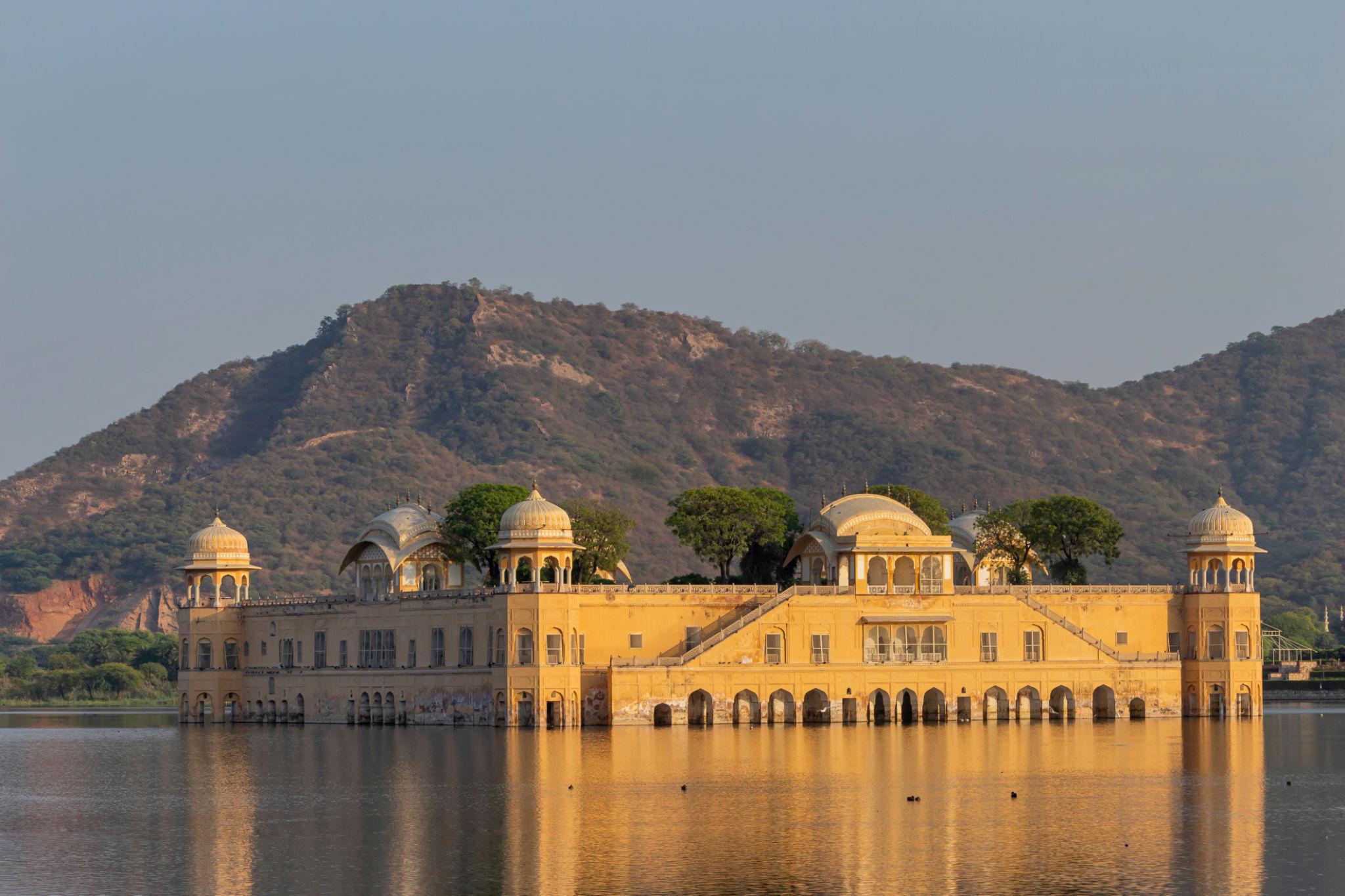
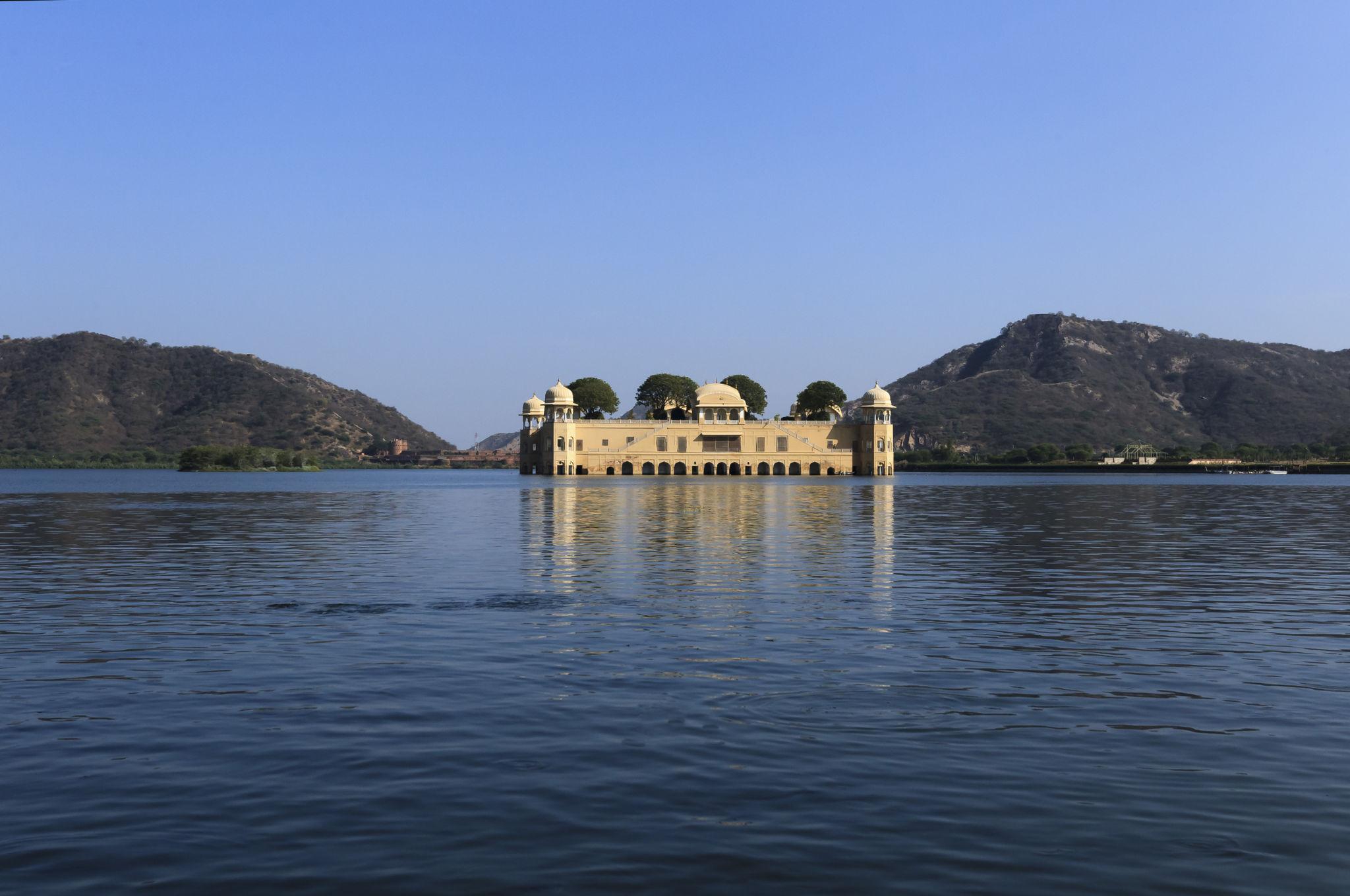
Here's the thing nobody tells you upfront: Jal Mahal is a building you look at, not one you go into. The "Water Palace" sits in the middle of Man Sagar Lake on the Amer road, and boating out to it and entry are not currently open to general tourists. So the entire experience is the view from the shore — which is genuinely lovely, as long as that's what you came for.
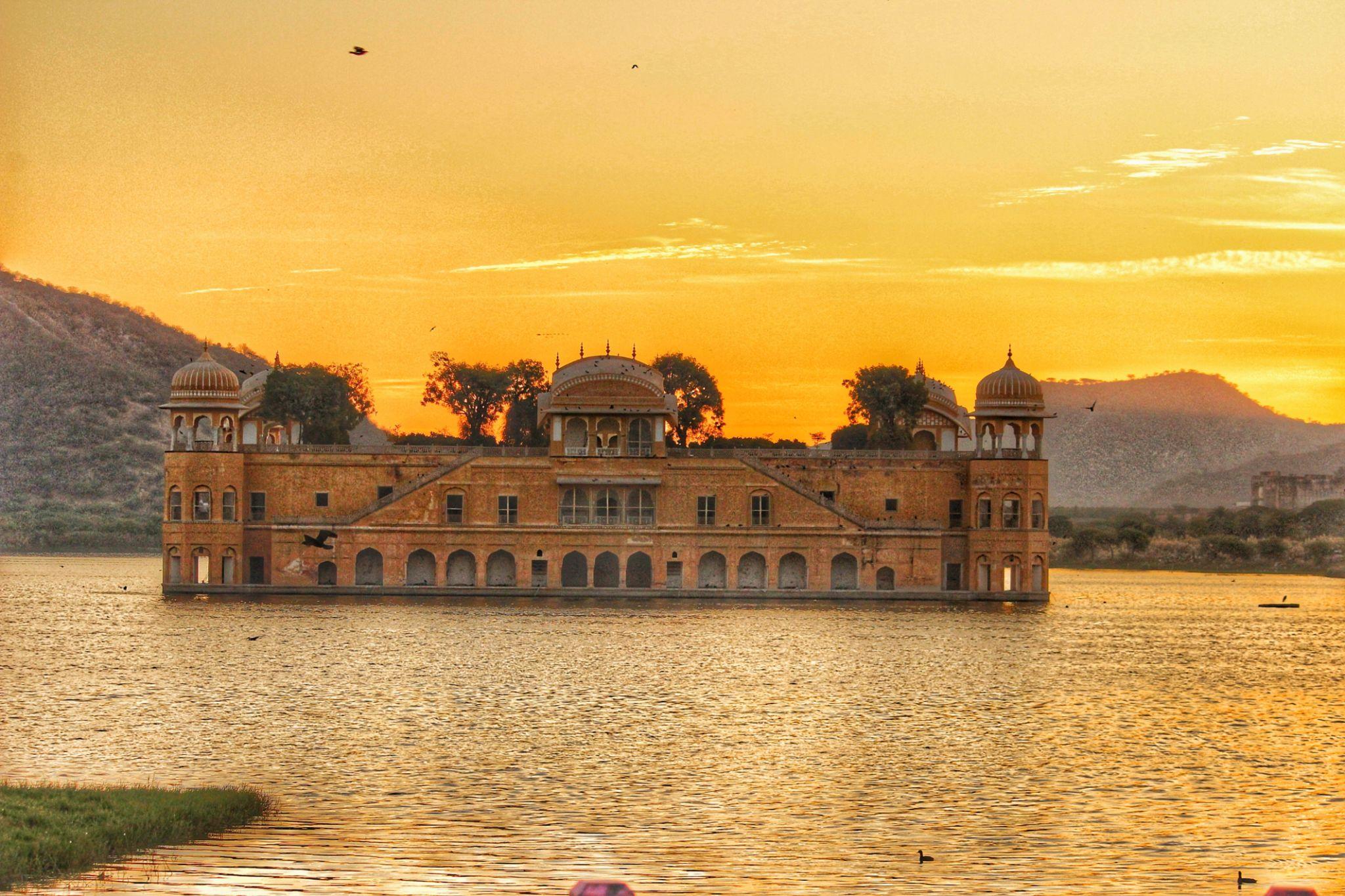
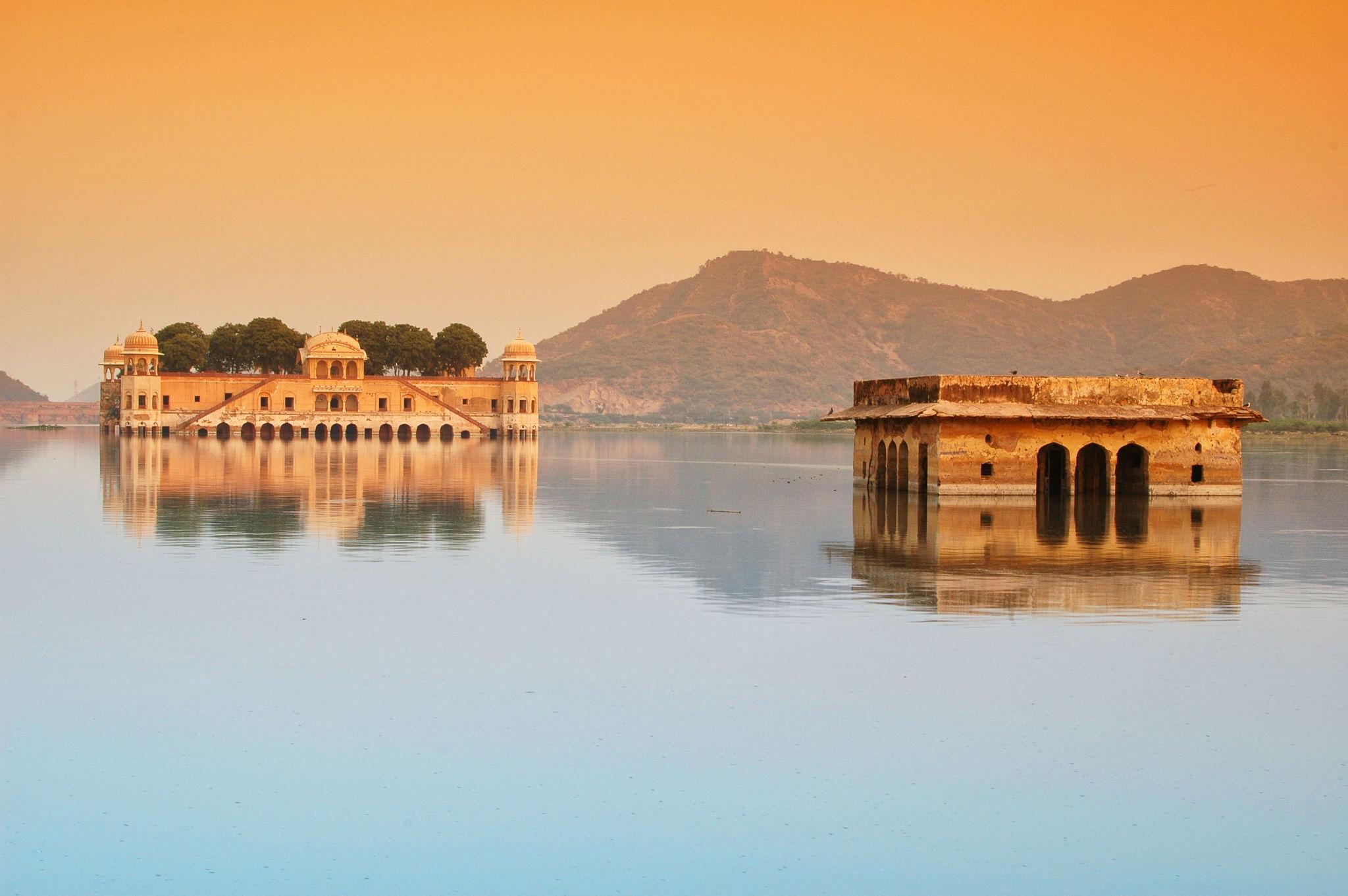
And the view has a best hour. In the flat light of midday the palace looks washed-out and the lake goes hazy. At sunrise it's mirror-still and glowing, with migratory birds on the water and almost nobody around. At sunset it turns gold and the promenade fills with people and food carts. Early morning is the connoisseur's choice; golden-hour evening is the livelier one.
What you'll actually see
From the lakeside promenade, give it twenty minutes to half an hour:
The palace — a five-storey Rajput-Mughal building, four floors of which sit underwater when the lake is full; only the top storey and its rooftop garden show.
Man Sagar Lake — with the Aravalli hills and the Nahargarh fort ridge behind, a proper Jaipur backdrop.
The birds — the lake is a birdwatching spot; winter mornings bring migratory flocks.
The promenade — restored lakefront walkway, with chaat stalls and camel-cart photo-ops in the evening.
Take water and something for the sun — the promenade is open and unshaded.
And here, unlike a temple or a cremation ghat, the phone earns its place: this is a building made to be photographed. But look before you shoot. Travellers who stop here will tell you the same thing — the reflection is the whole picture, so wait for the water to go still between breezes, get low to catch the mirror, and then frame it. A hurried snap through a crowd at midday never captures why the place is famous; the stillness at dawn does.
Pro tip: Come at sunrise if you want the palace to yourself and the mirror-perfect reflection, or at sunset if you want the atmosphere, the lights and the food. It's right on the Amer road, so fold it into the trip out to Amer Fort rather than a special journey — ten minutes' drive apart. Don't pay anyone promising a boat ride or interior entry; it isn't currently available and the offer is a scam. And skip the middle of the day entirely.
The mistakes that ruin it
Most first-timers trip over the same few things. They arrive expecting to go inside and leave let down. They come at noon and get the flat, hazy version. Or they make a dedicated trip for it instead of pairing it with Amer, and feel it didn't justify the detour.
The easy fix is to come at the right hour, on your way to or from Amer, knowing it's a view rather than a visit — and then it's exactly as lovely as the photo promised.
Want Jal Mahal timed to sunset with the Nahargarh ridge behind it and a photo stop that works? Hit Get a quote.