


Agra's Famous Culinary Petha
Mahatma Gandhi Rd, Chanderi, Agra, India
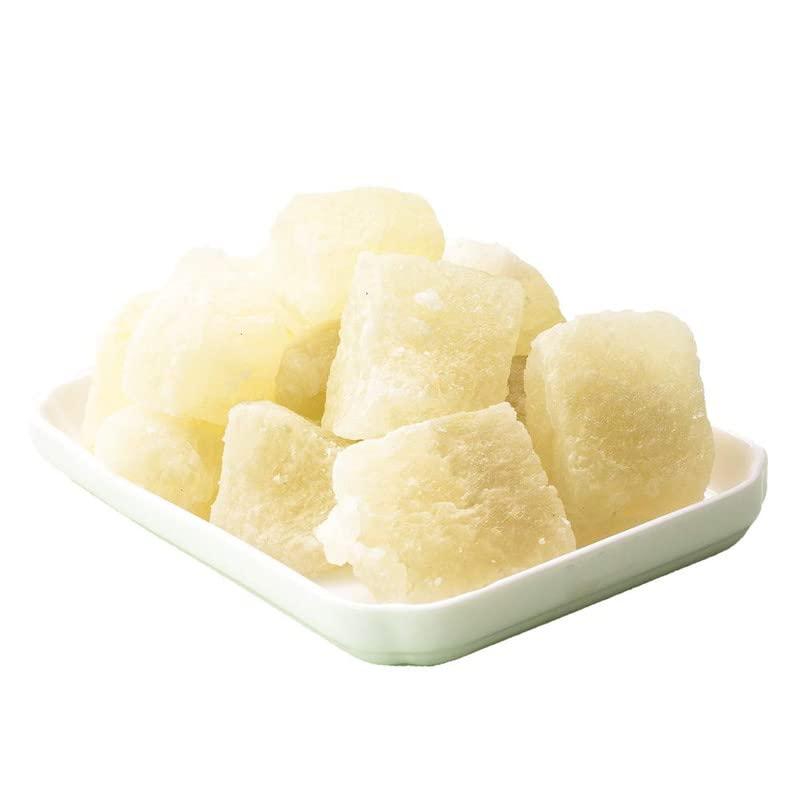
You've probably seen it stacked in shop windows. Glassy translucent cubes, some clear, some soaked amber in syrup, boxed up by the kilo all along the road out of the Taj. But here's the thing nobody tells you: grab the first roadside box a tout waves at you, and you'll carry home a sticky, one-note slab that has nothing to do with the soft, fragrant petha Agra is actually famous for. A bad petha is sugar and not much else. The real thing is a different sweet entirely.
Let's fix that. Here's how Agra's petha actually works, and how to get it right the first time.
Why the shop matters more than anything
Petha is made from ash gourd — winter melon — cut into cubes, cooked and candied until it turns translucent. That's the whole craft, and it lives or dies on who made it. The tourist-strip boxes near the monuments are often mass-made, over-sweet and stale; the good stuff comes from the old family confectioners who've been doing it for generations, most of them clustered around Noori Darwaza and the Panchhi Petha name in the old city.
So don't buy where the buses stop. A little detour to a proper shop is the difference between a gift people actually finish and a box that sits in a cupboard. Buy it fresh, near the end of your trip, so it travels well.
What you'll actually find
Petha isn't one sweet — it's a whole family, and the fun is tasting across them:
Dry petha — firm, less syrupy, the most travel-friendly.
Angoori petha — smaller "grape" pieces soaked in light syrup, softer and juicier.
Kesar / saffron petha — richer, perfumed, a step up in flavour.
Paan, chocolate, coconut and rose — the modern flavoured versions, hit or miss but fun to sample.
Ask for a taste before you commit — reputable shops offer it freely, and it's the fastest way to tell fresh from stale.
And here's where the phone advice inverts completely: at a good petha shop, do get it out — to check the shop, not to photograph the sweets. Travellers who get this right will tell you the same thing: a two-minute look at reviews and the "since 19-something" on the board saves you from the tourist-trap version. But once you've bought, put it away and actually taste properly — the good angoori petha, cold, is a small revelation, and the difference between real and roadside is something no photo of a shop window ever shows you.
Pro tip: Buy from an established old-city confectioner rather than a monument-gate stall, and be aware the famous "Panchhi" name is widely imitated — check you're at a genuine outlet, not a copycat with a similar board. Taste before buying, choose dry petha if it's got a long journey home, and get it fresh in the last day or two of your trip. And don't over-buy on day one; petha is cheap, so you can always grab more.
The mistakes that ruin it
Most first-timers trip over the same few things. They buy the first box outside the Taj and get the stale, over-sweet version. They pick a copycat shop trading on a famous name. Or they load up on day one and carry a softening box around for a week.
The easy fix is to buy from a known confectioner in the old city, taste first, and pick it up fresh near the end — or let a local guide point you to the shop they'd actually buy from themselves.
Want the real petha shops — Panchhi, not the tourist knockoffs — plus Agra's chaat trail sorted? Hit Get a quote.