


Red Fort Delhi
Lal Qila, Chandni Chowk, Delhi, India
You've probably seen it a hundred times without going in. The long red sandstone wall on the news every Independence Day, the ramparts on the back of the old ten-rupee note. But here's the thing nobody tells you: turn up at noon in May, walk in without a plan, and you'll trudge a vast sunbaked complex in forty-degree heat, see the same souvenir stalls everyone photographs, and leave in an hour wondering what the fuss was. A rushed, midday Red Fort is not the Mughal capital people mean.
Let's fix that. Here's how a visit to the Red Fort actually works, and how to get it right the first time.
Why early morning, and not any other hour
The fort changes character by the hour. Right after it opens, it's cool, quiet, and the low sun sets the sandstone glowing red — the colour it's named for. You'll have the long approach through Lahori Gate and the Chatta Chowk bazaar almost to yourself, and the marble palaces along the far wall catch the morning light. By eleven the tour buses and school groups arrive, the heat builds, and the calm is gone.
So aim to be at the gate for opening, around sunrise-ish depending on the season — and note it's closed every Monday, which catches people out constantly. It's early, but it's the difference between a monument and a mob.
What you'll actually see
Entering through Lahori Gate, allow two to three hours. Along the way:
Chatta Chowk — the covered bazaar just inside the gate, once where the court's jewellers and weavers sold.
Diwan-i-Aam — the hall of public audience, where the emperor heard petitions.
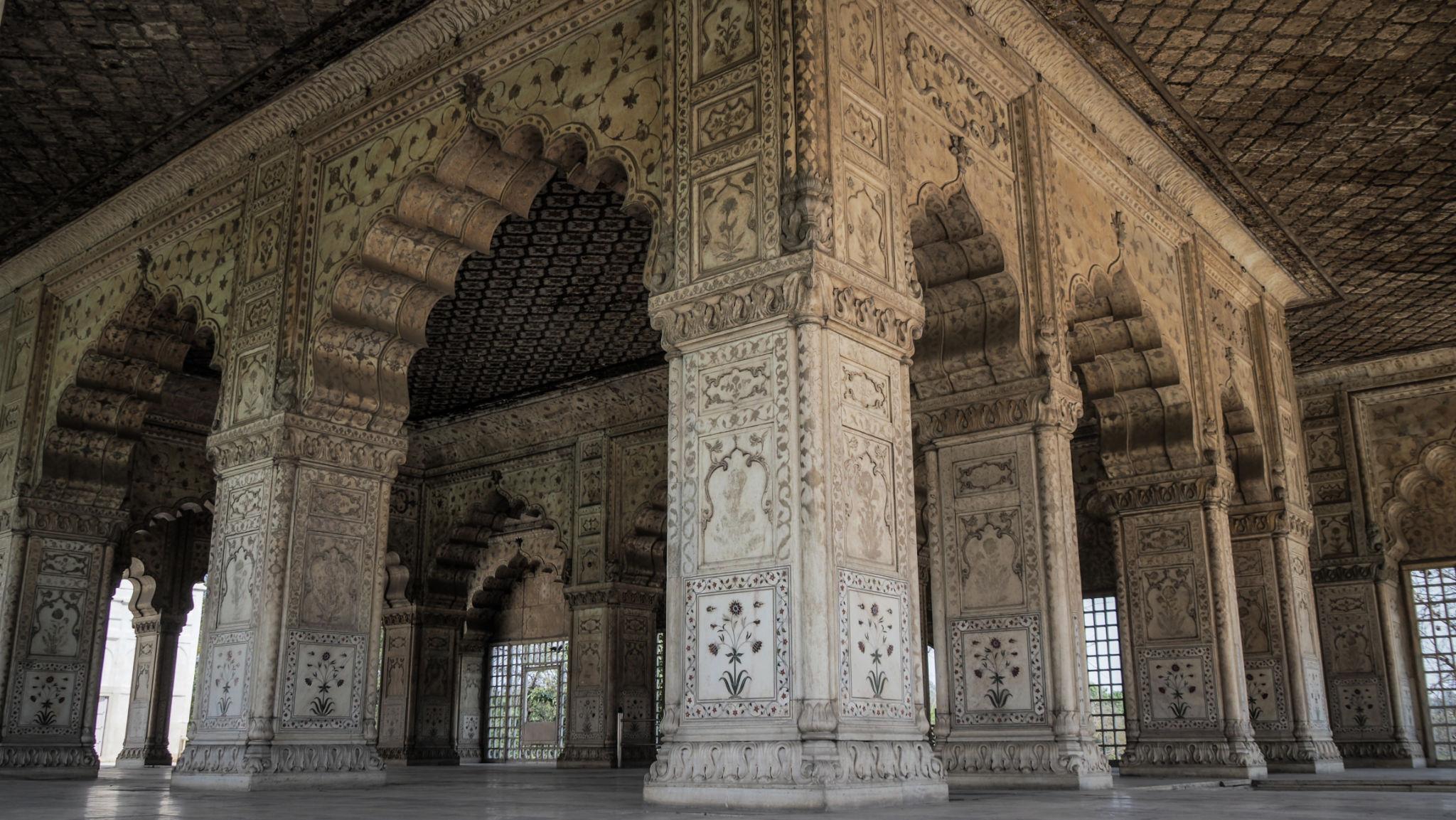
Diwan-i-Khas — the hall of private audience, once home to the Peacock Throne; the inscription calling it "heaven on earth" is here.
Rang Mahal and the Khas Mahal — the marble palaces along the Yamuna-facing wall.
The museums — including the archaeological and the 1857 galleries.
Carry water and a hat even in the cooler months — the open courtyards have almost no shade.
And keep your phone away for the first few minutes at the Diwan-i-Khas. Travellers will tell you the same thing: the urge is to photograph the marble immediately, but it lands differently when you take in the pietra dura and the scale of it first. The inlay, the carved screens, the quiet of an empty audience hall — that's the part the photos never quite catch.
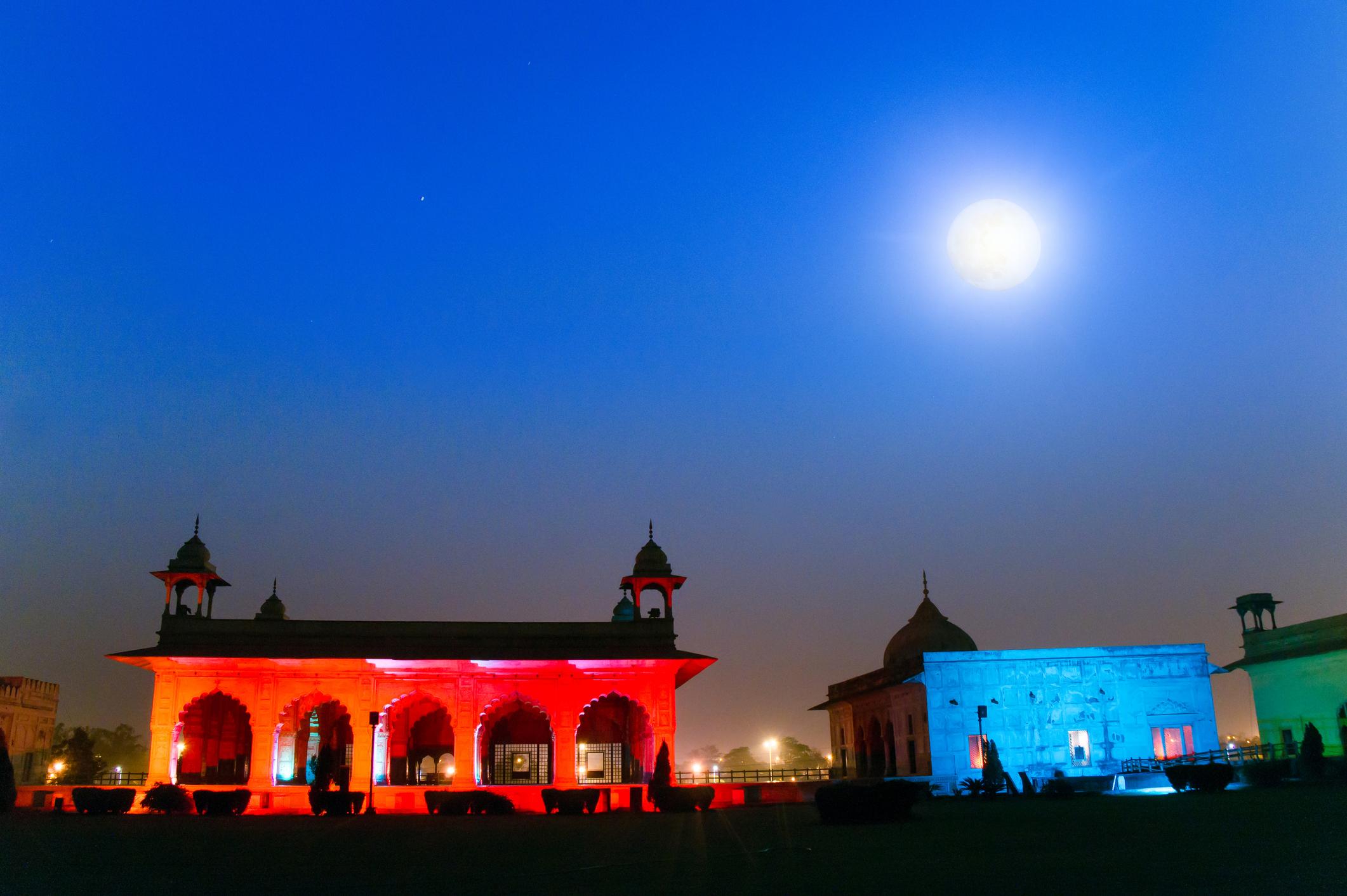
Pro tip: Book your ticket online in advance to skip the queue at the counter, and go early on a weekday that isn't Monday. Security is airport-tight — large bags aren't allowed and there's limited cloakroom, so travel light with just ID, water and a small camera. The paid evening sound-and-light show ("Son et Lumière") tells the fort's history well if you'd rather come at dusk, but check it's running and in a language you follow before you commit.
The mistakes that ruin the visit
Most first-timers trip over the same few things. They come on a Monday and find it shut. They arrive at midday in summer and wilt in the treeless courtyards. Or they walk in with no sense of what they're looking at and drift past the Diwan-i-Khas without knowing what happened there.
The easy fix is to come early on an open day with a ticket in hand and a little context — or take a guide, so the empty halls actually tell you their story.
Want Red Fort early with a guide who skips the crowd spots and finds the Mughal chambers? Hit Get a quote— we'll time it right.