

Delhi's Vibrant Dining Scene
Chhippy Wada, Chandni Chowk, Delhi, India
You've probably seen the reels. Overflowing plates of chaat, butter chicken glistening under lights, a paratha the size of a steering wheel. But here's the thing nobody tells you: wander into the first place that looks busy, order the same three dishes everyone photographs, and you'll eat a decent meal and miss the actual city. Delhi doesn't have a food scene — it has a dozen, layered by neighbourhood and century, and the tourist version is the thinnest one.
Let's fix that. Here's how eating in Delhi actually works, and how to get it right the first time.
Why the neighbourhood decides the meal
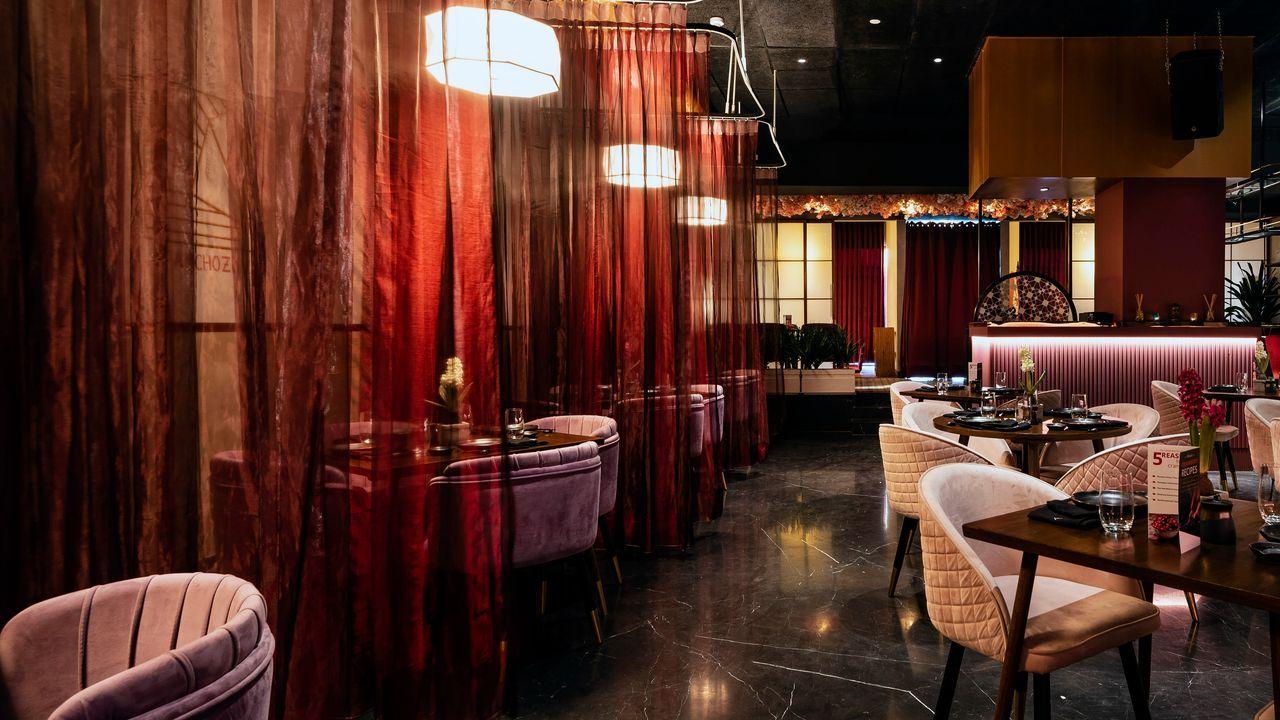
Delhi's food isn't spread evenly — it's pinned to place. Old Delhi, around Chandni Chowk and Jama Masjid, is the Mughlai and street-food heartland: kebabs, nihari, jalebi, the recipes that came with the empire. Central Delhi's markets — Khan Market, Connaught Place — are where the modern, cross-India, and international kitchens sit. South Delhi runs from Punjabi institutions to the city's fine-dining edge. And the little enclaves — the Tibetan food of Majnu-ka-Tila, the South Indian of a dozen Udupi halls — are cities of their own.
So the question isn't "what should I eat," it's "where am I, and what does this quarter do best." Go to Old Delhi for a fine-dining tasting menu and you've missed the point; order a kebab in a Khan Market café and you've paid triple for a lesser one.
What you'll actually eat
A few things Delhi does better than anywhere:
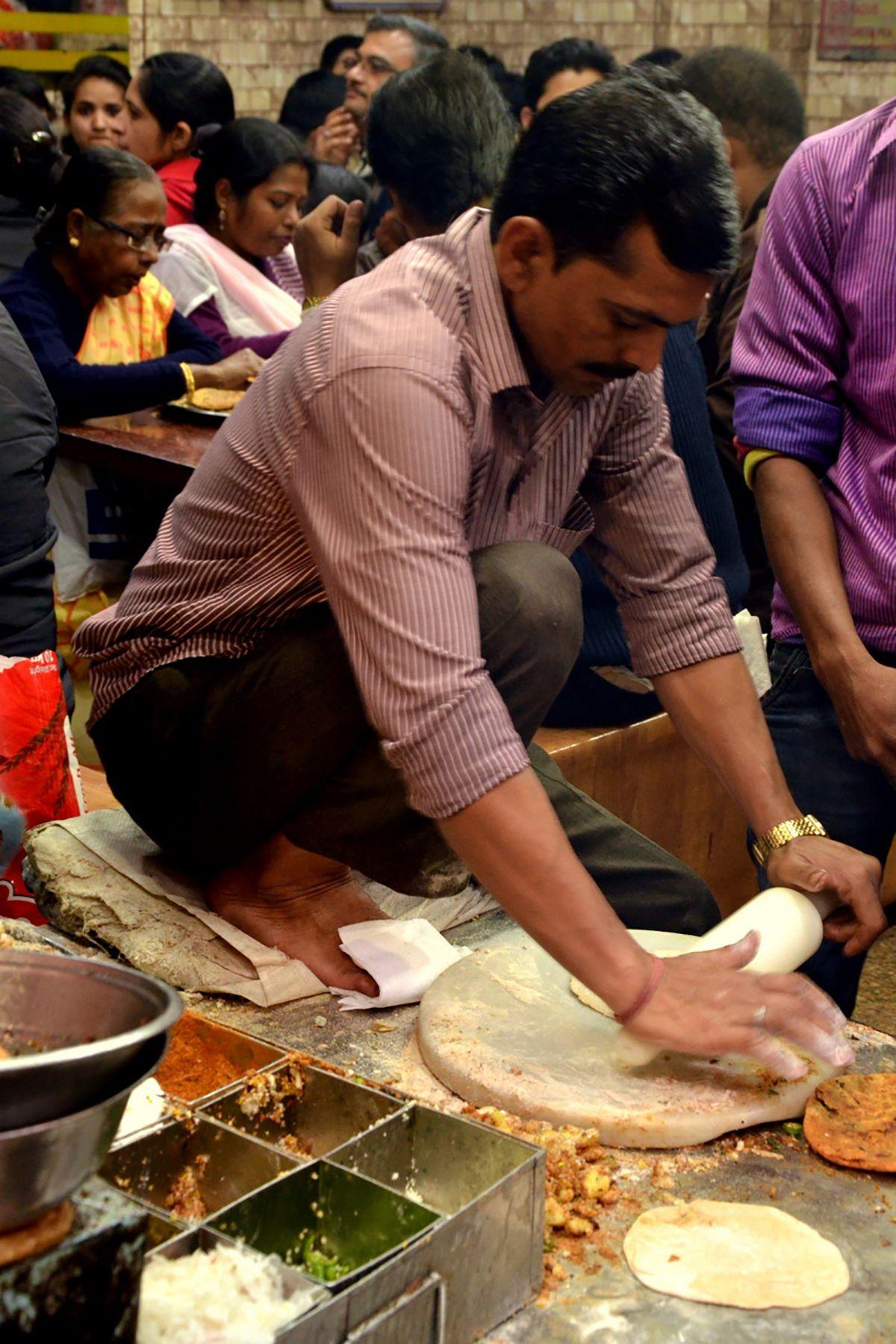
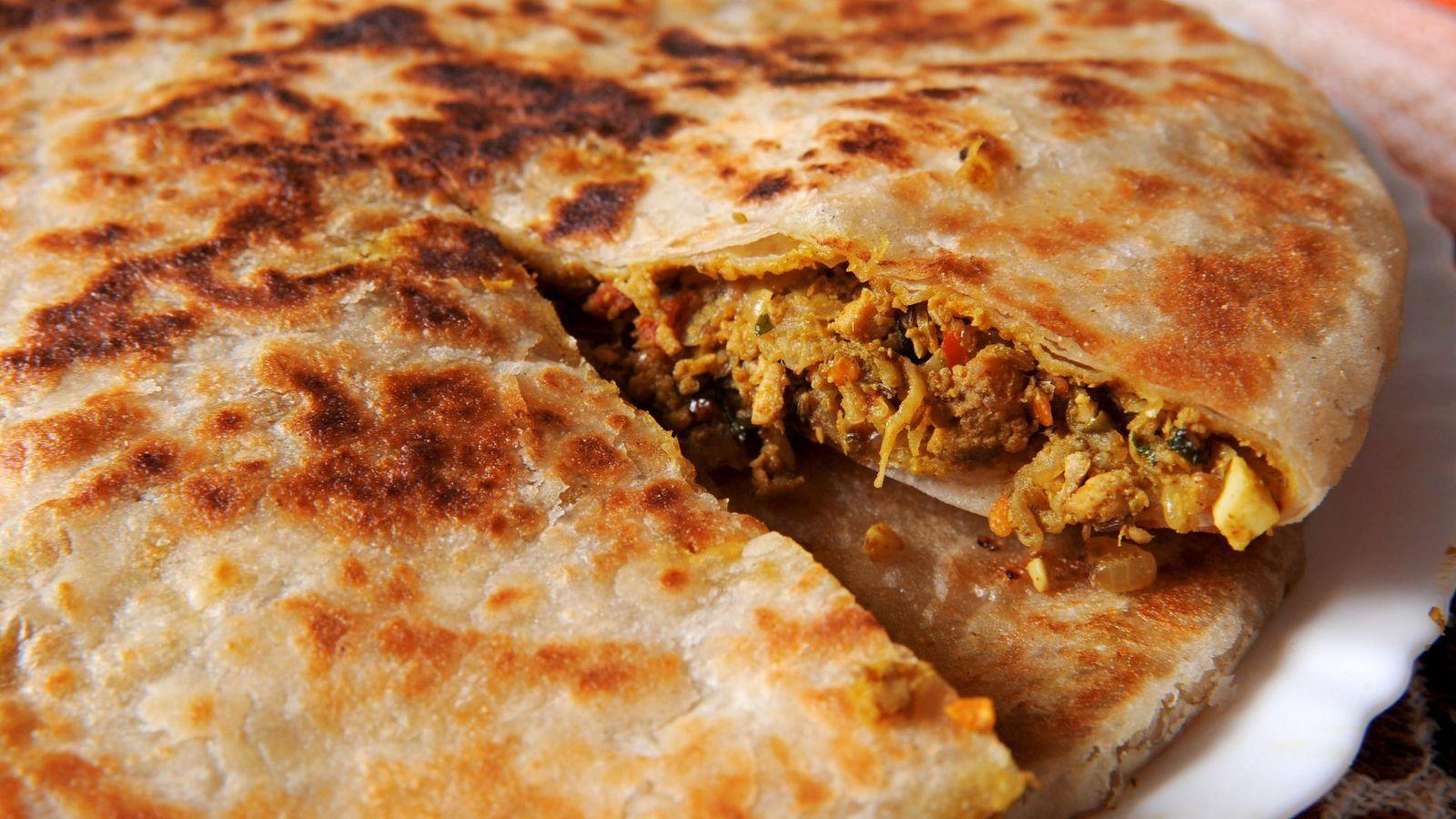
Old Delhi street food — parathas at Paranthe Wali Gali, kebabs and nihari around Jama Masjid, jalebi, and daulat ki chaat in winter.
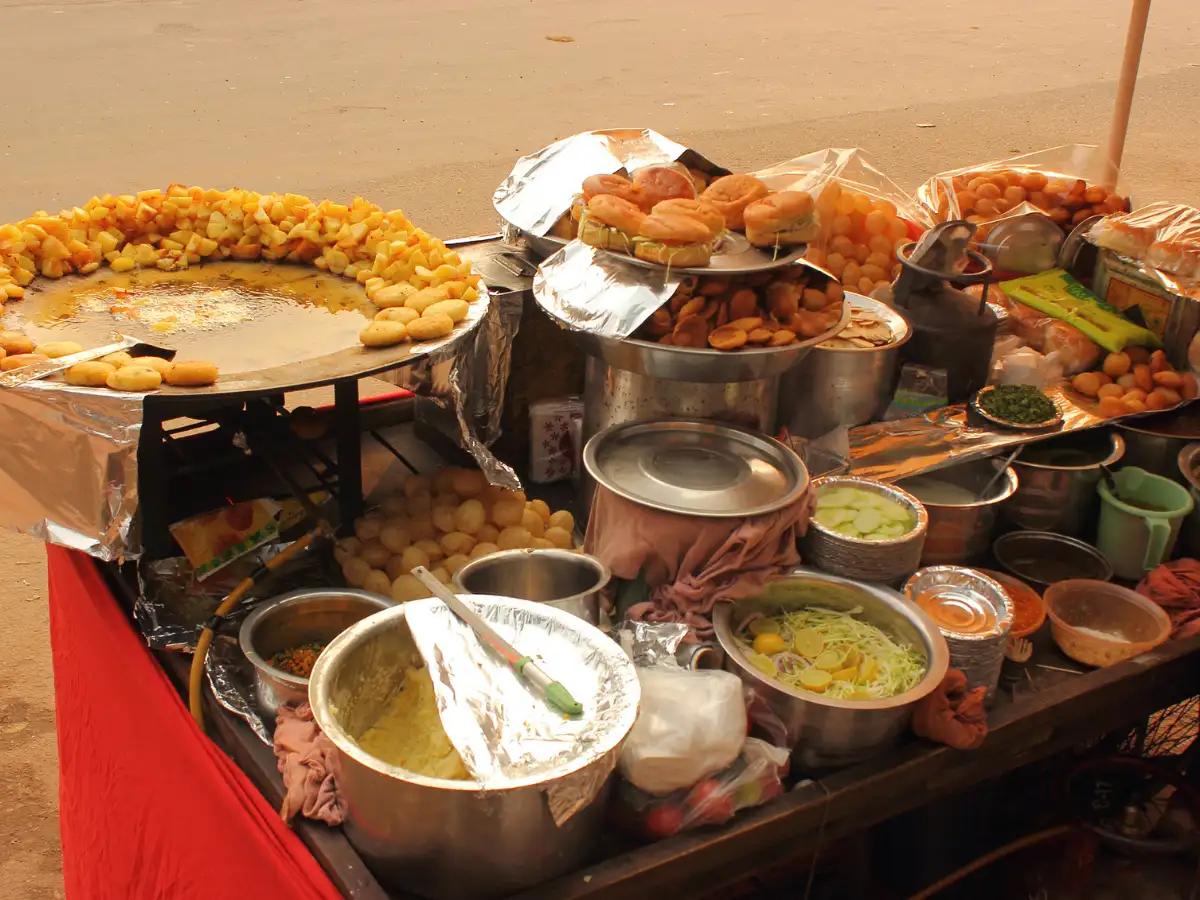
Chaat — golgappe, aloo tikki, papdi — best from a busy stall with high turnover, not a sit-down restaurant.
Mughlai — butter chicken (invented here), dal makhani, kebabs, biryani.
Regional India — South Indian, Bengali, Rajasthani, the Northeast, all with their own strongholds.
Come hungry and pace yourself — the mistake is filling up at the first stall. And carry cash in small notes; the best street vendors don't take cards.
And here's the one place the phone helps rather than hurts: use it. Travellers who eat well in Delhi will tell you the same thing — check where the locals queue, not where the photos are prettiest. A stall with a crowd of office workers at 1 p.m. is telling you something a filtered reel can't. That instinct for where the line is real is the part the photos never quite catch.
Pro tip: Eat where it's busy and fresh. High turnover means the food hasn't been sitting, which is your best defence against a bad stomach — and it's usually where the flavour is too. Start with cooked, hot, made-to-order food before raw chutneys and cut fruit if your gut isn't used to the water. Drink bottled or filtered water only, and go easy on ice. And do a guided food walk in Old Delhi on your first day if you can — a local leads you to the right stalls in a maze that's genuinely hard to navigate solo, and you'll eat far better for the rest of the trip.
The mistakes that ruin it
Most first-timers trip over the same few things. They eat only near their hotel and never reach the neighbourhoods that matter. They fill up on the first thing they see. Or they dive straight into raw street chaat on day one and spend day two in the bathroom.
The easy fix is to eat by neighbourhood, follow the local crowds, and ease your stomach in — or let a food-focused guide handle the where and the what on your first day so the rest of the trip is easy.
Want the real Old Delhi food walk — Chandni Chowk lanes, right stalls, no tourist traps? Hit Get a quote — we'll map the route.