

India Gate
Delhi High Court, Delhi, New Delhi, India
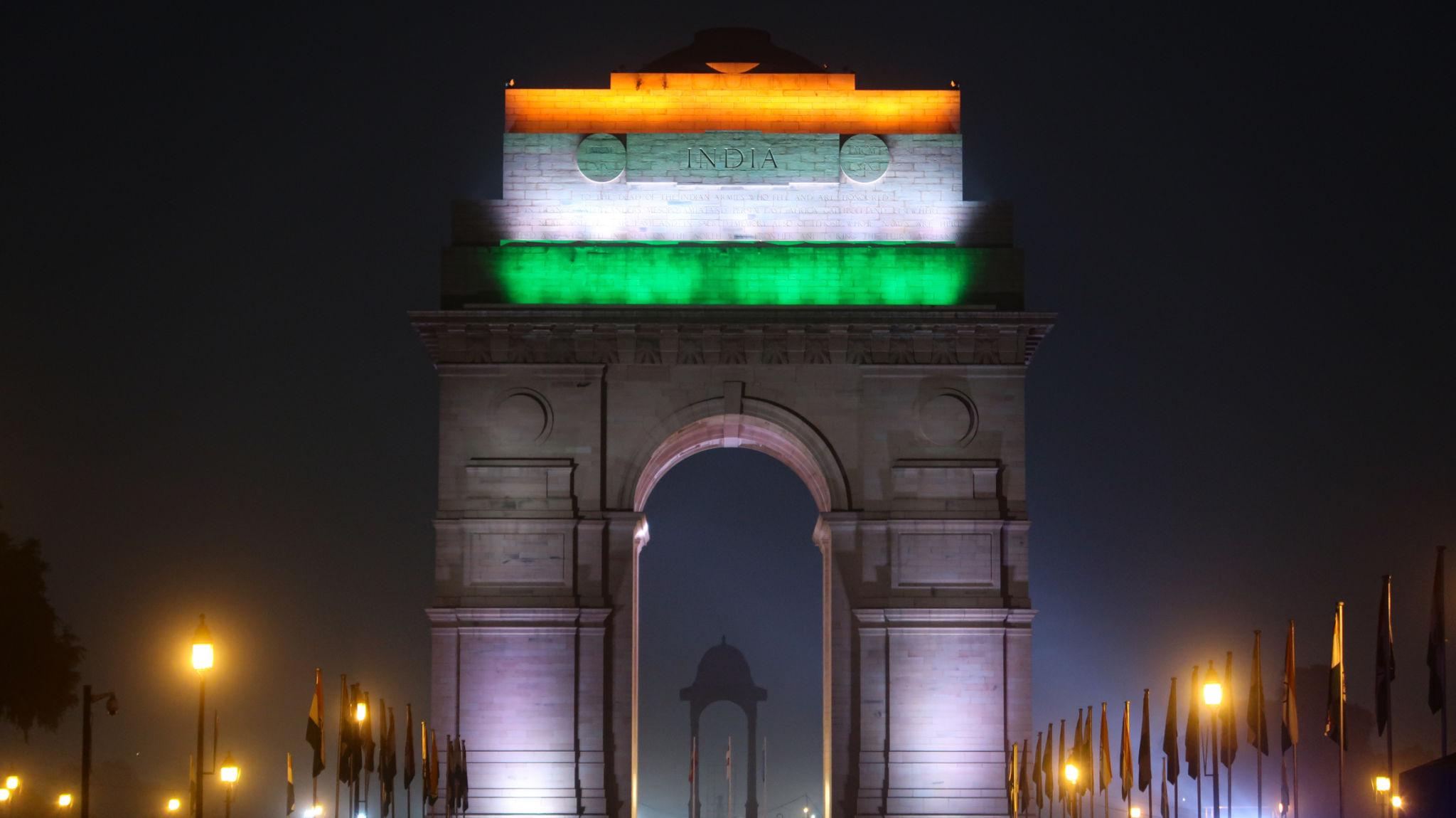
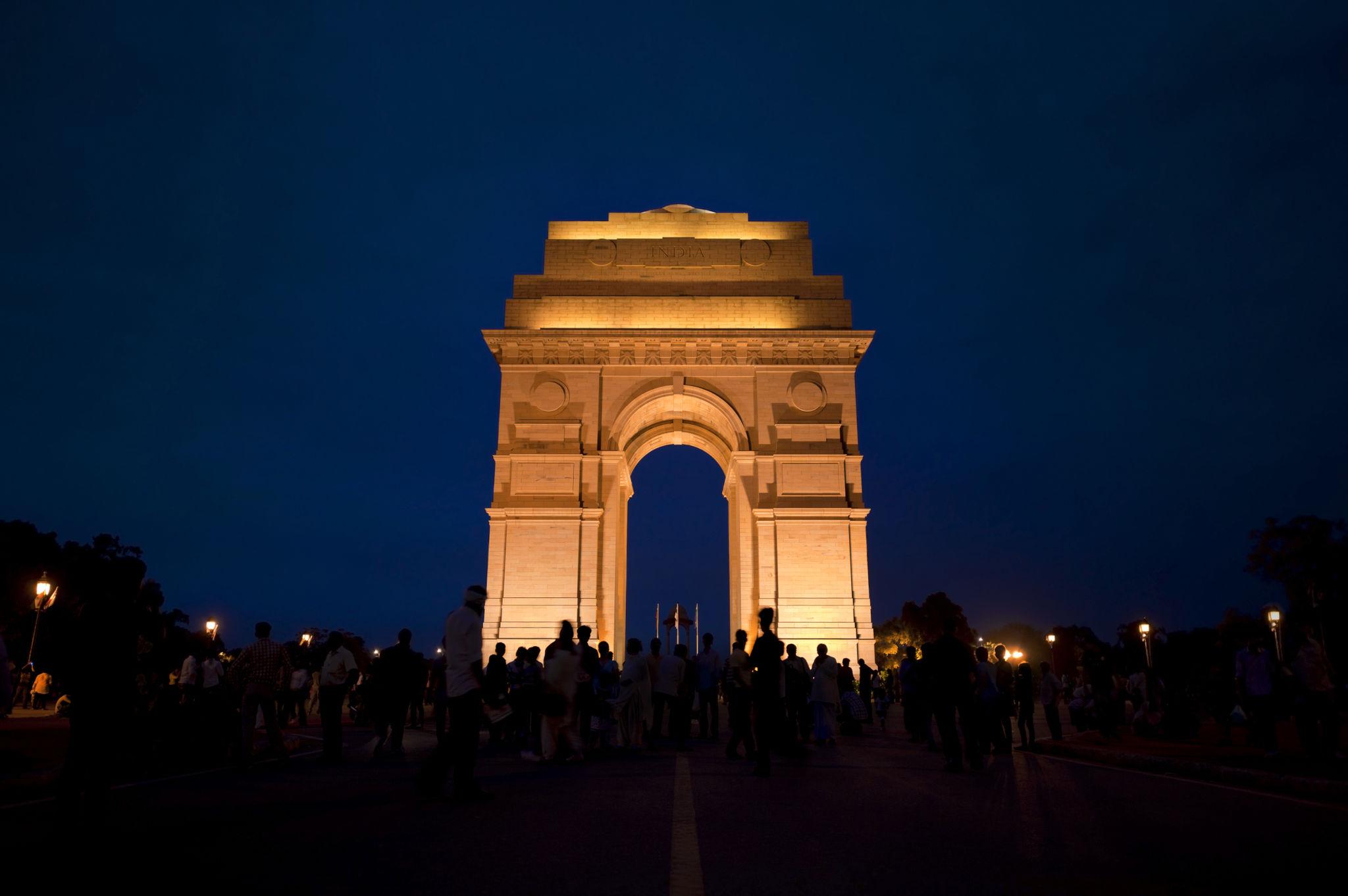
You've probably seen it lit up at night in a hundred photos — the great archway glowing against a dark sky, lawns full of families, ice-cream carts everywhere. But here's the thing nobody tells you: turn up at the wrong hour and you'll get a hazy silhouette in flat afternoon light, a car park's worth of crowds, and a war memorial reduced to a backdrop for selfies. The India Gate that actually moves people is a different experience, and it comes down to when you go.
Let's fix that. Here's how a visit to India Gate actually works, and how to get it right the first time.
Why evening, and not the middle of the day
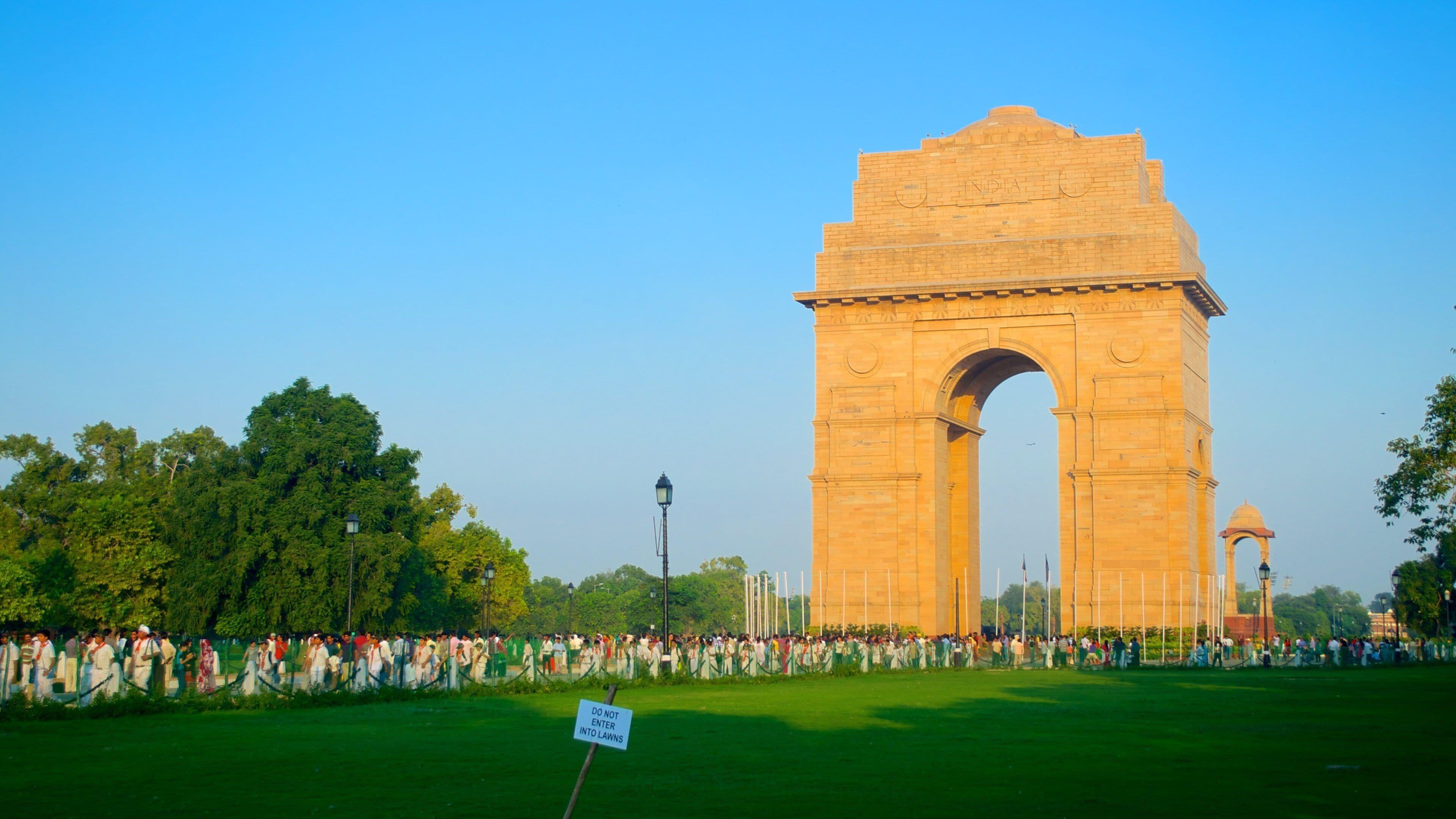
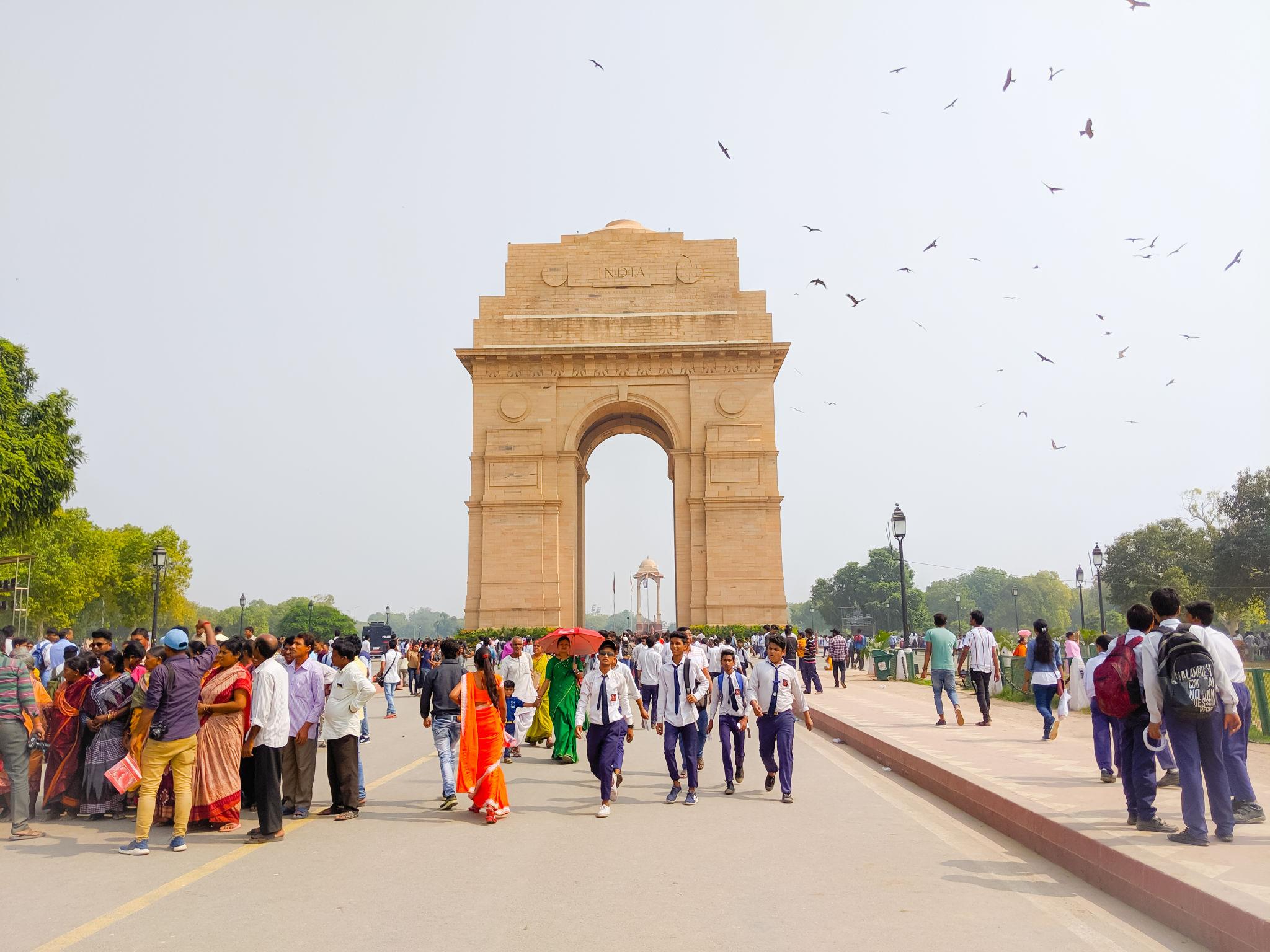
India Gate changes character by the hour. Delhi's afternoons are hot, bright and hazy, and the monument washes out in the glare with heat shimmering off Kartavya Path. Come at dusk instead and it transforms — the sandstone warms in the low sun, the lights come on, the fountains along the promenade are lit, and the whole stretch fills with families out for the evening.
So you want to arrive in the last hour of daylight and stay into the night. That means late afternoon in winter, a little later in summer. It's also far cooler then, which matters more than you'd think on an exposed, treeless promenade. The monument by night is the one people remember.
What you'll actually see
Standing 42 metres tall at the end of Kartavya Path, India Gate is a war memorial to the soldiers of the British Indian Army who died in the First World War and the Third Anglo-Afghan War. Around it you'll find:
The arch itself — inscribed with the names of thousands of fallen soldiers, best seen lit after dark.
The Amar Jawan flame and the National War Memorial — the eternal-flame tribute now sits at the War Memorial just behind, honouring India's post-independence fallen.
Kartavya Path — the redeveloped ceremonial avenue running up toward Rashtrapati Bhavan, with lawns, fountains and food stalls.
The evening crowds — families, balloon sellers, and the chaat and ice-cream carts that are half the experience.
Carry water and, in winter, a layer for after sunset. It's an open, exposed space with little shade.
And keep your phone down for the first few minutes when you arrive. Travellers who've stood here will tell you the same thing: the urge is to photograph the arch straight away, but it lands differently when you take it in first — a memorial to tens of thousands of names, in the middle of a city treating it as an evening out. That contrast, and the flame burning at the National War Memorial behind, is the part the photos never quite catch.
Pro tip: Come at dusk to catch the monument in daylight and lit, rather than one or the other. Vehicle access right up to the gate is restricted, so plan to walk the last stretch along Kartavya Path — pleasant in the evening, brutal at midday. Use the Central Secretariat or Udyog Bhawan Metro rather than driving into the congestion. And keep it respectful near the National War Memorial: it's an active site of remembrance, not a photo prop.
The mistakes that ruin the visit
Most first-timers trip over the same few things. They come at 2 p.m. in the heat and haze and see a washed-out arch. They drive in and lose an hour to traffic and parking. Or they treat the National War Memorial like a backdrop rather than the solemn place it is.
The easy fix is to arrive in the evening, come by Metro, and give the memorial the few minutes of attention it asks for before the ice cream.
Want India Gate, Kartavya Path and Rashtrapati Bhavan timed to the evening light in one clean loop? Hit Get a quote.