


Humayun's Tomb
J-6, Nizamuddin, New Delhi, India
You've probably seen it called "the baby Taj." A great domed Mughal tomb in the middle of Delhi, red sandstone and white marble, gardens all around — and most people give it forty minutes on the way to somewhere else. But here's the thing nobody tells you: turn up at noon in a tour-bus crush and you'll trudge a hot, hard-lit monument in a hurry, miss the four other tombs hidden in the same complex, and never understand that this is the building the Taj Mahal was copied from. Rushed and mistimed, it's just a big dome.
Let's fix that. Here's how a visit to Humayun's Tomb actually works, and how to get it right the first time.
Why early or late, and not the middle of the day
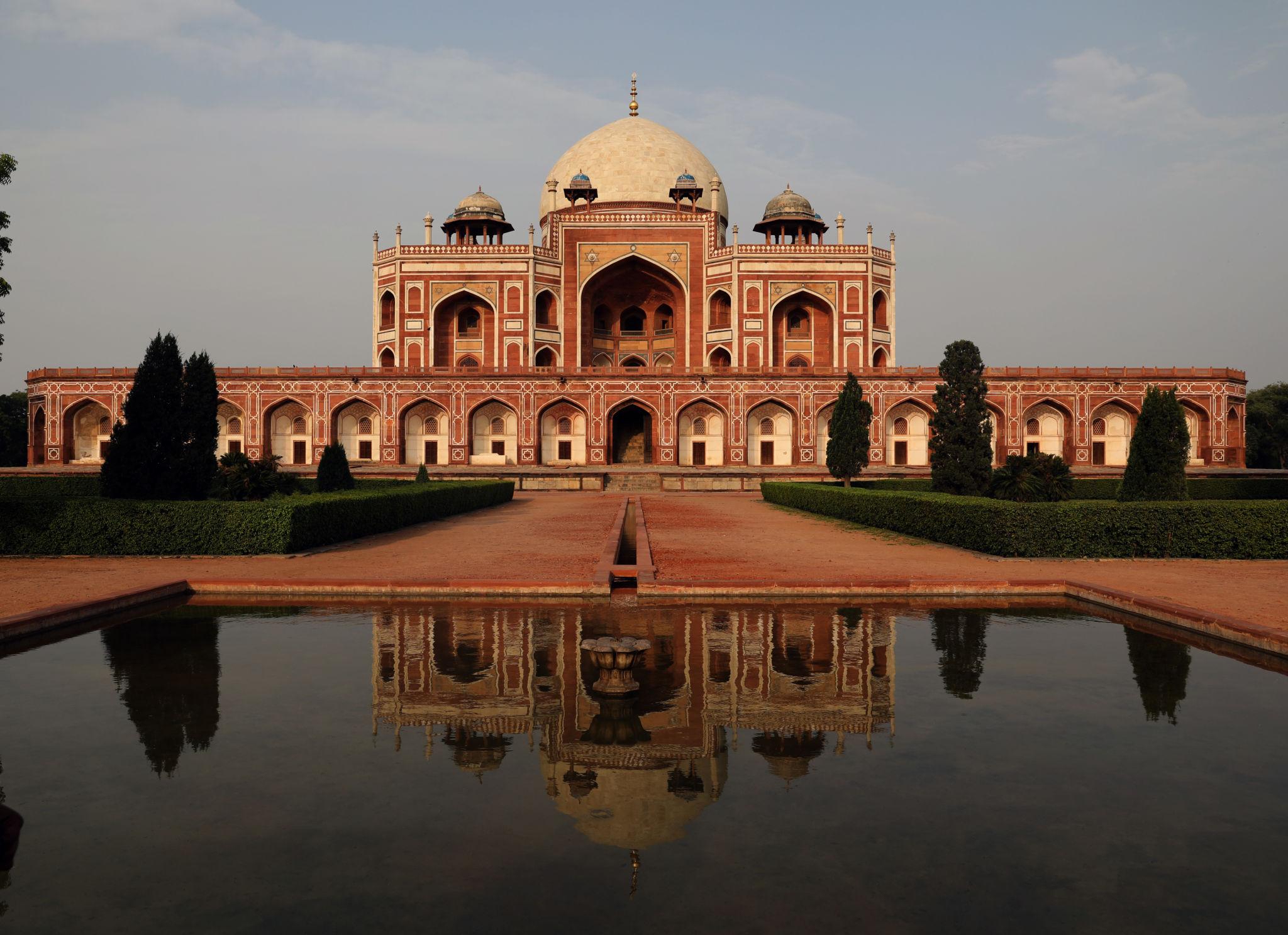
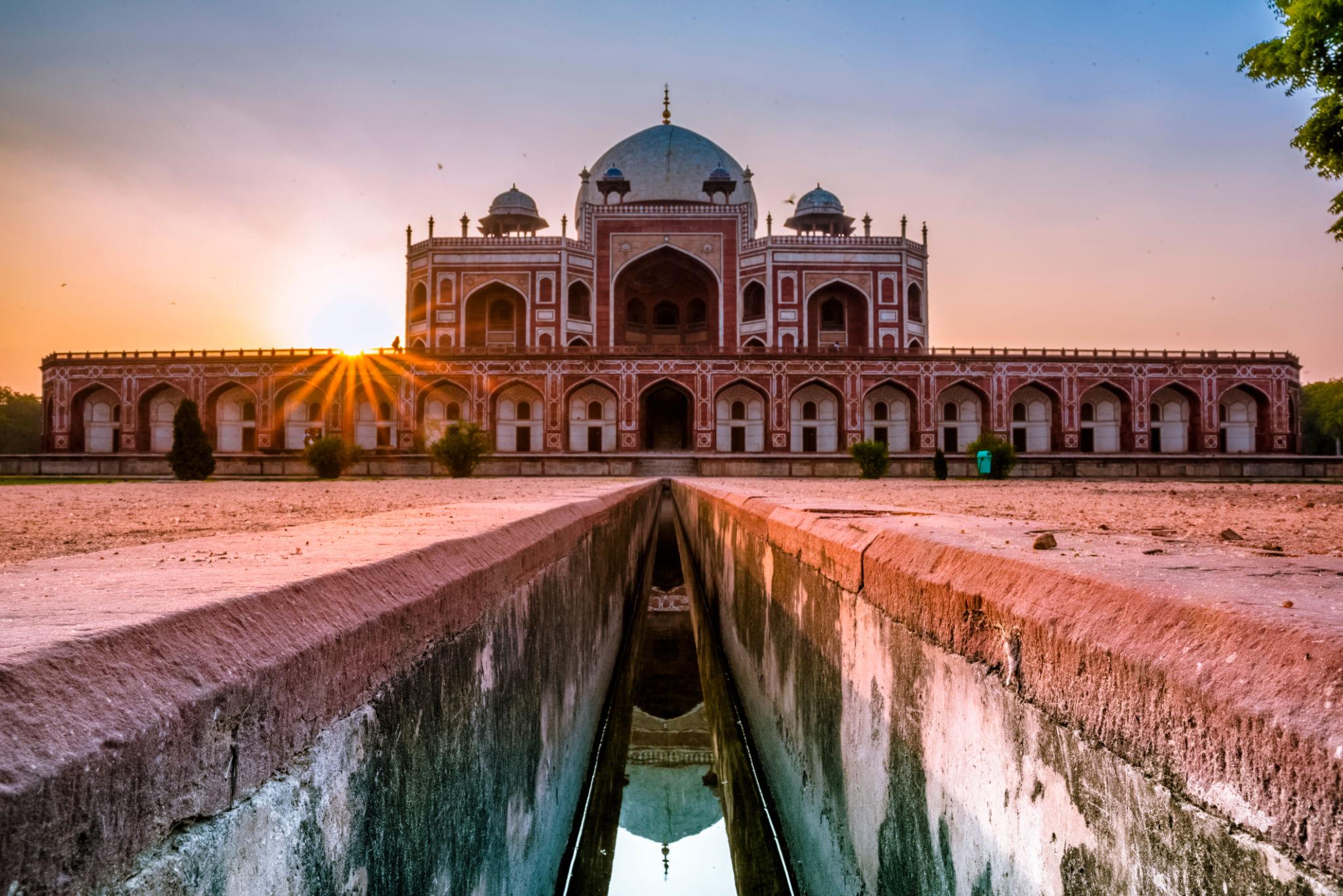
The tomb sits in a classic charbagh — a four-part paradise garden — and it lives and dies by the light. At midday the sandstone glares, the marble goes flat, the lawns bleach out, and Delhi's heat makes the whole thing a slog. In the first hour after opening, or the last hour before close, the low sun warms the red stone, the dome catches gold, and the long garden axes throw shadow and depth.
So come at opening, around sunrise, or late afternoon toward golden hour — and give it more than a token half hour. This is a UNESCO World Heritage Site and the first great garden-tomb of the Mughals; it rewards the time the crowds don't give it.
What you'll actually see
The famous dome is only the centrepiece — the complex holds far more:
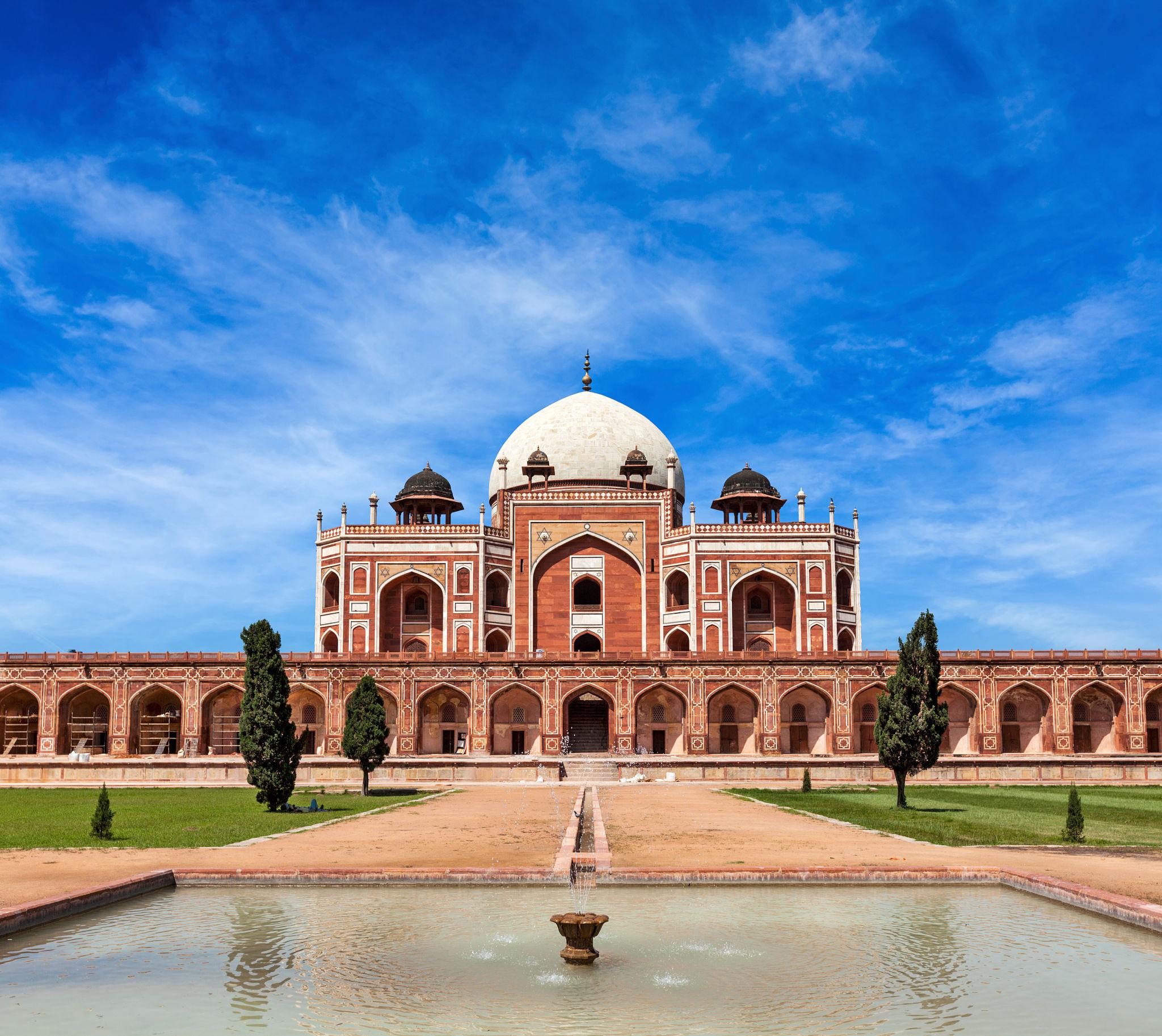
Humayun's Tomb itself — the 1570s mausoleum, built by the emperor's widow, the template for the Taj eighty years later.
Isa Khan's Tomb — an octagonal garden-tomb older than Humayun's, just inside the entrance, and often walked past.
The Bu Halima and Arab Sarai gardens — the sequence of courts you pass through to reach the main tomb.
Nila Gumbad and the wider complex — blue-tiled and lesser-visited, part of the restored heritage precinct.
Wear proper walking shoes and carry water and sun cover — the complex is large, open, and hot, and you'll be on your feet across gravel and lawn for a couple of hours.
And unlike a temple, this is a place built to be looked at, so do get the camera out — but look first. Travellers who rush it will tell you the same thing: everyone shoots the dome head-on from the entrance and leaves, and that single photo misses the symmetry, the receding arches, the way the garden channels the eye. Stand at the axis and take in the geometry before you frame it. The scale, the proportion, the quiet of the gardens early in the day — that's the part the head-on photo never quite catches.
Pro tip: Buy your ticket online to skip the queue, and come right at opening or late afternoon for the light and the calm. Don't miss Isa Khan's Tomb near the entrance — most people march straight past it to the big dome. And pair the visit with the Nizamuddin Dargah just next door, especially for the Thursday-evening qawwali, to round out a properly Mughal-Delhi afternoon.
The mistakes that ruin it
Most first-timers trip over the same few things. They come at midday and wilt in flat light and heat. They give it half an hour and see only the main tomb. Or they photograph the dome once from the gate and never walk the gardens or the side tombs.
The easy fix is to come early or late, give it a proper two hours, and let someone point you to the parts of the complex the crowds skip. is considered one of the finest examples of Mughal architecture.
Want Humayun's Tomb at golden hour with a guide who knows the hidden tombs most visitors walk past? Hit Get a quote.