

Qutub Minar
Internal Path, Seth Sarai, New Delhi, India
You've probably seen it on a fridge magnet. The tallest brick minaret in the world, red-and-buff sandstone spiralling up into the Delhi haze, tour groups clustered at the base. But here's the thing nobody tells you: turn up at noon on a Sunday and you'll queue in full sun, share every photo with a thousand other people, and never notice the older, stranger things scattered around the tower that are the real reason to come. A rushed midday visit to just the Minar is not the Qutub complex people remember.
Let's fix that. Here's how a visit to the Qutub Minar actually works, and how to get it right the first time.
Why early morning, and not any other hour
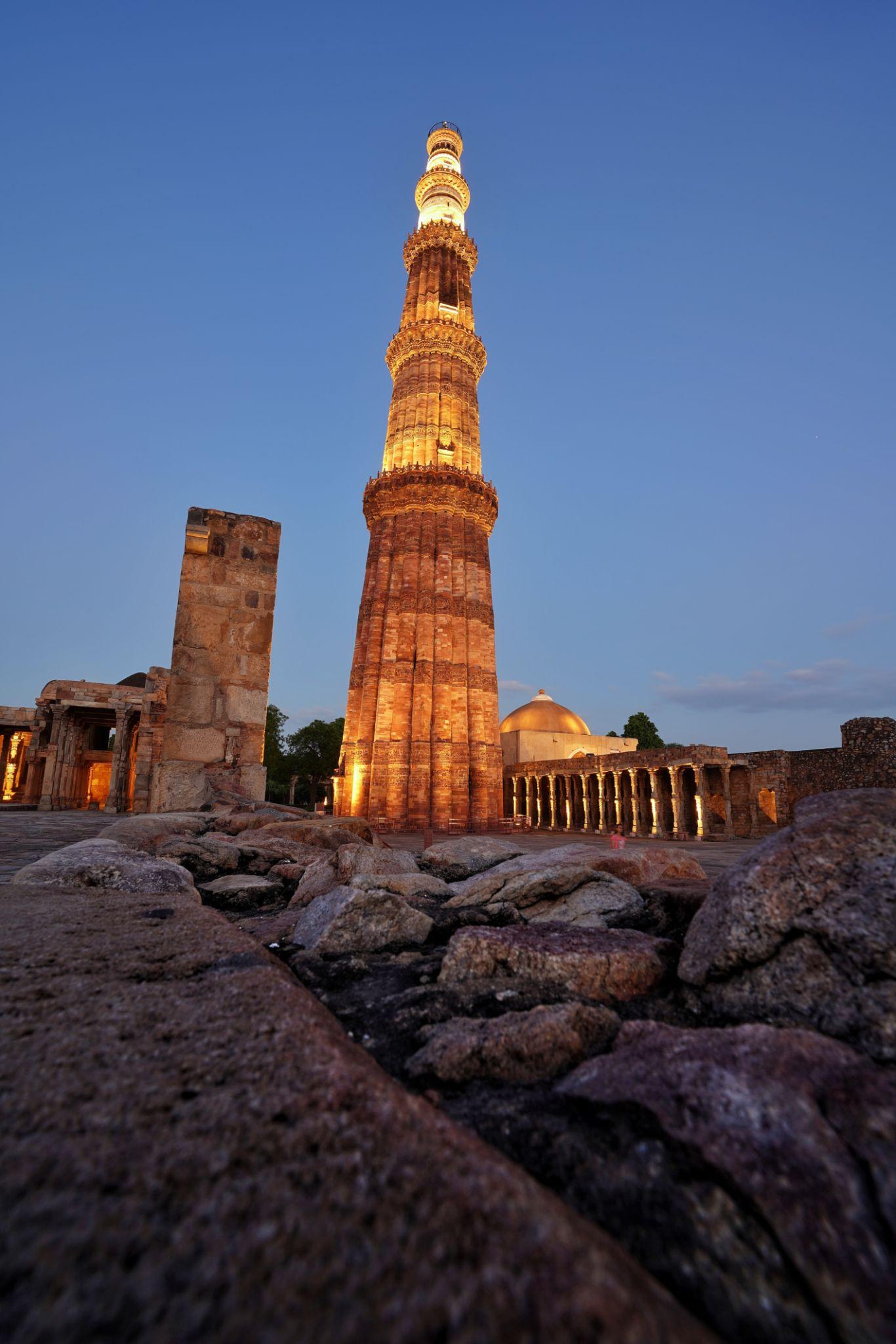
The complex opens at sunrise, and the first hour is a different place from the rest of the day. Early, the light is low and warm on the sandstone, the carving reads in sharp relief, and you can stand back far enough to actually frame the tower without a crowd in the shot. By ten or eleven the tour buses land, the light goes flat and harsh, and the lawns fill.
Delhi's heat makes this matter more than at most sites — from April to September, midday here is genuinely punishing, and the shade is thin. So aim to be at the gate when it opens, around sunrise, and you'll have the best light and the coolest, quietest hour of the day before the crowds arrive.
What you'll actually see
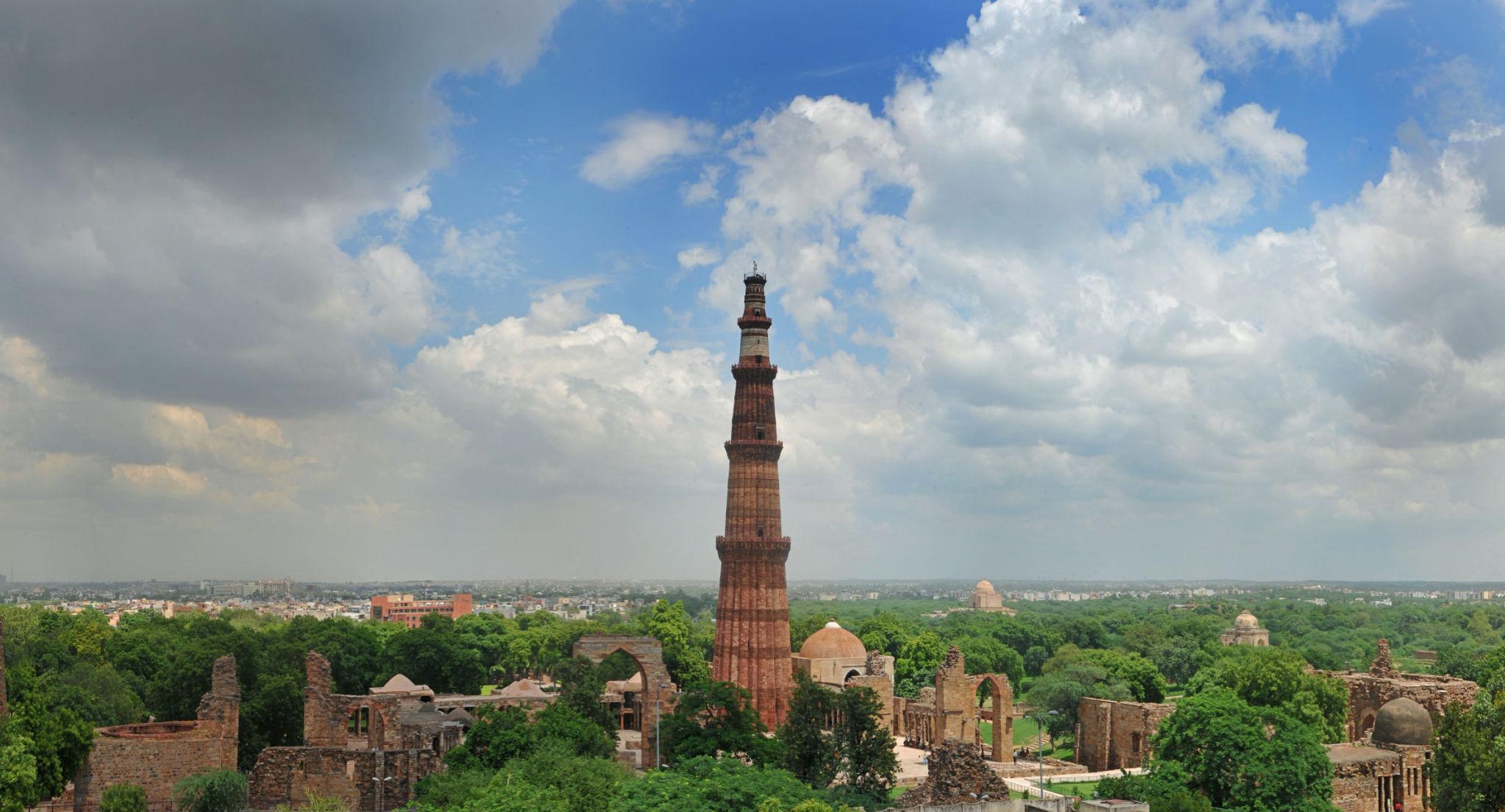
The Minar is the headline, but the complex around it is the real depth — allow a good ninety minutes:
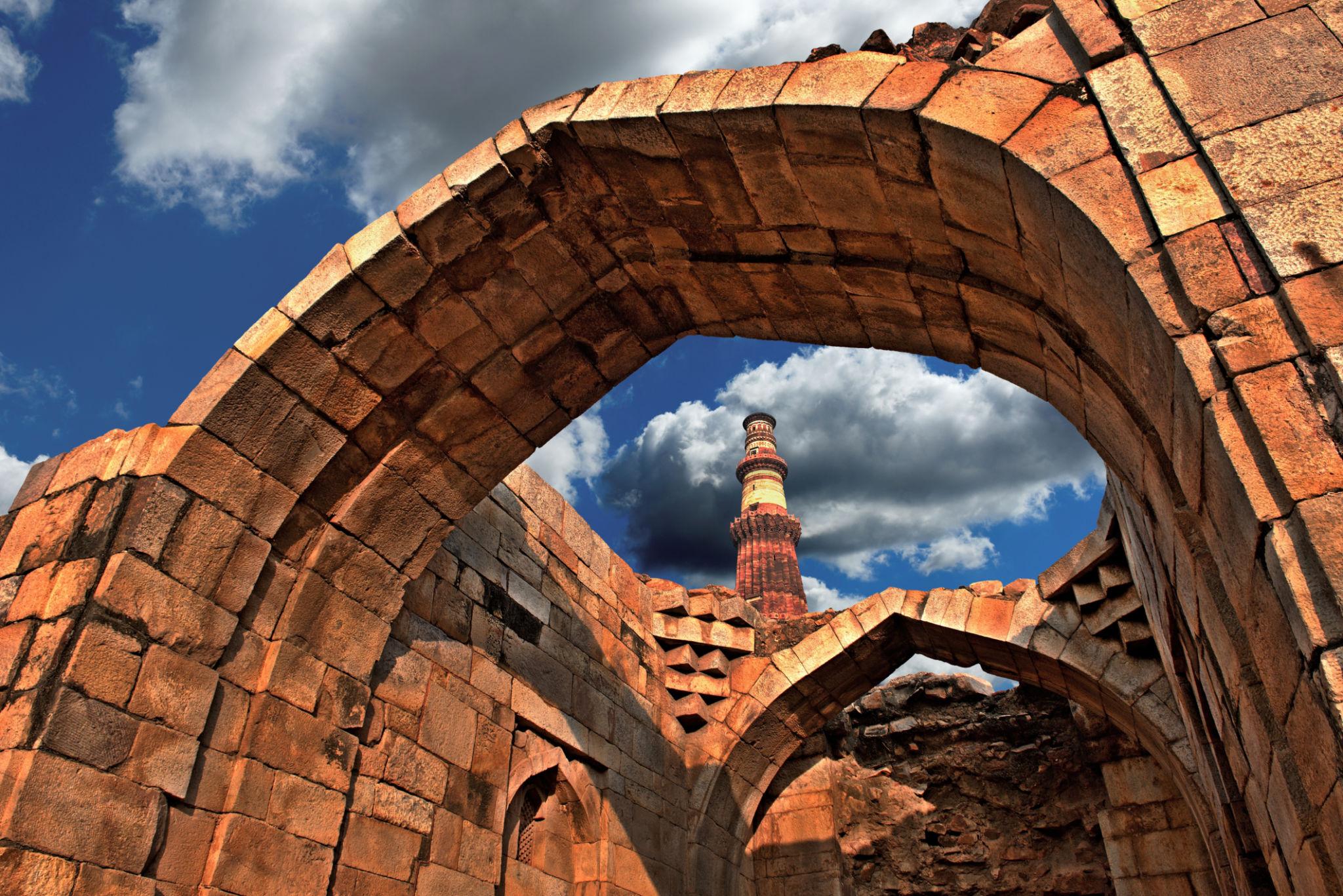
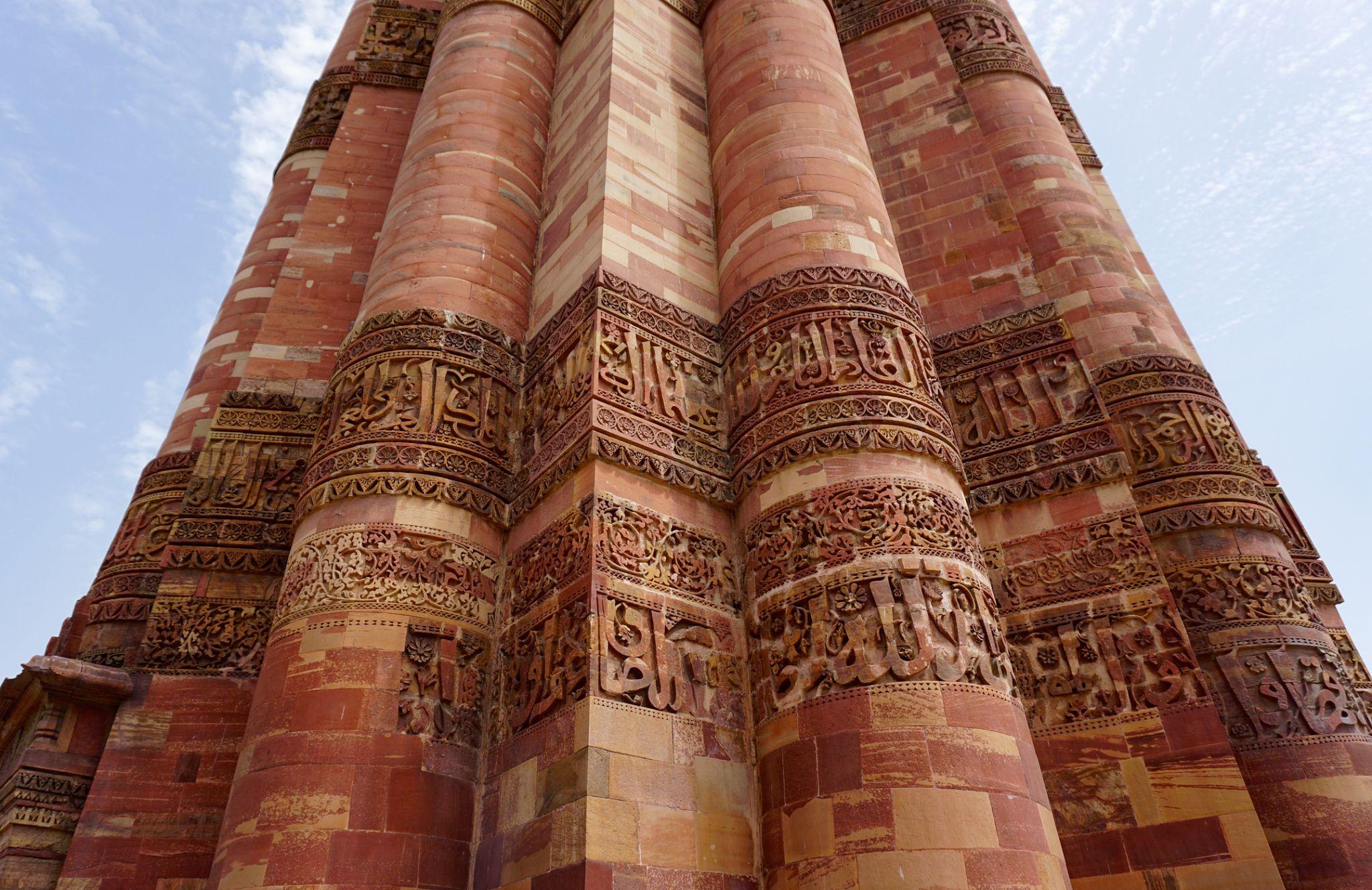
The Qutub Minar — the 73-metre victory tower begun by Qutb-ud-din Aibak around 1199, its balconies and fluting carved with inscriptions.
The Iron Pillar — a 1,600-year-old iron column that famously hasn't rusted, a genuine metallurgical mystery.
Quwwat-ul-Islam Mosque — one of India's earliest mosques, built partly from the carved stone of demolished earlier temples, which you can still read in the pillars.
Alai Darwaza and Alai Minar — the ornate gateway, and the stump of a second tower meant to dwarf the first, abandoned unfinished.
Carry water and something for the sun even in the cooler months. There's little shade, and the complex is bigger than it looks.
And keep your phone down for the first few minutes. Travellers who've been will tell you the same thing: the urge is to shoot the tower straight away, but the scale and the carving land differently when you just look first. The height of it, the detail worked into stone eight centuries old, the quiet before the crowds — that's the part the photos never quite catch.
Pro tip: Book your ticket online in advance to skip the counter queue, and note you can no longer climb the tower — entry to the interior stairs has been closed to the public for years, so come for the complex, not the climb. Hire a licensed guide at the gate or read up beforehand, because the Iron Pillar and the reused temple stone mean nothing without the story. And come on a weekday if you can; weekends and holidays multiply the crowds.
The mistakes that ruin the visit
Most first-timers trip over the same few things. They arrive at midday and melt in the queue. They photograph the tower and leave, missing the Iron Pillar and the mosque. Or they expect to climb it and are disappointed to find the interior closed.
The easy fix is to come early, give the whole complex time, and know what you're looking at — so it's a rich morning rather than a hot photo stop.
Want Qutub Minar timed to the quiet hour with the hidden Iron Pillar story included? Hit Get a quote — we'll plan the morning.