

Tomato Chaat
Varanasi, India
You've probably had chaat before and think you know it. Crisp, dry, assembled cold — papdi, chutney, a bit of yoghurt. But here's the thing nobody tells you: Banaras does a tomato chaat that's nothing like that, and if you order it expecting the Delhi version you'll be baffled by what arrives. It's hot, it's mashed, it's almost a thick spiced stew in a leaf bowl — and eaten at the wrong stall, or the wrong time of day, it's either underwhelming or a stomach you'll regret. Get it right, though, and it's the single most Banarasi thing you'll eat.
Let's fix that. Here's how Banarasi tomato chaat actually works, and how to get it right the first time.
Why the stall, and the hour, matter more than the dish
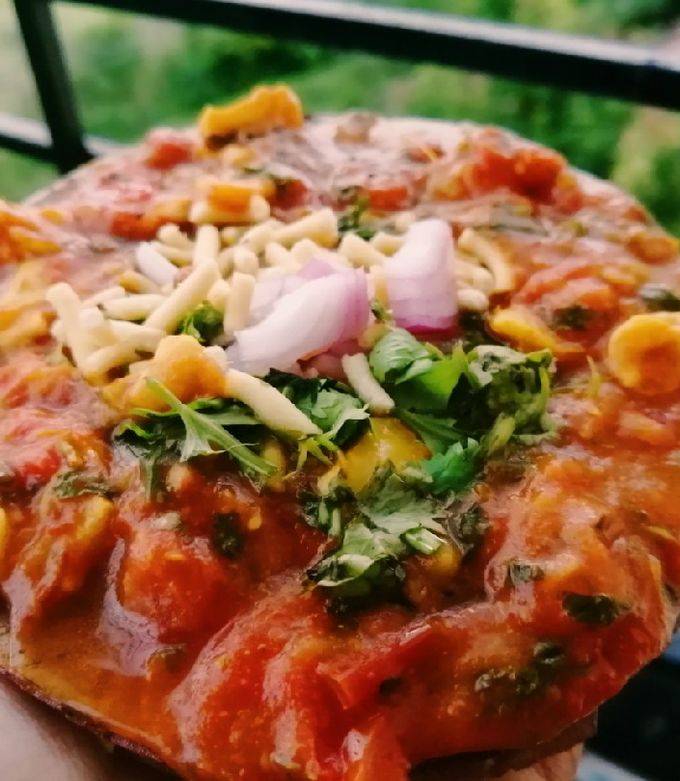
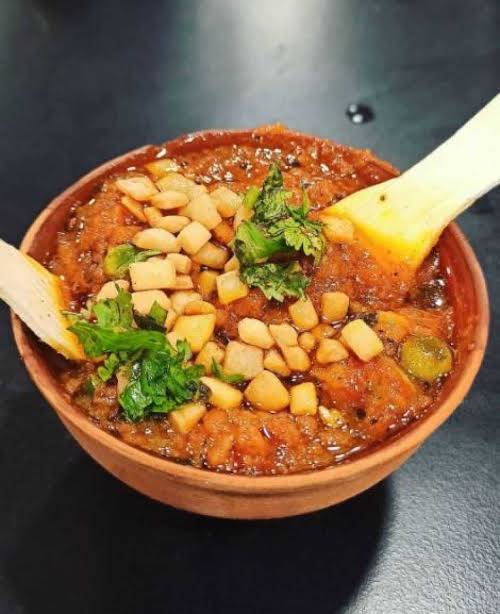
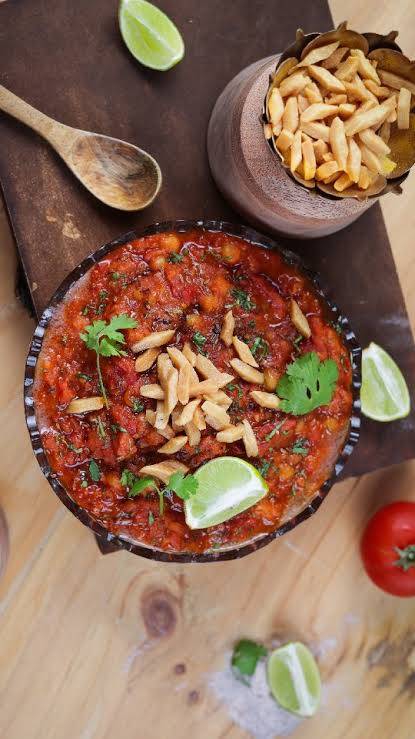
Tomato chaat is cooked fresh and served warm — tomatoes simmered down with potato, ginger and a fierce spice mix, mashed in a heavy iron kadhai, then piled into a dona (a bowl of dried leaves) and finished with crushed papdi, namkeen, coriander and a squeeze of lime. Because it's cooked to order and turns over fast, the busy stalls are the safe stalls: high turnover means the pan is fresh and the ingredients haven't been sitting.
So you go where the crowd is, and you go when they're cooking — late afternoon into evening is chaat time in Banaras, when the stalls fire up and the queues build. A quiet stall at 11 a.m. is the one to skip.
What you'll actually get
Order it and here's what lands in your hands:
The base — slow-cooked tomato and potato, spiced hot and tangy, the texture of a coarse mash.
The crunch — crushed papdi and namkeen piled on top, for contrast against the soft base.
The finish — fresh coriander, ginger julienne, a dusting of chaat masala, a squeeze of lime.
The dona — the leaf bowl it's served in, and a wooden or leaf spoon. No plate, no cutlery, no fuss.
It's messy, it's hot, and it's meant to be eaten standing up on the street.
And here's the one time the phone genuinely earns its place: get the shot. Travellers who've eaten here will tell you the same thing — the leaf bowl, the steam, the red mash and the green coriander photograph beautifully, and unlike a temple or a cremation ghat, this is a thing made to be enjoyed and shared. Snap it, then eat it fast while it's hot. What a photo can't carry is the first spoonful — sweet, sour, sharp and spiced all at once, unlike any chaat you've had. That's the part you have to be there for.
Pro tip: Go to a stall with a queue of locals, not one angling for tourists — Kashi Chaat Bhandar and Deena Chaat Bhandar in the Godowlia/Dashashwamedh area are the names people argue over, and both are the real thing. Order it fresh off the pan, not from a pre-made batch. Tell them your spice tolerance up front — Banarasi chaat runs hot. And pair it with a palak patta chaat and a Banarasi tamatar chaat-chaser of lassi if you want the full spread.
The mistakes that ruin it
Most first-timers trip over the same few things. They expect dry Delhi-style chaat and are thrown by the warm mash. They eat at an empty tourist stall and pay for it later. Or they order mild, get it drowned in spice anyway, and can't taste past the heat.
The easy fix is to eat where the locals queue, order it fresh, and know going in that Banarasi tomato chaat is its own hot, tangy, mashed thing — not the chaat you're picturing.