
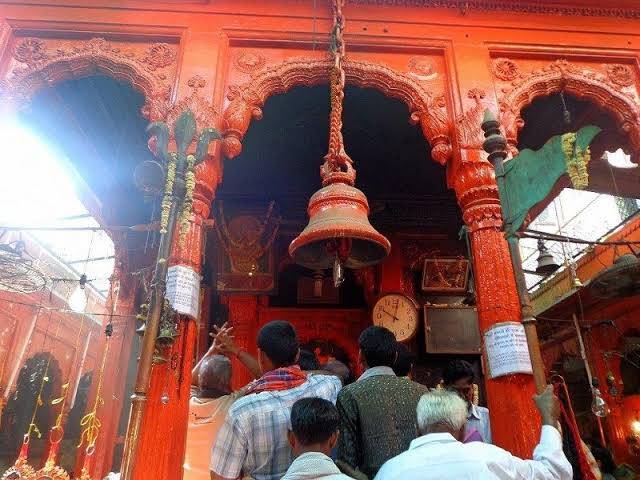
Kaal Bhairav Temple
Shri Kaal Bhairav Temple, Varanasi, India
You've probably not even heard of him, and that's the first thing to fix. Almost every visitor goes to Kashi Vishwanath; far fewer make the short trip to Kaal Bhairav, even though tradition regards him as the Kotwal, or guardian, of Kashi. Locals often consider his darshan an important part of a complete Varanasi pilgrimage. Miss him, and you've experienced the famous landmarks of Kashi but missed one of its most deeply rooted local traditions.
Let's fix that. Here's how a visit to Kaal Bhairav actually works, and how to get it right the first time.
Why the morning, and why him at all
Kaal Bhairav is a fierce form of Shiva and is traditionally regarded as the guardian deity of Varanasi. Unlike the large pilgrimage complexes around the main ghats, his temple is relatively compact and deeply integrated into the everyday religious life of the old city.
Go in the morning when the temple and surrounding lanes are active but the heat and crowds have not yet peaked. The temple may close for a period around midday and reopen later, so check the current timings before setting out.
It pairs naturally with Kashi Vishwanath because both lie within the old-city area, although navigating the lanes can be confusing for first-time visitors.
What you'll actually see
Small, intense and very different from the riverside temples:
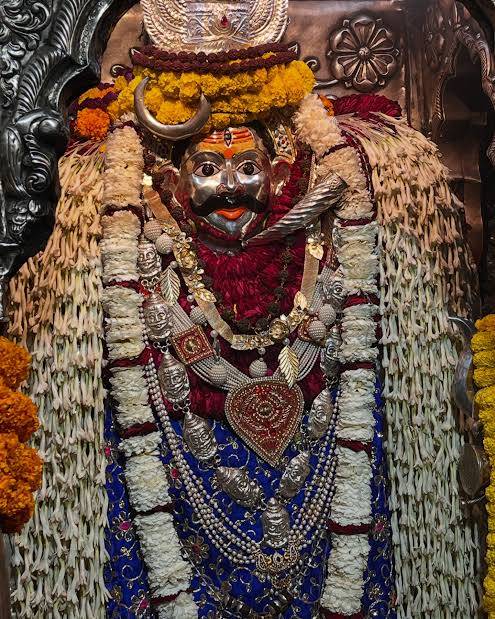
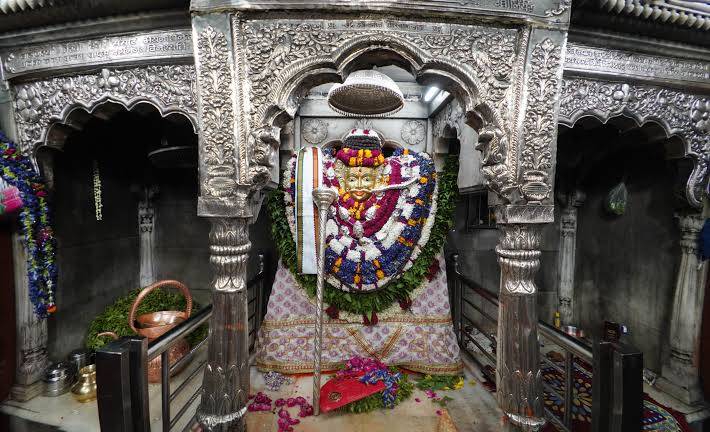
The Kaal Bhairav murti — the central deity, traditionally represented in a distinctive and powerful form, with the face prominently visible and decorated with offerings.
The kala dhaga — a black protective thread commonly associated with blessings received at the temple.
The dogs — dogs are associated with Bhairav as his vahana, or sacred vehicle, and their presence is part of the temple's symbolism.
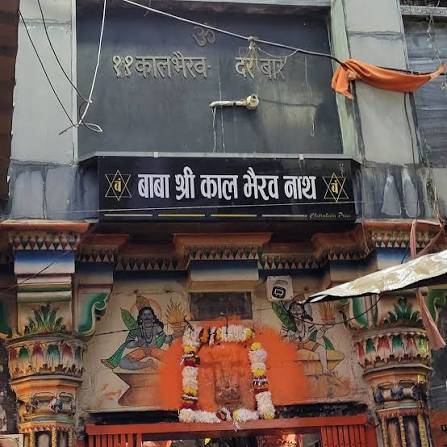
The old-city lanes — reaching the temple takes you through the narrow galis that form one of the most characteristic parts of Varanasi.
Dress modestly and be prepared to remove your shoes before entering. Carry a little cash for offerings and the shoe stand.
And keep your phone away inside unless temple authorities specifically allow photography. This is a working place of worship rather than a sightseeing monument, and the atmosphere is much better experienced without treating the sanctum as a photo stop.
Travellers who make the effort to visit often remember the intensity of the small shrine, the devotional atmosphere and the ritual of receiving the protective thread. Those details are difficult to capture in a photograph.
Pro tip: Pair Kaal Bhairav with Kashi Vishwanath during the same morning, but check the temple's current opening and closing schedule before you leave. If the galis feel confusing, arrange a guide in advance rather than relying on people who approach you on the street.
If you're interested in experiencing the temple during particularly devotional periods, check the dates of major Bhairav-related observances in advance, as crowd levels can change significantly.
The mistakes that ruin it
Most first-timers make the same few mistakes. They skip Kaal Bhairav entirely after visiting Kashi Vishwanath. They arrive during the temple's midday closure and find it shut. Or they get lost in the surrounding lanes and waste time trying to find the entrance.
The easy fix is to visit in the morning alongside Kashi Vishwanath, check the current temple timings beforehand, and plan your route through the galis — so you experience one of Kashi's most important guardian traditions rather than simply ticking off the city's most famous temple.