
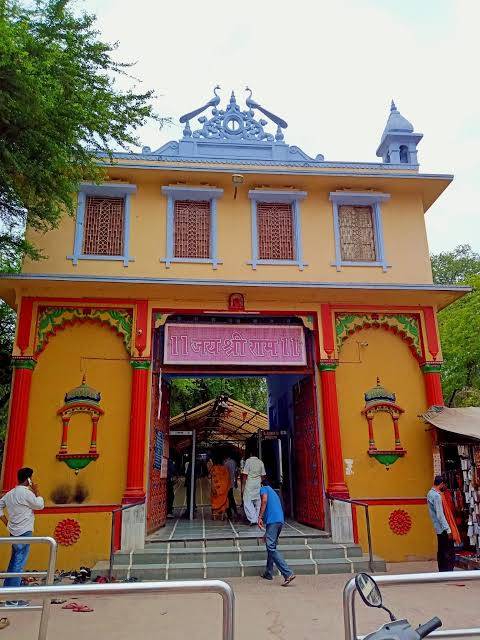
Sankat Mochan Hanuman Temple
Shri Sankat Mochan Hanuman Temple, Varanasi, India
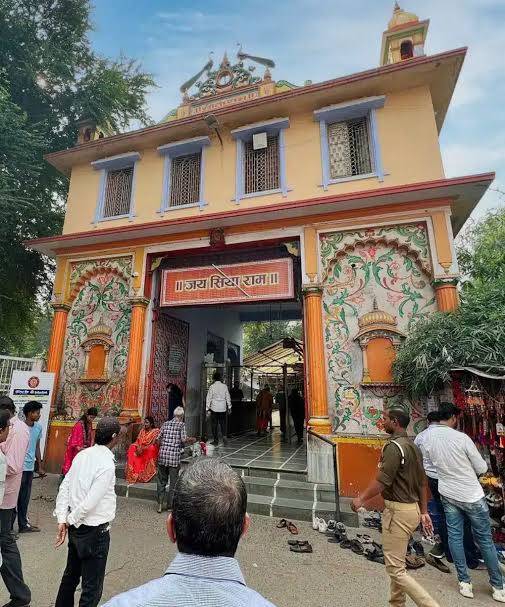
You've probably got this filed as "a Hanuman temple," one more stop in a city already filled with them. But here's the thing nobody tells you: Sankat Mochan is one of Varanasi's most important Hanuman temples, traditionally associated with Tulsidas, and its Tuesday and Saturday crowds are a completely different experience from a quiet weekday darshan. Turn up at the wrong hour with your phone and wallet and you'll spend time dealing with security and lockers; arrive at the right time and you'll experience the temple as the city actually uses it.
Let's fix that. Here's how Sankat Mochan Temple actually works, and how to get it right the first time.
Why the day matters as much as the hour
Sankat Mochan means "reliever of troubles," and Tuesdays and Saturdays are traditionally associated with Hanuman worship. These days can bring much larger crowds, making the temple more energetic, devotional and crowded.
A weekday morning is usually better if you want a calmer visit and a more relaxed darshan. Tuesday or Saturday is the better choice if you want to experience the temple at its busiest and most devotional.
Either way, go in the morning. The weather is cooler, the garden setting is more pleasant, and the temple is easier to experience before the day's crowds build. Since Sankat Mochan is away from the main riverfront, plan it as a separate stop rather than trying to squeeze it into a walking route around the central ghats.
What you'll actually see
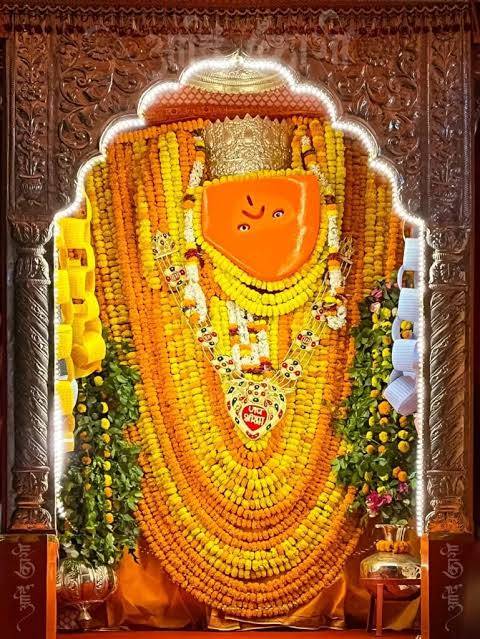
The Hanuman shrine — the central idol of Hanuman, traditionally associated with Tulsidas and worshipped by generations of devotees.
The garden setting — a relatively green and peaceful temple compound that feels very different from the dense lanes of the old city.
The monkeys — a familiar presence around the temple. Keep food, glasses and loose belongings securely with you.
The devotional music — bhajans and religious singing are an important part of the atmosphere, while the temple is also famous for its association with classical music.
Dress modestly and be prepared to remove your shoes before entering the temple area. Carry only what you need and keep small notes for offerings.
And leave your phone and unnecessary belongings behind whenever possible. Security restrictions apply, and rules can change. The temple has also had heightened security since the 2006 bombing, so follow instructions from temple staff rather than assuming normal photography rules apply.
Travellers who spend time here will tell you the same thing: Sankat Mochan works best when you treat it as a living place of worship rather than a sightseeing stop. Listen to the bhajans, watch devotees make their offerings, and take in the greenery around the shrine. The atmosphere is something a photograph cannot fully capture.
Pro tip: Choose your day according to the experience you want. Visit on a weekday morning for a quieter darshan, or choose Tuesday or Saturday if you want to experience the stronger devotional atmosphere and larger crowds.
Carry as little as possible through security, and keep your belongings secure around the monkeys. If your trip coincides with the annual Sankat Mochan Sangeet Samaroh, check the current dates in advance — the festival brings renowned Indian classical musicians to the temple and creates an entirely different atmosphere.
The mistakes that ruin it
Most first-timers make the same few mistakes. They arrive carrying phones and large bags and lose time at security. They feed or approach the monkeys and risk having belongings snatched. Or they visit on a busy Tuesday expecting a quiet darshan, or arrive on a quiet weekday expecting a huge devotional crowd.
The easy fix is to choose your day according to the atmosphere you want, travel light, follow the temple's security rules, and give yourself enough time to experience Sankat Mochan as a place of worship rather than simply another item on a Varanasi sightseeing list.