
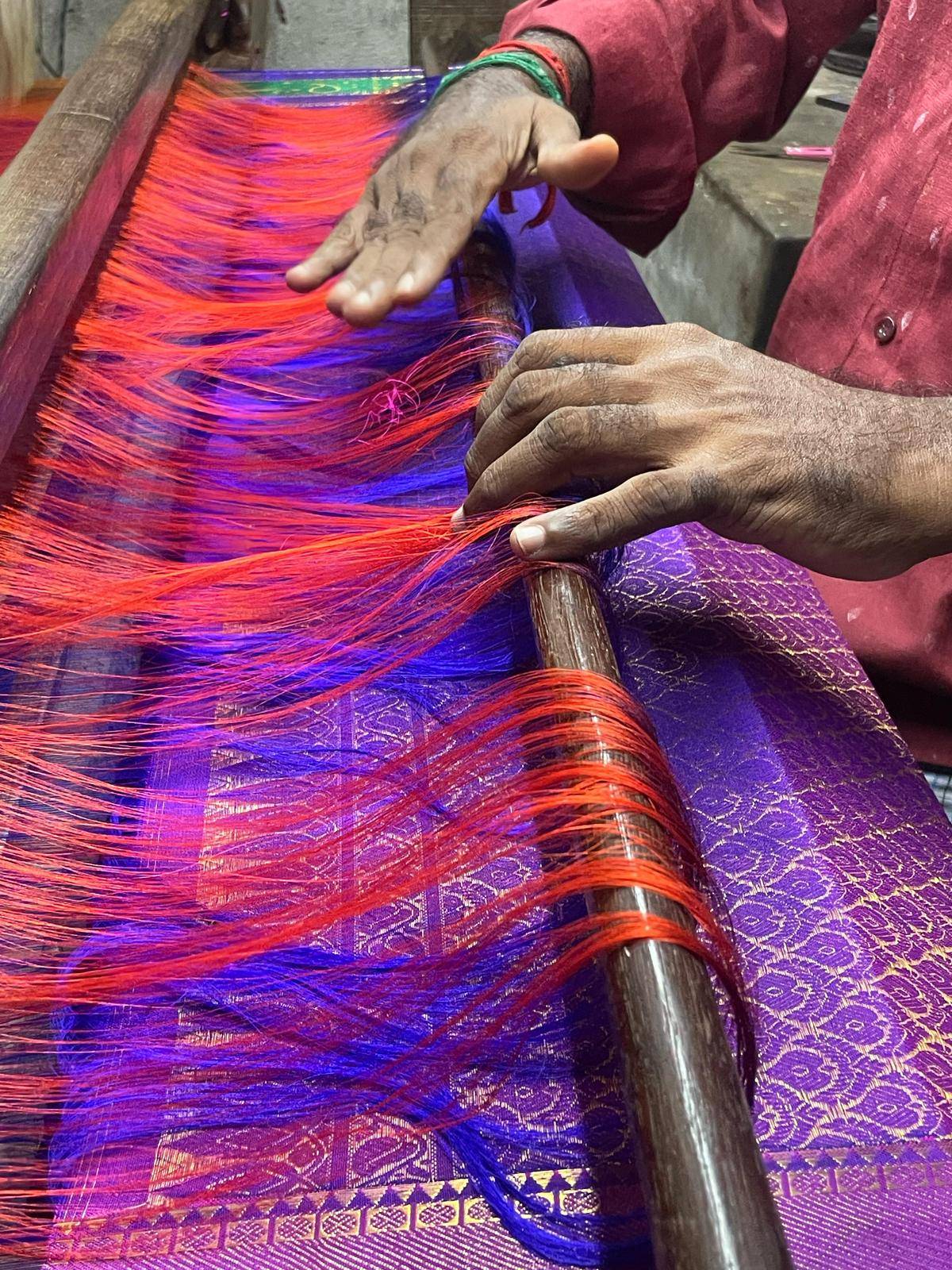
Banaras Silk Weaving
Vishwanath Gali, Varanasi, India
You've probably been promised a "factory visit." A driver or hotel offers to show you real Banarasi silk weaving, you picture looms and craftsmen, and you say yes. But here's the thing nobody tells you: many of those "factory tours" end in a showroom with a hard sell, prices inflated by commissions, and "pure silk" that may actually be a blend. The weaving you came to see gets five minutes; the selling gets an hour.
Let's fix that. Here's how seeing Banarasi silk weaving actually works, and how to get it right the first time.
Why where you go decides what you see and pay
Authentic Banarasi weaving happens in traditional weaver neighbourhoods and small workshops around Varanasi, including areas such as Madanpura, Alaipura, Lohta and Sarai Mohana. Families have worked on handlooms and power looms for generations, creating intricate brocade patterns and zari work.
Tourist-oriented "silk emporiums" are a different experience. They are primarily retail showrooms, and some may pay commissions to drivers or guides who bring customers. That doesn't automatically mean the products are fake, but it does mean you should separate the weaving experience from the shopping experience.
If your goal is to understand the craft, arrange a visit to a genuine weaving workshop or established weavers' cooperative rather than simply accepting whichever showroom a driver recommends.
What you'll actually see
In a genuine weaving workshop, the craft is the main attraction:
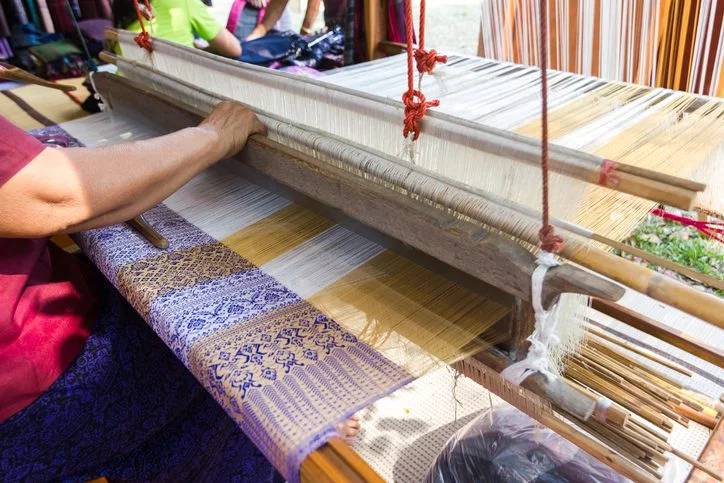
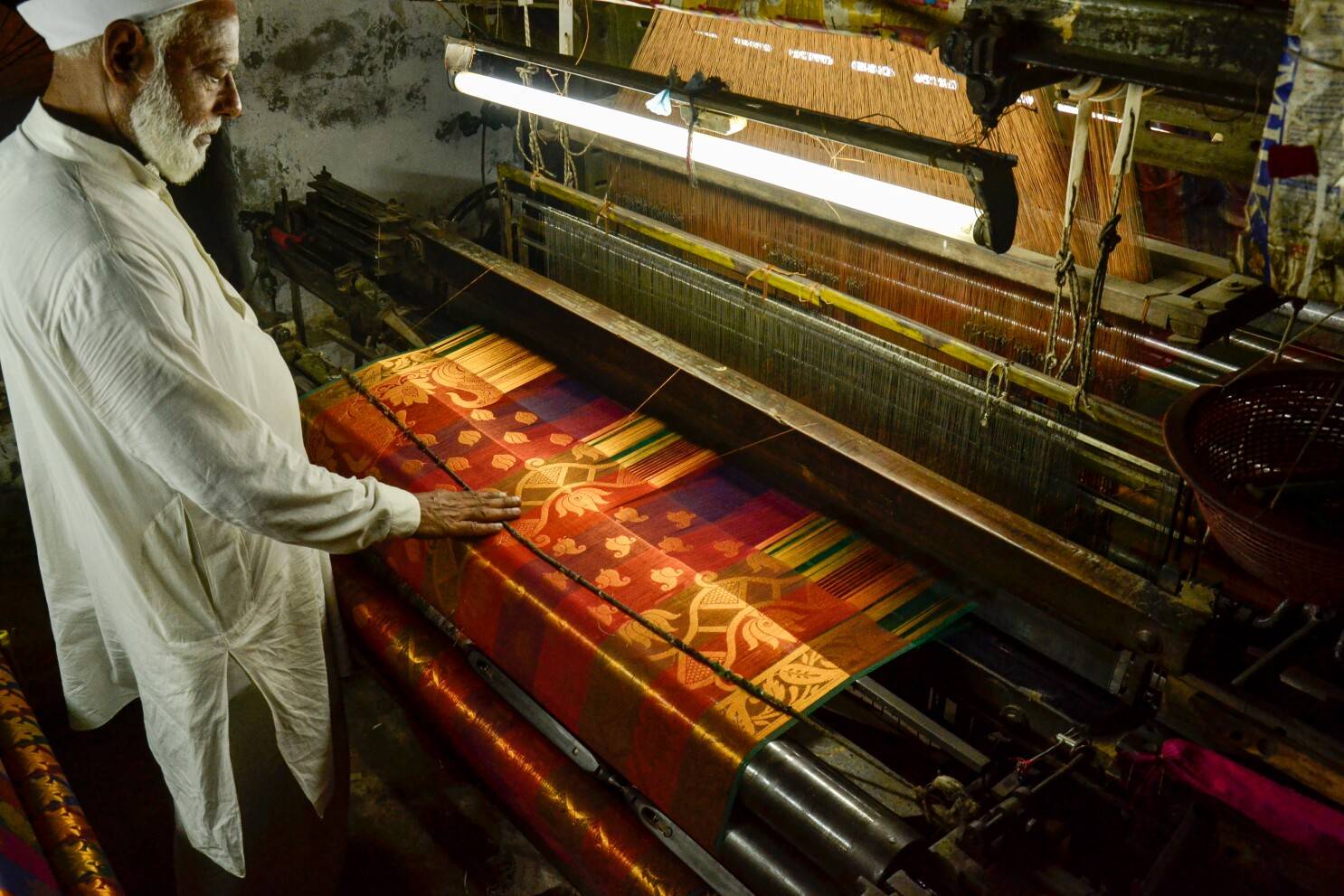
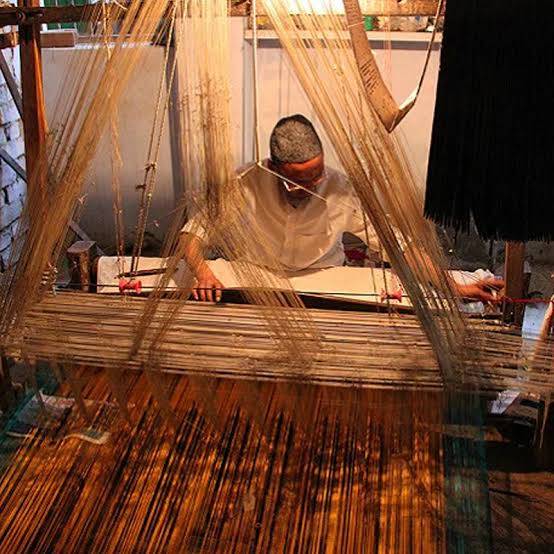
The handloom — watch a weaver build intricate patterns row by row using traditional techniques.
The Jacquard or naksha system — methods used to create the detailed patterns and motifs associated with Banarasi textiles.
Zari work — metallic thread woven into silk to create the elaborate borders and motifs that make traditional Banarasi sarees distinctive.
The weaving neighbourhood — narrow lanes, workshops and homes where textile production remains part of everyday life.
Carry small notes and dress comfortably. If you're visiting a working home or workshop, remember that it is someone's workplace rather than a tourist attraction.
And this is where your phone can actually help. Before buying anything described as "pure silk," ask questions and look for recognised certification where applicable. A Silk Mark label can help identify genuine silk, while a Geographical Indication (GI) designation relates to products associated with a particular geographical origin and traditional characteristics.
Don't rely on a single quick test or the seller's claim alone. A burn test, sometimes suggested for identifying silk, can damage the fabric and isn't a reliable substitute for proper certification or expert assessment.
Pro tip: If you're serious about buying Banarasi silk, separate the sightseeing from the shopping. Visit a genuine weaving workshop first, learn how the fabric and zari are produced, then compare prices at established sellers or weavers' cooperatives.
Ask what the fabric is made from, whether the zari is real or imitation, and whether certification is available. If a seller claims something is "pure silk" but refuses to provide any supporting information, walk away.
Be particularly cautious of unsolicited "factory tours" offered by drivers or street representatives. A legitimate workshop visit should be something you choose, not somewhere you're pressured into visiting.
The mistakes that ruin it
Most first-timers make the same few mistakes. They accept a commission-based "factory tour" and spend more than expected in a showroom. They buy on the first day without understanding typical prices. Or they take a seller's claim of "pure silk" on trust without checking the fabric or certification.
The easy fix is to visit a genuine weaving area or established cooperative independently, learn how Banarasi textiles are made, and compare before you buy — so the weaving remains the experience and the purchase is a choice, not the end goal.