
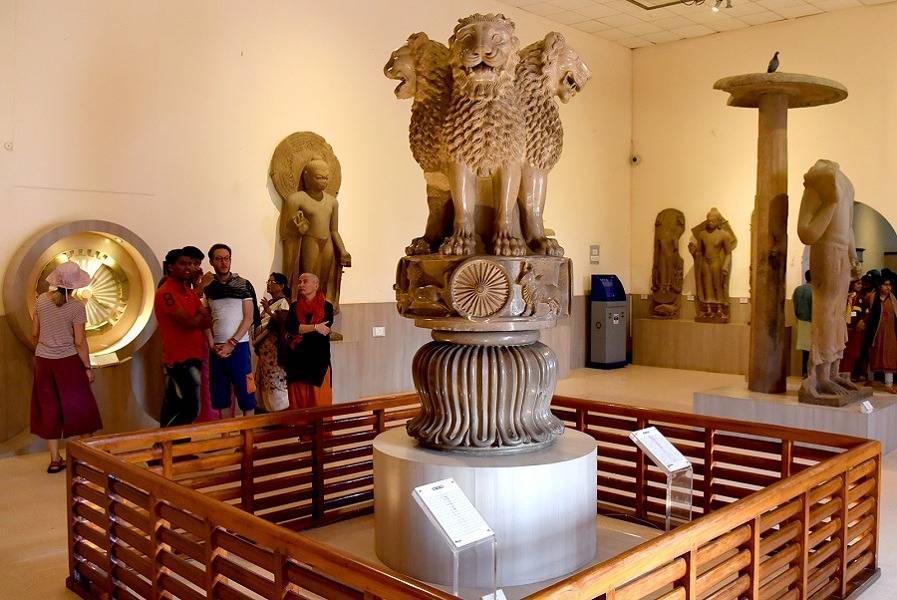
Sarnath Museum
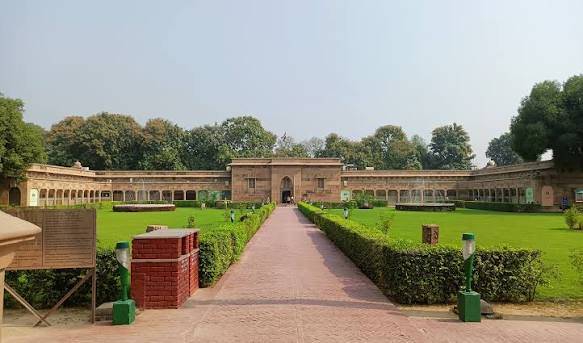
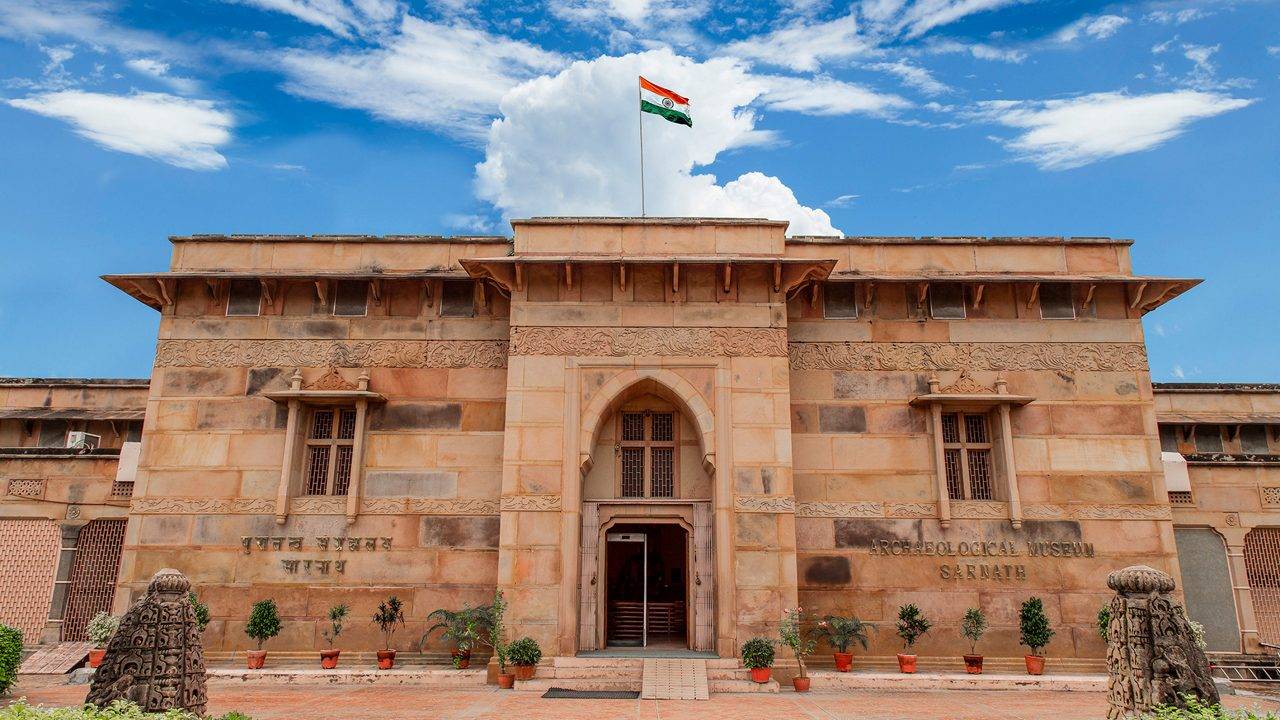
Sarnath Museum, Varanasi, India
You've probably filed Sarnath under "temples and ruins," and planned to walk the site, glance at the museum, and head back to the ghats. But here's the thing nobody tells you: one of the most important objects at Sarnath isn't out among the ruins — it's inside the museum, behind glass. The Lion Capital of Ashoka, the sculpture that became India's national emblem, sits in a quiet gallery that many day-trippers skip because they came for the stupa and didn't allow enough time for the museum.
Let's fix that. Here's how the Sarnath Museum actually works, and how to get it right the first time.
Why the museum comes first, not last
Sarnath is traditionally associated with the Buddha's first sermon, and the open-air archaeological site — the Dhamek Stupa, monastery ruins and remains of the Ashokan pillar — naturally attracts most visitors. The museum is easy to leave until the end, when you're already hot, tired and ready to return to Varanasi.
Do it the other way. Visit the museum first while you're fresh. The collection contains sculptures and archaeological discoveries from Sarnath that help explain what you're about to see outside.
Once you've seen the Lion Capital, the famous Preaching Buddha and the other sculptures, the ruins become much easier to understand. You're no longer looking at scattered brick foundations; you're seeing the remains of an important Buddhist centre through the objects discovered there.
What you'll actually see
The museum is relatively compact, but its collection is exceptionally important:
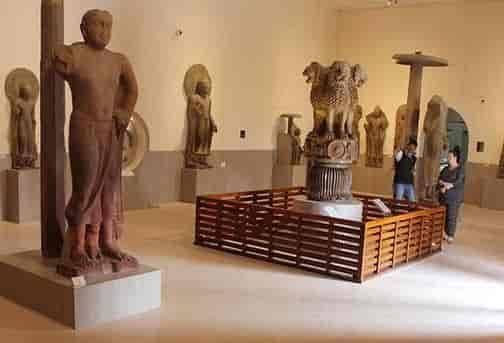
The Lion Capital of Ashoka — the original 3rd-century BCE sculpture featuring four lions standing back to back. It became the national emblem of the Republic of India.
The Preaching Buddha — a celebrated Gupta-period sculpture showing the Buddha delivering his first sermon, with the Dharmachakra represented in the composition.
The Ashokan remains — fragments and archaeological pieces connected with the pillar commissioned during Emperor Ashoka's reign.
Bodhisattva and Buddhist sculptures — stone figures and decorative pieces spanning several centuries, many excavated from the Sarnath site.
Dress modestly and be prepared to leave bags at the cloakroom if required.
And here's the important rule: photography is not permitted inside the museum. Follow the museum's instructions regarding cameras and phones.
Travellers often recognise the Lion Capital immediately because its design appears on official Indian documents and currency, but seeing the original sculpture in person is very different from seeing a printed version. Without a phone in your hand, you can actually spend a few uninterrupted minutes looking at the details, scale and craftsmanship.
Pro tip: Visit the museum early and make it your first stop at Sarnath. The museum is closed on Fridays, so avoid planning the museum visit for that day. Check the current opening hours before travelling, as timings and entry arrangements can change.
Allow around an hour rather than rushing through in fifteen minutes. After the museum, walk through the archaeological site and see the Dhamek Stupa and monastery remains with the collection fresh in your mind.
The mistakes that ruin it
Most first-timers make the same few mistakes. They arrive on a Friday and discover the museum is closed. They explore the ruins first and reach the museum tired. Or they walk past the Lion Capital without understanding its significance.
The easy fix is to check the opening day beforehand, start with the museum, and give the collection enough time to appreciate it properly. Then explore the archaeological ruins outside — because once you know what you're looking at, Sarnath becomes far more than a stupa and a field of ancient brick.