
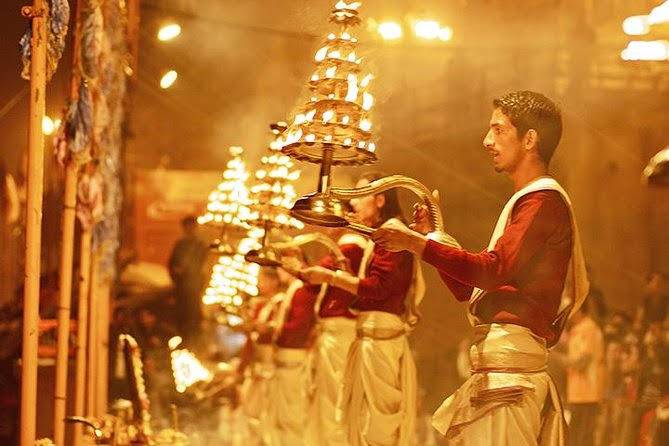
Ganga Aarti
Ganga Aarti, Varanasi, India
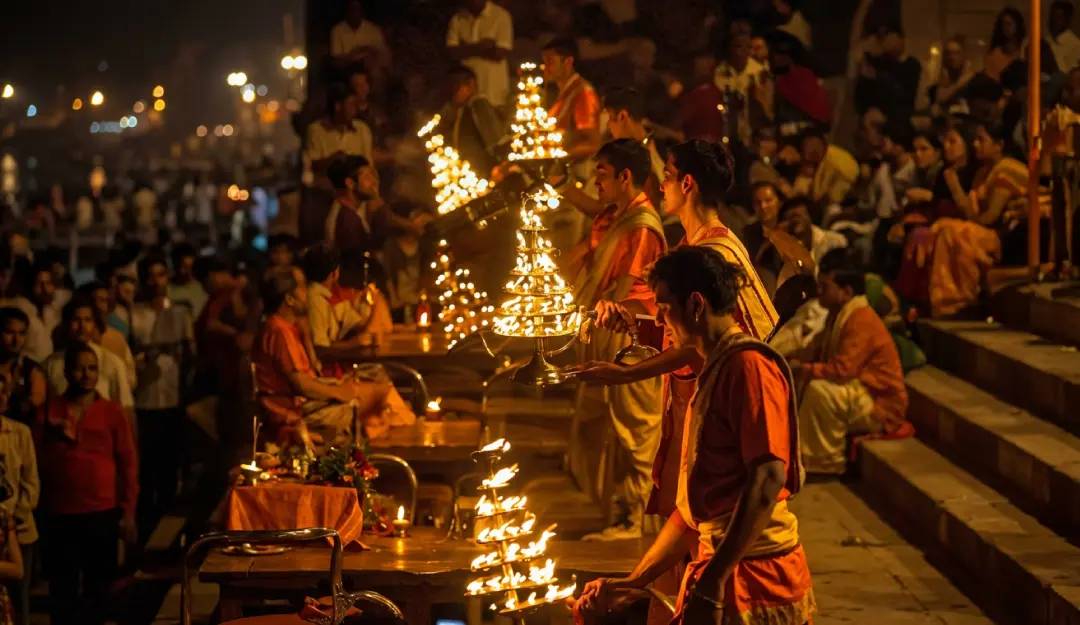
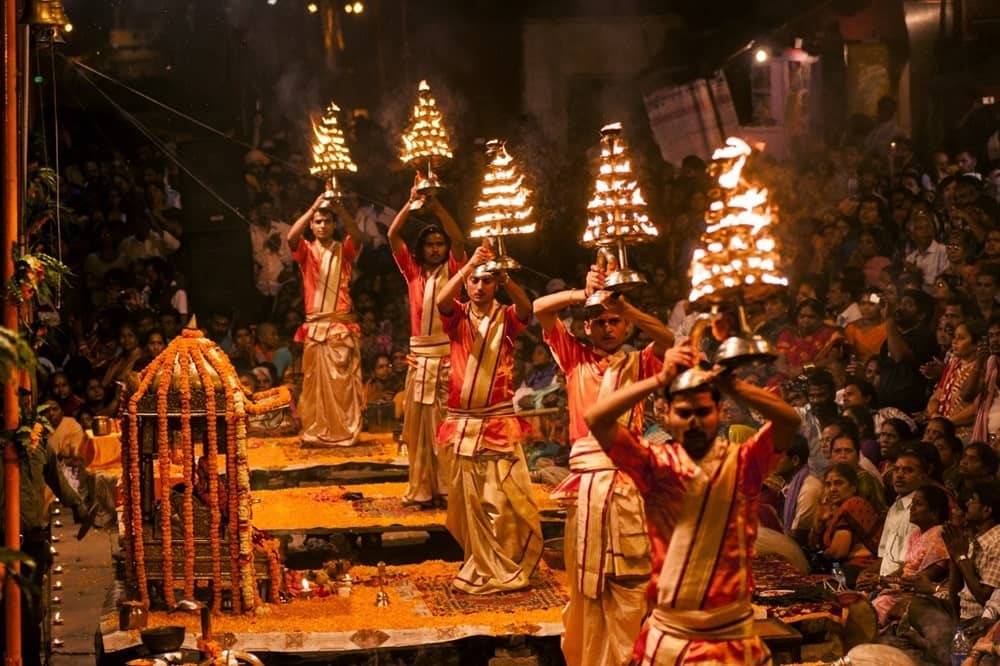
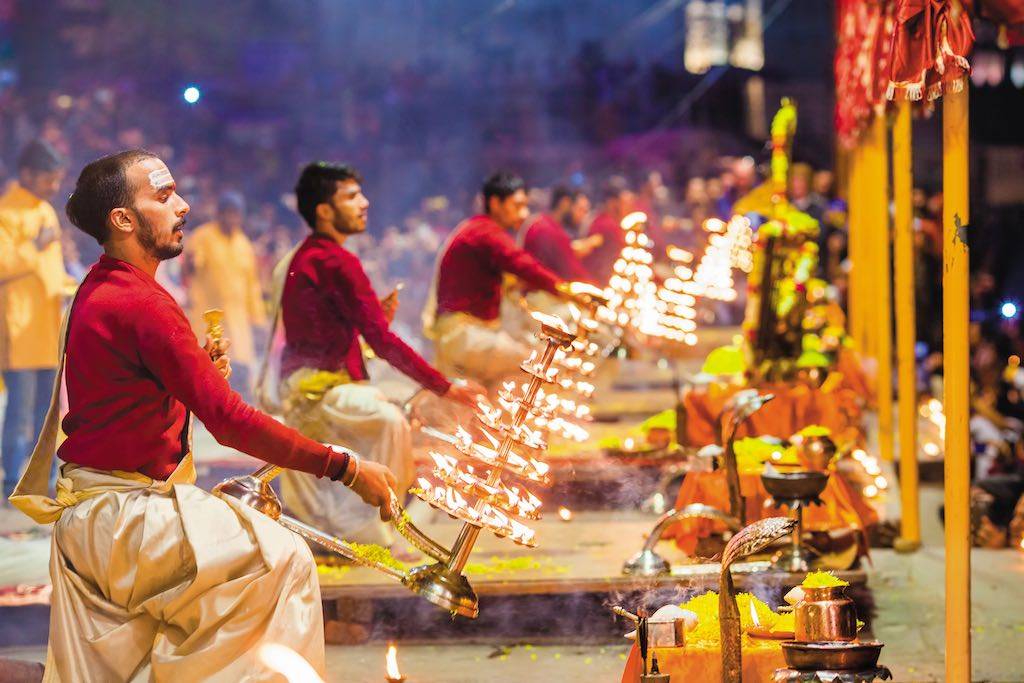
You've probably seen the clips. Priests in a row swinging tall brass lamps in unison, fire against a dark river, bells, conch shells and incense filling the air. So you arrive just as the aarti begins and end up far back in the crowd, watching over rows of heads and raised phones. You hear the ceremony, but barely see it. That's the trap most first-timers fall into.
Let's fix that. Here's how the Ganga Aarti actually works, and how to get it right the first time.
Why the hour before matters more than the aarti itself
The Ganga Aarti begins after sunset, with timings changing according to the season. It generally starts around 6:45 p.m. in winter and closer to 7 p.m. in summer, lasting roughly 45 minutes.
The start time isn't the real issue. The crowd is.
The best places at Dashashwamedh Ghat can fill 45 minutes to an hour before the ceremony begins. On weekends, full-moon nights, holidays and festivals, the crowd can become even heavier.
So don't arrive when the first lamps are already being raised. Aim to reach the ghat around 6 p.m., or earlier on particularly busy evenings. You'll have time to find a good position, settle in and watch the riverfront transform as darkness falls.
What you'll actually see
The Ganga Aarti is a devotional offering to the River Ganga, combining fire, incense, conch shells, bells and chanting. Where you watch from makes a huge difference:
From the steps — free, close to the ceremony and surrounded by the energy of the crowd. Arrive early and sit where you have a clear view.
From a boat — one of the best perspectives, with the priests and lamps visible across the river without a crowd directly in front of you.
From an upper platform — slightly farther away but useful when the lower steps are packed.
Floating diyas — small oil lamps that devotees can set afloat on the Ganga after the ceremony.
If you're experiencing the aarti for the first time, a boat can provide a particularly memorable perspective. The lamps, chanting and riverfront appear together across the water, giving you a wider view of the ceremony.
And keep your phone tucked away for at least the first few minutes. The temptation is to record everything, but the experience is very different when you watch it directly. The bells, chanting, incense and reflections on the river are difficult to capture through a screen.
Pro tip: If you're taking a boat, arrange it before the evening rush and agree on the price, duration and whether the boat is private or shared before boarding.
A shared boat is generally cheaper, while a private boat gives you more flexibility over where you sit and how long you stay. Keep your belongings secure, especially in crowded areas, and carry some small cash if you want to offer or float a diya after the ceremony.
The mistakes that ruin it
Most first-timers make the same few mistakes. They arrive just as the aarti begins and struggle to see anything. They get caught in the crowded lanes behind Dashashwamedh and arrive late. Or they spend the entire ceremony recording it instead of experiencing it.
The easy fix is to arrive early, choose your viewing spot before the crowd peaks, and consider watching from a boat if you want a clear view of the ceremony and the riverfront.