
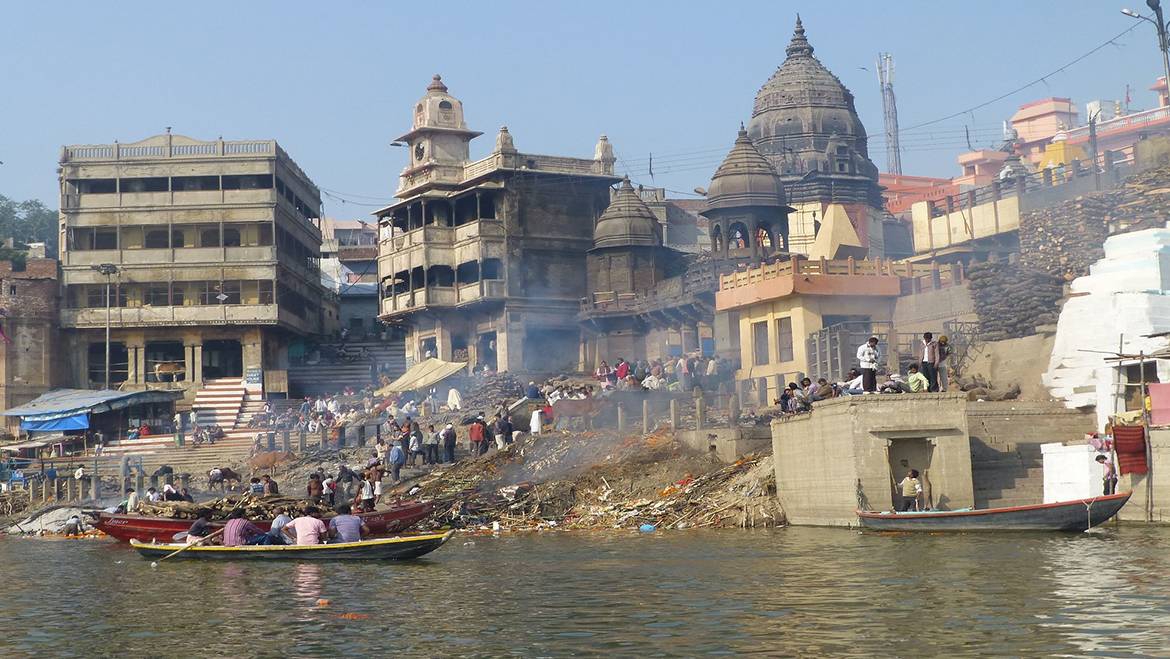
Harishchandra Ghat
Harishchandra Ghat, Varanasi, India
You've probably been pointed toward Manikarnika. It's the famous cremation ghat, the one on almost every Varanasi itinerary, while Harishchandra Ghat — another important cremation ground farther south — often gets overlooked. But here's the thing nobody tells you: quieter doesn't mean less significant. This is a working cremation ghat where families come to mourn their loved ones, and visitors need to approach it with particular care and respect.
Let's be clear about how to be here. Here's how Harishchandra Ghat actually works, and how to approach it the right way.
Why this isn't a sightseeing stop, and why that matters
Harishchandra Ghat is one of Varanasi's traditional cremation ghats and is associated with the story of King Harishchandra, who is remembered in Hindu tradition for his devotion to truth and sacrifice.
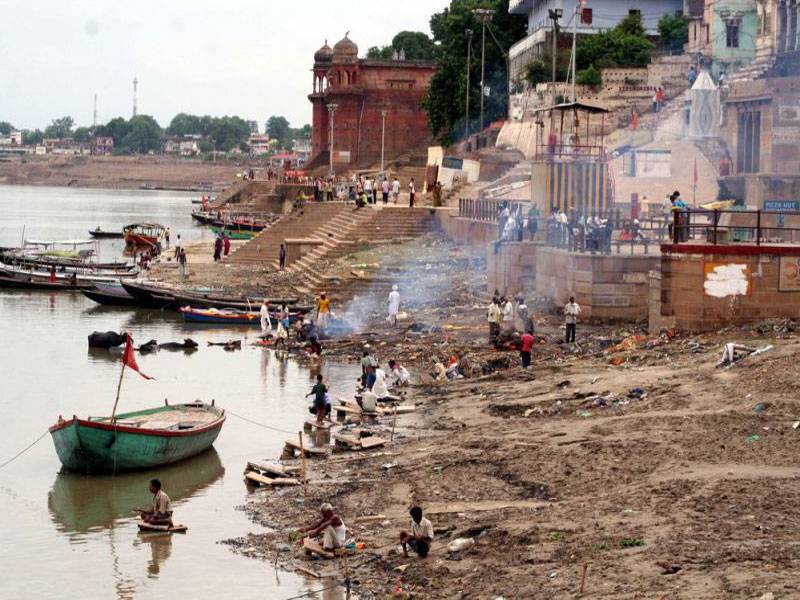
Cremations take place here throughout the day, including traditional funeral pyres and modern cremation facilities. This is not a performance or tourist attraction. Families come here during some of the most difficult moments of their lives.
So you're not a spectator here. You're a bystander in a place of mourning, and the appropriate approach is distance, silence and respect.
There is nothing staged to photograph or "see" in the usual sightseeing sense. If you visit, the purpose should be to understand the cultural and spiritual significance of the place without interfering with anyone's grief.
What you'll actually see, and how to hold it
From the river, at a respectful distance, is generally the least intrusive way to understand the ghat:
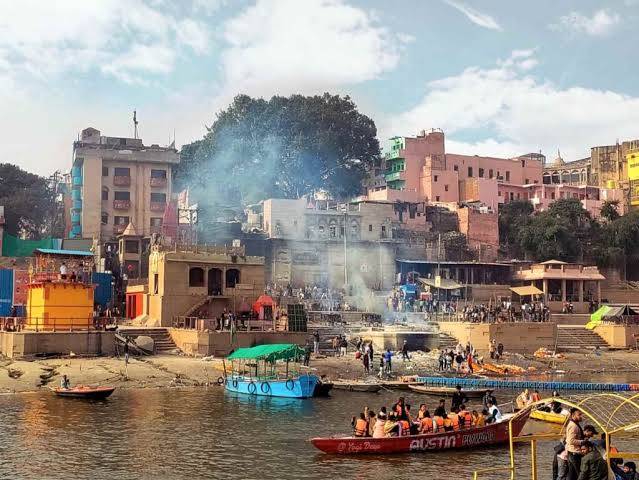
The cremation area — where traditional cremations take place. Do not photograph the cremations, mourners or funeral rituals.
The cremation facilities — modern facilities operate alongside the traditional cremation area.
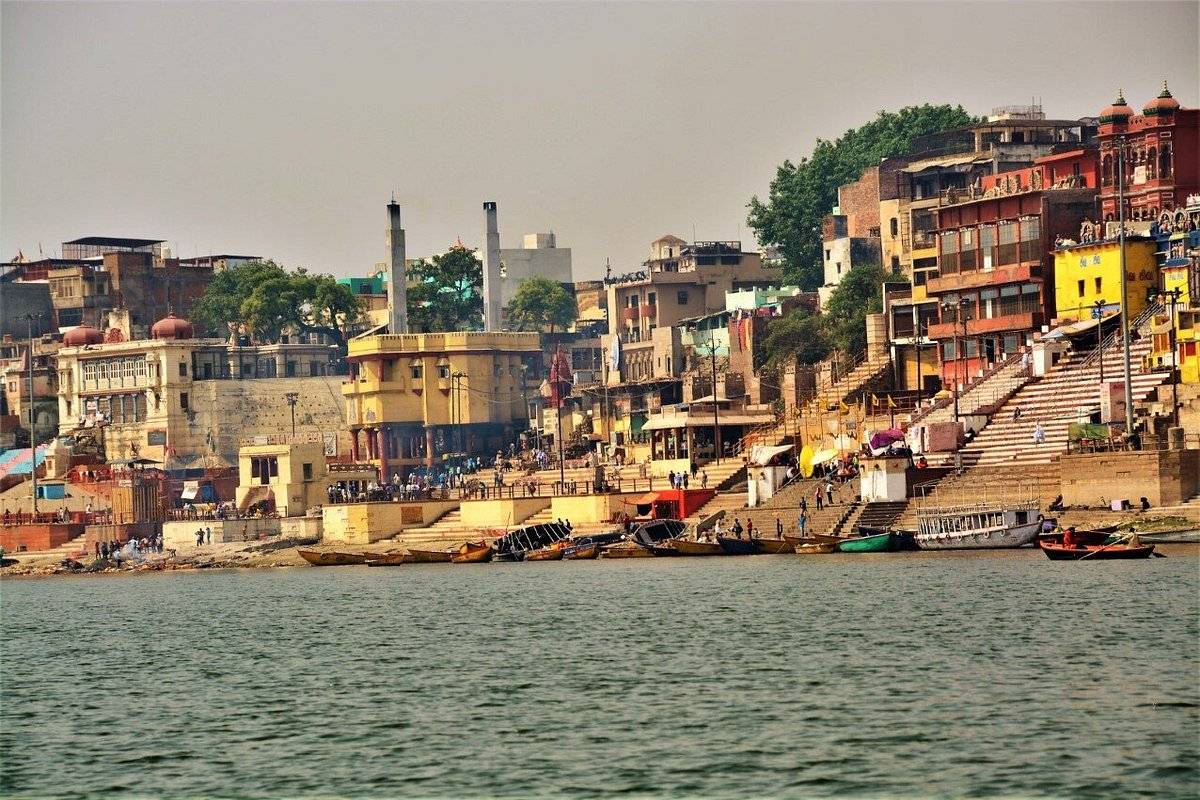
The riverside setting — the ghat forms part of Varanasi's continuous riverfront, surrounded by other historic ghats.
Kedar Ghat — located nearby and offering a more conventional place to continue exploring the riverfront afterward.
Dress simply and modestly. Avoid loud behaviour, unnecessary conversation and taking out your camera.
And the phone stays away entirely. Do not photograph cremations, bodies, mourners or funeral ceremonies. Even when photography appears possible from a distance, respect should come before getting a picture.
Travellers who approach Harishchandra Ghat respectfully often find that the experience is less about what they see and more about understanding how Varanasi incorporates death, mourning and ritual into everyday life.
You don't need to get close. In fact, keeping your distance is part of showing respect.
A note in place of a pro tip
The most respectful way to understand Harishchandra Ghat is often from a boat at a reasonable distance, particularly if it is already part of your sunrise boat ride.
Avoid anyone offering to take you unusually close to the cremation area for a "better view" or asking you for money supposedly intended for funeral wood or a grieving family. Visitors should never interfere with funeral arrangements or make unsolicited payments to people involved in a cremation.
If you want to support people in need, consider donating through a reputable registered organisation instead.
The mistakes to avoid
Most visitors who get this wrong make the same few mistakes. They treat the ghat as a photography stop. They get too close to grieving families or funeral ceremonies. Or they allow an unsolicited guide or tout to turn a place of mourning into a tourist experience.
The right approach is simple: maintain distance, keep your phone away, avoid photography, speak quietly and treat the ghat as a place of mourning rather than a sightseeing attraction.