
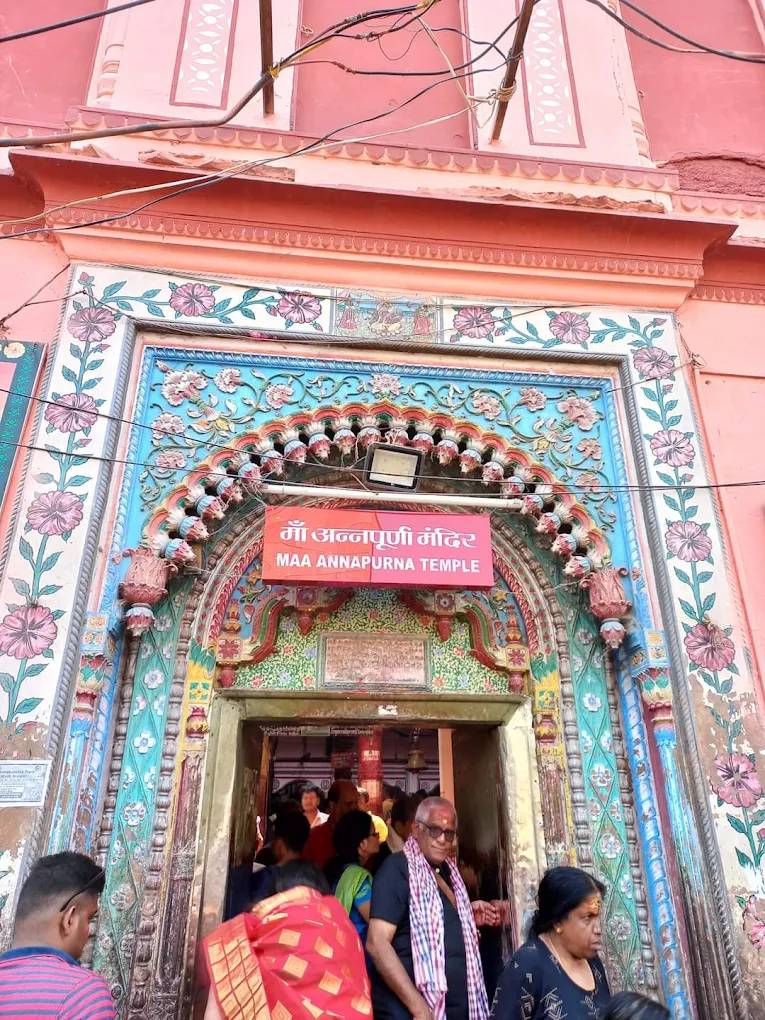
Annapurna Devi Temple
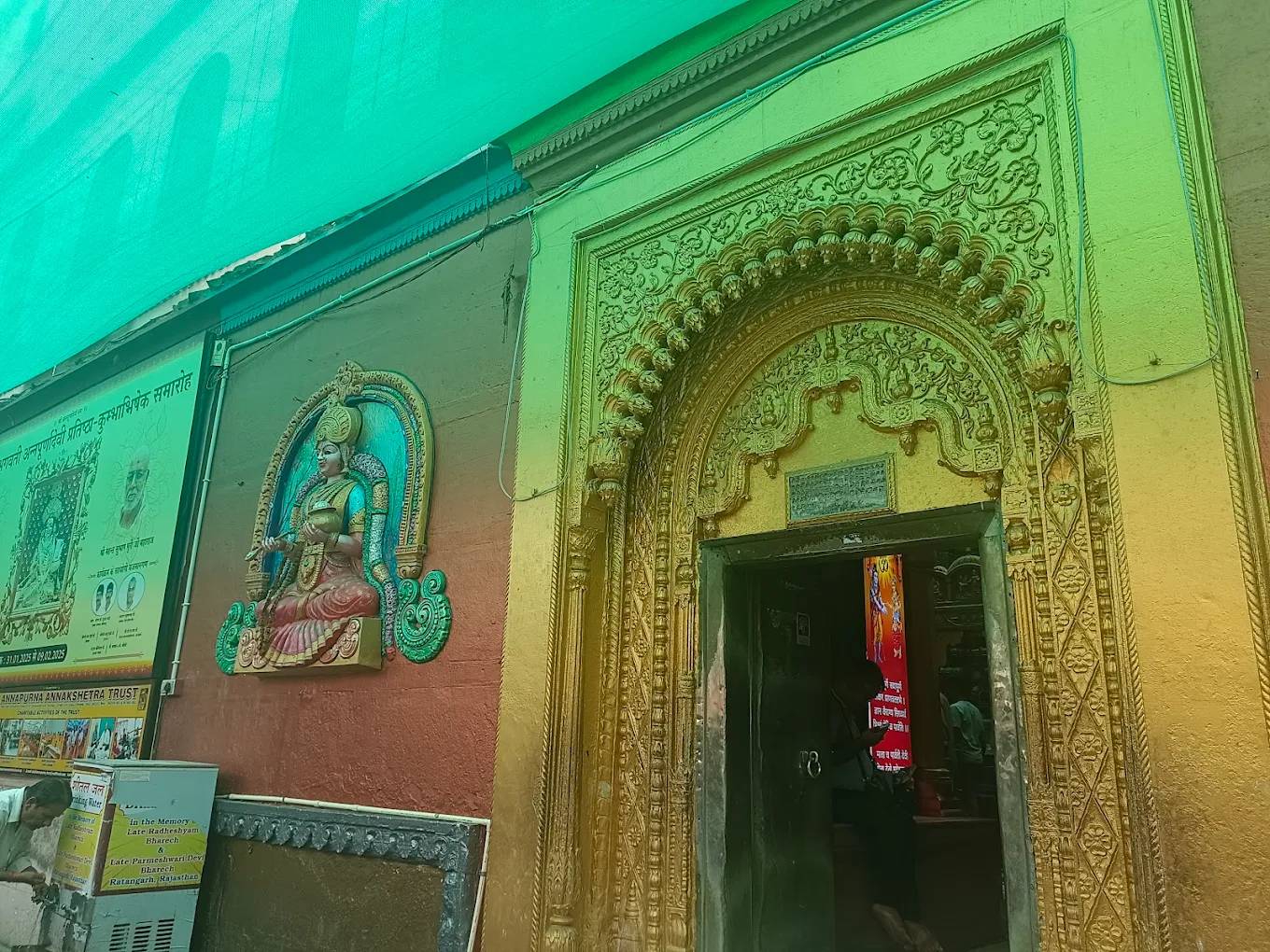
Shree Annapurna Mandir, Varanasi, India
You've probably got Kashi Vishwanath on your list and not this. It sits right beside it — just a few steps away in the same maze of old-city lanes — and most visitors enter the famous temple and walk straight past its neighbour. But here's the thing nobody tells you: this is the temple of Annapurna, the goddess of food and nourishment, traditionally regarded as the mother who feeds Kashi. Skip it, and you've seen Shiva's Kashi but missed the goddess who represents its nourishment and generosity.
Let's fix that. Here's how the Annapurna Devi Temple actually works, and how to get it right the first time.
Why you pair it with Vishwanath, and go early
Annapurna Devi Temple is located immediately beside Kashi Vishwanath in the old-city lanes, making it easy to visit both during the same morning.
Traditionally, the two temples are connected through the relationship between Shiva and Annapurna — Shiva represents the divine, while Annapurna represents food and nourishment. So rather than making a separate trip, add Annapurna to your Kashi Vishwanath visit.
Go early on a weekday if you want a calmer experience. The lanes become increasingly crowded later in the day, especially during Mondays, major festivals and Sawan.
What you'll actually see
Small, active and easy to miss if you don't know where to look:
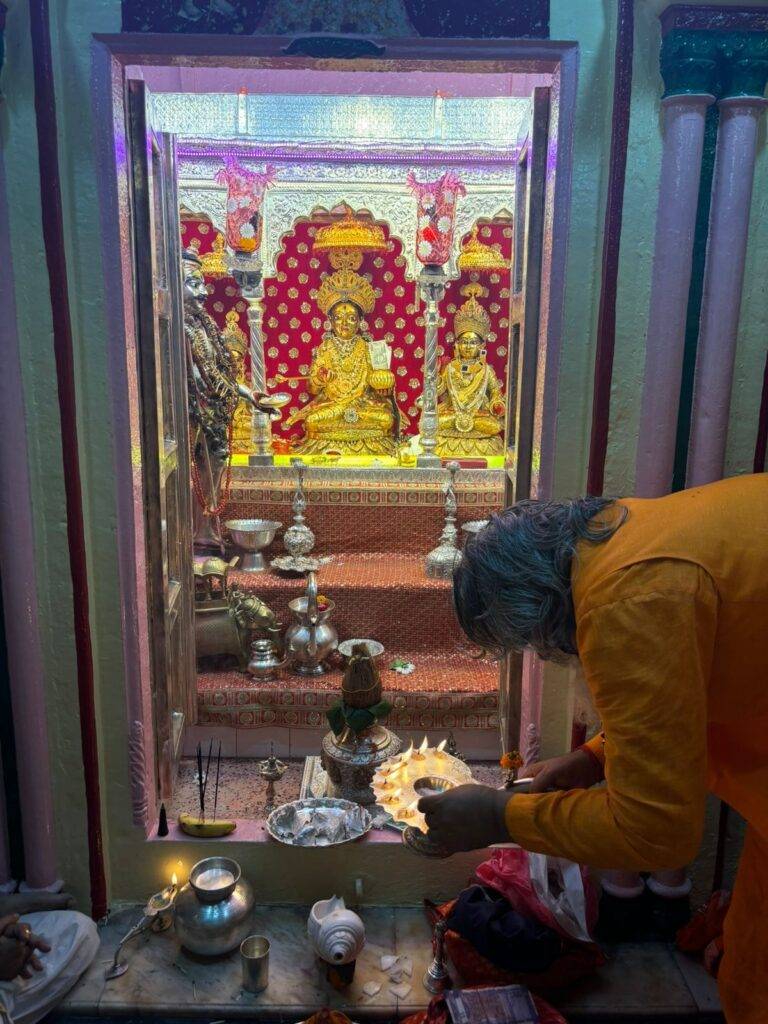
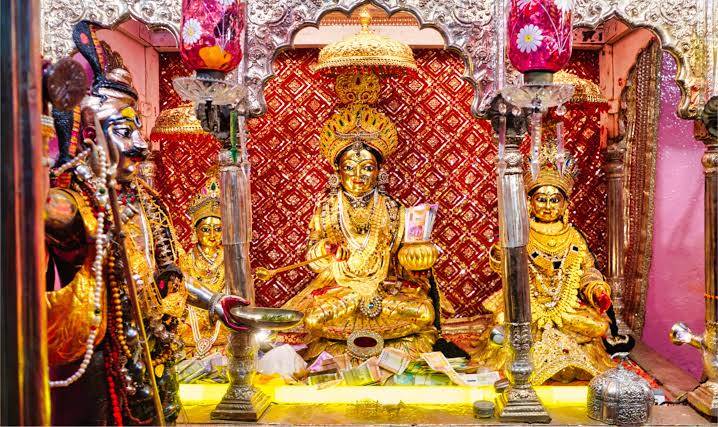
The main Annapurna shrine — the goddess associated with food, nourishment and abundance.
The Annapurna idol — traditionally depicted holding food and a serving vessel, representing her role as the provider of nourishment.
The golden Annapurna — a special golden image associated with the Annakut festival around Diwali and displayed for devotees on specific occasions.
The temple prasad — food offered to the deity and distributed as a blessing, reflecting the temple's connection with annadan, or the giving of food.
The old-city lanes — the narrow galis around the temple are filled with flower sellers, religious shops and everyday pilgrimage activity.
Dress modestly and be prepared to remove your footwear before entering. Security arrangements can vary, so follow the current instructions regarding phones, bags and other belongings.
And keep the phone away inside. Photography around the sanctum may be restricted, so ask before taking pictures.
Travellers who spend a few quiet minutes here often notice that Annapurna feels different from the intense atmosphere of Kashi Vishwanath. It is a working temple centred on nourishment, gratitude and the traditional practice of offering and receiving food.
Pro tip: Pair Annapurna Devi with Kashi Vishwanath rather than treating it as a separate sightseeing stop. Visit Vishwanath first and then walk across to Annapurna.
If you want to experience the temple during its most significant festive period, consider visiting around Annakut during the Diwali season, when special displays and food offerings take place. Check the current festival schedule before planning specifically for the golden idol.
Carry small notes for offerings, and be cautious with unsolicited "guides" offering special darshan or shortcuts for money.
The mistakes that ruin it
Most first-timers make the same few mistakes. They visit Kashi Vishwanath and never realise Annapurna is right beside it. They arrive during a major festival without preparing for the crowds. Or they come expecting to see the golden Annapurna idol on an ordinary day.
The easy fix is to visit Annapurna together with Kashi Vishwanath, go early, understand the significance of the goddess before entering, and check the festival schedule if the special golden darshan is the reason you're coming.