
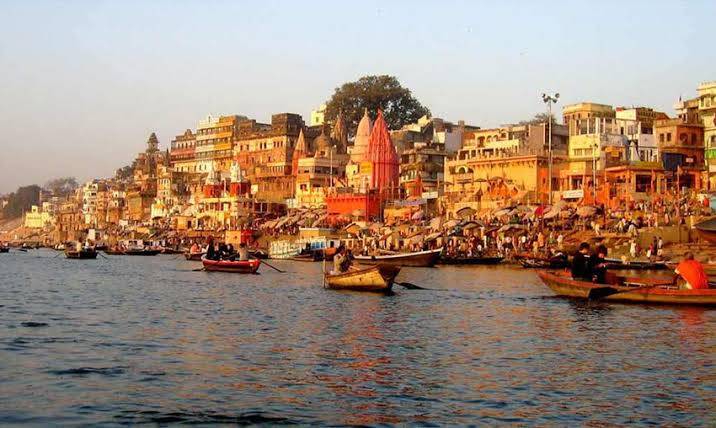
Dashashwamedh Ghat
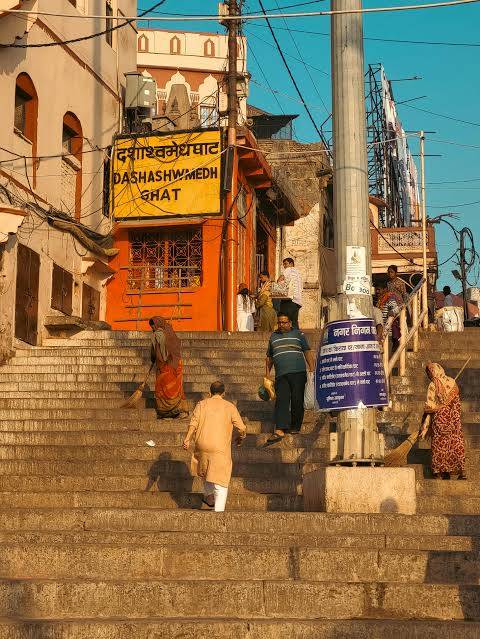
Dashashwamedh Ghat, Varanasi, India
You've probably only pictured it after dark. Packed shoulder to shoulder, priests swinging lamps, the aarti in full swing. So you come once, at seven in the evening, fight the crowd, and leave thinking that's Dashashwamedh. But here's the thing nobody tells you: this is the beating centre of the whole waterfront, and by daylight it's a completely different place — pilgrims bathing, priests under bamboo umbrellas, boats moving along the river, and the old city waking around it. Almost nobody who comes only for the aarti sees Dashashwamedh in its everyday form.
Let's fix that. Here's how Dashashwamedh Ghat actually works, and how to get it right the first time.
Why you come by day, not only at dusk
Dashashwamedh is one of the principal ghats of Varanasi, close to the old city and Kashi Vishwanath. By tradition, the name refers to Brahma performing a Dashashwamedha, or ten-horse sacrifice, at this location.
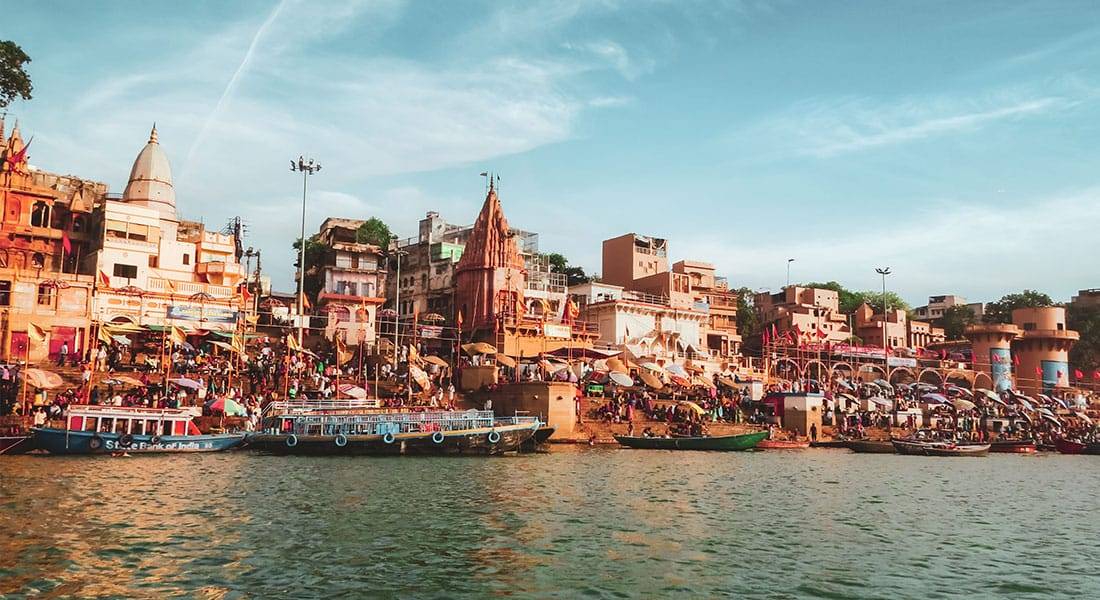
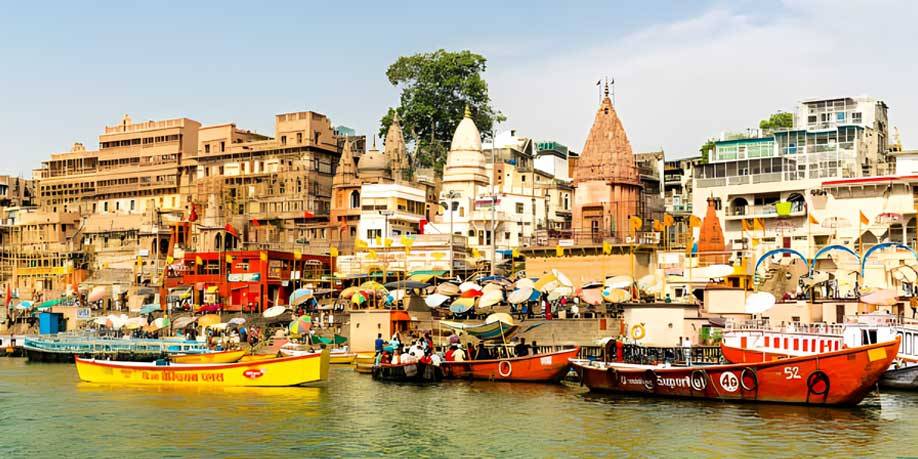
At aarti time, the crowds can make it difficult to appreciate the ghat itself. During the day, the space opens up. You can walk along the steps, watch pilgrims performing rituals, see priests conducting pujas and observe boats moving continuously along the Ganga.
Come after your sunrise boat ride or during the calmer parts of the morning, before the evening crowds begin building.
What you'll actually see
By day, Dashashwamedh is a working centre of river and religious life:
The riverside priests — sitting beneath bamboo umbrellas and conducting pujas and rituals for pilgrims.
The bathers — locals and visitors taking ritual dips in the Ganga from the steps.
The boat hub — one of the busiest points for boats along the Varanasi waterfront.
The flower and offering sellers — small stalls supplying marigolds, diyas and puja items to pilgrims.
Man Mandir Ghat and Observatory — just north of Dashashwamedh and easy to combine with a walk along the central ghats.
Keep your bag secure and in front of you. Dashashwamedh is busy throughout the day, so normal precautions against pickpocketing are worthwhile.
And during the day, your phone can come out. The ghat offers plenty to photograph, from boats and architecture to rituals and river views. But watch first before reaching for the camera.
Travellers who spend time here will notice that the evening aarti is only one part of Dashashwamedh. The daytime scene — priests working beneath umbrellas, pilgrims bathing, boats arriving and leaving, and the constant movement along the steps — explains why this ghat has remained central to Varanasi's riverfront life.
Pro tip: Visit Dashashwamedh twice if your itinerary allows. Come during the day to understand the ghat and return in the evening for the Ganga Aarti.
For the evening ceremony, arrive well before it begins if you want a good position, or consider viewing the ceremony from a boat. During the daytime visit, be cautious about unsolicited offers for special pujas or donations. If you want a ritual, choose a priest or service through a trusted source rather than following someone who approaches you on the steps.
Pair the visit with Man Mandir Observatory and the nearby central ghats to make the most of your time.
The mistakes that ruin it
Most first-timers make the same few mistakes. They visit only during the evening aarti and never experience the ghat during daylight. They follow unsolicited "priests" offering special ceremonies or donations. Or they treat Dashashwamedh only as a boat departure point and never explore the steps.
The easy fix is to visit during the day as well as at dusk. See Dashashwamedh as both a working riverfront and the city's great evening ceremonial stage — because you understand the ghat much better when you've seen both sides of it.