


Ayodhya Ram Temple: Architecture, Ram Lalla & Surya Tilak
No steel, 392 pillars, and sunlight engineered to fall on Ram Lalla once a year —
what the Ayodhya Ram temple actually is, beyond the headlines.
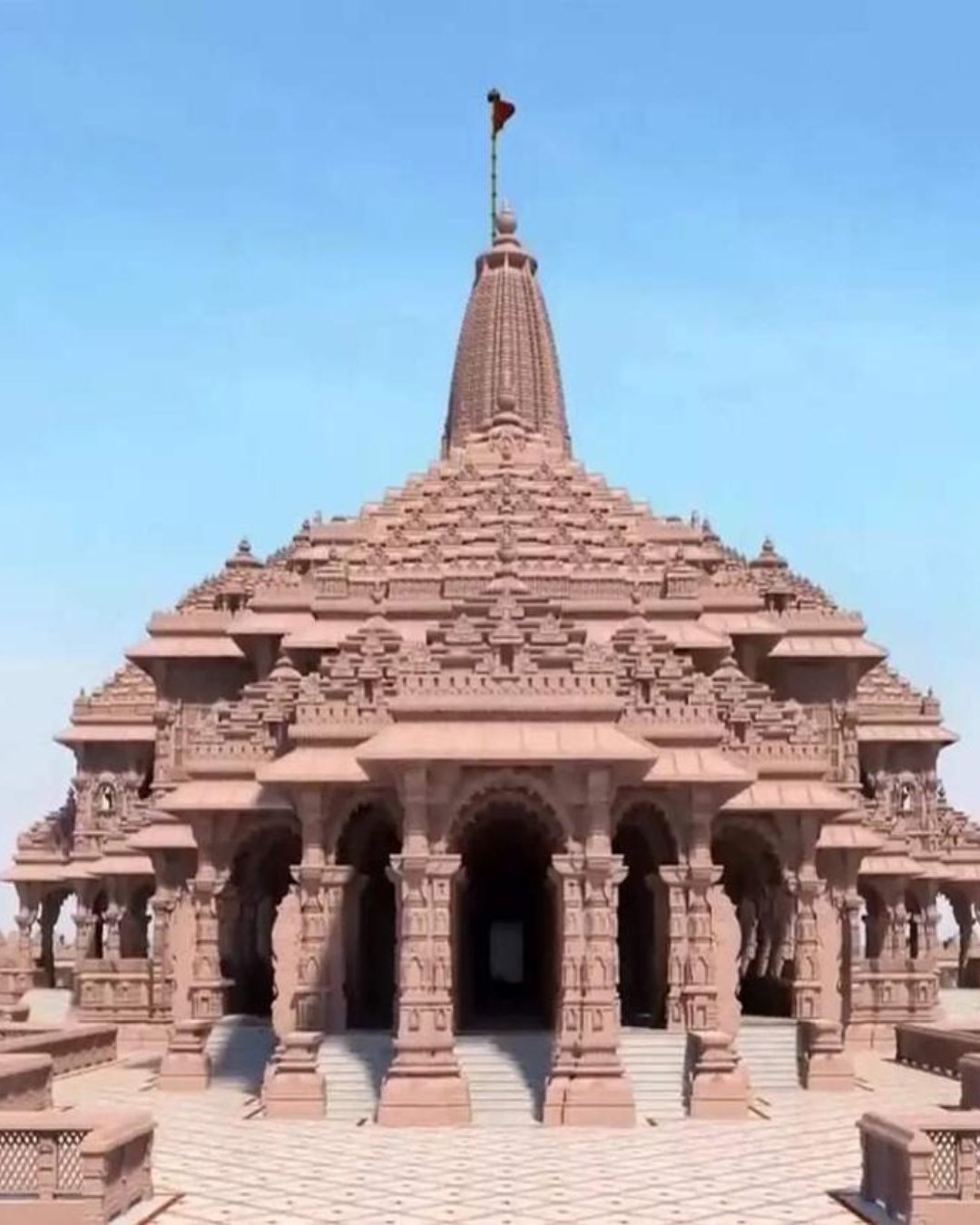
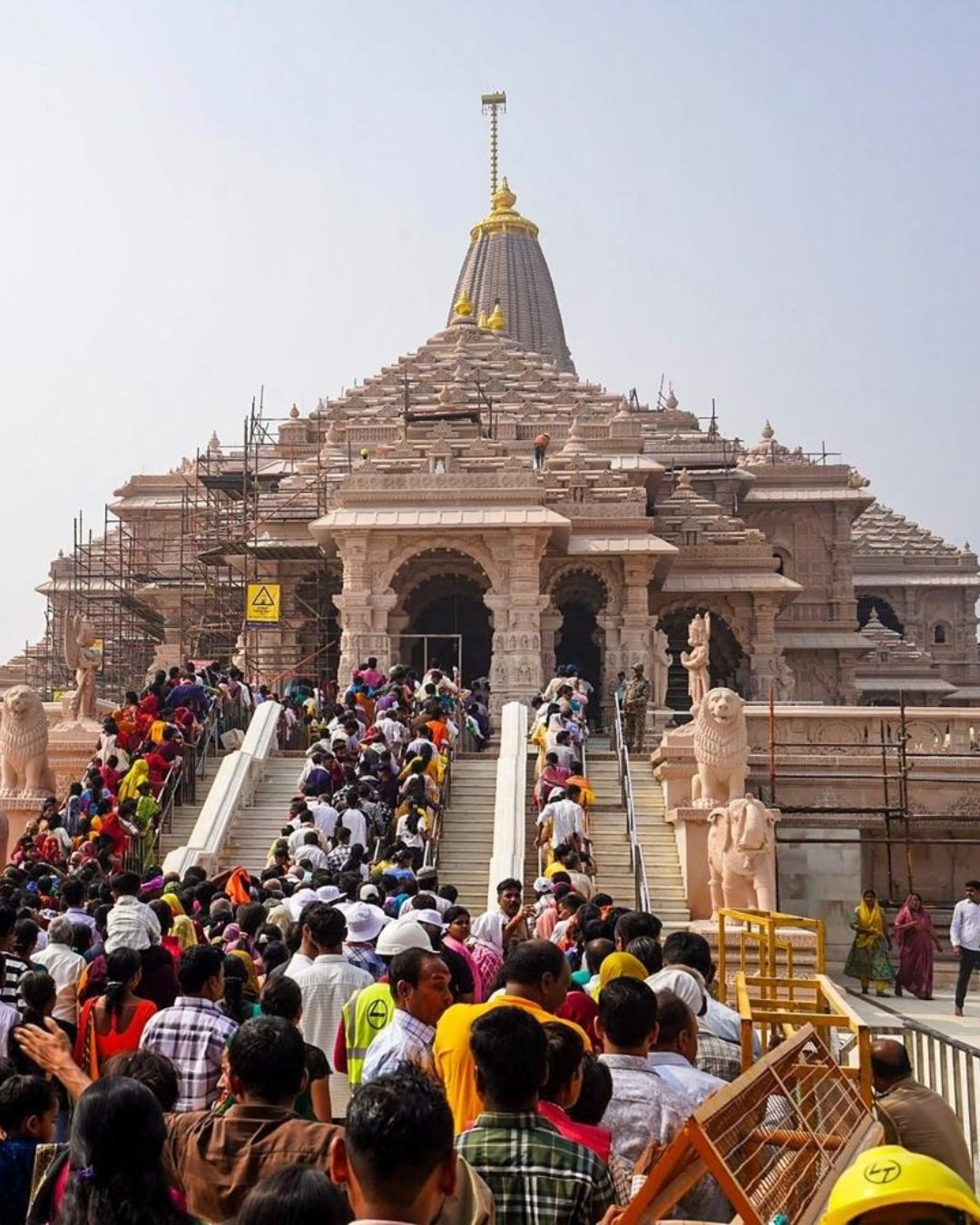
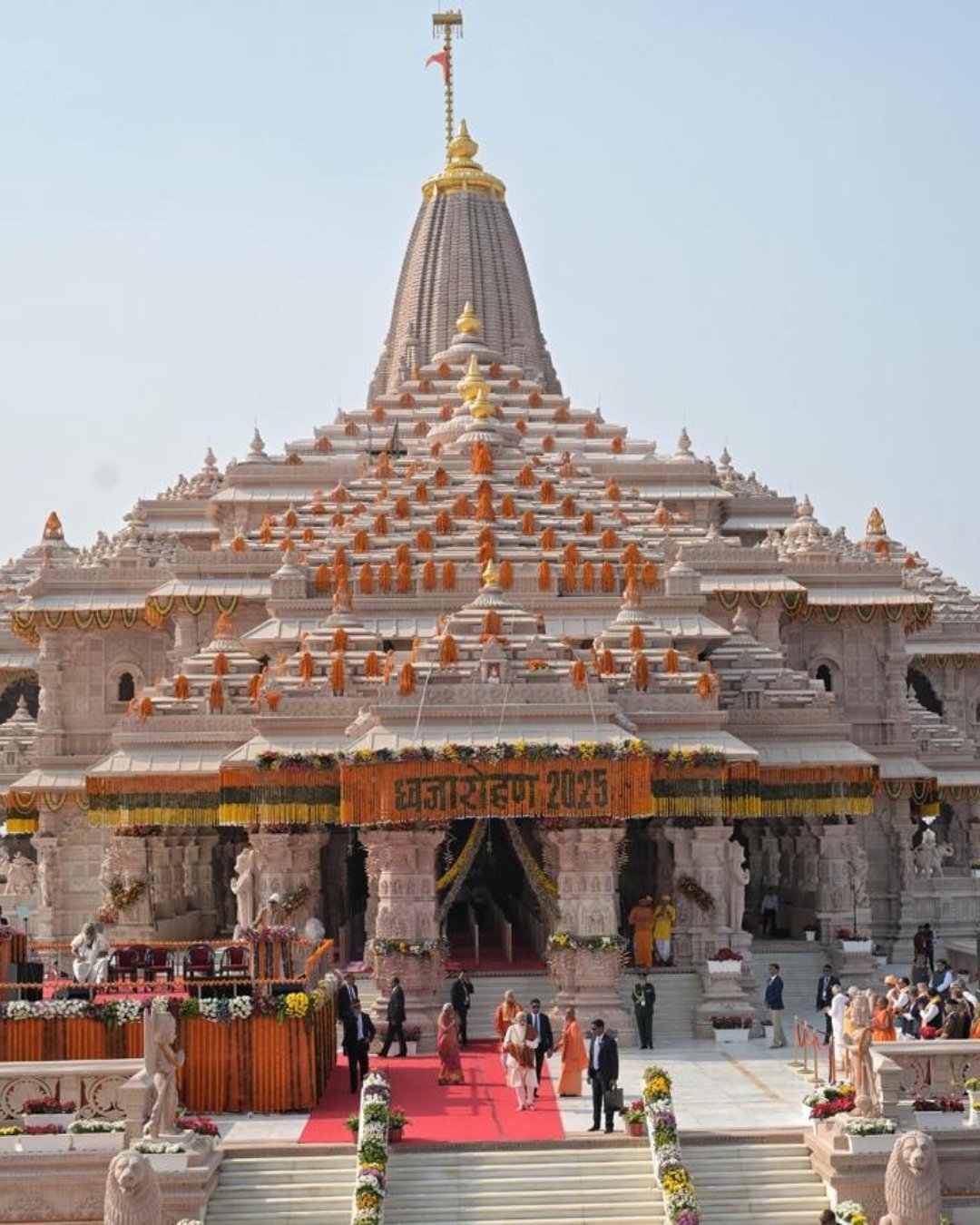
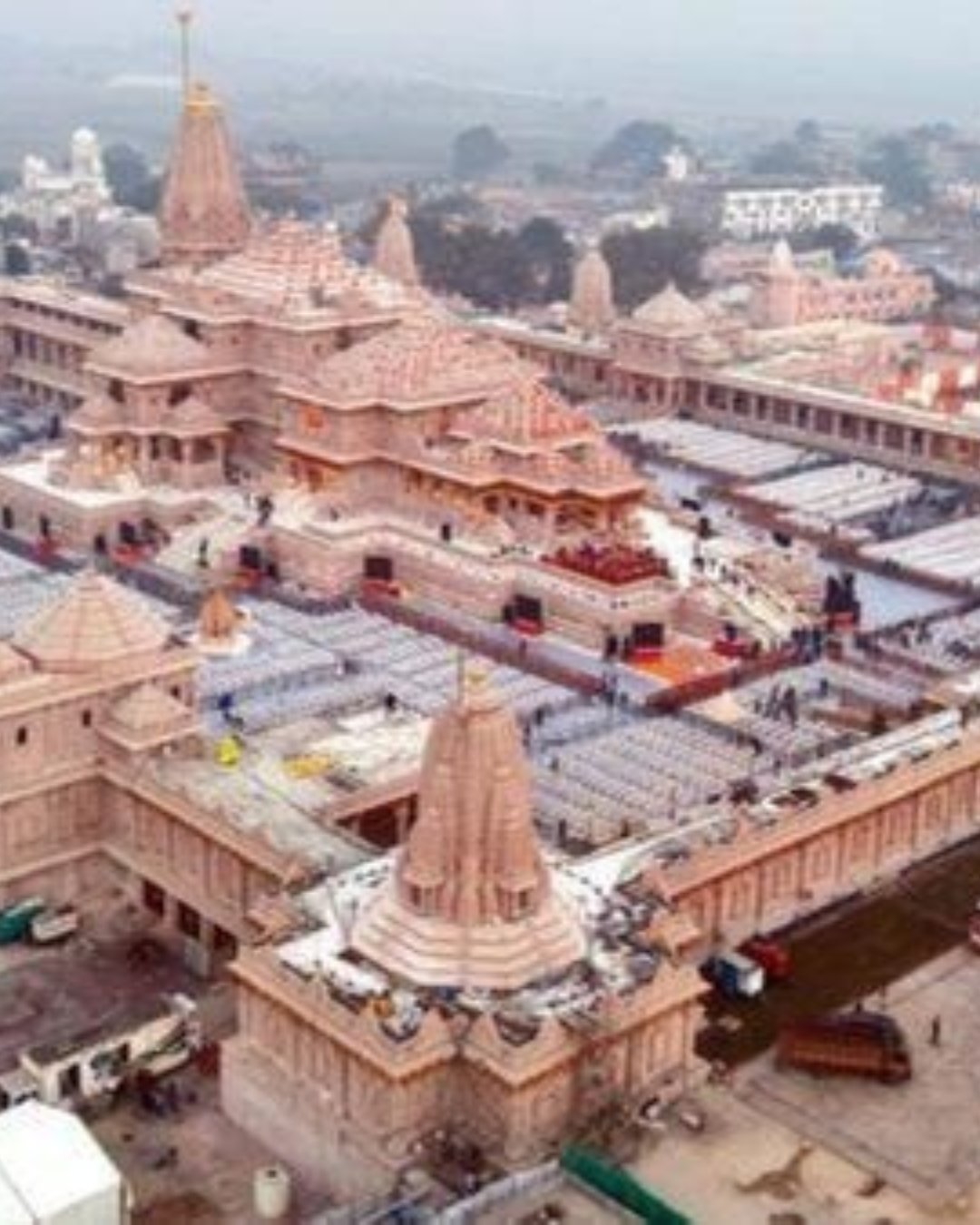
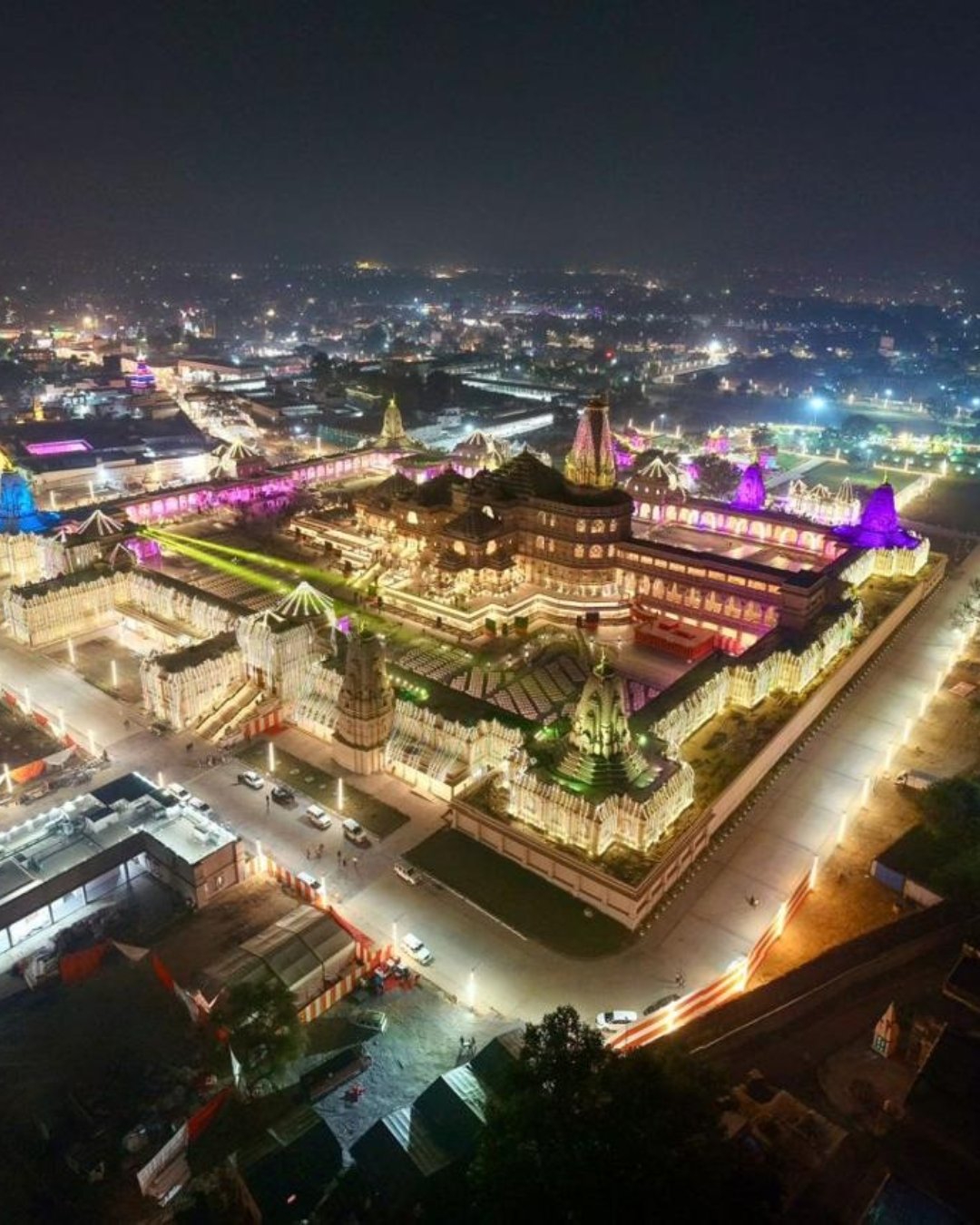
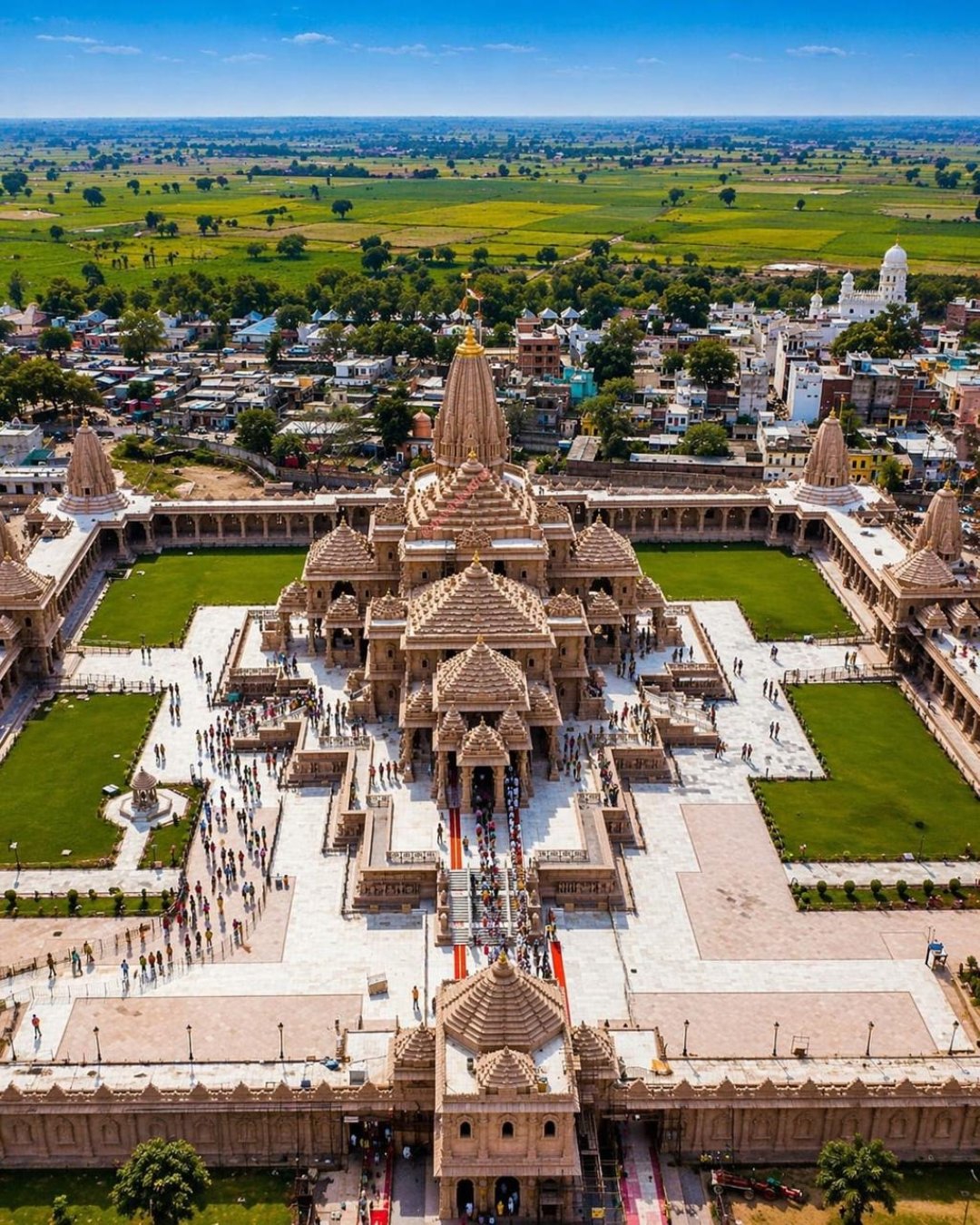
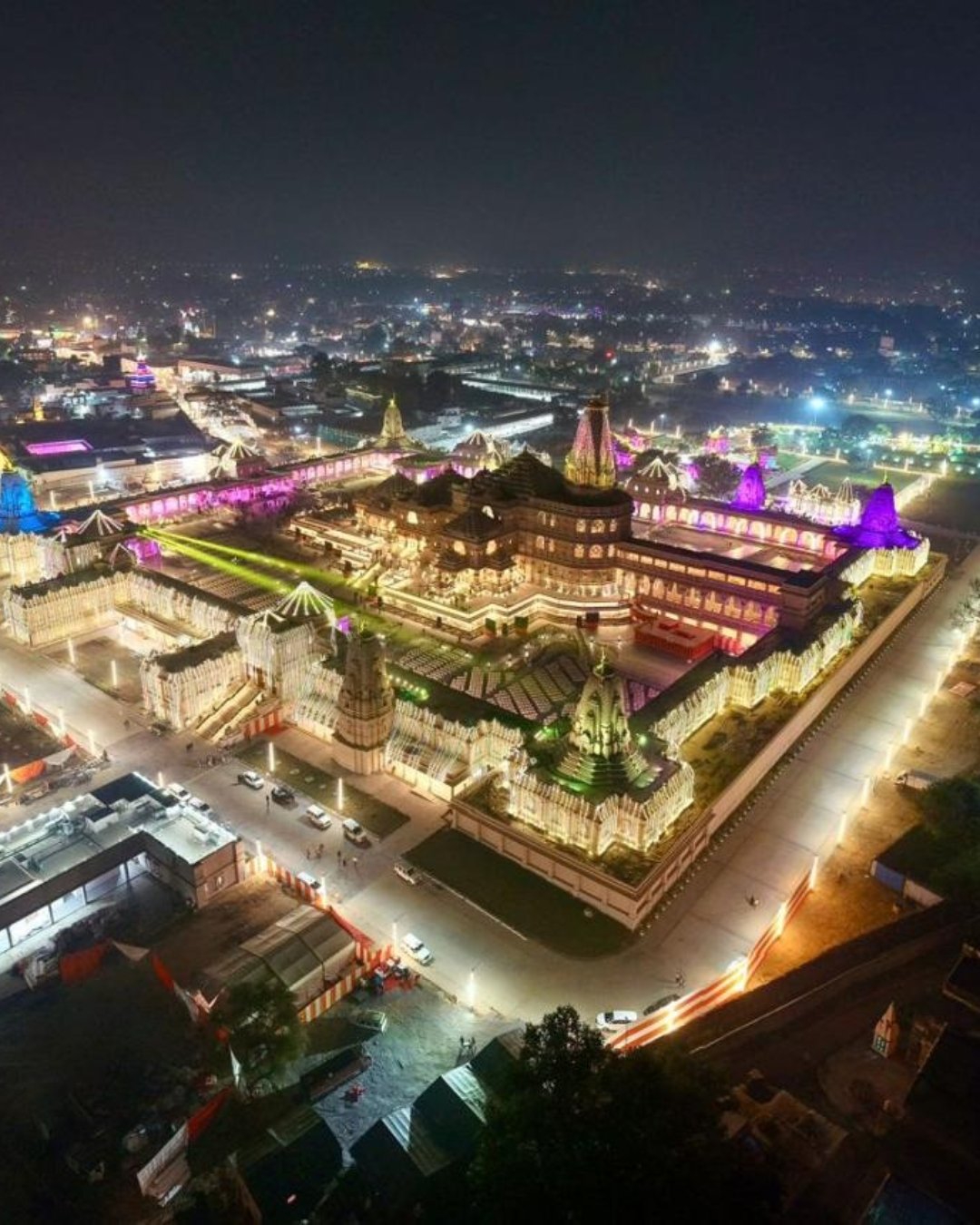
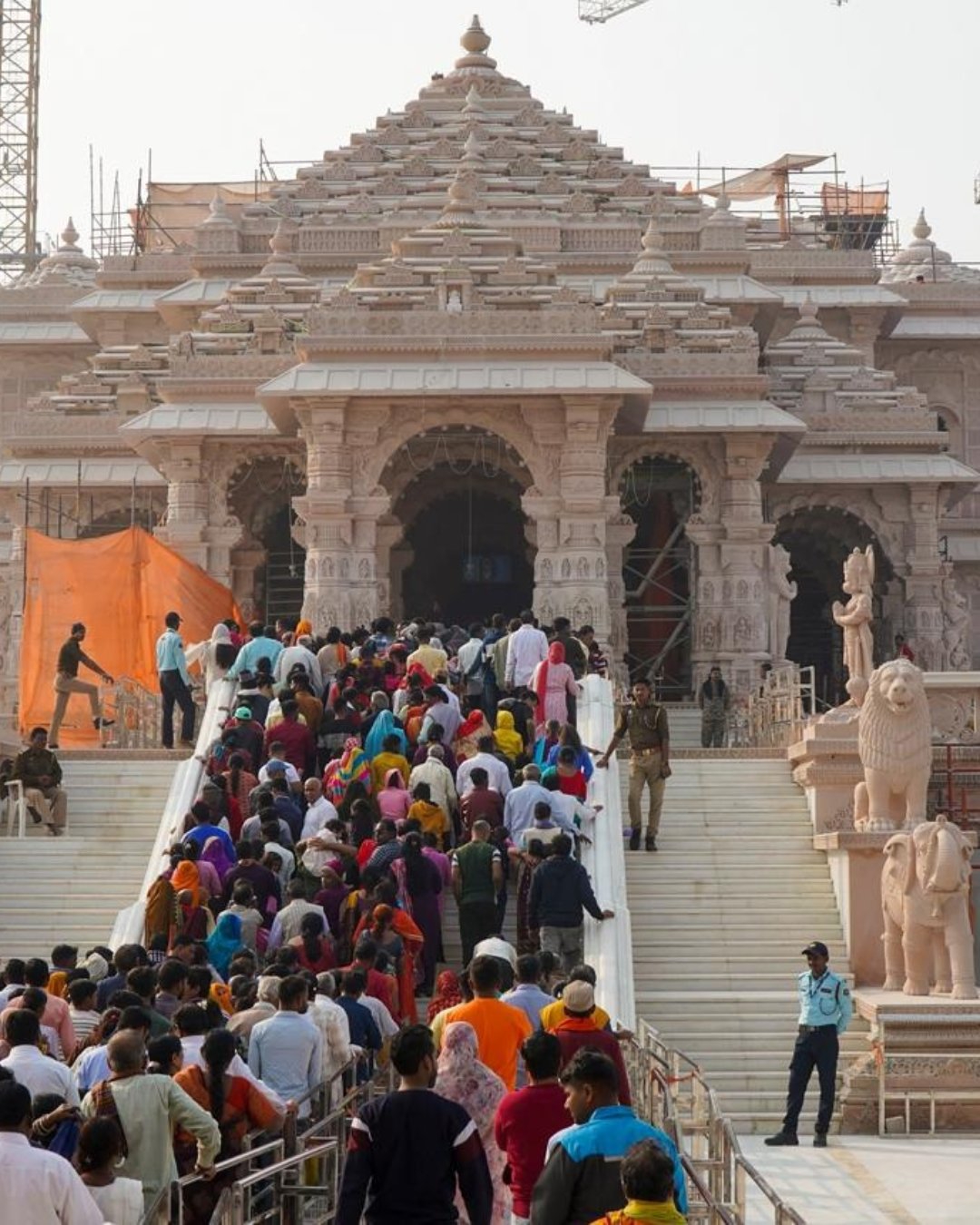
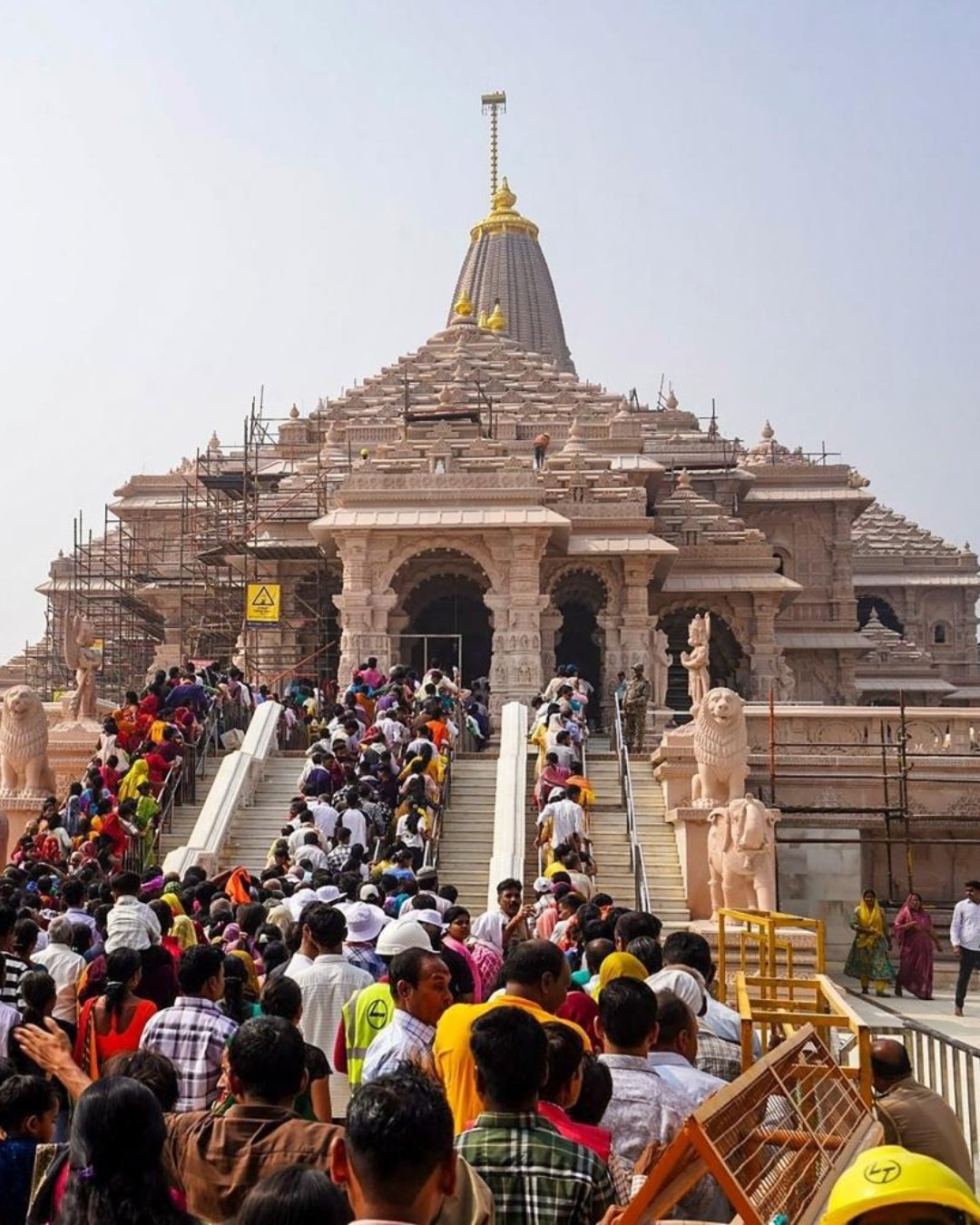
When you arrive at Ram Mandir, the first thing you notice is its scale—but the details are what make the temple truly fascinating. Built in the traditional Nagara style, the temple stretches about 380 feet long, 250 feet wide and 161 feet high, with 392 intricately carved pillars and 44 doors. Five mandapas create a sequence of spaces leading you towards the main sanctum, where Ram Lalla is represented in his childhood form.
Look closer and you discover an unusual combination of traditional craftsmanship and modern engineering. No iron is used anywhere in the temple, while its foundation has been constructed with a 14-metre-thick layer of roller-compacted concrete and a 21-foot-high granite plinth to protect the structure from ground moisture. The result is a temple that looks deeply rooted in traditional Indian architecture while relying on sophisticated engineering beneath the stonework.
Then there is the Surya Tilak, one of the temple's most distinctive features. Around Ram Navami, sunlight is directed onto Ram Lalla, turning a natural solar alignment into part of the temple's ritual experience. The Surya Tilak was observed again at the temple on 27 March 2026, showing that this is an annual feature rather than something you can expect during an ordinary visit.
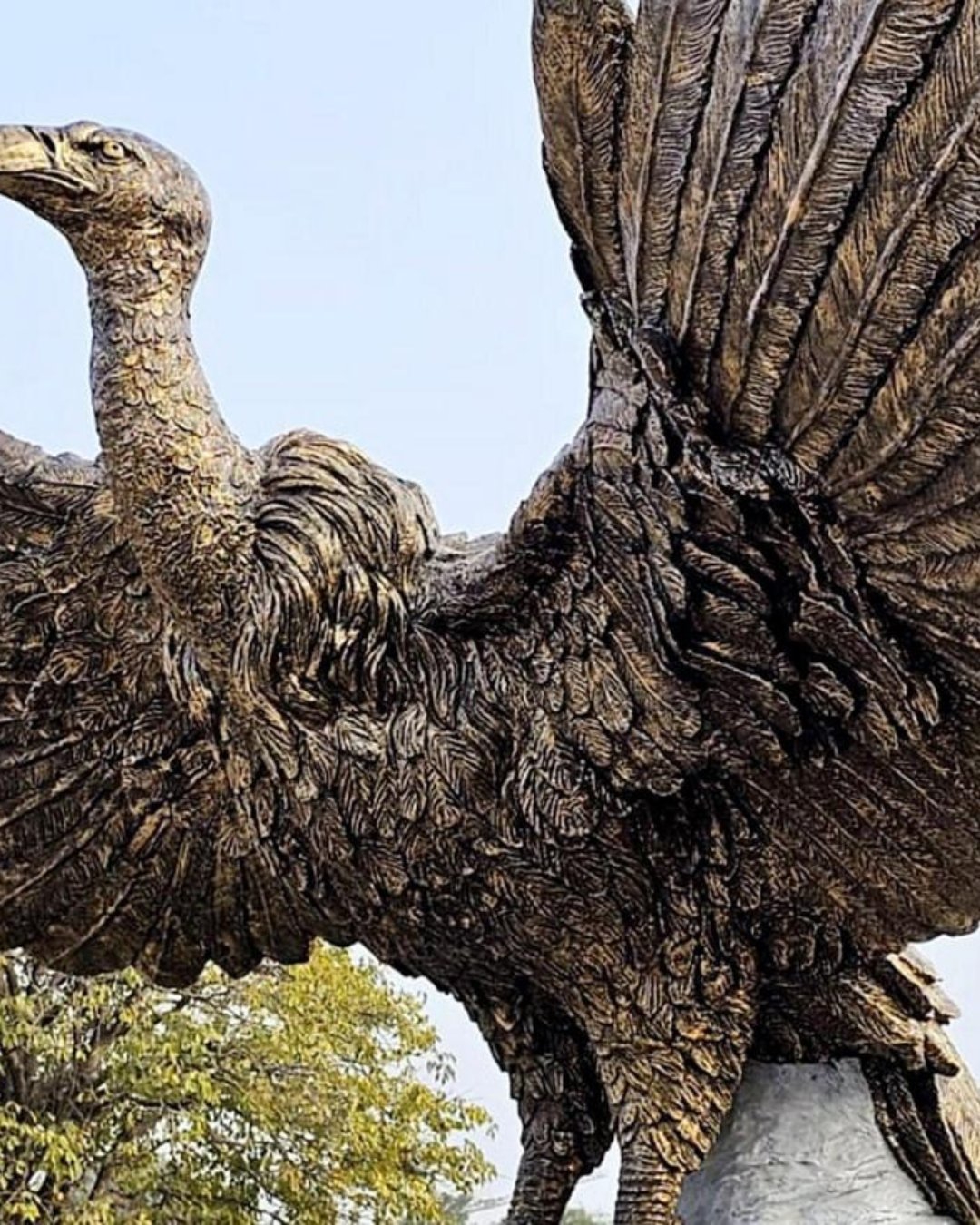
Your experience also extends beyond the main sanctum. The wider complex includes Sita Koop, Kuber Tila and a statue of Jatayu, while the carved pillars and walls give you plenty to notice as you move through the temple.
So, when you visit, don't look at Ram Mandir simply as a massive new landmark. Take time to notice the stonework, 392 pillars, traditional design, engineered foundation and the carefully planned relationship between sunlight and the sanctum. Beyond the headlines, the temple is a meeting point of faith, architecture, craftsmanship, ritual and modern engineering—and that is what makes exploring it more interesting than simply seeing it from the outside.
Stops
Home
MomentShree Ramjanmbhumi Temple Ayodhya, Ayodhya
What You Are Actually Standing In Front Of
Most visitors reach the sanctum knowing the story and nothing at all about the building.
•The temple runs roughly 380 feet east to west, about 250 feet wide, and stands around 161 feet tall across three storeys of roughly 20 feet each.
•It rests on 392 pillars and has 44 doors, with five mandapas — Nritya, Rang, Sabha, Prarthana and Kirtan.
•It is built in the Nagara style, the north Indian temple idiom, designed by the Sompura family of temple architects.
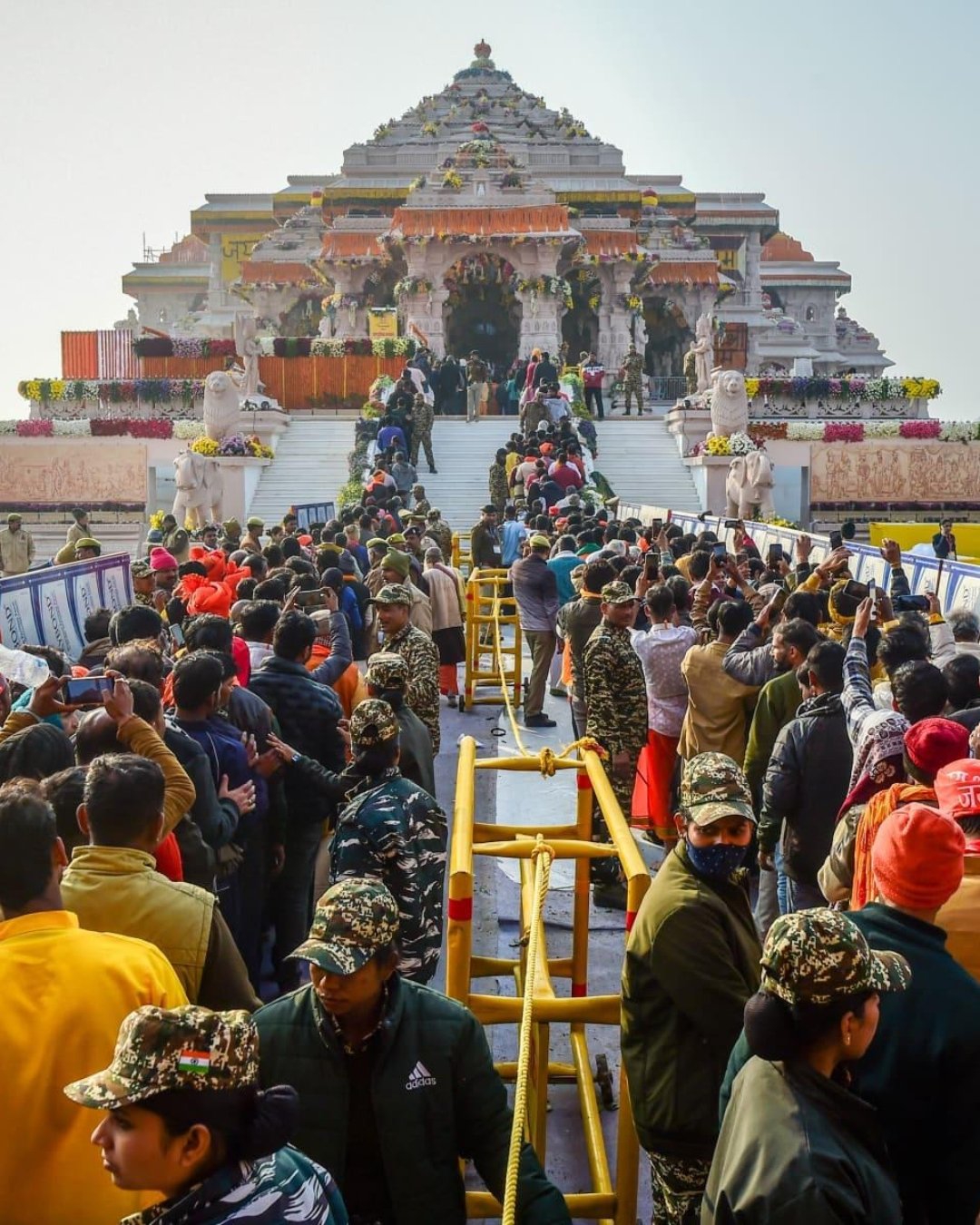
•The main entrance is on the eastern side, reached by climbing 32 steps through the Singh Dwar.
•The temple itself occupies under three acres inside a complex of roughly seventy, which is why the walk from entry to sanctum is longer than anyone expects.
•A granite plinth of around 21 feet sits beneath the whole structure, built to keep moisture out of the stone above.
Pro tip: Read the layout before you travel. Phones cannot go inside, so anything you did not learn beforehand is something you cannot look up while you are standing in it.
The mistakes that ruin it:
•Arriving with no sense of the complex and rushing the one part you came for.
•Assuming the sanctum is the whole site.
•Underestimating the walk, particularly in summer.
27
MomentShree Ramjanmbhumi Temple Ayodhya, Ayodhya
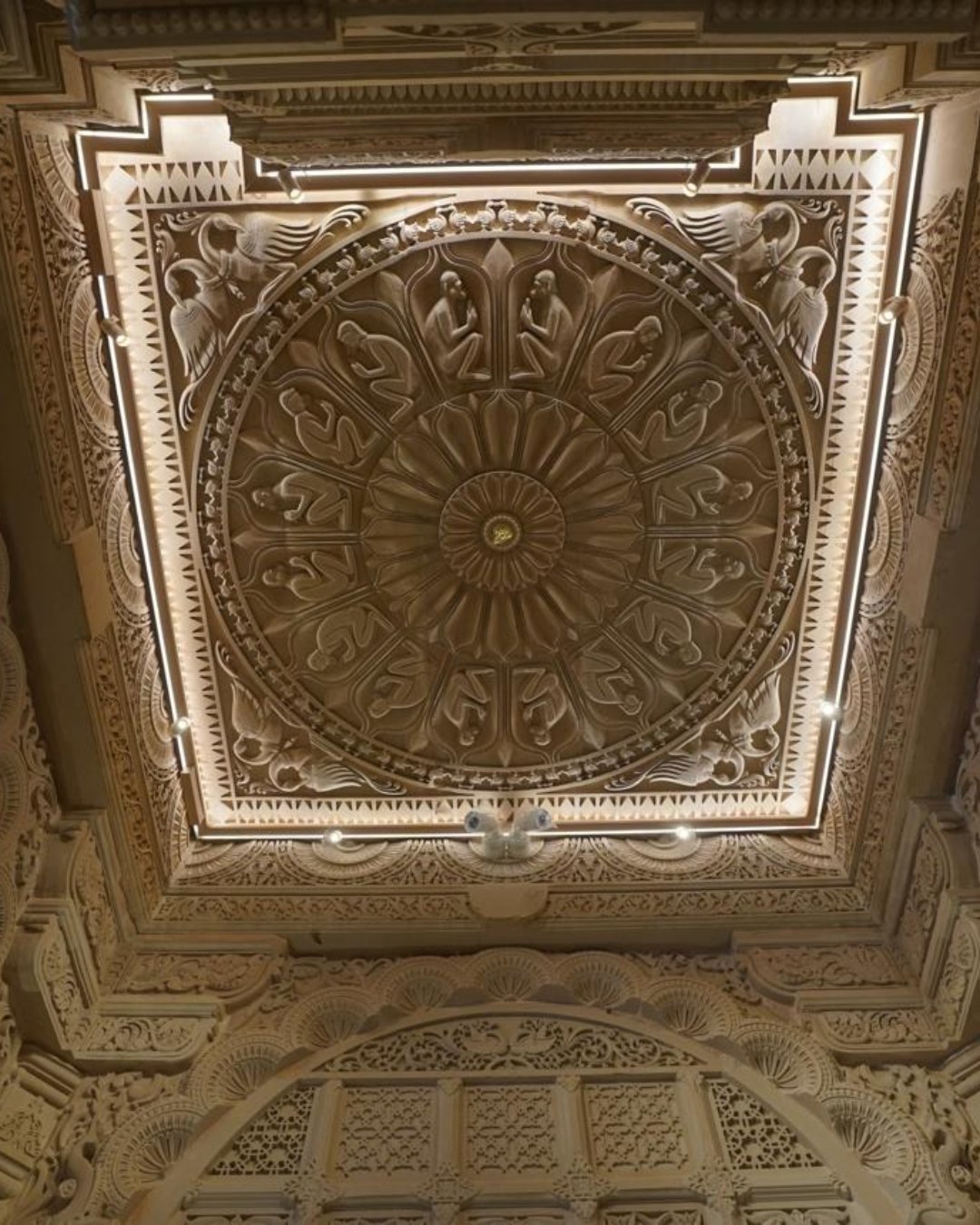
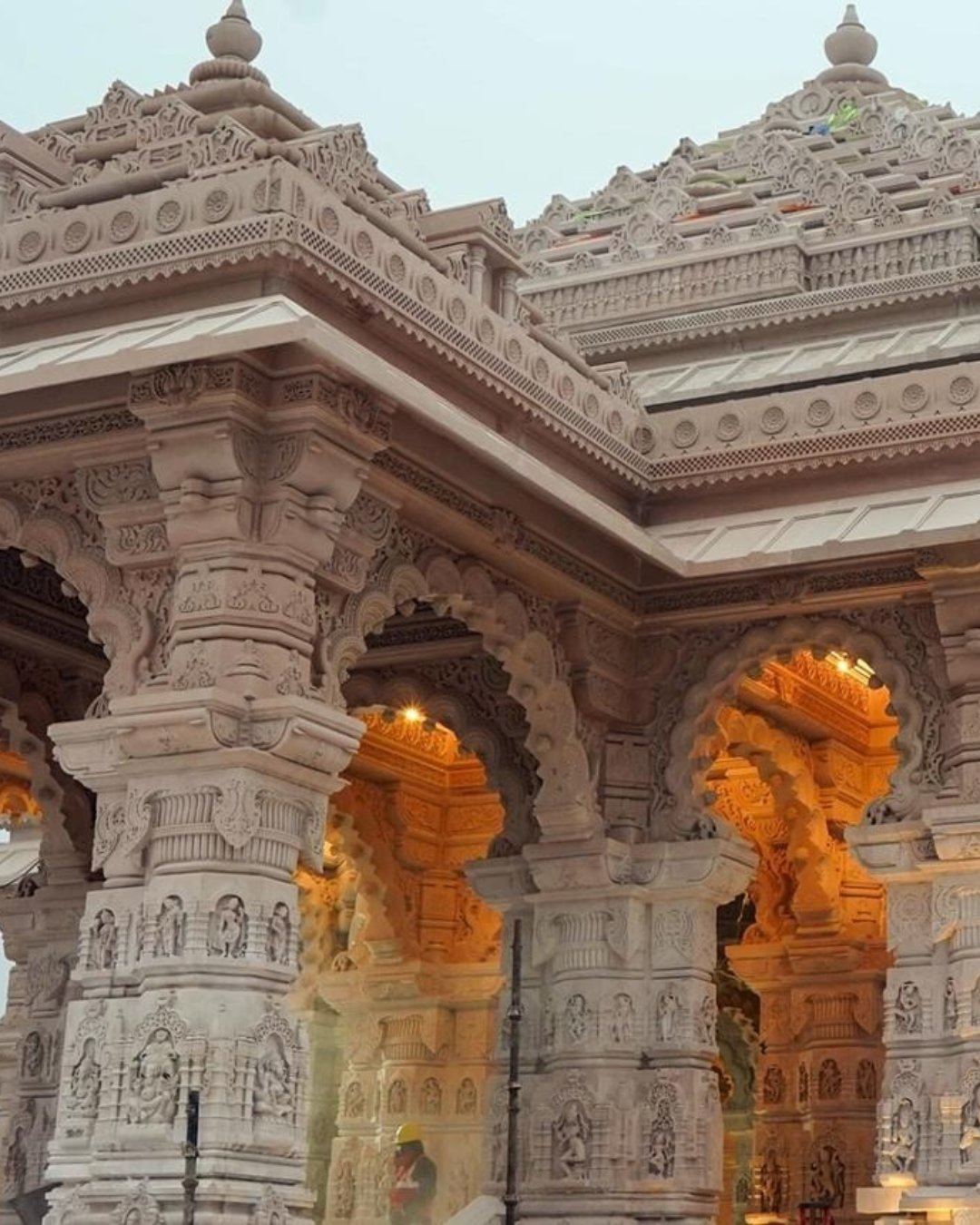
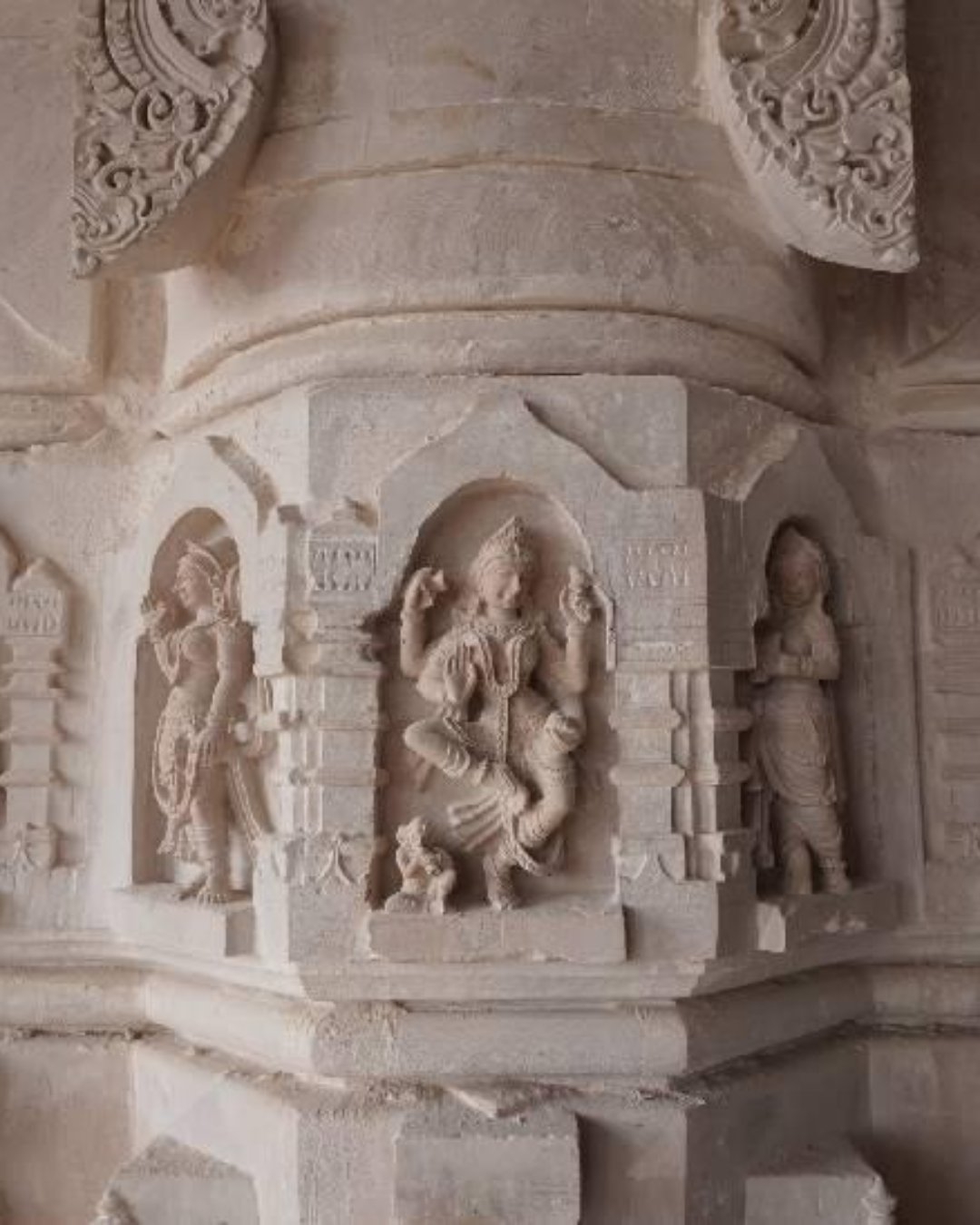
No Iron, No Steel, and Built to Outlive Us
There is no structural steel anywhere in this building, and that was a deliberate thousand-year decision.
•The Temple superstructure itself — be precise about that distinction. The stone blocks are interlocked, and copper is used where binding is needed.
•The reasoning is straightforward: iron rusts and expands, and expanding metal cracks stone over centuries. Copper does not behave that way.
•The stone is Bansi Paharpur pink sandstone from Rajasthan, with Makrana marble in the sanctum.
•The construction method is the one used for temples intended to stand for a millennium rather than a lifetime.
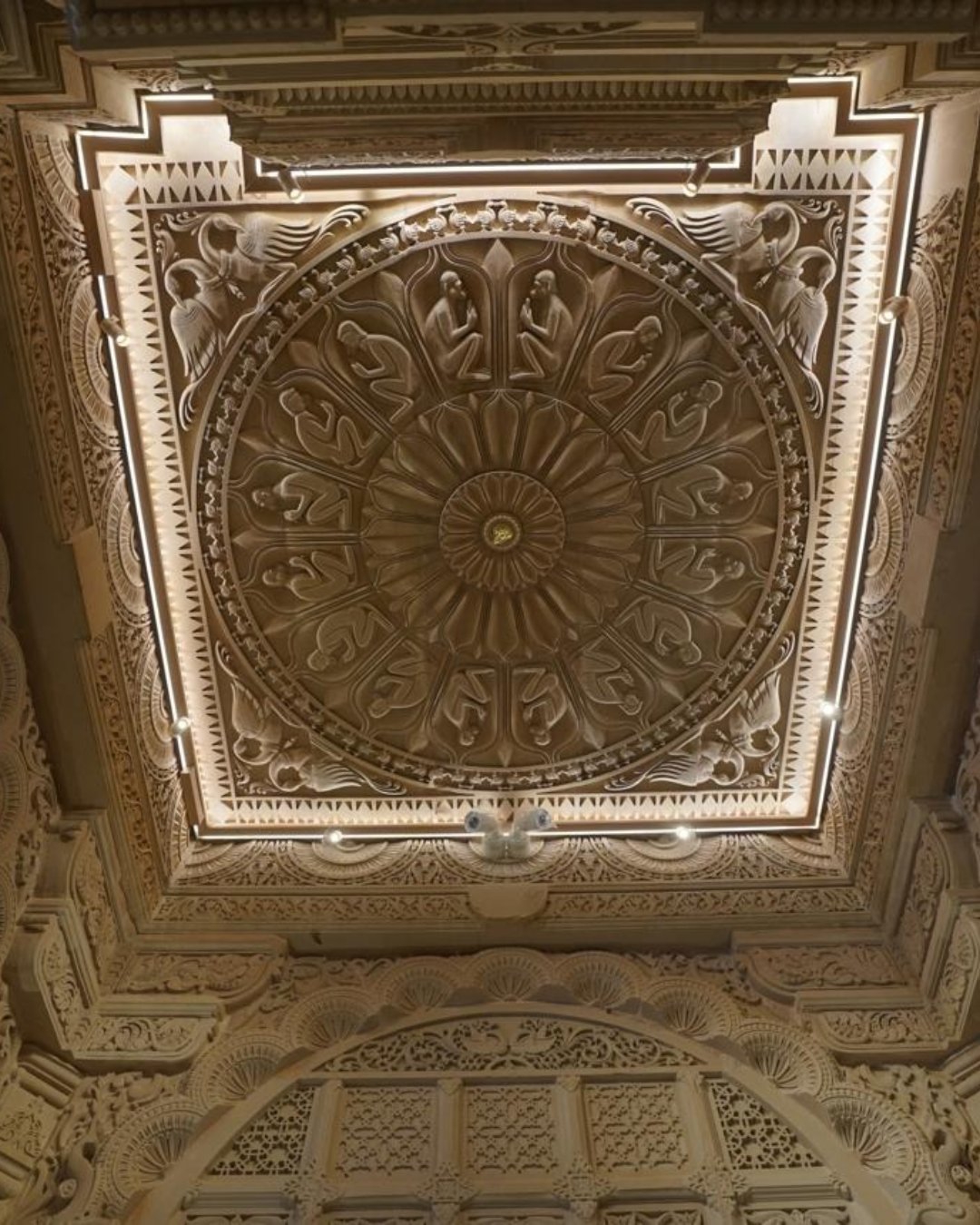
•The pillars and walls carry sculpted figures throughout, which is why the interior rewards slowing down even in a moving queue.
• Cement and steel appear in the wider complex works, but not in the
temple superstructure itself.
Pro tip: Look at the joints rather than the carvings. Once you know there is no steel holding any of it together, the way the stone meets is the most impressive thing in the building.
The mistakes that ruin it:
•Repeating the claim loosely as “no cement anywhere” — it applies to the temple superstructure, not every structure on site.
•Walking the queue without looking up at the mandapa ceilings.
21
MomentShree Ramjanmbhumi Temple Ayodhya, Ayodhya
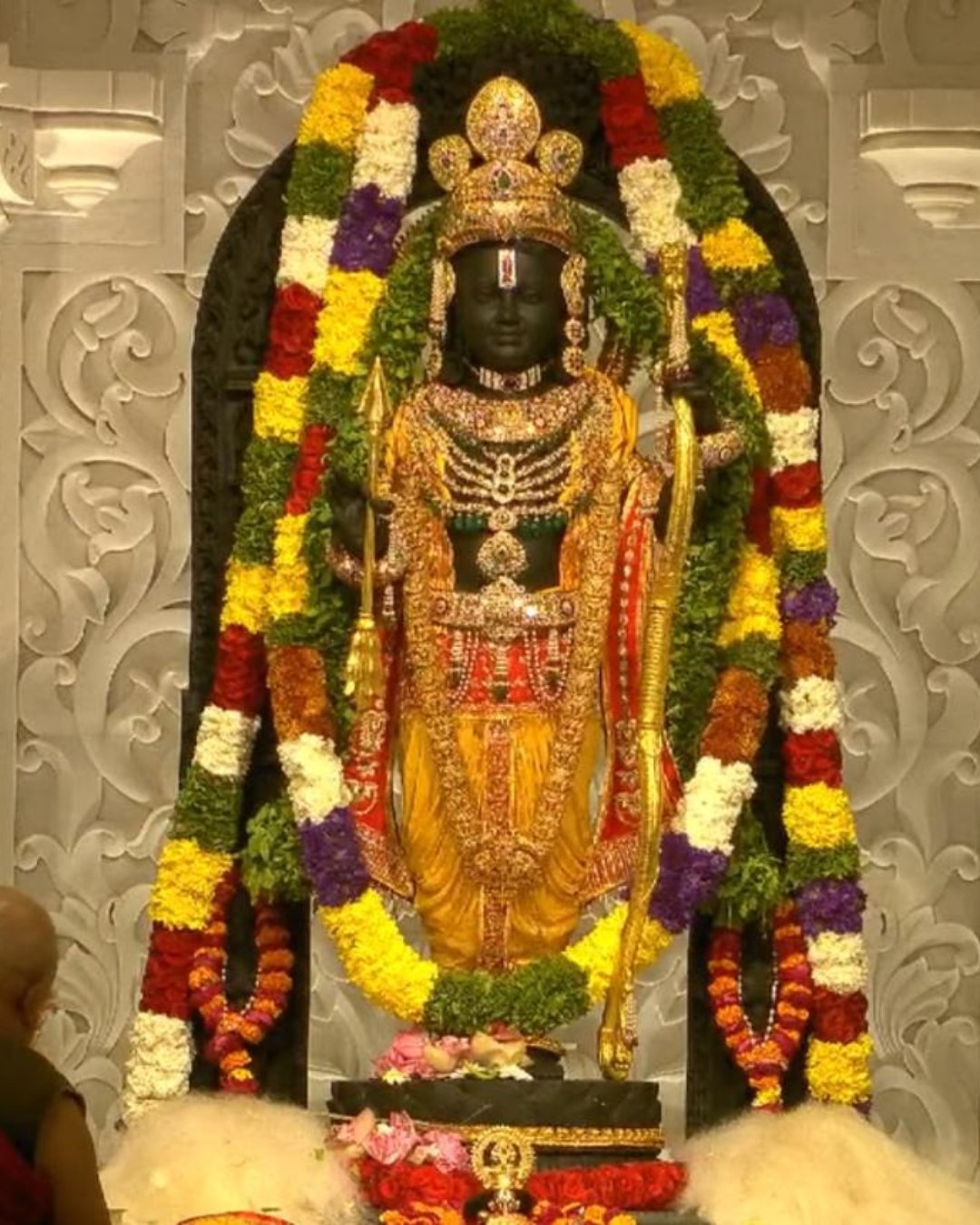
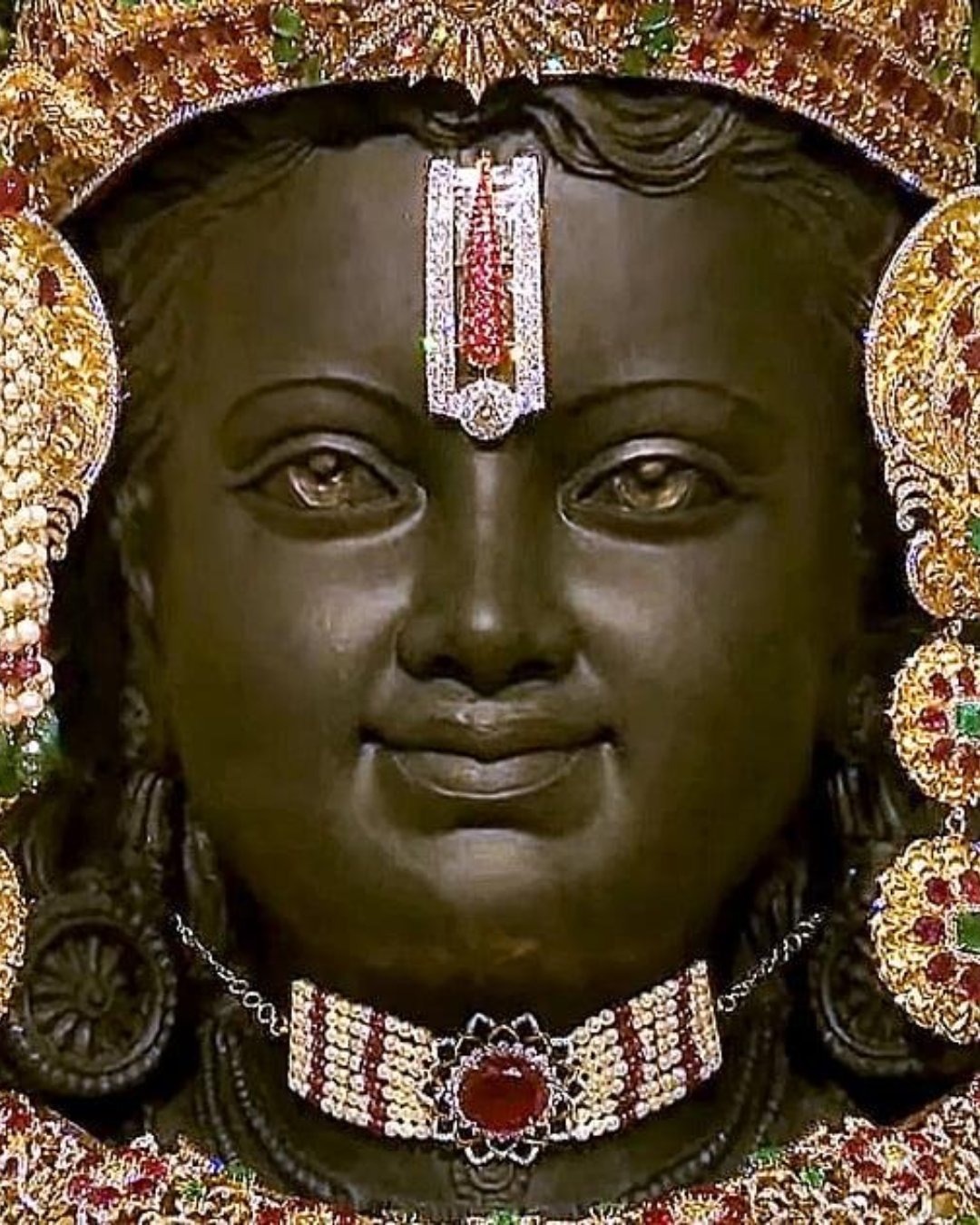
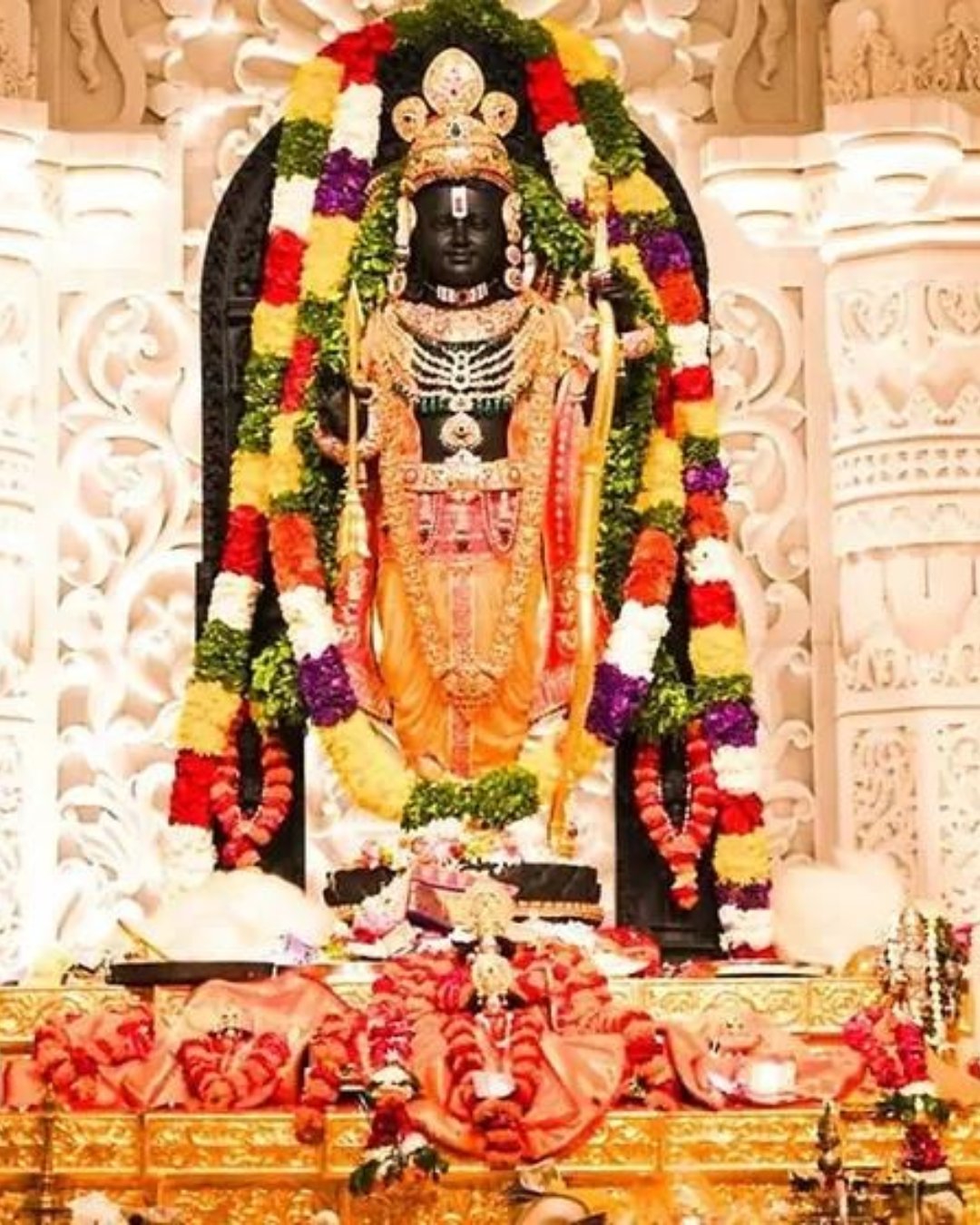
Ram Lalla, and Why the Deity Is a Child
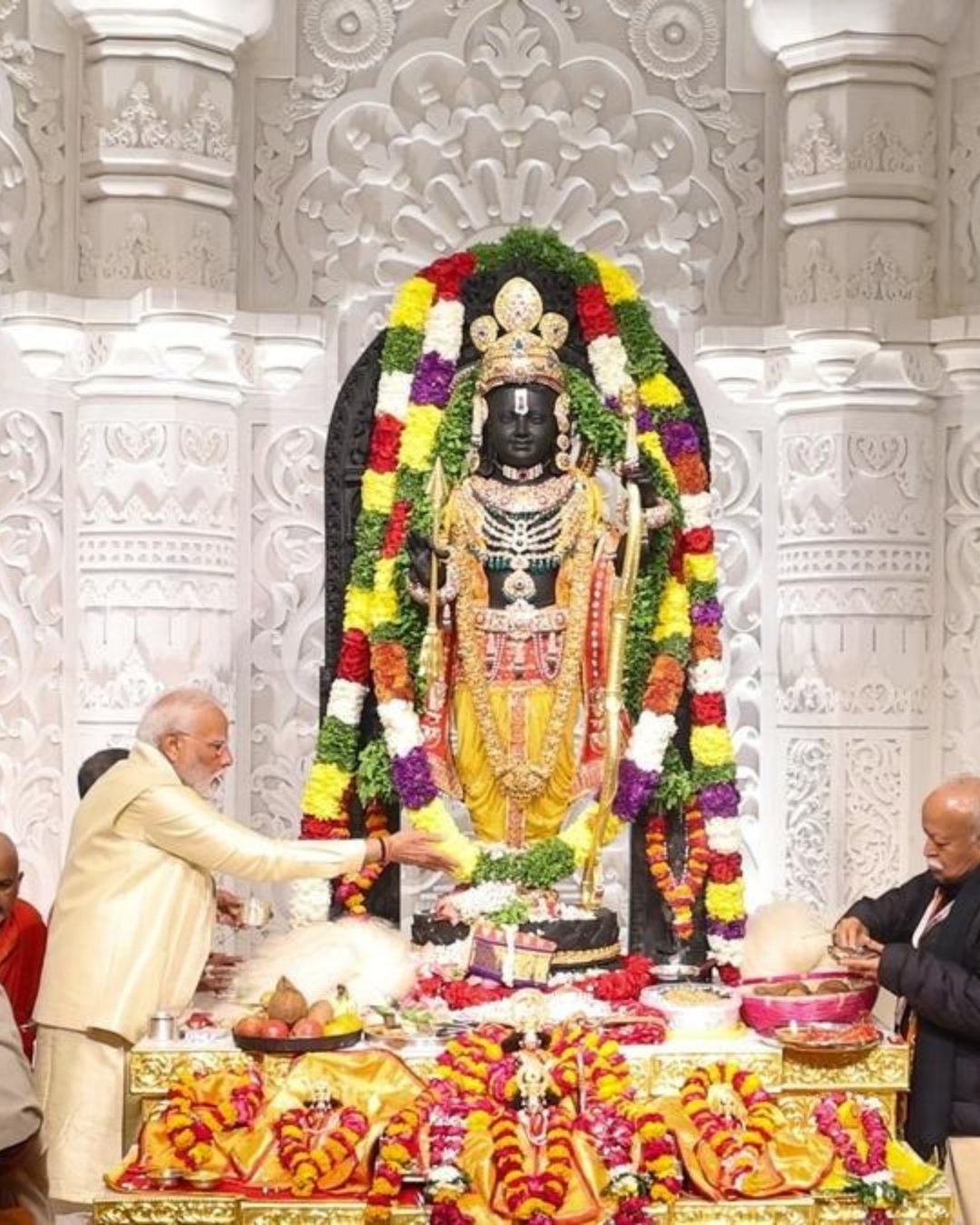
The deity here is worshipped as a child, and that single fact shapes everything about how the temple runs.
•Ram Lalla is Ram in infant form, enshrined in the ground-floor sanctum.
•The daily ritual cycle follows that framing — the deity is woken, dressed, offered food and put to rest, which
is what the aarti names describe.
•The consecrated idol installed in 2024 sits in the sanctum; the smaller idol worshipped through the long dispute years remains part of the temple’s story.
•Ram Darbar — Ram with Sita, Lakshman and Hanuman — was installed on the first floor, which is a separate thing from the sanctum below.
•Seasonal vastra for the deity is commissioned from Indian handloom and handicraft traditions, with artisans working on single garments for weeks.
Pro tip: Once you know the aartis follow a child’s day — waking, dressing, feeding, sleeping — the schedule stops looking arbitrary and starts telling you when to come.
The mistakes that ruin it:
•Treating the aarti timetable as arbitrary temple hours.
•Missing that Ram Darbar upstairs is distinct from Ram Lalla below.
24
MomentShree Ramjanmbhumi Temple Ayodhya, Ayodhya
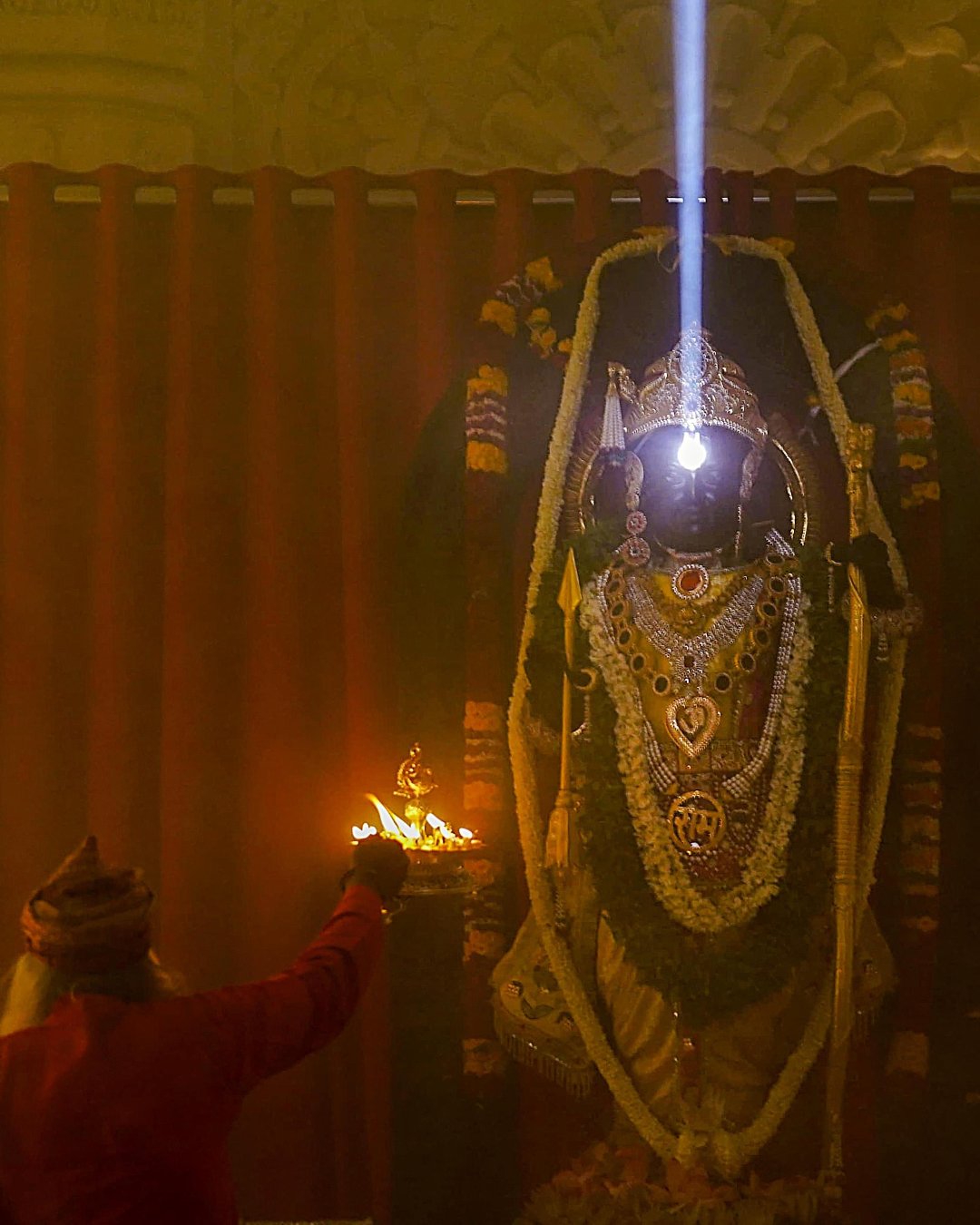
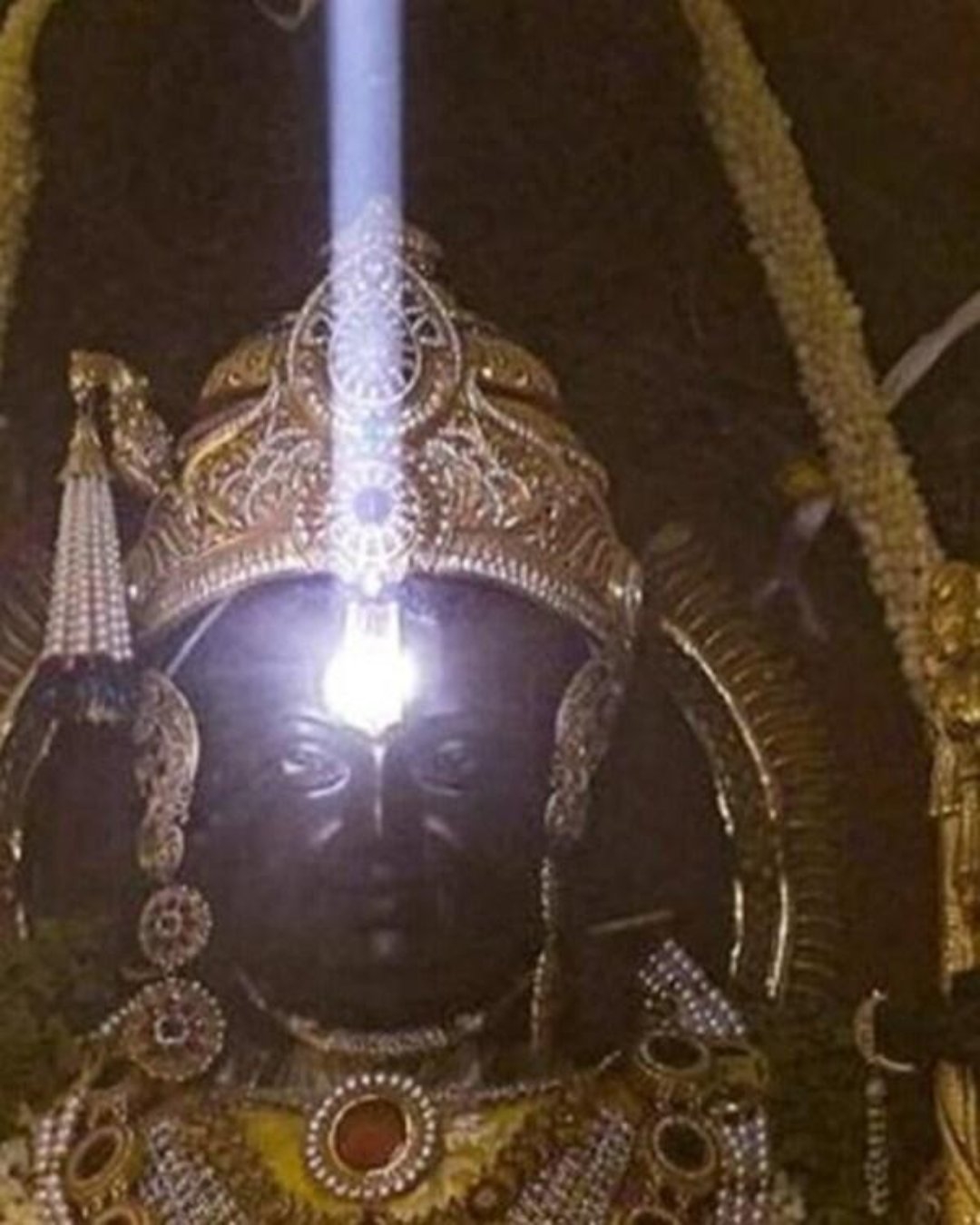
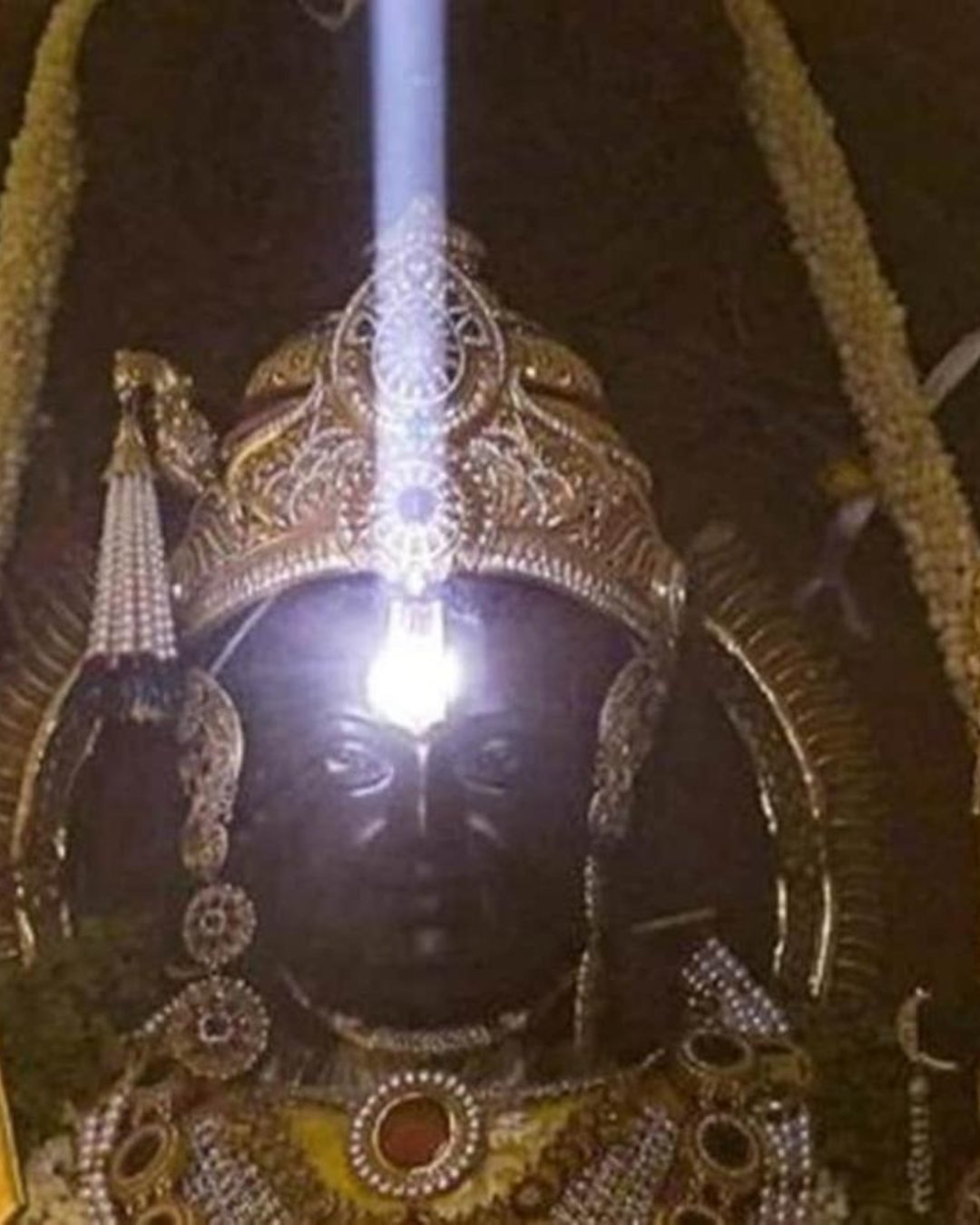
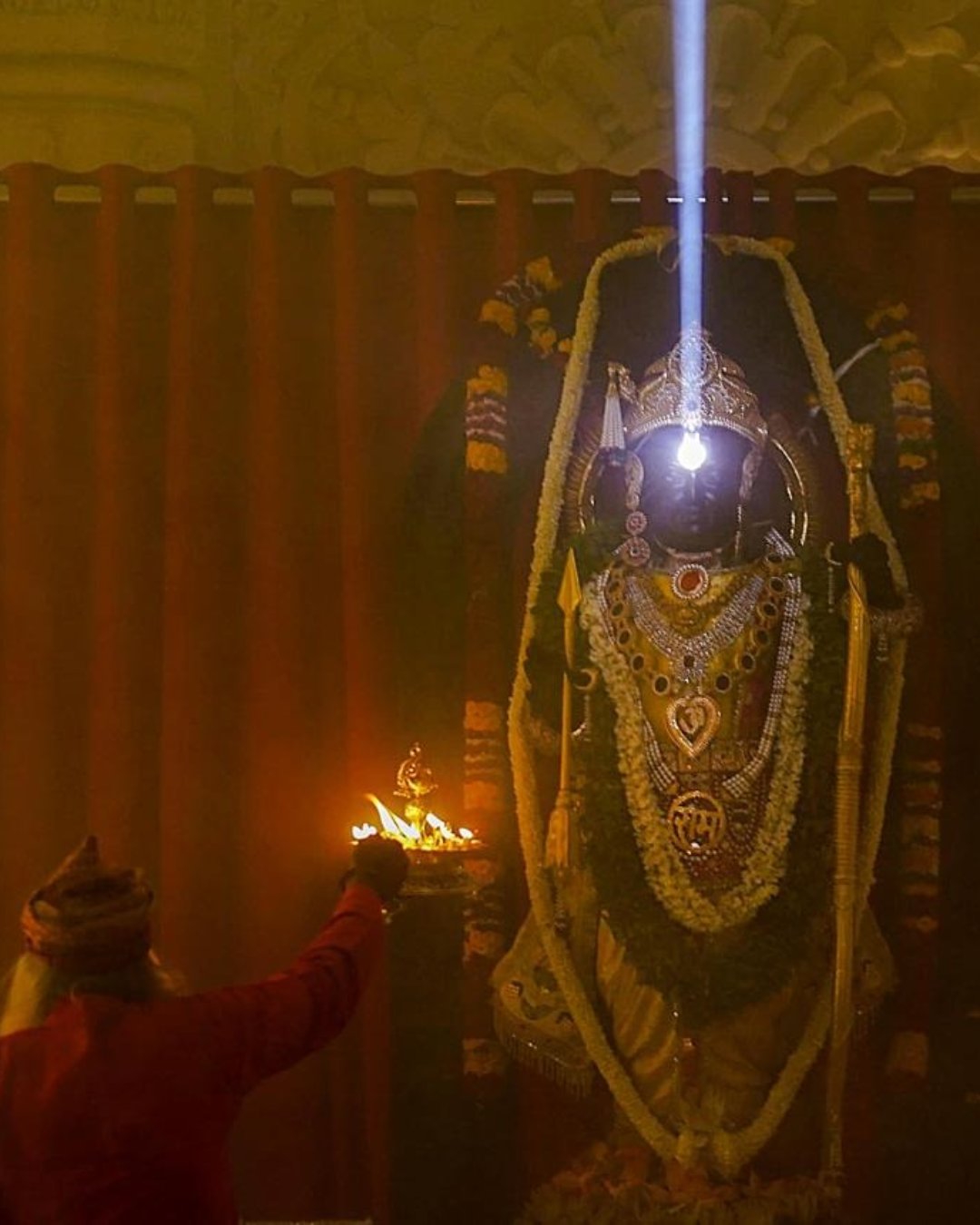
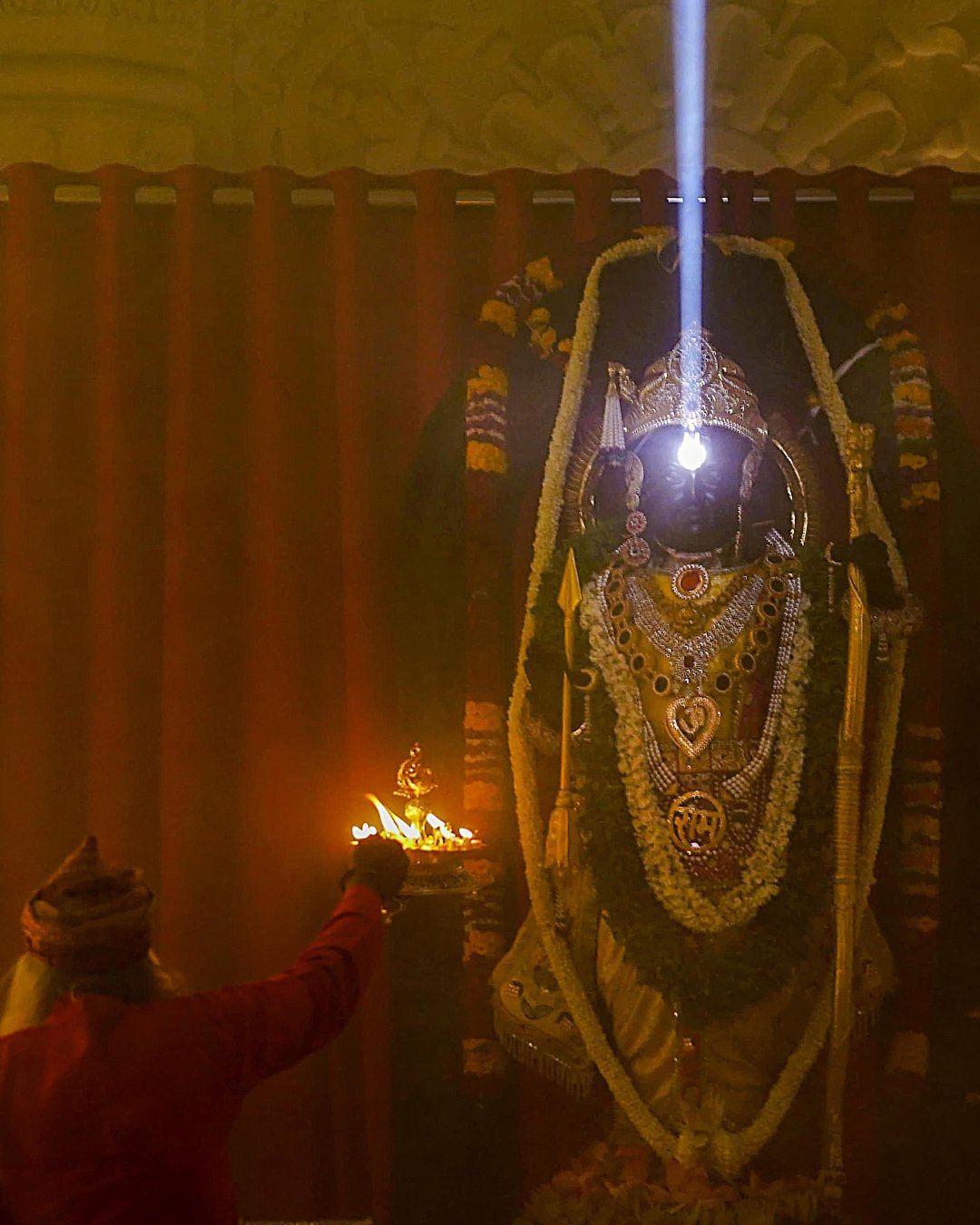
The Surya Tilak, Engineered for a Few Minutes a Year
There is a piece of optical engineering in this temple that works for a few minutes, once a year.
•On Ram Navami, an arrangement of mirrors and lenses channels sunlight onto the forehead of Ram Lalla around midday.
•It was designed with Indian scientific institutions — CBRI Roorkee and IIA Bengaluru among them — and is a deliberate engineering project rather than a chance alignment.
•It lasts a few minutes and happens once a year, which makes Ram Navami a genuinely different day to be here.
•The symbolism is specific: the Ramayana describes Ram as a descendant of the Suryavansh, the solar dynasty.
•The crowd that day is enormous. This is a trade, not a free upgrade.
•The apparatus is permanent and adjusts for the shifting date of Ram Navami across years.
Pro tip: If the Surya Tilak is why you are going, book accommodation months ahead and accept that you are trading calm for spectacle. If it is not, avoid Ram Navami entirely.
The mistakes that ruin it:
•Turning up on Ram Navami expecting an ordinary darshan.
•Assuming it happens more than once a year, or at any hour other than midday
14
MomentRam Mandir Rd, Ayodhya
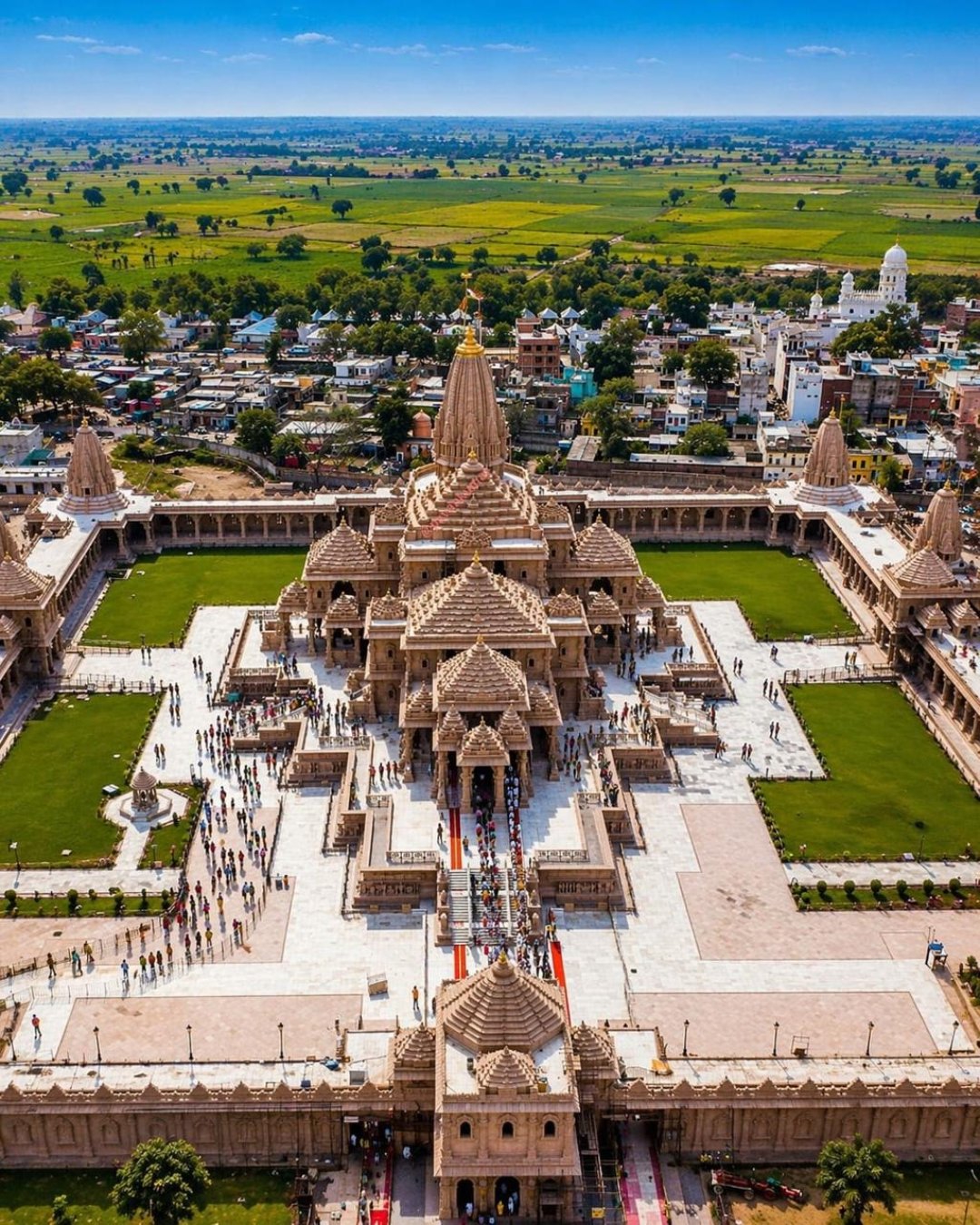
The Complex Beyond the Sanctum
Almost everybody sees the sanctum and walks out, which means almost everybody misses most of it.
•A compound wall, the parkota, encloses the temple and the shrines around it.
•Corner temples within the parkota are dedicated to Surya, Bhagwati, Ganesh and Shiva, with further shrines for Annapurna and Hanuman.
•A Sheshavatar shrine for Lakshman sits within the complex as well.
•Sita Koop, a historic well on the site, predates the current construction.
•The approach and exit paths are long and largely open, which matters enormously between April and June.
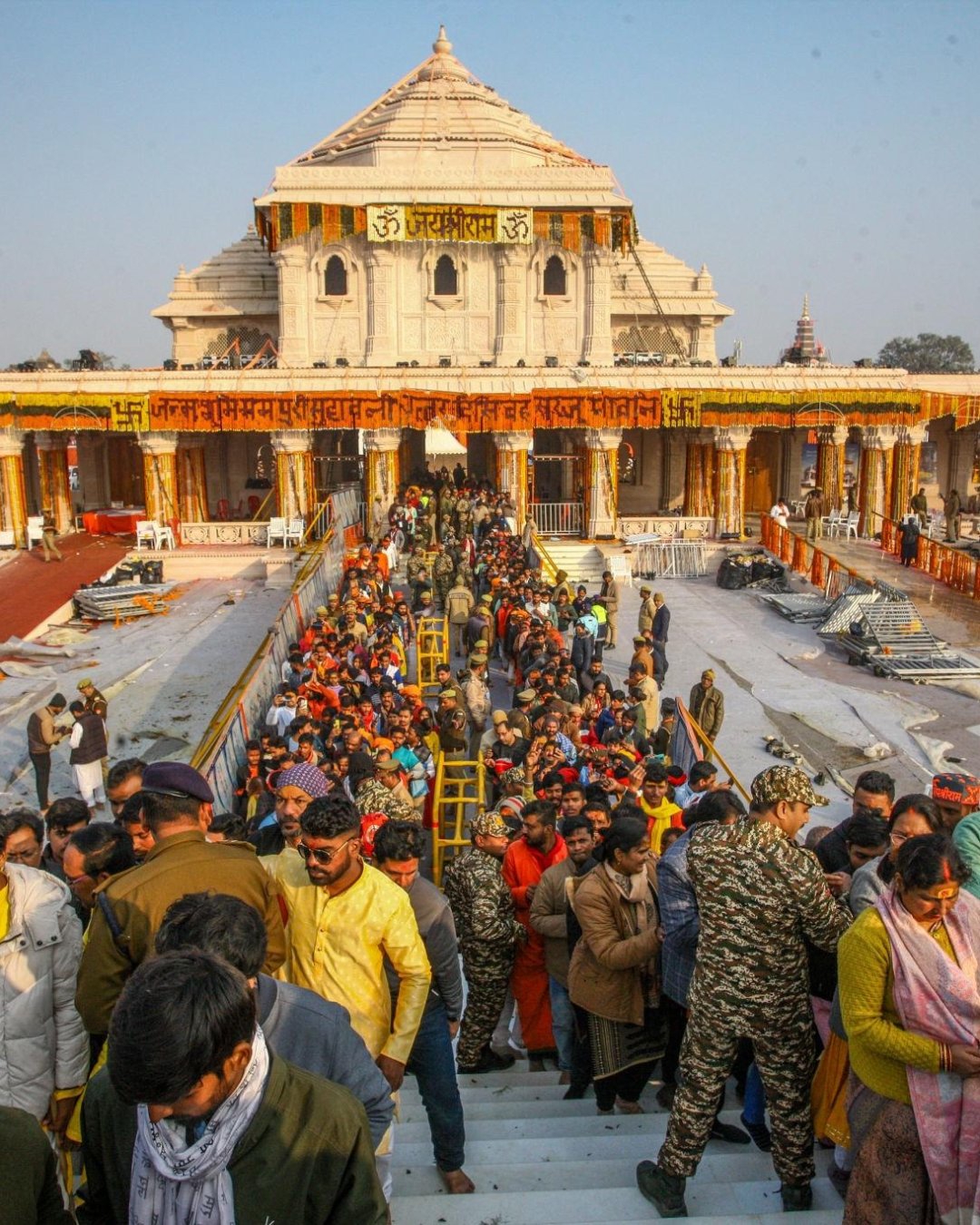
•Facilities including lockers, drinking water and wheelchair assistance are available in the entry zone, and are far easier to arrange before you join a queue than during one.
Pro tip: Budget two hours, not forty minutes. The sanctum is a few moments; the parkota shrines are where you actually spend time, and hardly anybody tells you they are there.
The mistakes that ruin it:
•Leaving straight after the sanctum darshan.
•Discovering the elderly-assistance option only after joining the queue.
•Underestimating open-air walking time in summer.
19
MomentShree Ramjanmbhumi Temple Ayodhya, Ayodhya
January 2024, and the Town That Changed Overnight
Ayodhya before January 2024 and Ayodhya after it are, practically speaking, two different destinations.
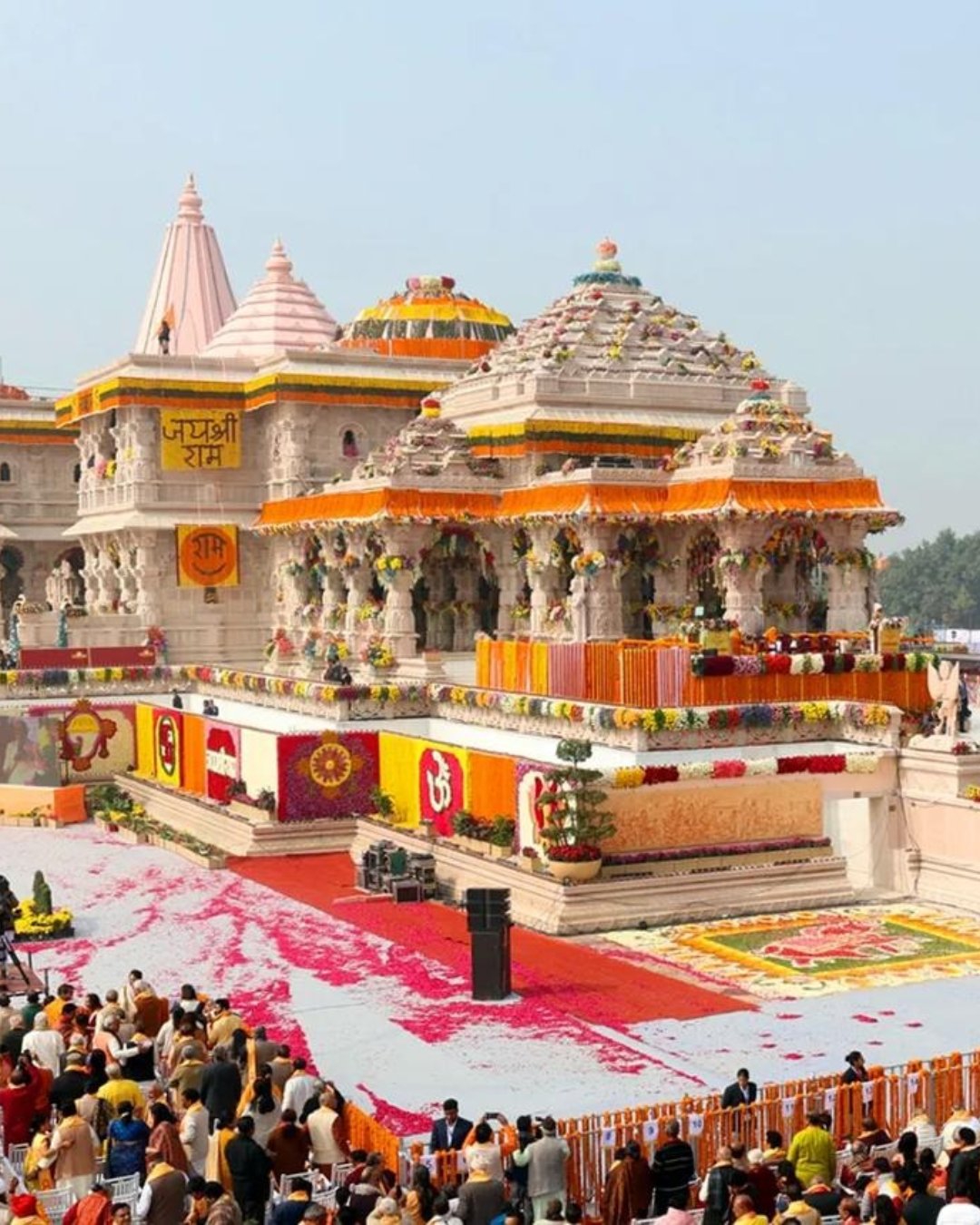
•The Pran Pratishtha took place on 22 January 2024 and reset visitor numbers immediately.
•A new airport had opened weeks earlier, the main railway station was rebuilt, and Ram Path was widened through the old town.
•Structural work concluded in late November 2025 with the raising of the flag on the main shikhar — the point at which the building was finished rather than in progress.
•Hotel stock, road layout, crowd levels and queue systems all date from this window.
•The consecration anniversary in late January has become a third annual peak alongside Ram Navami and Deepotsav.
Pro tip: Discount any Ayodhya guidance written before 2024. The town it describes — its hotels, its roads, its queues — no longer exists in that form.
The mistakes that ruin it:
•Planning from pre-2024 sources.
•Assuming construction is still under way. It concluded in late 2025.
•Booking in the anniversary window without realising it is a peak.
12
MomentShree Ramjanmbhumi Temple Ayodhya, Ayodhya
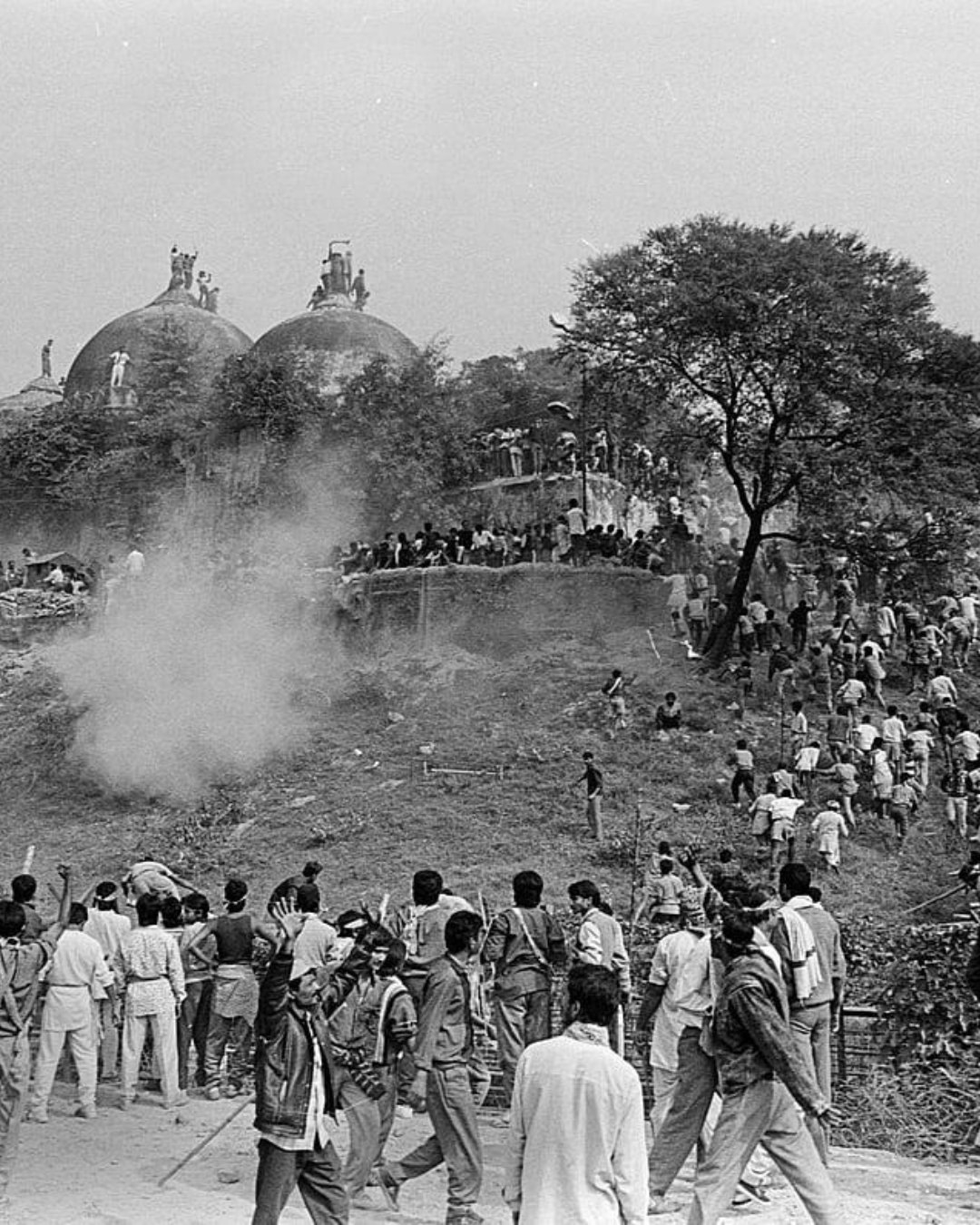
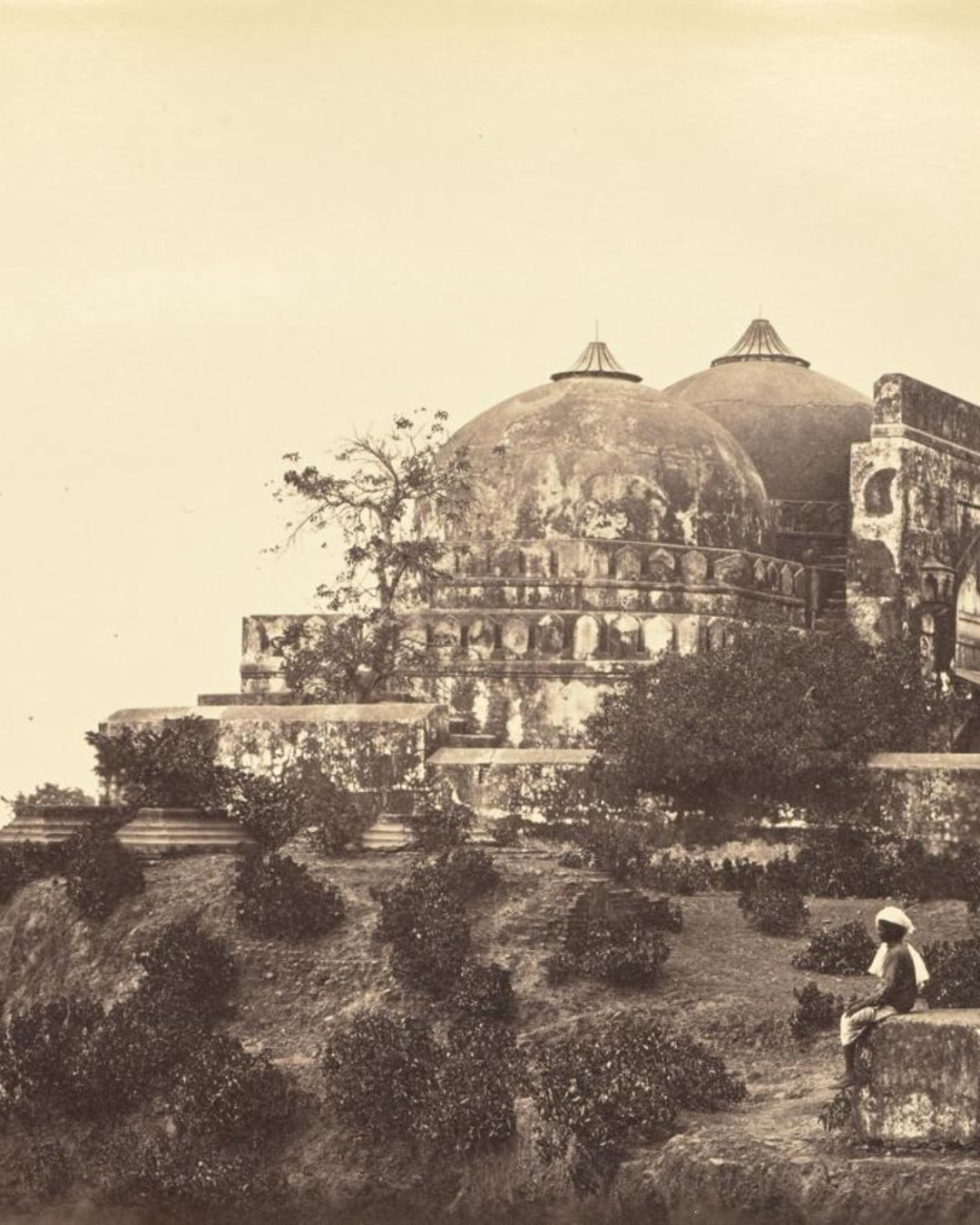
The Long Dispute, Told Plainly
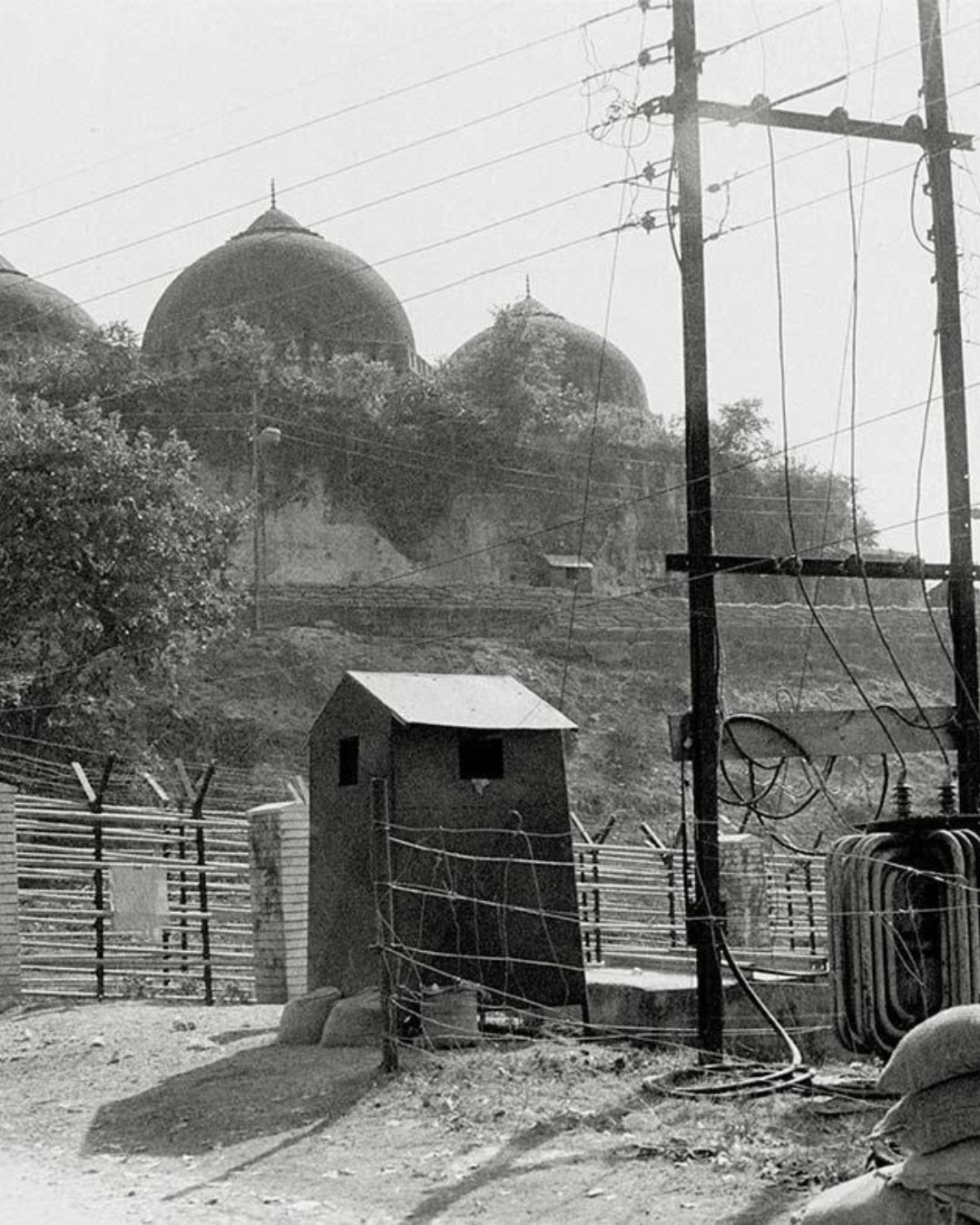
You cannot understand this place without the history, and it can be told without taking a side.
•The site was disputed for well over a century, through colonial-era litigation and then through the modern courts.
•The Supreme Court of India delivered its verdict in 2019, after which construction of the present temple began.
•The foundation stone was laid in August 2020.
•The dispute shaped the town physically — security architecture, approach roads and the layout of the complex all reflect it.
• Most visitors arrive knowing the headlines rather than the order in
which things happened.
Pro tip: Read the chronology before you go rather than the commentary. The sequence of events explains most of what you will see around the complex, including why it is laid out the way it is.
The mistakes that ruin it:
•Skipping the history and leaving readers to find it somewhere less careful.
•Visiting without any sense of the chronology, and missing why the
complex is laid out as it is.
19
MomentShree Ramjanmbhumi Temple Ayodhya, Ayodhya
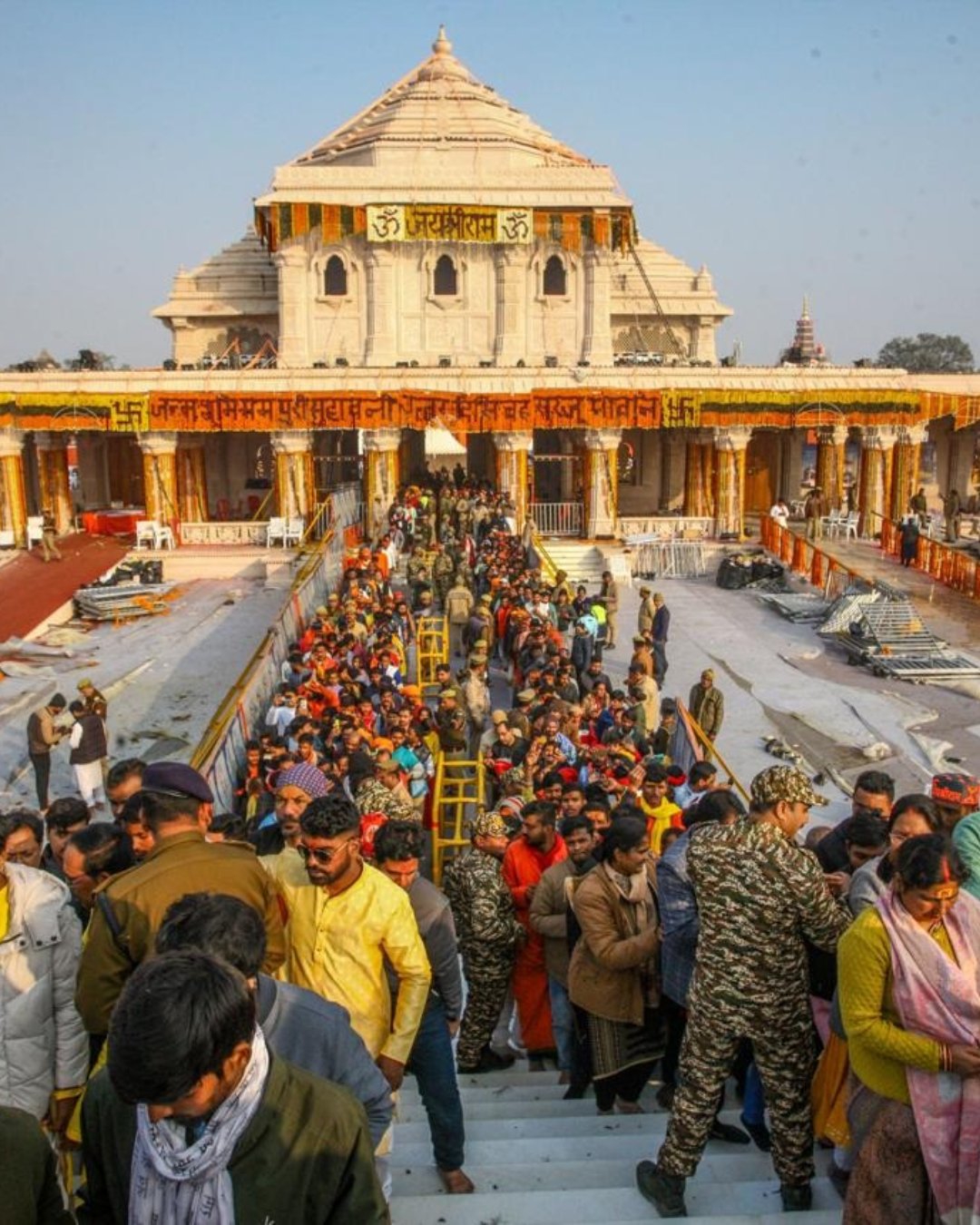
Before You Go: The Practical Half
Everything above is what the temple is. Getting inside it is a separate discipline entirely.
•Darshan timings, the free Sugam Darshan e-pass, aarti passes, the queue and the rules at the gate are covered in the Ayodhya Darshan Guide.
•The short version: general darshan is free, there is no official paid VIP darshan, and the pass that matters is booked about fifteen days ahead.
•What you can and cannot carry inside is covered separately and is worth reading before you pack for the day.
•How you arrive decides which darshan window you can reach, which is covered in the How to Reach Ayodhya guide.
Pro tip: Read the darshan guide before you book anything. This page tells you what you are going to see; that one decides whether you get to see it in the hour you wanted.
The mistakes that ruin it:
•Arriving well informed about the architecture and uninformed about the rules.
Destination
Ayodhya, Uttar Pradesh, India
Common questions
01Question
What is the Ram Mandir in Ayodhya?
The temple at the site traditionally held to be Ram's birthplace, consecrated on 22 January 2024, with structural work concluding in late November 2025. It is built in the Nagara style across three storeys, roughly 380 feet long and 161 feet tall, resting on 392 pillars.
02Question
What architectural style is the Ram temple?
Nagara, the classical north Indian temple idiom, designed by the Sompura family of temple architects. It uses Bansi Paharpur pink sandstone from Rajasthan with Makrana marble in the sanctum, and famously contains no structural iron or steel in the superstructure.
03Question
Who is Ram Lalla?
Ram worshipped in infant form, enshrined in the ground-floor sanctum. The child-deity framing shapes the temple's daily ritual cycle, in which the deity is woken, dressed, offered food and put to rest — which is what the sequence of daily aartis describes.
04Question
What is the Ram Darbar at the temple?
Ram with Sita, Lakshman and Hanuman, installed on the first floor of the temple. It is a separate shrine from Ram Lalla in the ground-floor sanctum, and many visitors see only the sanctum without realising the first floor exists.
05Question
What is the Surya Tilak at Ram Mandir?
An engineered arrangement of mirrors and lenses that channels sunlight onto the forehead of Ram Lalla around midday on Ram Navami. It was developed with Indian scientific institutions, lasts a few minutes, happens once a year, and draws enormous crowds.
06Question
When was the Ram Mandir built?
The foundation stone was laid in August 2020, following the Supreme Court verdict of 2019. The consecration took place on 22 January 2024, and structural construction concluded in late November 2025 with the raising of the flag on the main spire.
07Question
Why was no steel used in the Ram Mandir?
Iron rusts and expands, and expanding metal cracks stone over time. The superstructure instead uses interlocked stone with copper where binding is required — the method used for temples intended to stand for a thousand years rather than a human lifetime.
08Question
Which state is the Ayodhya Ram Mandir in?
Uttar Pradesh, in eastern India, on the banks of the Saryu river. Ayodhya is the headquarters of Ayodhya district, which was called Faizabad district until it was renamed.
More to explore
Go further into one part of this trip.