
What to Buy in Varanasi: 15 Famous Things & Prices
What to buy in Varanasi? Here are 15 famous things — Banarasi sarees, wooden toys, brass lamps, Rudraksha & more with real prices and best shops.
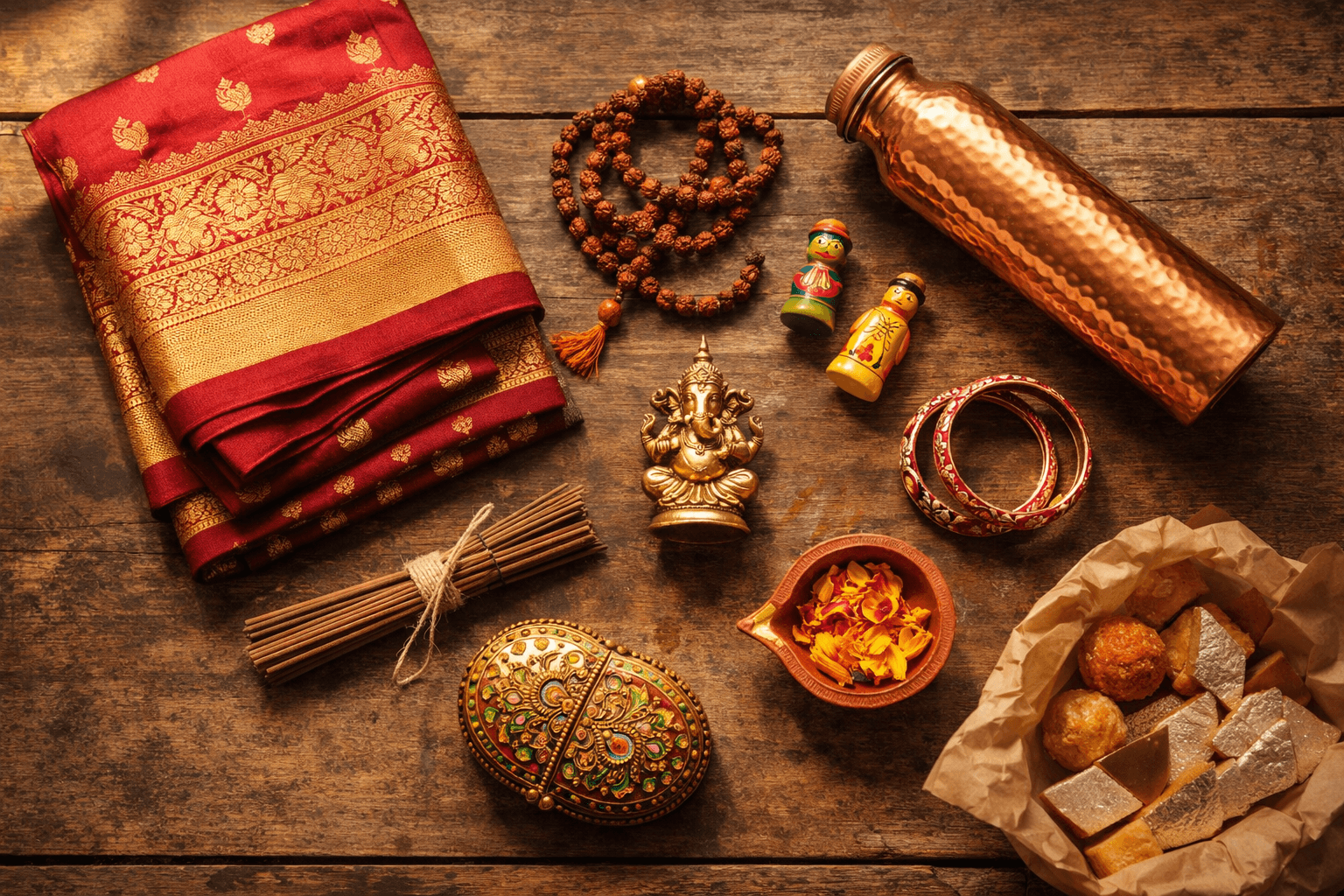
You're walking through the narrow lanes of Varanasi. Shops stacked on both sides. Silk sarees draped in doorways. Brass lamps catching the light. A man painting wooden toys on a tiny stool. Incense smoke drifting from somewhere you can't see. Everything looks interesting — and like something you should take home.
But here's the problem: you have no idea what to buy in Varanasi that's actually authentic, fairly priced, and worth the space in your bag.
Most travelers end up in one of three situations: they buy overpriced souvenirs from the first shop near the ghat, they miss the genuinely famous Varanasi crafts because they didn't know what to look for, or they walk through the entire market overwhelmed and leave with nothing.
This guide fixes that. I've spent multiple trips shopping (and making mistakes) in Varanasi's markets. Here are 15 things that are genuinely worth buying — with real prices, actual shop areas, and tips to make sure you're getting the authentic stuff.
Why Shopping in Varanasi Is Special
Varanasi isn't a regular shopping city. It's a city where craftsmanship has been passed down for generations — literally centuries. The silk weaving tradition here is over 500 years old. The brass work in Thatheri Bazaar earned UNESCO recognition. The wooden toys are made using techniques that haven't changed in decades.
Temple culture shapes what you'll find here. Brass idols, Rudraksha beads, incense, prayer items — these aren't tourist souvenirs. They're things locals buy and use every day. That's what makes Varanasi shopping feel different. You're not buying from a gift shop. You're buying from the same lanes where the city's residents have shopped for hundreds of years.
Quick Varanasi Shopping Guide
Before we get into the full list, here's a quick varanasi shopping guide cheat sheet:
- Best market for silk: Vishwanath Gali and lanes near Peeli Kothi
- Best market for brass: Thatheri Bazaar (UNESCO-recognized)
- Best market for general souvenirs: Godowlia Market and Chowk area
- Bargaining: Expected everywhere except fixed-price showrooms. Start at 40–50% of quoted price.
- How to spot real Banarasi silk: Burn test — real silk smells like burnt hair, not plastic. Check the reverse side of the weave — authentic Banarasi has a clean mirror-image reverse.
- Best time to shop: Mornings (10 AM – 1 PM). Markets are cooler, shopkeepers are fresher, and you think more clearly before the afternoon heat hits.
- Carry cash. Smaller shops and street vendors often don't take UPI. ₹100 and ₹500 notes are ideal.
15 Famous Things to Buy in Varanasi
Here's the full list of varanasi famous things to buy — each with what it is, why it matters, what it costs, and where to find it.
1. Banarasi Silk Saree
This is the big one. Varanasi is synonymous with Banarasi silk, and for good reason. These sarees are handwoven with gold or silver zari thread, and a single piece can take weeks to months to complete. They're wedding staples across India.
Price range: ₹3,000–₹5,000 for machine-made or blended silk. ₹8,000–₹25,000 for handloom pure silk. ₹50,000–₹1,50,000+ for premium pieces with real gold zari.
Where to buy: Vishwanath Gali, Peeli Kothi lanes, Banaras Bunkar Samiti (government certified). For reliable banarasi saree shopping, avoid shops right at Dashashwamedh Ghat — prices are inflated by 30–50%.
Tip: Ask to see the reverse side. On authentic handwoven Banarasi silk, the pattern on the back is a clean mirror image of the front.
2. Banarasi Silk Dupattas
If a full saree is out of budget (or you don't wear sarees), a Banarasi silk dupatta is the perfect alternative. Same weaving quality, same zari work, much more portable. They work as scarves, table runners, or wall hangings too.
Price: ₹500–₹5,000 depending on the silk quality and zari detail.
Where: Same saree shops in Vishwanath Gali. Also available at Godowlia Market.
3. Wooden Toys from Varanasi
Varanasi's lacquered wooden toys are hand-turned on simple lathes and painted in bright colours. Animals, spinning tops, rattles, kitchen sets — they're charming, lightweight, and make great gifts for kids (or for your own shelf).
Price: ₹50–₹500 per piece.
Where: Vishwanath Gali, Chowk area, and stalls near Dashashwamedh Ghat.
4. Gulabi Meenakari Jewelry
Meenakari is the art of enamelling metal — and Varanasi's specialty is the pink (gulabi) variety. You'll find delicate earrings, bangles, pendants, and rings with intricate floral patterns in pink, green, and white enamel on gold or silver-plated bases.
Price: ₹200–₹3,000 for fashion pieces. ₹5,000+ for silver-based work.
Where: Thatheri Bazaar and small jewelry shops in the Chowk area.
5. Brass Idols & Lamps
Thatheri Bazaar is one of the oldest brass markets in the country — UNESCO has recognized it for its living heritage. The idols of Ganesha, Shiva, Lakshmi, and Buddha are hand-cast and polished. Brass diyas and lamps are popular for home temples.
Price: ₹200–₹1,000 for small items. ₹2,000–₹15,000 for large idols.
Where: Thatheri Bazaar (dedicated brass market). This is where locals buy.
6. Rudraksha Beads
Rudraksha malas are widely associated with Shiva worship and are sold throughout Varanasi. You'll find single beads, full malas (108 beads), and bracelets. The number of "faces" (mukhis) on a bead determines its spiritual significance and price.
Price: ₹100–₹500 for common 5-mukhi malas. ₹1,000–₹10,000+ for rare mukhis.
Where: Shops near Kashi Vishwanath Temple. Also Godowlia. Be cautious — ask for certification on expensive pieces.
7. Handmade Incense Sticks
The incense you smell drifting through Varanasi's lanes? You can take that home. Handmade agarbatti from Varanasi uses natural ingredients — sandalwood, jasmine, rose, nag champa. They smell nothing like the factory-made stuff you find in supermarkets.
Price: ₹30–₹300 per pack depending on size and quality.
Where: Shops near the temple corridor and Vishwanath Gali. Sniff before you buy — the good ones don't need labels.
8. Stone Shiva Lingam
Small hand-carved stone Shiva Lingams are sold throughout Varanasi for home worship. They come in marble, black stone, and Narmadeshwar stone (from the Narmada river, considered especially sacred).
Price: ₹100–₹2,000 depending on stone type and size.
Where: Shops around Kashi Vishwanath and Godowlia Market.
9. Banarasi Paan Boxes
Varanasi's paan culture runs deep, and the decorative brass or wooden paan boxes (paandaan) are collector's items. These are ornate, multi-compartment containers traditionally used to store betel leaves, supari, and chuna. Even if you don't eat paan, they work as stunning decor pieces.
Price: ₹300–₹3,000 depending on material and craftsmanship.
Where: Thatheri Bazaar and antique shops in the Chowk area.
10. Handmade Carpets
Varanasi has a lesser-known but thriving carpet-weaving tradition. Handknotted rugs in Persian, Mughal, and contemporary designs are made in the weaving clusters around the city. Wool and silk blends are the most popular.
Price: ₹2,000–₹50,000+ depending on size, material, and knot count.
Where: Carpet showrooms in Lahurabir and Sigra. Ask your hotel for recommendations — the best carpet shops aren't in the tourist lanes.
11. Copper Water Bottles
Drinking water from copper vessels is an Ayurvedic practice, and Varanasi's coppersmiths make beautifully hammered bottles and tumblers. They're functional, aesthetic, and healthier than plastic. Great everyday-use souvenir.
Price: ₹300–₹1,200 for bottles. ₹100–₹400 for tumblers.
Where: Thatheri Bazaar and Godowlia Market.
12. Mini Ganga Aarti Diyas
Those small clay diyas with flowers that you float on the Ganges during the aarti? You can buy decorated versions to take home. Some come painted, some with brass fittings, some miniature replicas of the large aarti lamps used by the priests.
Price: ₹50–₹500 depending on style and material.
Where: Vendors on the ghats and shops near Dashashwamedh.
13. Varanasi Wall Hangings
Embroidered and printed wall hangings featuring Varanasi's ghats, Om symbols, and Hindu deities. The good ones are hand-embroidered on silk or cotton and make beautiful home decor. Avoid the mass-printed polyester versions.
Price: ₹200–₹2,000 for hand-embroidered. ₹50–₹200 for printed.
Where: Vishwanath Gali and shops around BHU gate.
14. Silk Scarves
Lightweight silk scarves in Banarasi weave patterns. They're the easiest gift to buy in bulk — small, affordable, and everyone loves them. Available in every colour and pattern you can imagine.
Price: ₹200–₹800 each. Bulk buyers can negotiate further.
Where: Vishwanath Gali, Godowlia Market, and silk showrooms near Lahurabir.
15. Temple Prasad & Local Sweets
Don't leave without tasting (and packing) Varanasi's sweets. Laal peda is the city's signature — a dense, red-brown milk sweet that's addictive. You'll also find rabri, malaiyo (seasonal, winter only), and various temple prasad boxes that make meaningful gifts for family back home.
Price: ₹100–₹500 per box depending on type and quantity.
Where: Sri Rajbandhu (famous for laal peda), sweet shops in Godowlia, and prasad counters near Kashi Vishwanath.
Best Markets for Shopping in Varanasi
Vishwanath Gali
The main shopping artery of old Varanasi. Best for silk sarees, dupattas, scarves, wooden toys, and religious items. Crowded and intense, but this is where the real stuff is.
Thatheri Bazaar
UNESCO-recognized brass market. Best for brass idols, lamps, copper bottles, paan boxes, and Meenakari jewelry. Smaller, more focused, less touristy than Vishwanath Gali.
Godowlia Market
The commercial heart of Varanasi. Mix of everything — clothes, electronics, street food, religious supplies. Best for general souvenirs and daily shopping. More local, less curated.
Chowk Area
The oldest commercial area. Best for antiques, traditional jewelry, old-school sweet shops, and discovering things you didn't know you wanted. Slightly less crowded than Vishwanath Gali.
Pro Tips for Shopping in Varanasi
Pro tips
- Always ask if silk is pure or blended. Shops will tell you if you ask directly. If they dodge the question, walk away.
- Bargaining is expected. Start at 40–50% of the quoted price. Be polite but firm. If the seller says no, walk away — they'll often call you back with a better price.
- Shop in the morning. Cooler weather, sharper thinking, and shopkeepers are more willing to give good prices for their "first sale of the day" (called bohni).
- Avoid silk shops directly at tourist hotspots. The lanes one street behind Dashashwamedh Ghat have the same products at 30–40% lower prices.
- Carry cash. Many small shops don't accept cards or UPI reliably. ₹100 and ₹500 notes work best.
- Ask for a government certificate if you're spending over ₹10,000 on silk. Reputable shops will provide one. If they can't, reconsider.
- Take your time. Rushing leads to bad purchases. Sit down, have chai with the shopkeeper, compare across 2–3 shops before buying.
Common Shopping Mistakes Tourists Make
- Buying fake Banarasi silk. This is the most common mistake. Blended or synthetic sarees are sold as "pure Banarasi" to tourists who don't know the difference. Always do the burn test or buy from government-certified shops.
- Paying tourist prices. If a shopkeeper quotes a price without you asking, it's probably inflated. Always negotiate. And if a shop has a tout standing outside pulling people in, the markups are usually higher.
- Ignoring smaller artisan shops. The best quality often comes from tiny workshops tucked inside lanes — not the big flashy showrooms. Ask locals or your hotel for recommendations.
- Shopping only near the ghats. The ghat-adjacent shops know you're a tourist and price accordingly. Walk 2–3 lanes inland and you'll find the same items at significantly better prices.
- Not checking the weight of brass items. Some sellers use lighter alloys that look like brass but don't have the same quality. Good brass feels heavy for its size.
Frequently Asked Questions
What is famous to buy in Varanasi?
Banarasi silk sarees and dupattas, brass idols and lamps, wooden toys, Rudraksha beads, Gulabi Meenakari jewelry, handmade incense, copper bottles, and local sweets like laal peda. The city's silk weaving tradition is over 500 years old.
Are Banarasi sarees expensive?
They range widely. Machine-made starts at ₹3,000. Handloom pure silk runs ₹8,000–₹25,000. Premium pieces with real gold zari can cost ₹50,000 to ₹1,50,000+. There's something for every budget.
Where is the best place for Banarasi saree shopping?
Vishwanath Gali and lanes near Peeli Kothi for variety. Banaras Bunkar Samiti for government-certified authenticity. Avoid shops directly at tourist hotspots — prices are inflated.
Is bargaining common in Varanasi markets?
Yes, completely normal and expected. Start at 40–50% of the quoted price. Fixed-price government showrooms are the exception. Always negotiate politely.
What souvenirs should I bring from Varanasi?
Silk scarves (₹200–₹800), mini Ganga Aarti diyas, wooden toys (₹100–₹500), Rudraksha malas, handmade incense, and boxes of laal peda. Lightweight, affordable, and authentically Varanasi.
Are Varanasi markets safe for tourists?
Yes. The main bazaars — Vishwanath Gali, Godowlia, Thatheri Bazaar — are busy and well-populated. Keep valuables secure, watch for pickpockets in crowded lanes, and shop during daylight for the best experience.
Bringing Varanasi Home
Shopping in Varanasi isn't just shopping. It's walking through centuries of craftsmanship. It's watching a weaver's hands move across a loom the same way his grandfather's hands did. It's holding a brass lamp that was cast using techniques older than most countries.
Now you know what to buy in Varanasi, where to find it, and what it should actually cost. More importantly, you know what to skip and where not to shop. That's the difference between a bag full of regrettable tourist souvenirs and a suitcase full of things that actually mean something.
Take your time in the lanes. Talk to the artisans. Buy things that tell a story. When you're home, turn the trip into a travel story on Pinaak - Travelogue Platform — so the lanes and finds don't fade into a camera roll you never open.
Walk one lane past the ghat shops — that's where the real prices start.
Turn your Varanasi finds into a travelogue
Pinaak helps you capture real trips — photos, notes, and moments — as stories you can share. No writing degree required.
Keep Reading

20 Best Travelogue Examples: Classic to Modern Stories
Explore 20 powerful travelogue examples — from Ibn Battuta and Mark Twain to modern digital stories. Discover what makes a great travelogue worth reading.

What Is a Travelogue? Meaning, Types & Examples
A travelogue is a detailed account of a journey that blends storytelling with real experiences. See 10+ examples, learn the 7 key elements, and start writing.