
Summer Vacation 2026: Top Indian Destinations
It starts the same way every year. The ceiling fan is on full speed and it's not enough. The roads shimmer by afternoon. Your water bottle is warm fifteen minutes after you fill it. The city is a furnace, and somewhere inside you — beneath the meetings and the deadlines and the heat that sits on your skin like a second shirt — a voice starts whispering: I need to get out of here.
That's how every great summer trip begins. Not with a booking confirmation or a perfectly curated itinerary — but with that raw, physical need to escape. To breathe air that doesn't taste like exhaust. To feel cold on your skin again. To wake up somewhere different and remember what it feels like to be fully, completely present.
But here's the thing about the best summer destinations in India — the ones that actually stay with you aren't remembered for their temperature. They're remembered for the moments you lived there. The conversation that surprised you. The silence that humbled you. The view that made you sit down and not move for twenty minutes because your body needed to absorb what your eyes were seeing. This isn't a list. It's a collection of those moments — told the way they deserve to be told.
Experiencing Destinations, Not Just Listing Them
What follows isn't a typical “top destinations” article. You won't find hotel ratings or “best time to visit” bullet points here. Instead, each destination is told as a travelogue — through arrivals and encounters, through sensory details and emotional truths. Because a destination isn't a pin on a map. It's what happens to you when you get there. These are the top Indian summer destinations for 2026, told through the stories that make them unforgettable.
Spiti Valley, Himachal Pradesh — The Sound of Nothing
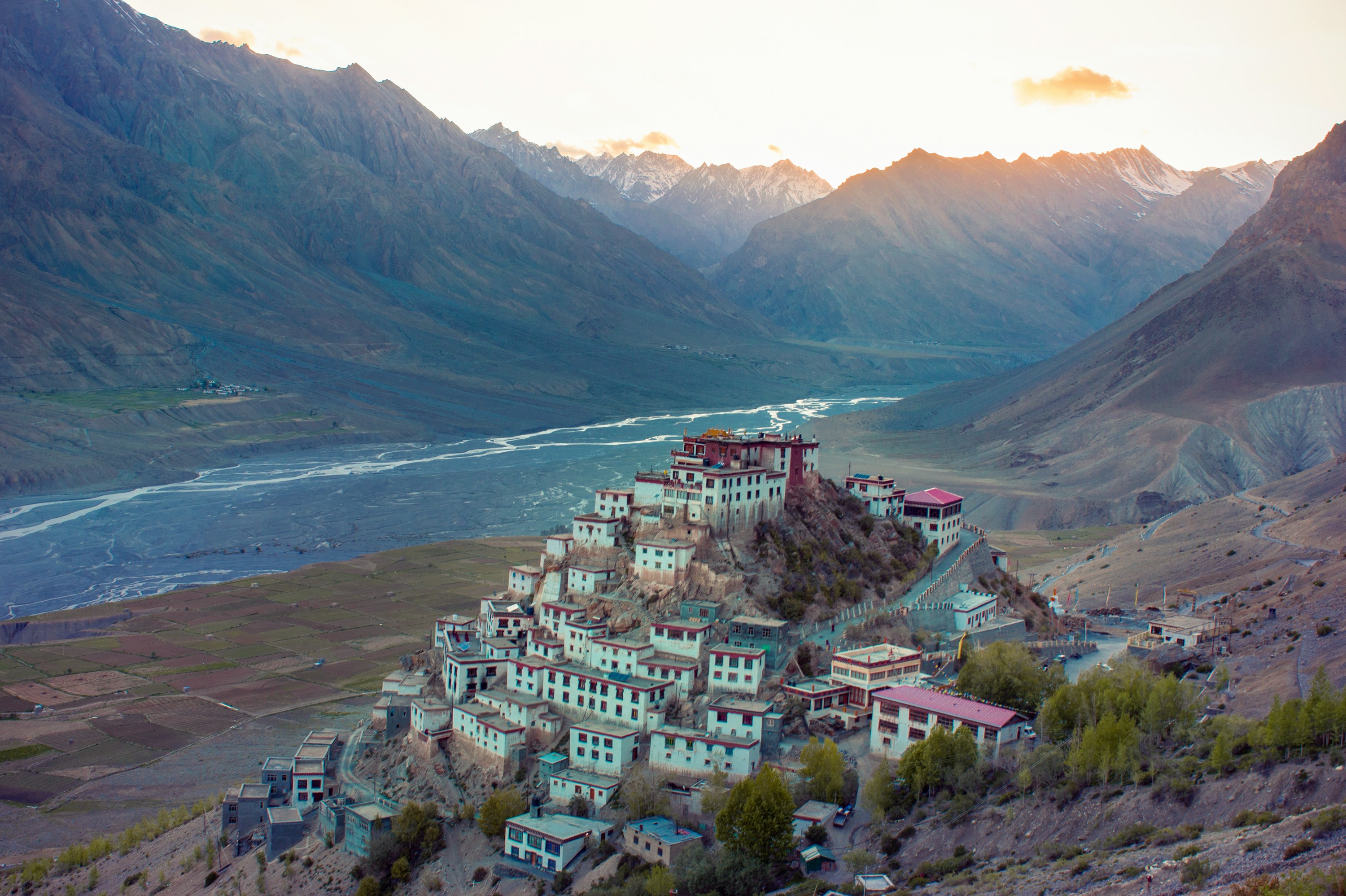
The bus stopped at a bend where the road disappeared into gravel, and when the engine cut out, the silence hit you like a wall. Not quiet — silence. The kind where you can hear your own pulse. The mountains around you weren't green and lush like postcards. They were brown and grey and bare — stripped of everything unnecessary, like the landscape had been edited down to only what mattered.
In Kaza, the air was thin enough that walking uphill made you breathe like you'd been running. A monk at Key Monastery offered you butter tea without a word and watched you drink it with the faintest smile. You sat on cold stone steps and looked out at a valley that hadn't changed in a thousand years, and something in your chest loosened — a tightness you didn't know you'd been carrying.
Spiti doesn't welcome you. It doesn't try to impress you. It simply exists, vast and indifferent and beautiful in a way that makes your daily worries feel absurd. You came for the cold. You stayed for the clarity.
Kashmir — Where Kindness Is the Landscape
Everyone tells you about the Dal Lake. Nobody tells you about the shikara wallah who rows you out at dawn, when mist is still sitting on the water like a blanket, and points to a kingfisher on a half- submerged log. “Every morning,” he says quietly. “Same log. Same bird. Like an old friend.”
Kashmir hits differently than you expect. You expect the beauty — and yes, the gardens are impossibly green, the Pir Panjal range glows pink at sunset, and the chinars throw shade that feels like a gift. But what you don't expect is the warmth. Not the weather — the people. The houseboat owner who insists you try his wife's rogan josh and watches your face when you take the first bite. The carpet seller who spends an hour showing you weaving patterns he learned from his grandfather, and when you apologize for not buying, he says, “You listened. That's enough.”
You came for the scenery. What you'll remember is the kindness — woven into every interaction, offered without expectation, as natural as the mountains themselves.
Ladakh — Meeting Yourself at 11,000 Feet
The headache started around Khardung La. A dull pressure behind your eyes that reminded you — firmly, physically — that your body wasn't designed for this altitude. You drank water, chewed garlic, and walked slowly around Pangong Lake, where the water shifted from blue to turquoise to green depending on where you stood and what the clouds were doing.
Ladakh strips you of comfort and replaces it with something you didn't know you needed: space. Space between mountains. Space between sounds. Space between thoughts. At a homestay in Nubra Valley, an elderly woman served you apricots she'd dried herself and spoke to you in a mix of Ladakhi and gestures. You understood maybe a third of it. But her laughter was universal, and when she held your hand while saying goodbye, you understood all of it.
Ladakh is not easy travel. The roads will test your patience, the altitude will test your body, and the silence will test your ability to sit with your own thoughts. But that's exactly why people come back changed.
Have you ever visited a place that changed how you think? Not what you know — how you think? That's the kind of destination worth traveling for this summer.
Meghalaya — Walking on Roots That Are Alive
The trail down to the living root bridge in Nongriat took two hours. Your knees were protesting by the second switchback. The air was so thick with moisture you could almost drink it. Insects you'd never seen before crawled on leaves the size of dinner plates. And then, at the bottom of a valley that felt like it belonged to another century, there it was — a bridge made entirely of tree roots, grown and guided by human hands over generations.
You stood on it. It held you. Not because someone built it last year, but because someone started growing it a hundred years ago, knowing they'd never walk across it themselves. They grew it for you — for strangers, for the future, for the simple belief that the next generation would need a way to cross.
Meghalaya doesn't just show you nature. It shows you patience — a kind of patience so deep and generous it makes you wonder what you're growing for the people who come after you.
Sikkim — When the Mountain Decides to Show Itself
You spent three days in Pelling and didn't see Kanchenjunga once. Clouds. Every morning, clouds. The guesthouse owner shrugged and said, “The mountain shows itself when it wants.” You almost gave up, almost stopped waking up early.
And then, on the last morning, at 5:17 AM — you checked the time — the clouds parted like curtains, and there it was. The third-highest peak on Earth, catching the first pink light of dawn, so massive and so close that your brain couldn't quite process the scale. You stood on the balcony in a borrowed shawl, barefoot on cold concrete, and you didn't take a single photo for the first five minutes. You just looked.
Sikkim teaches you to wait. It teaches you that the best moments aren't on demand — they arrive on their own schedule, and your only job is to be present when they do. Not a bad lesson for a summer vacation. Not a bad lesson for life.
Chopta, Uttarakhand — The Trek That Felt Like a Conversation
The trek to Tungnath from Chopta is only about four kilometers, which sounds easy until you're actually on the trail and the meadows open up around you in every direction — wide, green, absurdly beautiful — and you keep stopping not because you're tired but because you can't stop looking.
A shepherd sat on a rock near the tree line with two dogs and a thermos. He offered you tea without you asking — it was sweet, milky, and tasted faintly of smoke. You sat with him for fifteen minutes. He didn't ask where you were from or where you were going. He asked if you liked the wind. You said yes. He nodded, as if that was the right answer.
Chopta is for the traveler who doesn't need extremes. No death-defying passes, no Instagram-famous lakes. Just forests that smell like pine and damp earth, temples older than memory, and alpine meadows where the silence has a texture you can almost touch. It's the kind of summer travel in India that doesn't shout. It whispers. And you hear it for years.
Munnar, Kerala — Green That Changes How You Breathe
The first thing you notice in Munnar is the green. Not one green — a hundred greens. The tea estates roll over hills in waves of emerald, olive, jade, and a pale yellow-green where the new leaves catch the sun. You've seen green before. You haven't seen green like this.
A tea plucker walked beside you on a narrow path between rows, her basket already half full by 8 AM. She picked leaves with a speed that made your hands feel clumsy. When you asked if she ever got tired of the view, she looked at you like the question didn't make sense. “How can you get tired of breathing?” she said.
Munnar doesn't hit you with drama. There are no jagged peaks or desert silences. Instead, it offers something softer — a landscape that gentles you. You sleep better. You breathe deeper. You walk slower because there's no reason to rush through something this quietly beautiful. By the third morning, you realize that the tension in your shoulders — the one you'd been carrying since February — is gone.
When Destinations Become Stories
Here's what connects all seven of these places — and it isn't geography or climate or the number of stars in the hotel review. It's the fact that in each one, something happened that couldn't have been planned. A conversation. A silence. A view that rearranged your priorities. A moment of discomfort that became a moment of growth.
That's what separates a summer vacation from a summer story. A vacation is something you take. A story is something that takes you — somewhere you didn't expect, into feelings you didn't anticipate, toward a version of yourself you hadn't met yet.
In 2026, when we have more travel content than ever — more reels, more listicles, more AI-generated “top 10” articles — the thing that's actually rare is depth. The thing that's rare is someone saying: “I went there, and here's what it actually felt like.” If you travel this summer, pay attention. Take notes. Write it down. Platforms like Pinaak exist for exactly this — a place where your summer travelogue becomes a story that lives beyond the trip itself.
What kind of destination are you drawn to this summer? The one that empties your mind, or the one that fills it? The silence of Spiti or the green of Munnar? The answer tells you something about what you need right now.
You Won't Remember the Temperature. You'll Remember the Story.
A year from now, you won't remember whether it was 18 degrees or 22 degrees in Pelling. You won't remember the name of the hotel or the price of the bus ticket. But you will remember the morning Kanchenjunga appeared through the clouds. You will remember the tea plucker in Munnar who asked how anyone could get tired of breathing. You will remember the monk's butter tea and the shepherd's sweet chai and the living root bridge that someone grew for you a century before you were born.
That's what the best summer destinations in India give you — not a break from the heat, but a break from the version of yourself that forgets to pay attention. They don't just cool you down. They wake you up.
This summer, don't just go somewhere. Be somewhere. Notice. Feel. And when you come home, write it down — because the best souvenir from any journey isn't something you buy. It's the story you carry back.
That's what platforms like Pinaak are for — a community where everyday travelers share real journeys, not polished performances. Your travelogue doesn't need to be perfect. It just needs to be yours.
Ready to write your travelogue?
Pinaak turns your travel moments into travelogues worth sharing. No writing skills needed — just your journey.

Keep Reading
Is One Day Enough for Ayodhya? What You Can Really See
Wondering if one day is enough for Ayodhya? See what you can cover, what you'll miss, and whether you should plan a 1-day or 2-day trip.
Is Non-Veg Allowed in Ayodhya? Alcohol Rules Explained
Can you eat non-veg or drink alcohol in Ayodhya? Learn the local rules, Ram Mandir restrictions, and what travelers should know before visiting.