Is Non-Veg Allowed in Ayodhya? Alcohol Rules Explained
Can you eat non-veg or drink alcohol in Ayodhya? Learn the local rules, Ram Mandir restrictions, and what travelers should know before visiting.
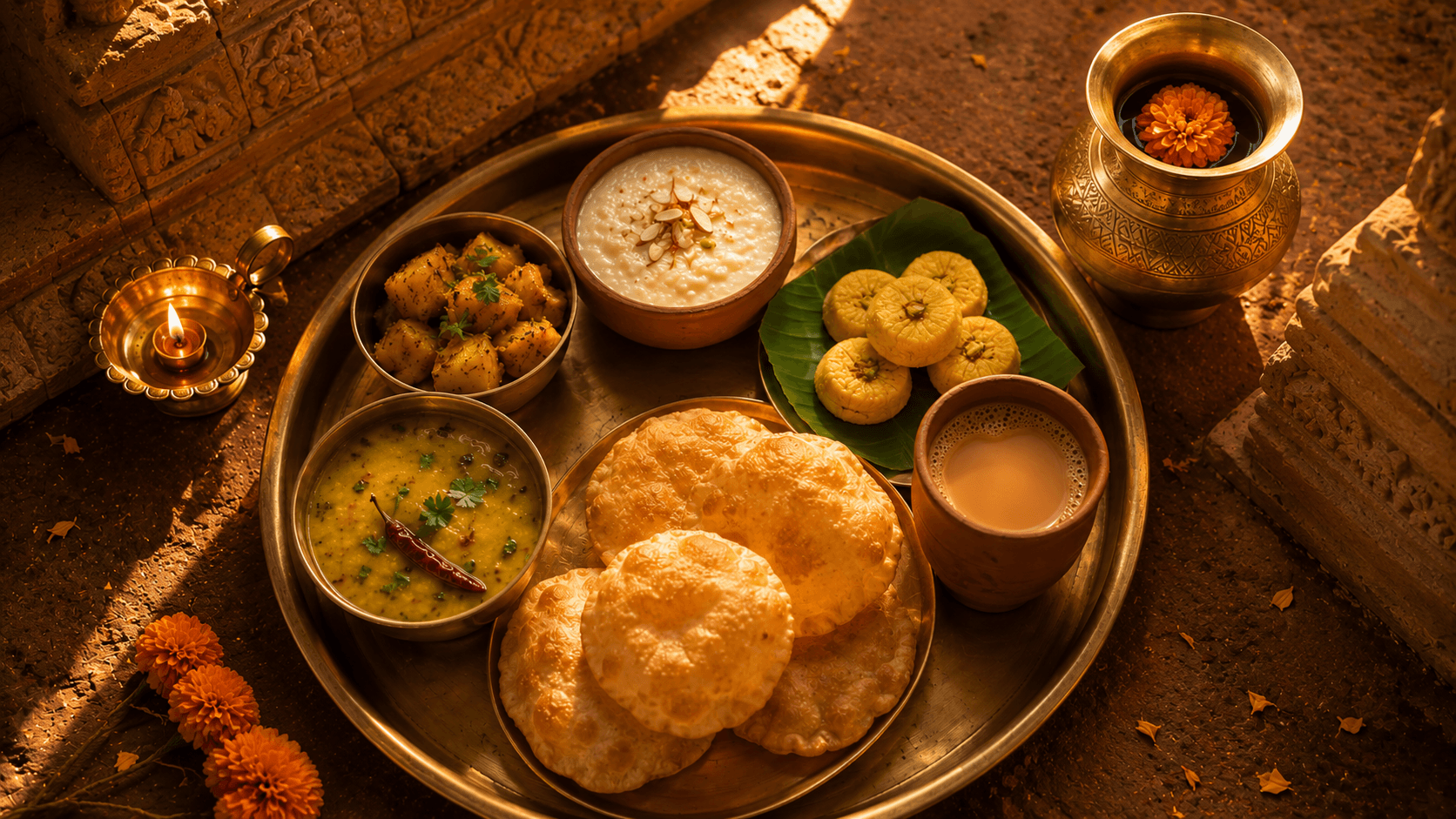
You've booked your Ayodhya trip. Then someone tells you alcohol isn't allowed anywhere in the city, and non-veg food is impossible to find. Another person says tourists can do whatever they want. A third tells you the rules depend on which street you're on.
The problem isn't finding information. It's figuring out which information is actually true. Here's the real, calm, no-judgment answer on non-veg and alcohol in Ayodhya — what's legally allowed, what's socially expected, and how to plan your trip without unintentionally stepping on local sentiment.
The Short Answer
| Topic | Legal status | Practical reality |
|---|---|---|
| Alcohol | Not banned citywide | Socially inappropriate near temples; most temple-area hotels don't serve it |
| Non-veg food | Allowed across the city | Available on the highway and at premium hotels; temple zone is vegetarian |
| Ram Mandir zone | No formal food ban | Vegetarian, sattvik and alcohol-free in practice |
| Tourist freedom | Real | Tempered by respect — most visitors face no issues when they understand local custom |
- Alcohol: Not legally banned citywide, but socially inappropriate near temples. Most temple-area hotels don't serve it.
- Non-veg food: Available, but only outside the temple zone — mostly on the highway or at a few premium hotels.
- Ram Mandir zone: Vegetarian, sattvik and alcohol-free in practice. Plan meals around this.
- Tourist freedom: Real, but tempered by respect. Most visitors don't face any issues when they understand the spirit of the place.
Food rules clear? Plan your Ayodhya stay.
Free · no obligation · operators reach out on WhatsApp
Explore the journey
Varanasi Ayodhya Prayagraj Tour Package: 3 & 4-Day Circuit & Cost
Why There's So Much Confusion About Ayodhya Rules
A few reasons travelers get conflicting answers online:
- Ayodhya is one of the most religiously significant cities in India, which shapes expectations even when no formal rule exists.
- The Ram Mandir inauguration has brought a wave of new tourists, and not every guide reflects the current ground reality.
- People often confuse the temple zone's vegetarian culture with a city-wide ban — they're not the same.
- Older blogs describe a much smaller, quieter Ayodhya. The city has changed significantly since 2024.
Can You Drink Alcohol in Ayodhya?
The honest answer: legally yes, practically not really. Uttar Pradesh doesn't impose a formal prohibition in Ayodhya, but the city operates as if it does — especially within 2 km of Ram Mandir.
- Licensed liquor shops exist, but they're on the city's outer edges and usually away from main tourist routes.
- Most temple-area hotels do not serve alcohol, even where they could.
- A handful of premium hotels on the Lucknow road have bars but stay discreet.
- Drinking in public, in the temple corridor, or anywhere near the ghats is considered disrespectful and may attract trouble.
What Most Visitors Should Know About Alcohol
The simplest way to think about it: Ayodhya isn't a place you visit for a drink. If you'd like to drink during your trip, do it inside your hotel room, not in shared spaces. Save the social drinking for the next stop on your itinerary — Lucknow is 2.5 hours away.
Is Non-Veg Allowed in Ayodhya?
Yes — non-veg food exists in Ayodhya. It's just concentrated outside the temple zone.
- Restaurants serving non-veg are mostly on the Lucknow-Ayodhya highway and at premium hotels.
- Within 2 km of Ram Mandir, almost every restaurant and dhaba serves only vegetarian or sattvik food (no onion, no garlic).
- Carrying non-veg food into temple corridors, even in a takeaway box, is considered disrespectful.
- Eating non-veg inside a non-temple-area hotel room is generally fine, but polite to ask first.
Why Ayodhya Feels Different From Other Indian Cities
Most pilgrimage cities in India have a vegetarian core. Ayodhya's is larger and more strictly observed because the city's identity is built around devotion. Locals notice food choices in a way they wouldn't in Delhi or Lucknow. It's not judgment — it's atmosphere. Most travelers settle into the food rhythm within a meal or two.
Food Rules Near Ram Mandir
Inside the Ram Mandir corridor:
- No outside food is allowed past security.
- Lockers near the entry hold packed food and bottles.
- Free prasad is distributed at designated counters.
- Eat before or after darshan, not in temple courtyards.
The streets around the temple are full of sattvik thali joints, kachori stalls and peda shops. Most travelers find the food clean, light and easy on the stomach — which actually suits a temple-walking day.
Legal Rules vs Social Expectations
This is the most important distinction to understand before visiting:
| Topic | What's legal | What's expected socially |
|---|---|---|
| Alcohol | No statewide ban in Ayodhya | Not consumed near temple zones; public drinking is disrespectful |
| Non-veg food | Allowed across the city | Avoided within 2 km of Ram Mandir |
| Restaurants | Tourists can visit any open establishment | Temple-area dhabas serve only vegetarian or sattvik food |
| Hotels | Can serve alcohol with a license | Most temple-area hotels choose not to |
| Temples | No formal carry-in restriction citywide | Outside food is not carried into temples |
Most travelers who run into problems mistake the social column for the legal column, or assume there are no expectations at all. The truth sits between the two.
What Travelers Usually Get Wrong
- Assuming the whole city follows one rule. The temple zone and the outer city are very different.
- Expecting nightlife around temple districts. Most of the temple corridor sleeps by 9:30 PM.
- Confusing cultural expectations with legal restrictions. Nobody's arresting tourists for eating non-veg outside the zone.
- Relying on outdated information. Pre-2024 blogs describe a much smaller city. Things have changed.
What Families and First-Time Visitors Should Know
- Meal planning is easier than you'd expect — vegetarian options are everywhere in the temple zone.
- Sattvik thalis cost ₹120-200 and are filling, clean and homely.
- Choose a hotel within walking distance of Ram Mandir for the easiest family logistics.
- Keep snacks for kids in your bag — restaurants near temples get crowded at peak meal hours.
- If you're a non-veg family, schedule a meal at a highway restaurant on the way in or out rather than searching inside the city.
Quick Do's and Don'ts
A quick reference list if you're skimming this on your phone the night before travel.
Do
- Respect the vegetarian culture near temples
- Check whether your hotel is in the temple zone before booking dinner
- Be mindful of public behavior, especially after dark
- Plan meals in advance, not on the spot
- Use highway restaurants for non-veg, not temple-area dhabas
Don't
- Assume rules are identical across the city
- Consume alcohol near religious areas or on the streets
- Create disturbances in temple neighborhoods
- Carry non-veg food into temple courtyards
- Rely on travel guides written before 2024
So, What's the Reality?
Visitors rarely face problems in Ayodhya when they understand the difference between law, etiquette and local custom. Legally, the city is liberal. Locally, the temple zone has clear expectations. The two coexist quietly.
For most travelers, the practical takeaway is simple: eat vegetarian during your stay, skip alcohol within the temple corridor, and treat the city the way you'd treat any other sacred space — Kashi, Tirupati, Vrindavan. That's the whole rule.
For more context, see real Ayodhya experiences from travelers who've navigated the food and atmosphere first-hand. Pair this with our complete Ayodhya visitor rules guide for the broader do's and don'ts.
Eat vegetarian near temples — book Ayodhya next.
Free · no obligation · operators reach out on WhatsApp
Explore the journey
Varanasi Ayodhya Prayagraj Tour Package: 3 & 4-Day Circuit & Cost
Non-Veg & Alcohol in Ayodhya: FAQs
Can we drink alcohol in Ayodhya?
Not legally banned, but socially inappropriate near temple zones. Most temple-area hotels don't serve it. Public drinking is best avoided.
Is alcohol banned in Ayodhya?
No formal ban exists, but the temple zone functions as an alcohol-free area in practice. Premium hotels may serve alcohol discreetly.
Is non-veg food available in Ayodhya?
Yes, but mostly outside the temple zone — on the highway and at premium hotels. The 2 km area around Ram Mandir is largely vegetarian.
Can tourists eat non-veg in Ayodhya?
Yes, in the areas where it's served. Don't carry non-veg food into temple courtyards. Most travelers happily switch to local sattvik food.
What food is commonly available near Ram Mandir?
Sattvik thalis, kachori-sabzi, poori-bhaji, peda, kheer, lassi, jalebi and a wide range of regional vegetarian dishes.
Are there vegetarian-only areas in Ayodhya?
Yes. The 2 km zone around Ram Mandir, the Ram Path corridor and most of the older temple district are vegetarian-only in practice.
Is Ayodhya suitable for family travelers?
Very. Safe, walkable, light vegetarian food, and quiet evenings make it one of India's most family-friendly pilgrimage cities.
What's the difference between legal rules and social expectations?
Legally, Ayodhya allows what most Indian cities allow. Socially, the temple zone has strong vegetarian and alcohol-free expectations. Most issues arise from confusing the two.
Know Ayodhya food and alcohol rules — book now!
Get tailored quotes from verified operators on WhatsApp — or explore the full journey first.
Free · no obligation · operators reach out on WhatsApp
Explore the journey
Varanasi Ayodhya Prayagraj Tour Package: 3 & 4-Day Circuit & Cost