


Ayodhya Prayagraj Varanasi Tour Package
Ayodhya Prayagraj Varanasi tour package — 2, 3 & 4-day spiritual circuit covering Kashi Vishwanath, Ram Mandir & Triveni Sangam From ₹6,500 per person. Get a quote.
Your journey begins in the eternal city of Varanasi, where centuries-old rituals continue uninterrupted along the banks of the holy Ganga. Witness the breathtaking Ganga Aarti at Dashashwamedh Ghat, glide across the river during a peaceful sunrise boat ride, seek blessings at the magnificent Kashi Vishwanath Temple, explore the sacred lanes of Old Banaras, discover the birthplace of Buddhism at Sarnath, and experience the city's famous street food, silk weaving traditions, and vibrant cultural heritage.
The pilgrimage continues to the holy city of Ayodhya, the birthplace of Lord Shri Ram. Experience the grandeur of the newly built Ram Mandir, follow the classic temple trail through Hanuman Garhi, Kanak Bhawan, and Nageshwarnath Temple, and conclude your day beside the sacred Saryu River, where the mesmerizing evening Saryu Aarti and the illuminated ghats of Ram Ki Paidi create one of the most peaceful spiritual experiences in North India.
Next, arrive in Prayagraj, home to the legendary Triveni Sangam, where the sacred rivers Ganga, Yamuna, and the mythical Saraswati unite. Enjoy a traditional boat ride to the confluence, witness centuries-old rituals, and, during the winter months, experience the vibrant atmosphere of the renowned Magh Mela. Continue your pilgrimage by visiting the reclining idol at Bade Hanuman Temple, the immortal Akshayavat, the ancient Patalpuri Temple, and the historic Allahabad Fort, where mythology, spirituality, and Mughal history beautifully converge.
Throughout the circuit, you'll enjoy comfortable accommodation, seamless private transfers, carefully selected sightseeing experiences, temple darshan assistance, knowledgeable local guidance, and flexible itineraries tailored to your preferences. Whether you're planning a short spiritual escape or a complete pilgrimage through North .
from₹6,500
Route
Home
MomentJanmabhoomi Path, Ayodhya
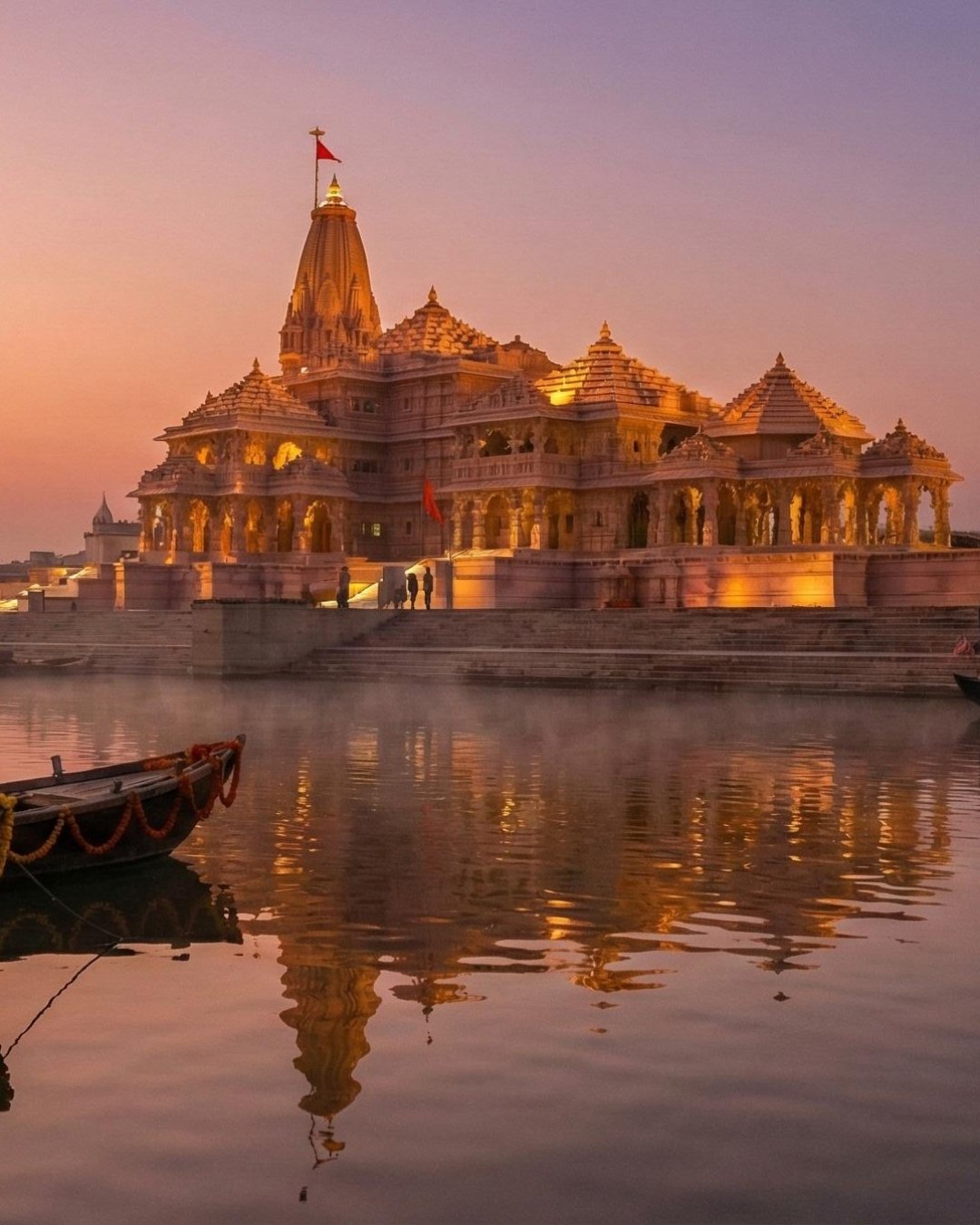
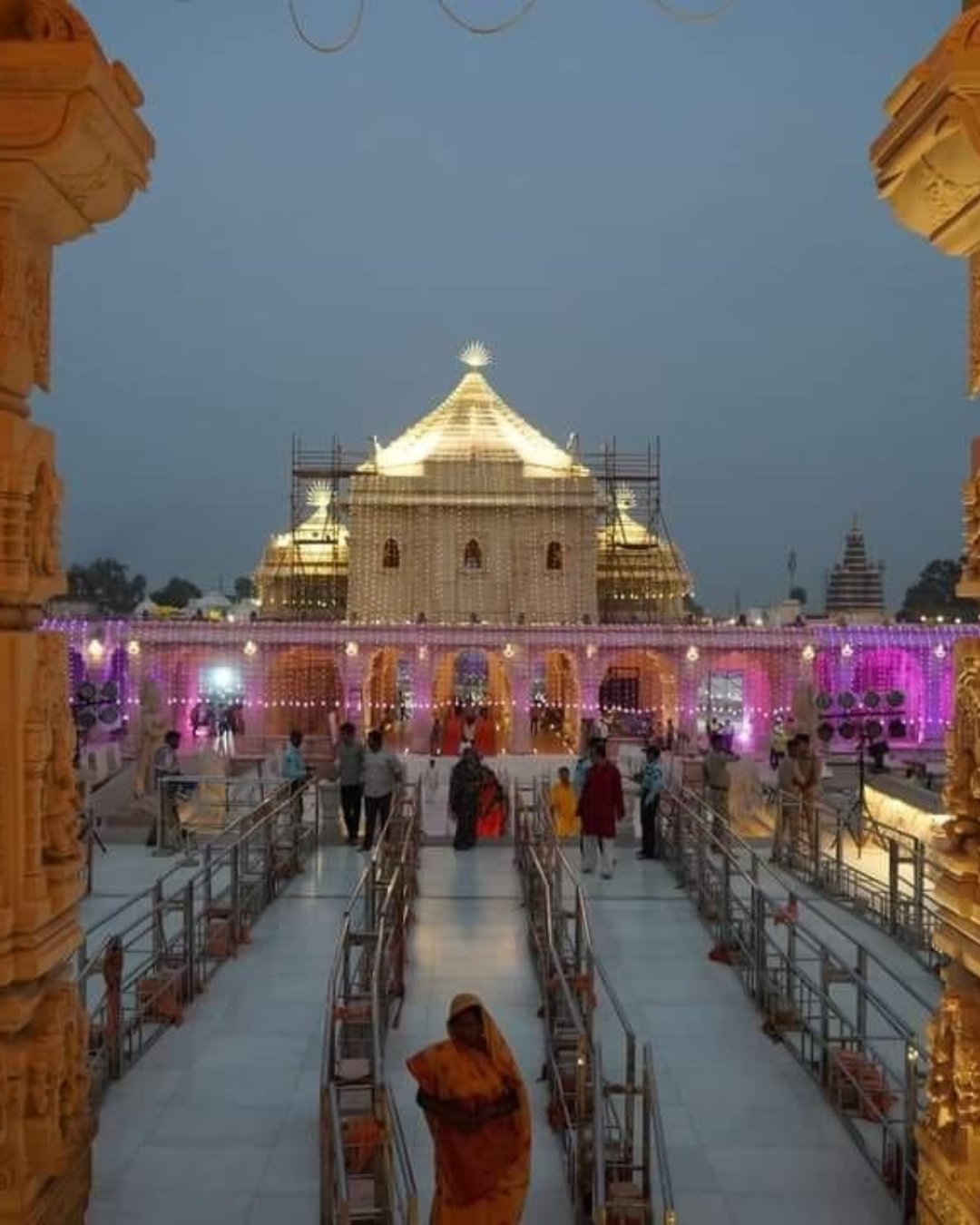
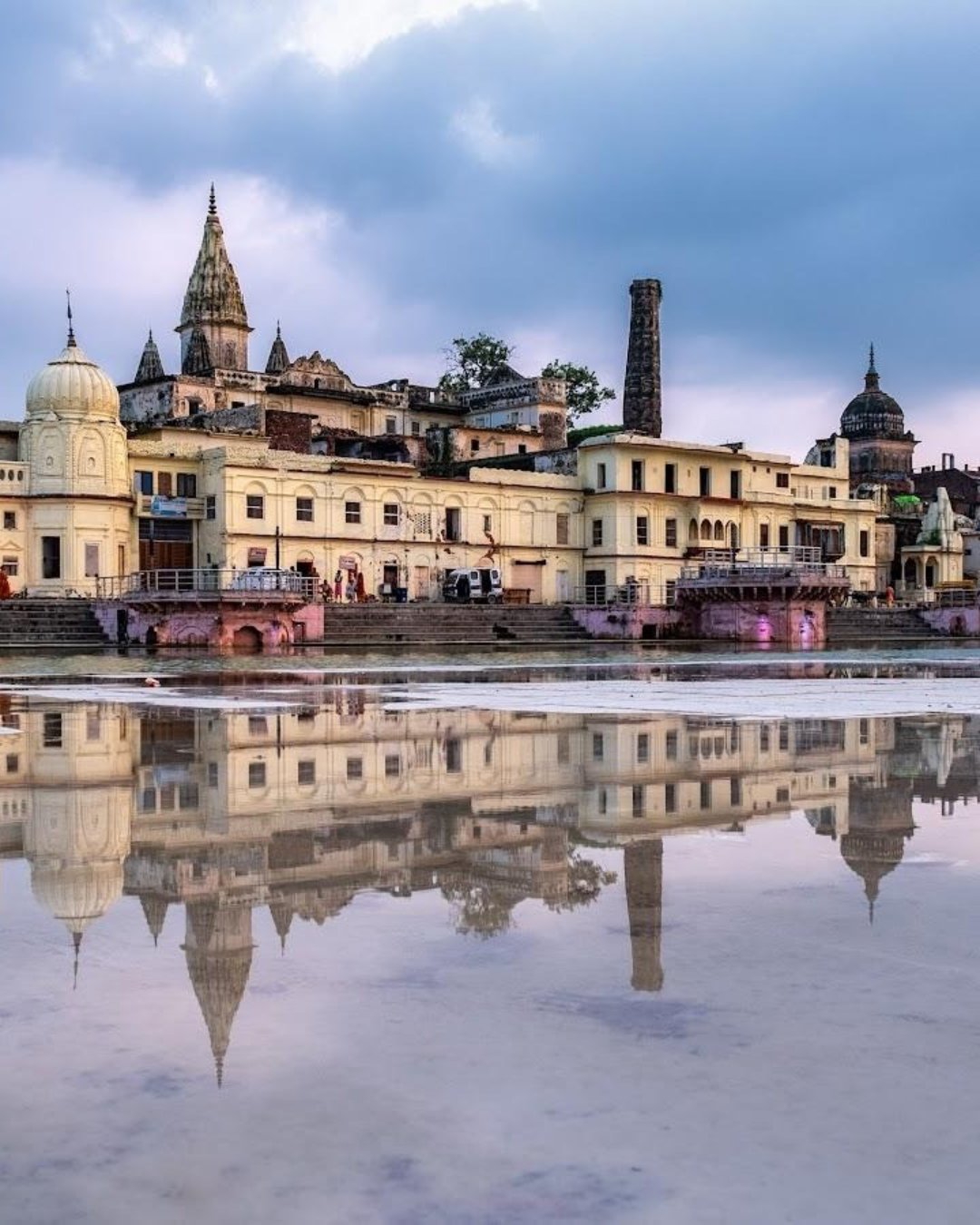
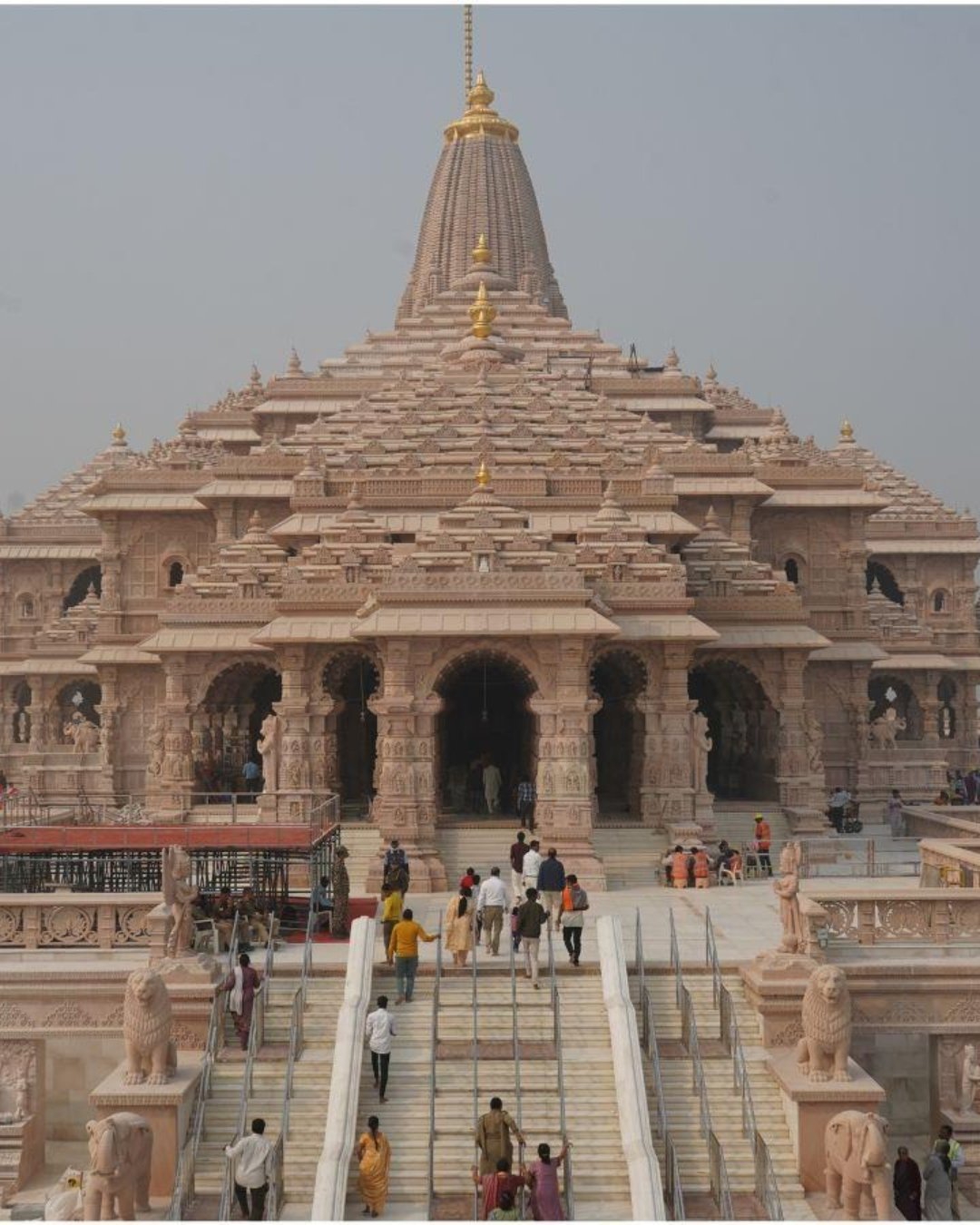
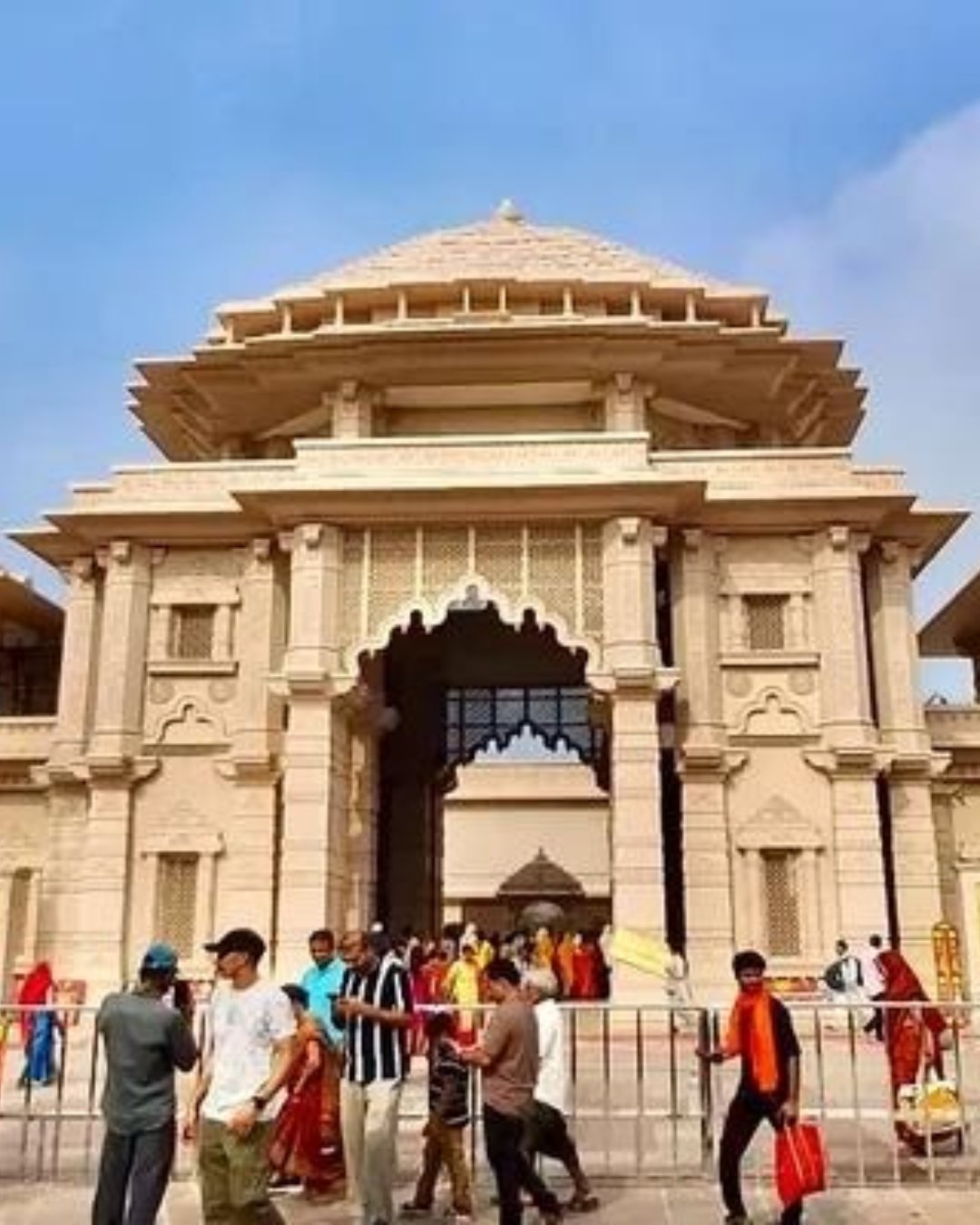
Ram Mandir & Ram Janmabhoomi — Darshan at the New Temple
You've probably seen the footage. The vast new temple, the crowds, the golden sanctum, the sense of a place everyone in the country is suddenly talking about. But here's the thing nobody tells you: turn up on a weekend with your phone in your pocket and a bag on your shoulder, and you'll spend your visit in a two-hour security queue, hand everything to a locker in a scramble, and shuffle through in a crush — the darshan lost in the logistics. A rushed, unprepared visit is not the Ram Mandir people travel across India for.
Let's fix that. Here's how a visit to Ram Mandir actually works, and how to get it right the first time.
Why the day and the hour matter
The temple runs on darshan sessions — a morning block and an afternoon block, with a break in between when the sanctum closes. Miss the window and you're waiting hours for the next one. So the first rule is to check the current timings and plan your day around them, not the other way round.
And the day of the week changes everything. Weekdays are busy; weekends, public holidays and festival days are a different order entirely, with queues that swallow the morning. If your dates are flexible, come midweek and come early, when the queue is shortest and the complex is calmer.
What you'll actually see
The main temple and sanctum — where the darshan of Ram Lalla takes place. This is the heart of it.
The Ram Ki Paidi approach — the ghats and the ceremonial route toward the complex.
The wider precinct — pillared halls, ongoing construction, and the scale of the site itself.
The queue corridors — long, covered, and part of the experience; wear something you can walk in.
Dress modestly, with shoulders and knees covered, and be ready to walk a fair distance within the complex on stone.
And here's the part people get wrong: you carry nothing in. No phone, no camera, no bag, no belt — it's not a guideline, it's enforced at the security line. Leave everything at your hotel and bring only ID and a little cash. Travellers who've done it will tell you the same thing: the twenty minutes inside, with nothing to film and nothing to check, is what they remember most clearly — the chanting, the crowd's hush, the sanctum itself. That's the part the photos never quite catch, because there are none.
Pro tip: Travel light to the point of empty-handed — deposit your phone and bag at your hotel rather than fighting for a locker at the gate, which is where the time vanishes. Check whether any advance darshan or pass facility is currently offered and use it if so. Come from Varanasi early — it's roughly a four-to-five-hour drive, so an early start gets you to Ayodhya before the midday crush. And build in Hanuman Garhi and the Saryu Aarti while you're there; the town is more than the one temple.
The mistakes that ruin it
Most first-timers trip over the same few things. They arrive phone-in-hand and lose an hour to the locker scramble. They come on a weekend or festival day with no plan and queue for hours. Or they treat it as a quick stop and miss the darshan window entirely.
The easy fix is to come early on a weekday, carrying nothing, with the timings checked ahead — or let the visit be arranged so you simply arrive, walk in, and take darshan.
MomentHanuman Gadi, Ayodhya
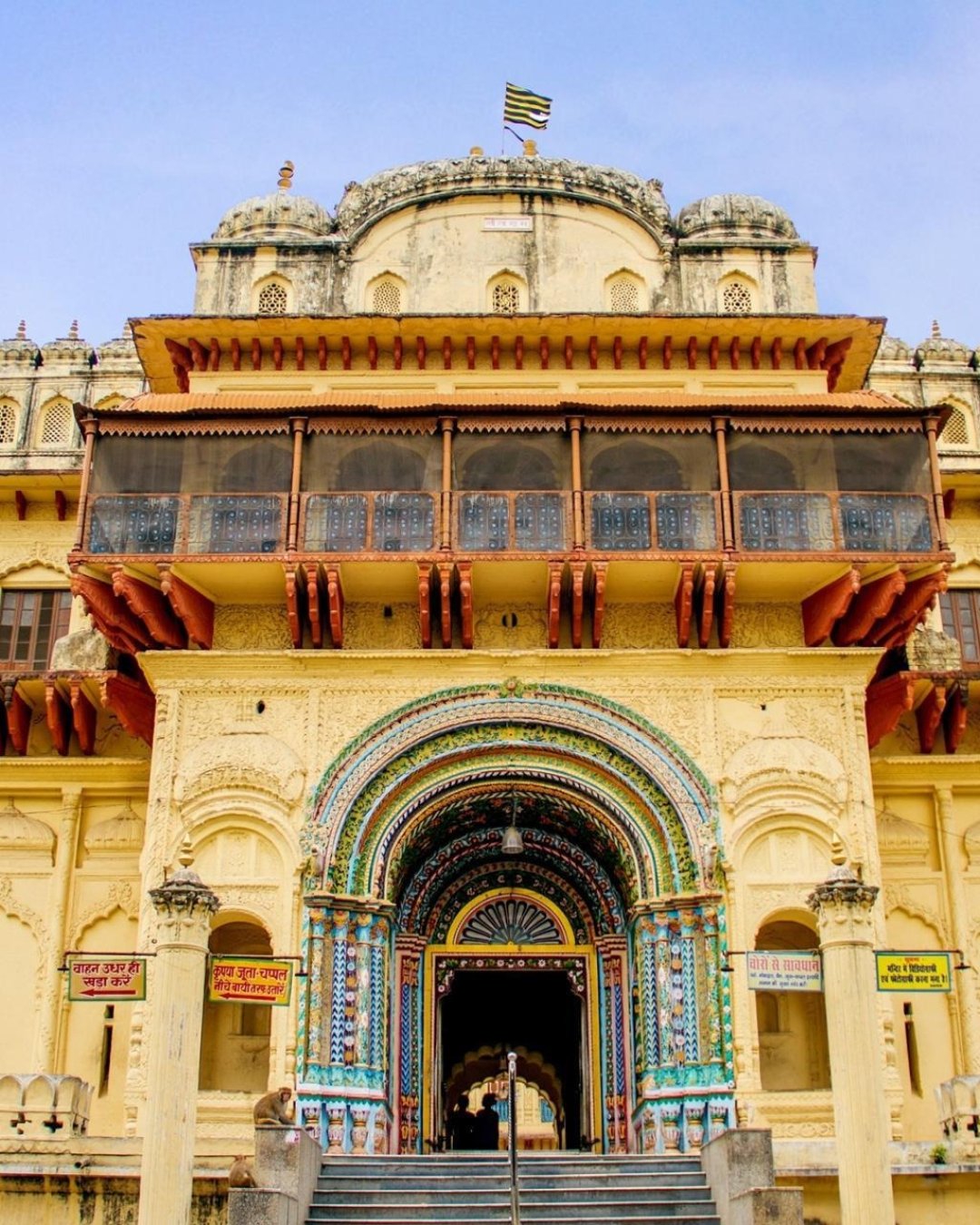
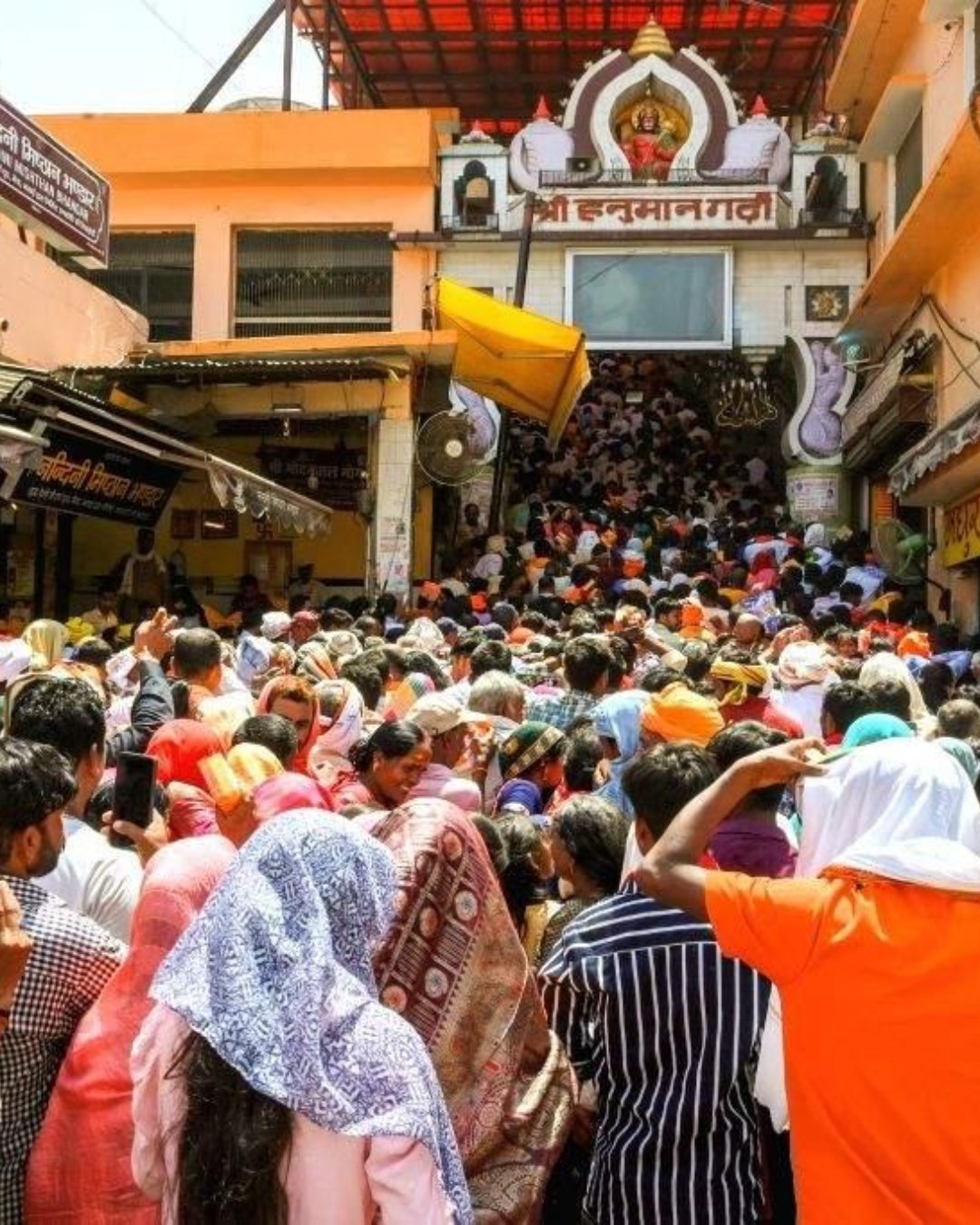
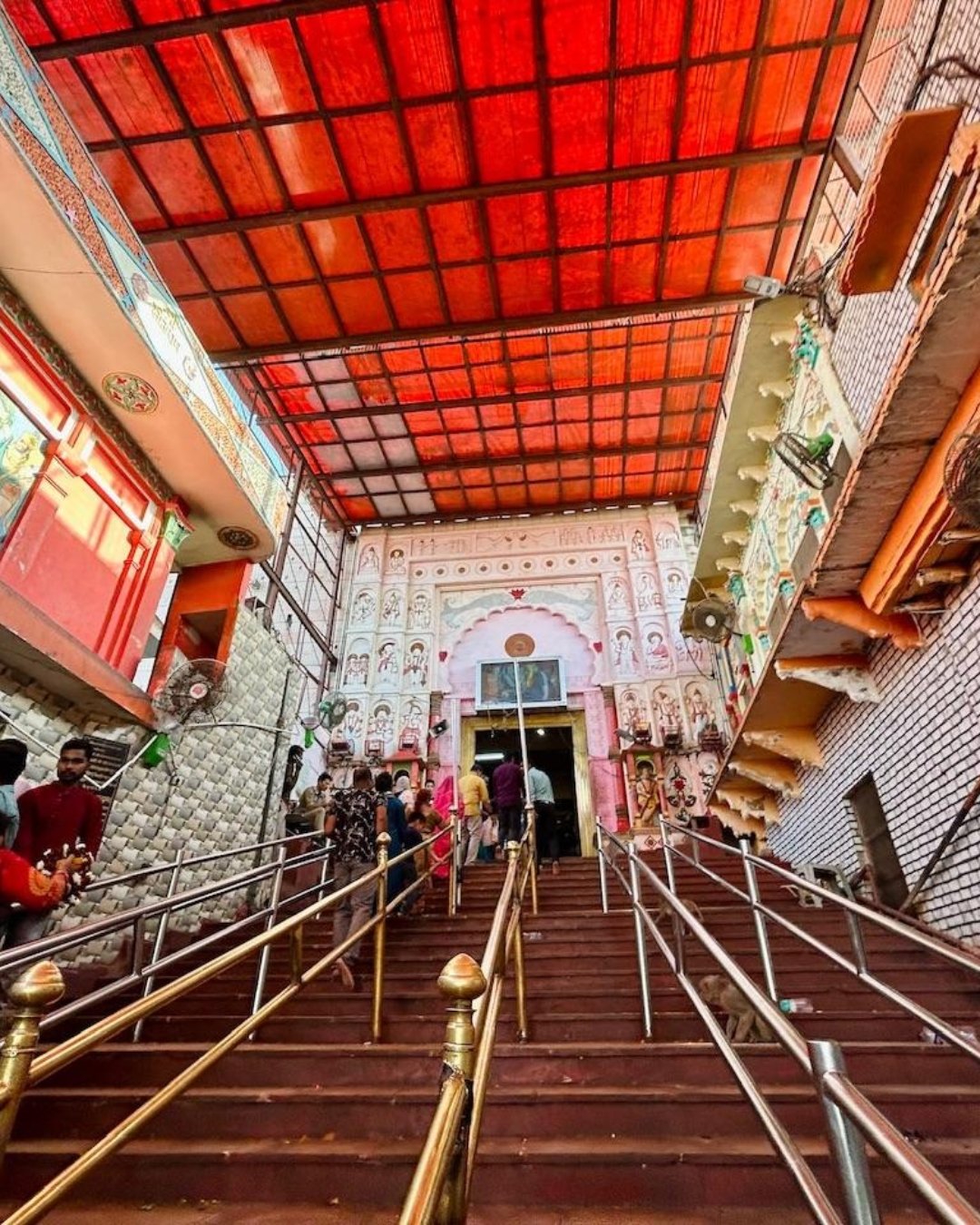
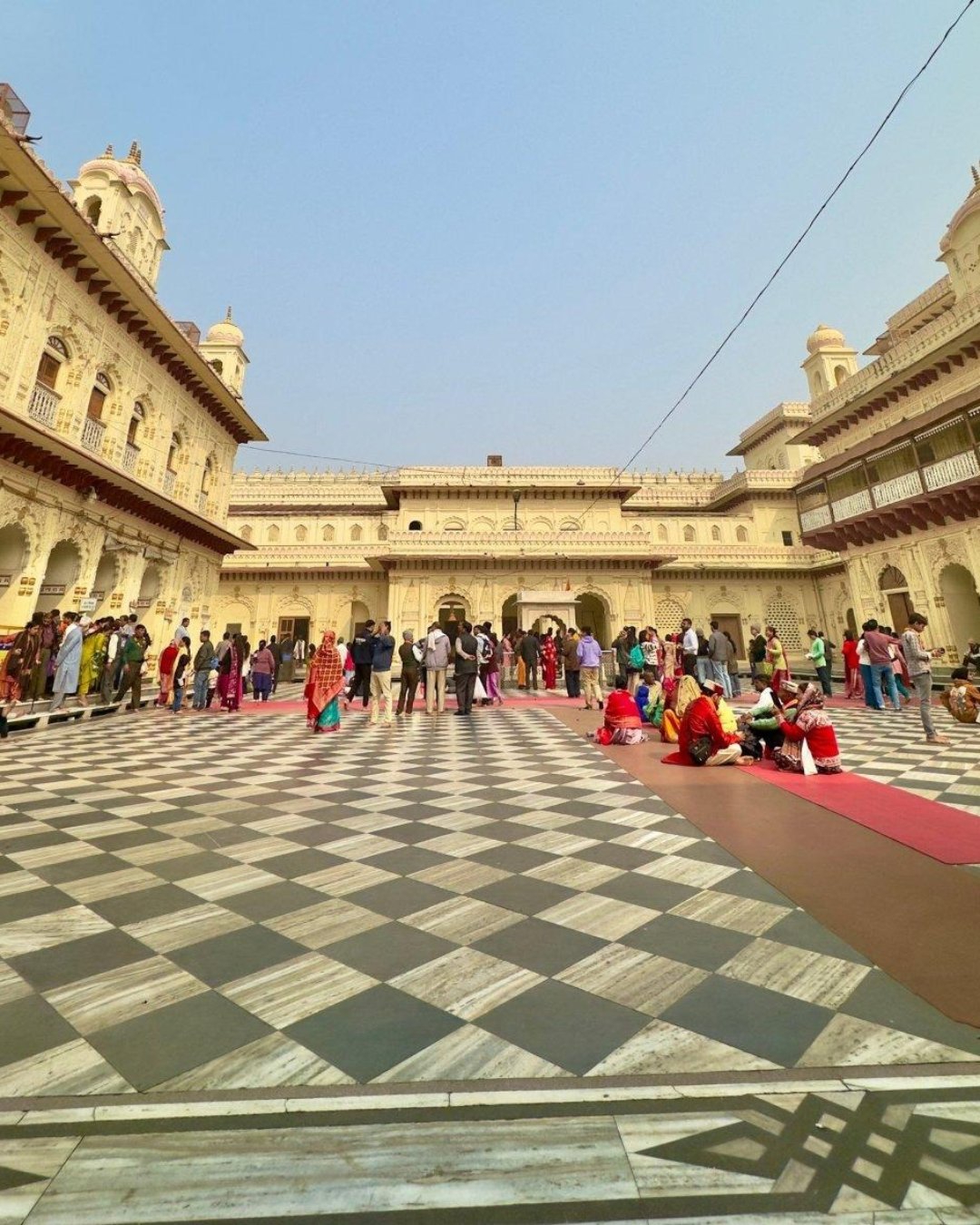
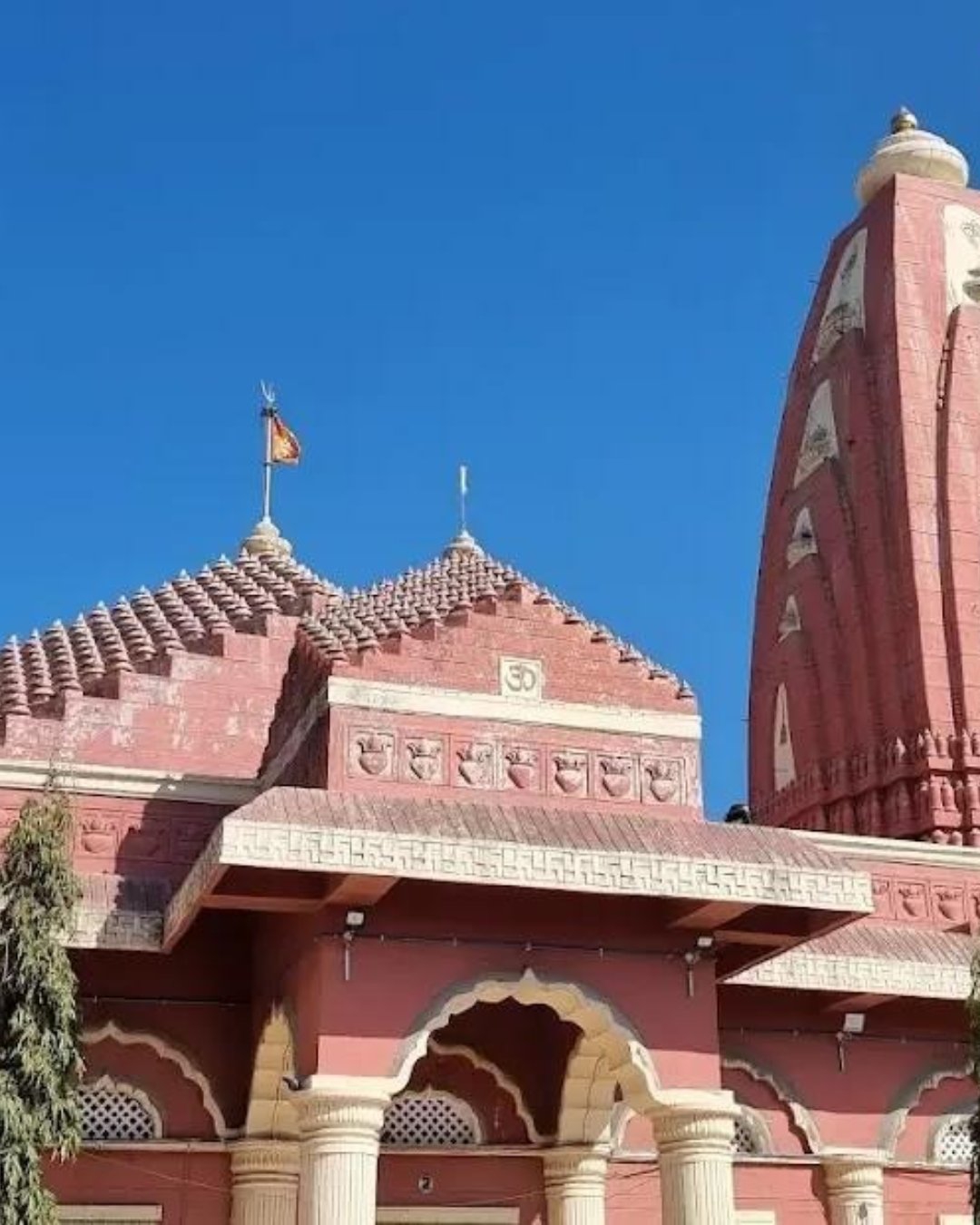
Hanuman Garhi & Ayodhya's Temple Trail
You've probably come to Ayodhya for one temple. The new Ram Mandir is the reason most people make the trip, and plenty do exactly that — darshan at the big one, back in the car, gone by lunch. But here's the thing nobody tells you: skip the older Ayodhya and you've missed the town's living heart. Hanuman Garhi, Kanak Bhawan, and Nageshwarnath — the temples that were drawing pilgrims here for centuries before the new one — sit a short walk apart, and the crowds thin the moment you leave the Janmabhoomi complex.
Let's fix that. Here's how the Ayodhya temple trail actually works, and how to get it right the first time.
Why Hanuman Garhi comes first, and not any other order
There's a custom here worth honouring: you greet Hanuman before Ram. Hanuman Garhi is the fort-temple on the hill where, by tradition, Hanuman himself guards the town, and pilgrims climb here first — pay respects to the guardian, then go on to everything else. Do it in that order and the trail makes sense; do it backwards and you're a tourist ticking boxes.
Go in the morning, before the heat and the queues build. It's 76 steps up to Hanuman Garhi, and you'll be barefoot from the shoe stand, so the cool early hours are kinder to both. From the top you get the climb, the temple, and a view back over the town before the day fills up.
What you'll actually see
Hanuman Garhi — the hilltop fort-temple up 76 steps, the guardian shrine you visit first.
Kanak Bhawan — the ornate "Golden Palace" temple, said to mark the home gifted to Sita, with richly dressed idols of Lord Ram and Sita.
Nageshwarnath Temple — the town's ancient Shiva temple, traditionally founded by Lord Ram's son, Kush.
The old lanes between the temples — sweet shops, flower sellers, and the everyday rhythm of a living pilgrimage town.
Dress modestly, and carry small notes for the shoe stand and offerings. You'll be barefoot on warm stone, so time it for the morning.
And keep the phone pocketed inside the sanctums. Travellers who walk this trail will tell you the same thing: the new temple is the event, but the older shrines are where Ayodhya actually breathes — the press of pilgrims at Hanuman Garhi, the ringing bells, the scent of marigolds underfoot. Photography inside is often restricted anyway, so let it be. That texture of a working pilgrimage town is the part the photos never quite catch.
Pro tip: Visit Hanuman Garhi first, followed by Kanak Bhawan, and then Nageshwarnath Temple — it's both the traditional sequence and the most practical walking route. Go early on a weekday if you can; Tuesdays and Saturdays are especially busy at Hanuman Garhi. Watch for the monkeys near the top — they're bold and will happily grab food or an unattended phone. And walk between the temples rather than driving; the narrow lanes are an essential part of the Ayodhya experience.
The mistakes that ruin it
Most first-timers trip over the same few things. They visit only Ram Mandir and leave without seeing the older heart of Ayodhya. They tackle the trail in the midday heat, or in the wrong order, with long queues at every stop. Or they drive between temples that are only a few minutes apart on foot and miss the atmosphere of the old city.
The easy fix is to walk the trail in the morning, beginning at Hanuman Garhi, with someone who can explain the significance of each temple — because this is a connected pilgrimage, not just three separate stops.
MomentSaryu Ghat, Manjha Kala
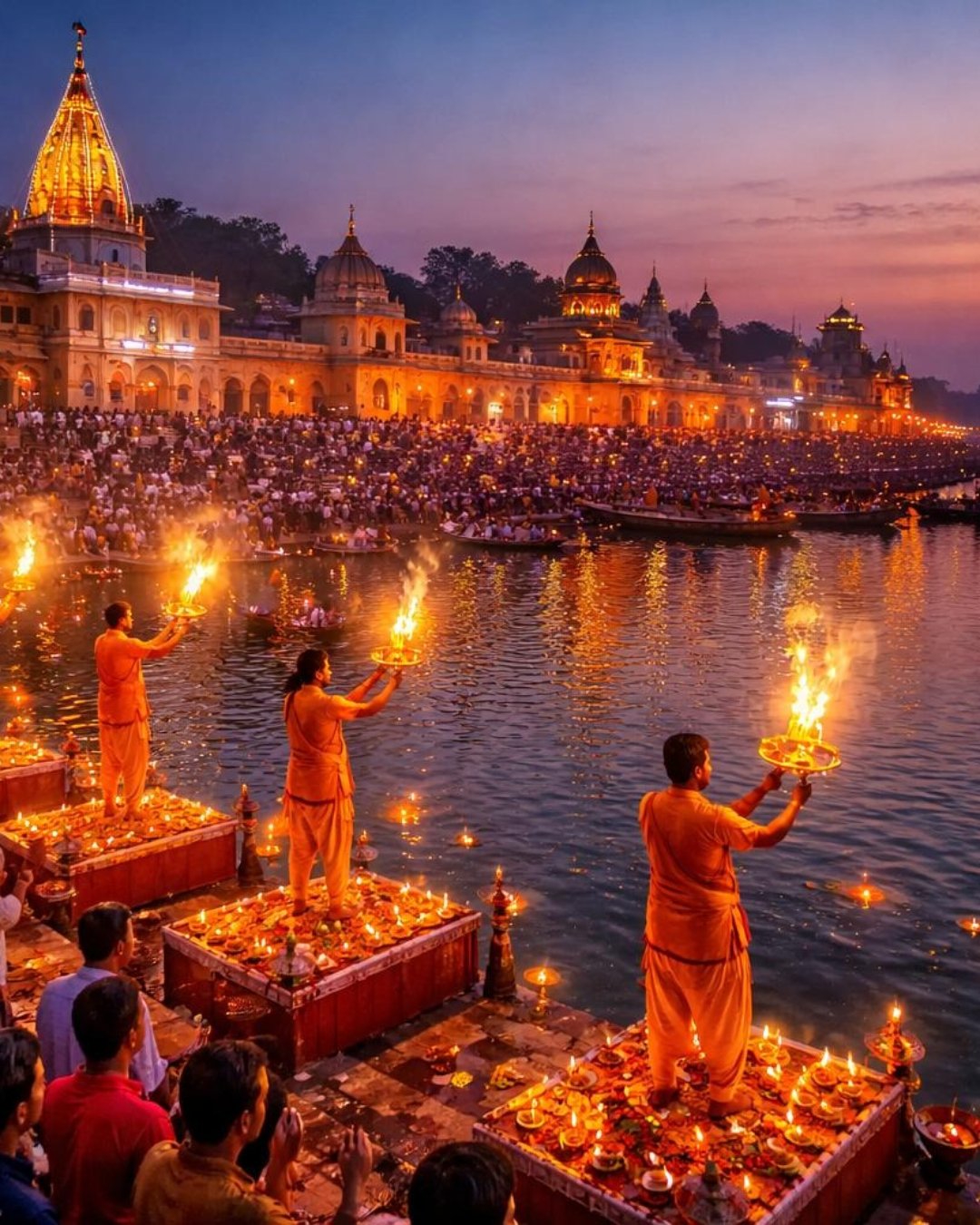
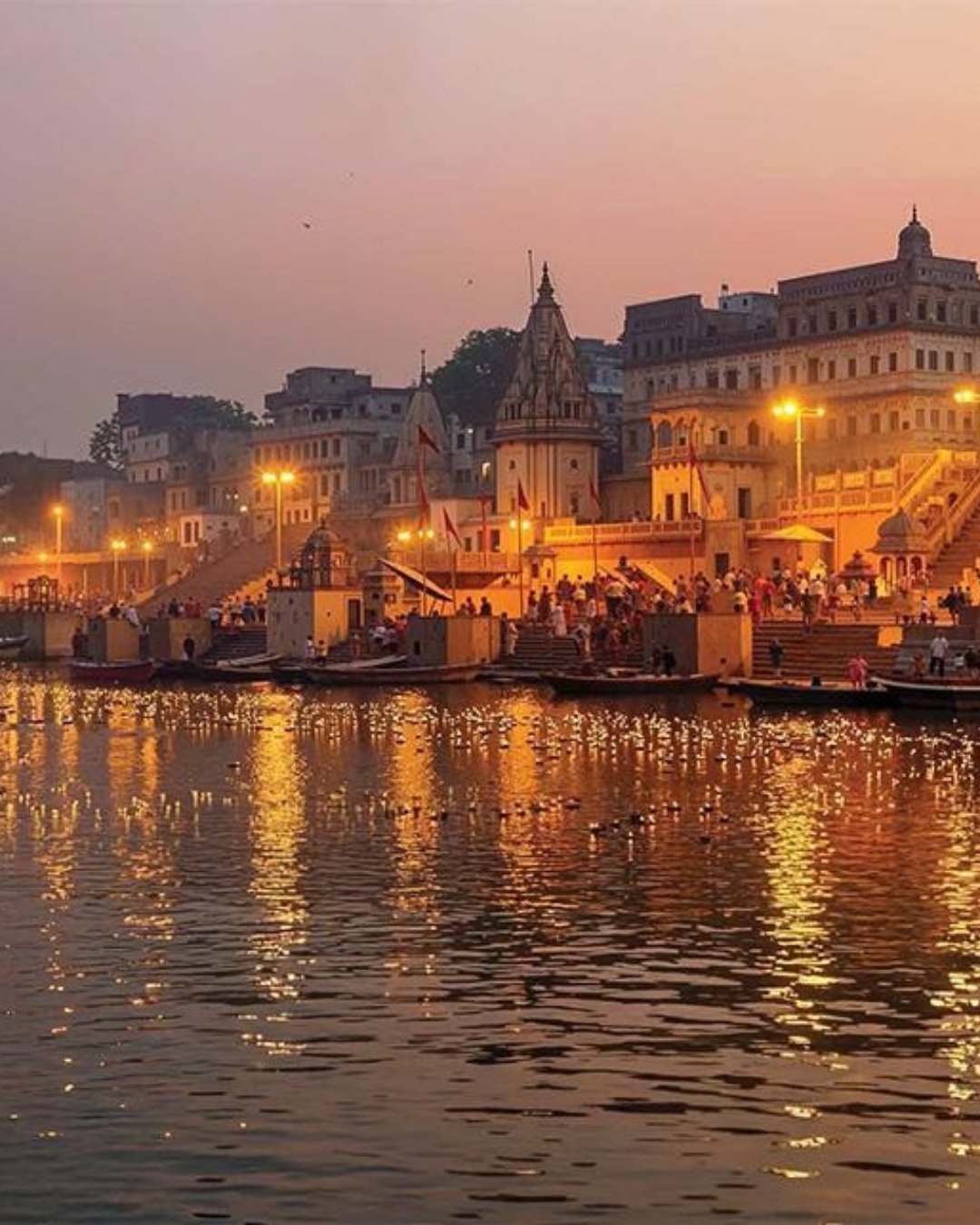
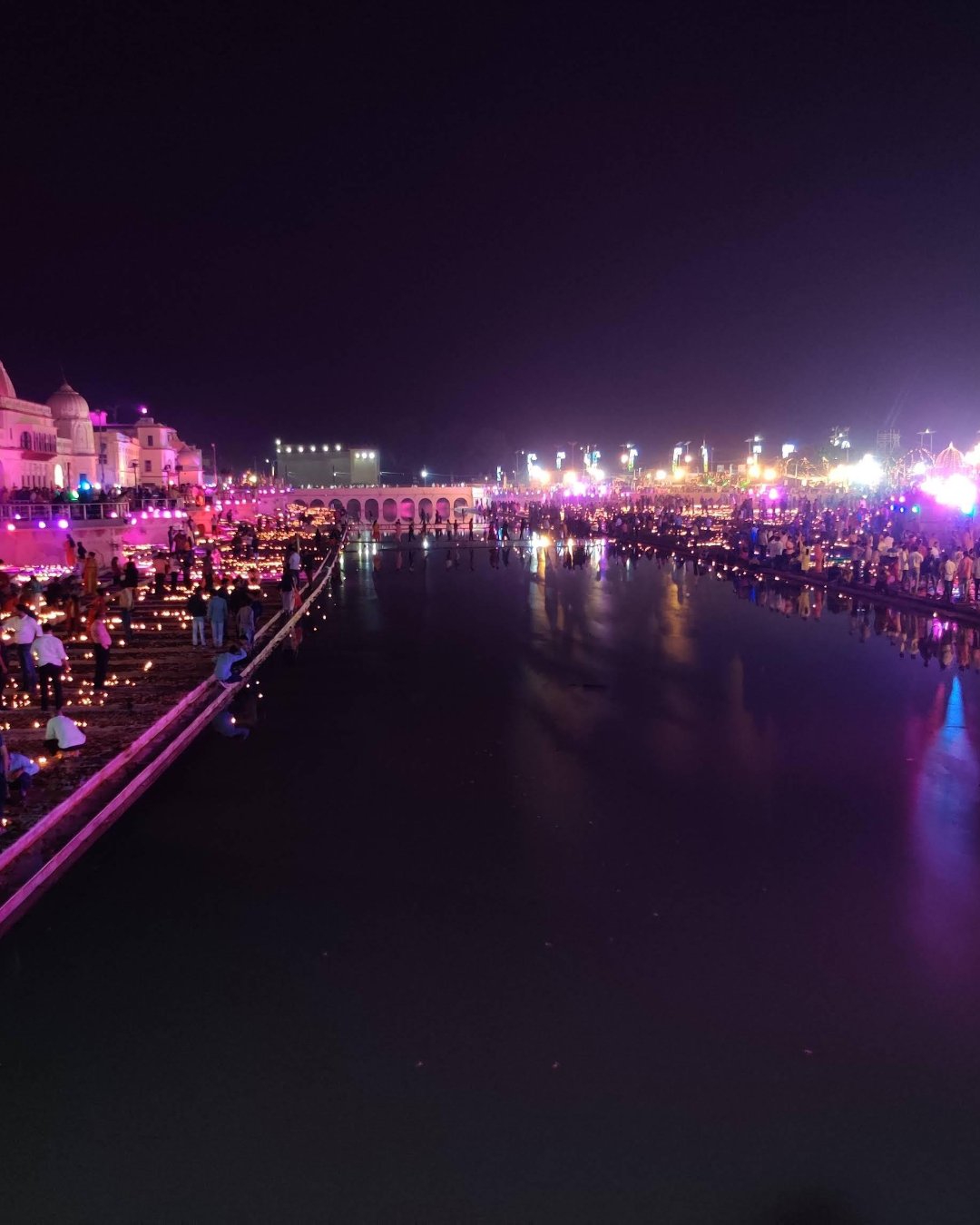
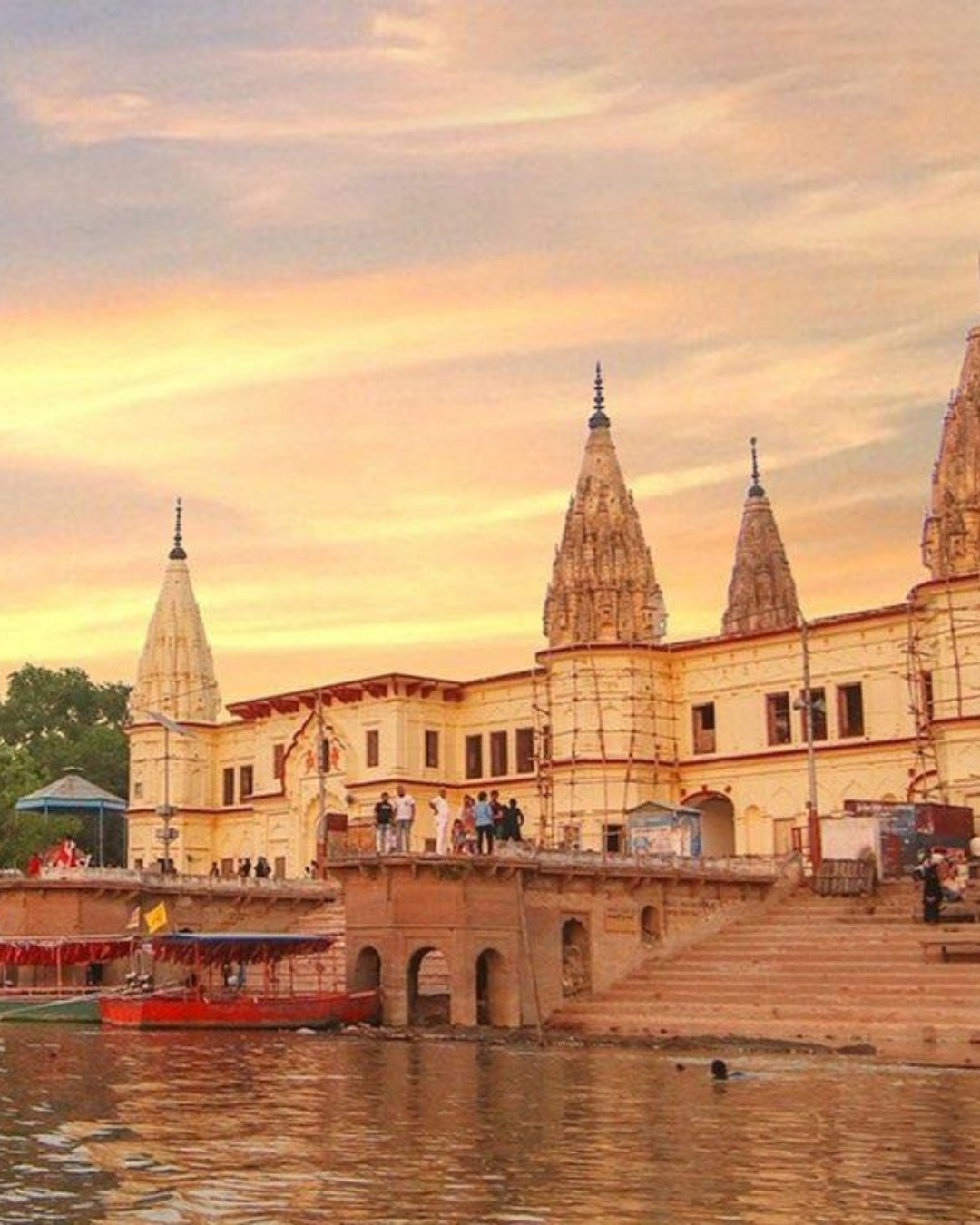
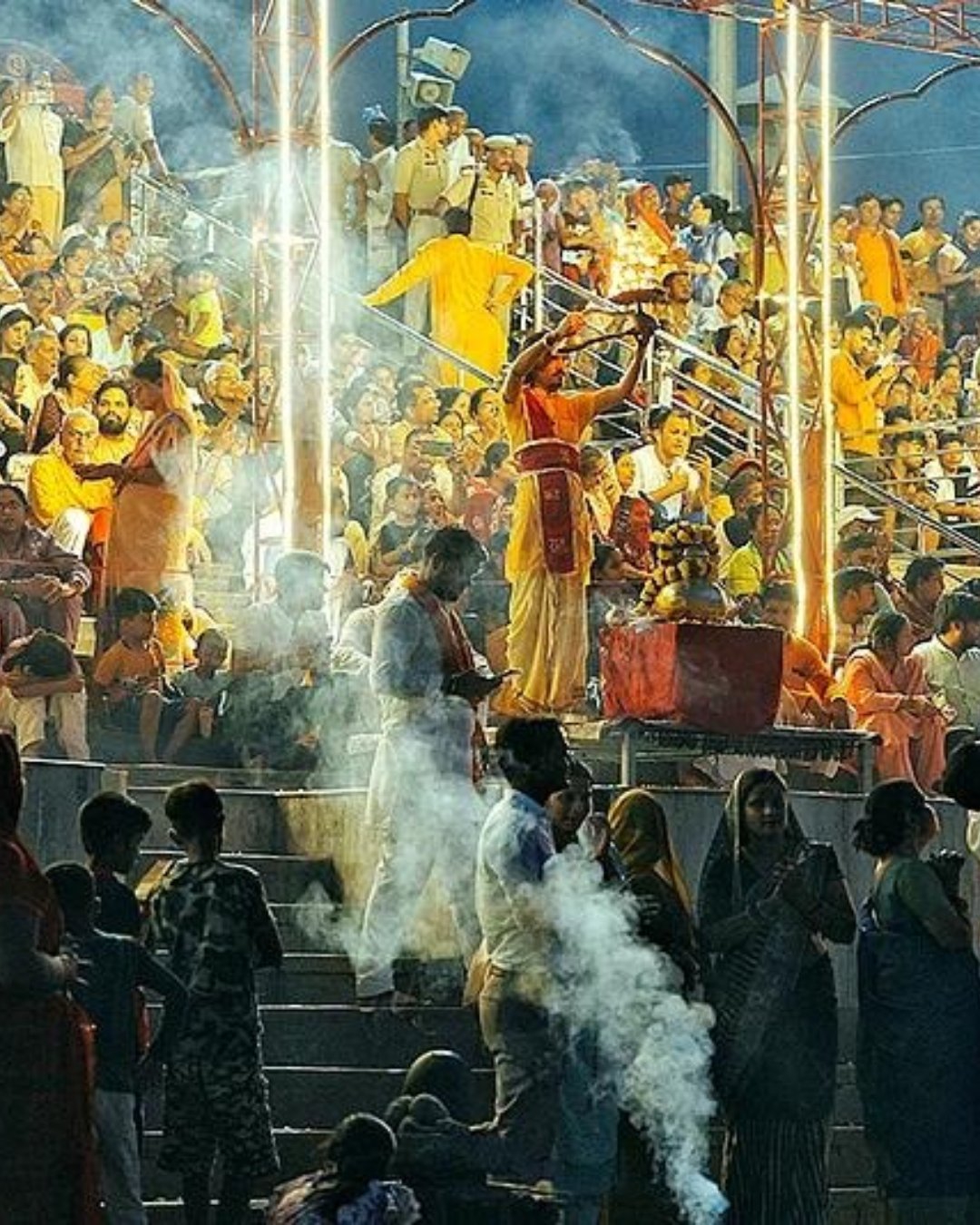
Saryu Ghat & the Evening Aarti
You've probably come to Ayodhya for the Ram Mandir and nothing else. Darshan at the temple, then back to the hotel — you didn't know the town had a riverfront worth an evening. But here's the thing nobody tells you: down at Ram Ki Paidi, on the banks of the Saryu, there's an evening aarti that's Ayodhya's quieter answer to Varanasi's — and the people who skip it, or turn up as it starts and stand at the back, miss the calmest, loveliest hour the town has.
Let's fix that. Here's how the Saryu Aarti actually works, and how to get it right the first time.
Why dusk, and why you arrive early
The Saryu is the river Lord Ram is believed to have finally entered, and the aarti here honours it each evening as daylight fades — priests, lamps, bells, and the water turning from gold to deep blue. It runs at dusk, roughly 6:00 to 6:30 p.m. in winter and later in summer, lasting about 45 minutes.
The start time isn't your problem; getting a good place is. Ram Ki Paidi is a long stretch of ghats, and the best spots facing the priests fill well before the first lamp is lit. Don't arrive at the scheduled start time expecting a front-row view. Reach by around 5:30 p.m., settle onto the steps, and let the evening unfold around you. It's much less crowded than Varanasi, but the closest seating still fills early.
What you'll actually see
The aarti platform — priests performing synchronized rituals with large brass lamps as darkness falls, their flames reflected across the Saryu.
Ram Ki Paidi — the beautifully restored riverfront ghats, illuminated after sunset and worth exploring once the ceremony ends.
Floating diyas — small oil lamps you can place on the river as an offering, creating a peaceful glow across the water.
The far bank — open, quiet, and uncluttered, providing a beautiful natural backdrop to the ceremony.
Bring a light layer even in warmer months. The breeze by the river becomes noticeably cooler once the sun goes down.
And keep your phone tucked away for the first ten minutes. Travellers who've experienced the ceremony will tell you the same thing: the instinct is to record everything, but the aarti feels entirely different when you simply watch it. The ringing bells, the rhythmic chanting, and the shimmering reflections of hundreds of lamps across the river are the moments that no video truly captures.
Pro tip: For the most memorable view, hire a boat on the Saryu and watch the ceremony from the water. You'll have an uninterrupted view of the priests and can float your own diya from the river afterward. Agree the fare and duration before boarding, just as you would in Varanasi. If you prefer staying on the ghats, choose a seat near the centre rather than high up at the back. And don't leave the moment the aarti ends — Ram Ki Paidi illuminated at night is one of Ayodhya's most beautiful sights.
The mistakes that ruin it
Most first-timers trip over the same few things. They visit only the Ram Mandir and never discover the Saryu Aarti. They arrive just as the ceremony begins and end up watching from the back. Or they spend the entire event filming instead of experiencing it.
The easy fix is to plan your evening around the river — arrive at Ram Ki Paidi by around 5:30 p.m., settle in before the ceremony begins, and stay afterward to enjoy the beautifully lit ghats at night.
MomentSri Akshayavat Temple Patalpuri, Prayagraj
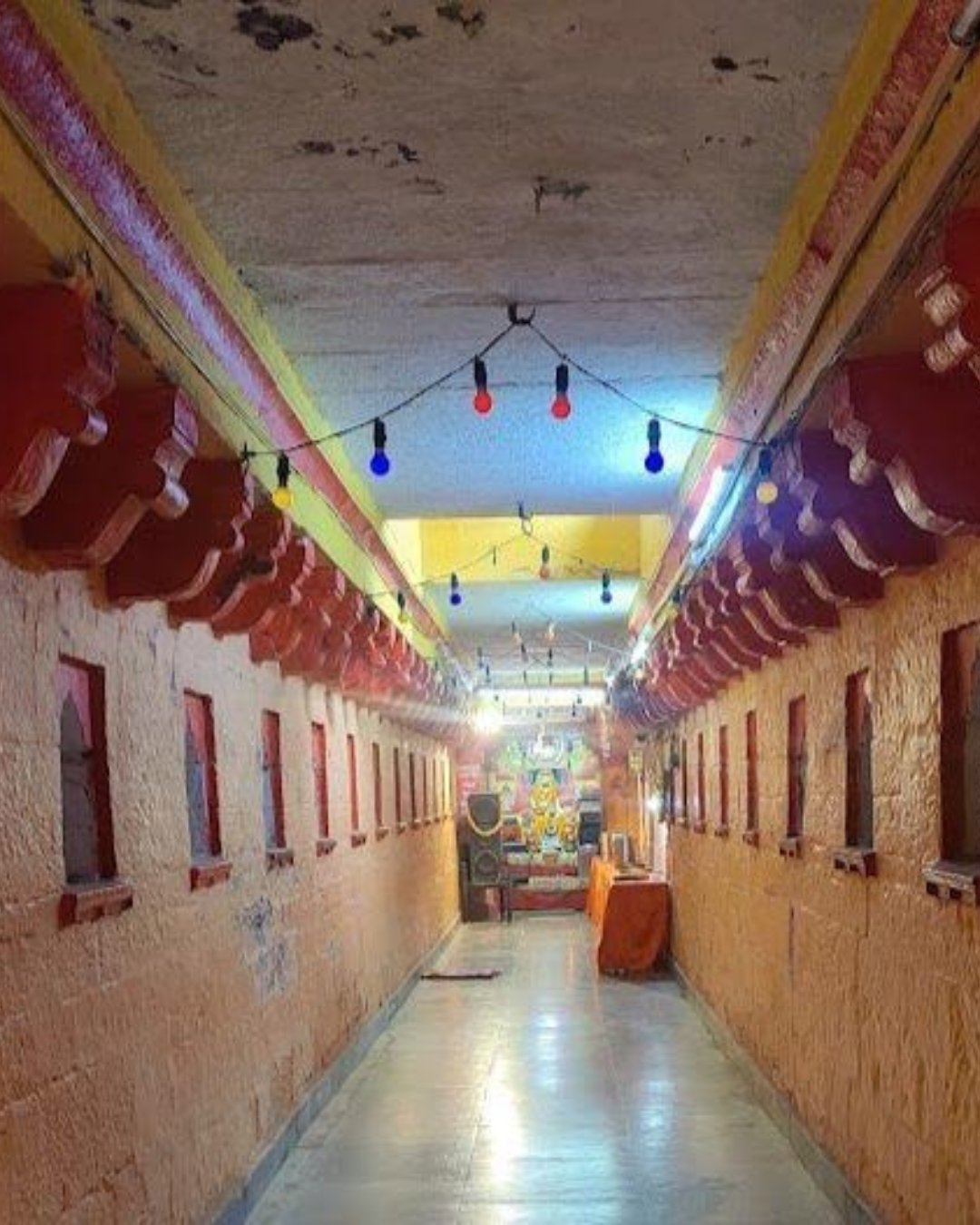
Prayagraj's Temples & Fort
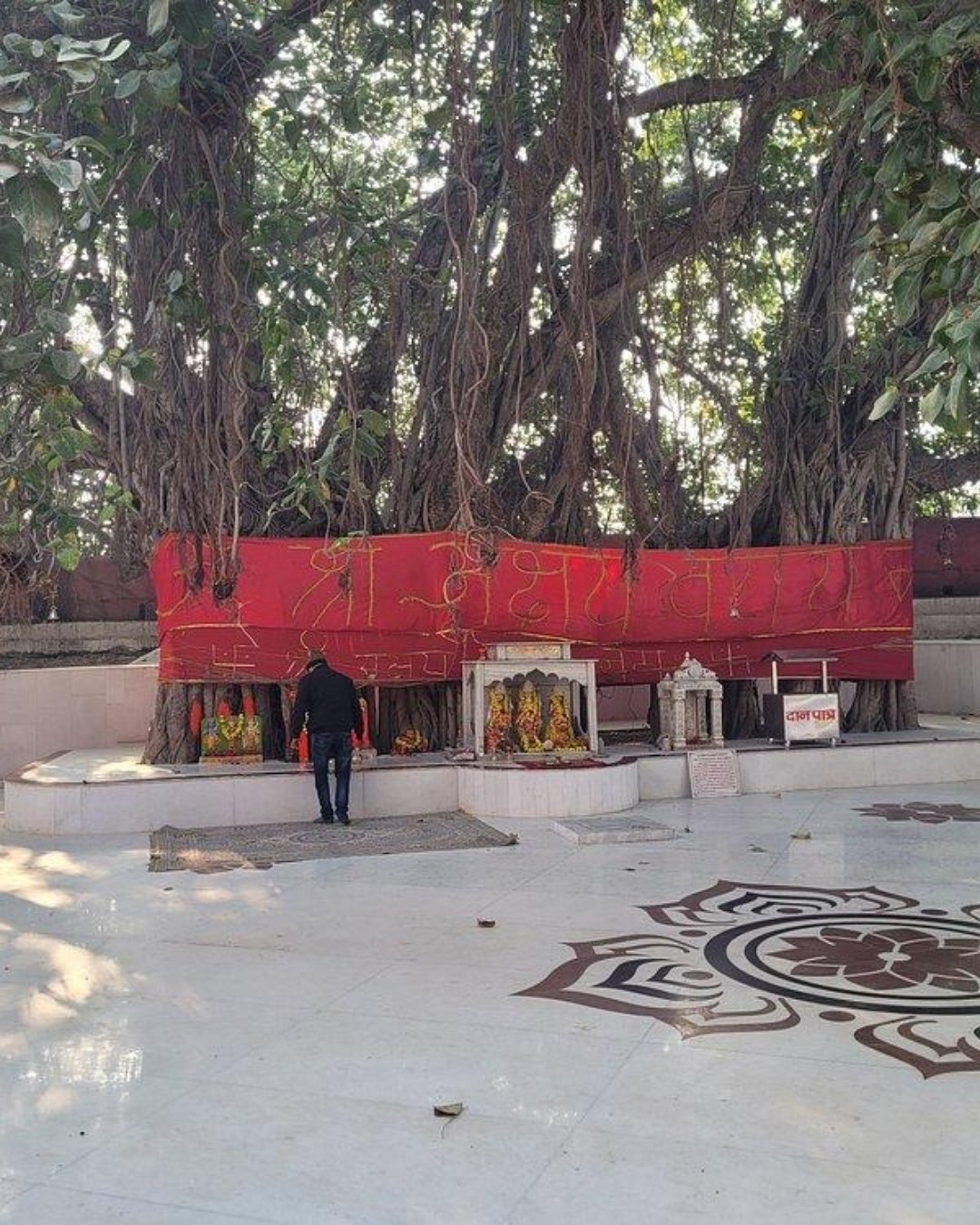
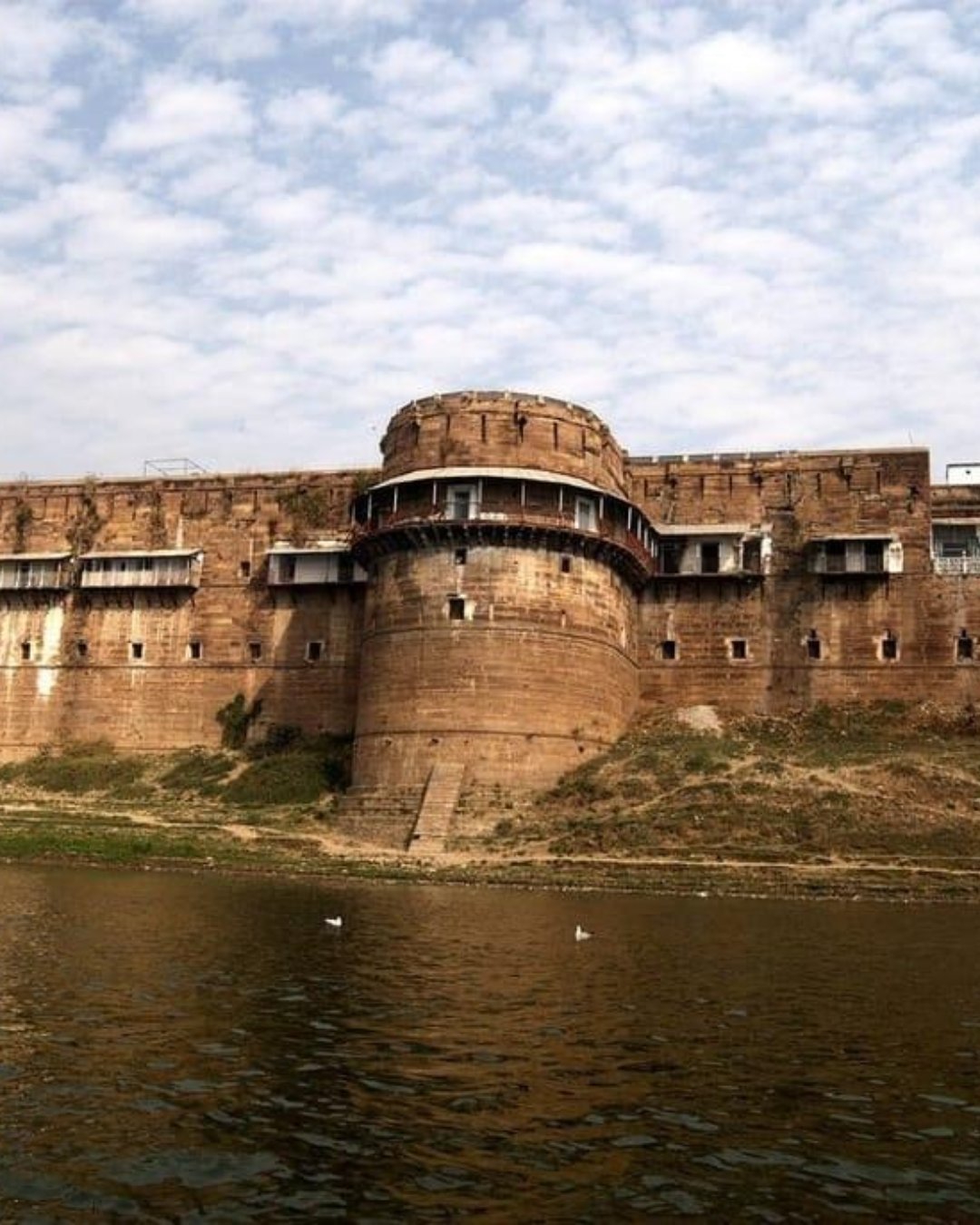
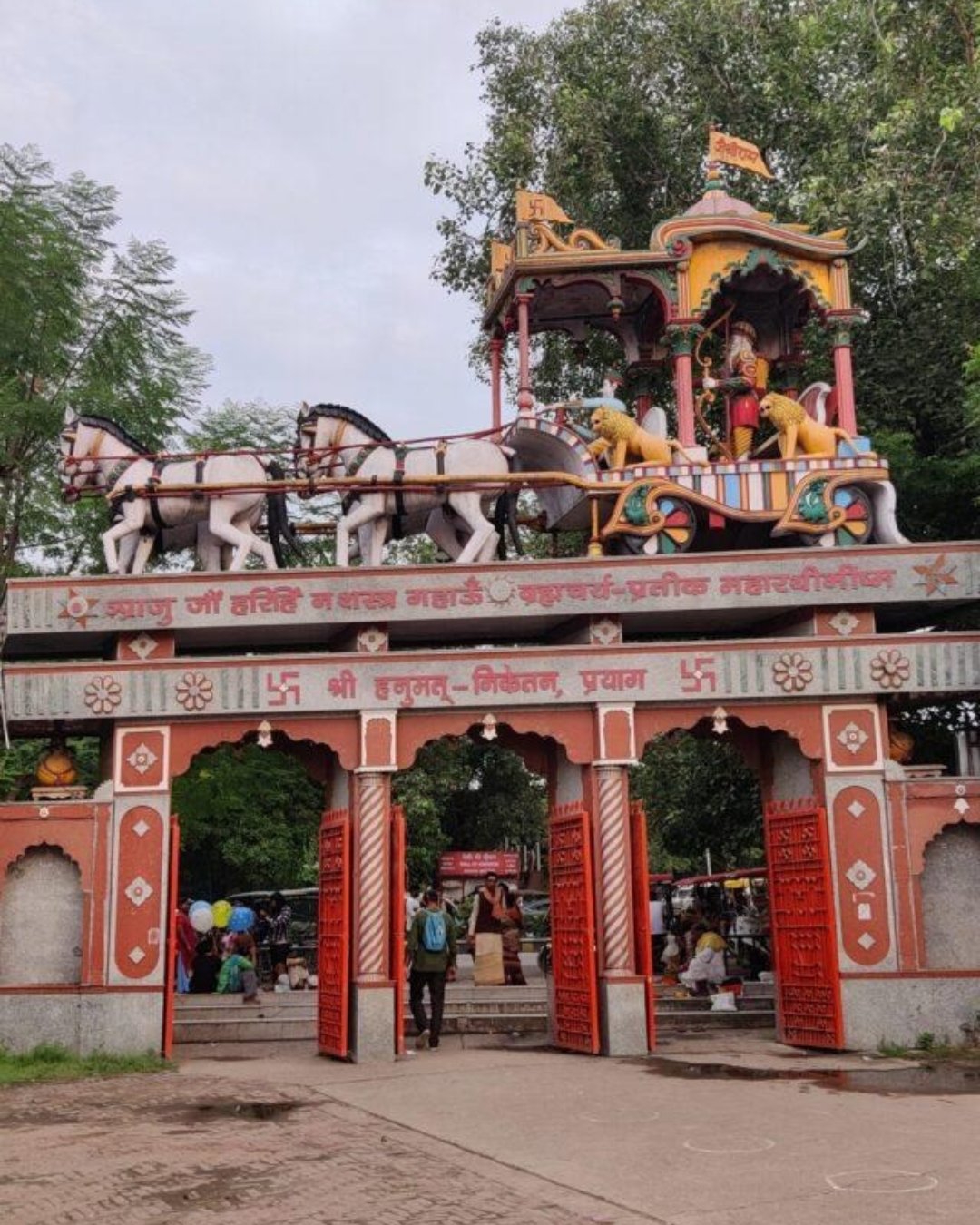
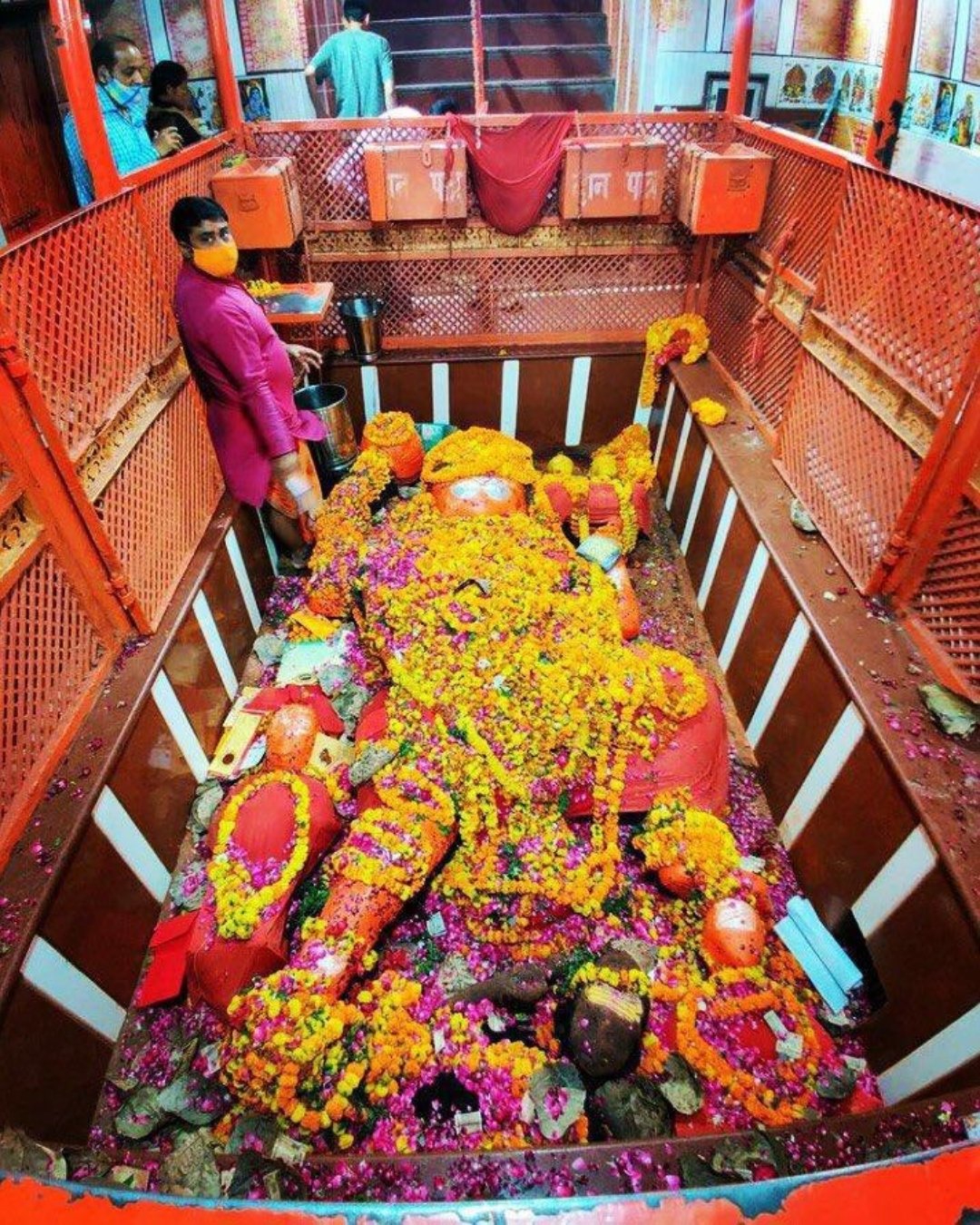
You've probably come to Prayagraj for the Sangam and figured the rest is filler. Do the confluence, maybe a temple, then head back. But here's the thing nobody tells you: two of the most unusual sacred sites in North India sit just a few minutes from the water, and one of them you may not even be able to enter on the wrong day. There's a reclining Hanuman, a banyan tree believed never to die sealed inside a Mughal fort, and an Army gate that decides whether you see any of it. Turn up unprepared and you may end up photographing a locked entrance.
Let's fix that. Here's how Prayagraj's temples and fort actually work, and how to get it right the first time.
Why access, not timing, is the thing to plan around
Most of this circuit is straightforward morning sightseeing. The catch is Allahabad Fort. It's a working Indian Army cantonment — built by Emperor Akbar in 1583 at the Sangam — and public access to the sites you've come for, Akshayavat and the underground Patalpuri Temple, is controlled by the Army and can change without much notice. Entry is sometimes expanded during major events like the Magh Mela, but restrictions can vary.
So the single most important thing is to check what's actually open before you build your morning around it. Bade Hanuman Temple, just outside the fort, is generally accessible; the fort's interior sacred sites may not be. Confirm first, and you won't waste time standing at a security barrier.
What you'll actually see
Bade Hanuman Temple (Lete Hanuman) — a rare reclining idol of Lord Hanuman below ground level, believed to be touched by the rising Ganga during annual floods.
Akshayavat — the legendary "Undying Banyan Tree," associated with ancient Hindu traditions and located inside Allahabad Fort.
Patalpuri Temple — an ancient underground temple beside Akshayavat, filled with shrines and centuries of religious significance.
Allahabad Fort — Akbar's massive riverside fortress, with the historic Ashokan Pillar standing within its grounds.
Dress modestly and be prepared to remove your shoes at the temples. Carry a valid photo ID, as it may be required for entry into the fort area, along with small cash for offerings and shoe storage.
Keep your phone away inside, both out of respect and because photography is often restricted—especially within the Army-controlled sections of the fort. Travellers who've completed this circuit often say the most memorable moments aren't the photographs, but standing before the reclining Hanuman or beneath the legendary banyan tree, surrounded by centuries of faith and tradition.
Pro tip: Visit these sites immediately after your sunrise boat ride at the Sangam while you're already in the area and before the day gets hot. Check the fort's access status the day before your visit. If Akshayavat and Patalpuri are closed, simply visit Bade Hanuman Temple instead and avoid an unnecessary detour. Carry cash, as many of the nearby temple shops and stalls may not accept cards.
The mistakes that ruin it
Most first-time visitors make the same few mistakes. They assume they'll be able to walk into Allahabad Fort and discover access is restricted. They visit during major festival crowds without planning ahead, or during restricted periods when the interior isn't open at all. Or they attempt photography where it's prohibited and are stopped by security.
The easy fix is to confirm access in advance, combine the temples with your Sangam morning, and travel with an up-to-date itinerary or local guidance—because the fort's access rules are not something you can safely assume.
MomentTriveni Sangam, Prayagraj

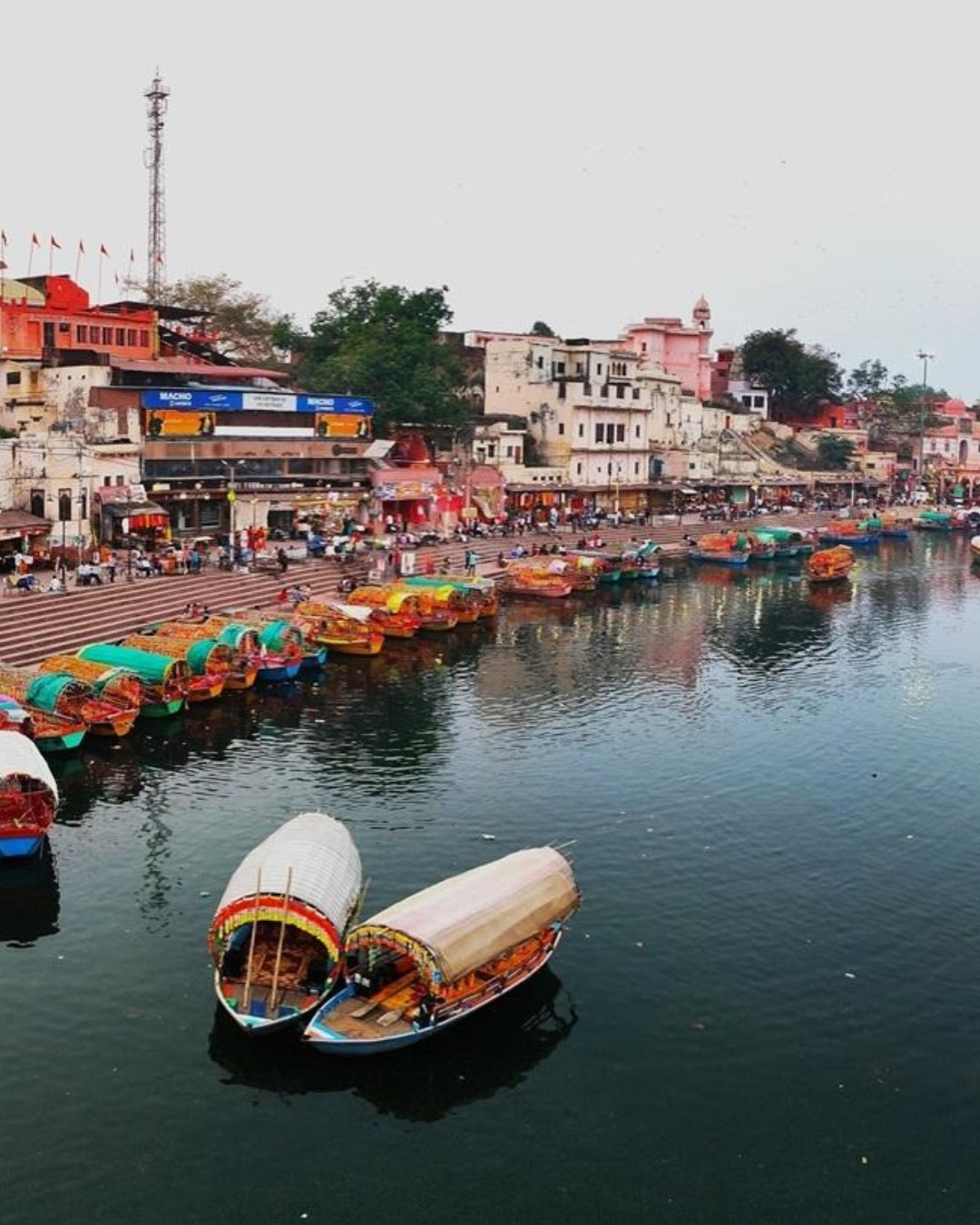

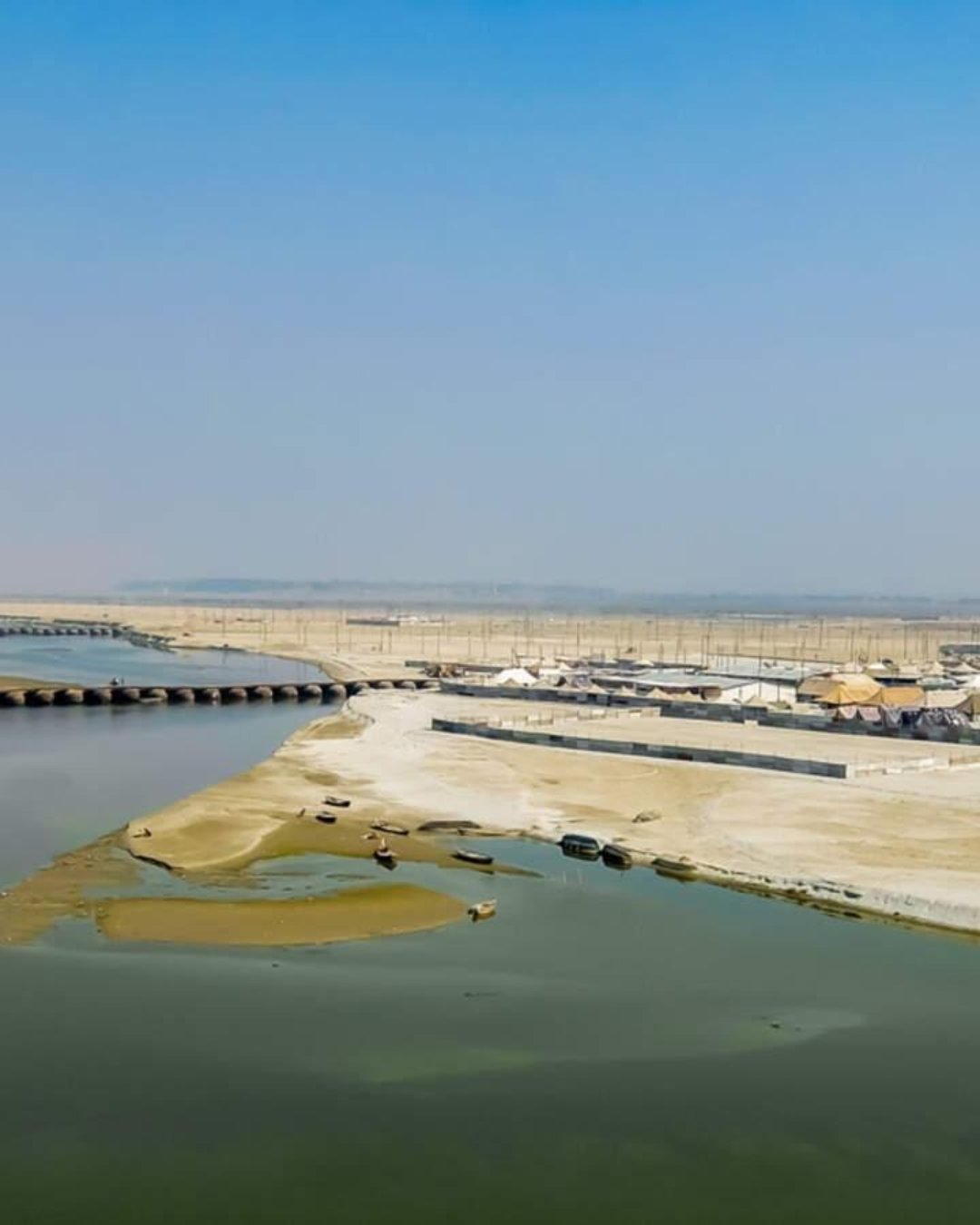
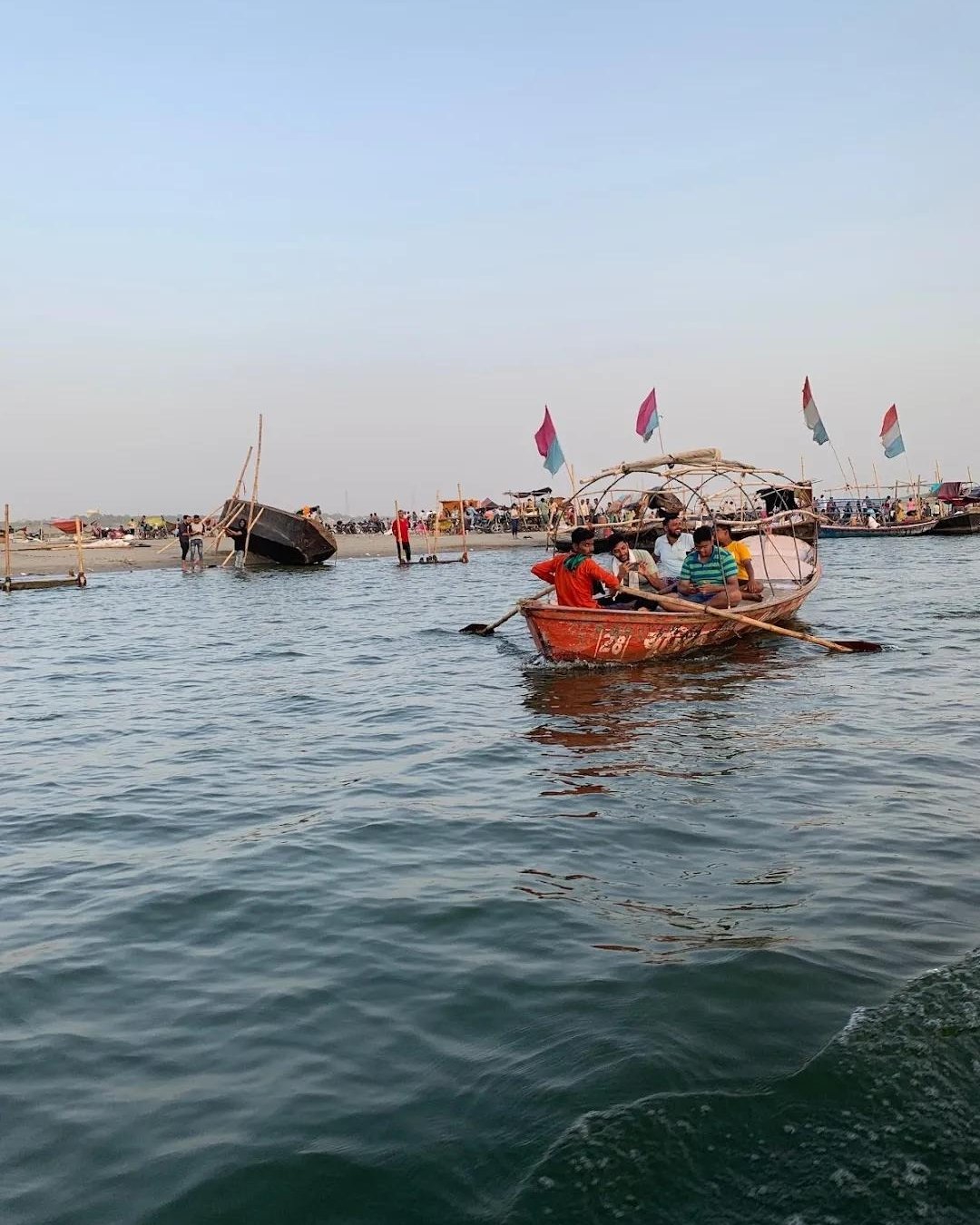
Triveni Sangam — The Sacred Confluence of Three Rivers
You've probably pictured a clean line in the water where two great rivers meet. You get to Prayagraj, head for the Sangam, and find a bustling riverfront full of hundreds of wooden boats, boatmen calling for passengers, and no obvious sign of where the actual confluence is. Show up mid-morning, take the first boat someone points you toward, and you'll likely pay too much for a rushed ride in harsh light—and miss the very experience you came for.
Let's fix that. Here's how the Triveni Sangam actually works, and how to get it right the first time.
Why sunrise, and not any other hour
The Sangam changes completely through the day, much like the ghats of Varanasi. At sunrise the river is calm, the air is cool, and the soft morning light reveals the meeting of the rivers far more clearly. On many days, you can distinguish the lighter waters of the Ganga from the darker green Yamuna before they merge. By mid-morning the boat traffic increases, the water becomes choppier, the light turns harsh, and the peaceful atmosphere disappears.
So aim to be on the water just after first light. Leave your hotel early and reach the boat landing before the crowds arrive. This is also when pilgrims take their most peaceful ritual dip, long before the busiest part of the day. It may mean an early wake-up, but it's the Sangam experience people remember most.
What you'll actually see
From the riverbank, a traditional rowboat carries you to the meeting point, where floating platforms allow pilgrims to perform rituals and take a holy dip.
The meeting of the rivers — the lighter Ganga and the darker Yamuna flowing together, while the mythical Saraswati is believed to join them invisibly, giving the place its name: Triveni Sangam.
The bathing platforms — pilgrims offering prayers and taking ritual dips at one of Hinduism's holiest confluences.
Allahabad Fort and Akshayavat — visible on the riverbank behind you, home to the legendary imperishable banyan tree.
Migratory birds — especially during winter, flocks of gulls often follow the boats, creating beautiful scenes over the water.
Carry a light jacket or shawl, even in pleasant weather. Dawn on the open river can feel surprisingly cool.
And keep your phone away for the first few minutes. Travellers who've experienced the Sangam often say the instinct is to photograph the rivers immediately, but the moment becomes far more meaningful when you simply watch them first. Seeing the two rivers flow alongside one another beneath the rising sun, before gradually blending together, is something no photograph fully captures.
Pro tip: Agree on the boat fare before boarding, and make sure you know whether you're hiring a private boat or sharing one with other passengers. A private boat costs more but allows you to spend extra time at the confluence, while shared boats usually follow a quicker route. Also confirm the duration of the ride in advance. If you're visiting during January or February, remember that the Magh Mela brings enormous crowds, limited boat availability, and occasional access restrictions, so plan well ahead.
The mistakes that ruin it
Most first-time visitors make the same few mistakes. They arrive mid-morning when the river is crowded and the light is harsh. They negotiate with boatmen while surrounded by persistent touts. Or they accept the first offer they receive and end up paying more for a hurried trip.
The easy fix is to visit at sunrise with your boat arranged in advance, so you can step aboard without the confusion and enjoy the Sangam while the river is still calm and peaceful.
MomentShri Bade Hanuman Ji Mandir, Prayagraj
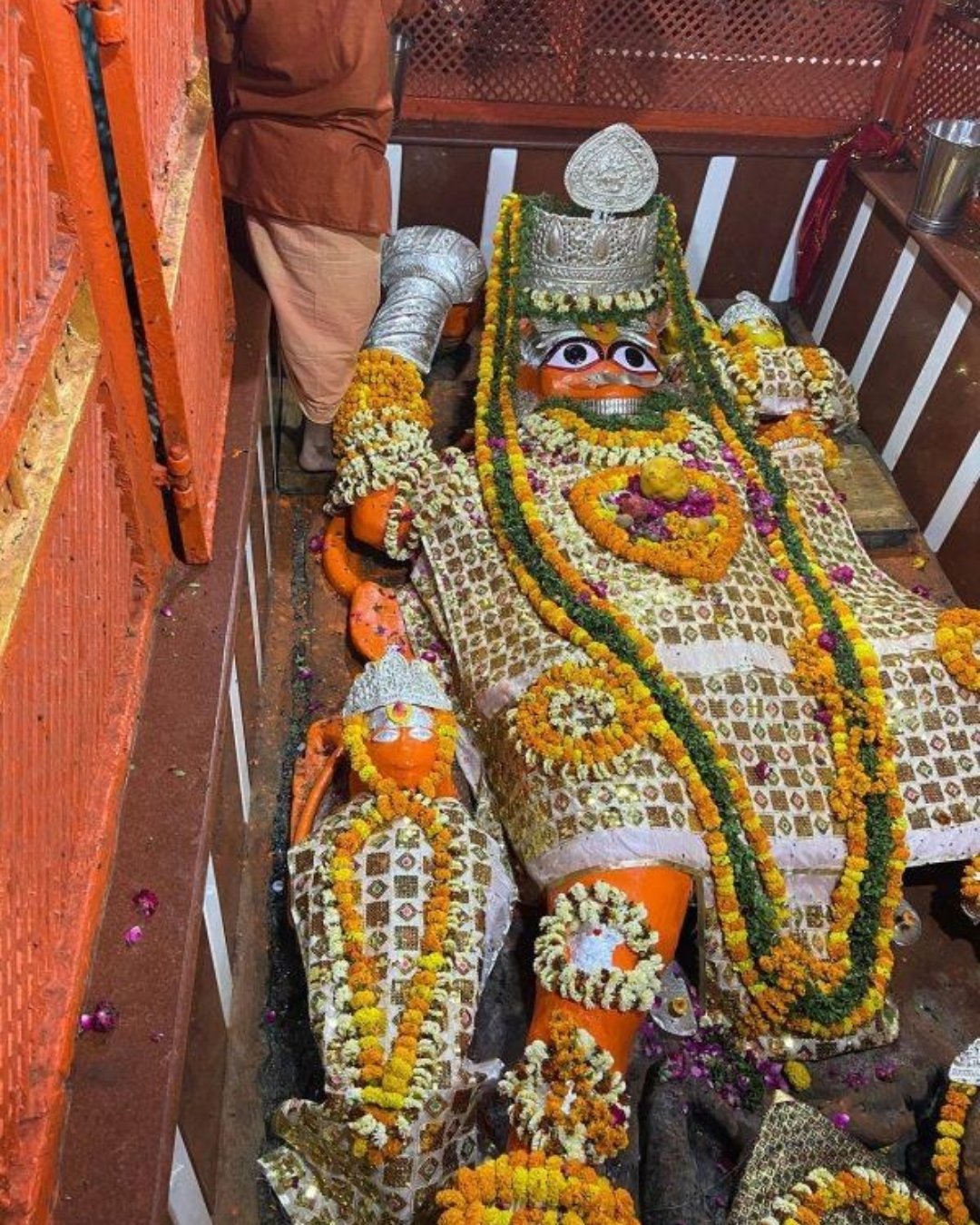
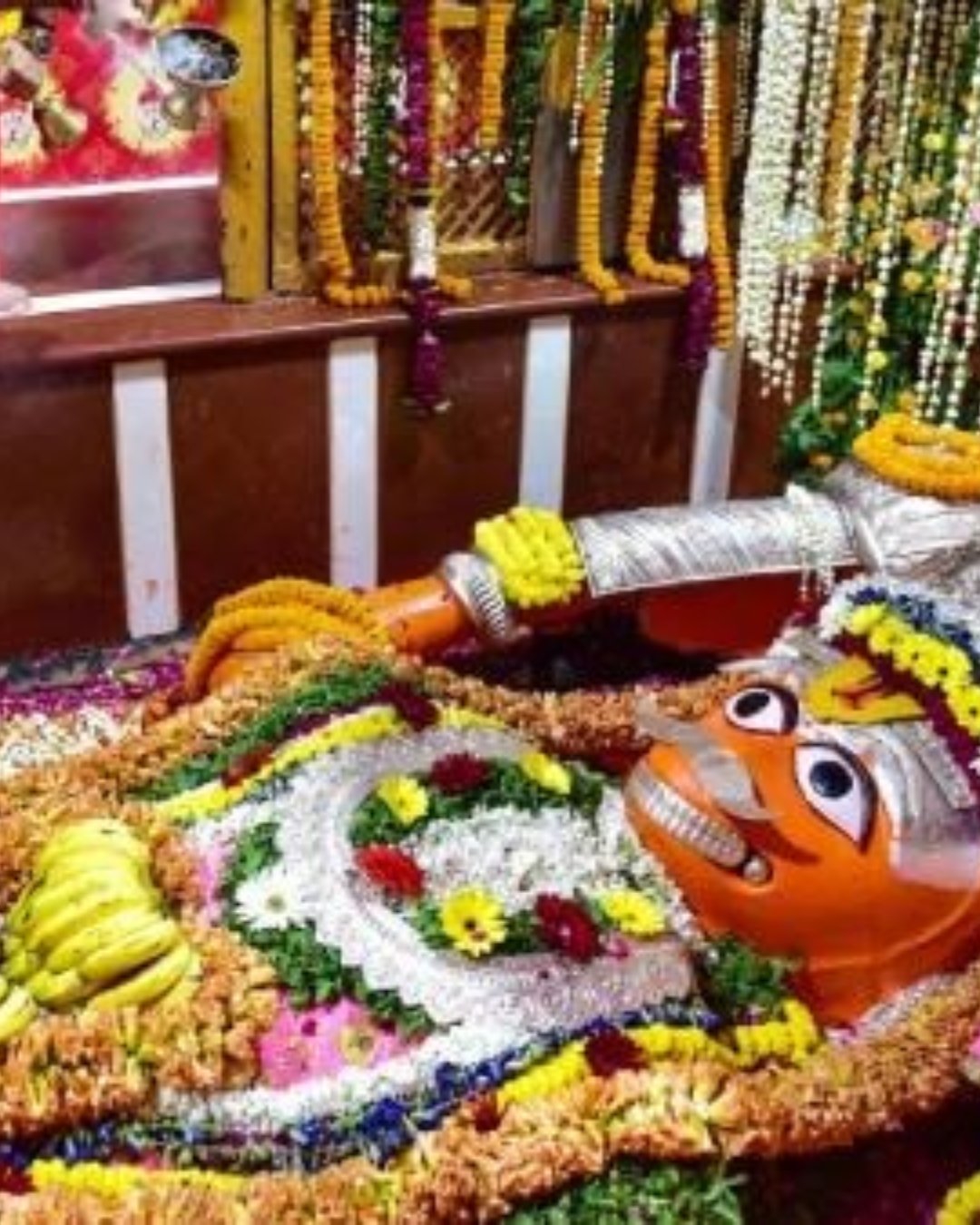
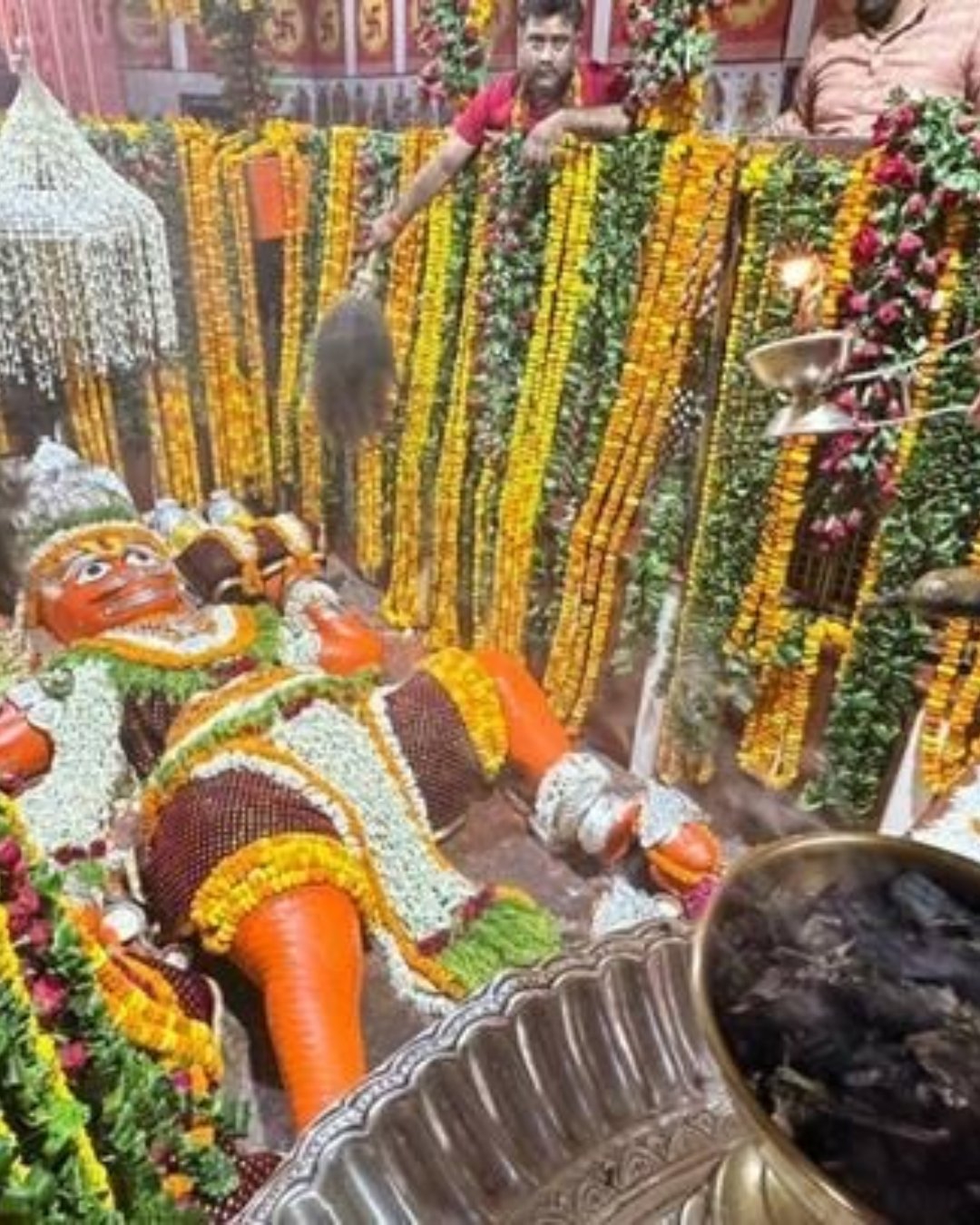
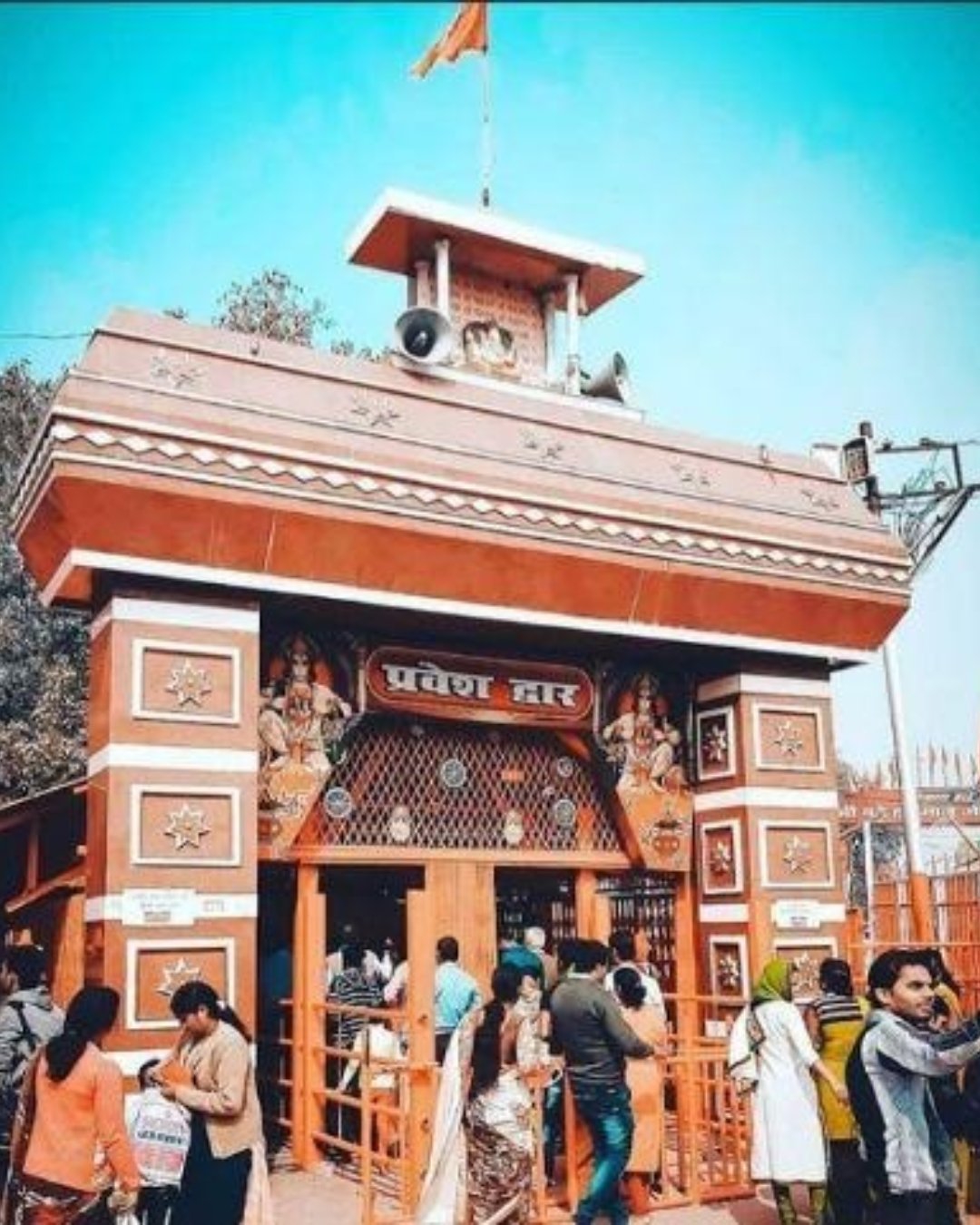
Bade Hanuman Temple
You've probably pictured a Hanuman idol standing tall, the way they usually do. But here's the thing nobody tells you: the Hanuman here is lying down — a huge reclining figure, twenty feet long, set in a pit below ground level so you look down on him rather than up. It's called Lete Hanuman for exactly that reason, it's one of the most unusual temples in the country, and most visitors to the Sangam rush their dip and skip it entirely, a five-minute walk away.
Let's fix that. Here's how the Bade Hanuman Temple actually works, and how to get it right the first time.
Why you come early, and pair it with the Sangam
The temple sits right beside the Triveni Sangam and the Allahabad Fort, so it belongs in the same morning as your confluence boat ride — not as a separate trip. Do the Sangam at sunrise, then walk over while you're already here.
Early matters for the usual reason: the queue. This is one of Prayagraj's most visited temples, and by mid-morning — especially on Tuesdays and Saturdays, Hanuman's days — the line to descend to the idol is long. Come soon after your dawn boat and you'll have it quiet, with time to actually look rather than shuffle past.
What you'll actually see
Small, strange, and worth the stop:
The reclining idol — a roughly 20-foot Hanuman lying below ground, decked in sindoor and marigold, viewed from the rim of the pit.
The flood tradition — the belief that each monsoon the rising Ganga comes up to "bathe" the idol's feet before receding, taken as the goddess paying her respects.
The Sangam — the Ganga-Yamuna confluence, a few minutes away, where your boat ride begins.
Allahabad Fort & Akshayavat — the Mughal fort and the undying banyan alongside, if access is open.
Dress modestly and be ready to go barefoot from the shoe stand. Carry small notes for the shoe stand and an offering.
And keep the phone down inside. Travellers who come here will tell you the same thing: photography of the idol is usually not permitted, and it isn't the point anyway — the thing to take in is the sheer oddness of looking down at a reclining Hanuman below your feet, in a pit that floods every year and is somehow never washed away. That, and the crush of genuine devotion around you at seven in the morning, is the part the photos never quite catch.
Pro tip: Go on a Tuesday or Saturday if you want to feel the temple at full devotional pitch — but come at dawn on those days, because that's exactly when the queue is worst. Pair it with the Sangam boat ride and, if it's open, the Fort and Akshayavat next door, so the whole confluence area is one unhurried morning rather than three scattered stops. Check whether the idol can be photographed before you raise a phone, and ask rather than assume.
The mistakes that ruin it
Most first-timers trip over the same few things. They do the Sangam dip and leave without knowing this is right there. They arrive mid-morning on a Tuesday and lose an hour in the queue. Or they turn up expecting a standing idol and don't understand what they're looking at.
The easy fix is to fold it into the Sangam morning, come early, and know the reclining-Hanuman and flood story before you arrive — because without it, it's a crowded pit you don't quite follow.
MomentAlop Shankari Devi Shakti Peeth Mandir, Prayagraj
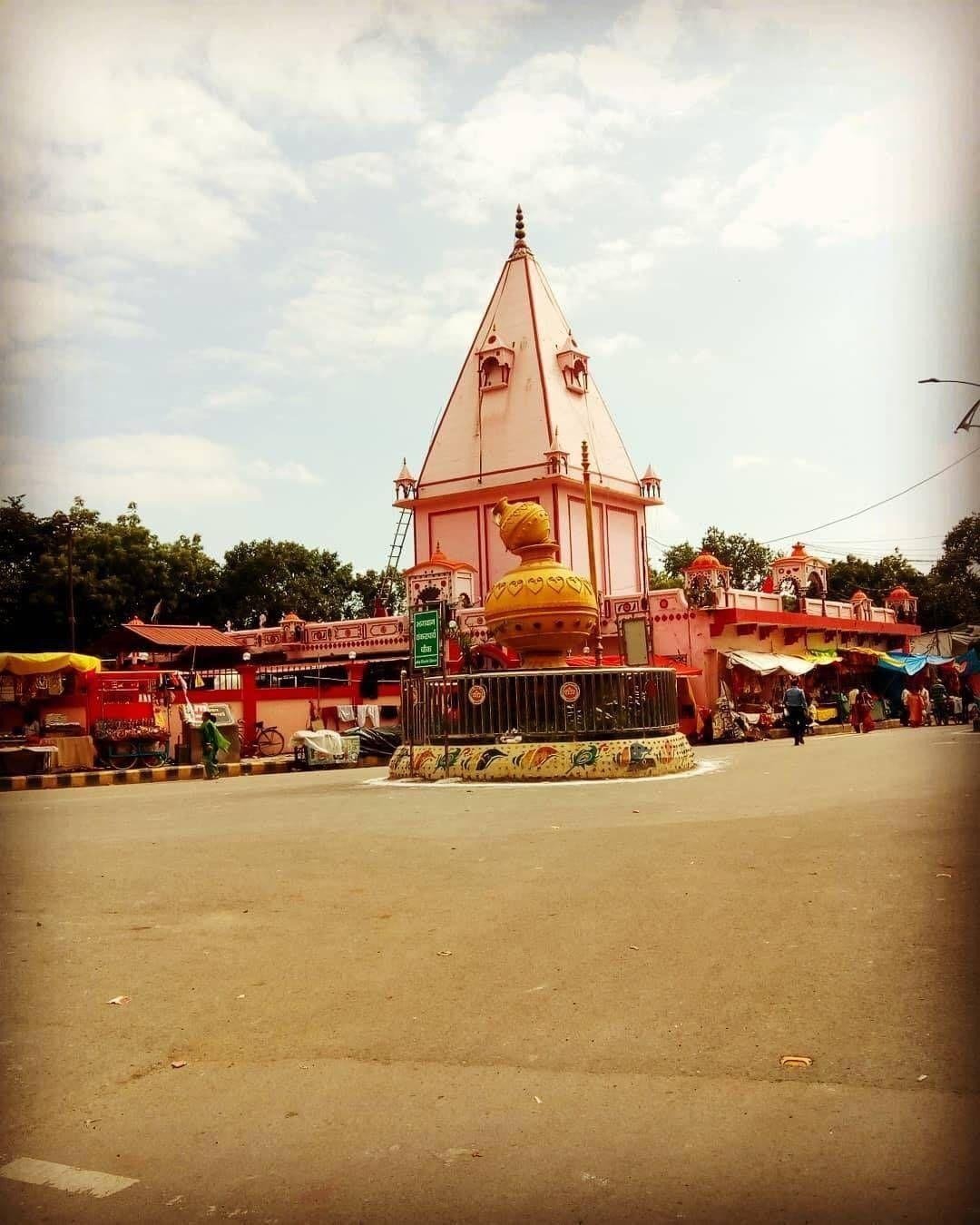
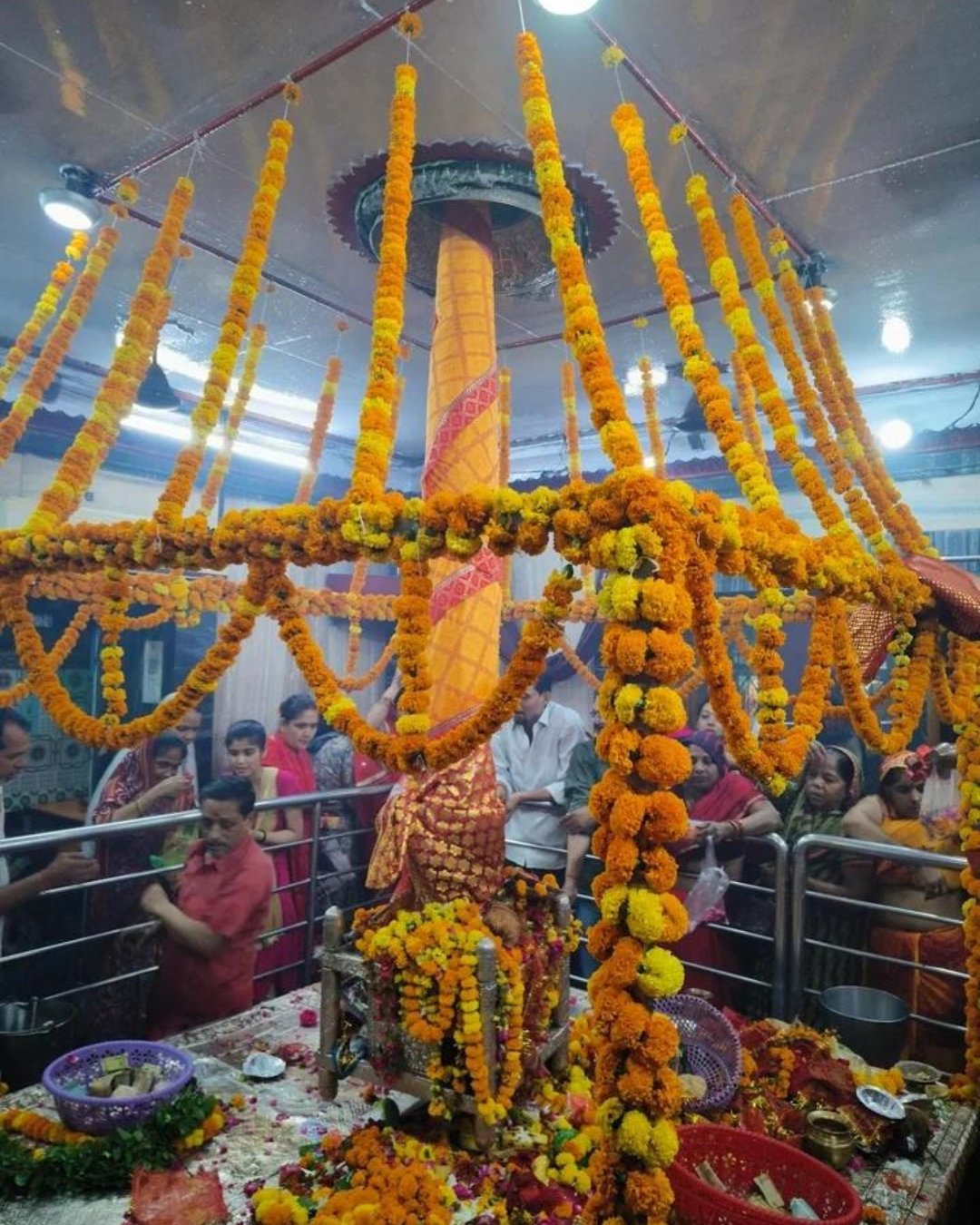
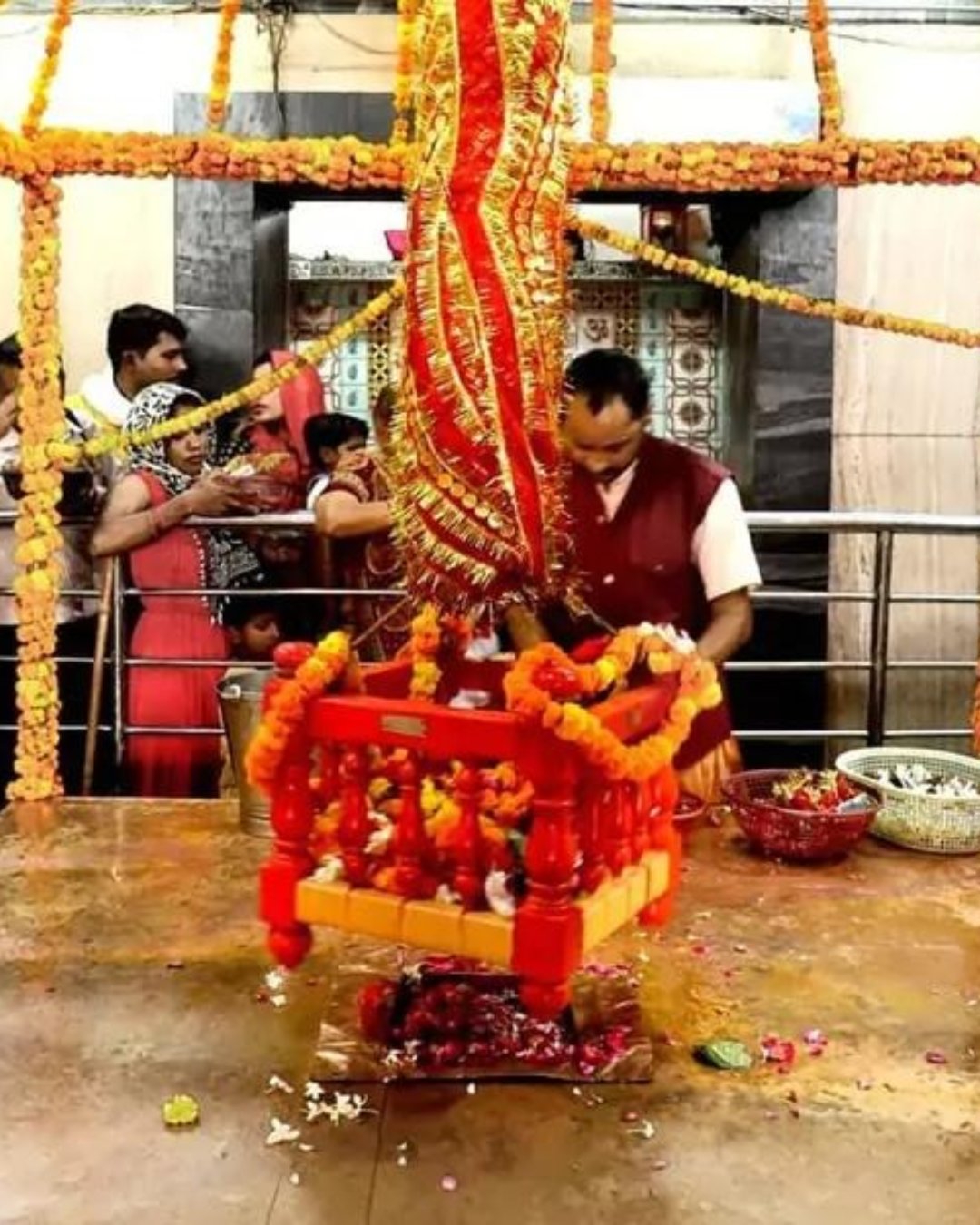
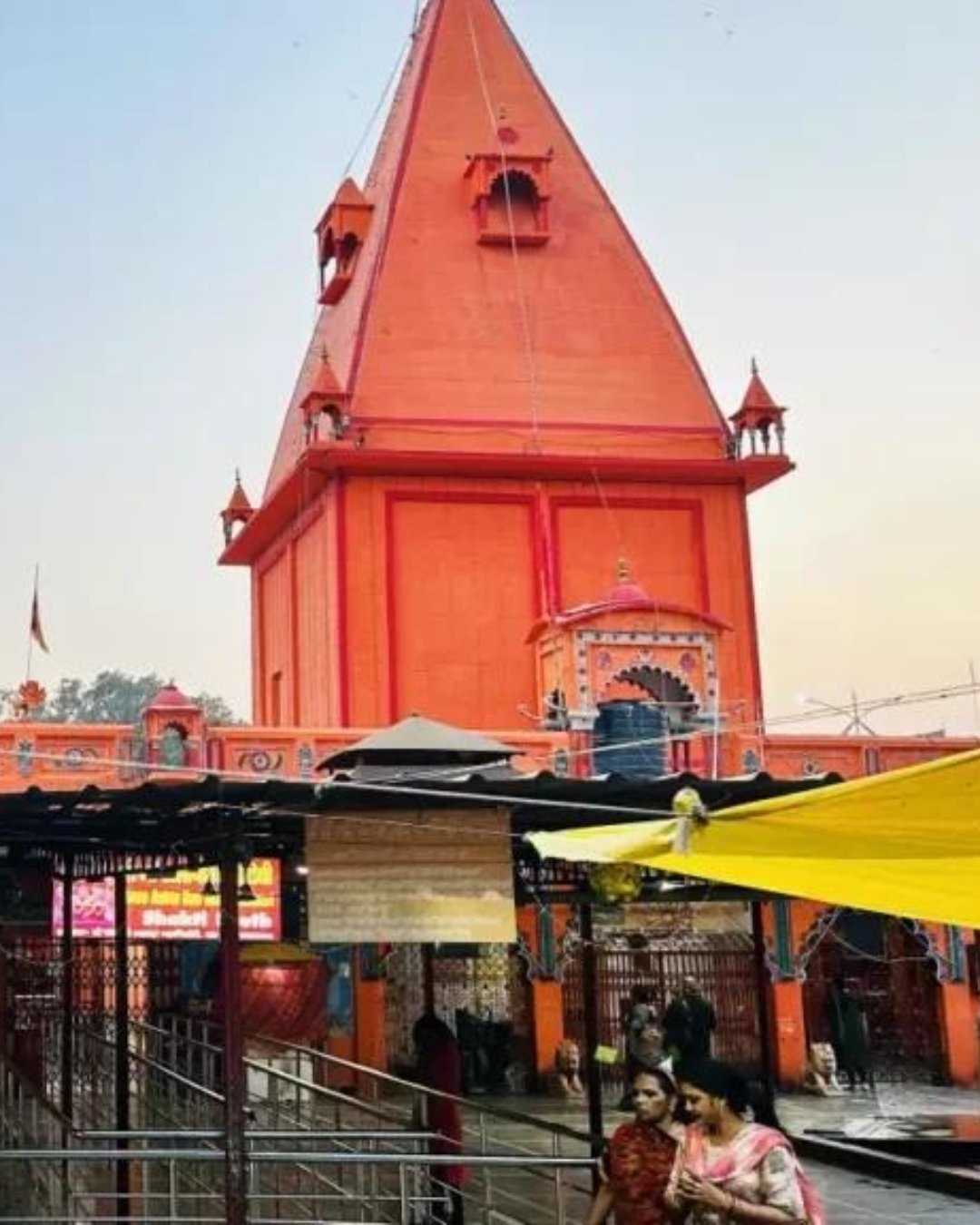
Alopi Devi Temple
You've probably got the Sangam and Bade Hanuman on your Prayagraj list and nothing else. But here's the thing nobody tells you: a short way from the confluence sits one of the most unusual temples in India — Alopi Devi, a Shakti Peetha with no idol at all. Where the deity would stand, there's a wooden cradle, a doli, and that empty swing is the object of worship. Most visitors to Prayagraj never hear of it, and the ones who do walk in expecting a statue and miss the entire point.
Let's fix that. Here's how the Alopi Devi Temple actually works, and how to get it right the first time.
Why the story comes first here
This isn't a temple you photograph and understand later — it's one you need the meaning of before you arrive, or it looks like an empty room. Alopi Devi is counted among the Shakti Peethas, the sites where parts of the goddess Sati are said to have fallen. The tradition here is that the last part fell at this spot and then vanished — *alop*, "disappeared" — which is why there's no image, only the cradle. You're worshipping an absence, deliberately.
So come knowing that, and the empty doli becomes the most striking thing you'll see in Prayagraj rather than a puzzle. Morning is best: the temple is active early, the aarti has real energy, and you beat both the heat and the midday lull.
What you'll actually see
Close to the Sangam, so it folds naturally into that morning:
The cradle (doli) — the swinging wooden cradle at the sanctum, worshipped in place of an idol. This is the whole point; look for it.
The kund — the small sacred tank within the complex.
The energy of the crowd — this is a living, busy local temple, not a monument; the devotion is the atmosphere.
The Sangam and Bade Hanuman — both close by, so string all three into one circuit.
Dress modestly and be ready to go barefoot from the shoe stand. Carry small notes for offerings and the shoe stall.
And keep the phone down inside, especially near the sanctum. Travellers who come here will tell you the same thing: there's no grand idol to photograph anyway, and the meaning isn't visual — it's in standing before a deliberately empty shrine in a temple full of people who've come to worship exactly that absence. Photography at the inner sanctum is often restricted; ask rather than assume. That quiet paradox — a crowded temple built around nothing you can see — is the part the photos never quite catch.
Pro tip: Pair it with the Sangam and Bade Hanuman in a single morning, since all three sit close together — do the confluence at sunrise, then the temples as the day warms. During Navratri the temple gets extremely busy and the queues are long; come very early on those days, or on an ordinary weekday for the calm version. And go in already knowing the "disappeared goddess" story — without it, the visit falls flat.
The mistakes that ruin it
Most first-timers trip over the same few things. They never hear of it and skip it entirely. They arrive expecting an idol, find a cradle, and leave confused. Or they come during Navratri with no plan and spend the visit in a queue.
The easy fix is to fold it into your Sangam morning, come with the story, and time it away from the festival crush — or have the circuit planned so the three sites flow together.
MomentKashi Vishwanath Temple Road, Varanasi
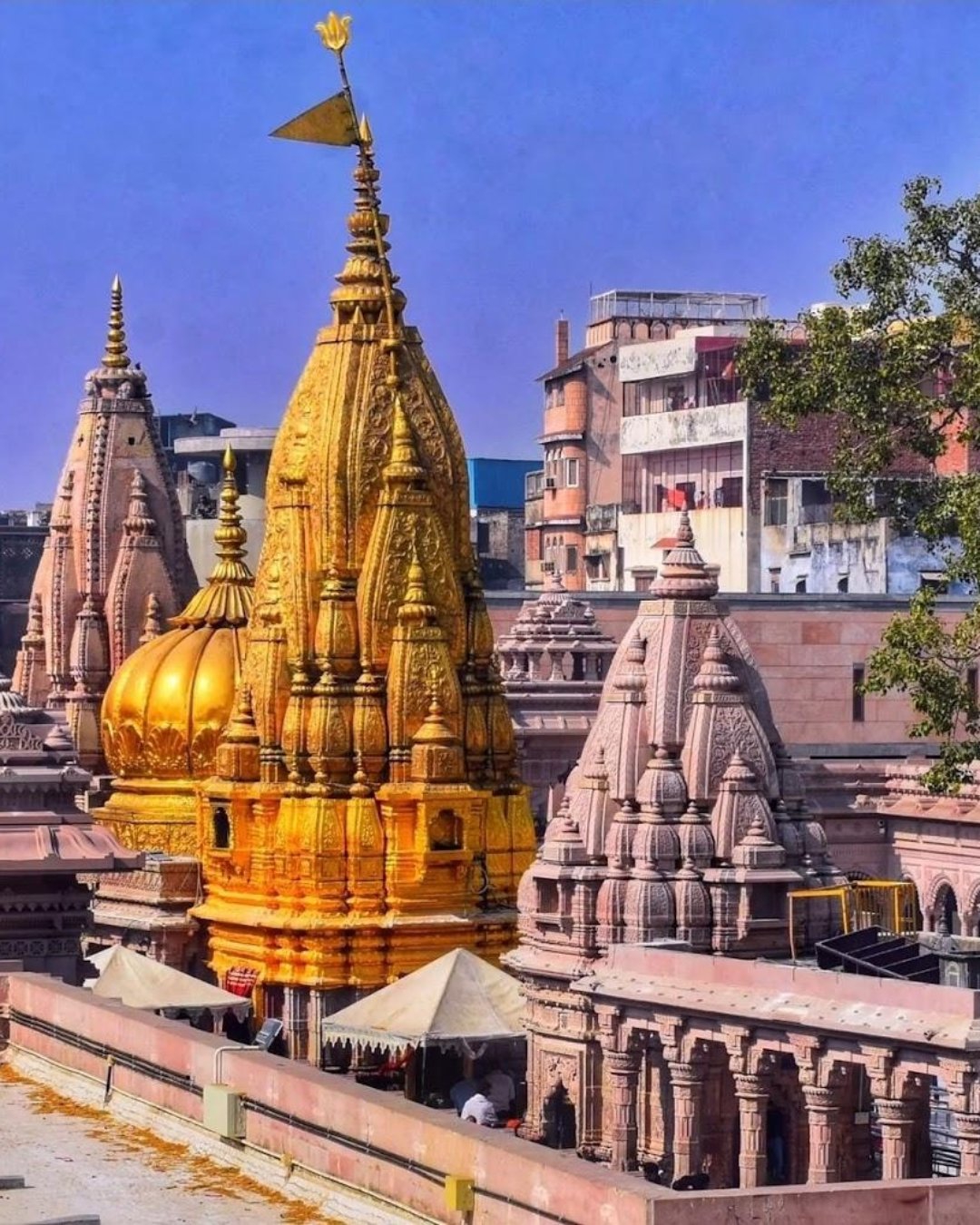
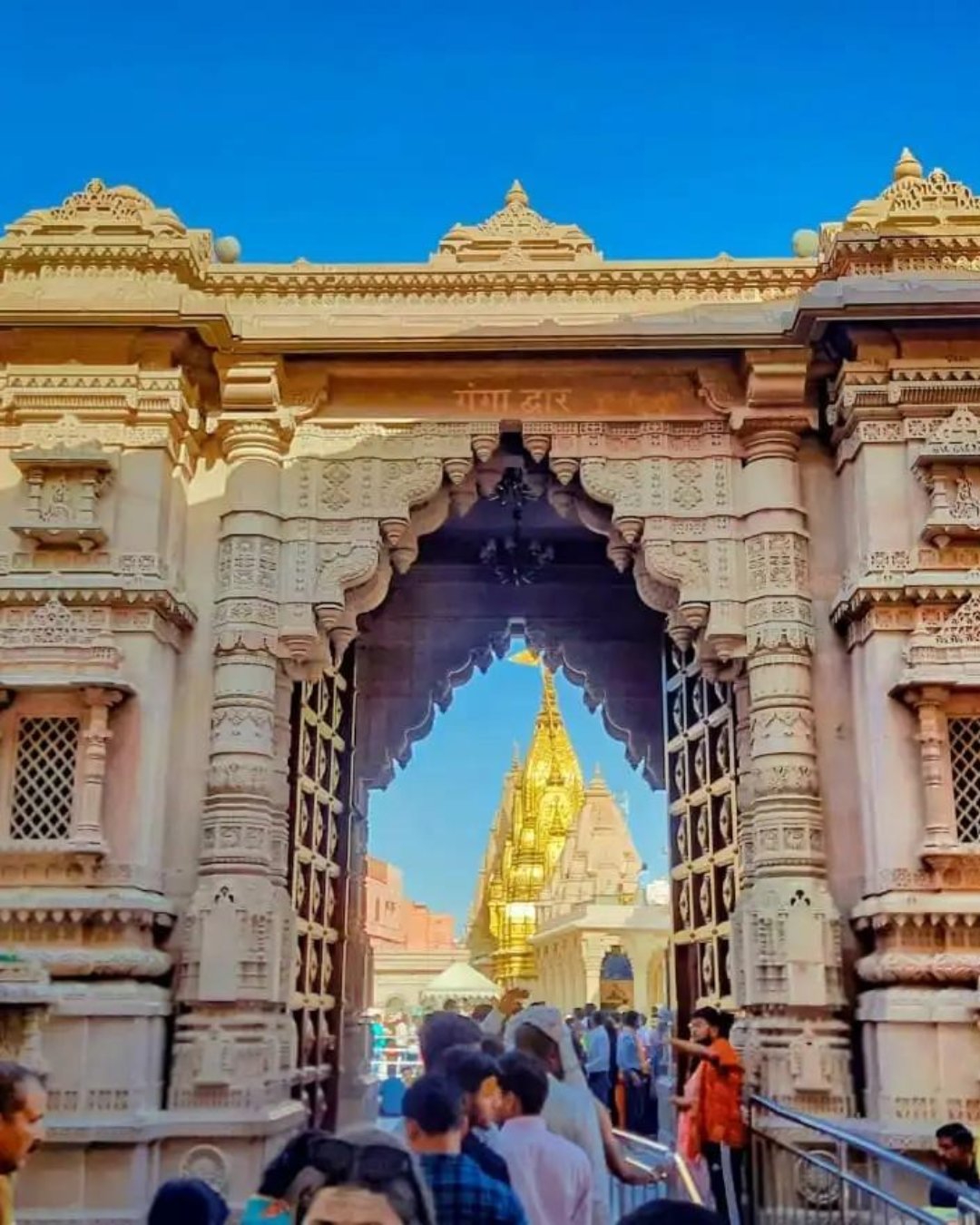
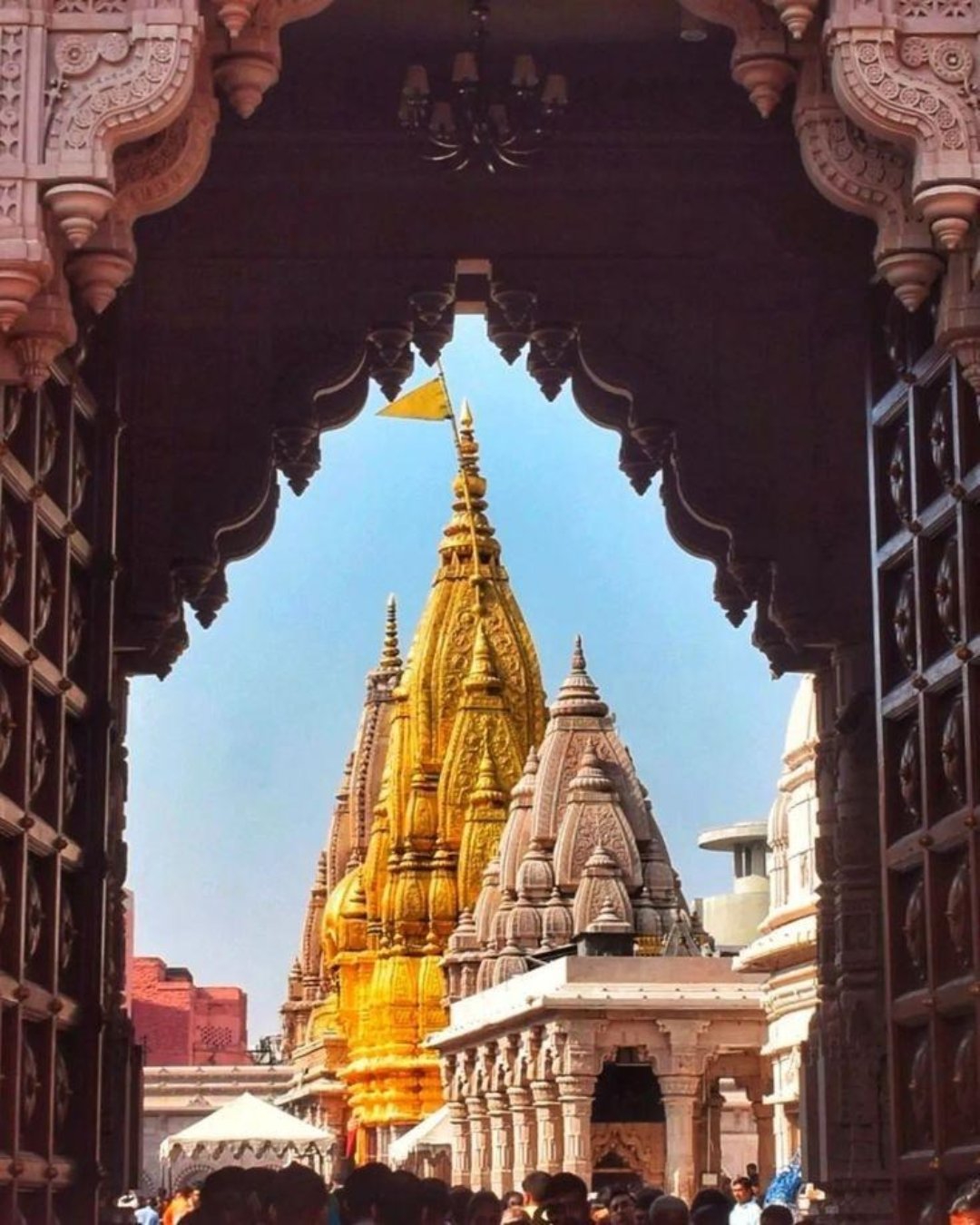
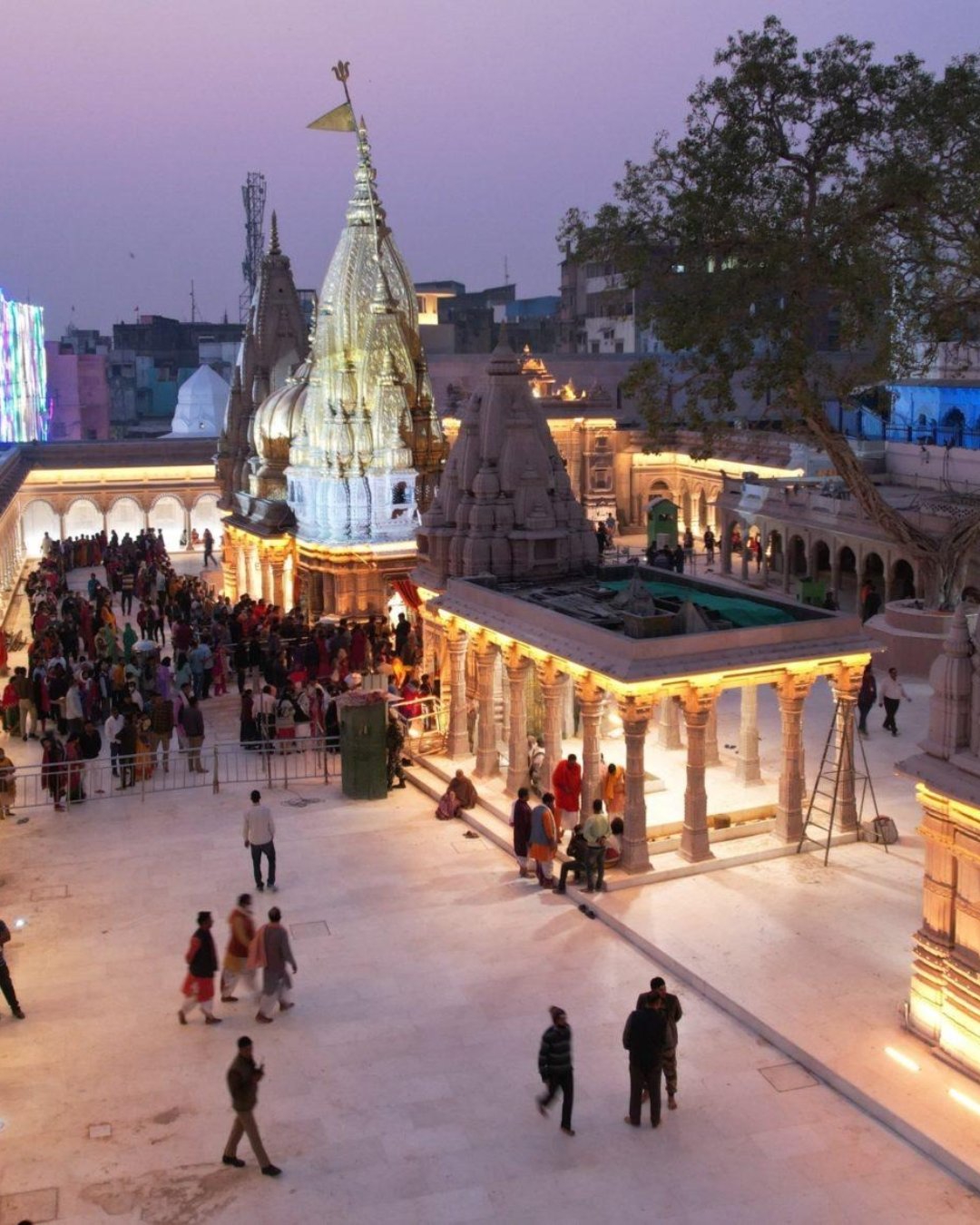
Kashi Vishwanath Temple
You've probably pictured the golden spire and a quiet moment before the lingam. But here's the thing nobody tells you: turn up at the wrong hour, through the wrong entrance, with your phone in your pocket, and you'll spend two hours in a security queue in the old lanes and reach the sanctum frazzled, if you reach it at all. A midday Monday darshan in Sawan is not the Kashi Vishwanath people describe with tears in their eyes.
Let's fix that. Here's how a darshan at the Golden Temple actually works, and how to get it right the first time.
Why the hour decides everything
The temple is open long hours — roughly 2:30 a.m. to 11 p.m. — but the crowd isn't spread evenly across them. The Mangala Aarti before dawn (around 3 a.m., ticketed and booked ahead) is the quietest, most powerful darshan of the day, in near-silence before the city wakes. By mid-morning the queues thicken and don't ease until night. Come at first light, right after your sunrise boat ride, and you walk in while everyone else is still asleep. Come at noon on a Monday — Shiva's day — or during the month of Sawan (July–August), and you're joining a queue that can run for hours.
What you'll actually see
Kashi Vishwanath is one of the twelve Jyotirlingas, the holiest Shiva shrines in India, rebuilt by Rani Ahilyabai Holkar in 1780. Inside the complex you'll find:
The gold spire and dome — plated with gold donated by Maharaja Ranjit Singh; the shikhara you'll have seen from the river.
The Jyotirlinga — the sacred lingam in the sanctum, where pilgrims offer Ganga water, milk and bilva leaves.
The Vishwanath Dham Corridor — the wide 2021 concourse linking the temple straight down to the ghats.
Nandi and the surrounding shrines — the bull facing the sanctum, and smaller temples around the courtyard.
Dress modestly, with shoulders and knees covered, and be ready to go barefoot from the shoe counter onward.
And here's the hard rule that trips up first-timers: you carry nothing inside. No phone, no camera, no bag, no belt, no leather — it's enforced at security, and the locker scramble at the gate eats your morning. Leave everything at the hotel and bring only ID and a little cash; foreigners should have a passport. Pilgrims who've done this will tell you the same thing: the twenty minutes inside with nothing to film is the part they remember most clearly — the chanting, the wet stone, the crush of people who've travelled a lifetime to be here. That's the part the photos never catch, because there are none.
Pro tip: Approach from the river through the corridor, not the tangled lanes — arrive by boat at the Dham's ghat gate and walk straight up. Book Sugam Darshan (or the Mangala Aarti) online in advance to skip the general queue; on a busy day it saves hours. And go early on a weekday — avoid Monday and Sawan unless the sea of devotion is precisely what you've come for.
The mistakes that ruin it
Most first-timers trip over the same few things. They fight through the galis not knowing the river entrance exists. They arrive phone-in-hand and lose an hour to lockers. Or they come on a Monday in Sawan with no booking and stand for three hours in the sun.
The easy fix is to come at first light through the corridor, with nothing in your pockets and a darshan slot booked — or let it be arranged so you simply walk in.
MomentShree Annapurna Mandir, Varanasi
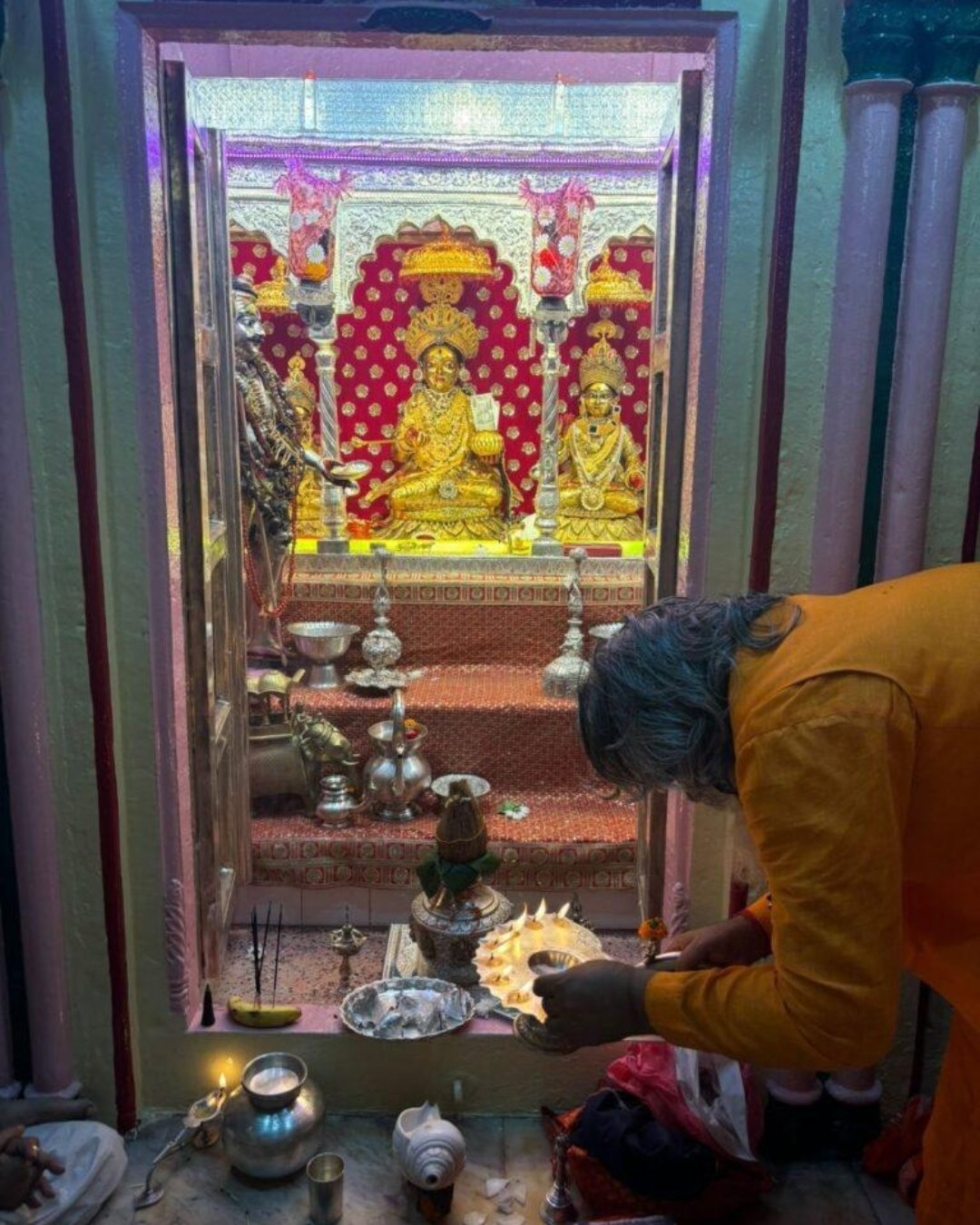
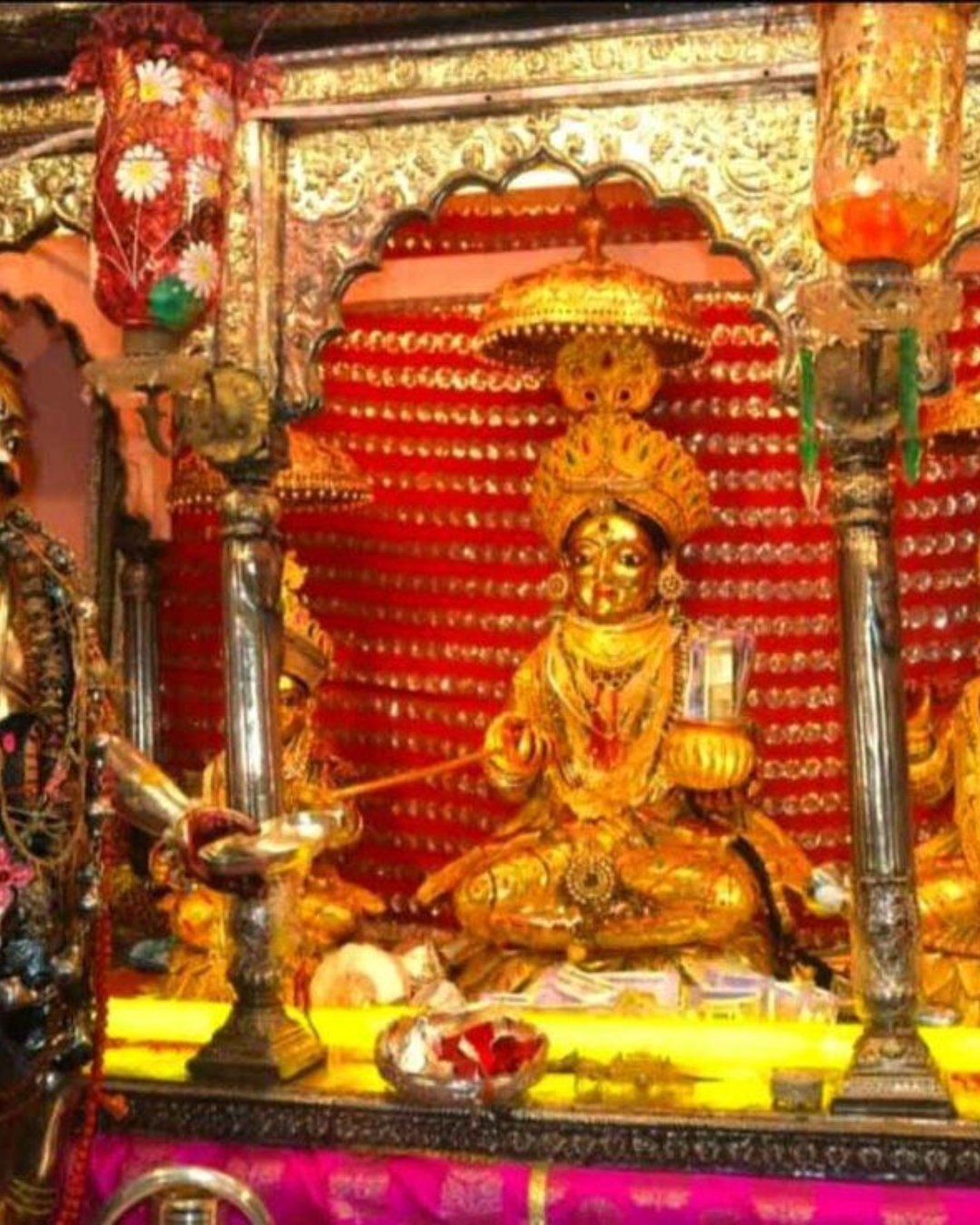
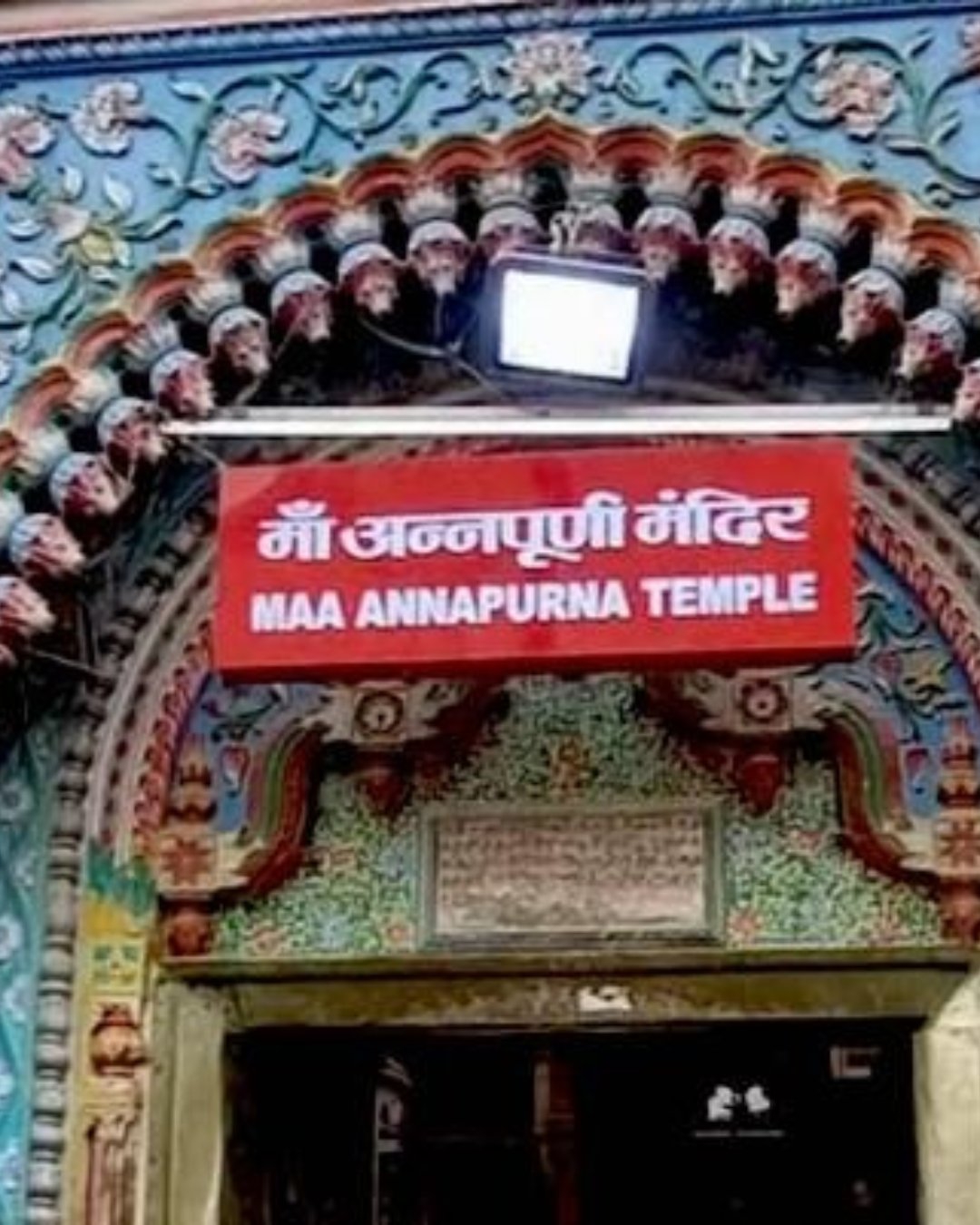
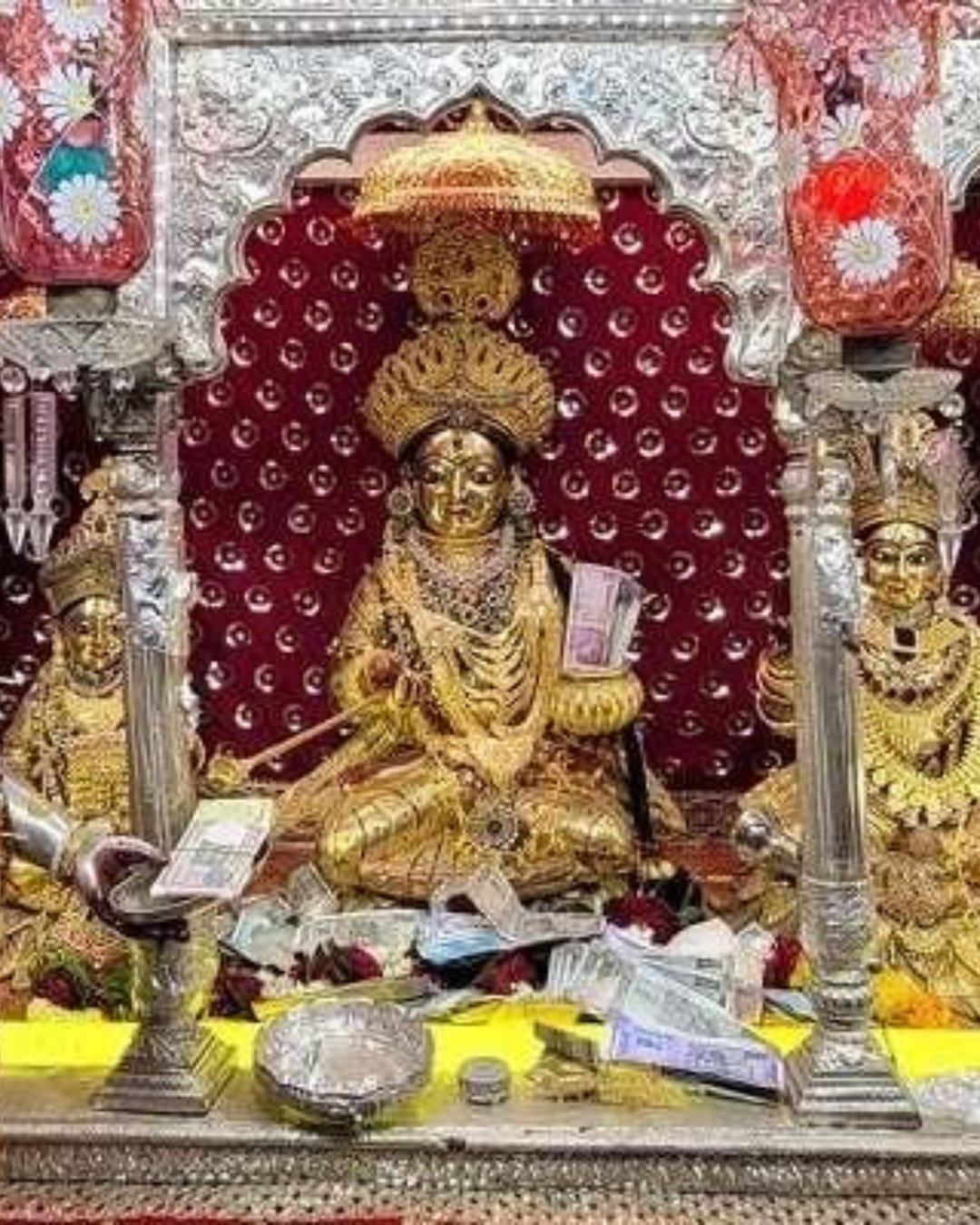
Annapurna Devi Temple
You've probably got Kashi Vishwanath circled and nothing else. It's the temple everyone comes for, the one with the queue and the corridor. But here's the thing nobody tells you: standing right beside it is Annapurna Devi — the goddess of food and nourishment, Kashi's own mother-figure, and to locals arguably the more beloved of the two. Most visitors do Vishwanath, feel the crush, and leave without knowing they walked past her door. And once a year she gives away something you can't get anywhere else.
Let's fix that. Here's how the Annapurna Devi Temple actually works, and how to get it right the first time.
Why you pair it with Vishwanath, and go early
Annapurna Devi sits a few steps from Kashi Vishwanath in the old-city tangle, and the two are traditionally visited together — Shiva and the goddess who feeds him and the whole city. Coming all the way into the galis for one and skipping the other, when they're side by side, is the mistake.
Go early, for the same reason you go early to Vishwanath: the lanes are quieter, the queue is short, and the morning is when the temple is at its most devotional rather than its most crowded. The two darshans fold into one visit — do Vishwanath, step across to Annapurna, and you've honoured both without a second trip into the old city.
What you'll actually see
The main shrine — Annapurna as the goddess of food, often shown holding a vessel of rice and a ladle.
The golden Annapurna — a special idol of the goddess in gold, shown to the public only around Annakut, just after Diwali.
The temple kitchen and prasad — food is central here; annadan, the giving of food, is the whole point of the place.
The old-city setting — deep in the galis, moments from Vishwanath, thick with the life of the lanes.
Dress modestly and be ready to go barefoot from the shoe stand. Carry small notes for offerings and the shoe counter.
And keep the phone away inside. Travellers who make the effort will tell you the same thing: this isn't a monument to photograph, it's a working temple where people come to thank the goddess who feeds them, and the feeling of that — quieter and warmer than the intensity next door — is the part no photo carries. Photography inside is generally not allowed anyway; ask, don't assume.
Pro tip: If you can time it, come around Annakut, the day after Diwali, when the rare golden idol of Annapurna is displayed and coins and grain are given to devotees as a blessing of prosperity — it's one of the most special days in the Kashi calendar, and few tourists know to be there. Any other time, simply pair the darshan with Kashi Vishwanath next door, early in the morning. And leave your phone and bag at the hotel, since you'll be in the high-security Vishwanath zone either way.
The mistakes that ruin it
Most first-timers trip over the same few things. They do Vishwanath and never realise Annapurna is right there. They come in the afternoon crush instead of the quiet morning. Or they turn up hoping to see the golden idol on an ordinary day, when it's only shown around Annakut.
The easy fix is to visit both temples together, early, knowing what Annapurna is — because without that, you'll walk right past the goddess the city loves most.
MomentK28/15, Varanasi
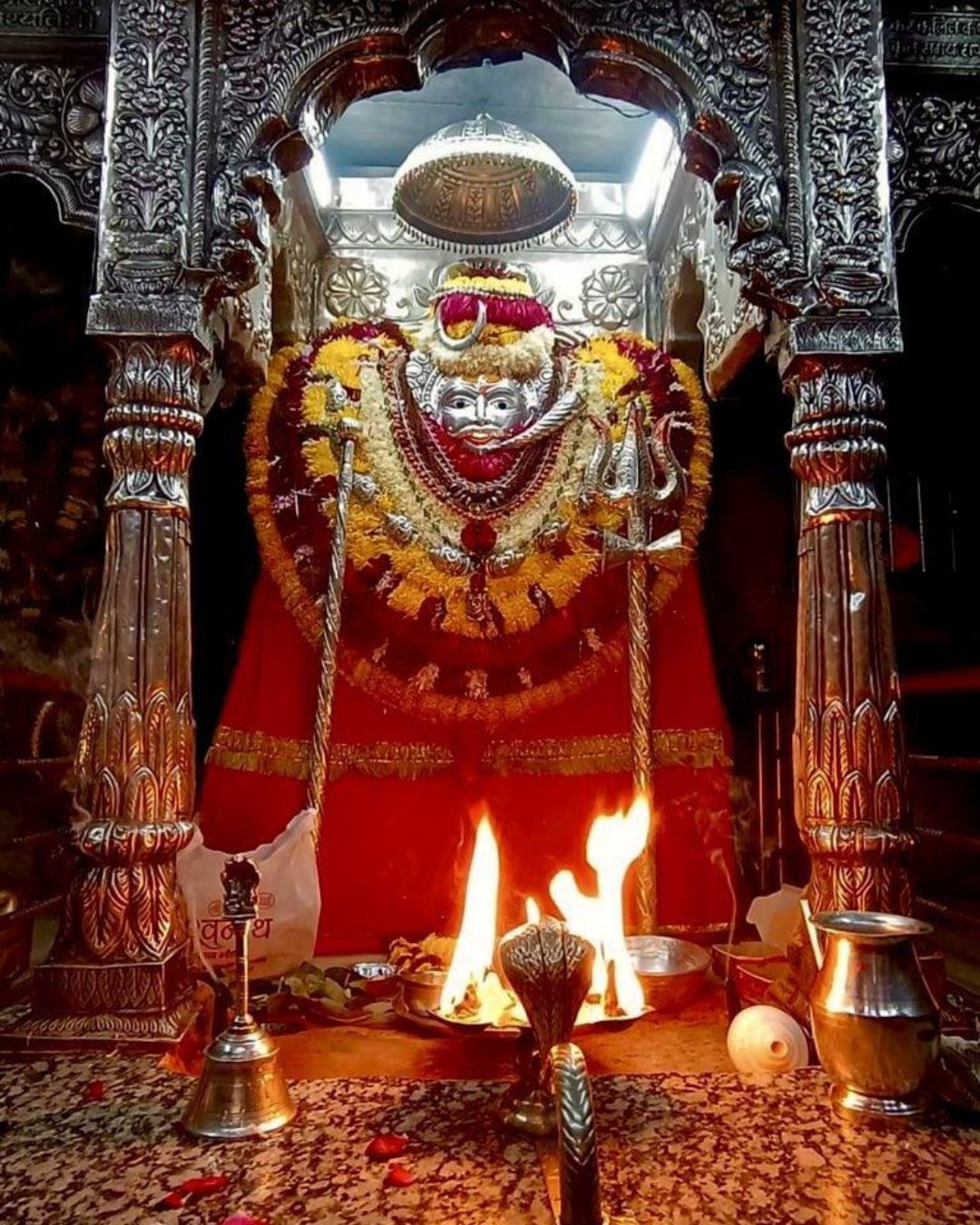
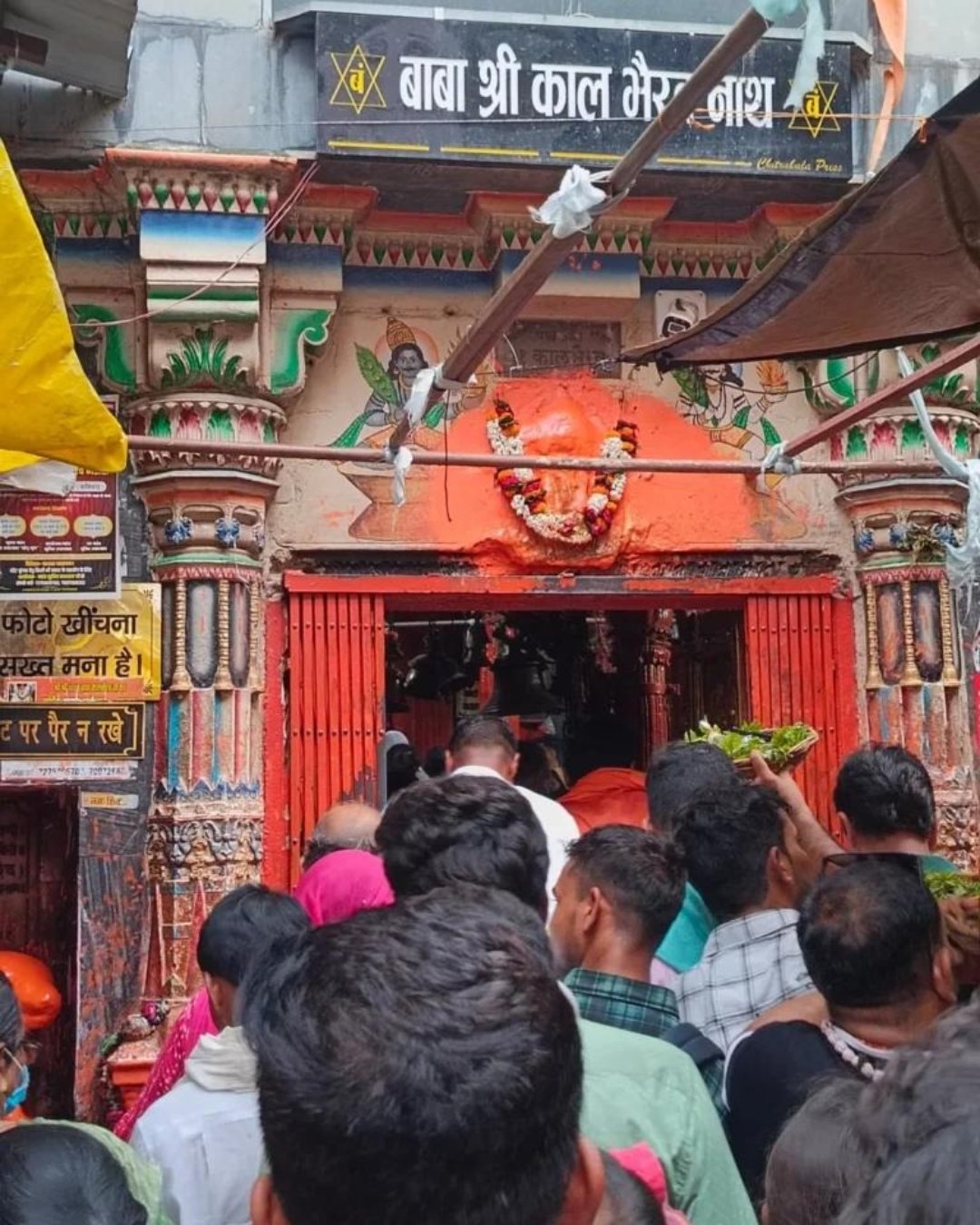
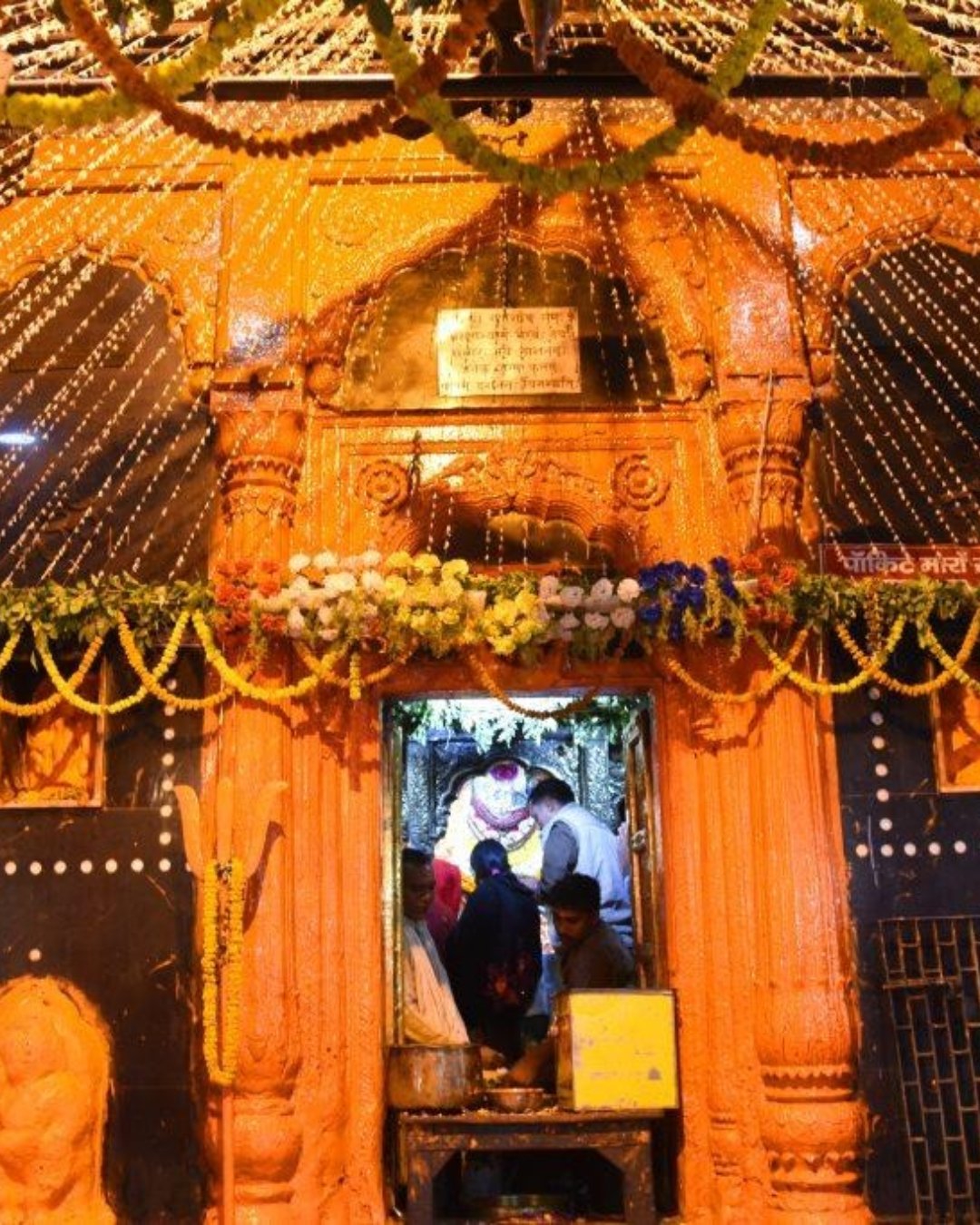
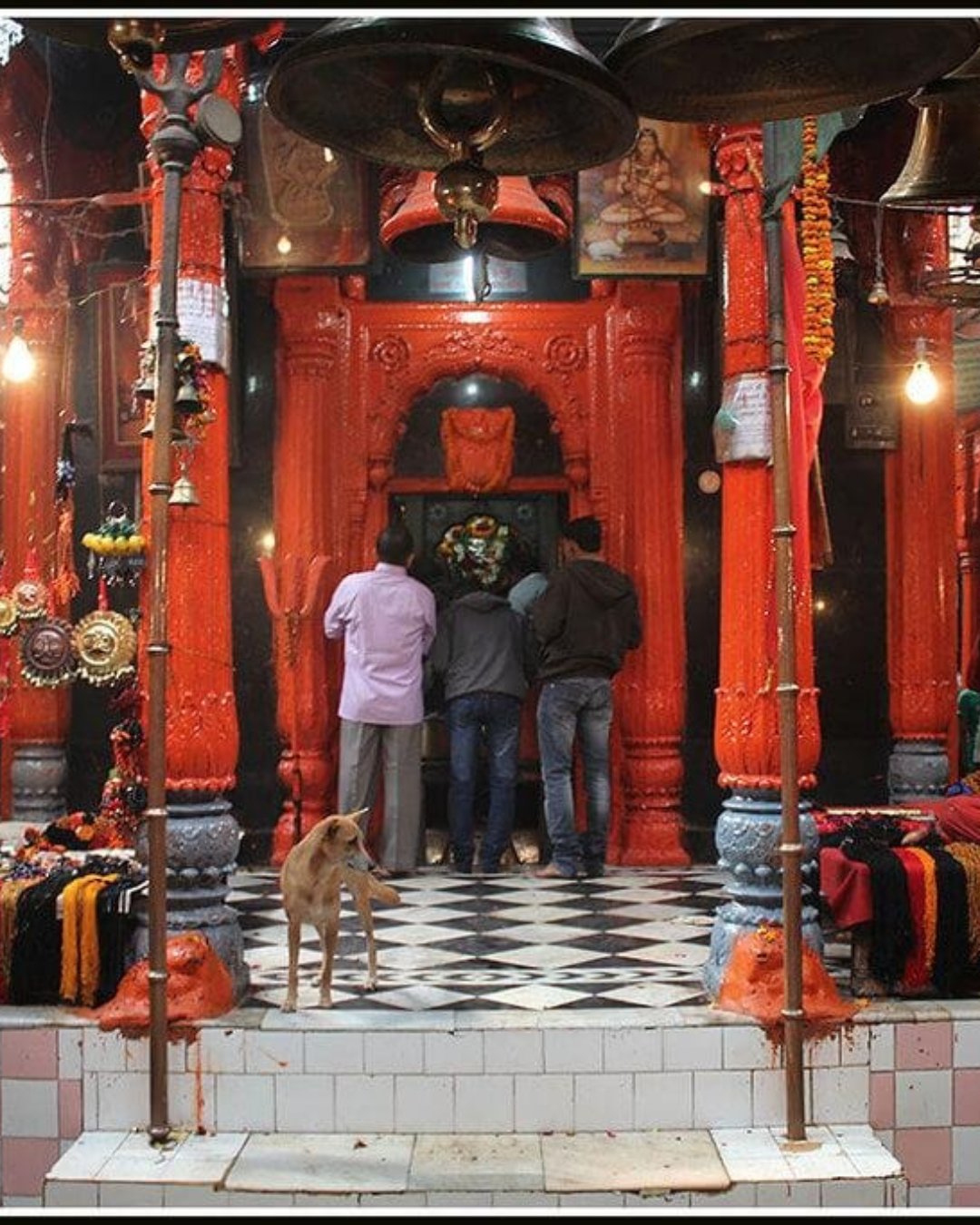
Kal Bhairav Temple
You've probably got your list built around the river — the ghats, the aarti, Kashi Vishwanath — and Kaal Bhairav isn't on it. But here's the thing nobody tells you: in Varanasi's own tradition, this is the temple that outranks the checklist. Kaal Bhairav is the Kotwal of Kashi, the fierce guardian-magistrate of the city, and locals will tell you a Kashi pilgrimage isn't complete until you've had his darshan — some say you should come here first, before Vishwanath. Most visitors never find it, tucked in the lanes north of the Chowk, and miss the one temple the city considers non-negotiable.
Let's fix that. Here's how Kaal Bhairav actually works, and how to get it right the first time.
Why the morning, and why this temple
Kaal Bhairav is a form of Shiva in his fearsome aspect — the guardian who holds the keys to the city, before whom even death answers. That's not a tourist framing; it's how Kashi understands itself, and it's why the temple has a steady flow of local devotion that the river-front sights don't.
Go in the morning, after your boat ride and before the lanes get impossible. The temple opens early and closes for a midday break, so a late-morning arrival can find the doors shut. Mornings are also when the devotion is real and the queue still short — by evening aarti, on a Tuesday or Sunday (Bhairav's days), it's a different, denser crowd.
What you'll actually see
It's small, old, and easy to miss from the lane — which is half its character:
The silver-faced deity — the sanctum image, garlanded, often only the face visible, intense and unmistakable.
The black-thread prasad — a distinctive black protective thread (*kala dhaga*) tied at the temple, worn for safekeeping. This is the takeaway here, not a photo.
The dog motif — Bhairav's mount is the dog; you'll see the imagery, and often actual temple dogs, treated with respect.
The old Chowk lanes — the temple sits in the dense heart of the city, worth the walk in itself.
Dress modestly and be ready to go barefoot from the shoe stand. Carry small notes for the thread and offerings.
And keep the phone away inside. Travellers who find their way here will tell you the same thing: this isn't a monument staged for visitors, it's a working shrine with a genuinely intense atmosphere, and photography of the sanctum is generally not welcome. Stand in it instead. The scale of the devotion, the fierce little face in the silver, the sense that you're somewhere the city takes seriously in a way it doesn't take the photo-ops — that's the part the photos never quite catch.
Pro tip: Come on a Tuesday or Sunday if you want to see it at its most alive — those are Bhairav's days and the temple fills. Tie the black thread and wear it; it's the point of coming, more than any picture. Check the midday closing before you set out, and take a guide or a local to find it — it's in a warren of lanes and genuinely hard to locate on your own. And if you're doing Kashi Vishwanath the same day, tradition says Bhairav first.
The mistakes that ruin it
Most first-timers trip over the same few things. They never find it, or don't know it exists. They arrive at midday to a closed door. Or they treat it as a photo stop and miss that the black thread and the darshan are the whole reason to come.
The easy fix is to go in the morning with someone who knows the lanes — because unguided, this is a temple most visitors walk right past without ever knowing what they missed.
MomentDashashwamedh Ghat, Varanasi
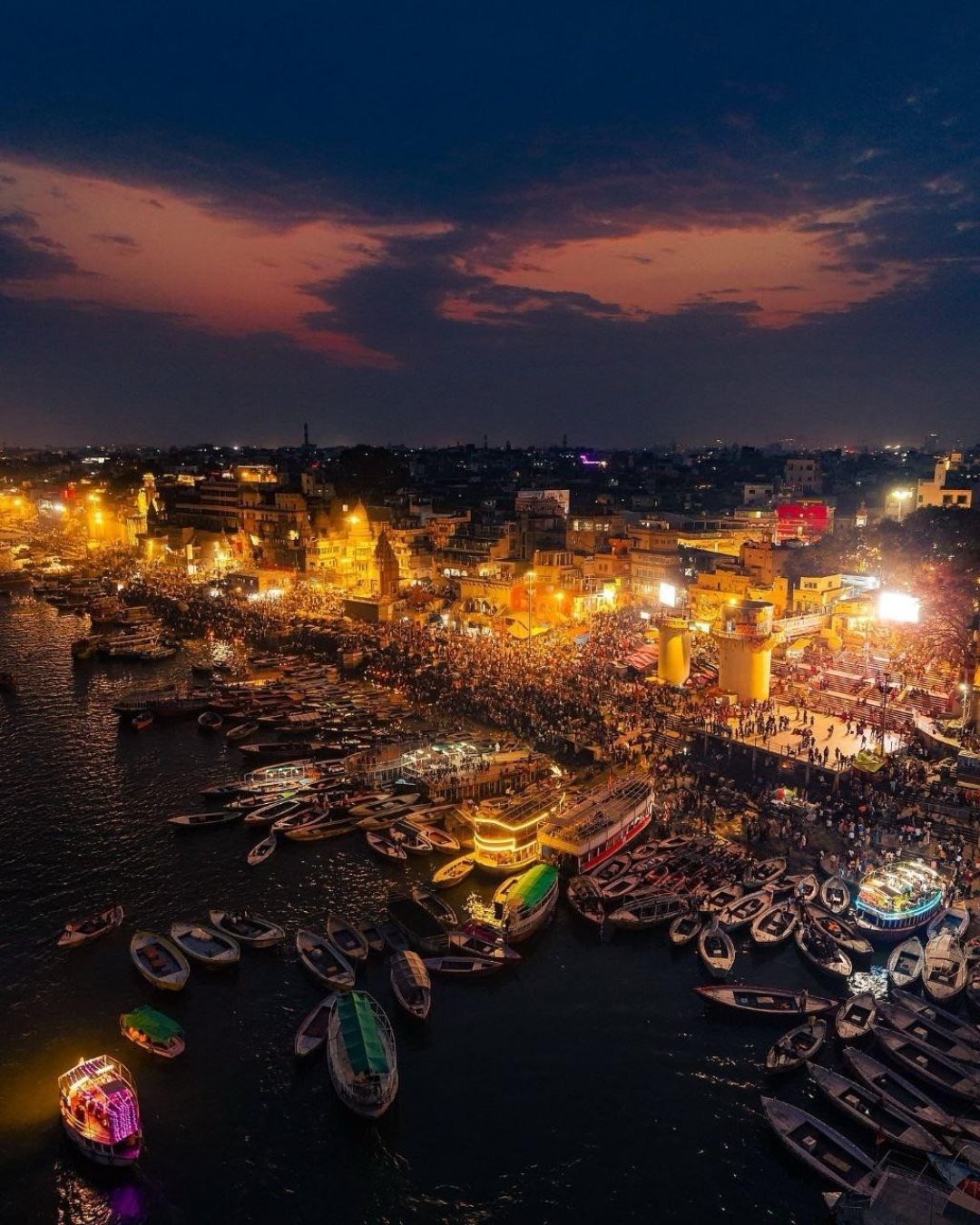

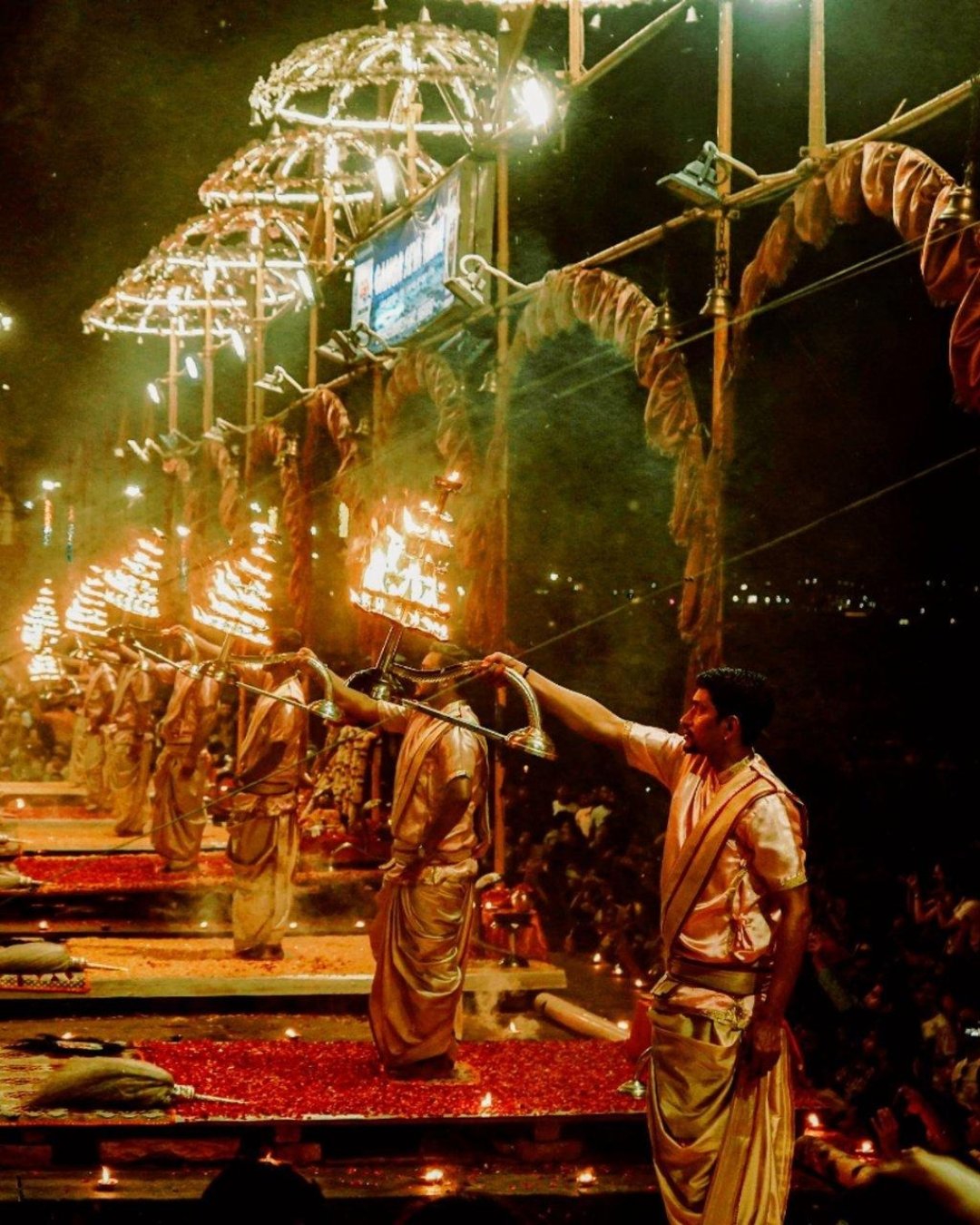
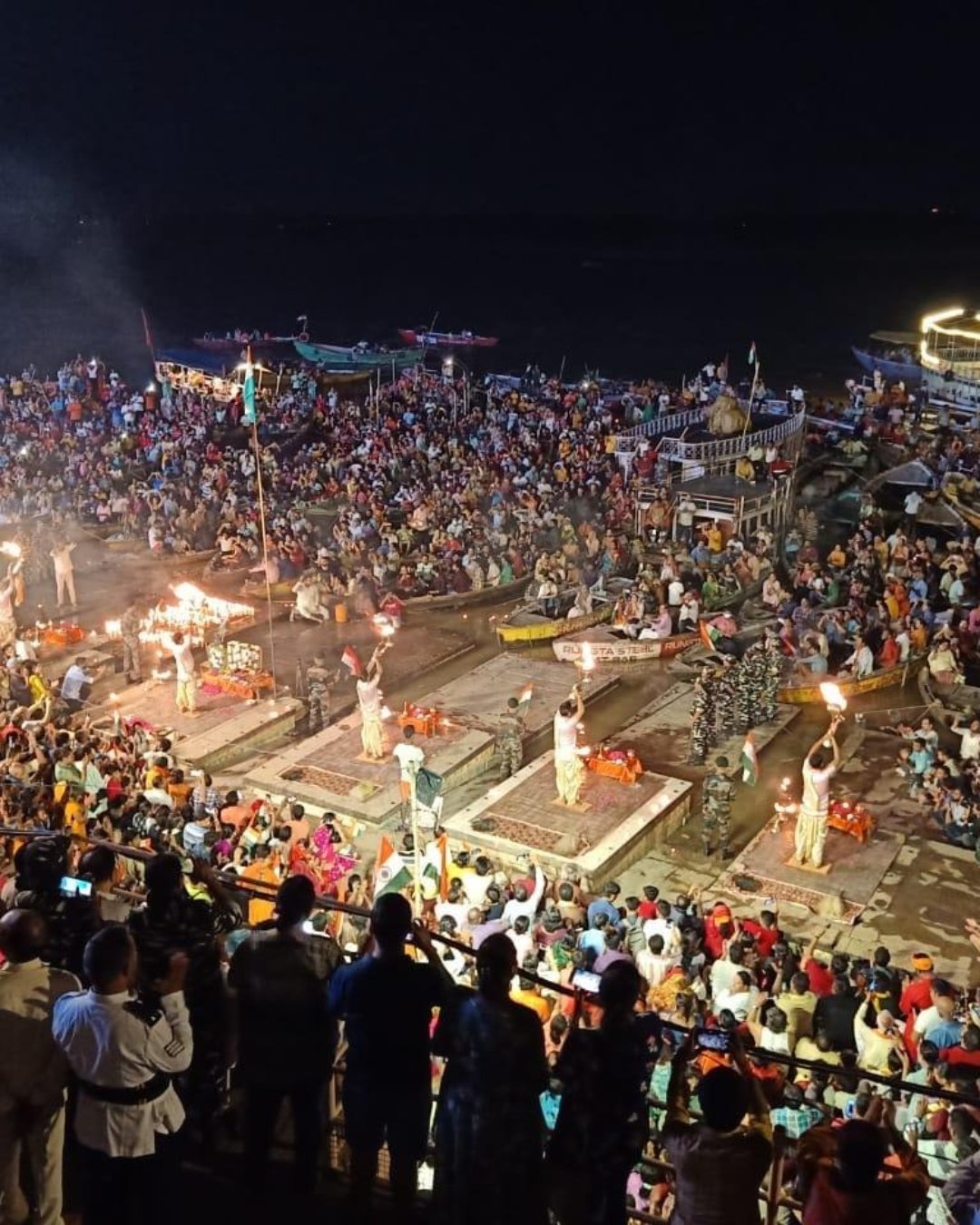
Dashashwamedh Ghat & Ganga Aarti
You've probably only pictured it at night. Fire, brass lamps, the aarti crowd — the Dashashwamedh everyone photographs. But here's the thing nobody tells you: the same steps have a whole daytime life that almost every visitor sleeps through, and the ghat's real story isn't the evening show at all. Come back in the morning light and you'll find the busiest, oldest, most storied stretch of the entire riverfront doing what it's done for centuries, with barely a tourist in sight.
Let's fix that. Here's how Dashashwamedh Ghat works by day, and how to get it right the first time.
Why the morning, and what the name means
Dashashwamedh means "the ghat of ten horse sacrifices" — the tradition holds that Brahma himself performed the Dashashwamedha Yajna here, which is why it's counted among the holiest ghats in Kashi and sits at the very centre of the waterfront. That weight is invisible at night behind the ceremony. In the morning you can actually feel it.
Come between the sunrise boat ride and breakfast. The priests are setting up under their bamboo umbrellas, pilgrims are taking the ritual dip, flower-sellers and pandas are opening up, and the light comes low across the river onto the steps. By mid-morning the heat and the crowds build; the golden window is early.
What you'll actually see
The pandas' umbrellas — the tiered bamboo parasols where priests sit to bless bathers, the ghat's signature daytime image.
The morning bathers — pilgrims performing puja and taking the dip, unhurried and unbothered.
Shitala Temple — the goddess temple on the ghat itself, active through the morning.
The aarti stage — empty now, so you can see how the whole thing is built before the evening transforms it.
Bring a light layer and sun cover, and carry small notes for a flower offering or a diya.
And here you can have the phone out — daytime Dashashwamedh is a scene made for watching and photographing, unlike the temples and cremation ghats. But look first. Travellers who linger here in the morning will tell you the same thing: the ceremony at night is the spectacle, but the ordinary morning — a barber at work, a wrestler stretching, a widow in white on the steps, the river going about its business — is the part that stays with you. That's what the evening crowds never see.
Pro tip: Do the daytime ghat as the natural end of your sunrise boat ride — step off here, buy chai at the top of the steps, and watch the morning unfold before the heat. Then come back the same evening for the Ganga Aarti, and you've seen Dashashwamedh whole, both faces of it. Avoid the midday hours, when the sun is hard and the touts most active.
The mistakes that ruin it
Most first-timers trip over the same few things. They only ever see the ghat at night and miss its daytime life entirely. They come at midday, in the heat and the hustle. Or they treat it purely as the aarti venue and never learn what the name and the place actually mean.
The easy fix is to be here in the early morning, off the boat, unhurried — and to come back for the aarti separately.
Destination
Varanasi, Uttar Pradesh, India
Experience layers
Go further into one part of this trip.