

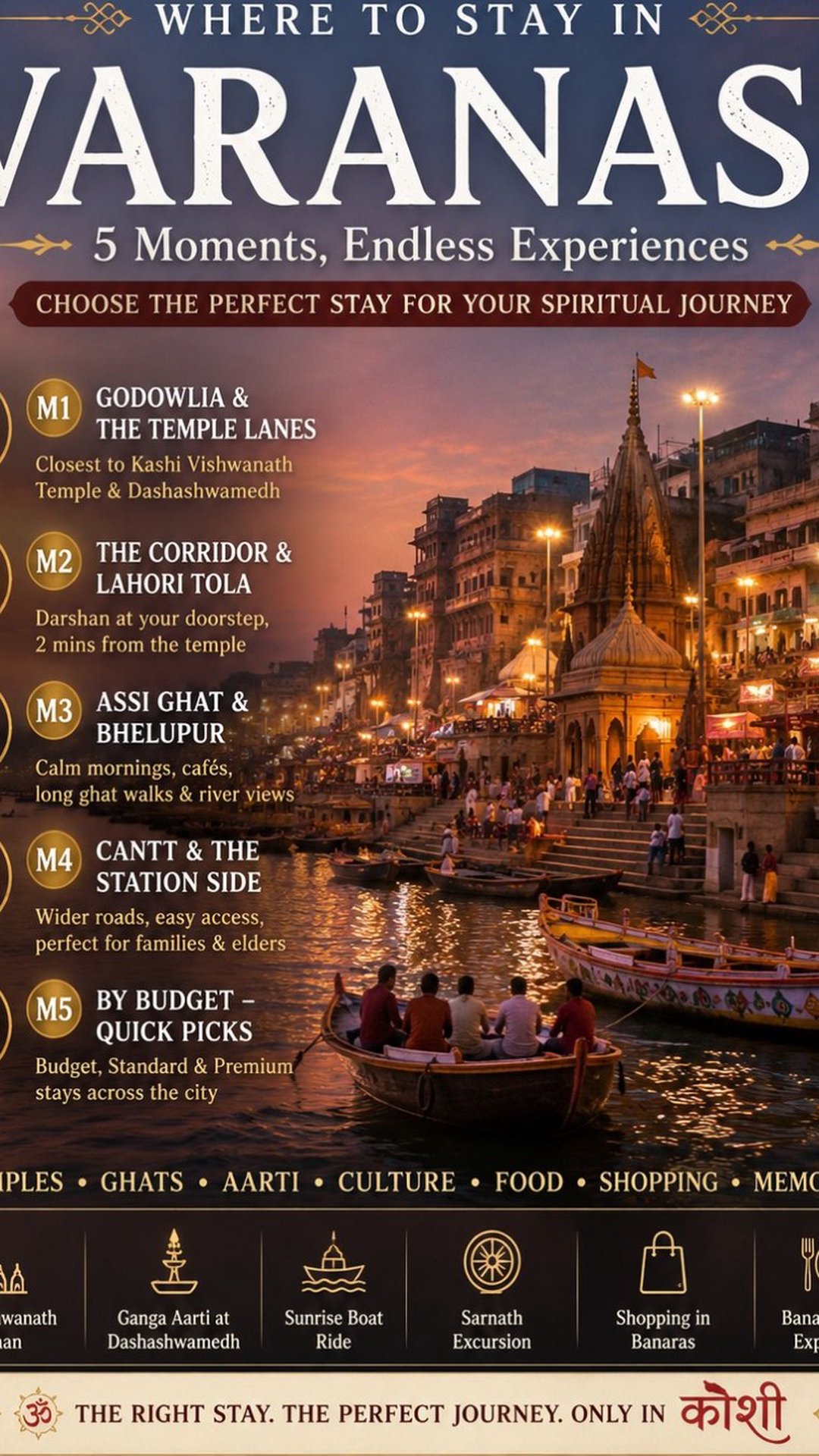
Best places to stay in Varanasi: Area Guide by Budget
Where to stay in Varanasi: Godowlia for temple access, Assi Ghat for calm, Cantt for comfort. Best areas, hotels & budget picks for every traveller.
This guide helps you explore Varanasi's best accommodation areas—from the vibrant lanes of Godowlia, the pilgrimage-focused Kashi Vishwanath Corridor & Lahori Tola, and the serene riverfront of Assi Ghat & Bhelupur, to the convenient hotels around Varanasi Cantt. It also walks you through the best Budget, Standard, and Premium stay options, making it easy to choose the ideal hotel for your pilgrimage, family vacation, cultural getaway, or luxury escape.
No matter where you stay, you'll enjoy easy access to Varanasi's most iconic experiences, including Kashi Vishwanath Darshan, the spectacular Ganga Aarti at Dashashwamedh Ghat, a peaceful sunrise boat ride on the Ganga, the historic lanes of Old Banaras, delicious street food, Banarasi silk shopping, and nearby attractions like Sarnath.
Whether you're a pilgrim seeking spiritual peace, a family looking for comfort, or a traveler wanting to immerse yourself in the culture of the world's oldest living city, this guide helps you choose the perfect stay and enjoy a seamless Varanasi experience. With thoughtfully selected accommodations, local expertise, and customizable tour packages, all that's left for you to do is arrive, explore, and create memories that will stay with you long after your journey ends.
433
Route
Home
MomentGodowlia, Varanasi

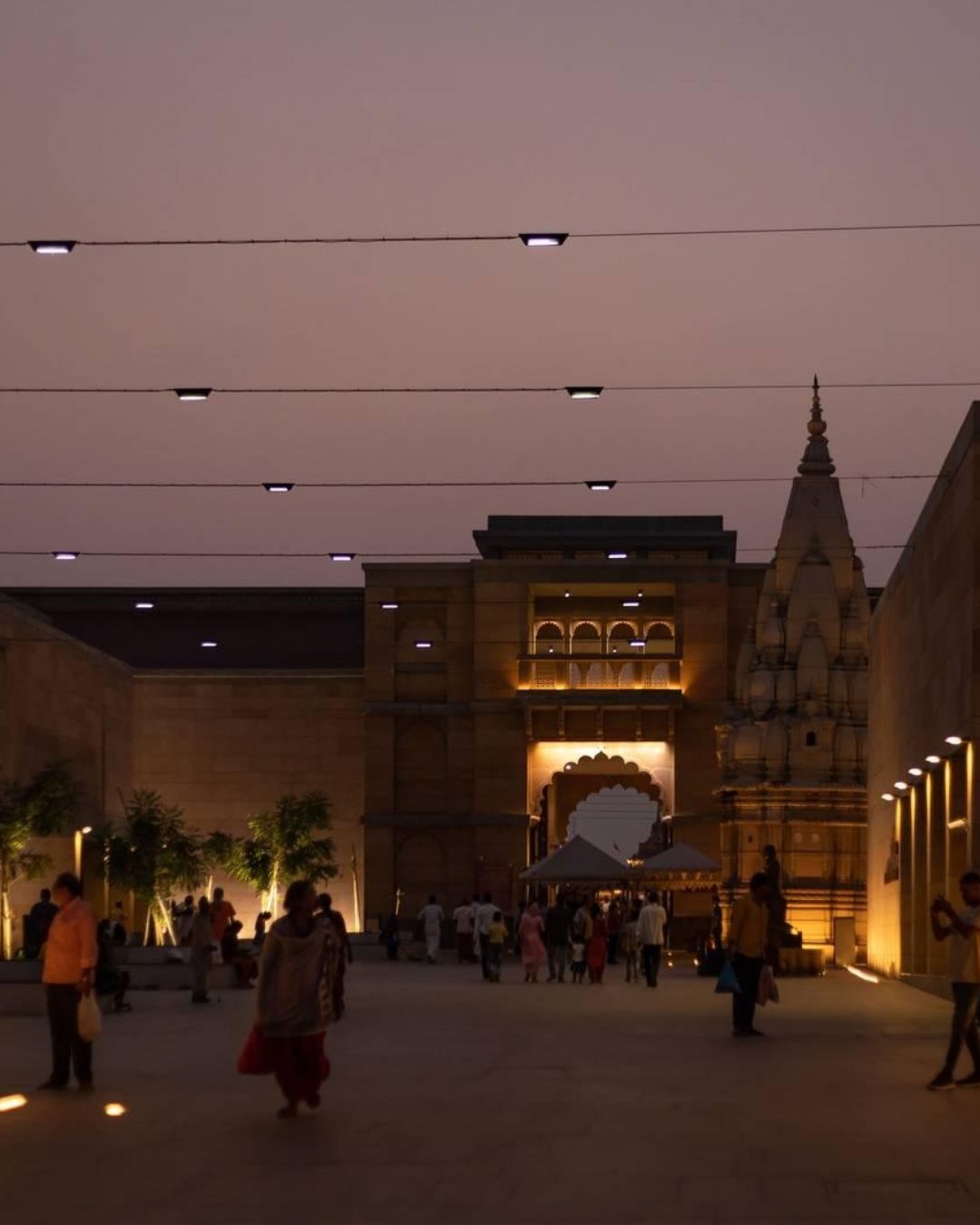
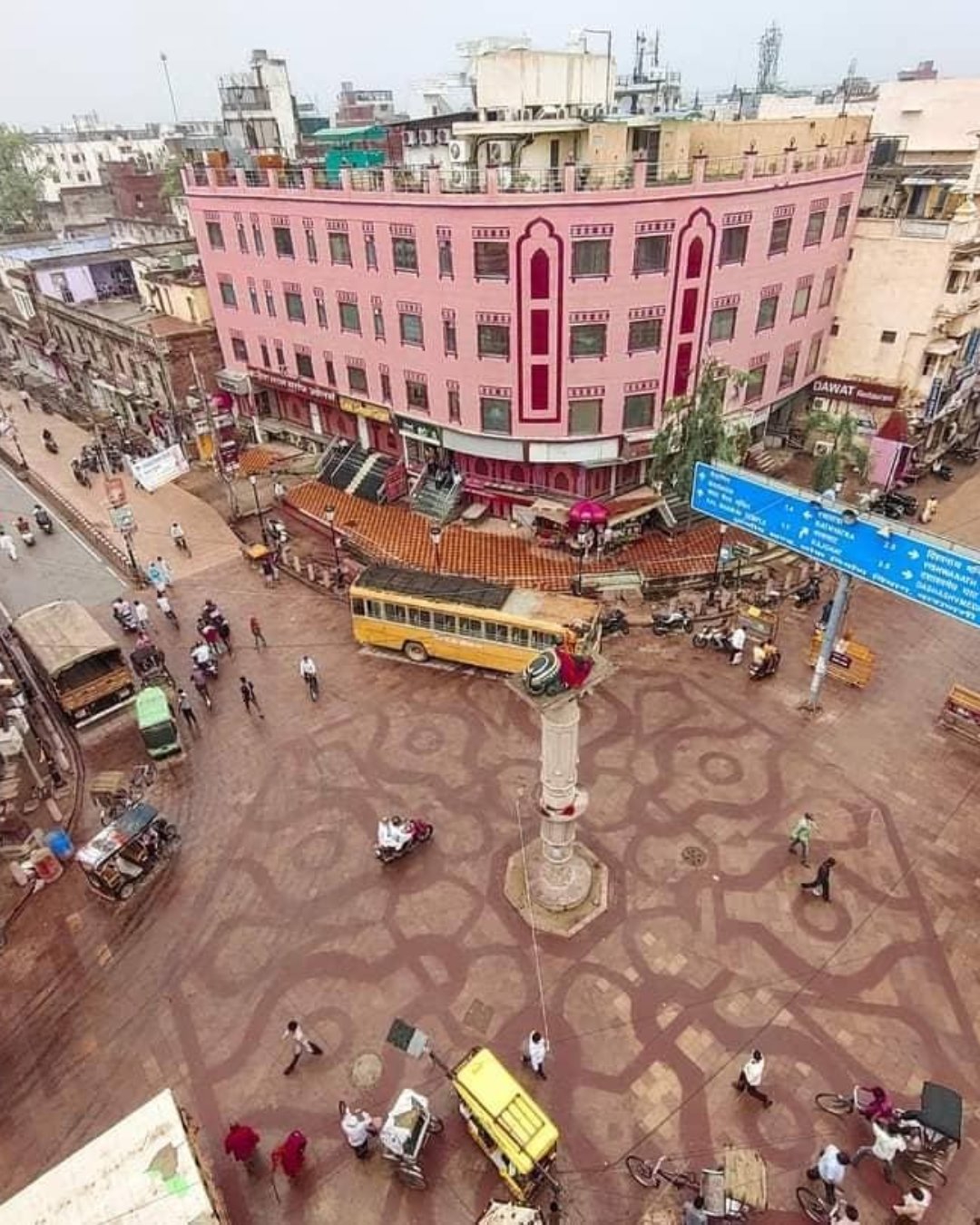
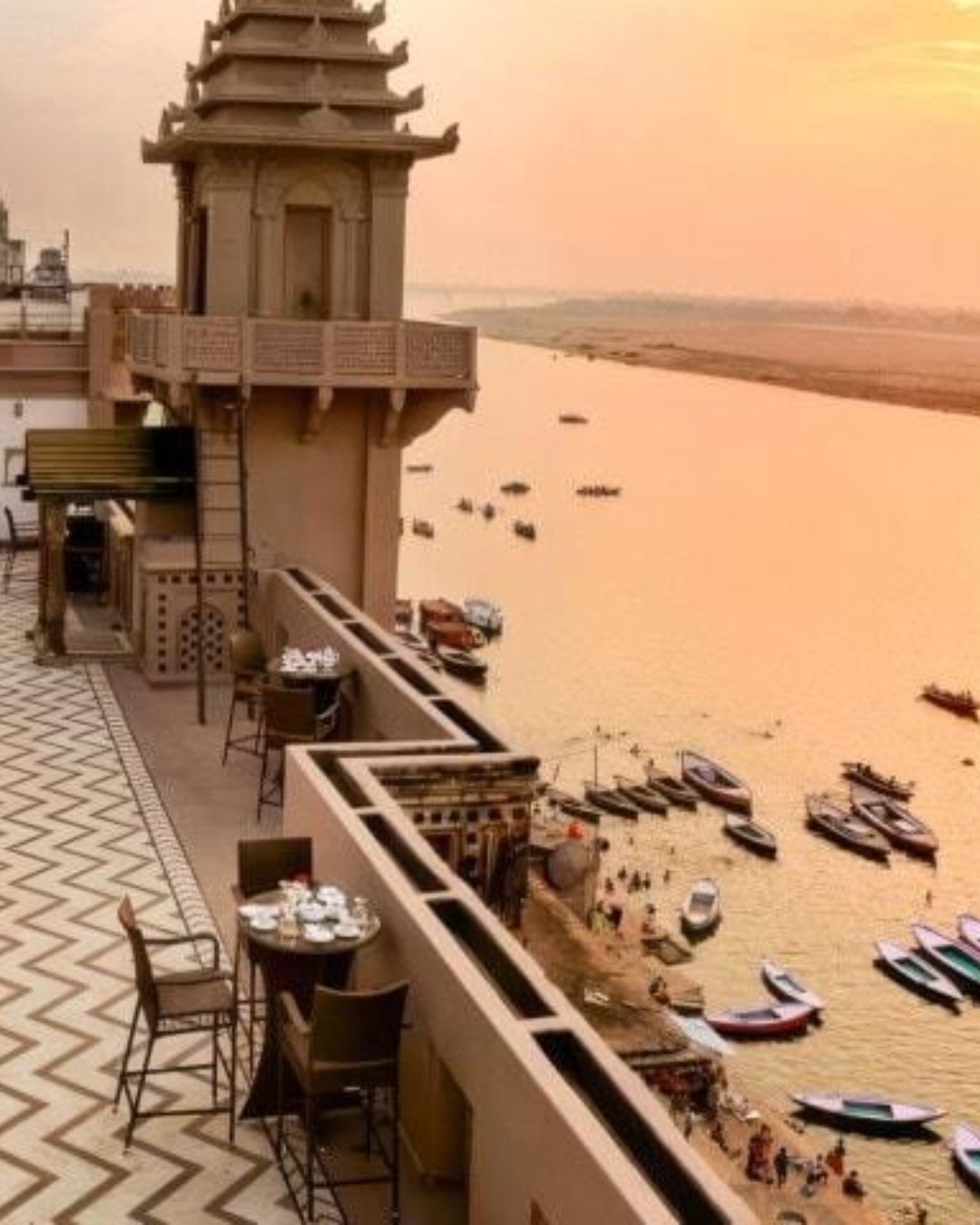
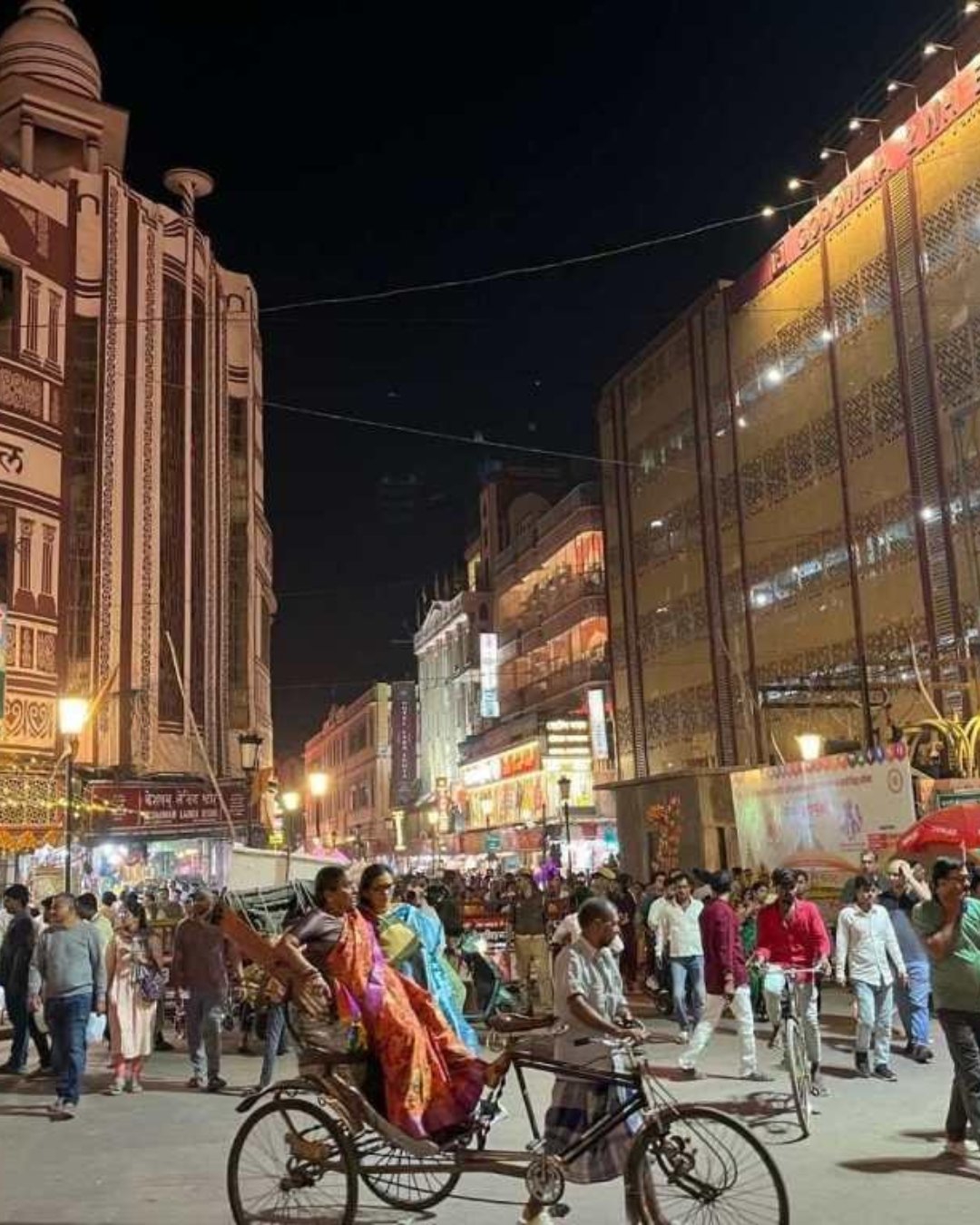
Godowlia & the Temple Lanes — closest to Kashi Vishwanath
You've probably been told to just "head to Kashi Vishwanath." But here's the thing nobody tells you: the temple sits inside a knot of medieval lanes so tight and disorienting that first-timers routinely spend an hour lost, get funnelled toward the wrong gate by someone offering unsolicited help, or arrive at the darshan queue already exhausted. Godowlia is the gateway to all of it — the crossroads the whole old city seems to flow through — and getting it wrong can set the tone for your entire morning in Varanasi.
Let's fix that. Here's how Godowlia and the temple lanes actually work, and how to get it right the first time.
Why the hour decides how bad the crush is
Godowlia Chowk is one of the main junctions leading toward Dashashwamedh Ghat and the Kashi Vishwanath area. It is busy by nature — pedestrians, cycle-rickshaws, shopkeepers, pilgrims, hawkers and the occasional cow all competing for the same narrow streets. At peak times, the lanes become a slow-moving wall of people.
So come early. Mid-morning and evening are usually the busiest; just after dawn, the lanes are calmer, shops are beginning to open, and you can actually take in the surroundings. If you're combining the walk with a Kashi Vishwanath darshan, an early start can also make the experience much easier. Mondays and the month of Sawan can be exceptionally crowded.
What you'll actually see
The lanes around Godowlia are among the oldest and most atmospheric parts of Varanasi. This is a place to wander slowly rather than rush through:
Kashi Vishwanath approach — the narrow lanes gradually lead toward the temple complex and the newer Vishwanath Dham corridor.
Annapurna Devi Temple — the goddess of food and nourishment, located close to Kashi Vishwanath and easily missed by visitors focused only on the main shrine.
Sweet and paan shops — kachori-sabzi, jalebi and Banarasi paan are some of the classic tastes of this part of the city.
Thatheri Bazaar and the old market lanes — traditional brassware, textiles, jewellery and other crafts appear in the lanes branching away from Godowlia.
Wear comfortable footwear that's easy to remove and dress modestly, especially if you're planning to enter temples along the way. The streets can be uneven and crowded, so comfortable walking shoes make a big difference.
And here the phone can become more of a liability than a convenience. Keep valuables secure and be cautious with unsolicited offers of guiding or assistance. If you want a guide, arrange one through a reputable source before arriving rather than accepting an offer from someone who approaches you on the street.
The best part of walking these lanes is actually the unplanned detail — the smell of fresh kachoris, temple bells, flower sellers, pilgrims moving between shrines, and tiny shops squeezed into centuries-old buildings. That's the side of Varanasi that a quick photograph rarely captures.
Pro tip: Walk through Godowlia early in the morning and use a fixed landmark as your meeting point, because GPS can be unreliable inside the narrow lanes. If you're visiting Kashi Vishwanath, check the current security rules beforehand and avoid carrying unnecessary belongings. Eat breakfast where there's a steady local crowd rather than choosing the first tourist-facing restaurant you see. And if this is your first visit, a guide arranged in advance can help you understand the lanes without adding unnecessary hassle.
The mistakes that ruin it
Most first-timers make the same few mistakes. They arrive during peak hours and get caught in the crowd. They accept unsolicited help and end up paying for something they didn't ask for. Or they carry unnecessary bags and valuables while heading toward the temple security area.
The easy fix is to come early, walk rather than rush, keep your belongings secure, and arrange any guide in advance — so Godowlia feels like an introduction to the living heart of Varanasi rather than an obstacle course.
238
MomentLahori Tola, Varanasi

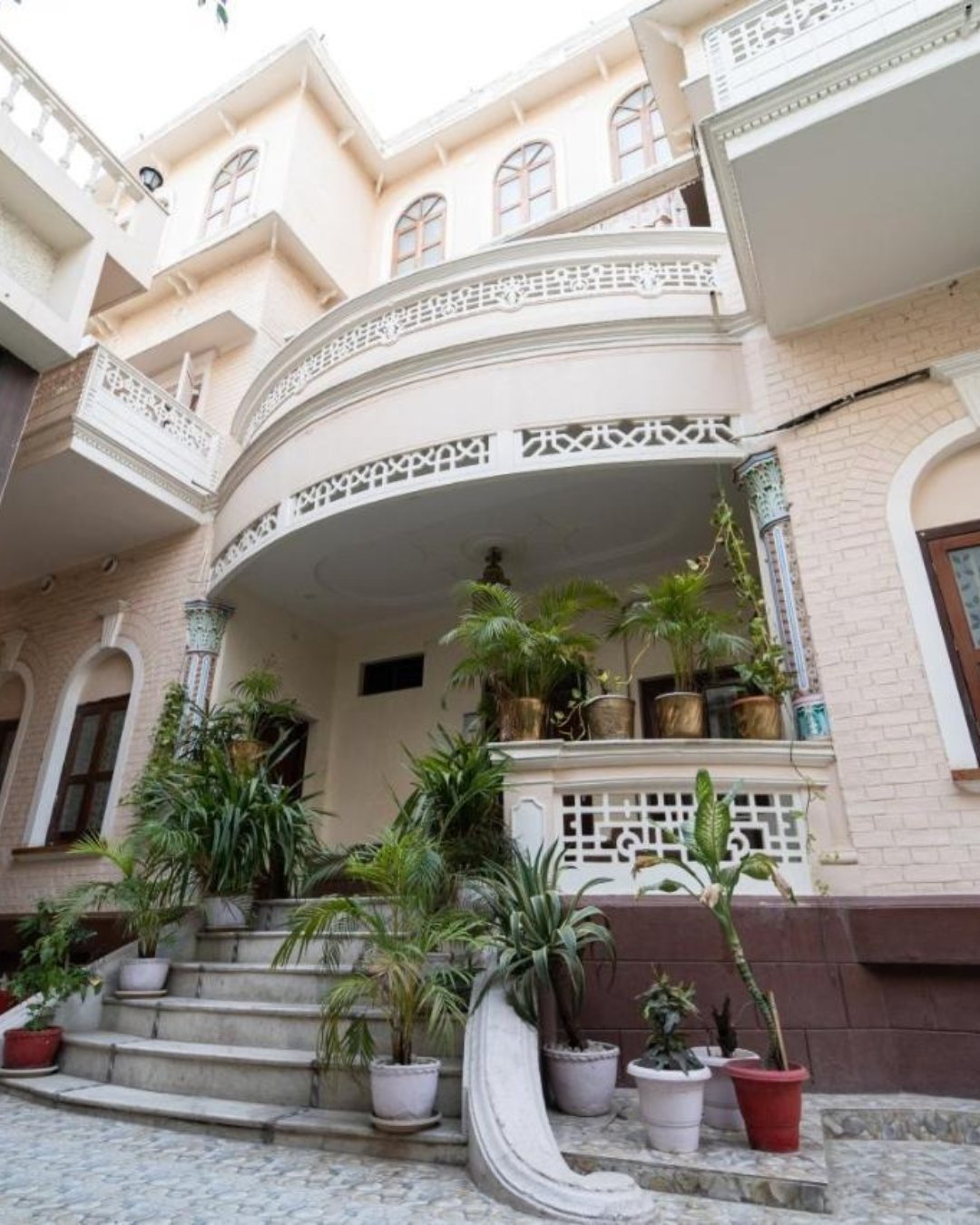
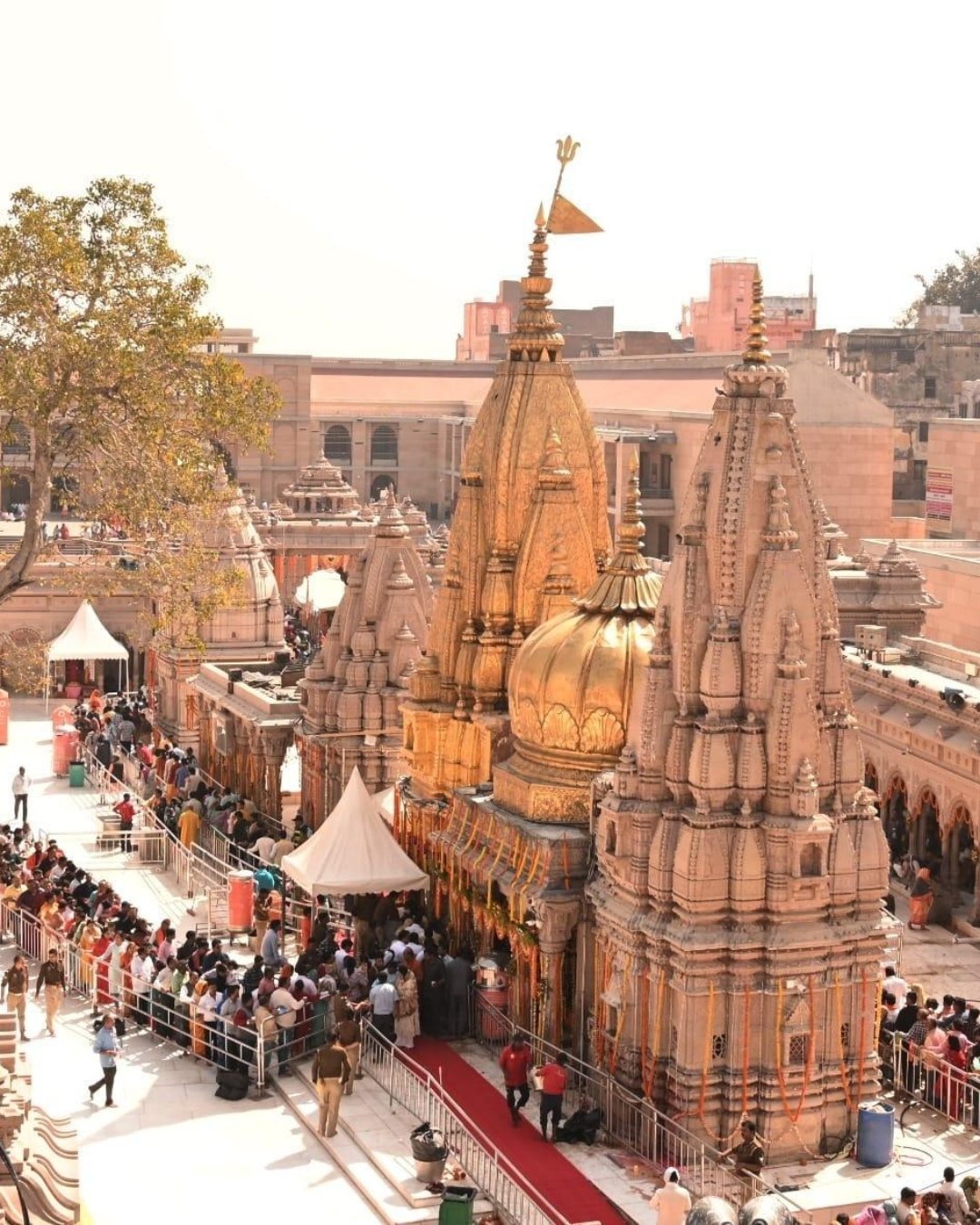
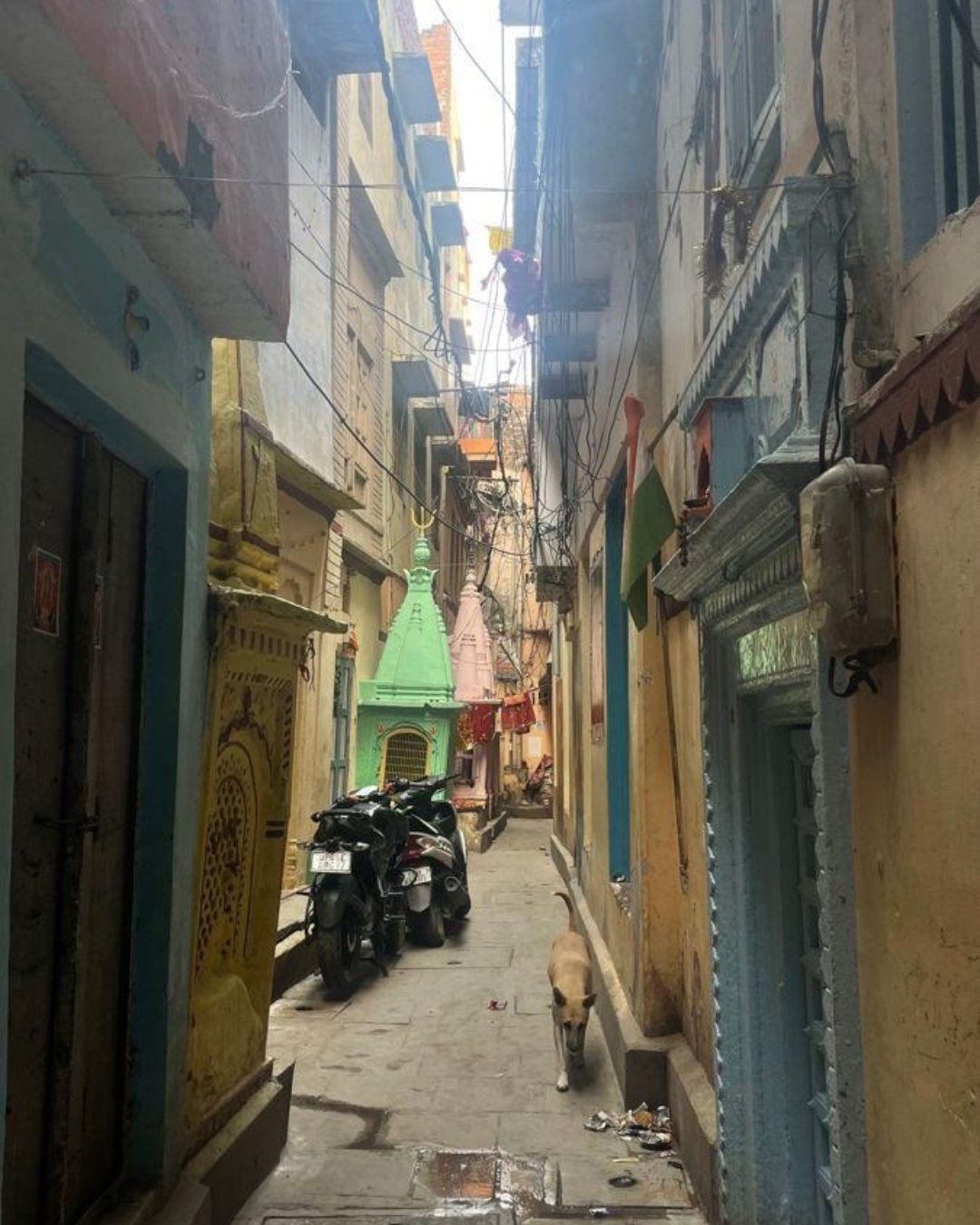
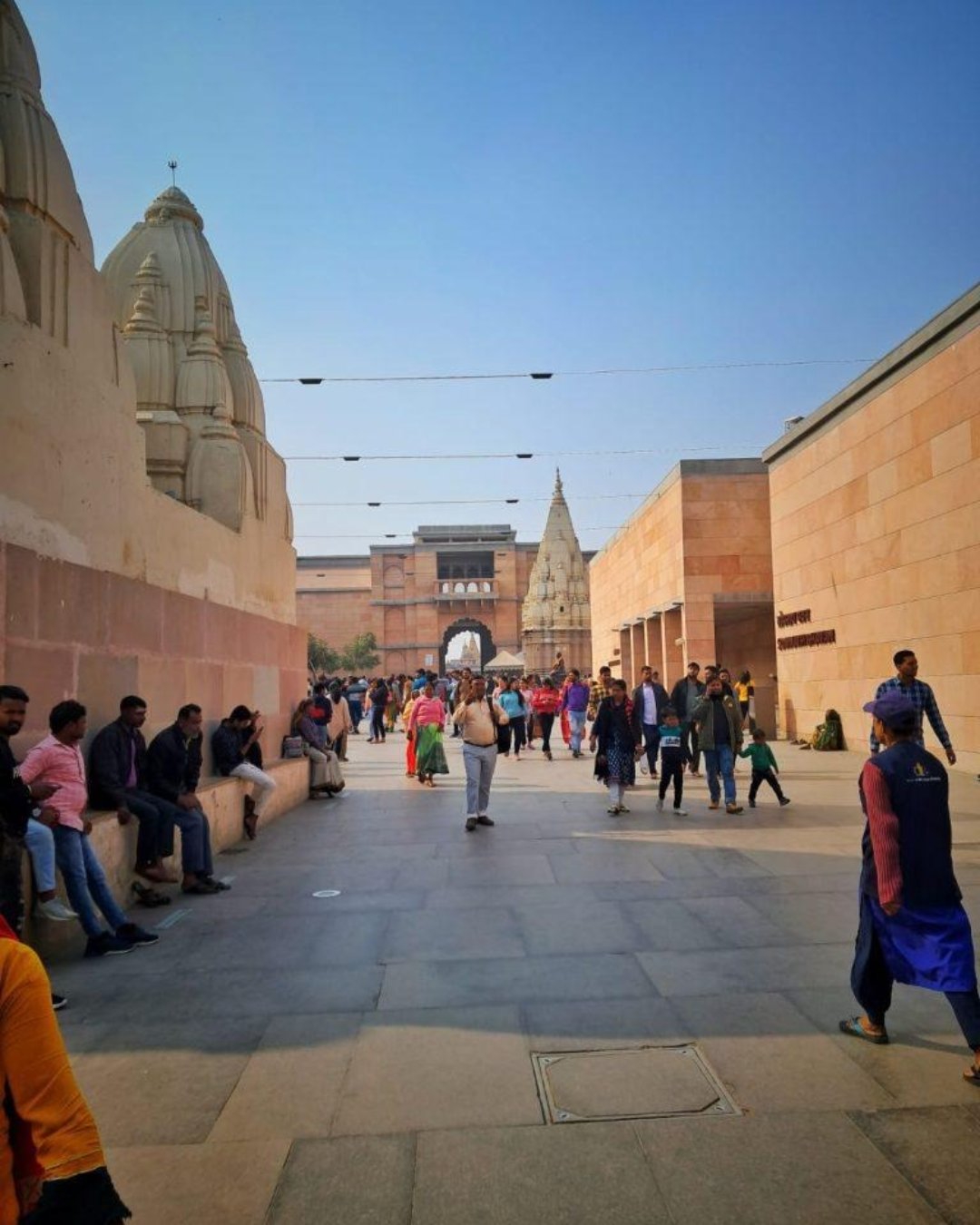
The Corridor & Lahori Tola — darshan at your doorstep
You've probably braced yourself for the hard version. The one where you fight through the old lanes, queue for hours in a crush, and finally reach Kashi Vishwanath exhausted. But here's the thing nobody tells you: where you sleep can erase most of that. Stay in Lahori Tola, in the old city close to the Kashi Vishwanath Dham corridor, and darshan stops feeling like an expedition — you can walk to the temple in minutes and choose quieter hours instead of planning your entire day around a cross-town journey.
Let's fix that. Here's how the corridor and Lahori Tola actually work, and how to get it right the first time.
Why where you stay decides your darshan
The Kashi Vishwanath Dham corridor, opened in 2021, created a broad pedestrian connection between the Ganga and the Kashi Vishwanath Temple through the heart of the old city. Lahori Tola sits close to this temple-and-ghat zone, putting the temple, river and historic galis within easy walking distance.
That proximity is the real advantage. The temple can become extremely busy during the day, while early mornings and later evening periods can offer a different atmosphere. Staying nearby means you can choose your timing based on the crowd instead of spending hours travelling across Varanasi.
What you'll actually see
The Kashi Vishwanath Dham corridor — a wide pedestrian route with courtyards and buildings connecting the riverfront with the temple complex, dramatically different from the narrow lanes surrounding it.
Kashi Vishwanath Temple — the golden-spired Jyotirlinga shrine at the centre of the pilgrimage.
Lahori Tola's lanes — old houses, small shrines, akharas, sweet shops and the everyday rhythm of Varanasi's historic neighbourhoods.
The riverfront — the corridor leads toward the Ganga, allowing you to combine temple darshan with a walk along the ghats.
Dress modestly and wear comfortable footwear for walking through the old city. If you're entering the temple, be prepared to remove your shoes at the designated area.
And here's the important rule: temple security restrictions mean you should avoid carrying unnecessary belongings. Phones, cameras, bags and other items may be restricted inside the secure temple area. Staying nearby makes this much easier because you can leave valuables and unnecessary luggage at your accommodation and walk over with only what is permitted.
Travellers who stay close to the corridor often discover another advantage: you don't have to rush. If the queue is too long, you can return later rather than spending your entire morning waiting. That freedom to choose your timing is what makes staying nearby so useful.
Pro tip: Choose accommodation within walking distance of the Kashi Vishwanath Dham corridor rather than simply choosing a hotel based on its distance from central Varanasi. Check the current temple entry, darshan and security rules before your visit, especially if you want a special darshan or aarti experience. Early morning is generally the best time to explore the old city, while the riverfront becomes especially atmospheric around sunrise and sunset.
And remember that Lahori Tola is a living residential neighbourhood, not just a tourist zone. Keep noise low, respect local residents and avoid blocking the narrow lanes while taking photographs.
The mistakes that ruin it
Most first-timers make the same few mistakes. They book a hotel far from the old city and spend hours travelling back and forth. They visit Kashi Vishwanath at the busiest part of the day without checking current arrangements. Or they arrive carrying unnecessary bags and valuables and discover that security restrictions make the entrance much more complicated.
The easy fix is to stay within walking distance of the corridor, check the current temple rules before leaving your room, and visit during the quieter parts of the day — so darshan becomes a simple walk through the old city rather than a full-day logistical challenge.
182
MomentAssi Ghat Road, Varanasi

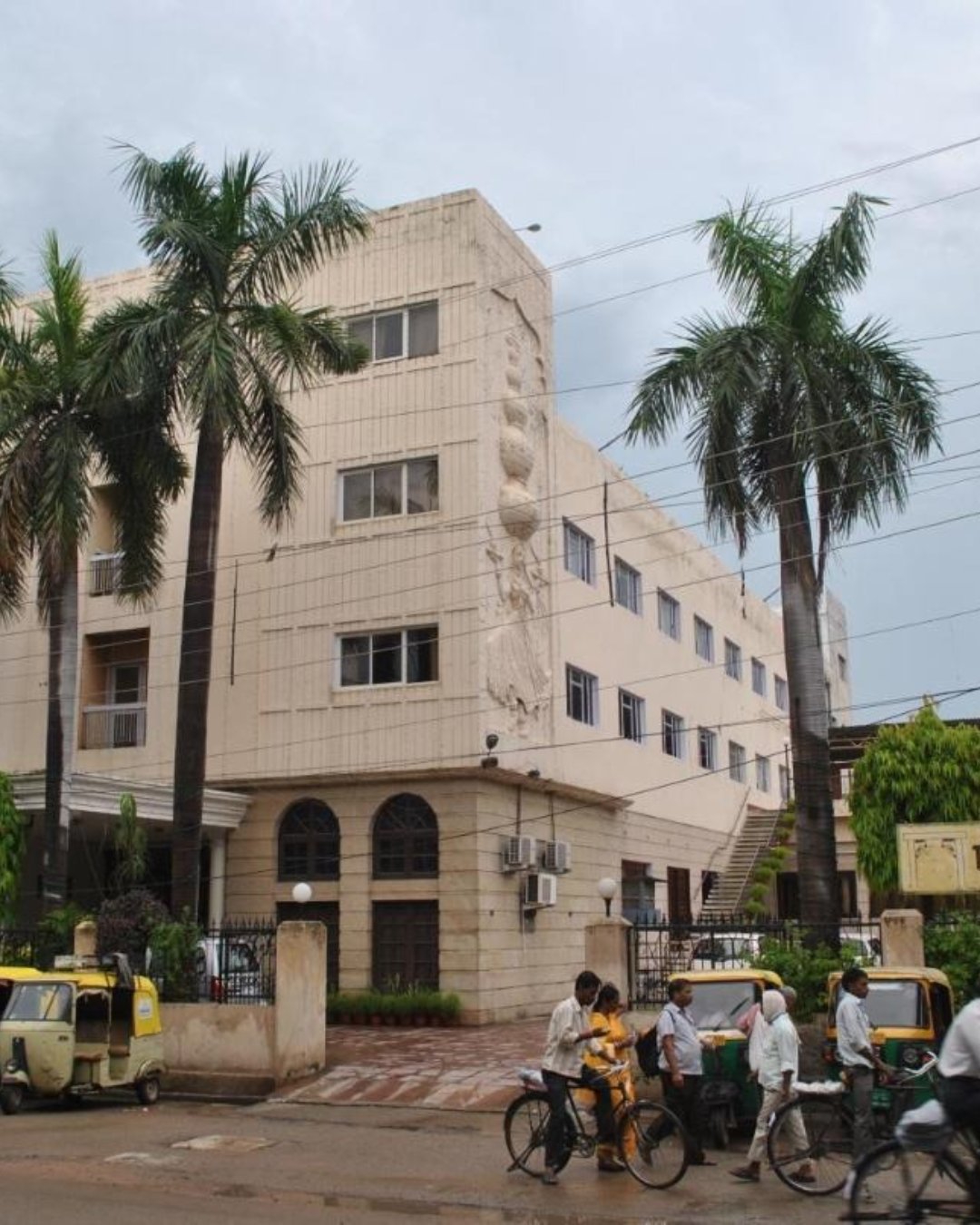
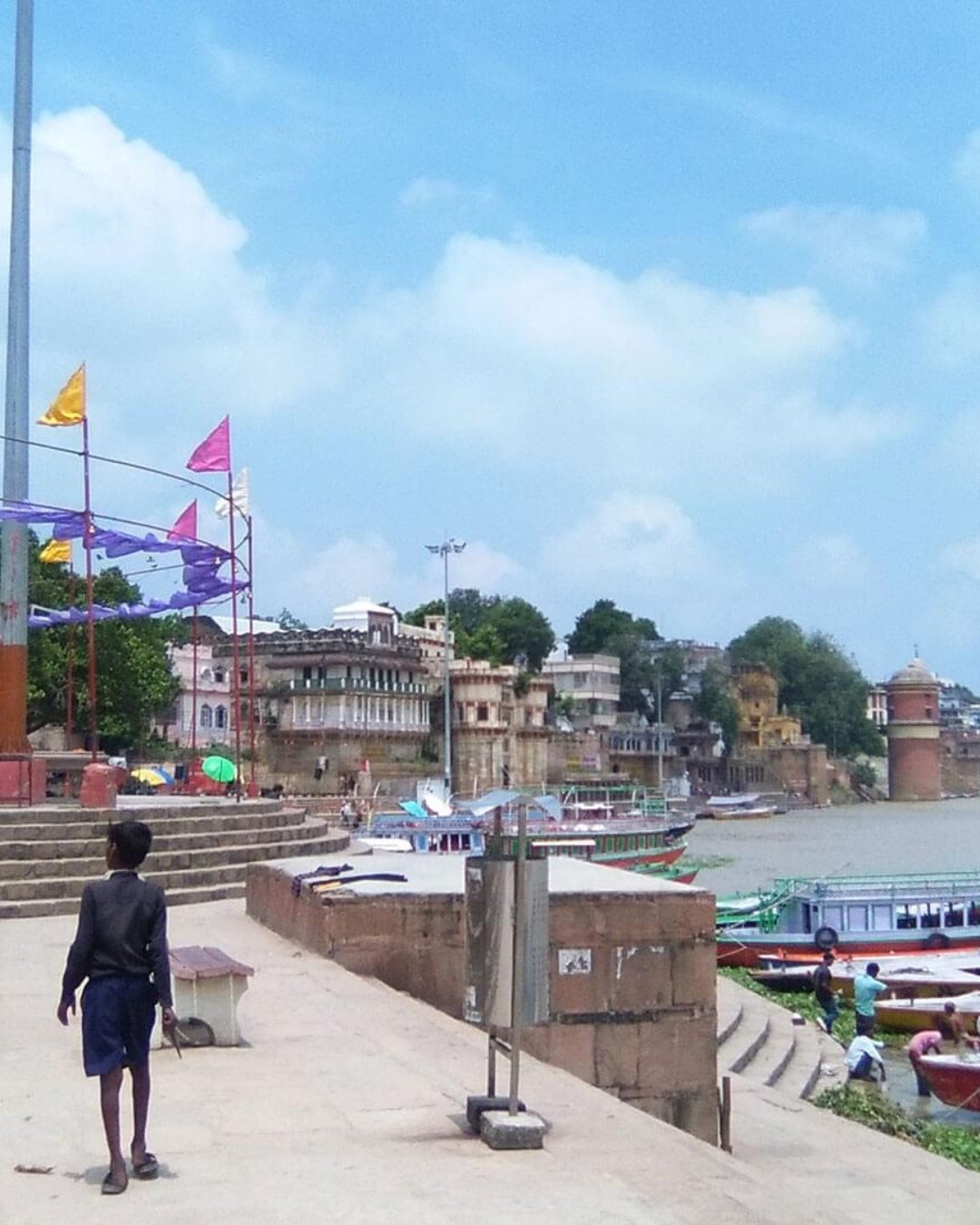
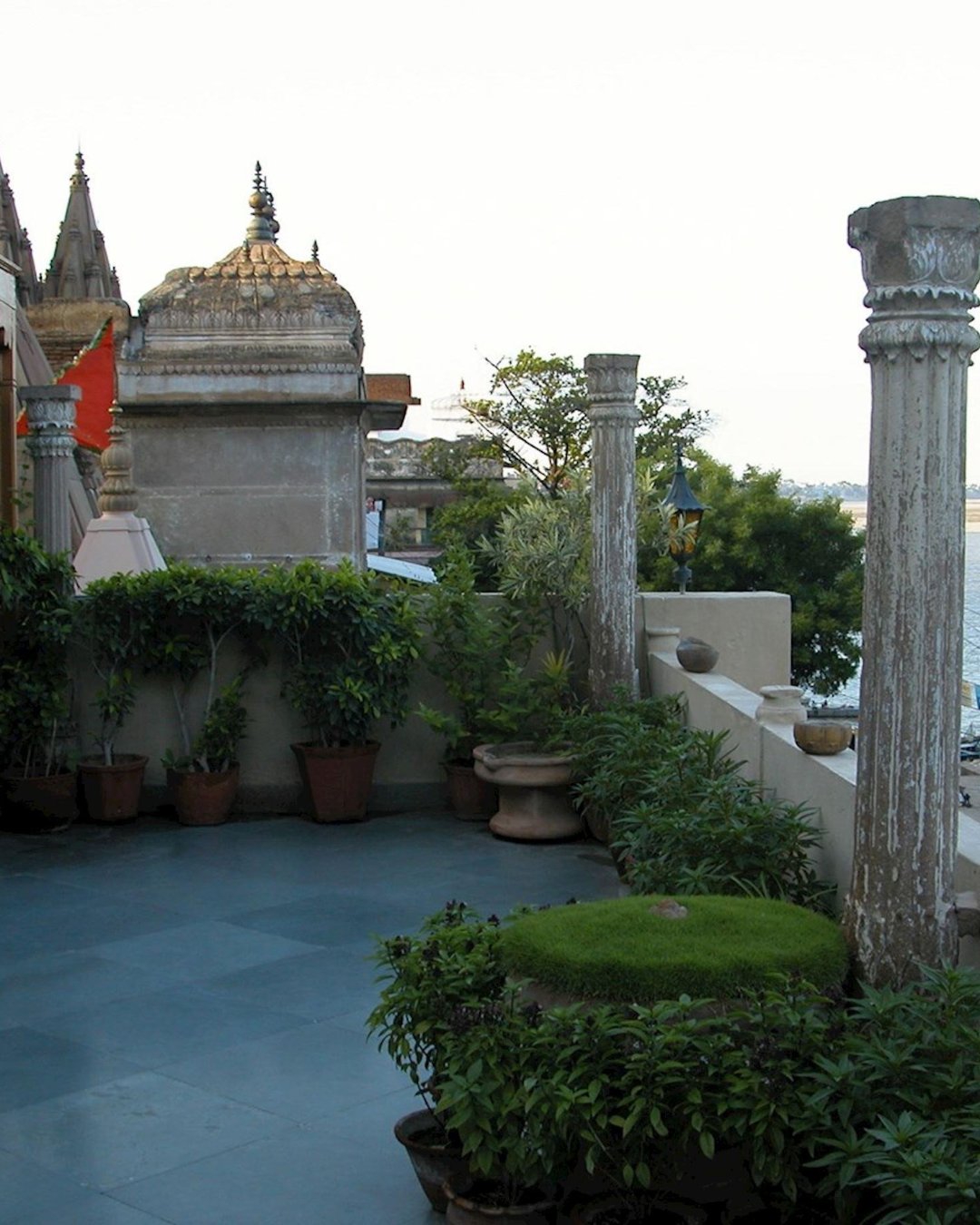
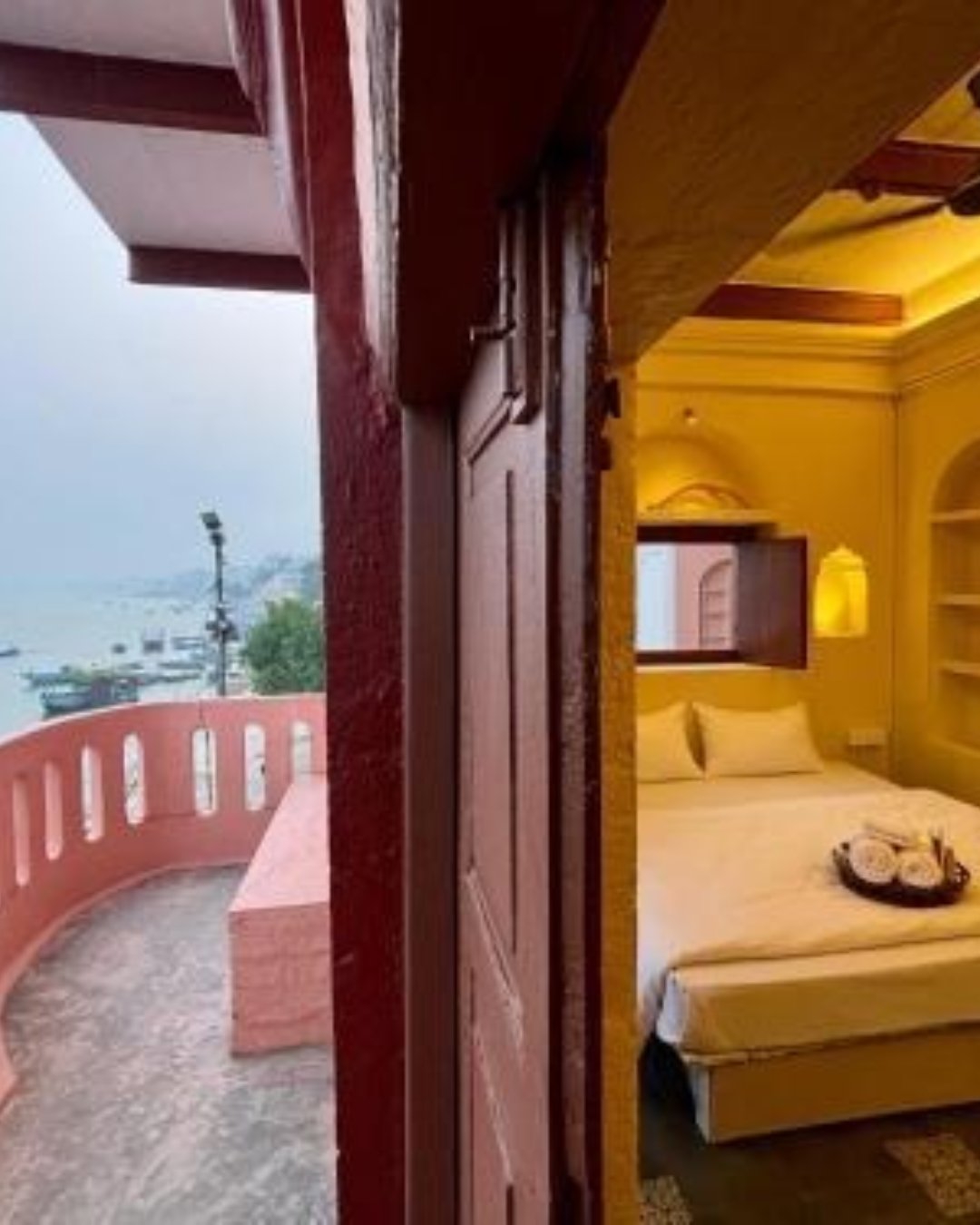
Assi Ghat & Bhelupur — the calm end of the ghats
You've probably been warned that Varanasi is overwhelming. The crush at Dashashwamedh, the noise, the narrow lanes, the constant movement everyone describes. But here's the thing nobody tells you: there is a whole end of the riverfront that feels completely different. Assi Ghat, at the southern end of the city, and the Bhelupur neighbourhood behind it offer a calmer side of Varanasi — morning rituals, quiet temples, cafés, students, walkers and a ghat where you can actually sit and watch the city wake up.
Most visitors use Assi only as a boat-launch point and never realise they are standing in one of the gentlest introductions to Varanasi.
Let's fix that. Here's how Assi Ghat and Bhelupur actually work, and how to get it right the first time.
Why the southern end is the one to base yourself at
Assi Ghat lies where the Assi stream meets the Ganga, at the southern end of Varanasi's main ghat stretch, close to Banaras Hindu University. Its location gives the area a different rhythm from the central ghats. The spaces are wider, the neighbourhood feels greener and the atmosphere is shaped as much by students and local residents as by pilgrims and tourists.
That makes Assi and Bhelupur particularly appealing places to stay. You can experience the riverfront early in the morning, take a boat without dealing with the busiest central ghats, explore nearby temples and cafés, and then retreat to a quieter neighbourhood when the central city becomes crowded.
What you'll actually see
Give the southern end an unhurried morning:
Assi Ghat at dawn — the famous morning atmosphere of aarti, yoga, music and pilgrims gathering beside the Ganga.
The old shrine area — small Shiva shrines and sacred spaces around the top of the ghat, often overlooked by visitors rushing toward the river.
Bhelupur's temples — a mix of Hindu and Jain religious sites that reveal a different side of Varanasi's spiritual history.
The cafés and lanes — student-friendly cafés, small eateries, bookshops and quieter streets influenced by the nearby university.
The Ganga waterfront — a relaxed place to sit, watch boats move across the river and observe the city gradually becoming busier.
Bring a light layer for the early morning river breeze and comfortable footwear that can be removed easily when entering temples.
And keep your phone away for the first few minutes when you arrive. Assi isn't necessarily about one spectacular photograph. Its appeal is the sequence of small moments — bathers stepping into the Ganga, musicians preparing for the morning, chai being poured, boats leaving the shore and locals beginning their day.
Sit for a while before reaching for the camera. That slow transition from darkness to daylight is the part photographs rarely capture.
Pro tip: Arrive at Assi before sunrise rather than after the morning activity has already started. If you're staying nearby, simply walk down to the ghat and experience the riverfront without rushing. Afterward, explore the Bhelupur lanes for breakfast and local cafés.
Assi is also a good base if you prefer experiencing Varanasi in smaller doses. You can travel toward the central ghats during the day and return to a quieter neighbourhood in the evening.
The mistakes that ruin it
Most first-timers make the same few mistakes. They use Assi only as a boat-launch point and leave immediately. They stay entirely around the central ghats and never experience the quieter southern neighbourhoods. Or they arrive late in the morning after the best light and early activity have already passed.
The easy fix is to give Assi a proper sunrise morning, sit on the steps, explore Bhelupur afterward and let the southern end of Varanasi introduce you to the city at its own pace.
167
MomentVaranasi railway station, Varanasi

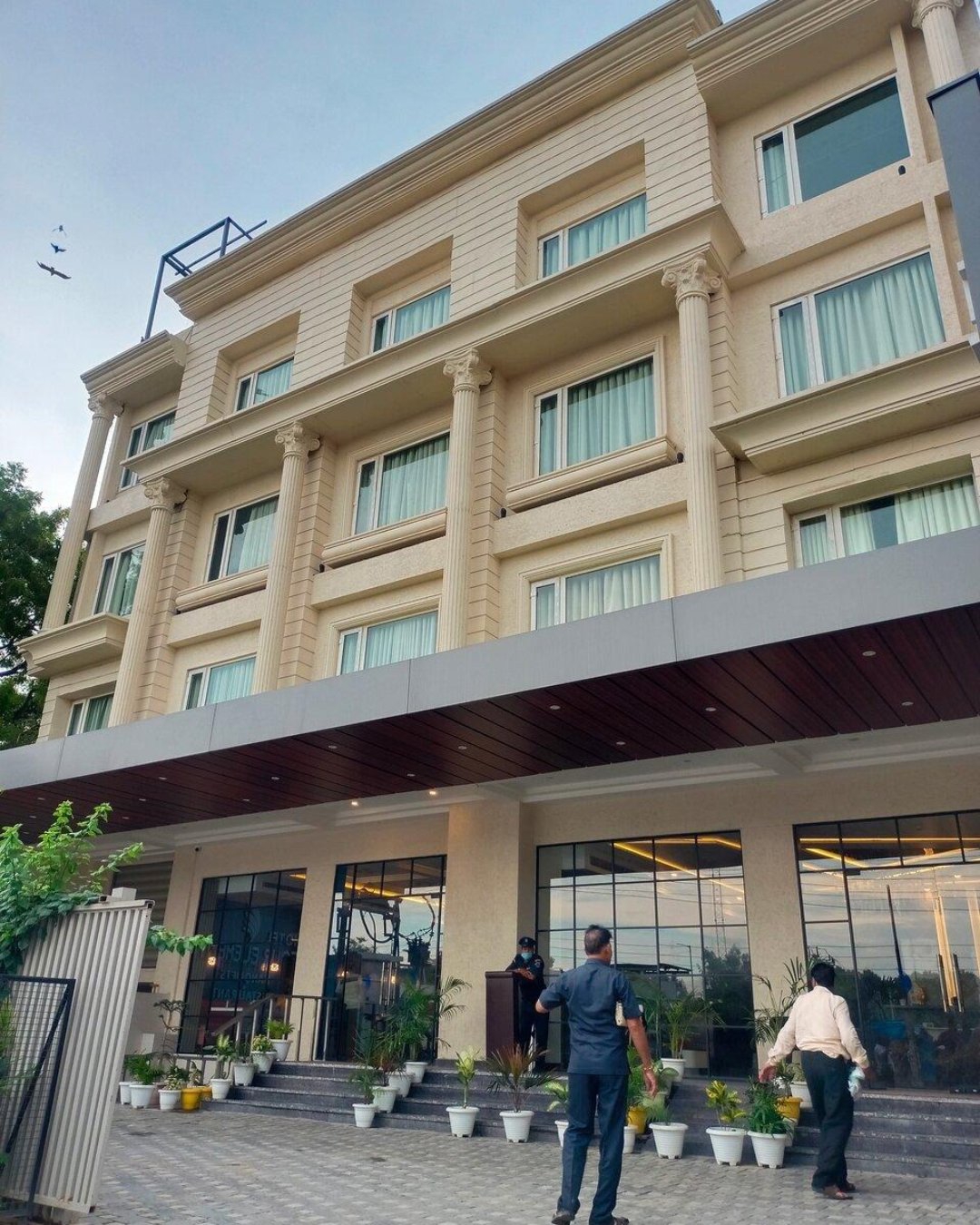
Cantt & the Station Side — Convenience & Wider Roads
You've probably been told to stay near the ghats. Old city, walkable to the river, right in the middle of Varanasi's atmosphere. But here's the thing nobody tells you: the lanes beside the ghats can be extremely narrow, many are inaccessible to cars, and arriving with heavy luggage, elderly family members or children can turn the romantic idea of "staying in the old city" into a logistical challenge.
The Cantt and station side solves exactly that. It isn't the most atmospheric part of Varanasi, but for the right traveller, it can make the entire trip easier.
Let's fix that. Here's how basing yourself in Cantt actually works, and how to get it right the first time.
Why the station side, and who it's actually for
Cantonment, commonly called Cantt, is centred around Varanasi Junction railway station and sits several kilometres from the Ganga. Compared with the old city, this side has wider roads, larger hotels, easier vehicle access and better connectivity toward the airport and railway station.
It isn't the place to stay if you want to step outside your hotel and immediately find yourself beside the ghats. What it offers instead is convenience.
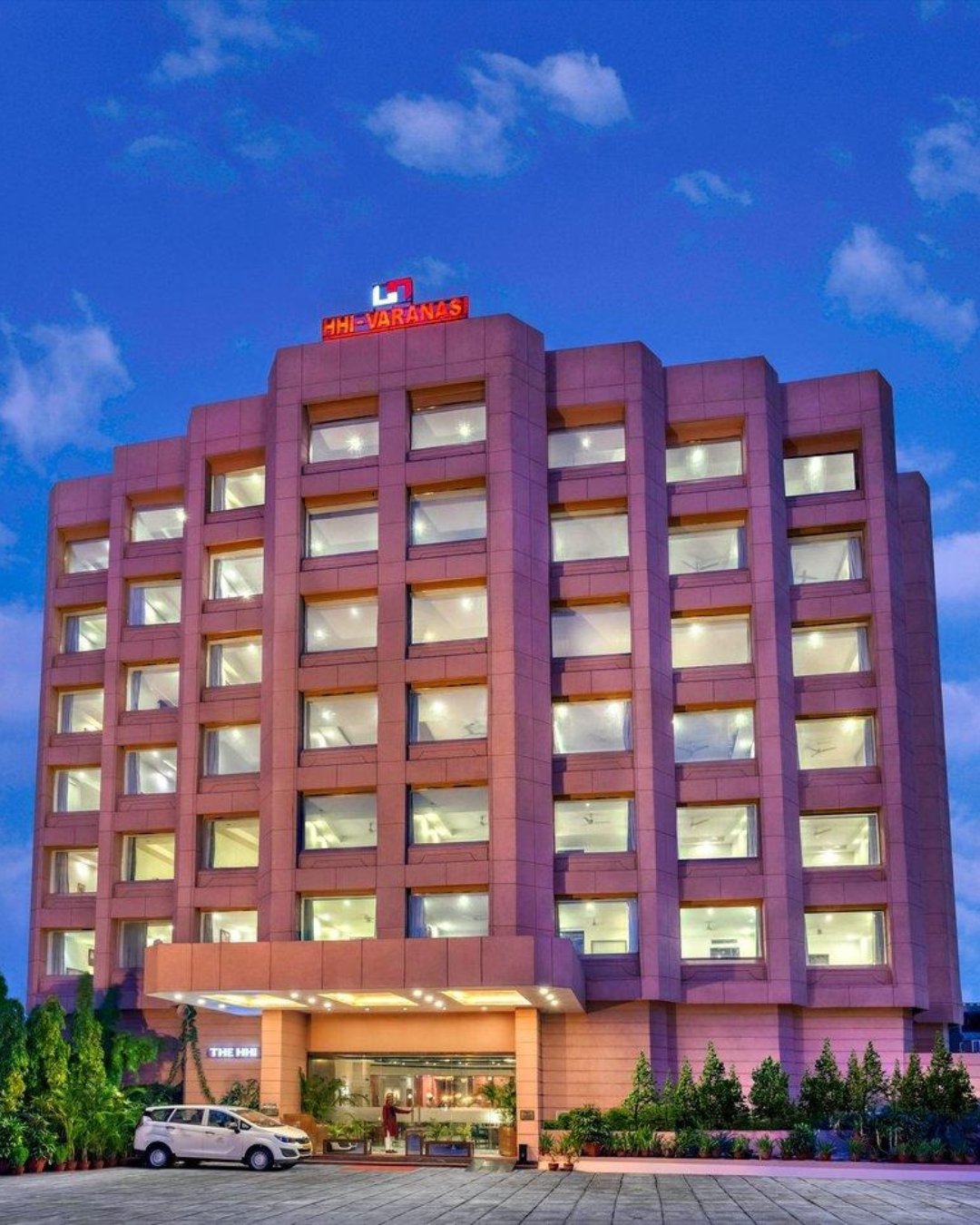
Cars can generally reach your hotel, luggage is easier to manage, and larger hotels with lifts, restaurants and full-service facilities are more common. That can be especially useful for families, older travellers, business travellers or anyone arriving late by train or leaving early for the airport.
The ghats are farther away, but with planned transport you can still reach them for sunrise boat rides and evening aarti.
What you'll actually find
The station side is more about convenience than atmosphere:
Varanasi Junction — the city's main railway station, making Cantt particularly convenient for travellers arriving or departing by train.
Wide roads — compared with the narrow lanes of the old city, the Cantonment area is considerably easier for cars, taxis and luggage.
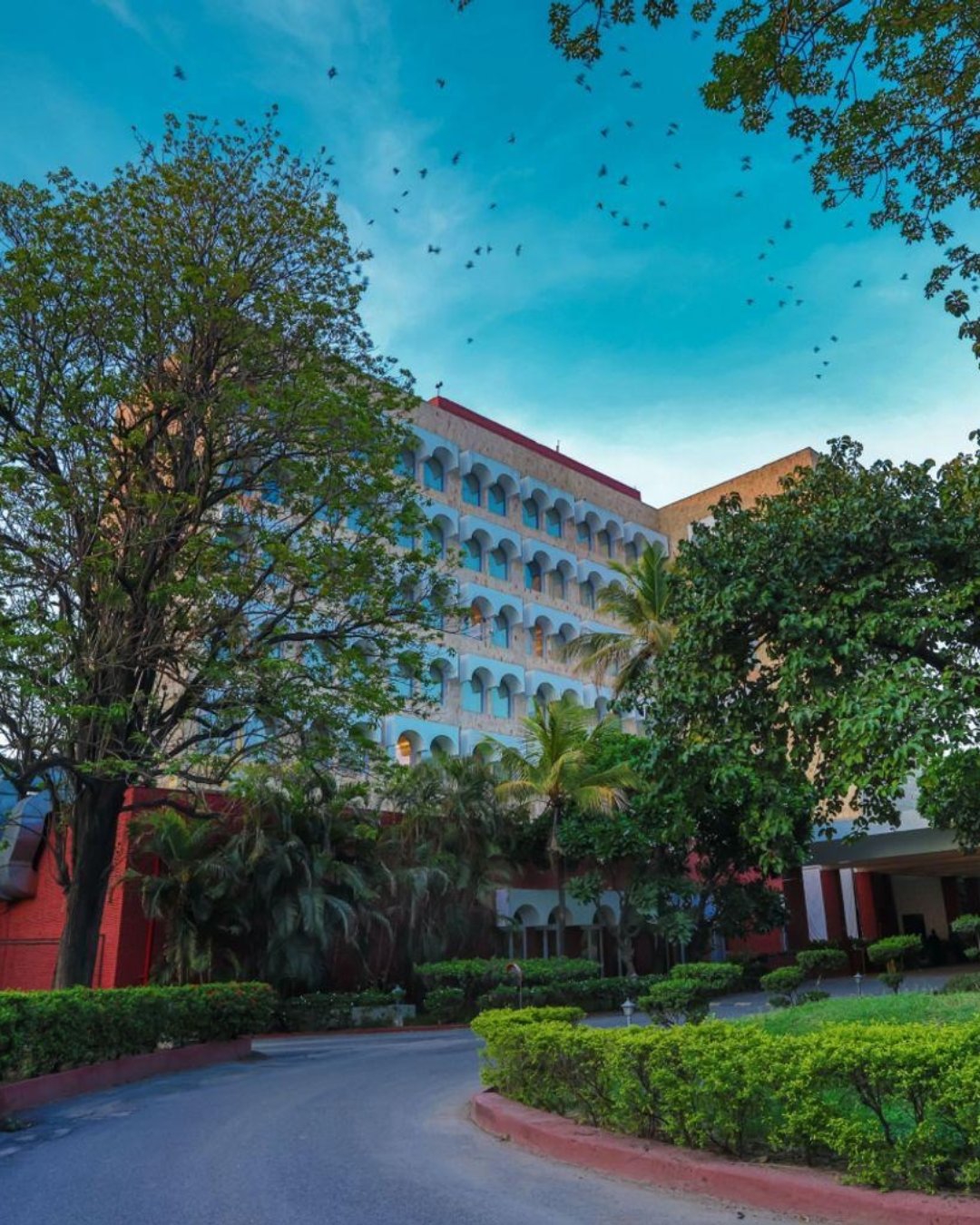
Larger hotels — many full-service, business and family-oriented hotels are located around the Cantt area.
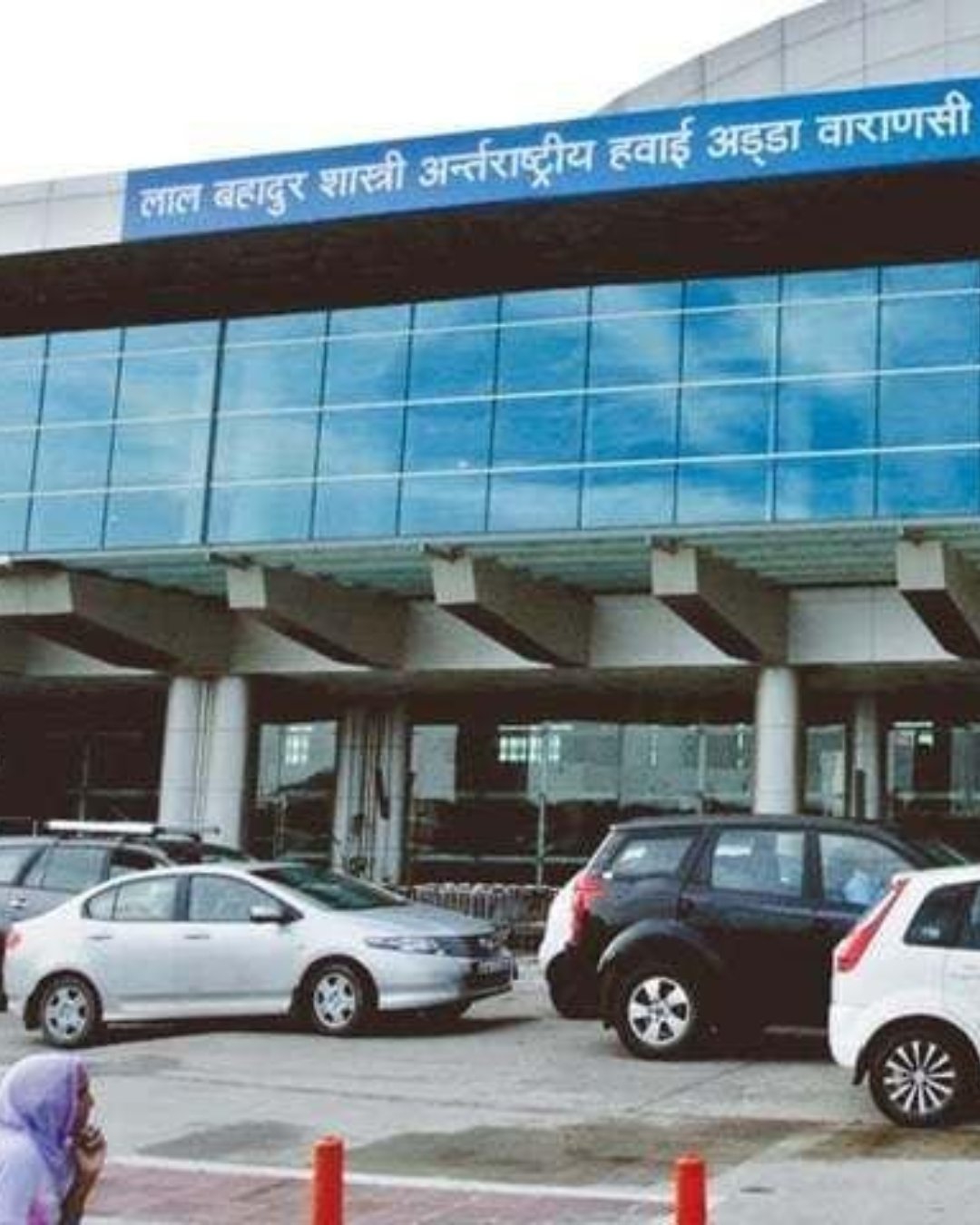
Airport connectivity — the road toward Lal Bahadur Shastri International Airport begins from this side of the city, making airport transfers relatively straightforward.
Cantonment neighbourhood — quieter streets, established residential areas and pockets of greenery provide a contrast to the dense old city.
Keep your ghat plans in mind when booking. If you want to take a sunrise boat, arrange your transport in advance because very early-morning availability can be less predictable than during the day.
And here's the honest trade-off: Cantt gives you comfort but removes some of the spontaneity of staying beside the river. You won't simply step outside and find the Ganga. You'll need to plan your mornings and evenings around transport.
But that isn't necessarily a disadvantage. After several hours among the crowded ghats, temples and narrow lanes, returning to a quieter hotel with easy road access can be a welcome change.
Pro tip: Choose Cantt based on your travel style rather than assuming it is automatically better or worse than the old city.
Choose it if you're arriving by train, travelling with family, carrying significant luggage, travelling with elderly relatives, arriving late or leaving early, or simply prefer a larger and more accessible hotel.
If you're staying in Cantt, arrange transport for your sunrise boat ride and evening visits to the ghats in advance. If you want the river immediately outside your door and don't mind narrow lanes, walking, limited vehicle access and smaller accommodation, then Assi or the central ghat areas may suit you better.
The mistakes that ruin it
Most first-timers make the same few mistakes. They choose a ghat-side hotel purely for the atmosphere and discover that getting luggage through the narrow lanes is difficult. They choose Cantt for convenience but forget to arrange early-morning transport to the river. Or they choose their hotel without considering how they are arriving, departing or travelling around the city.
The easy fix is to choose your base around the trip you're actually taking — how you arrive, who you're travelling with, how much luggage you have and how important the riverfront is to you — then arrange your ghat transfers in advance.
146
MomentVaranasi cantonment, Varanasi

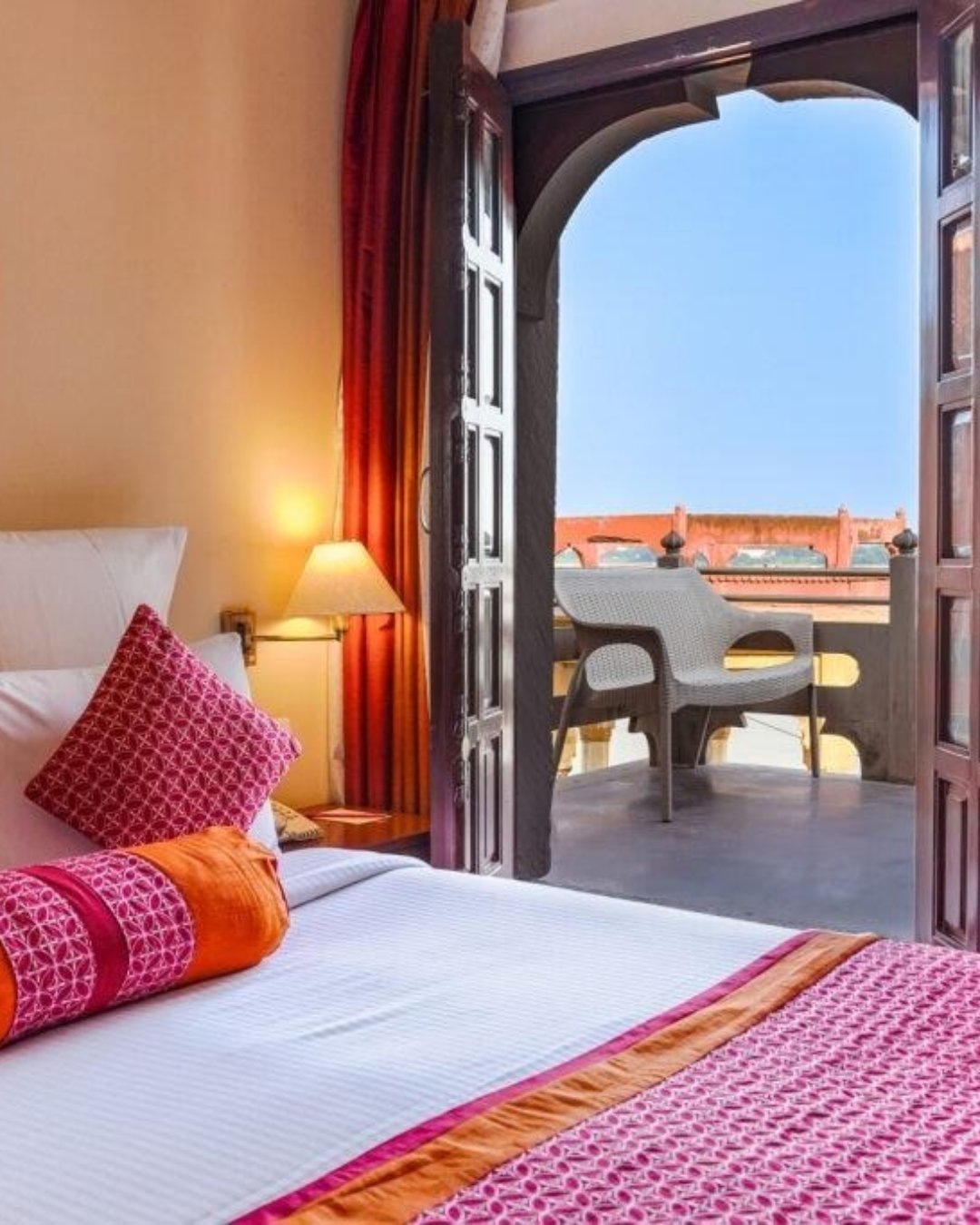
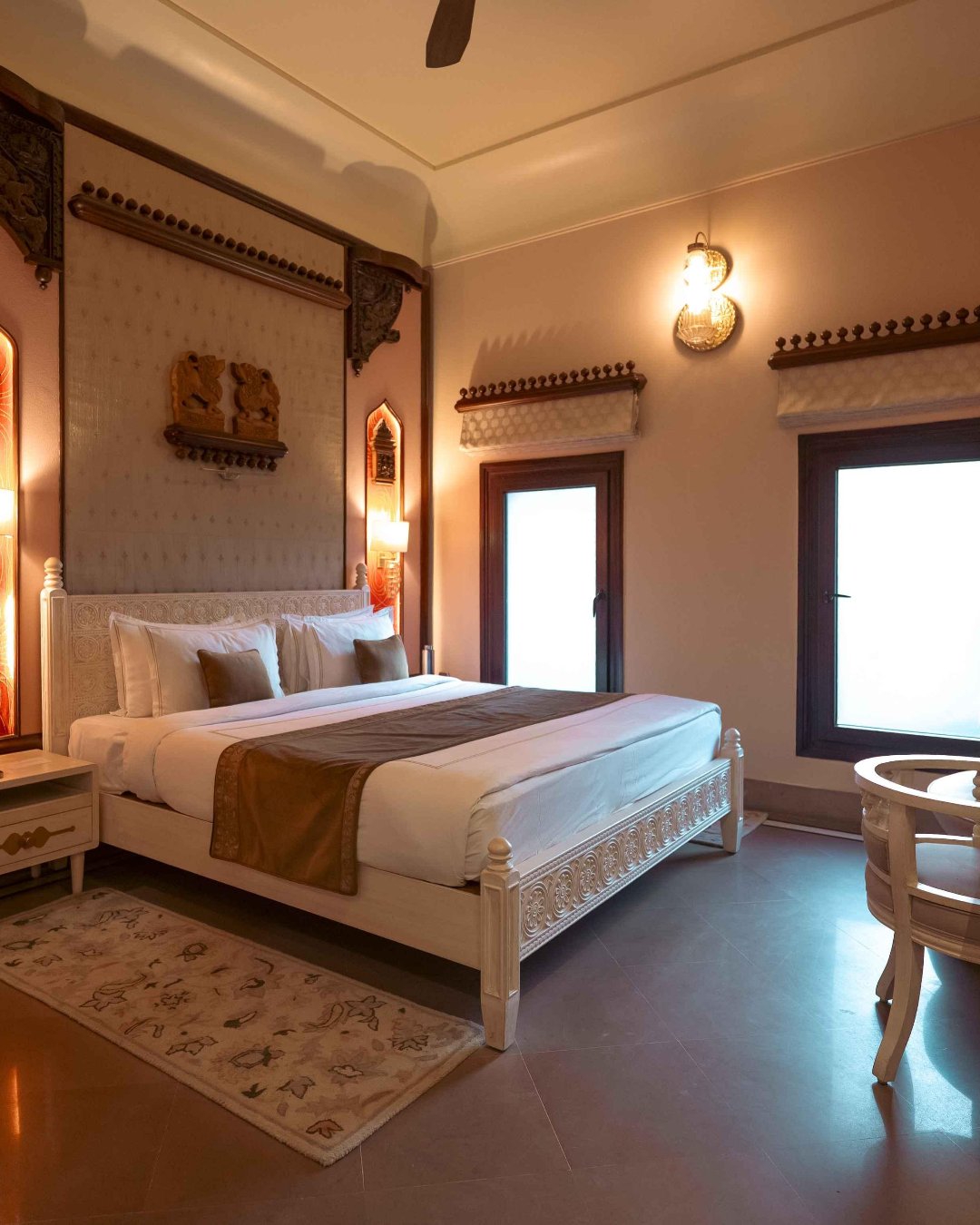
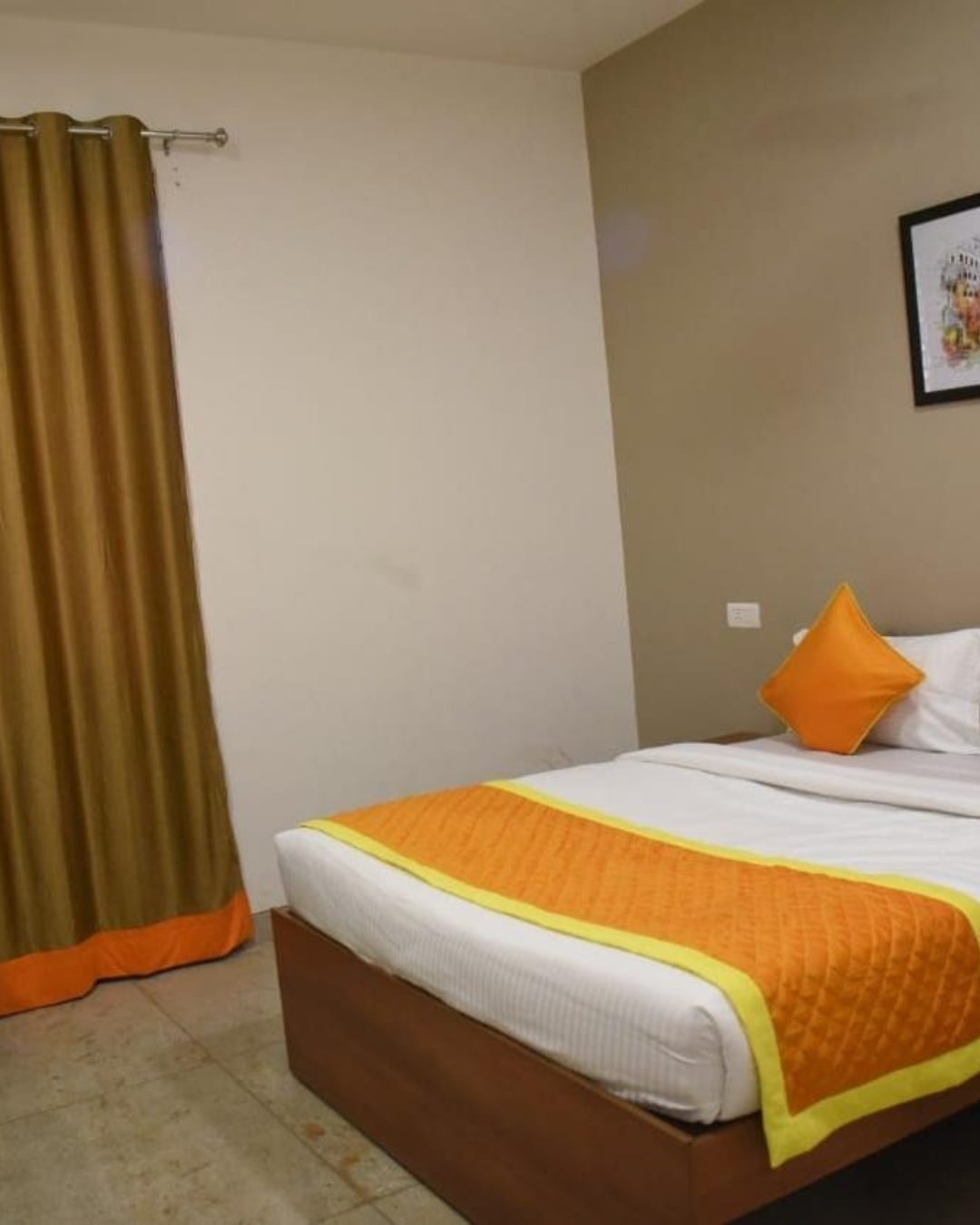
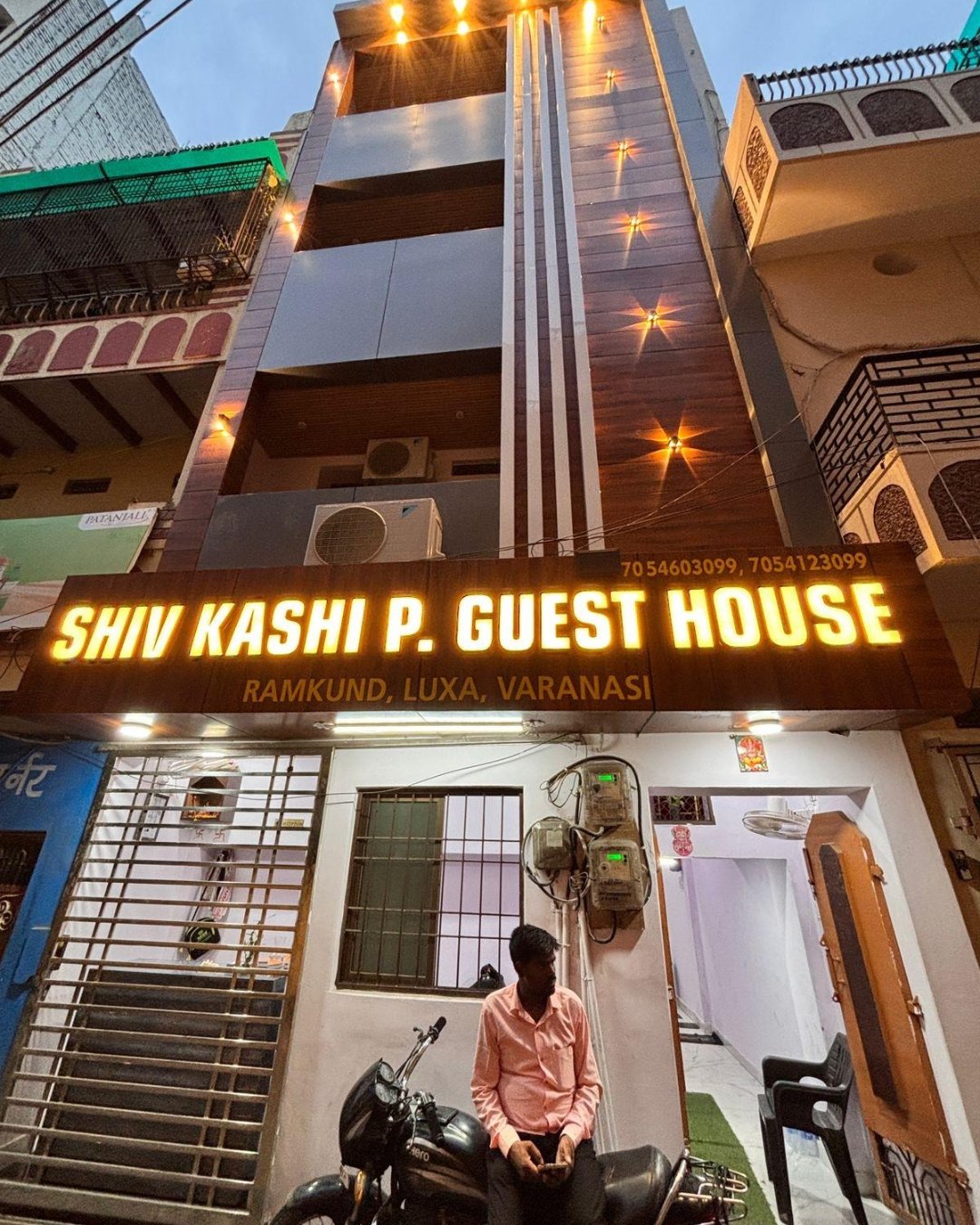
By Budget — Quick Picks Across the City
Here's the thing about Varanasi: some of its best experiences are completely free. The sunrise over the Ganga, the chanting from the ghats, the evening lights, the narrow lanes and the rhythm of everyday life don't require an expensive ticket. The real budget question isn't how to see Varanasi cheaply — it's where your money genuinely improves the experience and where you can simply enjoy what the city already gives you.
Let's sort it out. Here's what's free, what's worth a little, and what's worth a splurge — so you spend where it actually counts.
Free — and often the best of it
Subah-e-Banaras at Assi Ghat. The early-morning programme of aarti, yoga and music is free and offers one of the most peaceful ways to begin a day in Varanasi.
Ganga Aarti at Dashashwamedh Ghat. Watching the ceremony from the steps costs nothing. Arrive early if you want a good view.
Walking the ghats. Explore Assi, Tulsi, Shivala, Chet Singh and the surrounding riverfront on foot. You can spend hours here without paying an entry fee.
The cremation ghats from a respectful distance. Manikarnika and Harishchandra are working cremation grounds, not tourist attractions. Observe quietly and never photograph the ceremonies.
Kashi Vishwanath darshan. General darshan is available without paying for a premium experience, although security procedures and current arrangements should always be checked before visiting.
Low cost — a little money, a lot of return
A shared sunrise boat. Sharing a rowboat is one of the most affordable ways to experience the Ganga from the water. Agree on the fare and duration before boarding.
A diya on the Ganga. Floating a small lamp after an evening ceremony is inexpensive but adds a memorable ritual to your riverfront experience.
Street food in the galis. Kachori-sabzi, jalebi, lassi, chai and Banarasi paan let you experience the city's food culture without spending much.
Man Mandir Observatory. A small entry fee gives you access to an important astronomical site and rooftop views toward the Ganga.
Worth the splurge — where paying genuinely changes the experience
A private sunrise boat. Instead of sharing the boat with a large group, you can choose your route, stop longer at interesting ghats and enjoy the river without competing for space.
A knowledgeable local guide. The ghats are filled with stories that aren't obvious from the architecture alone. A good guide can explain the history, traditions and legends behind places such as Chet Singh Ghat, Man Mandir and the old temples.
Premium darshan options at Kashi Vishwanath. During particularly busy periods, an authorised paid darshan option may save significant waiting time. Check the current official arrangements before booking.
A river-view room. Waking up to the Ganga and watching boats move across the river can be one of the accommodation upgrades that genuinely changes your Varanasi experience.
The one mistake to avoid at every budget
Whatever your budget, don't spend money on unsolicited "special arrangements." Be cautious of people offering guaranteed darshan, exclusive access to cremation areas, expensive rituals you didn't request or other services that appear suddenly on the street.
Use official channels or reputable local operators for tickets, guides, boats and temple services, and agree prices before purchasing anything.
The easy way to get the balance right
Spend where it changes the experience: the sunrise boat, a knowledgeable guide and, if your budget allows, a room with a Ganga view.
Keep the rest simple. Walk the ghats, attend free ceremonies, explore the lanes and eat where locals eat.
That way, you don't need a luxury budget to experience Varanasi well. Spend on the moments that benefit from comfort, privacy or local knowledge, and let the city itself provide everything else.
140
Destination
Varanasi, Uttar Pradesh, India
People also ask
01Question
Which area is best to stay in Varanasi for first-time visitors?
Choosing the right area to stay can make your first Varanasi trip much easier. Godowlia is ideal for pilgrims who want quick access to Kashi Vishwanath Temple and the old city. Assi Ghat is better for travelers seeking a calmer atmosphere, riverside walks, cafés, and a more relaxed experience. Cantt offers modern hotels, better road access, and greater comfort.
02Question
How much do hotels cost in Varanasi per night?
Hotel prices in Varanasi vary widely depending on location, comfort, and season. Budget stays cost around ₹500–1,500 per night, while standard hotels generally range from ₹1,500–4,000. For a more luxurious experience, premium hotels can cost ₹4,000–15,000+ per night. Rooms with a direct ghat or Ganga view can cost 2–3 times more, especially during peak pilgrimage and festival periods.
03Question
Is it better to stay near Assi Ghat or Dashashwamedh Ghat?
It depends on what you want from your Varanasi trip:
Dashashwamedh Ghat: Best if you want to walk to the Ganga Aarti and Kashi Vishwanath Temple. It's right in the heart of the old city, but expect more crowds, noise, and busy lanes.
Assi Ghat: Better for a quieter, more relaxed stay, with cafés, riverside walks, and easy access to sunrise experiences. The trade-off is that Kashi Vishwanath Temple is roughly a 20-minute auto ride away, depending on traffic.
04Question
Are there hotels with Ganga river view in Varanasi?
Yes. Varanasi has several hotels and guesthouses where you can get Ganga river views, especially along the ghats.
Darbhanga Ghat: A heritage palace directly overlooking the Ganges. Its official site lists suites with views of the city and river, and booking listings include river-view rooms.
Shivala Ghat: A heritage-style stay right by Shivala Ghat, with rooftop and river-facing views.
Guesthouses around Assi Ghat: There are also smaller guesthouses and homestays offering Ganga-facing rooms or rooftop river views, generally at lower prices than luxury heritage hotels.
Important: True front-facing Ganga-view rooms are limited, and the best rooms can sell out quickly, particularly around festivals and peak travel periods. Always confirm that the room itself—not just the rooftop or common area—has the river view before booking.
05Question
How far is Varanasi airport from the ghats?
Varanasi’s Lal Bahadur Shastri International Airport (Babatpur) is around 25 km from the main ghats, taking approximately 45–60 minutes by taxi, depending on traffic. Varanasi Junction (Cantt railway station) is much closer, at roughly 5 km from the ghats.
If you're staying near the old-city ghats, remember that autos and cars often cannot reach the hotel directly because of narrow lanes. You may need to get down at the nearest accessible point and walk the final stretch with your luggage.
06Question
Is Varanasi safe for solo female travellers to stay?
Yes, Varanasi can be a comfortable destination for solo female travellers, especially when you choose your stay and timings carefully. The ghats and Old City remain active with pilgrims, locals, shops, and visitors, so they are rarely completely deserted.
Assi Ghat is generally one of the more comfortable areas for solo women to stay, with cafés, guesthouses, hotels, and regular tourist activity. During the evening Ganga Aarti, keep standard precautions: stay aware of your belongings, avoid isolated lanes late at night, use trusted transport, and keep your accommodation details handy.
Overall, choose a well-reviewed stay in a lively area, avoid wandering alone in unfamiliar lanes late at night, and use normal city-travel precautions.
07Question
Should I Book Hotels in Advance for Varanasi or Walk In?
For Varanasi, booking your hotel in advance is the safer choice, especially during busy festivals and holidays. Advance booking is essential during Dev Deepavali (November), Mahashivratri (February), Holi, and long weekends, when rooms can fill quickly and prices may rise.
During the off-season, particularly April to September, walk-ins are generally possible, especially if you are flexible about the location and hotel category. However, rooms with a direct Ganga or ghat view should always be booked in advance, as they are limited and highly sought after.
Quick rule:
🎉 Festivals/long weekends → Book well in advance
🌧️ Off-season → Walk-ins can work
🌅 Ghat-view room → Always book ahead
Experience layers
Go further into one part of this trip.