


Tourist Places Near Varanasi
Every worthwhile trip from Varanasi, sorted by how far it actually is — with drive times and which ones fit in one day.
Varanasi is an extraordinary base for exploring eastern Uttar Pradesh and nearby Bihar, but the word “near” can be misleading. Some places are a relaxed 30-minute ride away, while others require several hours on the road and deserve a completely separate day—or even an overnight stay. This journey sorts the worthwhile excursions by their realistic distance and travel time, so you can build your itinerary around experience rather than simply collecting destinations.
Start with the easiest additions. Sarnath, just 10 km from Varanasi, is the natural half-day excursion: this is where Buddha delivered his first sermon, and the Dhamek Stupa, archaeological ruins and museum can comfortably be explored before returning to the city. Ramnagar, about 14 km away across the Ganga, works equally well as a short cultural outing, while Chunar Fort, around 40 km away, deserves roughly half a day for its historic walls and river setting.
Move farther out and the character changes. Vindhyachal is a longer pilgrimage excursion, while Chandraprabha Wildlife Sanctuary, around 70 km away, is the choice when you want forests, rocky landscapes and seasonal waterfalls instead of temples and ghats. Jaunpur adds medieval Sharqi architecture and can work as a dedicated history day.
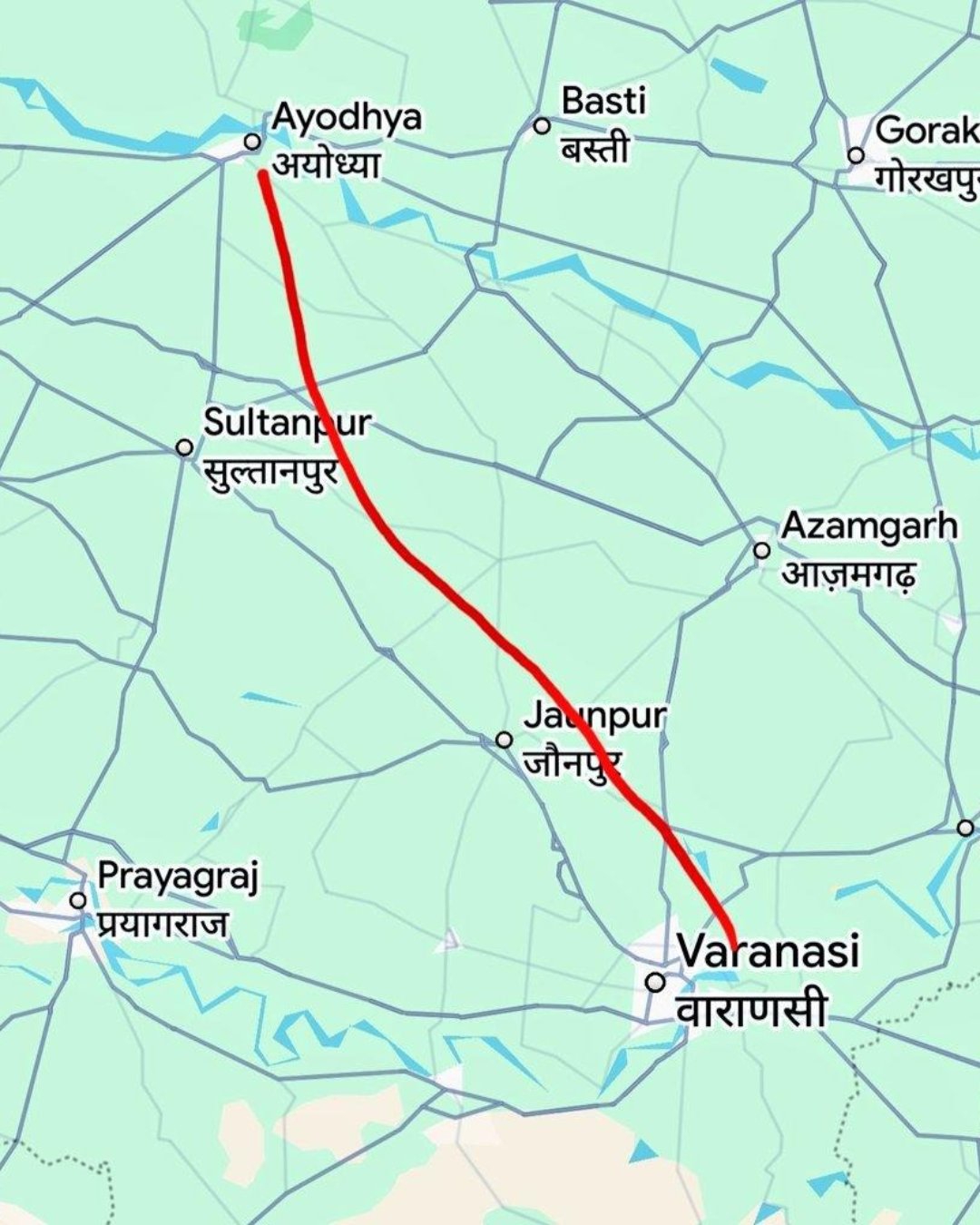
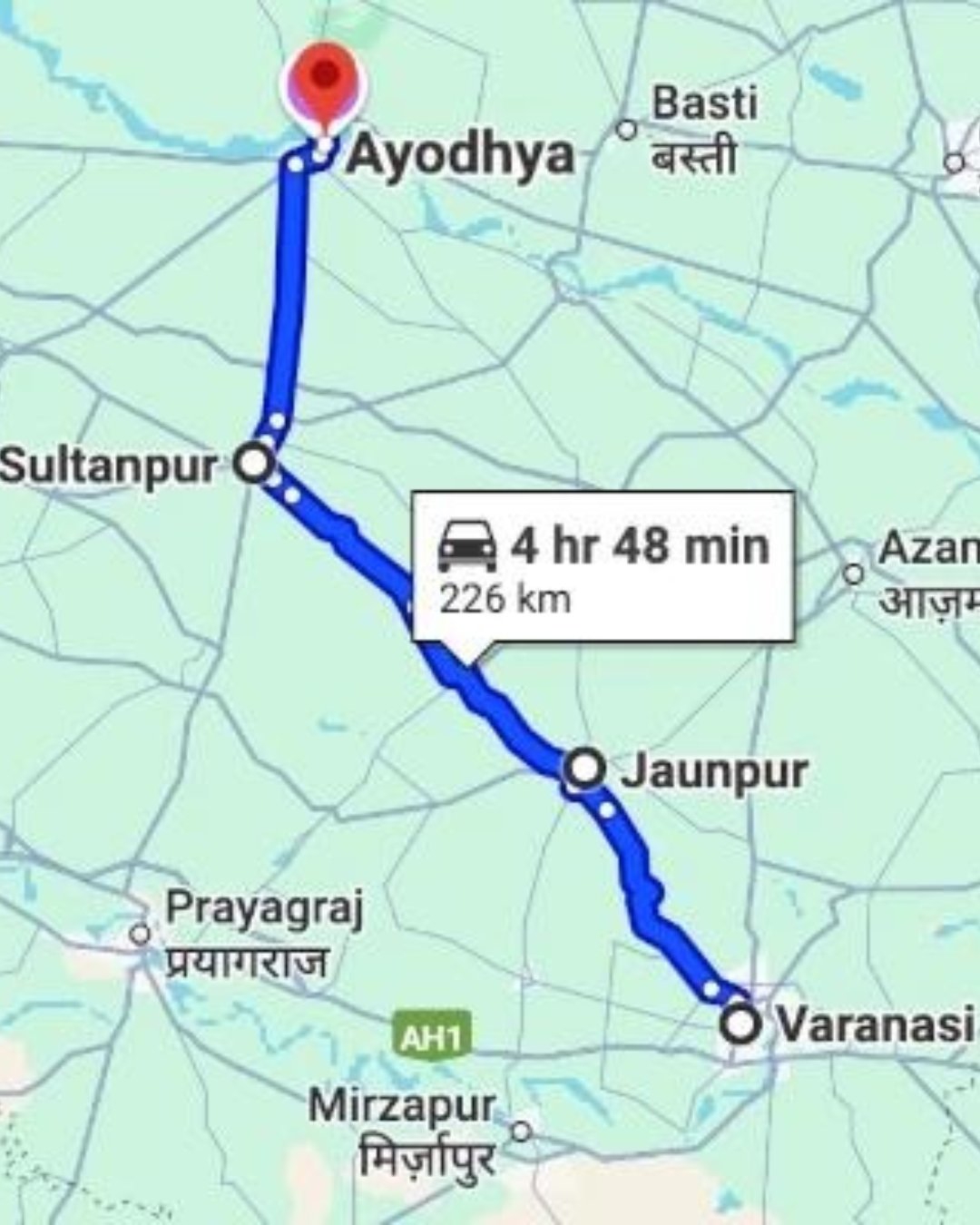
Then come the journeys that should not be squeezed into a Varanasi sightseeing day. Prayagraj, roughly 120–128 km by road, takes you to the Triveni Sangam and works as a long full-day excursion. Ayodhya is around 200 km away, making an overnight stay much more comfortable. And at roughly 240–250+ km, Bodh Gaya is firmly in the separate-journey category—the official UP Tourism distance is about 240 km, and a road trip can take around 5–7 hours depending on traffic and conditions.
The key is simple: Sarnath and Ramnagar fit easily; Chunar and Vindhyachal need a proper day; Prayagraj is a long day; Ayodhya and Bodh Gaya deserve more time. That way, you spend your journey experiencing each place rather than watching the landscape through a car window.
Route
Home
MomentVaranasi
Near Varanasi Means Four Completely Different Trips
Every list of places near Varanasi puts a ten-kilometre stupa and a two-hundred-and-fifty-kilometre overnight trip on the same line, and that is why people plan badly.
●Within about 15 km sit Sarnath and Ramnagar. These are half-mornings, not excursions. You go, you look, you are back before lunch, and they cost you nothing from the rest of the day.
●Between roughly 40 and 70 km are Chunar, Lakhaniya Dari, Jaunpur, Mirzapur, Vindhyachal and the Chandraprabha waterfalls. These are real day trips — leave after breakfast, back by evening, one destination or two if they sit on the same road.
●At around 120 km, Prayagraj is a long day. Possible as a return trip, but you will spend five to seven hours in a car to get four or five hours there.
●Beyond 200 km — Ayodhya, Kushinagar, Chitrakoot — you are no longer taking a trip from Varanasi. You are on a multi-city itinerary that happens to start here, and it needs a night somewhere else.
●The distances that matter are drive times, not kilometres. Roads here are mixed quality and towns slow you down, so a 70 km run can take two hours while a 120 km highway run takes under three.
Pro tip: Decide your tier before you pick a destination. Most disappointing days near Varanasi come from someone attempting a 200 km round trip as a day out and spending nine hours in a car for ninety minutes of temple.
The mistakes that ruin it:
●Treating a distance in kilometres as a proxy for effort. It is not, on these roads.
●Trying to fit an overnight-tier destination into a day you also want to spend at the ghats.
●Planning any of it for a departure day.
40
MomentSarnath Museum, Varanasi
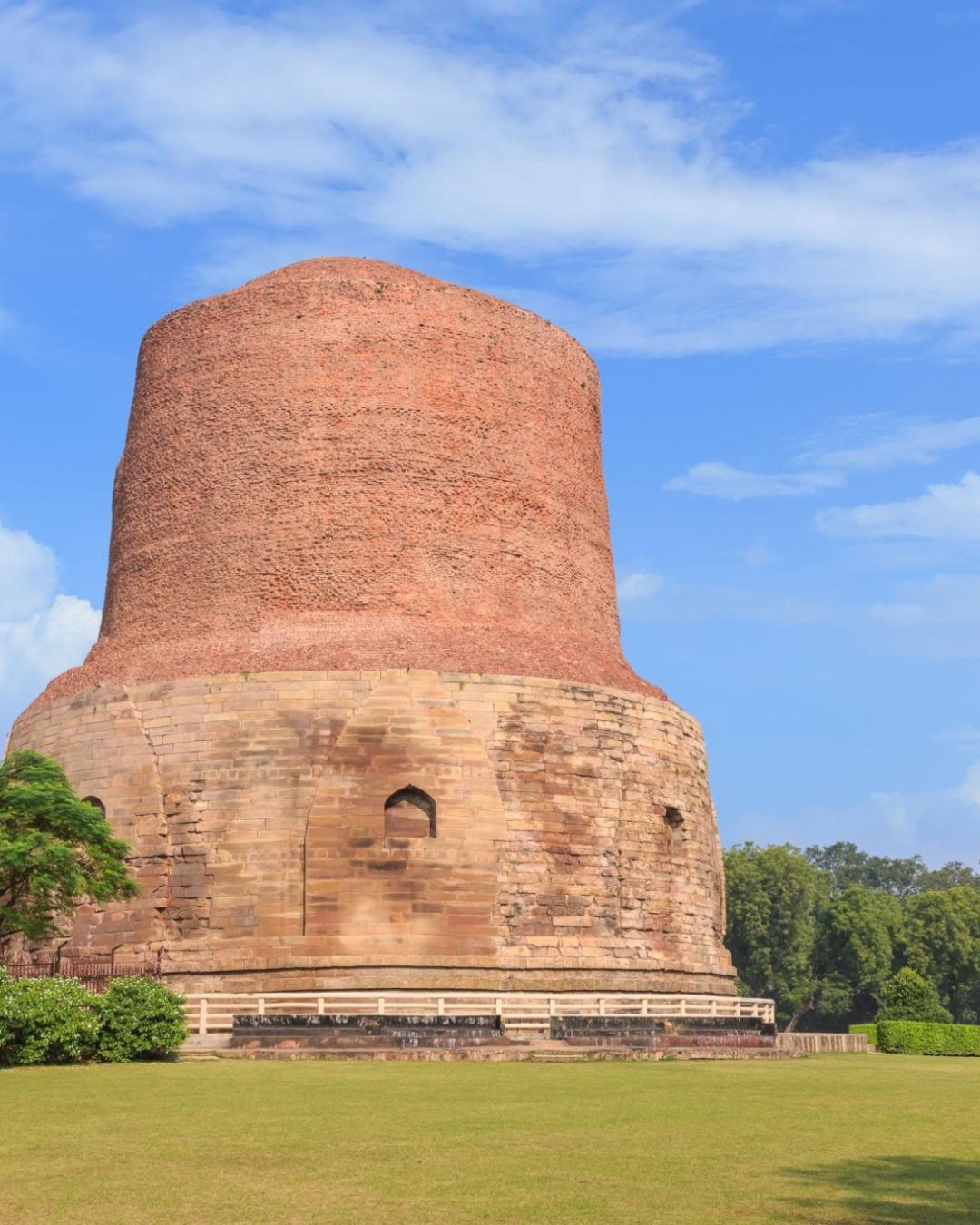
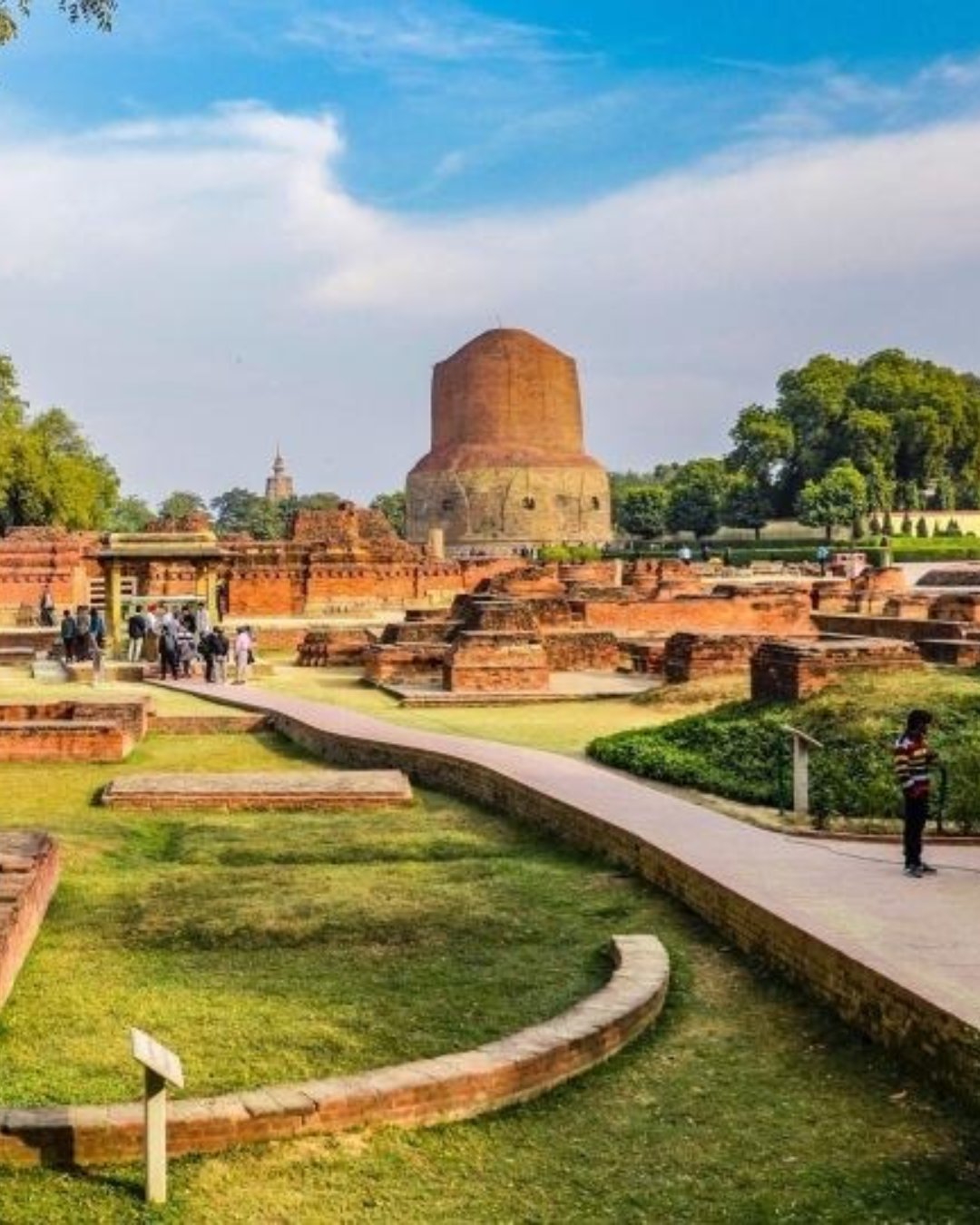
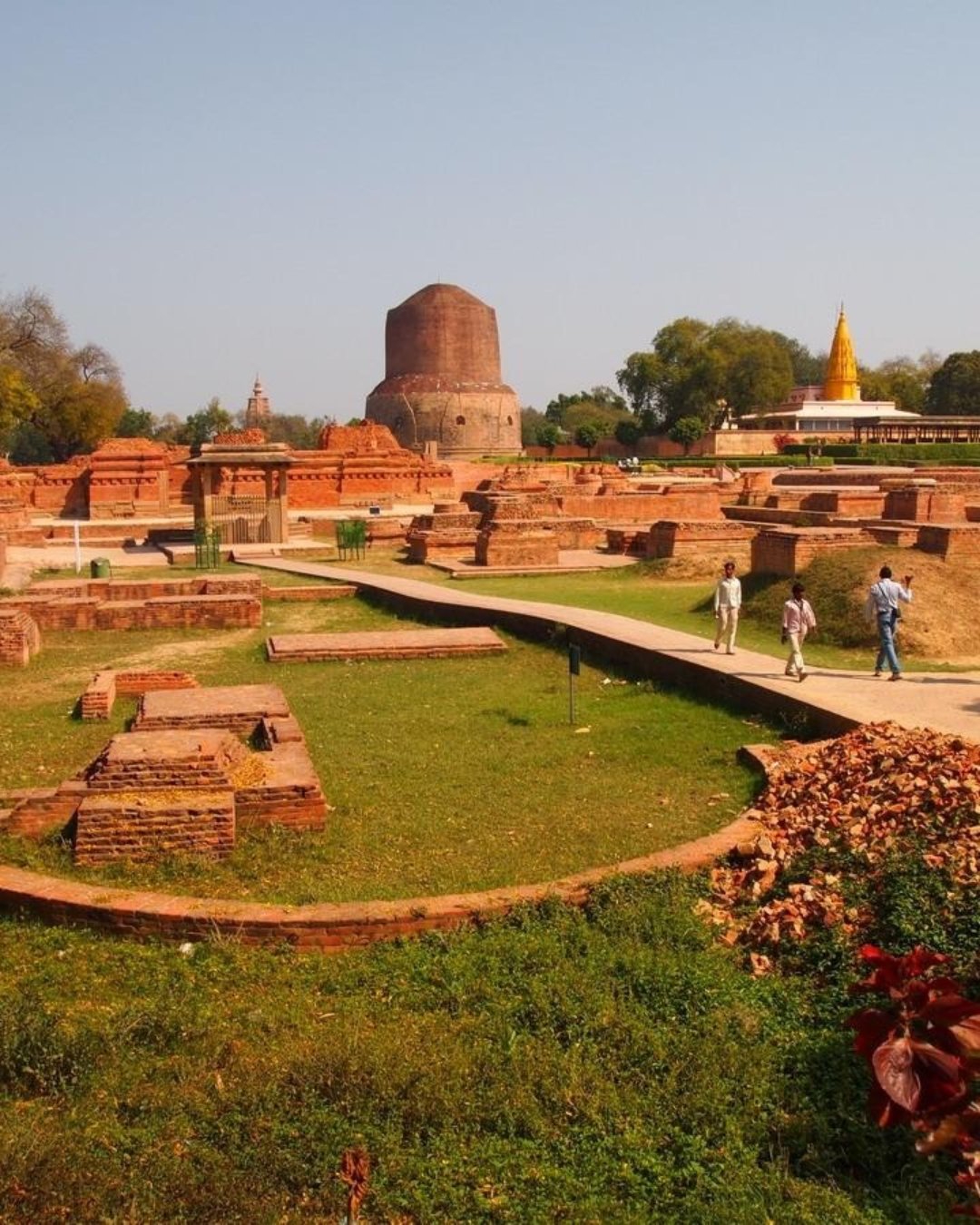
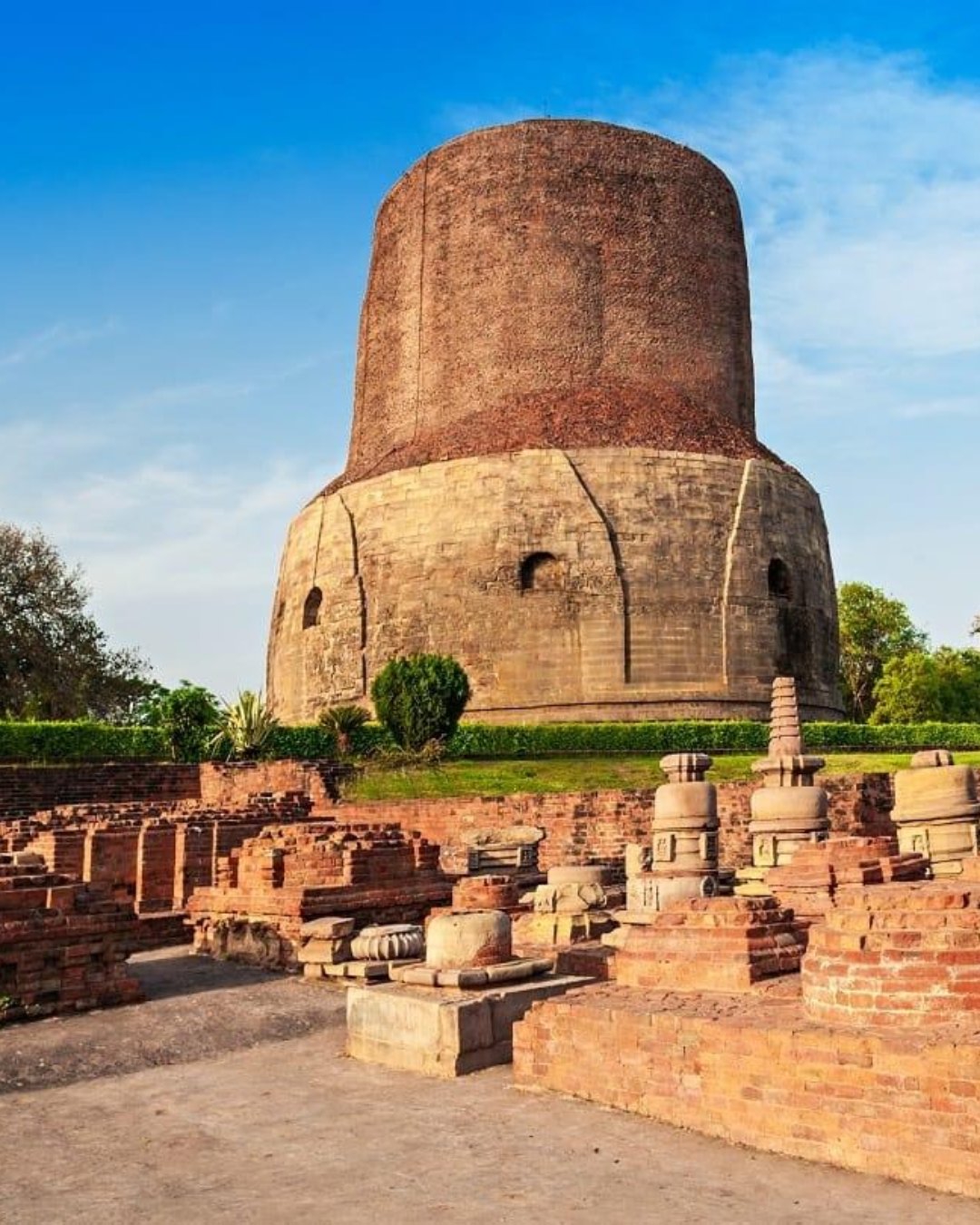
Ten Kilometres to Where Buddhism Started
The closest thing on this list is also the one most visitors leave until they have run out of time.
●Sarnath sits about 10 km northeast of the old city, roughly 30 minutes by road, and it is where the Buddha gave his first sermon after enlightenment.
●As a trip it is a half-morning or a late afternoon — the ruins, the stupa, the museum and the modern temples fit comfortably into three hours.
●Visually it is the opposite of Varanasi: open lawns, brick foundations, clean geometry, quiet. After several days in the lanes, that contrast is the point.
●Late afternoon light suits it far better than midday, and it pairs naturally with a morning at the ghats rather than competing with one.
Pro tip: Go on a day when you have already done a sunrise. Sarnath rewards an unhurried afternoon, and stacking it onto a busy morning wastes the calm that makes it worth visiting.
The mistakes that ruin it:
●Saving it for a half-day at the end of the trip when you are tired.
●Going at midday in summer — the site is open and offers almost no shade.
●Treating it as a quick photo stop. It needs about three hours to make sense.
18
MomentRamnagar Fort, Varanasi, Ramnagar
Across the River, and Almost Nobody Goes
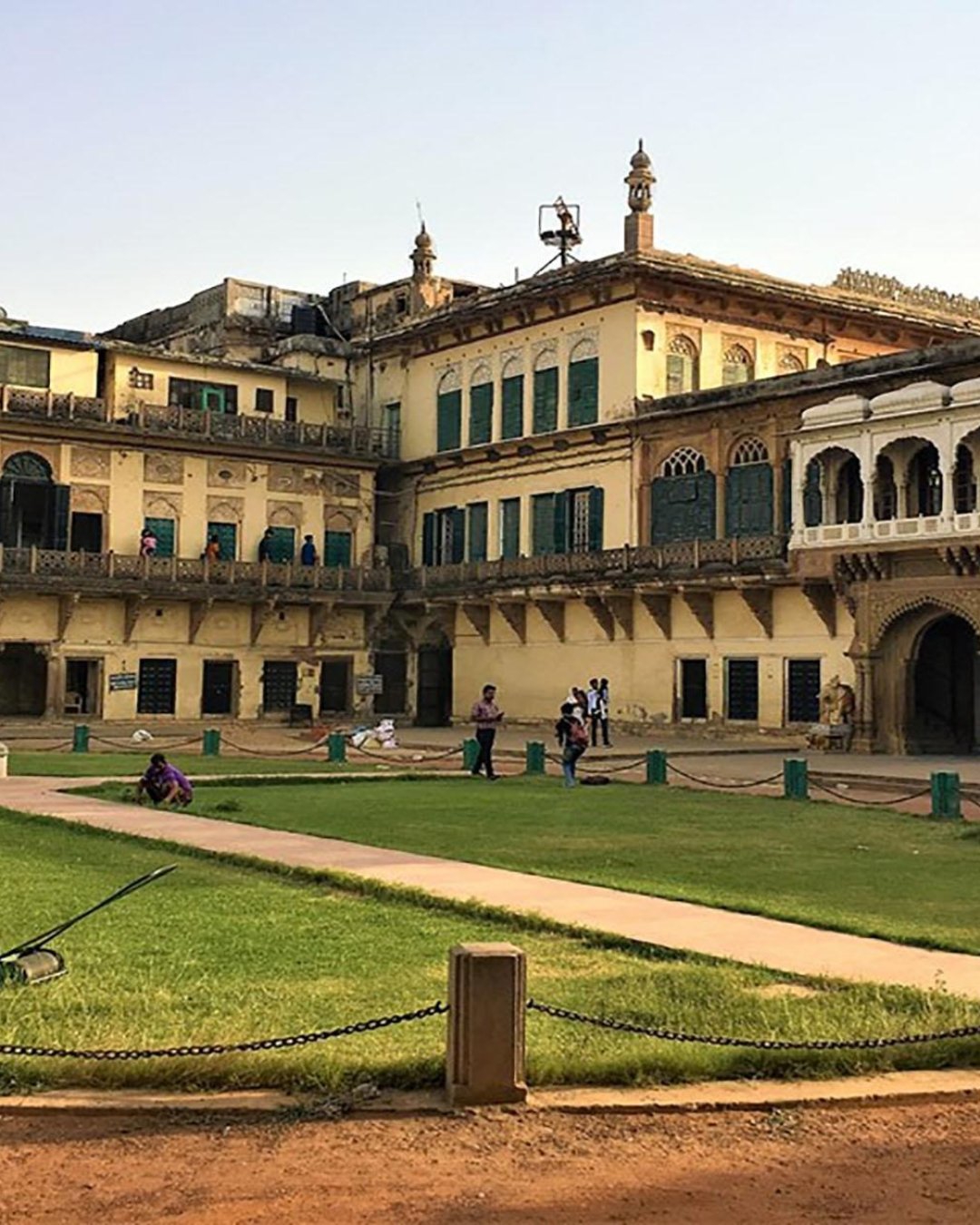
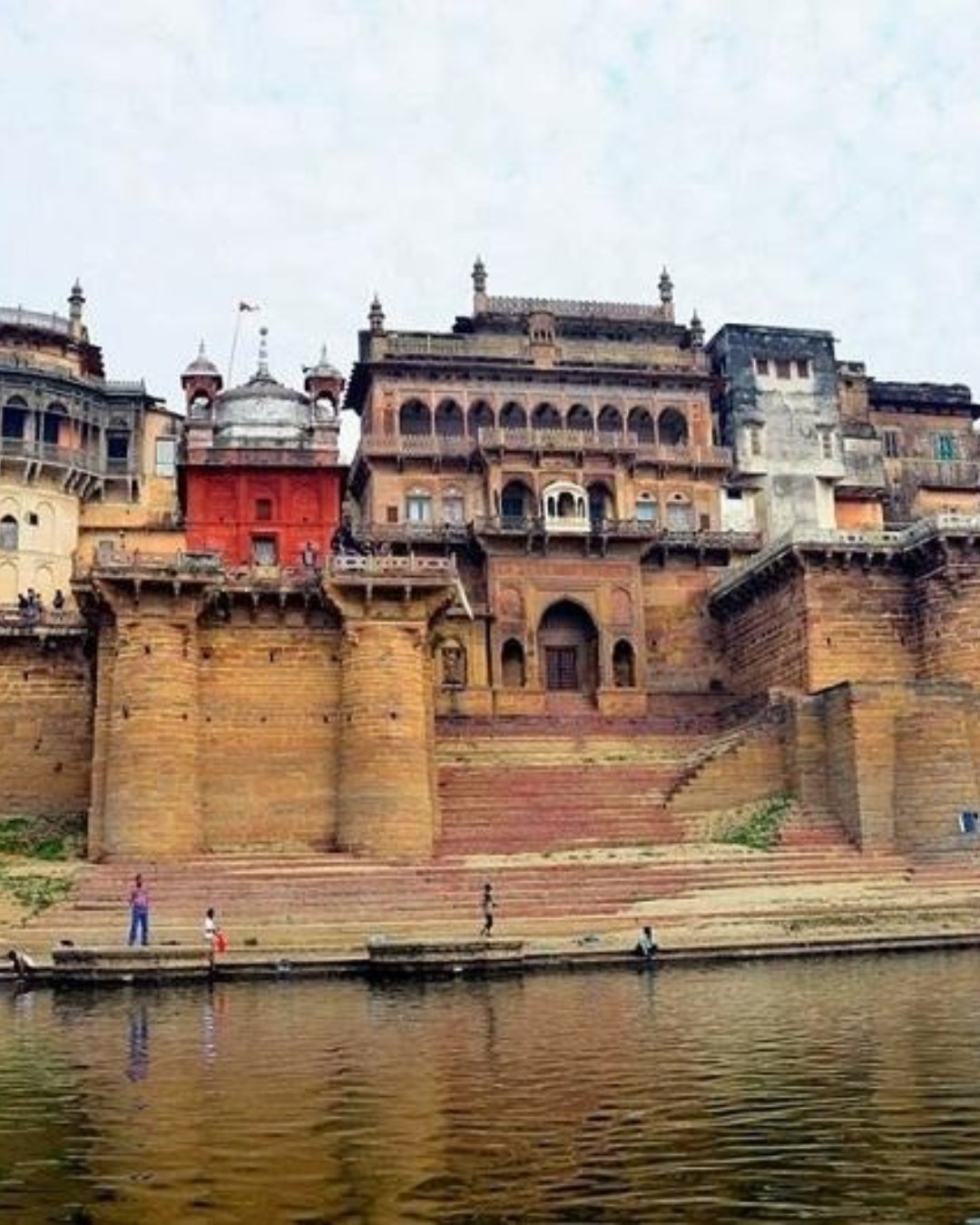
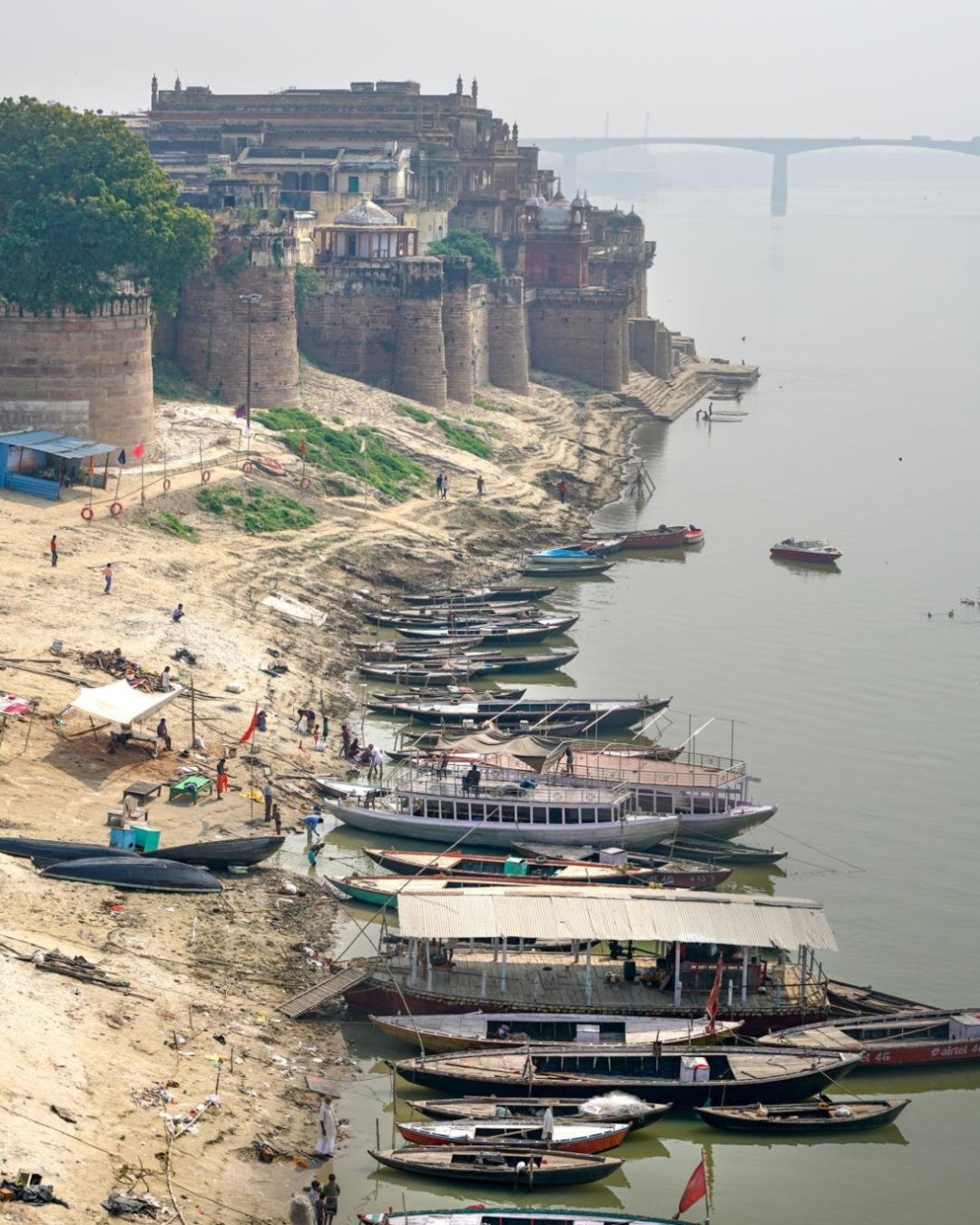
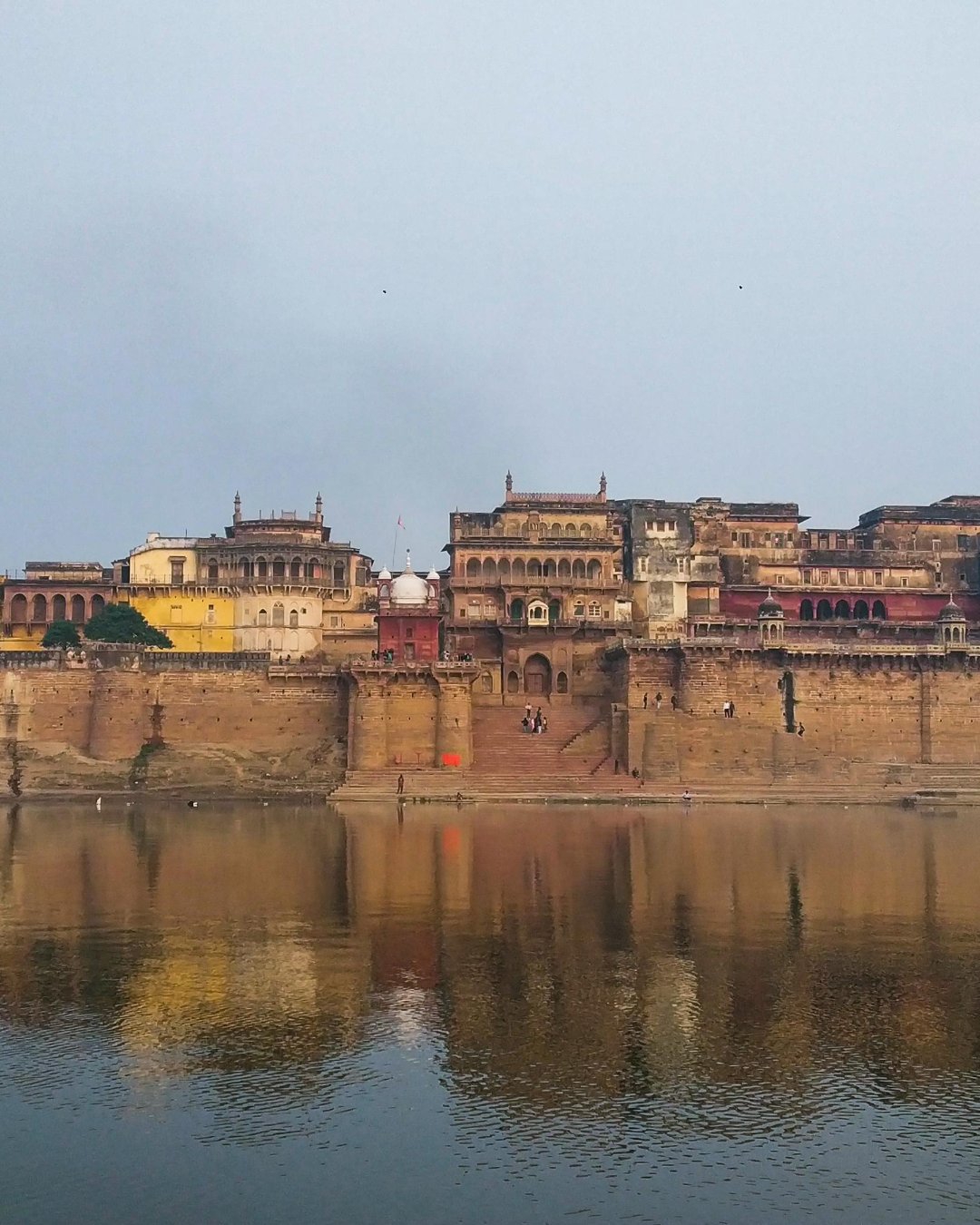
There is a fort fourteen kilometres away, directly across the water from the ghats, and on most days you will have it more or less to yourself.
●Ramnagar sits on the east bank, about 14 to 15 km from the old city and half an hour by road across the bridge. It is the seat of the Kashi royal family.
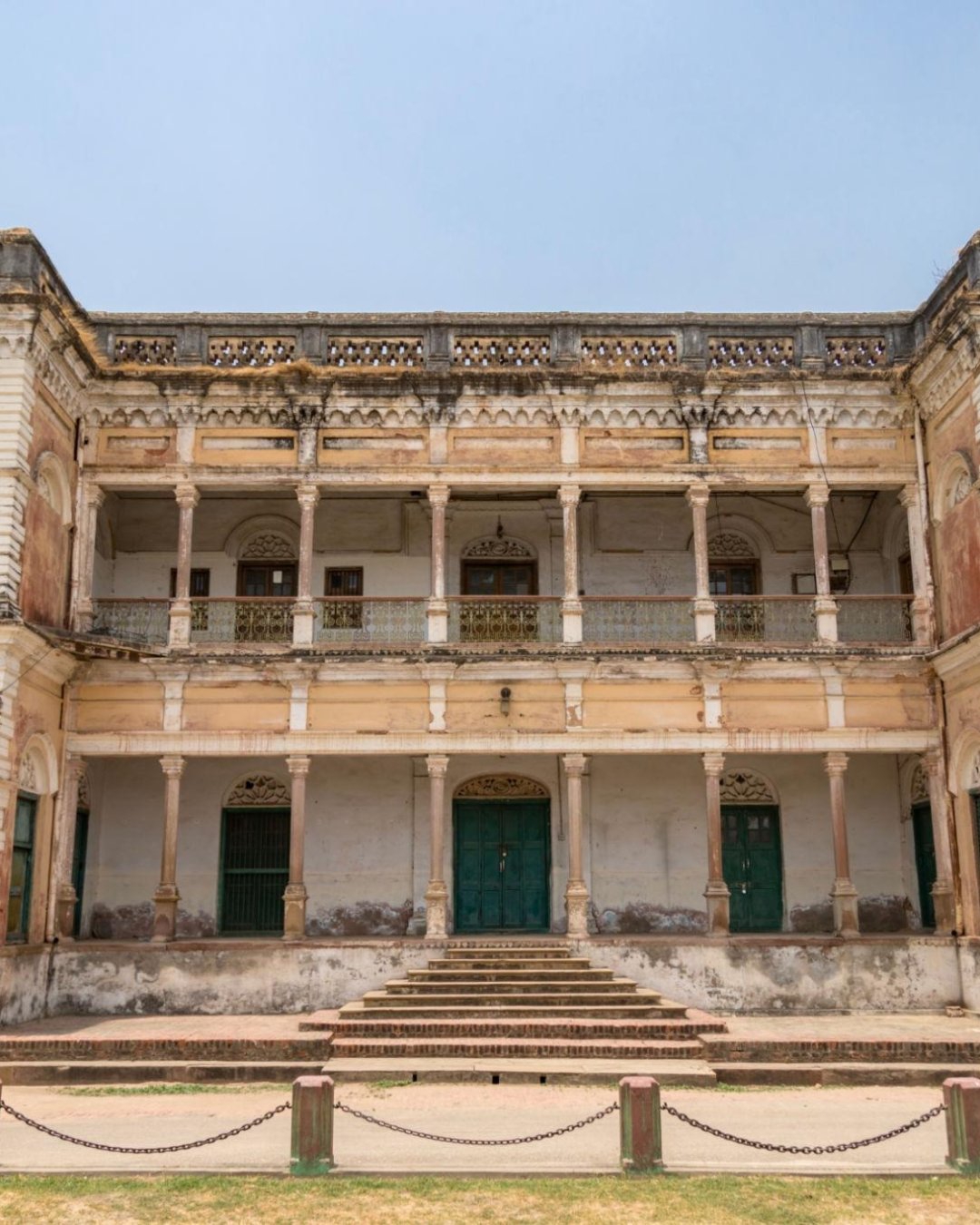
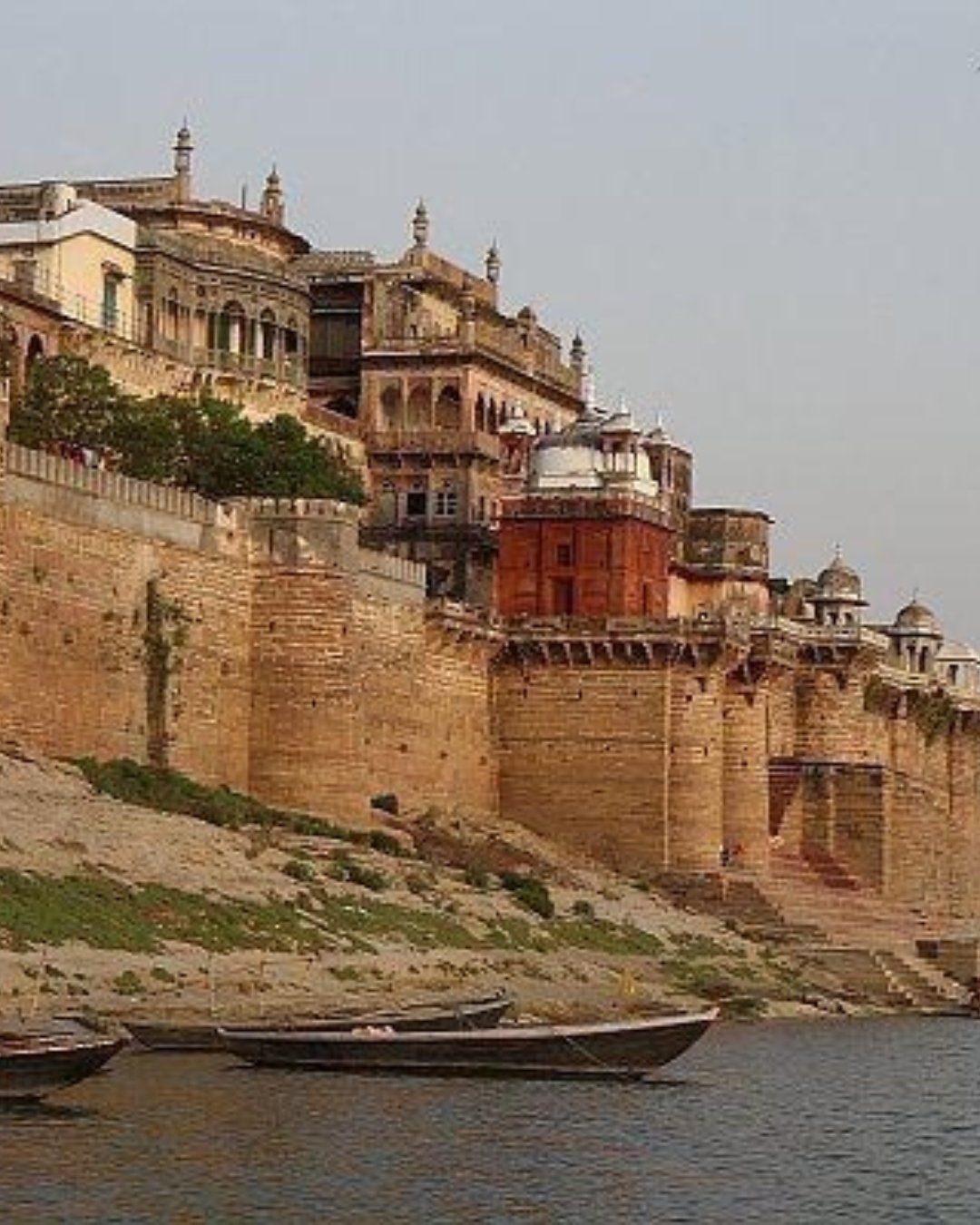
●The fort is crumbling in the way that makes photographers happy — sandstone, carved balconies, courtyards, and a museum of vintage cars, palanquins, arms and an astronomical clock that is stranger and
better than it sounds.
●The riverside setting is the real draw. From the ramparts you look back across the Ganga at the far bank, which is the reverse of every Varanasi view you have seen.
●Ramnagar's Ramlila, staged over several weeks in the autumn, is a centuries-old tradition performed across the town rather than on a stage. If your dates overlap, this is a significant thing to see.
●The town itself has a working ghat with no visitors at all, which after Dashashwamedh is a genuinely different register.
Pro tip: Go in the last two hours of daylight. The fort faces west across the river, so late light hits the sandstone and the return drive puts the sunset behind you over the water.
The mistakes that ruin it:
●Expecting a restored heritage property. It is faded, and that is its character.
●Going at midday, when the light is flat and the courtyards are hot.
●Assuming the museum is a quick walk-through. It is the best part.
20
MomentChunar Fort, Tammanpatti
The Fort Above the Bend in the Ganga
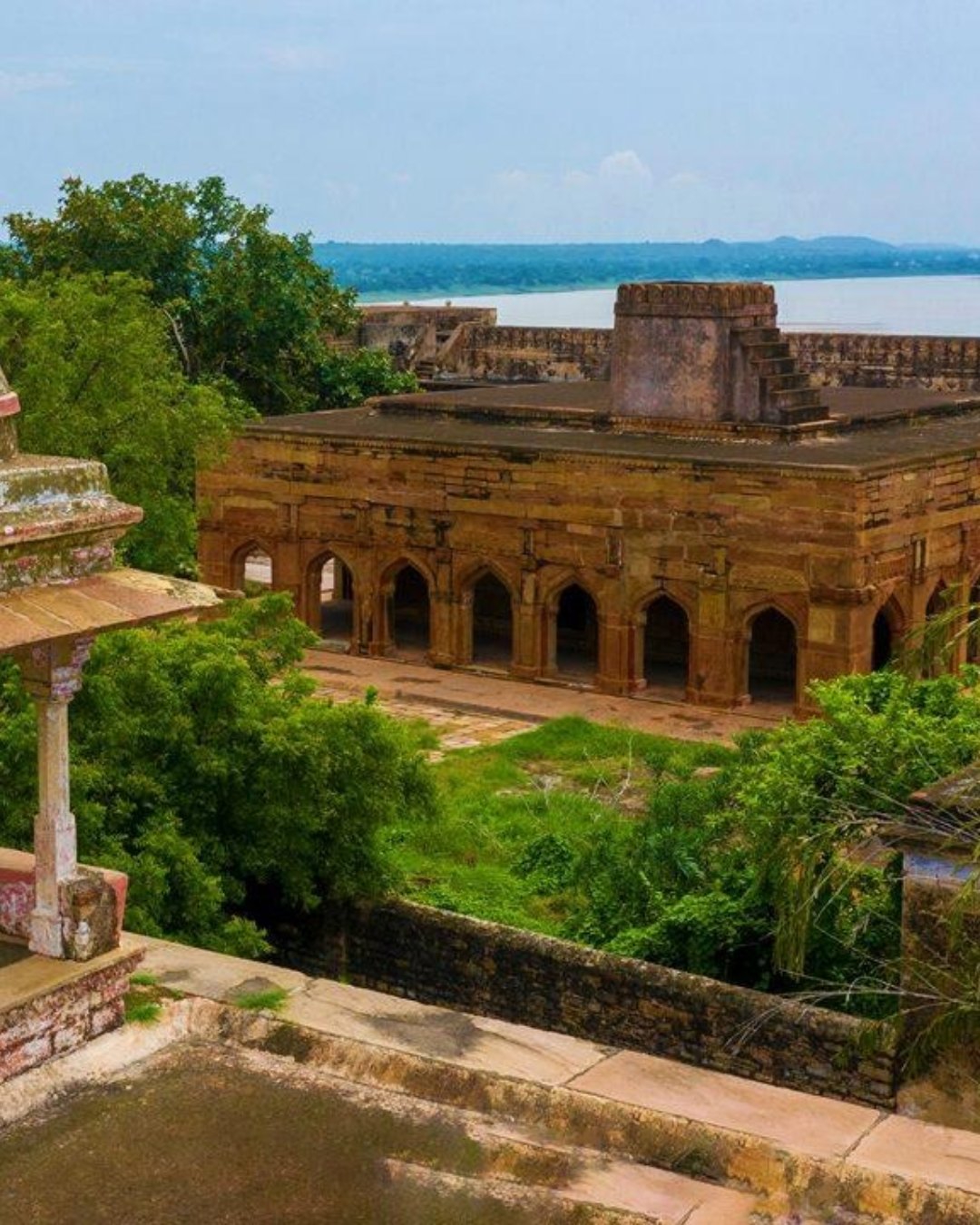
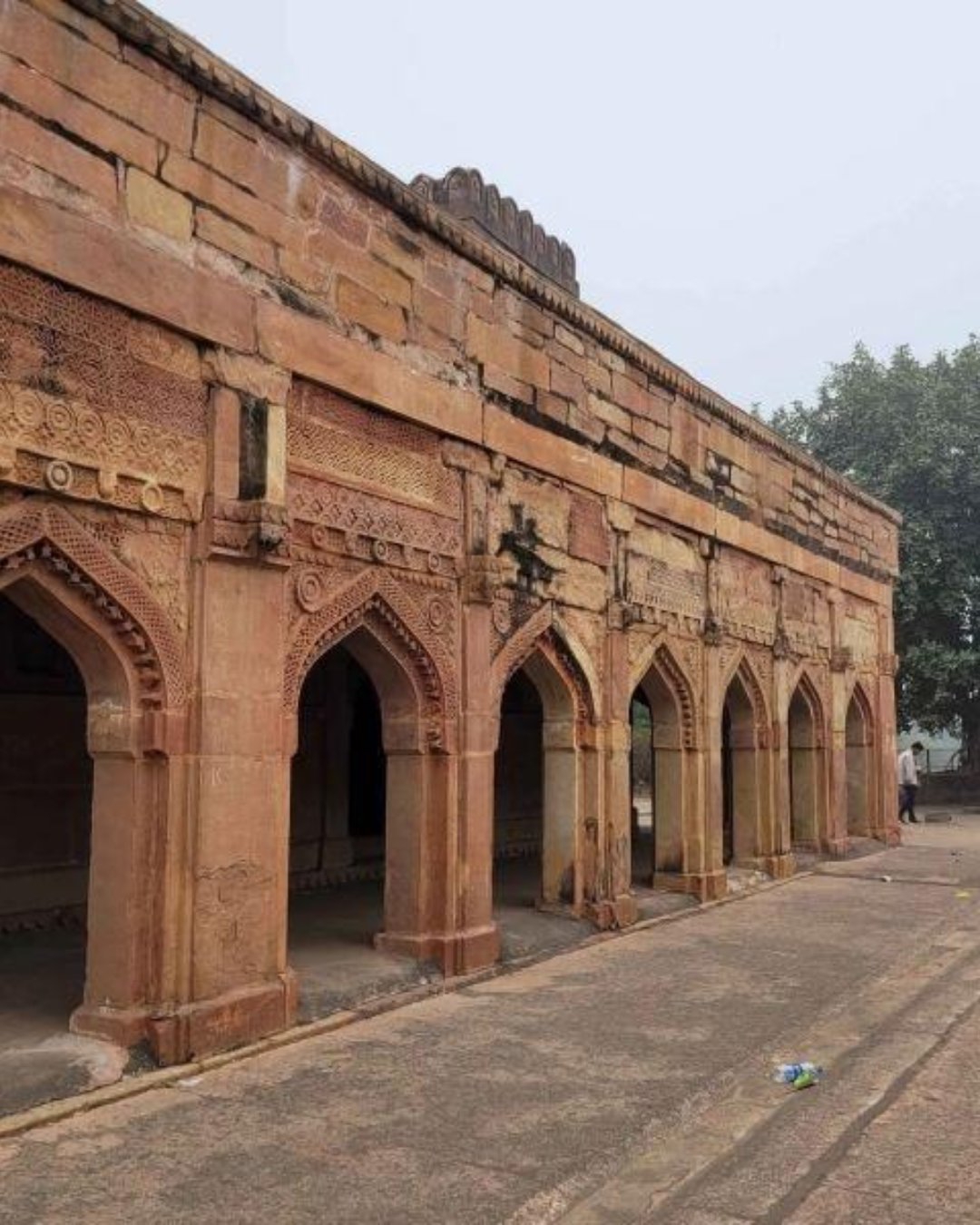
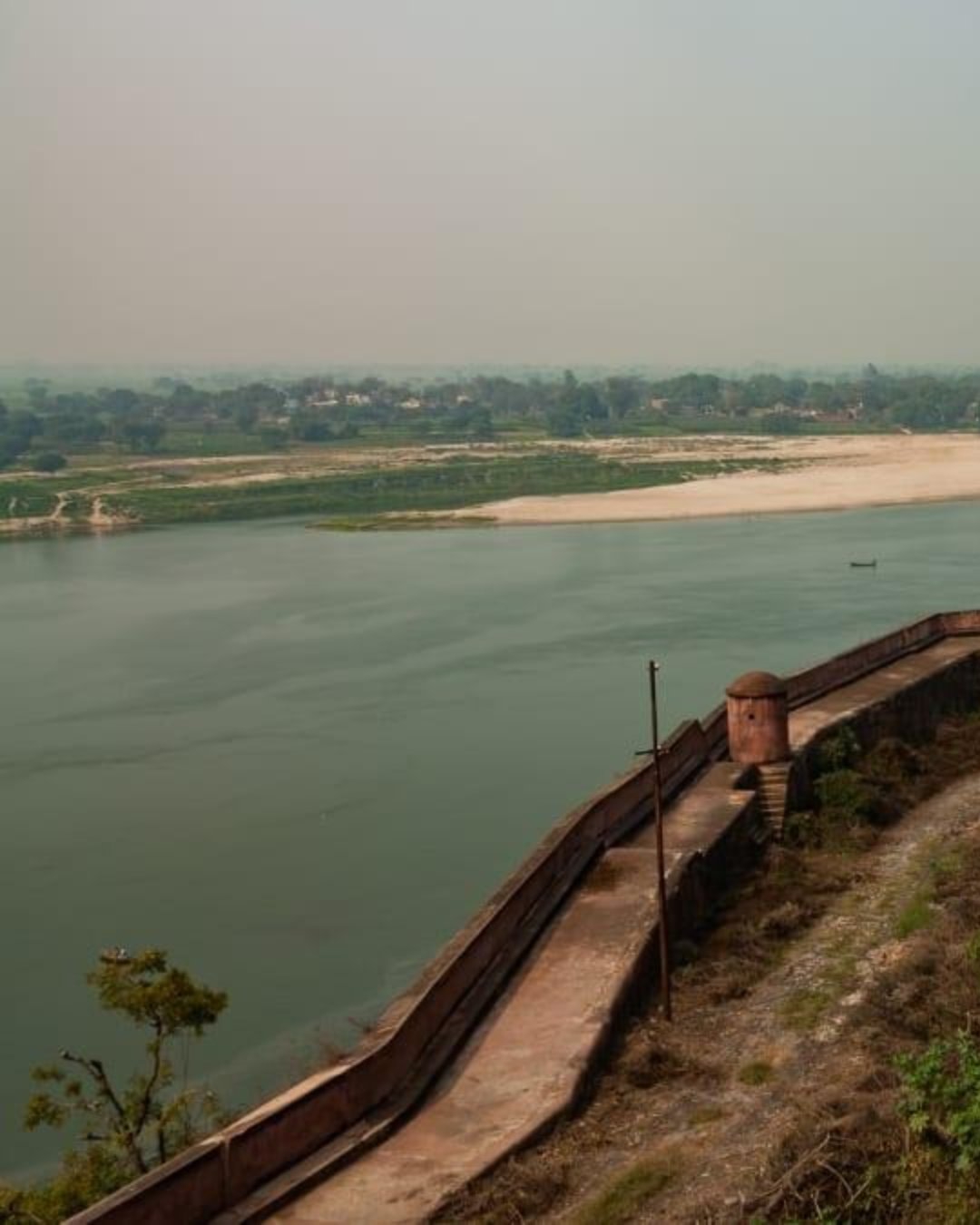
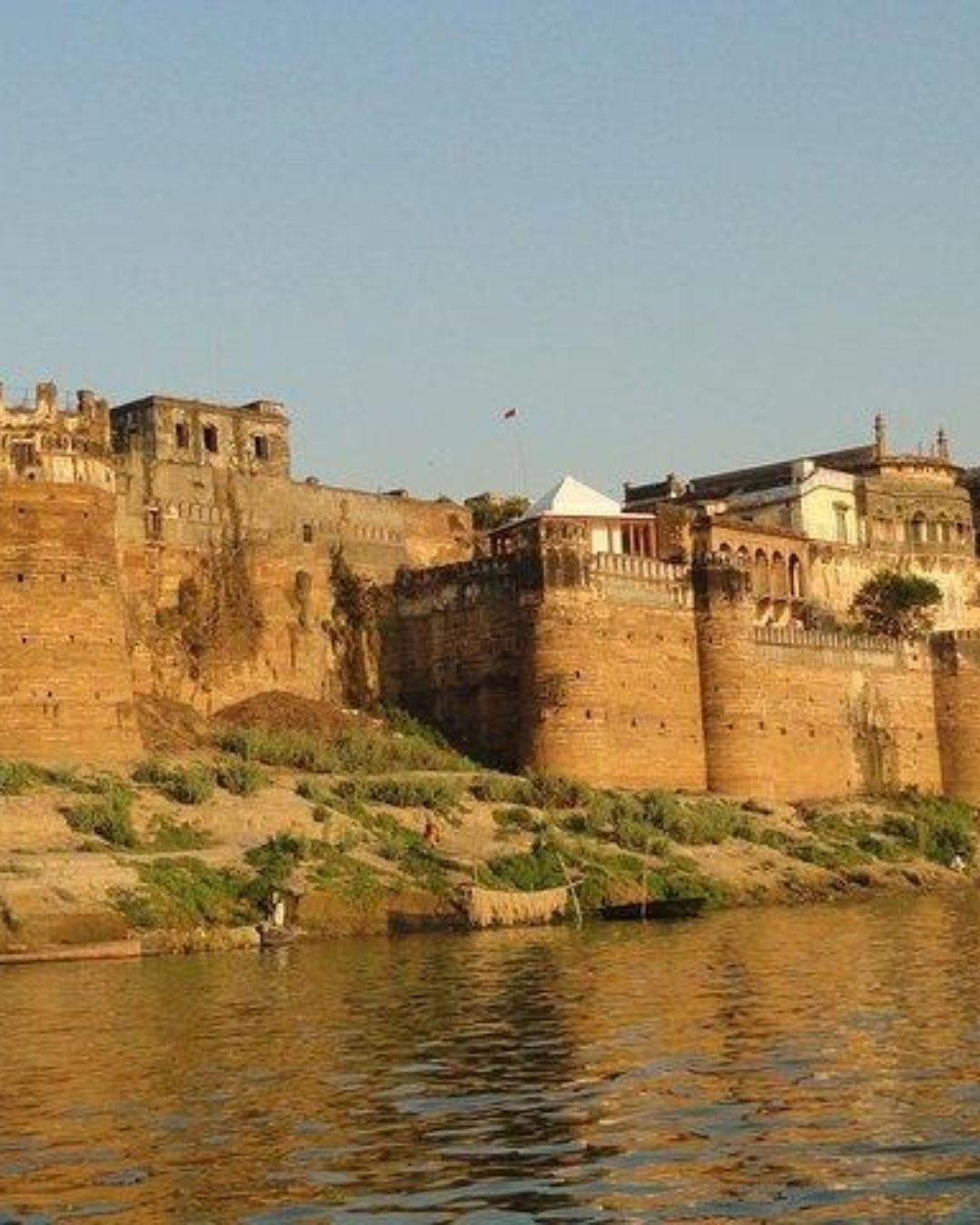
Forty kilometres upriver, the Ganga turns hard against a rock outcrop, and somebody has been fortifying that outcrop for a very long time.
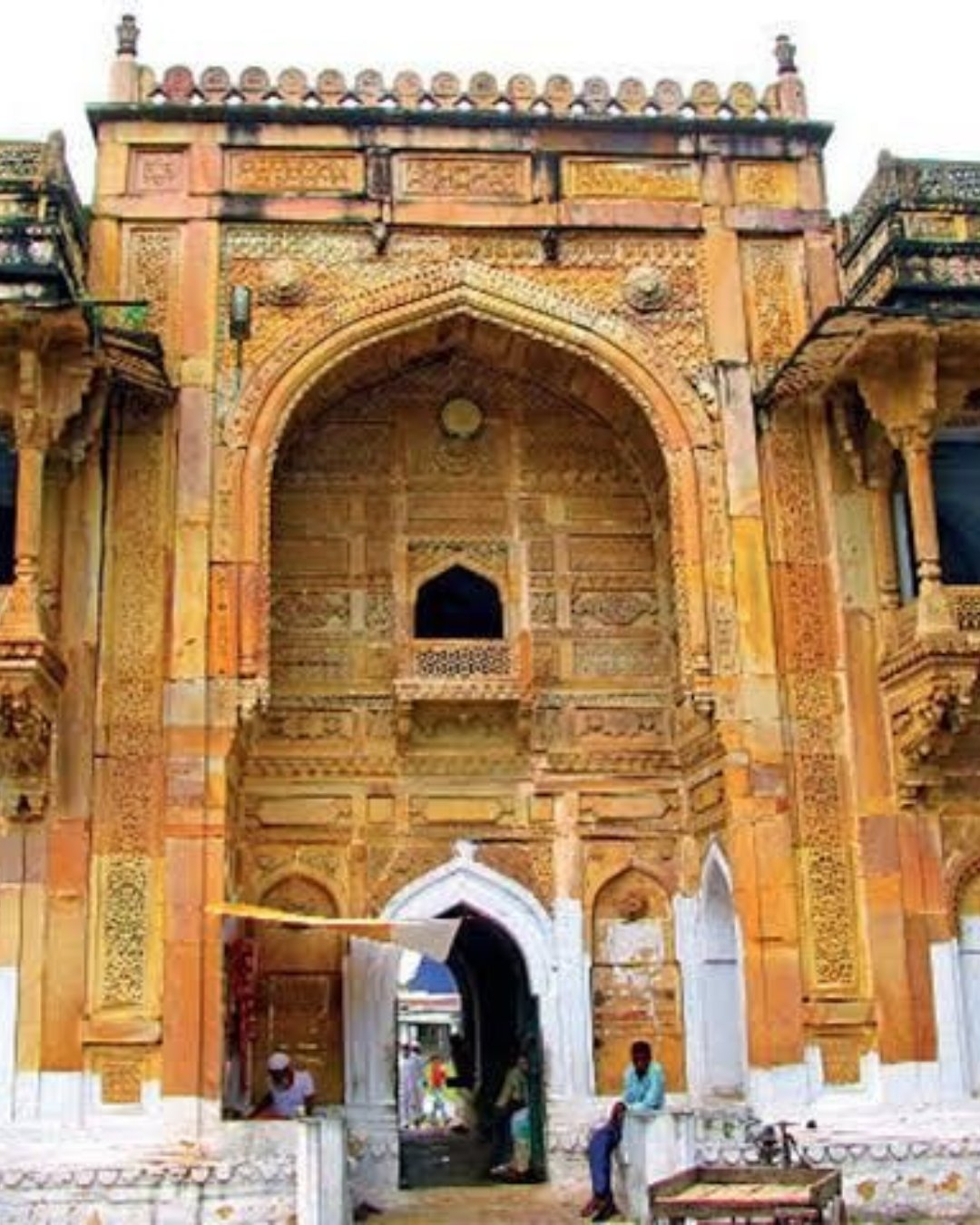
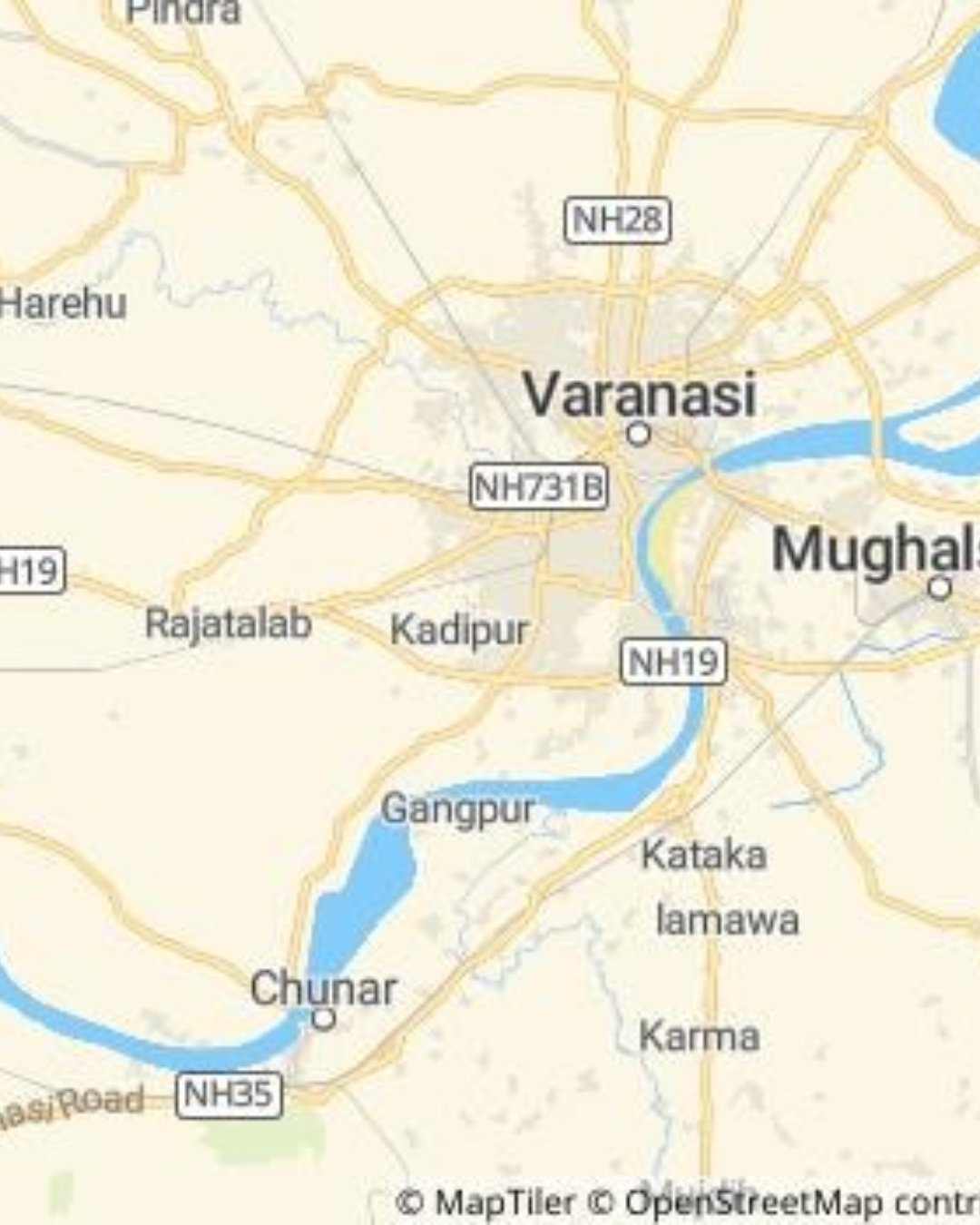
●Chunar sits about 40 km from Varanasi, an hour to ninety minutes by road, and the fort occupies a bluff directly above the river.
●The site has passed through a long sequence of rulers and the architecture shows it — layers of Mughal, Afghan and later British work stacked on much older foundations, with a colonial-era cemetery attached.
●The view is the reason to go. From the ramparts you get the river bending below and the plain running out flat in every direction, which is a perspective Varanasi itself never gives you.
●The surrounding area is known for sandstone quarrying, and the same stone appears in buildings across the region — including much older monuments than the fort.
●It combines well with Vindhyachal and Mirzapur, which sit further along the same road, if you are willing to make it a full day.
●A cruise route also runs downriver from Varanasi to Chunar as a full-day boat trip, which is a completely different way to arrive.
Pro tip: Start early. The fort is exposed, the climb is in the open, and by late morning in anything but winter the ramparts are punishing.
The mistakes that ruin it:
●Going in peak summer without an early start and water.
●Expecting interpretive signage or a guided route. There is little of either.
●Adding Vindhyachal on the same day without leaving before eight.
22
MomentVindhyachal, Mirzapur
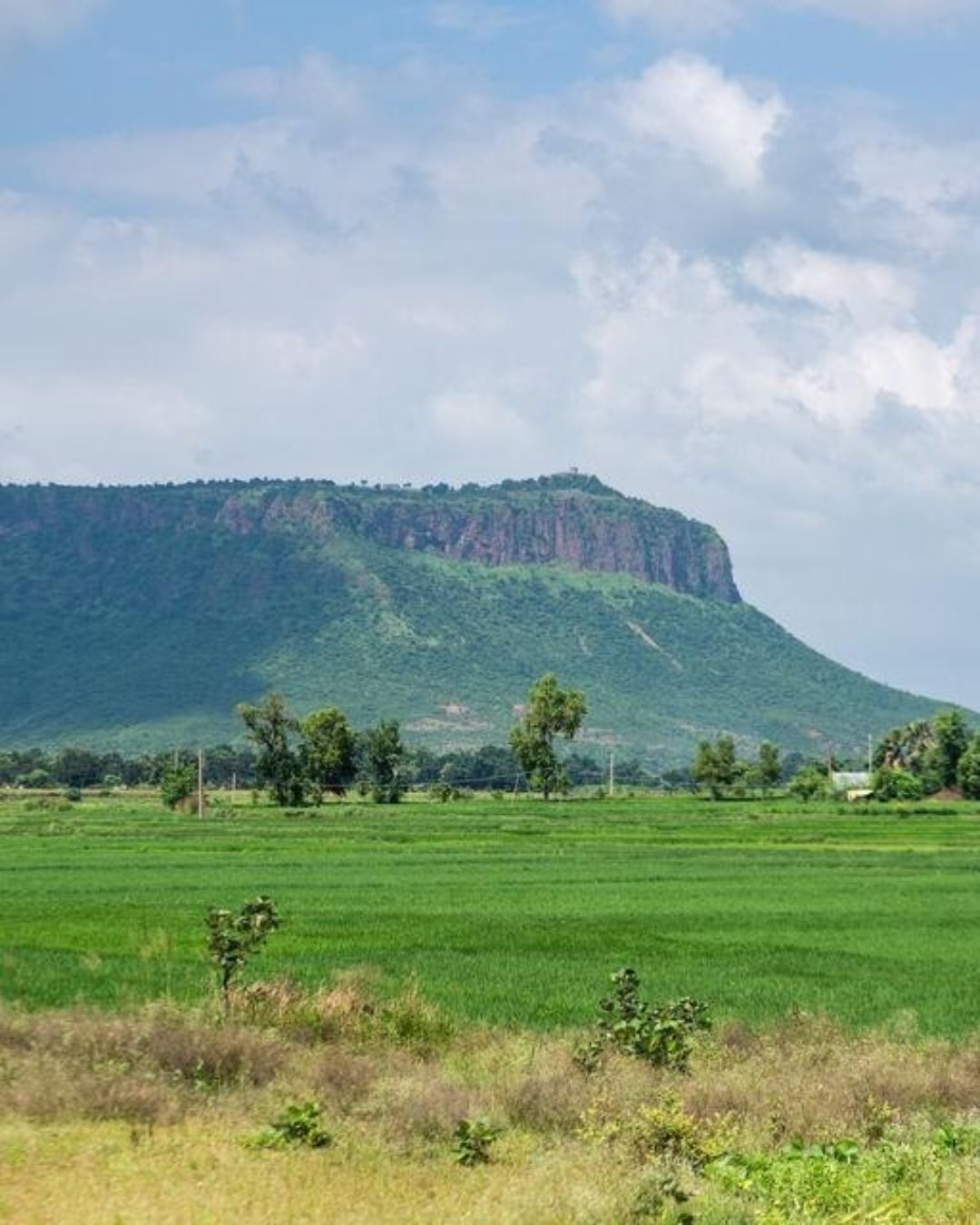
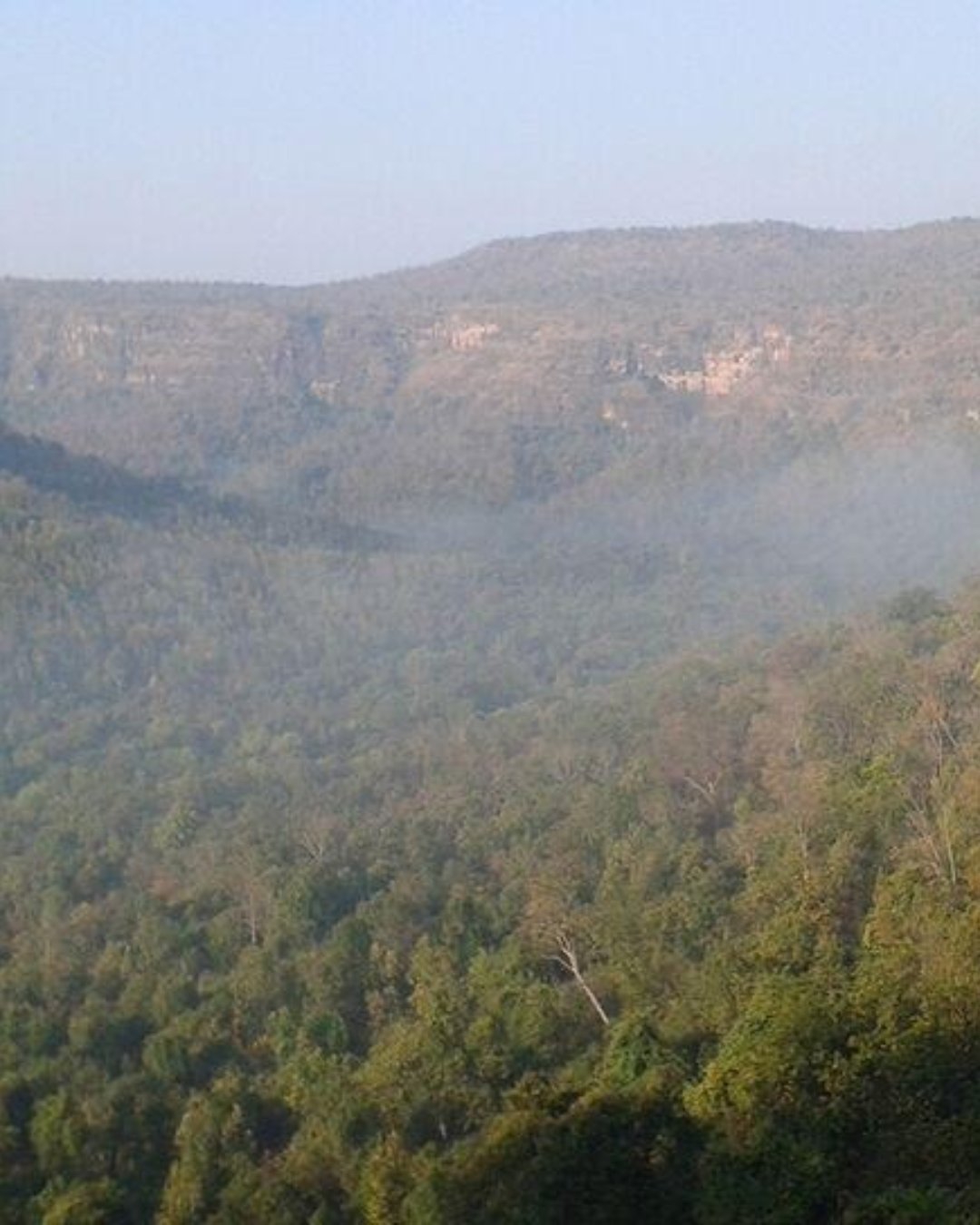
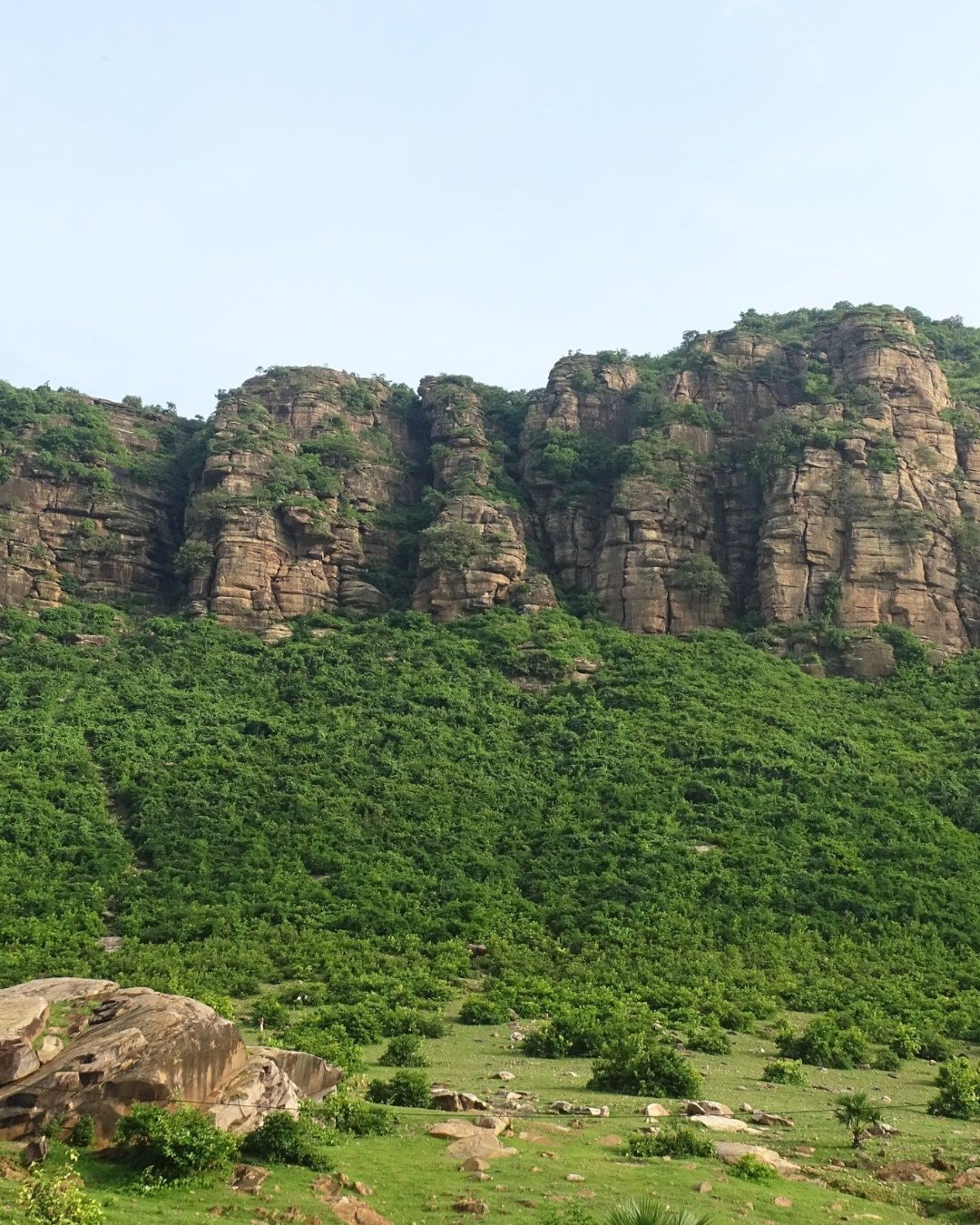
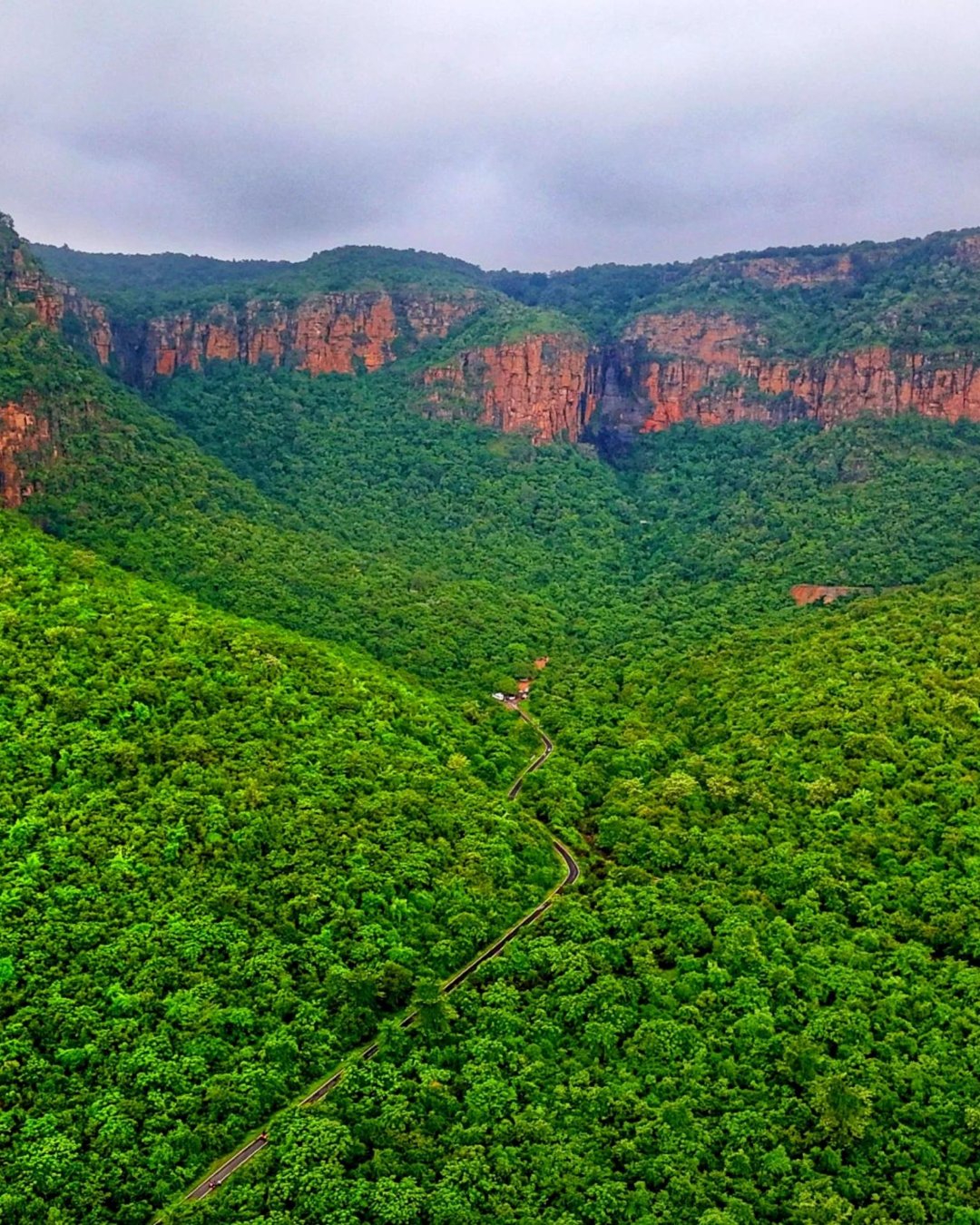
The Hills Nobody Associates With This Landscape
Two hours south of Varanasi the plain finally breaks into hills, and a temple there draws pilgrims by the hundred thousand.
●Vindhyachal is roughly 70 km away, about two hours by road, in Mirzapur district. The Vindhyavasini temple there is a major Shakti site and one of the most visited pilgrimage destinations in the region.
●This is an active, crowded, working pilgrimage town rather than a sightseeing stop, and it feels like one. Festival periods and Navratri in particular bring enormous crowds.
●The traditional circuit takes in two further hilltop shrines beyond the main temple, which involves a climb and turns the visit into most of a day on its own.
●Mirzapur, around 65 km out, is the practical base for the wider area and sits where the Vindhya range starts to rise out of the plain.
●The district is a long-established centre of hand-knotted carpet and dhurrie weaving — a completely different craft tradition from the silk weaving of Varanasi, and one almost no visitor sees.
●The same range holds the waterfalls covered in the next section, though they sit on different roads and generally need their own day.
Pro tip: If the temple is the reason you are going, go on a weekday and outside Navratri. If the hills are the reason, the waterfalls below are the better target and the season matters far more than the day of the week.
The mistakes that ruin it:
●Arriving during Navratri without expecting queues measured in hours.
●Assuming the temple and the waterfalls are the same trip. They are not.
●Combining the full three-shrine hill circuit with Chunar in one day. Pick one.
21
MomentChandraprabha Wildlife Sanctuary, Chandauli
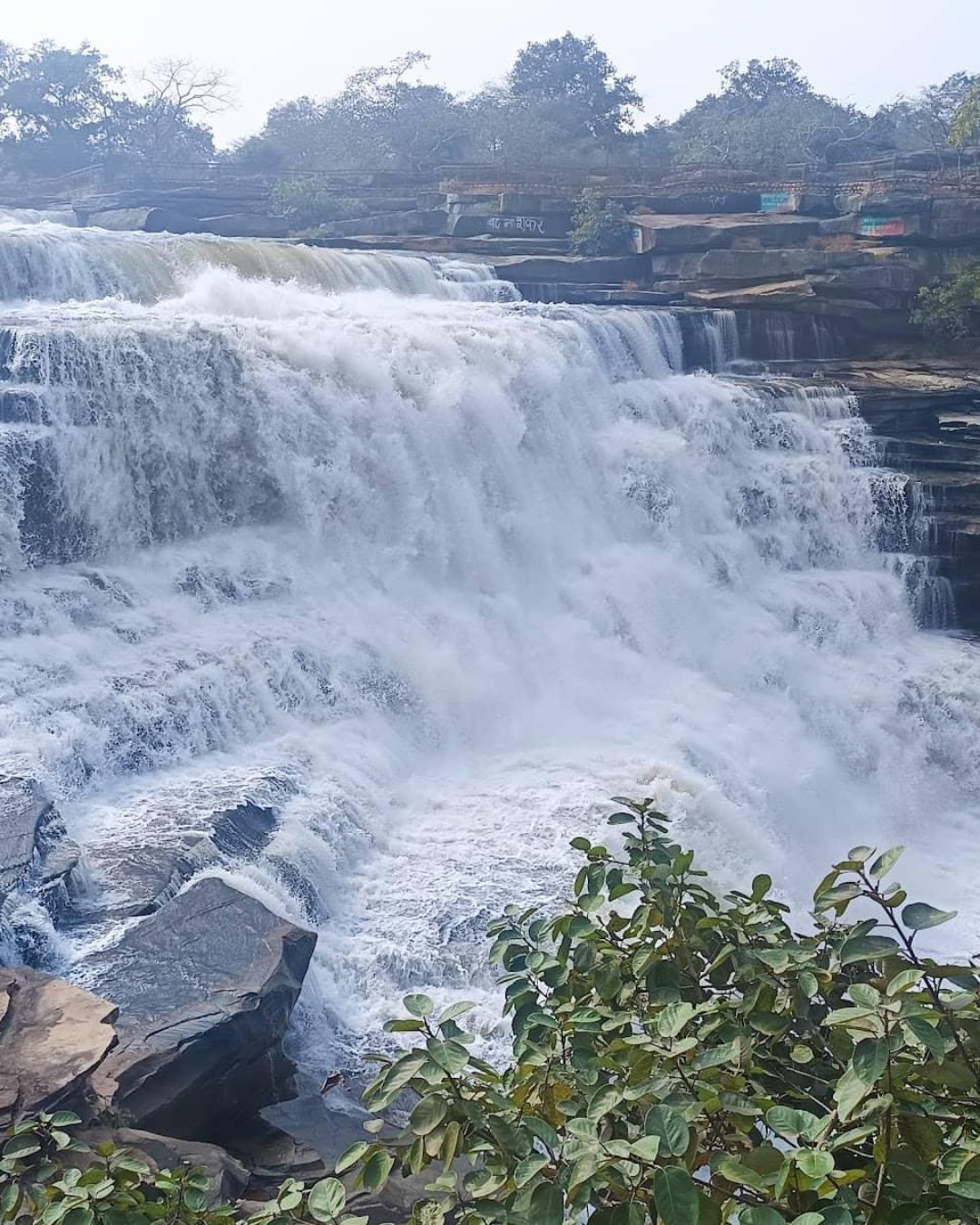
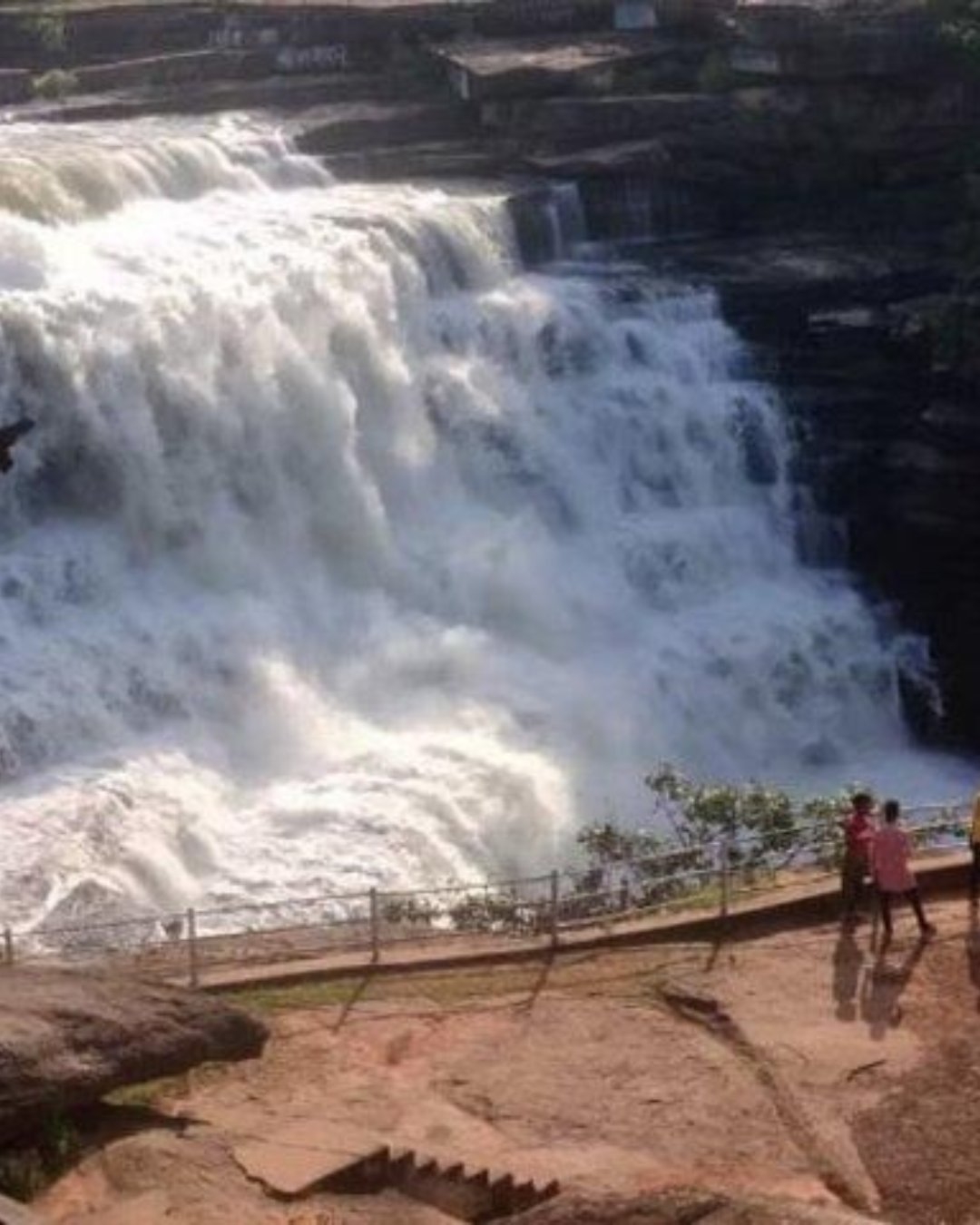
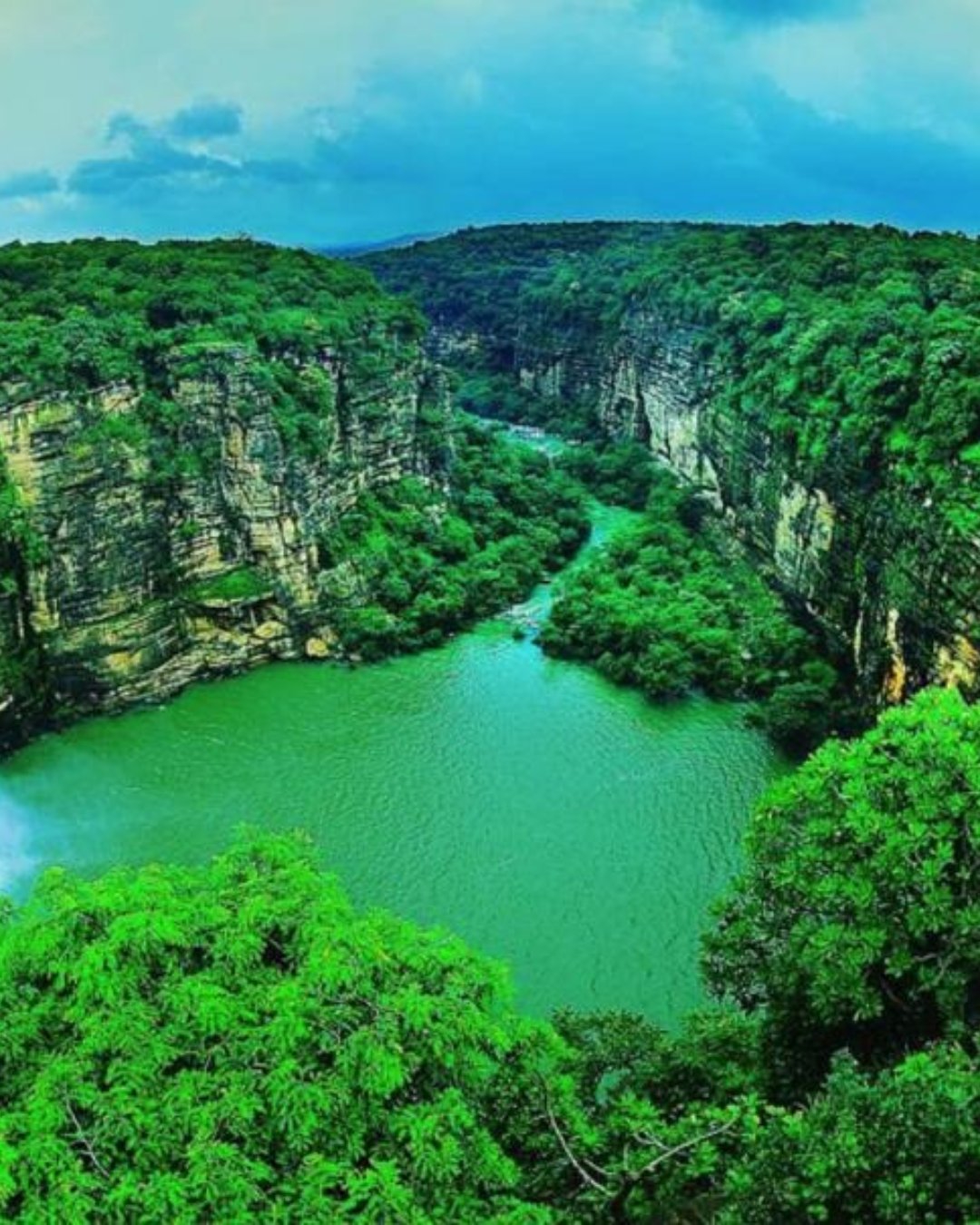
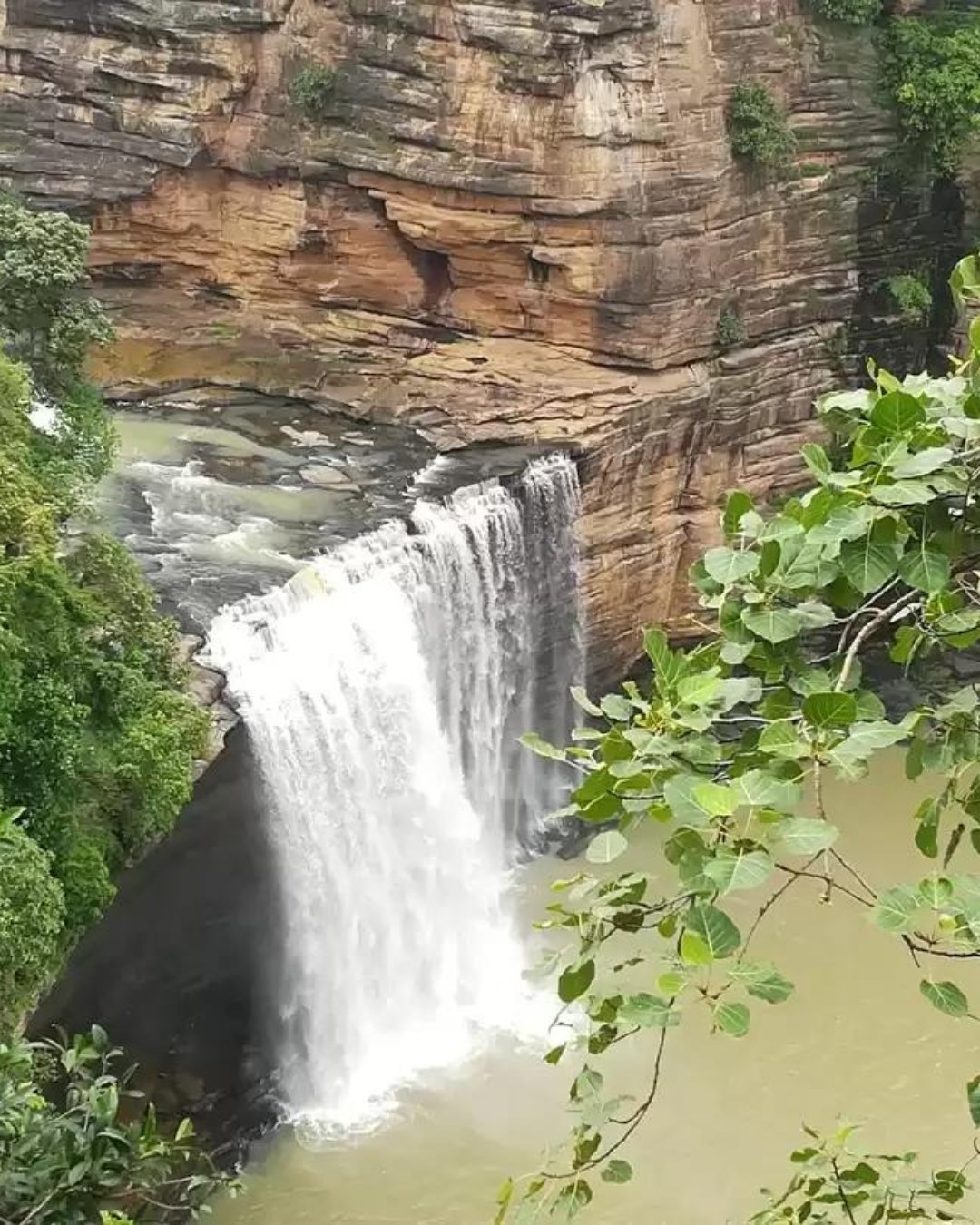
Yes, There Are Waterfalls — and They Have a Season
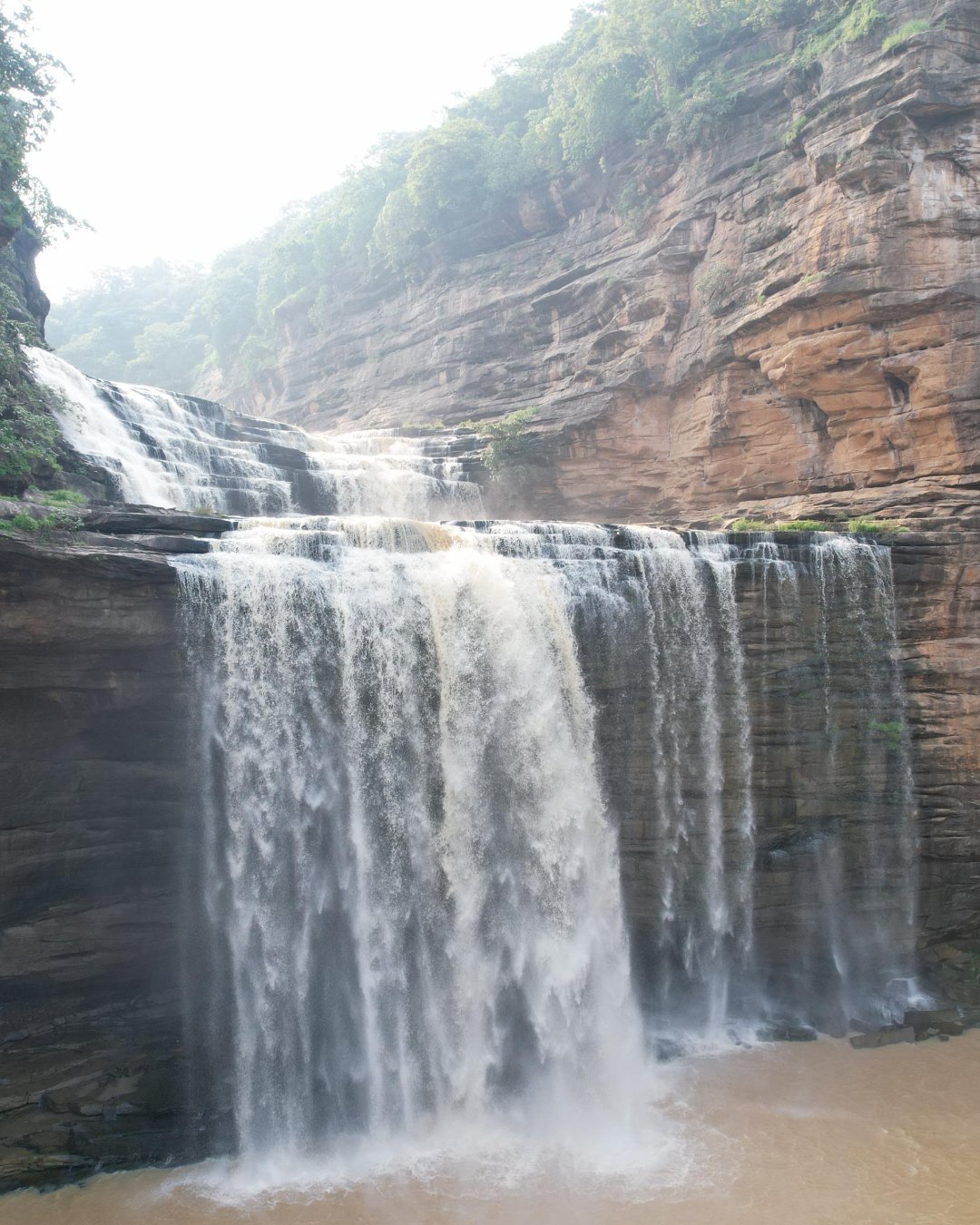
The single most surprising thing within two hours of Varanasi is a hundred-and-fifty-metre waterfall, and for half the year it is a damp rock.
●Lakhaniya Dari sits in Mirzapur district, roughly 48 to 54 km from Varanasi depending on your route, about ninety minutes to two and a half hours by road. The fall drops around 150 metres into a pool below.
●It is not a roadside viewpoint. From the entry gate there is a walk of two to three kilometres over rock to reach the main fall, and most people take around an hour and a half. Footwear matters.
●Rajdari and Devdari lie in the opposite direction, in Chandauli district, roughly 65 to 70 km out, inside the Chandraprabha Wildlife Sanctuary. The two falls sit about 700 metres apart, so you see both on one visit.
●Chandraprabha is a sanctuary rather than a picnic spot — forested Vindhyan hills, marked paths, and a completely different landscape from anything else on this list.
●Season is everything. These are monsoon-fed, and roughly July to October is when they actually run. Outside that window they thin to a trickle and by late spring several are dry.
●The trade-off is real: peak flow is peak slipperiness. Monsoon rock is treacherous, water levels rise fast, and people do get into difficulty. Late monsoon into October gives you flow without the worst of the risk.
●Because these are two different districts on two different roads, they do not combine. Each is its own day out of Varanasi.
Pro tip: Go in late September or October. You get water in the falls, safer rock underfoot, and the sanctuary is at its greenest — the three things almost never line up outside that window.
The mistakes that ruin it:
●Driving out in April or May expecting a waterfall. There will not be one.
●Treating the walk to Lakhaniya Dari as a stroll. It is a rocky two to three kilometres each way.
●Swimming or scrambling near the lip during heavy flow. Levels change quickly and the rock is slick.
●Trying to fit Lakhaniya Dari and the Chandraprabha falls into one day. Opposite directions.
26
MomentJaunpur
The Sultanate City Almost No Visitor Reaches
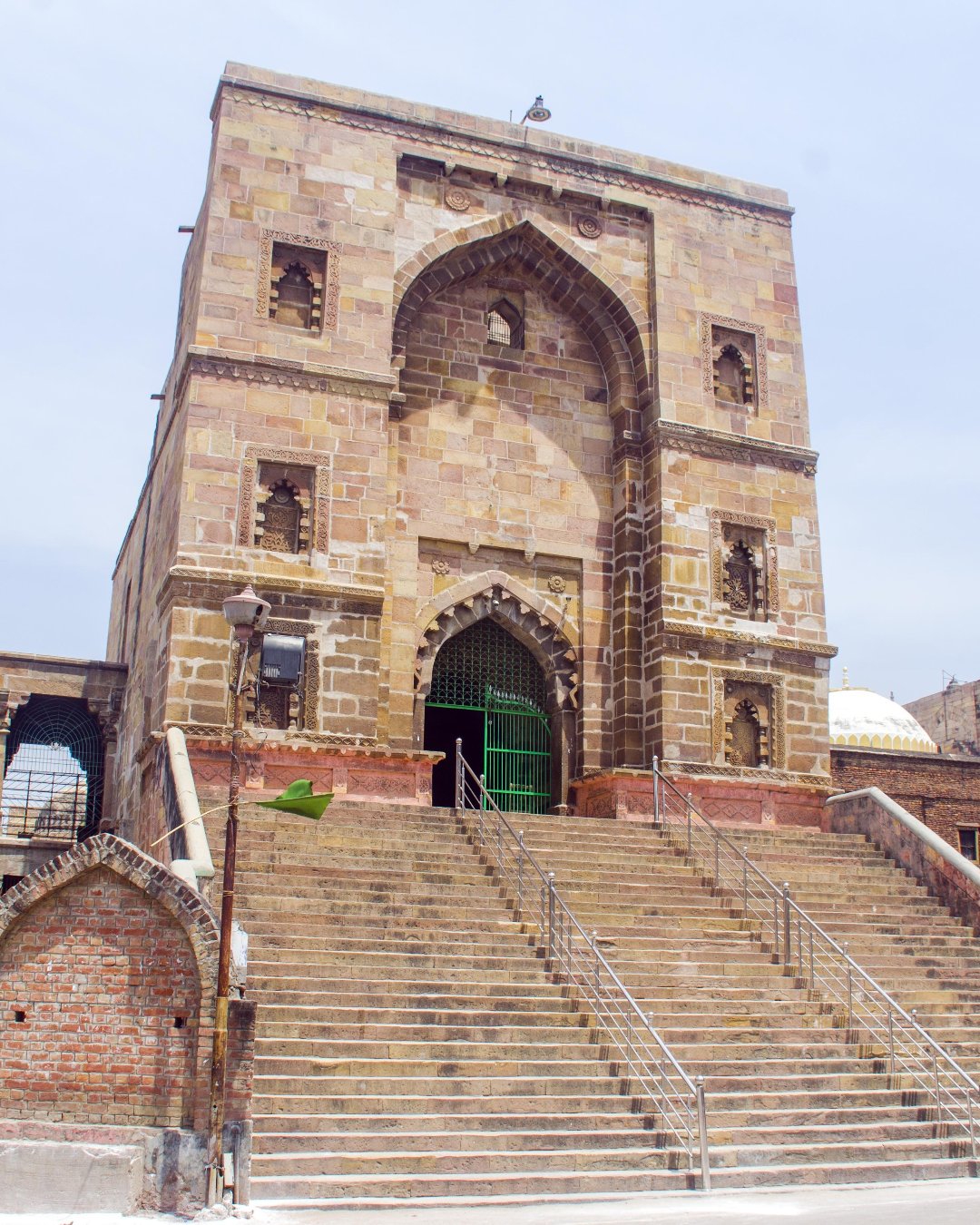
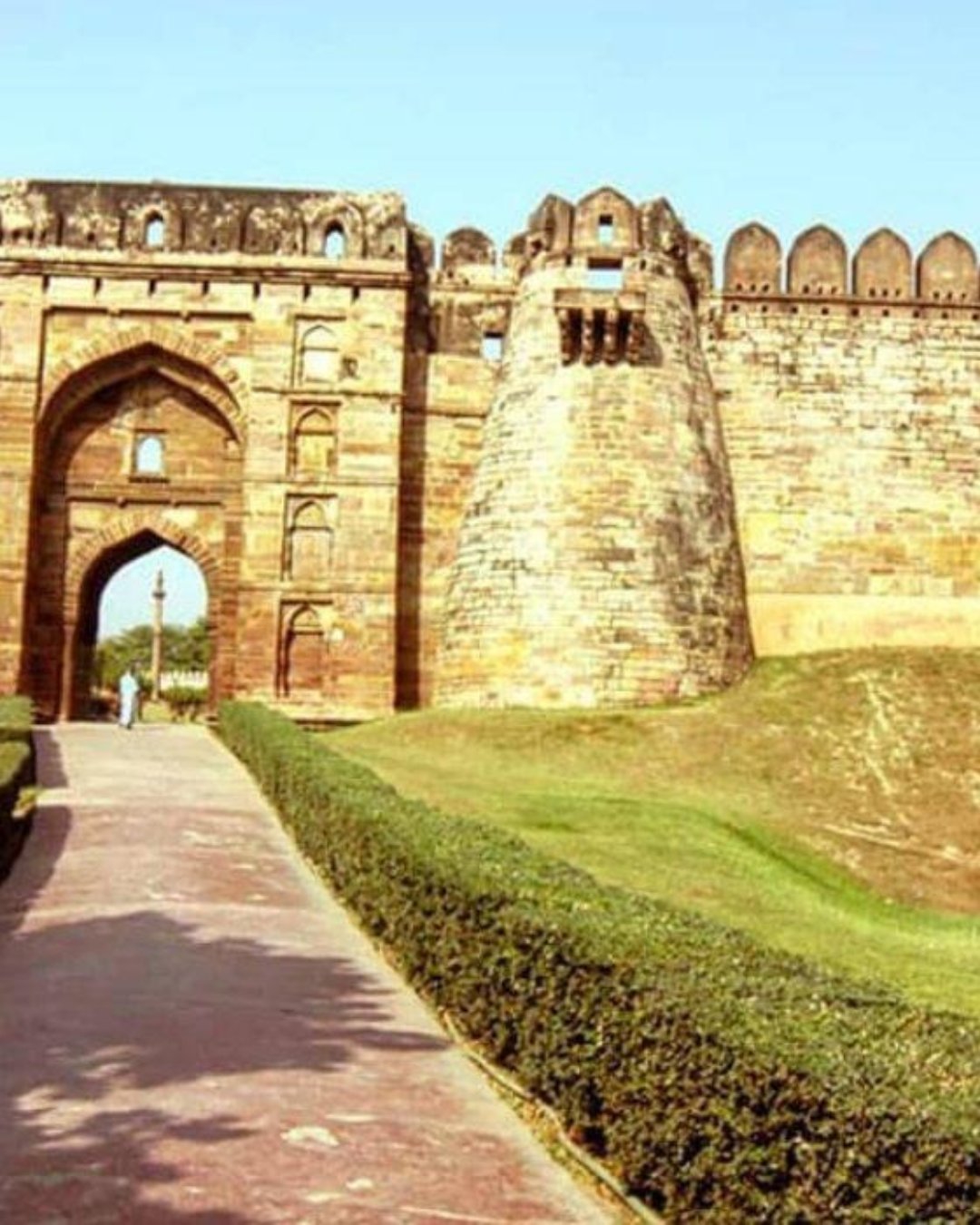
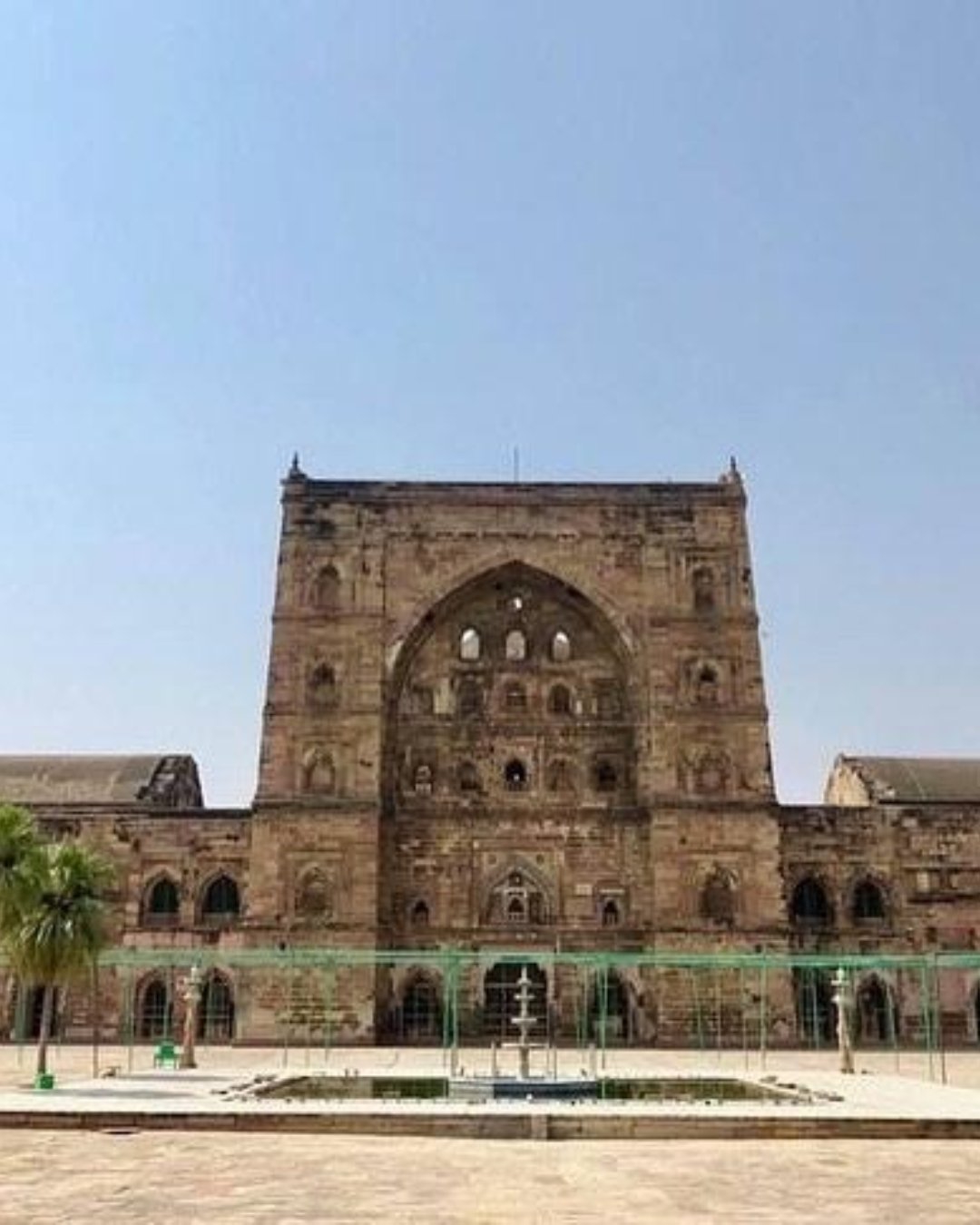
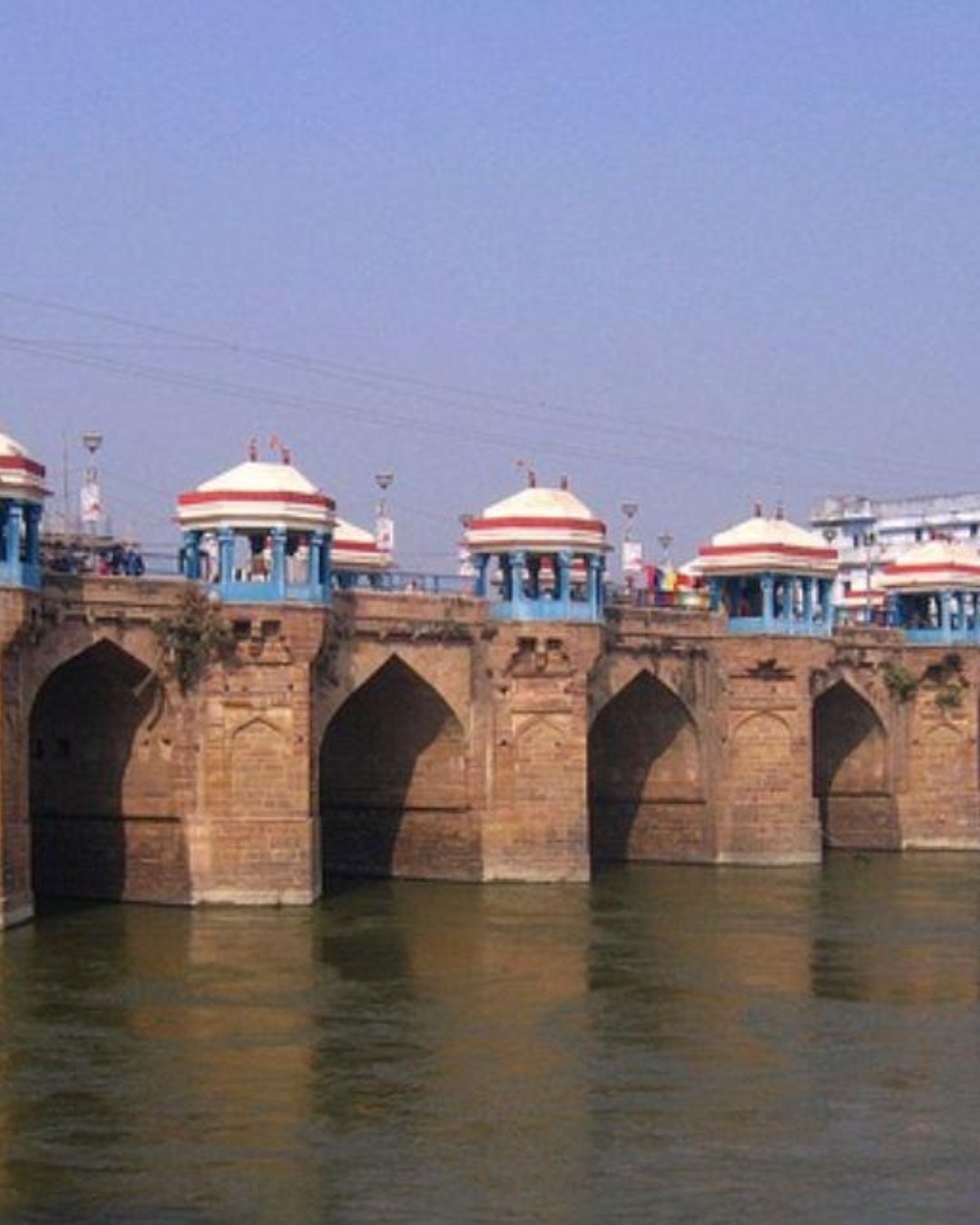
Sixty kilometres north there is a city that was the capital of its own sultanate, full of fifteenth-century architecture, and it receives almost no visitors at all.
●Jaunpur sits about 60 km from Varanasi, roughly two hours by road, and was the seat of the Sharqi dynasty in the fifteenth century.
●What survives is a distinct architectural style found almost nowhere else — monumental mosque facades built as enormous propylon screens, with a scale and geometry unlike Mughal work anywhere in the
region.
●The principal monuments are a set of grand congregational mosques scattered across the town, a fort with substantial gateways above the river, and a much-photographed multi-arched stone bridge that is still in
daily use.
●Because it is not on the tourist circuit, there is little infrastructure — few signs in English, no visitor centre, and no crowds whatsoever. That is both the appeal and the difficulty.
●For anyone interested in Indian architecture outside the Delhi–Agra canon, this is the most rewarding day trip available from Varanasi and the one nobody takes.
●The town is also known regionally for its perfume and food traditions, which are worth an hour if you are already there.
Pro tip: Go with a driver who knows the town, or plot the monuments in advance. They are spread across a working city with no signposted route between them, and improvising costs you half the day.
The mistakes that ruin it:
●Expecting a managed heritage site. These are living monuments in a working town.
●Dressing without regard for the fact that the main sites are active mosques.
●Allowing only two hours. The monuments are dispersed and the driving between them adds up.
18
MomentPrayagraj
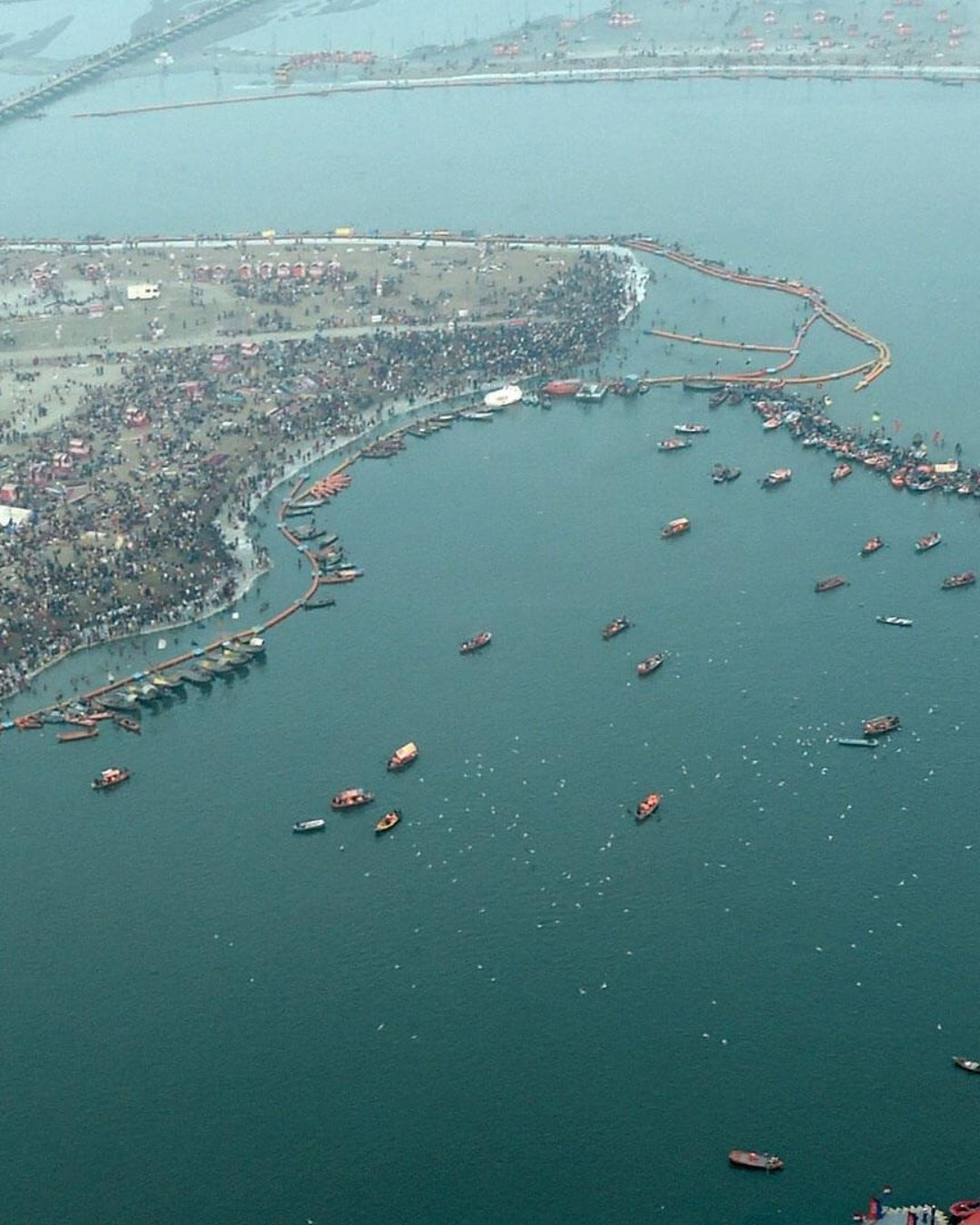
The Confluence, Two and a Half Hours West
Prayagraj is the one destination on this list that people routinely attempt as a day trip and routinely regret attempting as a day trip.
●It is about 121 km from Varanasi, and the drive runs roughly two and a half to three and a half hours each way depending on traffic and route.
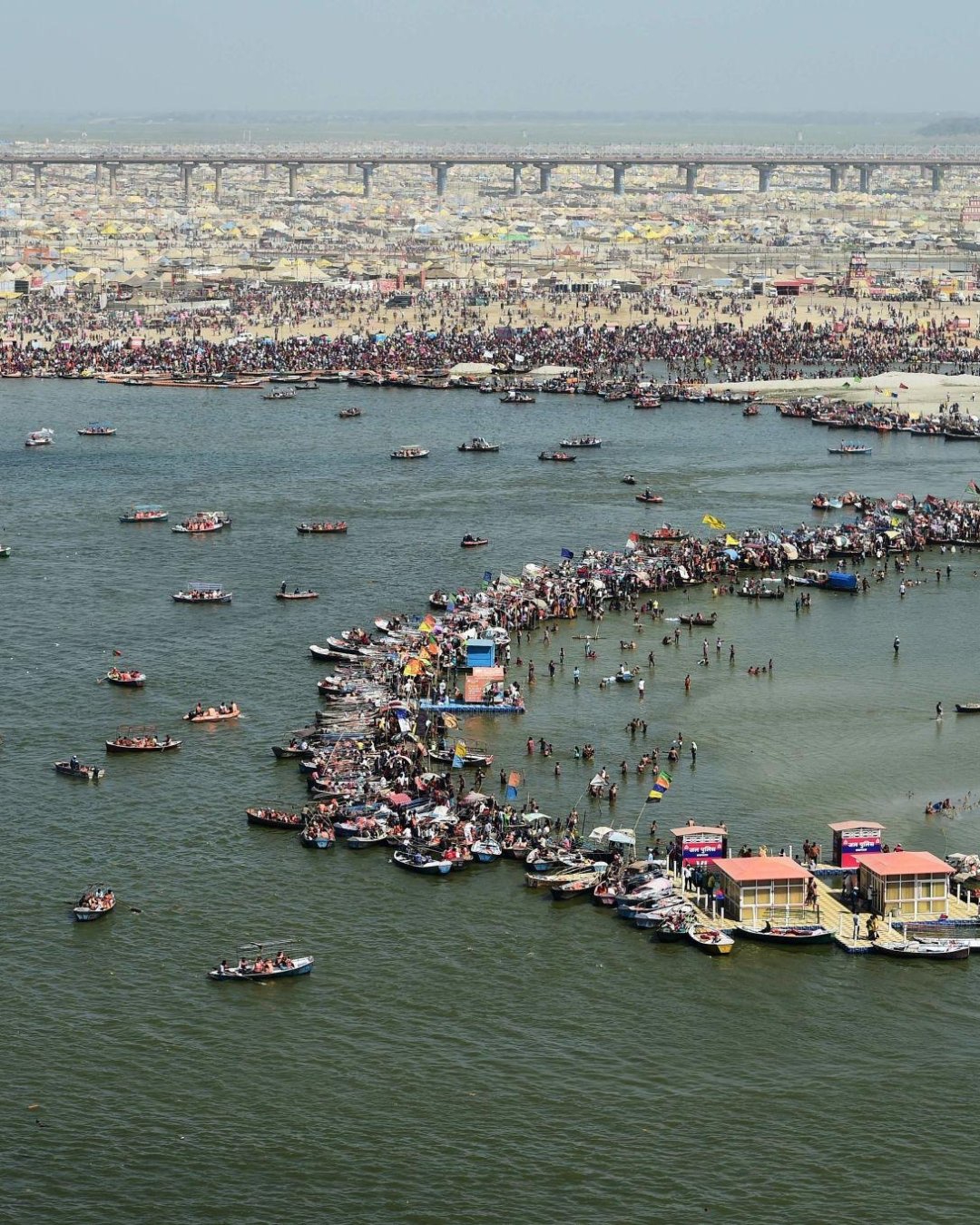
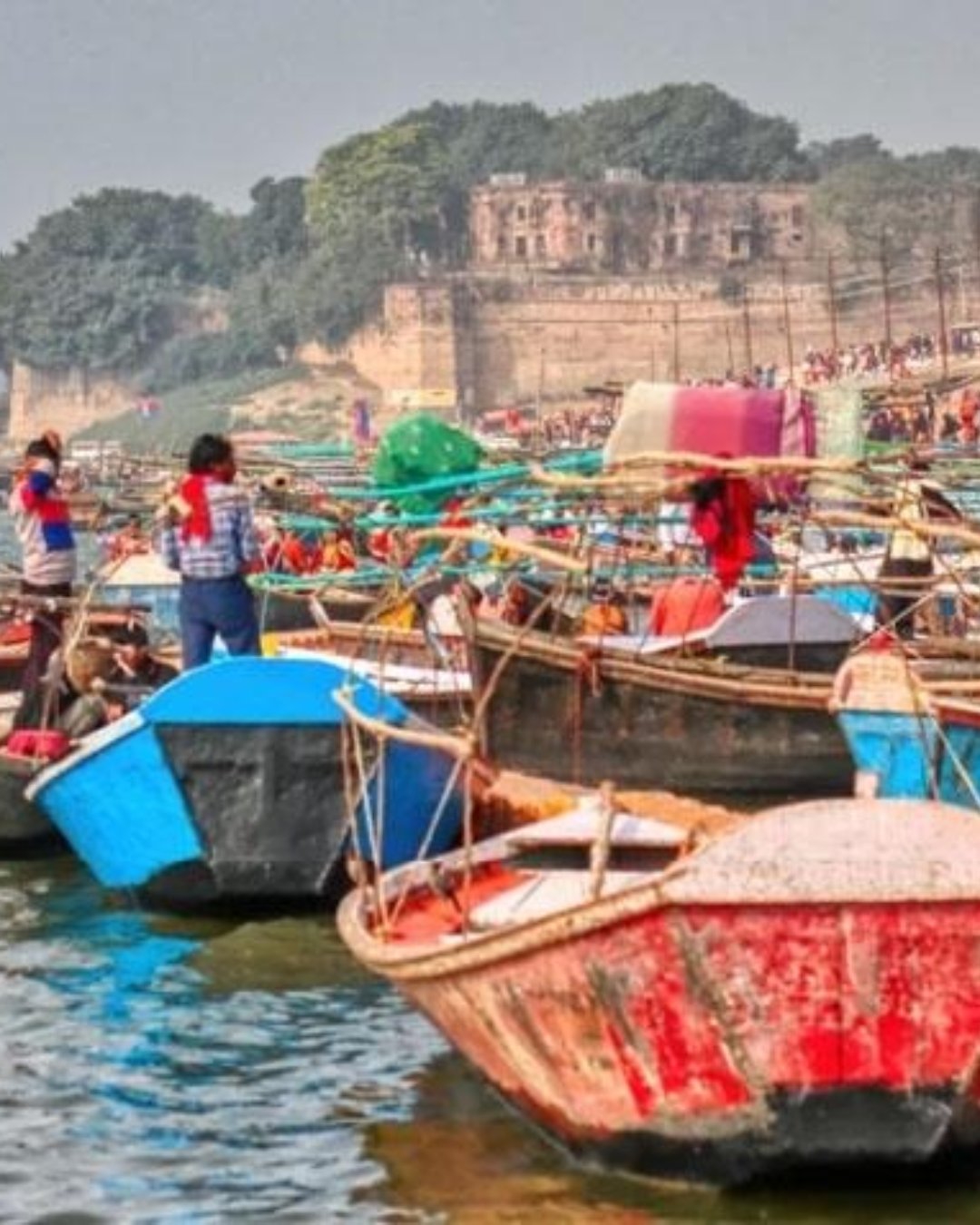
●The draw is the Sangam — the meeting of the Ganga, the Yamuna and the mythical Saraswati — reached by boat from the riverbank, plus a substantial fort, a colonial-era civil station and several major temples.
●A same-day return is possible and many operators sell it. You will get roughly four to five useful hours there against six or seven in a car.
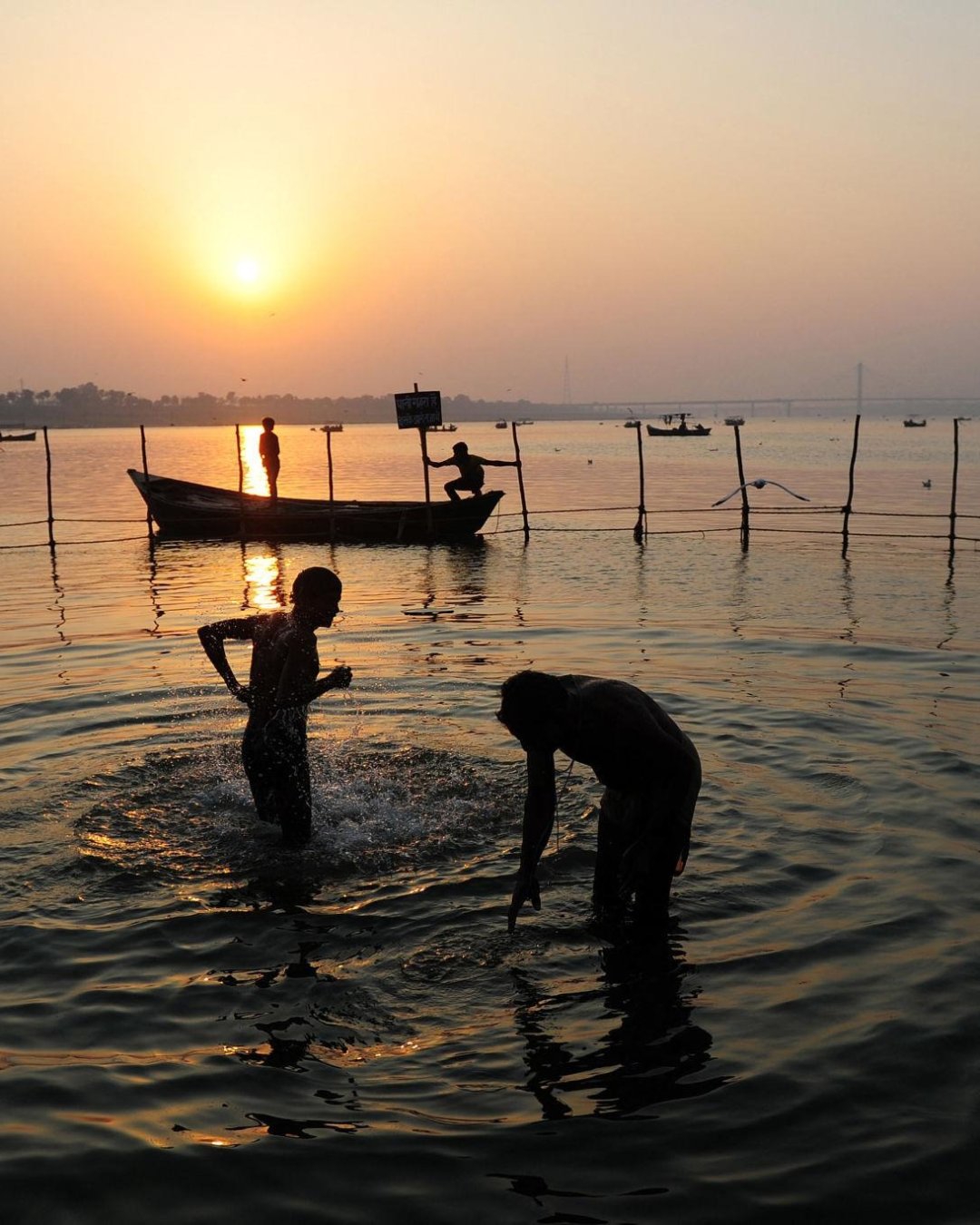
●One night changes the trip entirely, and it also lets you take the Sangam at dawn, which is the only time it is worth photographing.
●During Magh Mela and especially Kumbh, the city operates under entirely different rules — road closures, crowd management on a scale few places on earth attempt, and accommodation booked out many
months ahead. Check the calendar before planning anything.
●Train is a genuine alternative here and is often faster and less tiring than the road.
Pro tip: If Prayagraj matters to you, give it a night. If it does not, skip it rather than doing it badly — a day of driving
for a rushed hour at the Sangam satisfies nobody.
The mistakes that ruin it:
●Attempting a day return and expecting a relaxed visit.
●Arriving during a mela period without having checked and booked well ahead.
●Assuming a boat at the Sangam is a fixed price. Agree the fare first.
23
MomentAyodhya
The Tier That Needs a Night
Past about two hundred kilometres the honest advice changes from how to get there to whether this is really a trip from Varanasi at all.
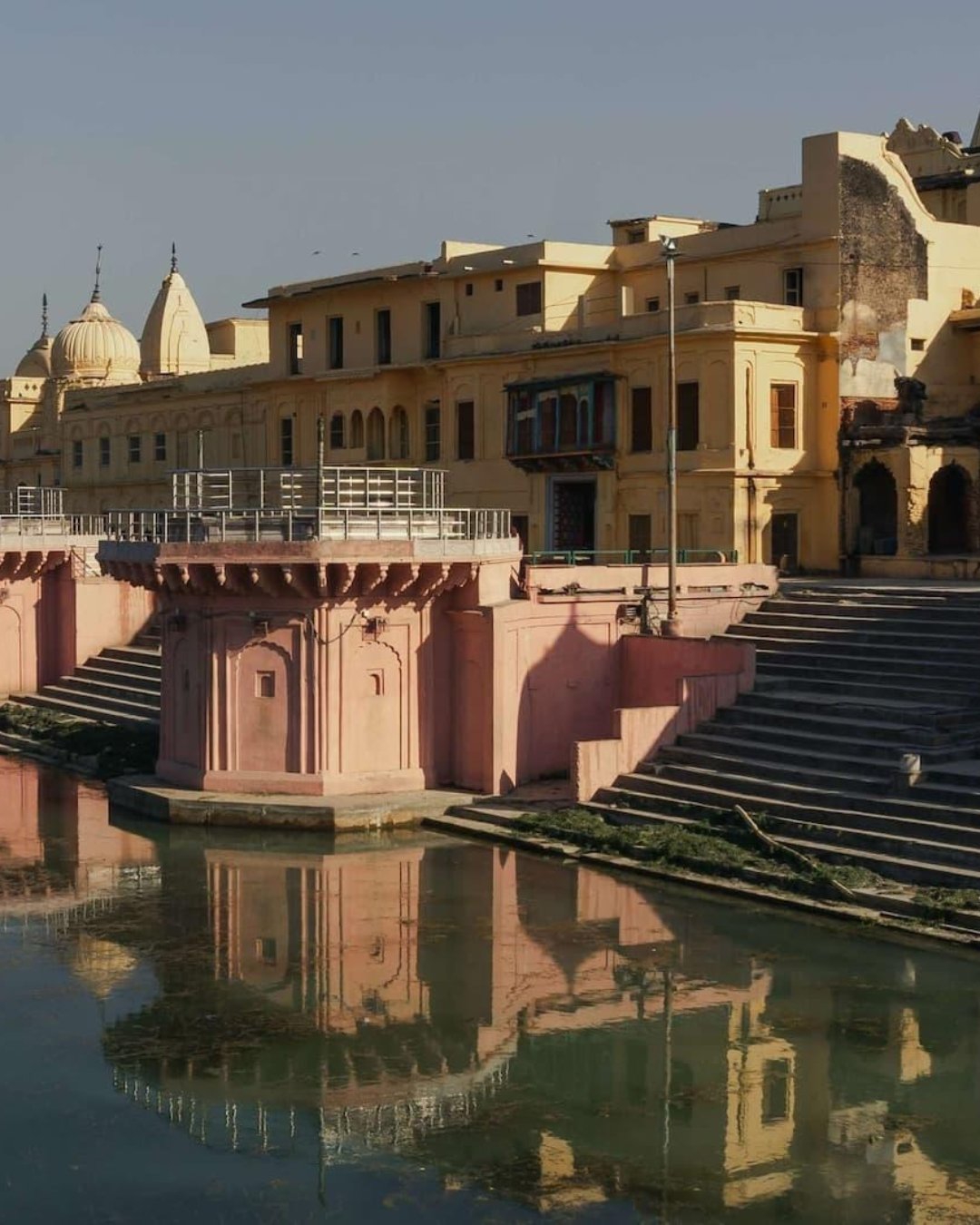
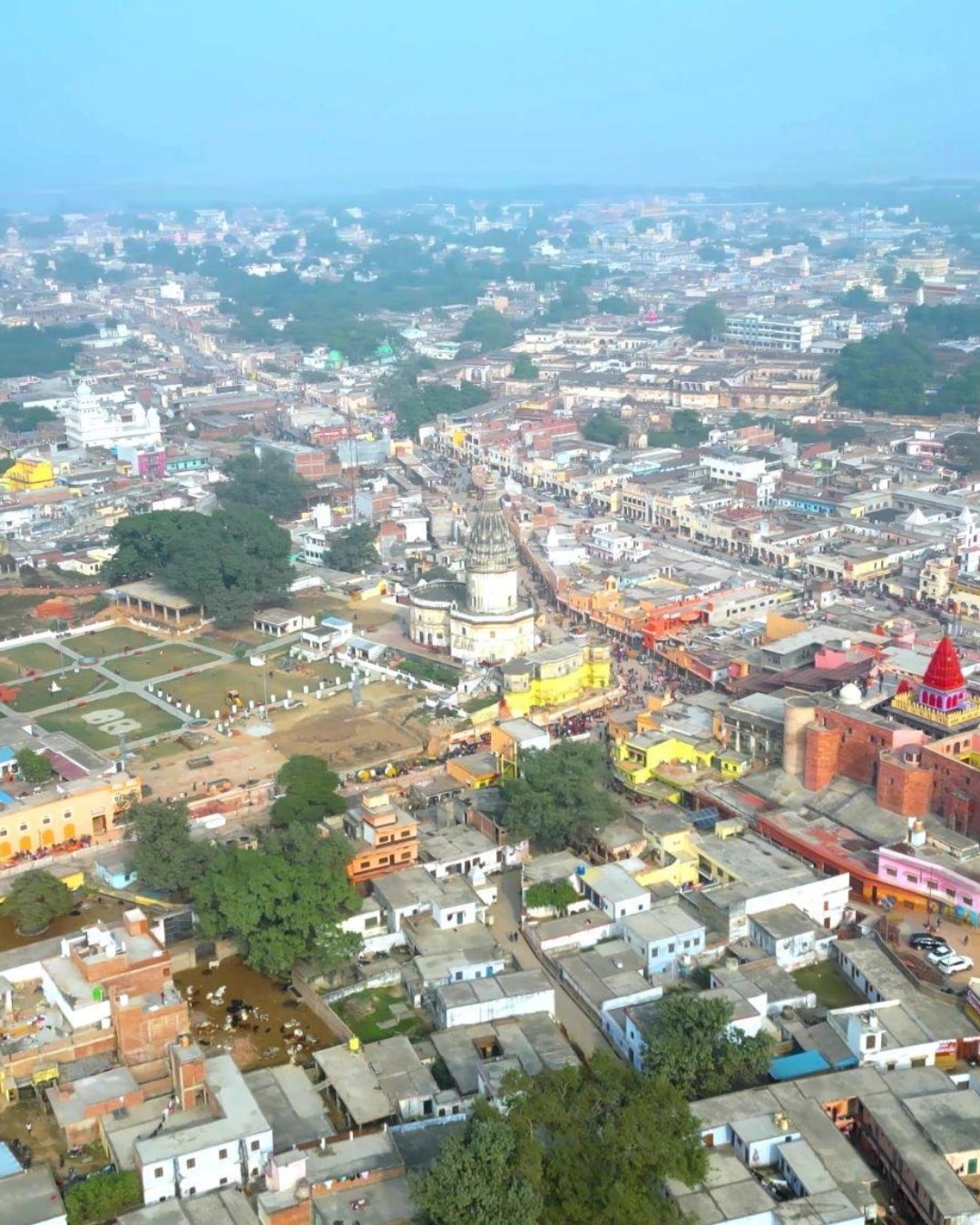
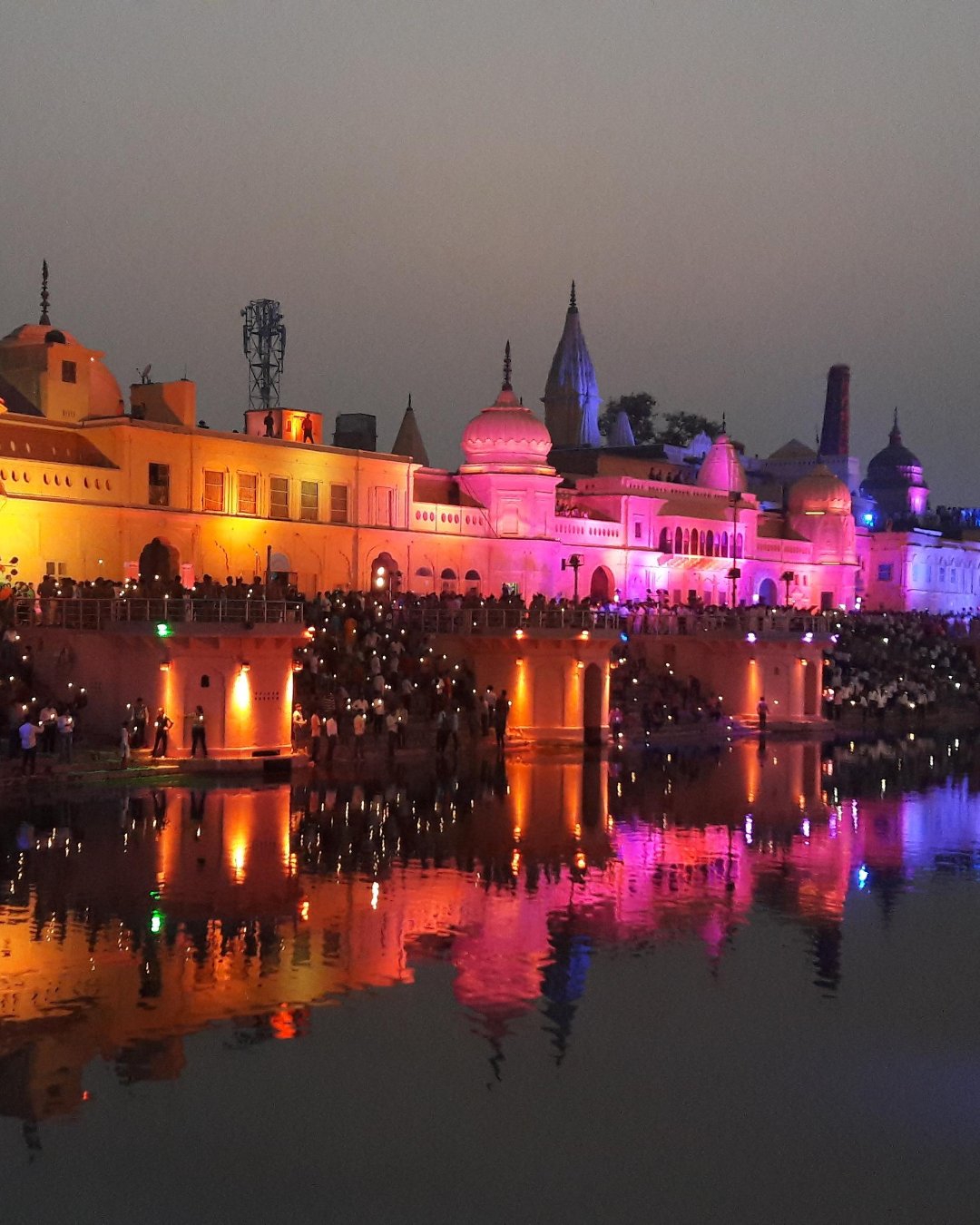
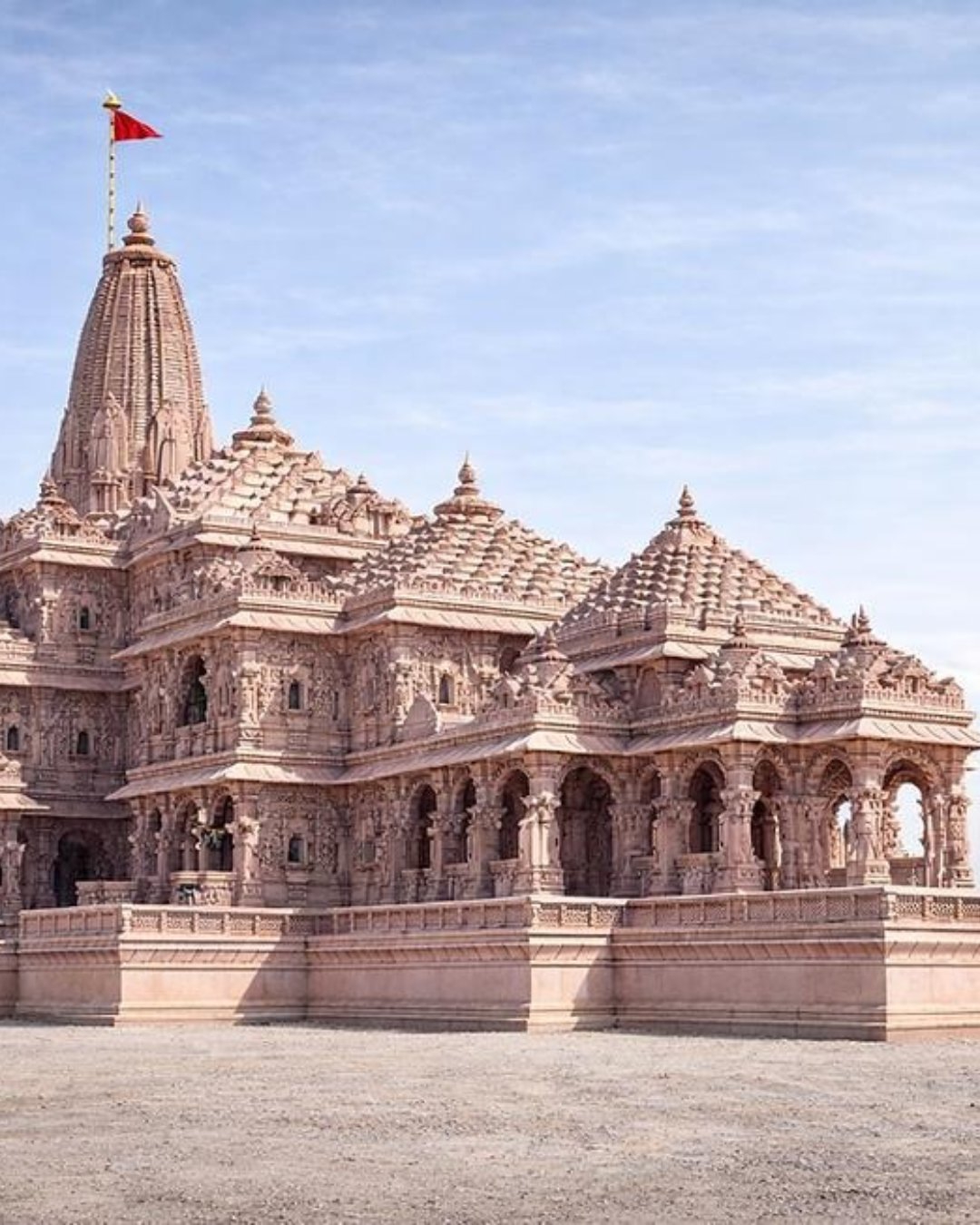
●Ayodhya is roughly 200 km north, four and a half hours or so by road, and has become one of the most visited pilgrimage destinations in India. It works as an overnight or as a leg in a Varanasi–Prayagraj–Ayodhya circuit, not as a day trip.
●Kushinagar, where the Buddha died, lies roughly 230 km north-east and is the third point of that Buddhist circuit. It is quiet, low-rise and largely visited by pilgrim groups rather than tourists.
●Chitrakoot, associated with the exile of Rama, sits well over 200 km away with the practical route running via Prayagraj. It is almost always visited as part of a wider Ramayana itinerary rather than from Varanasi
directly.
●The pattern across all four is the same: they are trip-shaped, not day-shaped. Attempting them as returns from Varanasi produces a long day in a car and a short, rushed visit.
●Sequenced properly they make a genuinely good week. Varanasi and Sarnath, then Bodh Gaya and Kushinagar for the Buddhist thread, or Prayagraj and Ayodhya for the Hindu one.
Pro tip: Pick one thread and follow it. Mixing the Buddhist circuit and the Ramayana circuit in the same week produces a lot of driving and not much coherence.
The mistakes that ruin it:
●Booking any of these as a day return from Varanasi.
●Underestimating Bodh Gaya, which needs more time than people give it.
●Planning the sequence around distances on a map rather than around road conditions and where you
want to wake up.
23
MomentVaranasi
What Actually Combines, and What Does Not
The difference between a good day out of Varanasi and a wasted one is almost always whether the two things you chose sit on the same road.
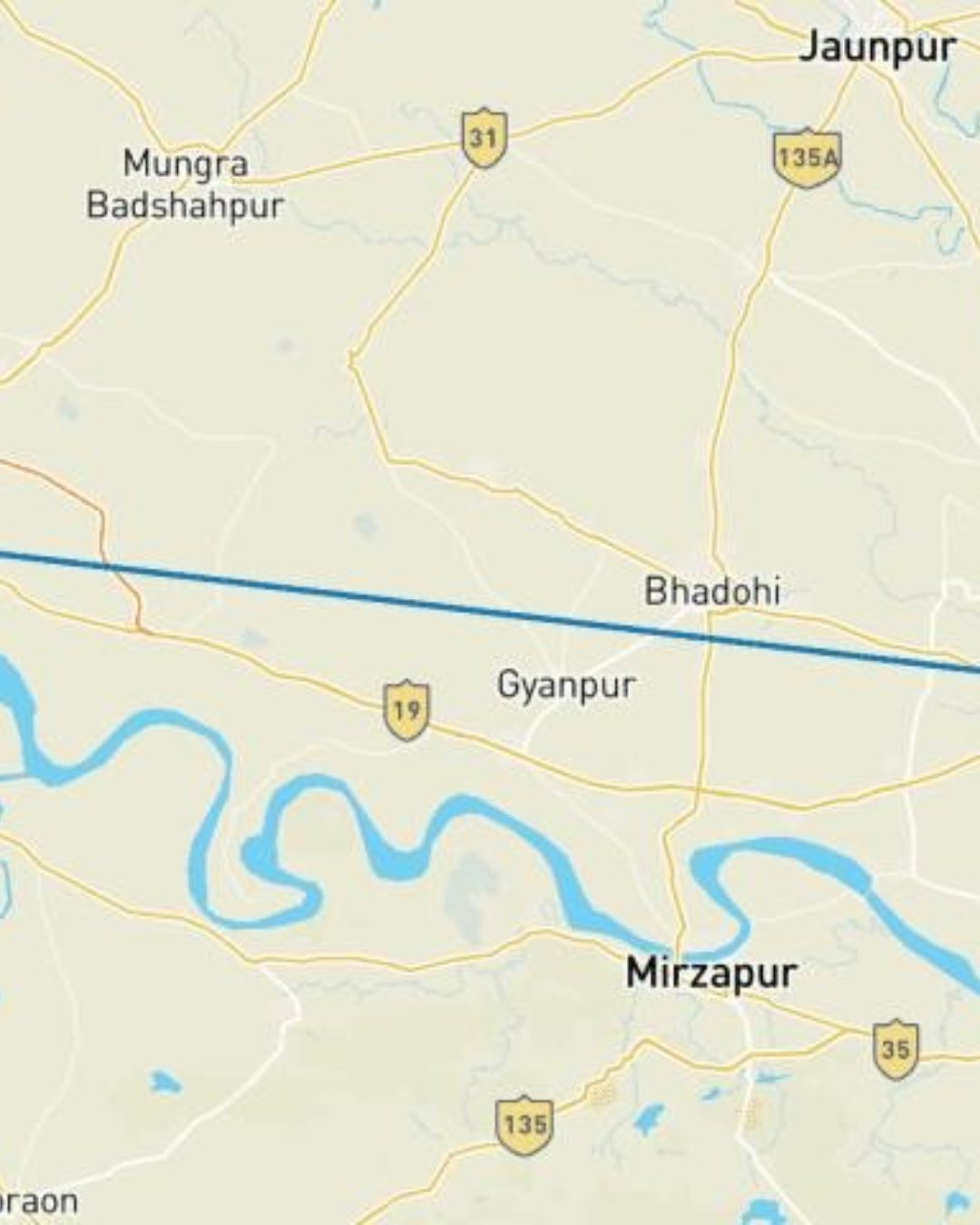
●Chunar, Mirzapur and Vindhyachal run in the same southerly direction and can be strung together, though all three in one day is ambitious and two is comfortable.
●Sarnath and Ramnagar sit on opposite sides of the city and are both short. Either can be added to a day that already has something else in it.
●Jaunpur is north and pairs with nothing. Give it its own day or do not go.
●Prayagraj and Ayodhya lie in the same westerly-to-northerly direction and belong to a multi-day circuit rather than to any single day out.
●Season matters more than most itineraries allow for. Waterfalls need the monsoon or the weeks just after it; forts and open sites are punishing between April and June; winter is comfortable everywhere but brings fog that can delay early starts on the highways.
●Leave early. Almost every one of these trips is improved by a departure before eight and ruined by one after ten.
●Getting there is its own subject — hiring a car for the day, what it should cost and how to agree it beforehand are covered on the getting-around guide.
Pro tip: Build your day trips around the mornings you are not spending at the ghats. The sunrise is the reason you came to Varanasi, and a day trip that starts at six costs you the thing you travelled for.
The mistakes that ruin it:
●Booking a day trip on a day you also want a sunrise boat.
●Chaining destinations that sit in different directions from the city.
●Leaving late and arriving at open, exposed sites in the middle of the day.
Destination
Varanasi, Uttar Pradesh, India
People also ask
01Question
What are the best tourist places near Varanasi?
Within 15 km, Sarnath and Ramnagar Fort are half-day trips. Between 40 and 70 km, Chunar Fort, Lakhaniya Dari, Jaunpur, Mirzapur, Vindhyachal and the Chandraprabha waterfalls make full day trips. Prayagraj at around 121 km is a long day and better as an overnight. Beyond 200 km, Ayodhya, Kushinagar and Chitrakoot are multi-day destinations rather than day trips from Varanasi.
02Question
How far is Sarnath from Varanasi?
Sarnath is about 10 km northeast of the old city, roughly 30 minutes by road. It is where the Buddha gave his first sermon, and the ruins, stupa and museum take around three hours. Late afternoon light suits it best, and it pairs well with a morning already spent at the ghats rather than competing with one.
03Question
Can you visit Chunar Fort as a day trip from Varanasi?
Yes. Chunar is about 40 km away, an hour to ninety minutes by road, and the fort sits on a bluff above a bend in the Ganga. Start early — the site is exposed and gets hot from late morning. It can be combined with Vindhyachal or Mirzapur further along the same road if you leave before eight. A full-day cruise route to Chunar also runs from Varanasi.
04Question
Is Prayagraj a good day trip from Varanasi?
It is possible but rarely satisfying. At around 121 km the drive is two and a half to three and a half hours each way, so a day return gives you roughly four or five useful hours against six or seven in the car. One night transforms the trip and lets you reach the Sangam at dawn. During Magh Mela and Kumbh, plan and book months ahead.
05Question
How far is Ayodhya from Varanasi?
Ayodhya is roughly 200 km north of Varanasi, about four and a half hours by road. That makes it an overnight destination rather than a day trip — it works best as a leg in a Varanasi–Prayagraj–Ayodhya circuit. Attempting it as a same-day return means around nine hours of driving for a short visit.
06Question
What is there to see in Jaunpur near Varanasi?
Jaunpur is about 60 km from Varanasi, roughly two hours away, and was the capital of the fifteenth-century Sharqi sultanate. It has a distinctive architectural style found almost nowhere else — monumental mosque screens, a fort above the river, and an old multi-arched stone bridge still in daily use. It receives very few visitors and has little
tourist infrastructure.
07Question
Which places near Varanasi can be combined in one day?
Chunar, Mirzapur and Vindhyachal run in the same southerly direction and two of the three fit comfortably into one day. Sarnath and Ramnagar are short and can be added to a day that already has something in it. Jaunpur is north and pairs with nothing — give it its own day. Prayagraj and Ayodhya belong to a multi-day circuit.
08Question
Which waterfalls are near Varanasi and when should you go?
Lakhaniya Dari is about 48 to 54 km away in Mirzapur district, a 150 metre fall reached by a rocky two to three kilometre walk from the entry gate. Rajdari and Devdari sit roughly 65 to 70 km out in the opposite direction, inside Chandraprabha Wildlife Sanctuary in Chandauli district, about 700 metres apart. All are monsoon-fed and only run properly from around July to October. Late September and October give you flow with safer footing.
09Question
When is the best time for day trips from Varanasi?
October to March is comfortable for everything. Waterfalls around Mirzapur need the monsoon or the weeks just after, and are often dry by late spring. April to June is punishing at exposed sites like Chunar Fort. Winter fog can delay early highway starts. Whatever the season, leaving before eight improves almost every one of these trips.
Experience layers
Go further into one part of this trip.