
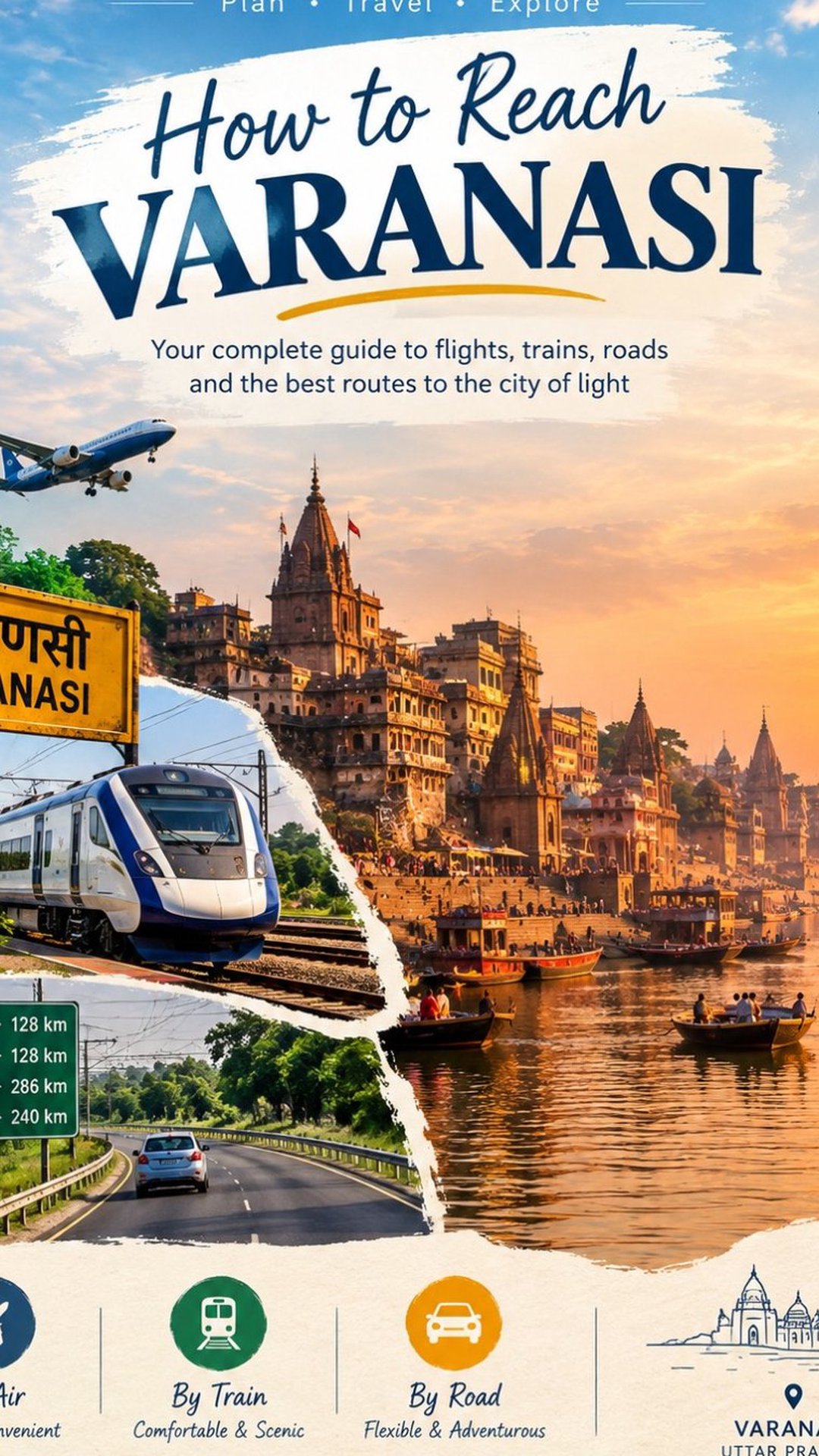
How to Reach Varanasi
Flights, trains and road into Varanasi — which mode from which city, why some trains stop 18 km away at DDU, and how winter fog wrecks tight plans.
Getting to Varanasi is not simply about choosing the fastest ticket—it is about choosing the arrival that fits the way you want your trip to begin. You can fly into Lal Bahadur Shastri International Airport at Babatpur, arrive by train at one of Varanasi’s railway stations, or come by road from nearby cities and build Varanasi into a wider Uttar Pradesh or Bihar journey. The city has strong air, rail and road connections across India.
If you are coming from Delhi, Mumbai, Kolkata, Chennai or another major city with good rail connectivity, the train can be one of the most comfortable ways to arrive. Varanasi has direct services from many major Indian cities, but check your ticket carefully: some important long-distance trains terminate or stop at Pandit Deen Dayal Upadhyaya Junction (DDU), formerly Mughalsarai, which is roughly 16 to 20 km from Varanasi. Your train journey may end there, but your Varanasi transfer has not.
For longer-distance travel from cities such as Bengaluru, Chennai, Hyderabad or Mumbai, flying can save substantial travel time. Lal Bahadur Shastri International Airport connects Varanasi with major Indian cities and selected international destinations, but remember that the airport is around 25 km from the city, so your actual journey continues after landing.
Road travel becomes more attractive when you are coming from somewhere relatively close or combining Varanasi with another destination. Distances vary by route — the places-near-Varanasi guide has them. That makes road travel particularly useful for multi-stop itineraries rather than simply travelling hundreds of kilometres just to reach Varanasi.
Then comes the factor that can quietly disrupt even a well-planned itinerary: winter fog. If you are travelling in December or January, avoid building your day around a perfectly punctual early-morning train or flight. Leave a proper buffer before a temple booking, boat ride, hotel check-in or onward connection. A delayed arrival should change your schedule—not ruin the entire trip.
Route
Home
MomentVaranasi railway station, Varanasi
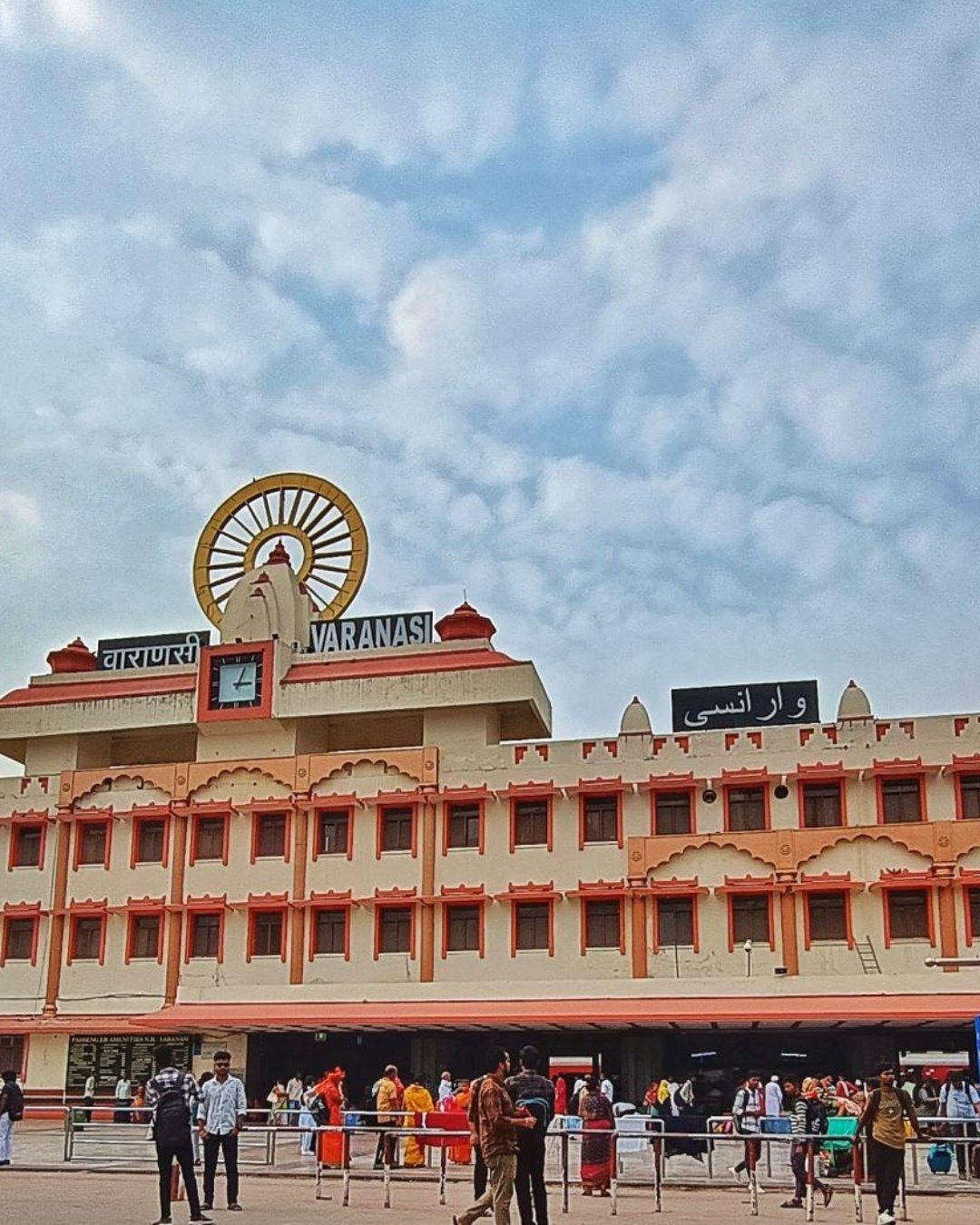
Three Ways In, and the Fastest Is Not Always the Best
Varanasi is one of the easier cities in northern India to reach and one of the easiest to arrive at badly.
●Air is fastest from anywhere beyond about 700 km. One airport serves the city and it connects to most major Indian hubs, with international arrivals almost always routed through Delhi.
●Rail is the better choice from Delhi, Lucknow, Prayagraj, Patna and much of the eastern corridor. It drops you closer to the city than the airport does, and on several routes it is genuinely competitive on total door-to-door time.
●Road is the right answer from almost nowhere. It matters mainly if you are arriving as part of a wider circuit that already has a car, or coming from somewhere within a couple of hours.
●The variable that actually decides it is not speed. It is what time you land, which terminal or station you land at, and how far that is from where you are sleeping — because in this city the last few kilometres are the difficult ones.
●A 6 am arrival and a 10 pm arrival at the same station are two completely different experiences. Plan the arrival hour, not just the date.
Pro tip: Work backwards from your first morning. If you came for a sunrise on the river, arriving the previous evening beats arriving that same morning, however good the connection looks on paper.
The mistakes that ruin it:
●Choosing the mode on ticket price alone and ignoring where it puts you down.
●Booking a late-night arrival into an old-city stay with no pickup arranged.
●Assuming the airport is close to the city. It is not.
22
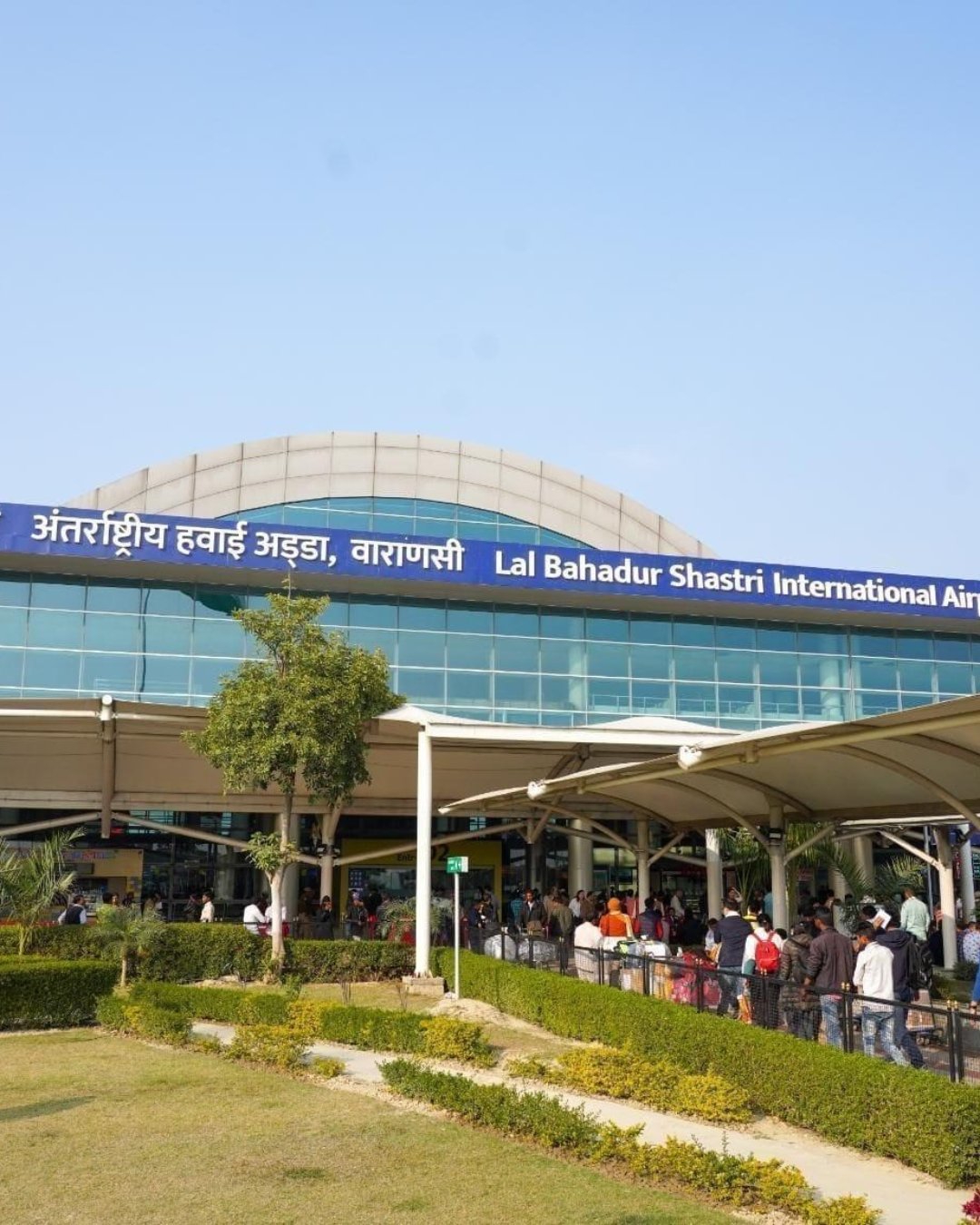
MomentLal Bahadur Shastri International Airport, Varanasi
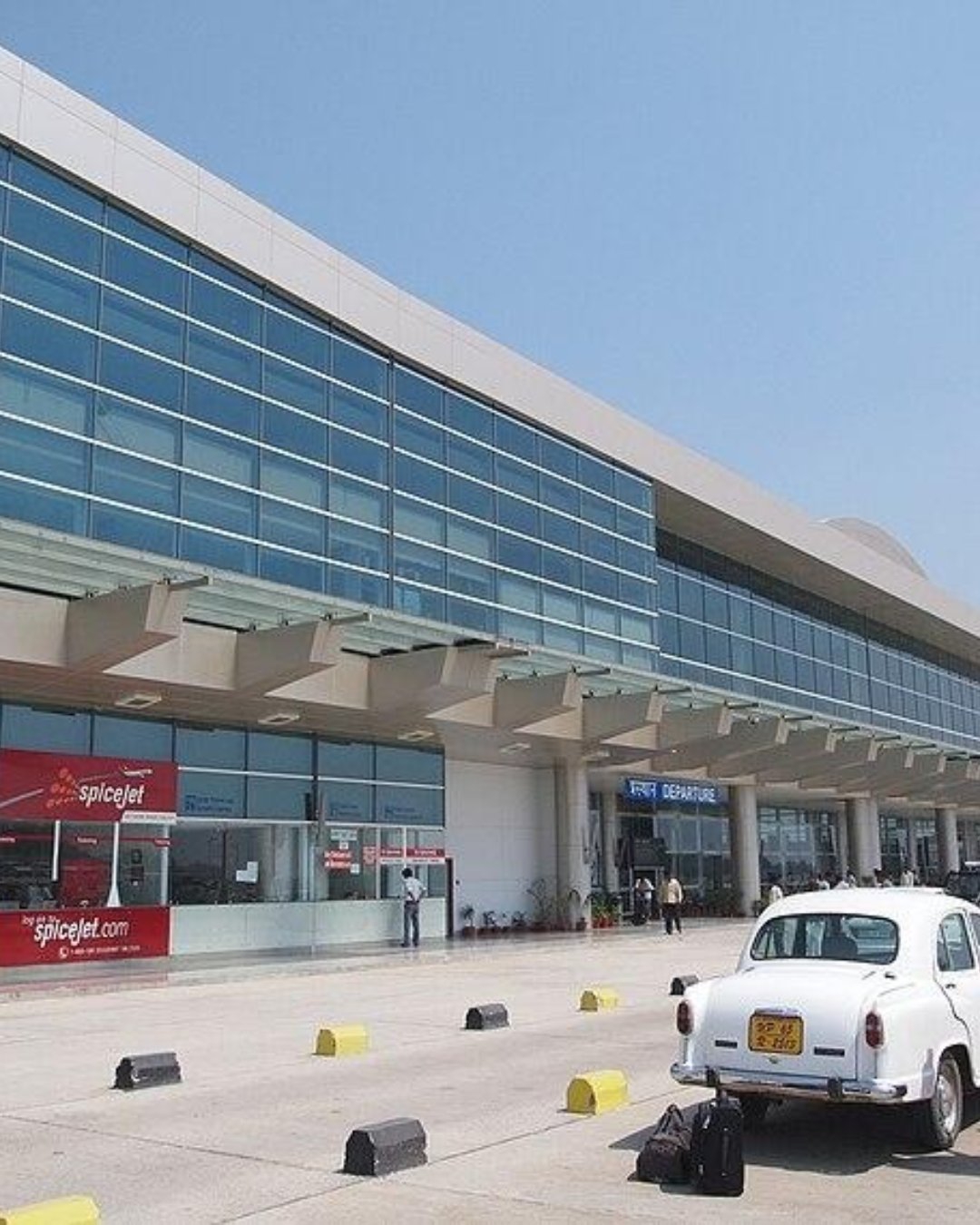
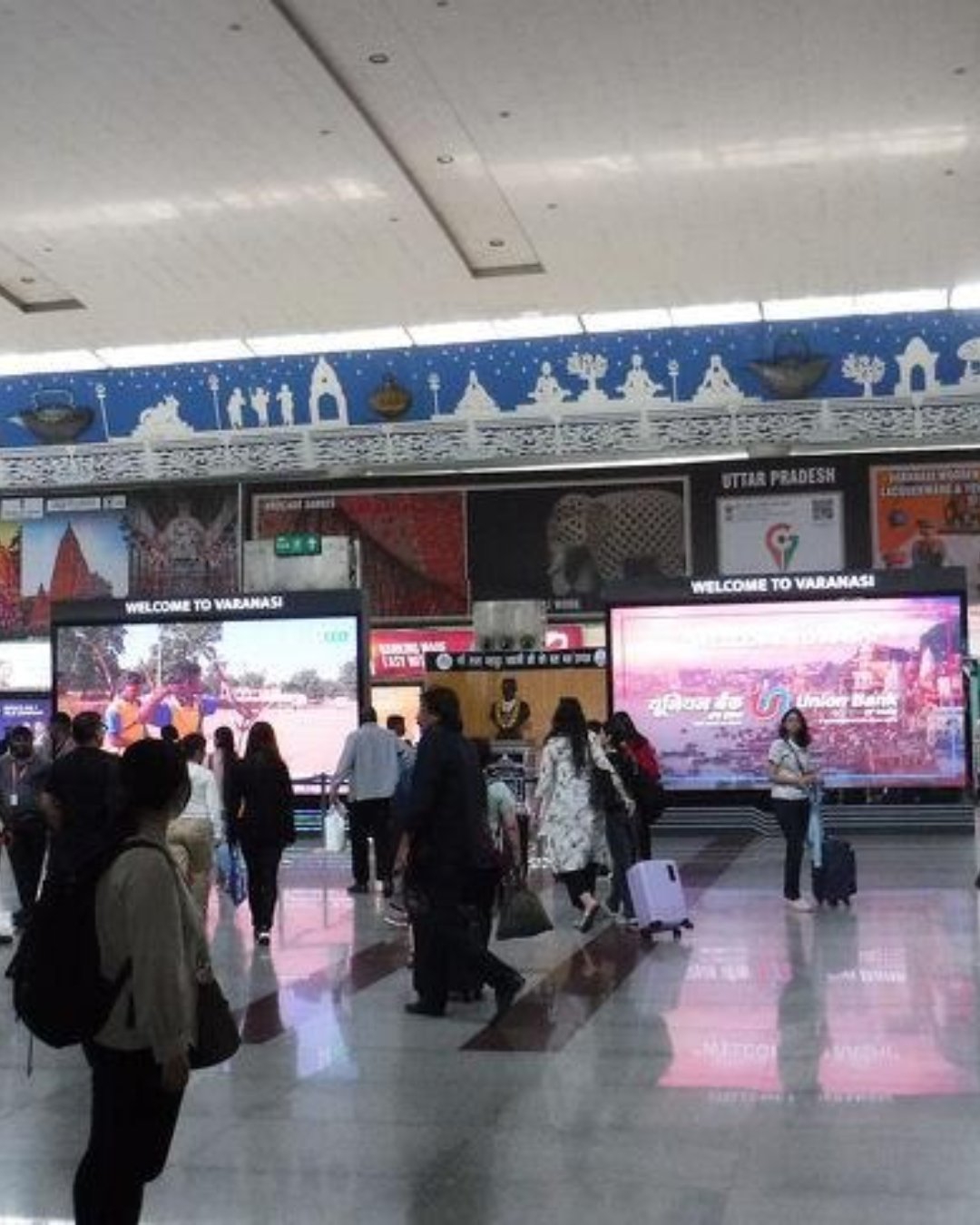
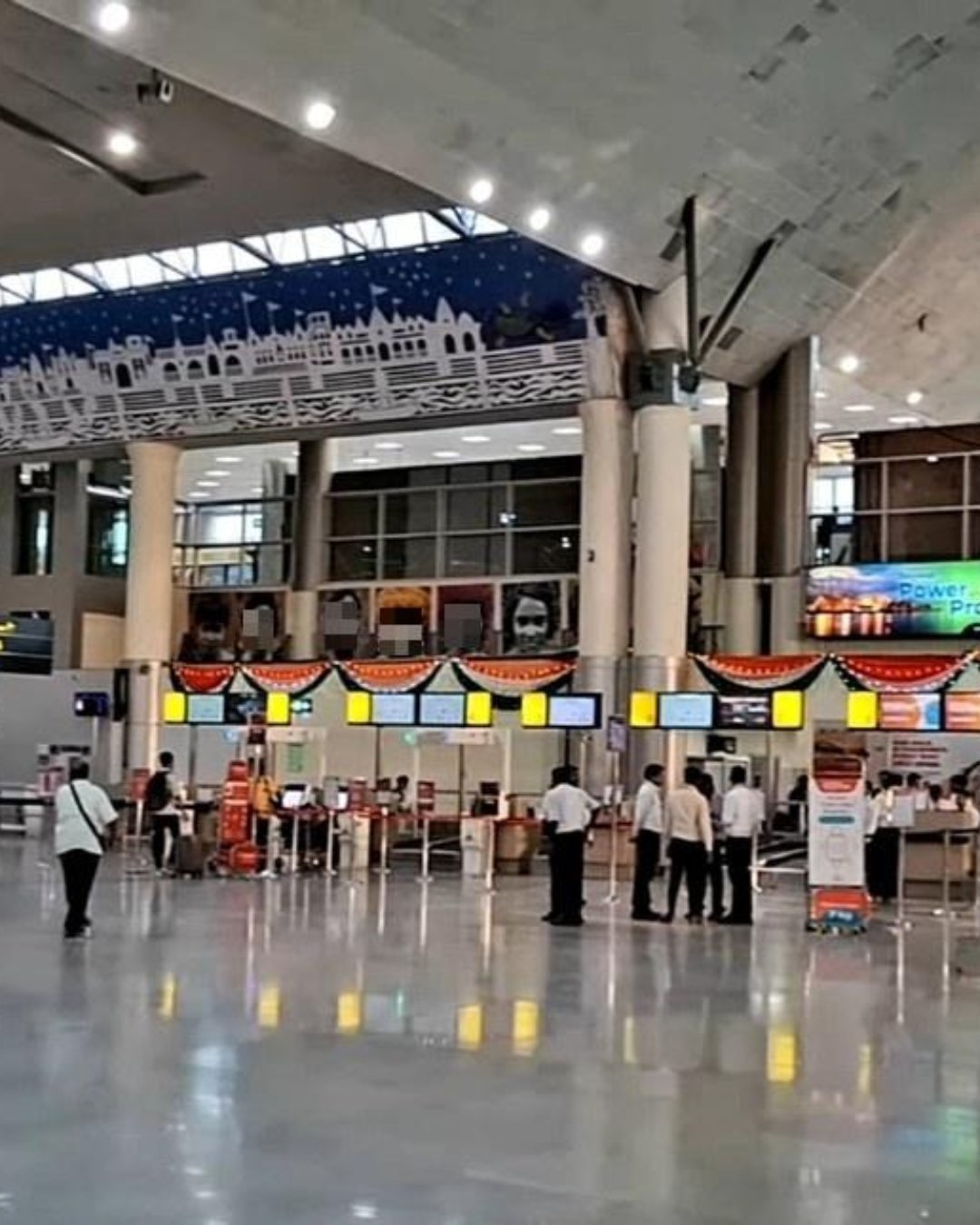

One Airport, and Most of India Connects to It
For a city this old and this small, Varanasi is unusually well connected by air.
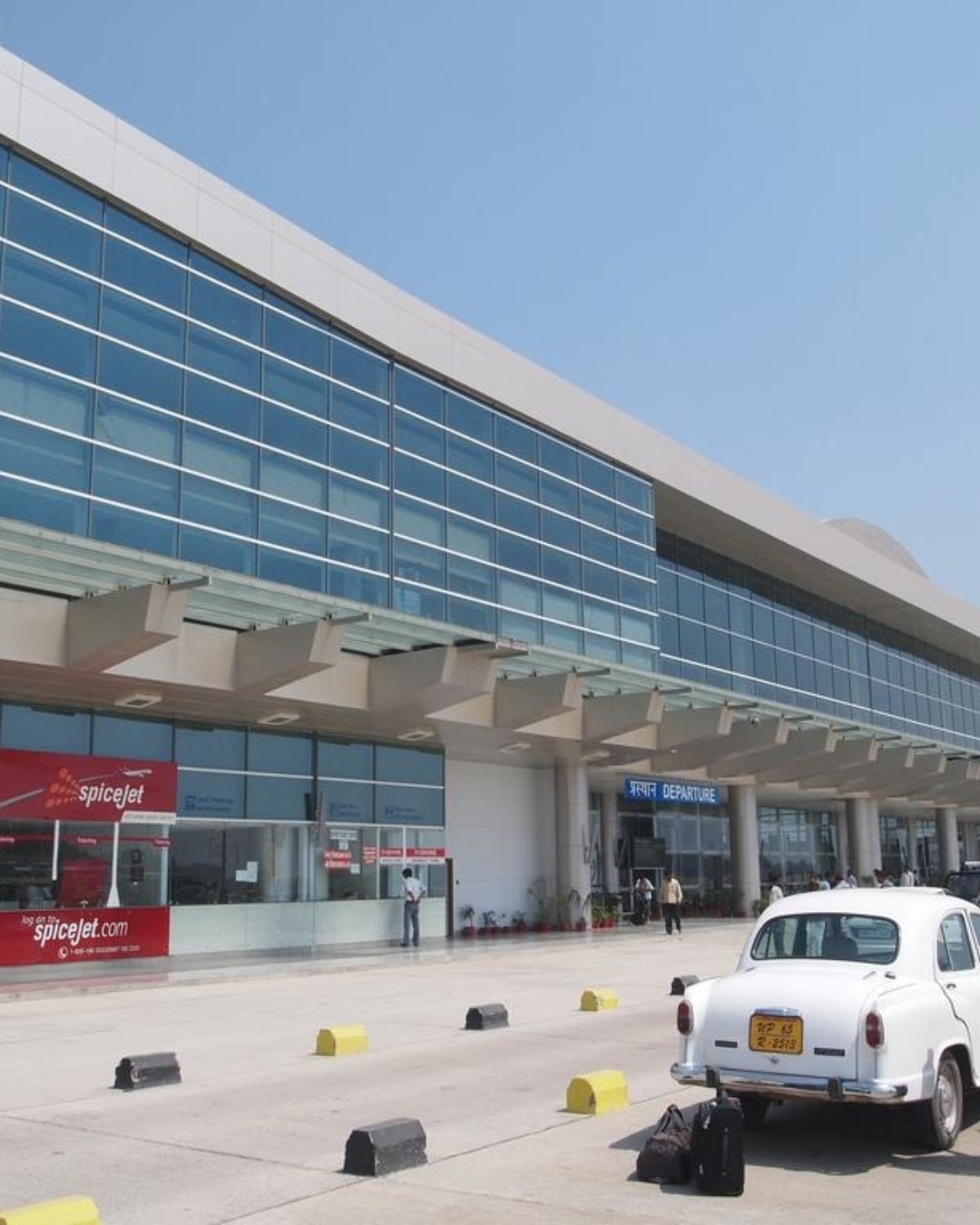
●Lal Bahadur Shastri International Airport, at Babatpur, carries the code VNS. It is the only airport serving the city and it handles both domestic and a limited set of international services.
●As of late 2026 around seven airlines operate from it, reaching roughly thirty-five destinations. Delhi, Mumbai and Bengaluru are the busiest routes, with Delhi served many times daily across several carriers.
●Direct services also run from Mumbai on multiple airlines, and from a spread of other Indian metros. If your city is not on the direct list, the connection is almost always through Delhi.
●The international picture is more interesting than most guides suggest. Direct services connect Varanasi to Nepal, and seasonal Buddhist-circuit routes run from Southeast Asia — both driven by pilgrimage rather than tourism. If you are coming from either, check for a direct flight before assuming you must route through Delhi.
●For everyone else arriving from overseas, it is a domestic hop from Delhi, and it is worth building a real buffer into that transfer rather than a legal-minimum connection.
●The airport sits about 25 km northwest of the city, so factor 45 to 60 minutes onto the end of any flight time before you have actually arrived anywhere.
Pro tip: Book the Delhi–Varanasi leg on the same ticket as your international flight if you can. A separate booking means a missed connection is entirely your problem, and Delhi's terminal transfer is not fast.
The mistakes that ruin it:
●Booking a tight self-transfer at Delhi on separate tickets.
●Forgetting the 45 to 60 minute drive at the far end when planning the day.
●Assuming a direct flight exists from your city without checking. Most routes connect via Delhi.
13
MomentPT. Deen Dayal Upadhyaya Junction, Chandauli
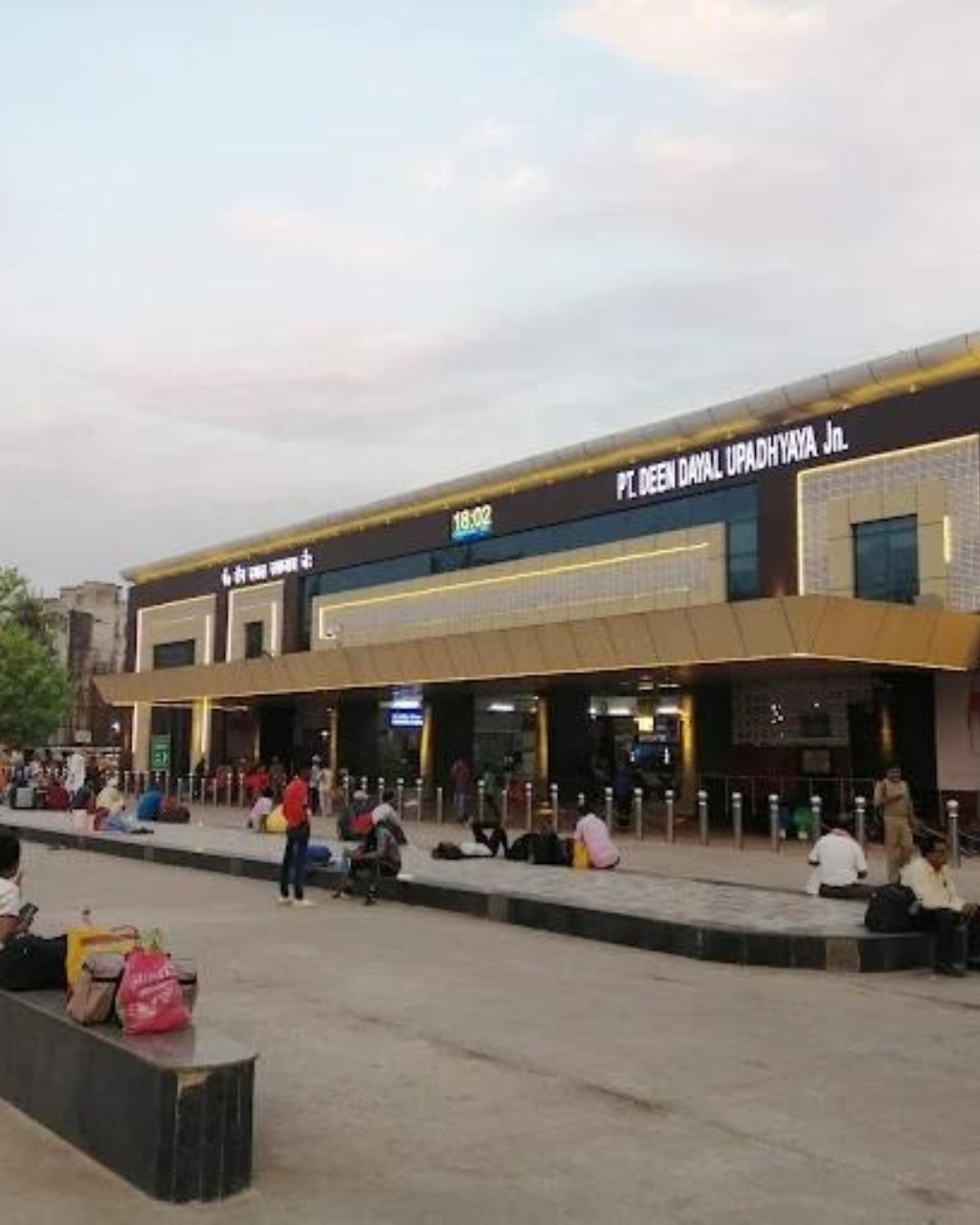
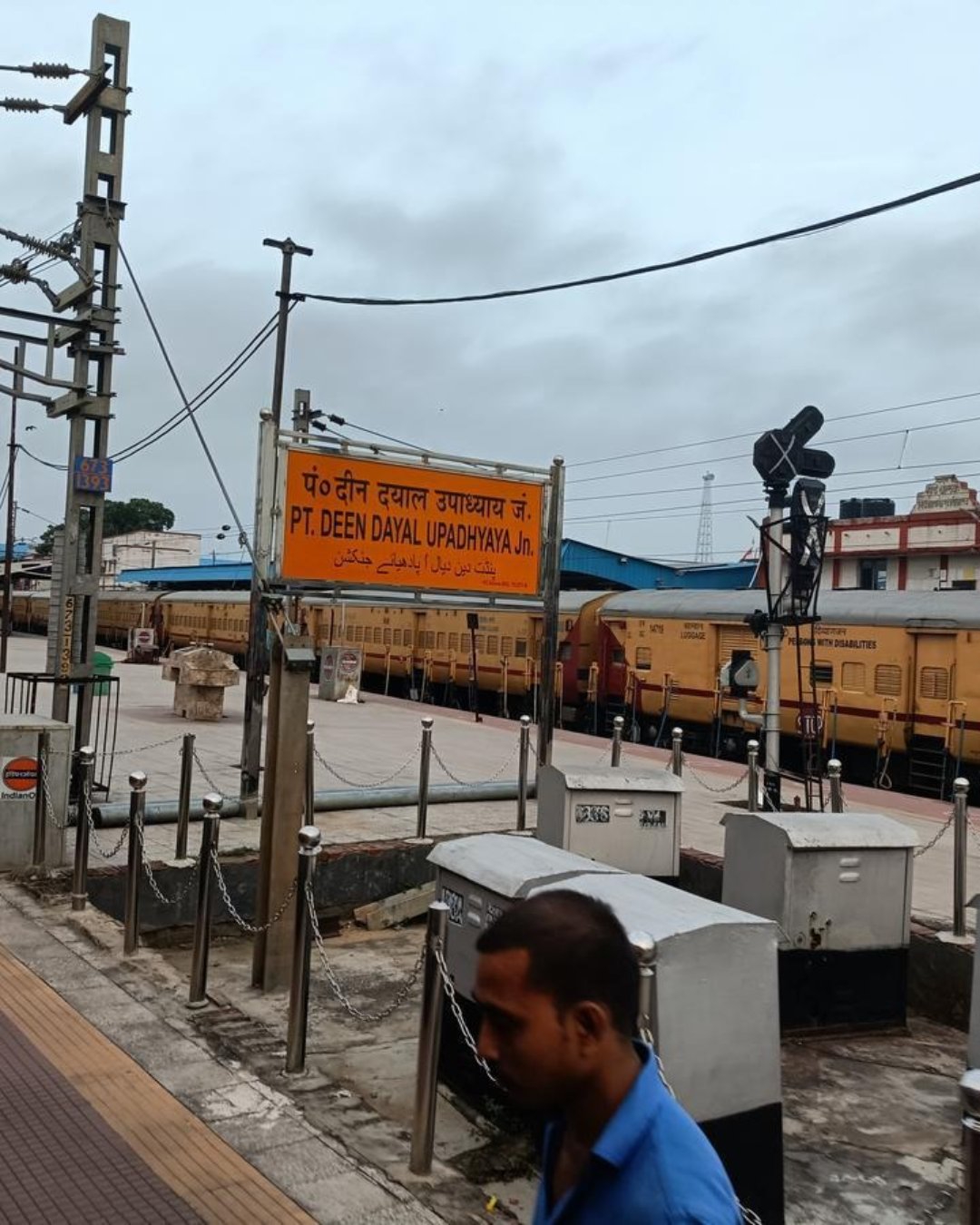
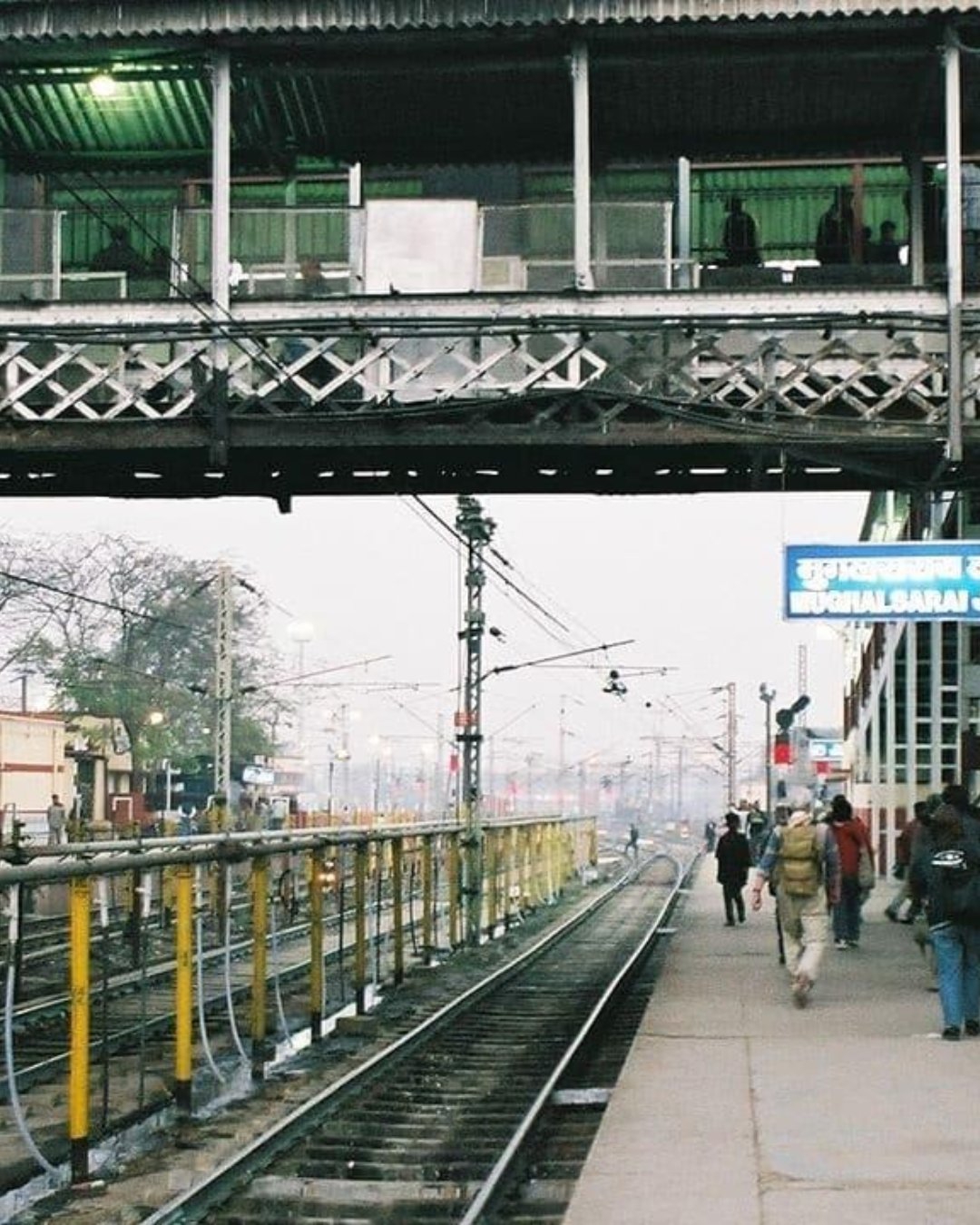
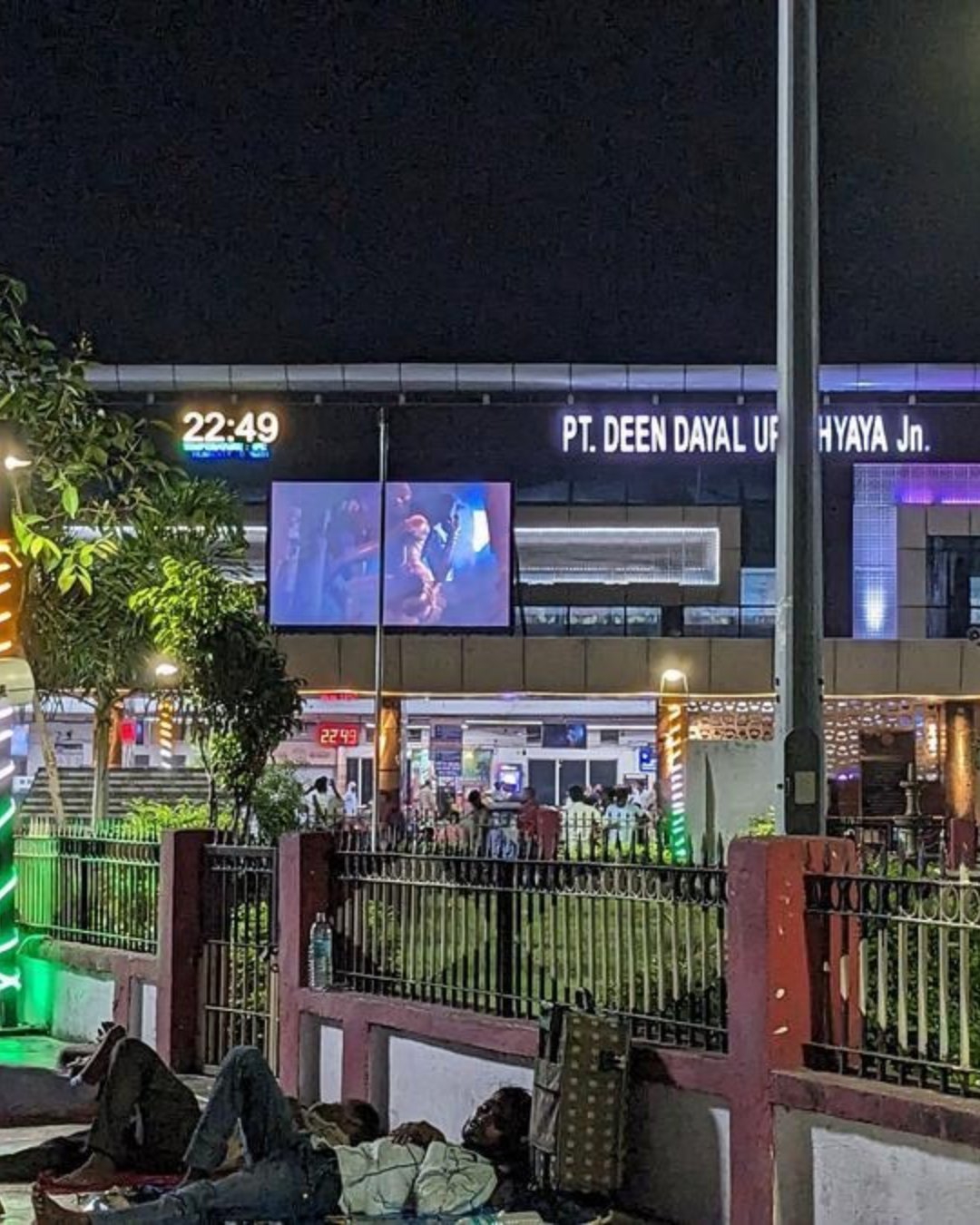
The Station That Is Not Actually in Varanasi
Some of the biggest trains to Varanasi do not stop at Varanasi.
●Pt. Deen Dayal Upadhyaya Junction — station code DDU, and still called Mughalsarai by almost everyone — is one of the largest railway junctions in the country. It sits across the river, roughly 16 to 20 km from
Varanasi, in a different district.
●A significant share of long-distance services, including some of the fastest trains from the east, terminate or halt here rather than at Varanasi Junction. Booking sites will show these as reaching Varanasi. They do not.
●From DDU you still have a transfer of half an hour or more by road, longer in traffic, or an onward local train that runs frequently and takes about an hour.
●This is not a problem if you know about it. It becomes one at midnight, with luggage, when you expected to be twenty minutes from your hotel and you are across a river in another district.
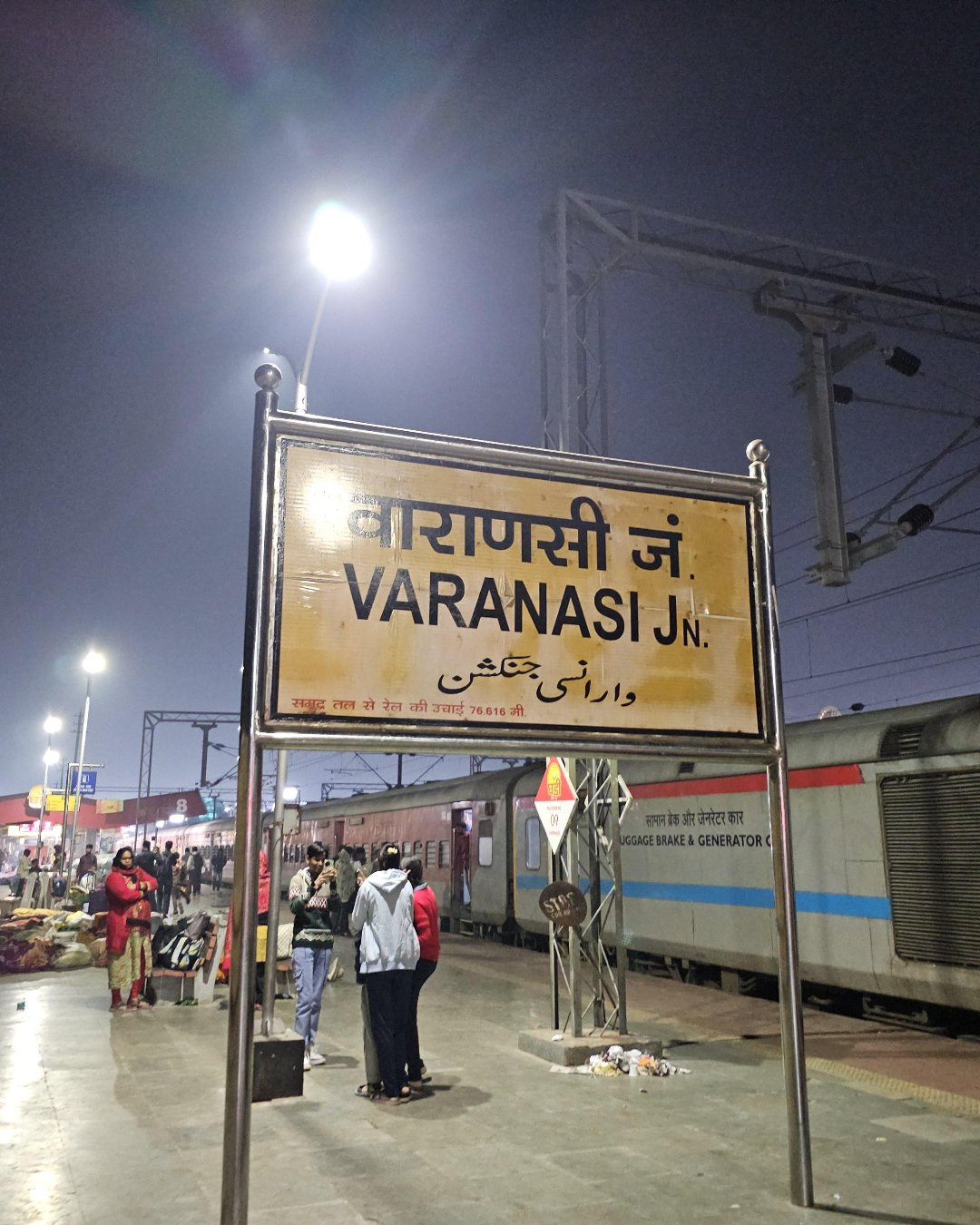
●The distinction matters because the city's four in-city stations — Varanasi Junction, Banaras, Varanasi City and Kashi — are all genuinely in Varanasi. DDU is the fifth name in the mix and the only one that is not.
●Check the arrival station code on your ticket before you book, not after. DDU and BSB are different places.
Pro tip: If a train arrives at DDU after dark, arrange the onward transfer in advance through your accommodation. Negotiating a 16 km ride at a major junction at 1 am is the worst possible introduction to the city.
The mistakes that ruin it:
●Booking a train "to Varanasi" without checking whether it actually stops there.
●Assuming DDU is a suburb. It is a separate town across the Ganga.
●Planning a tight onward connection from a DDU arrival.
27
MomentVaranasi Railway Station Road, Varanasi
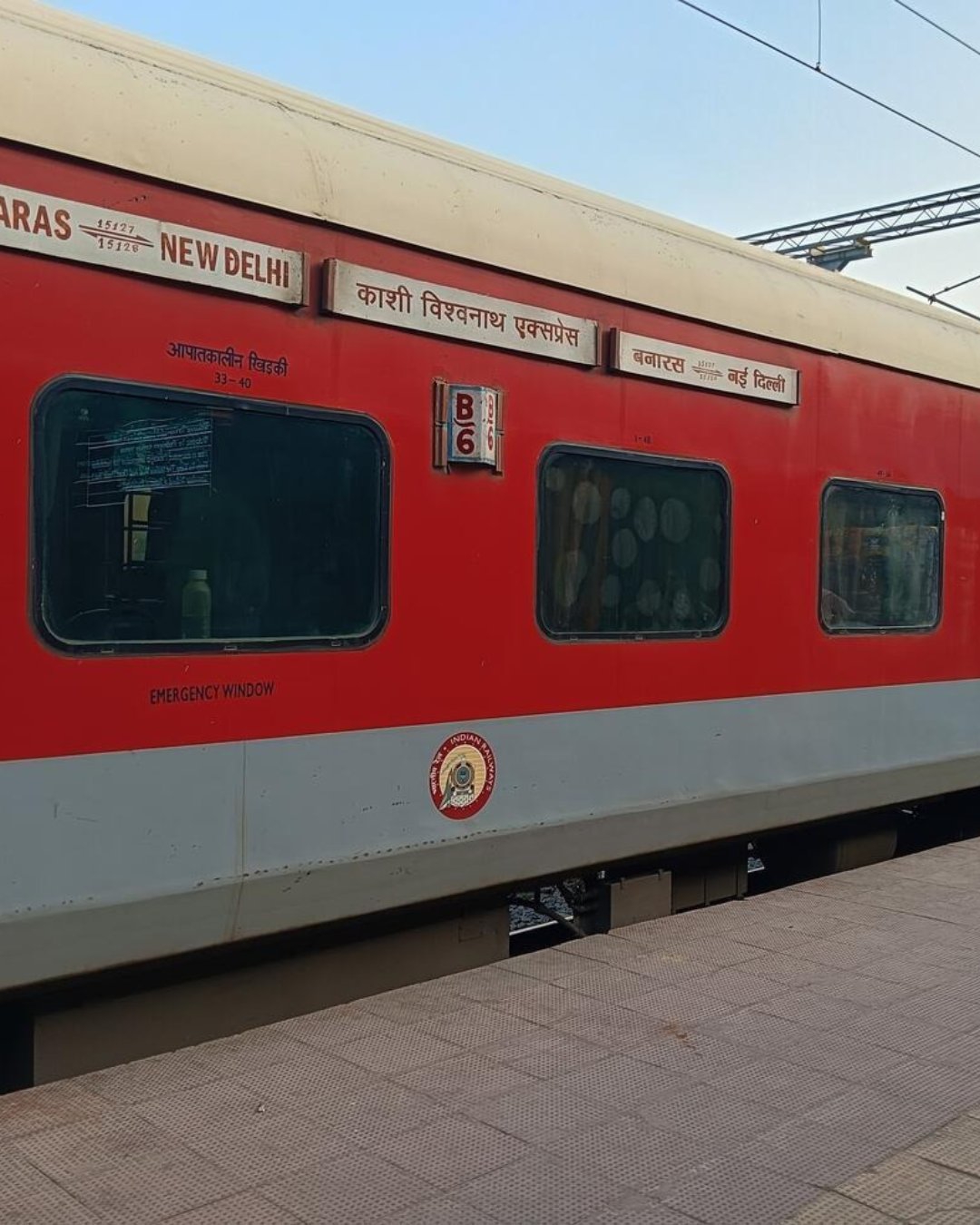
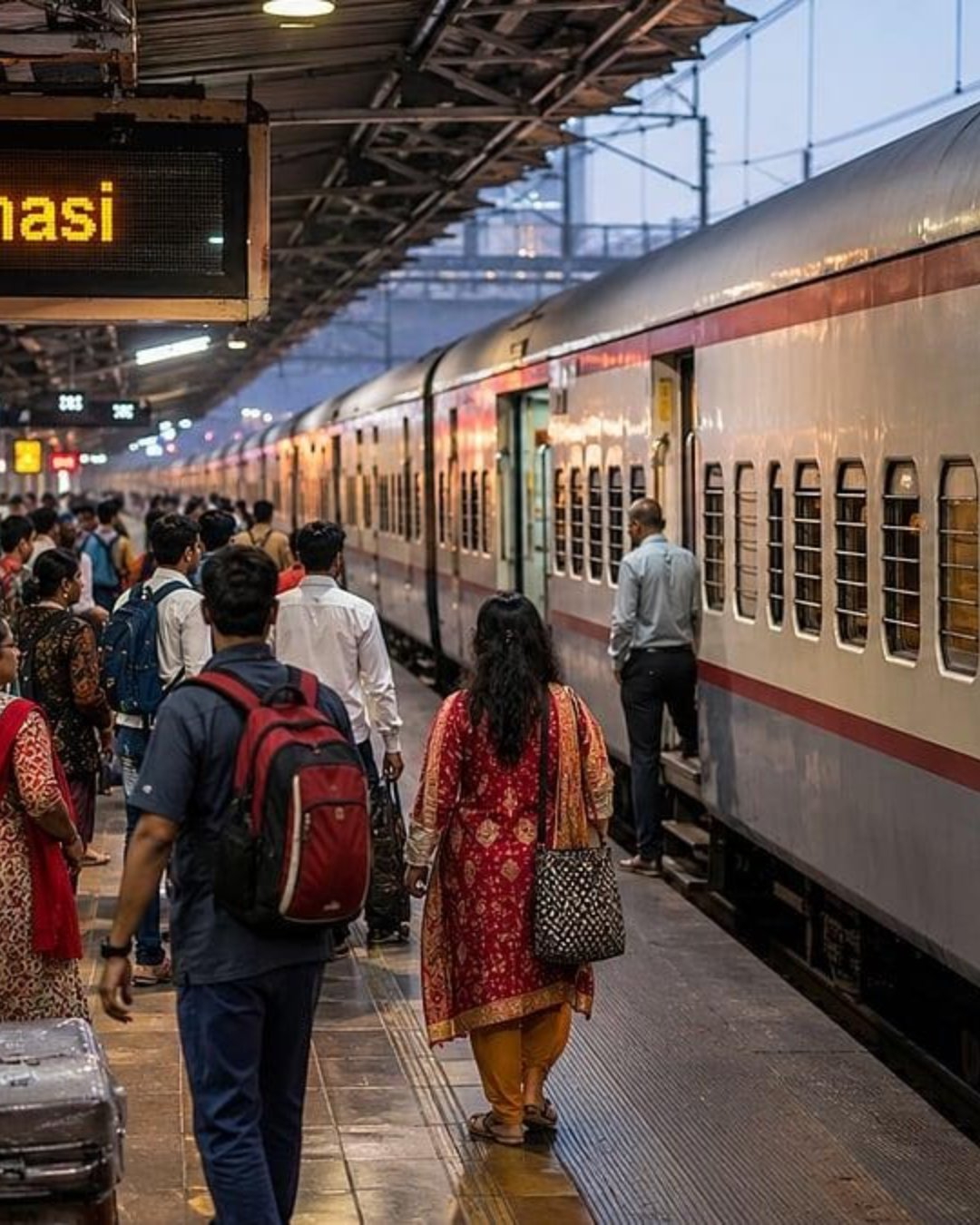
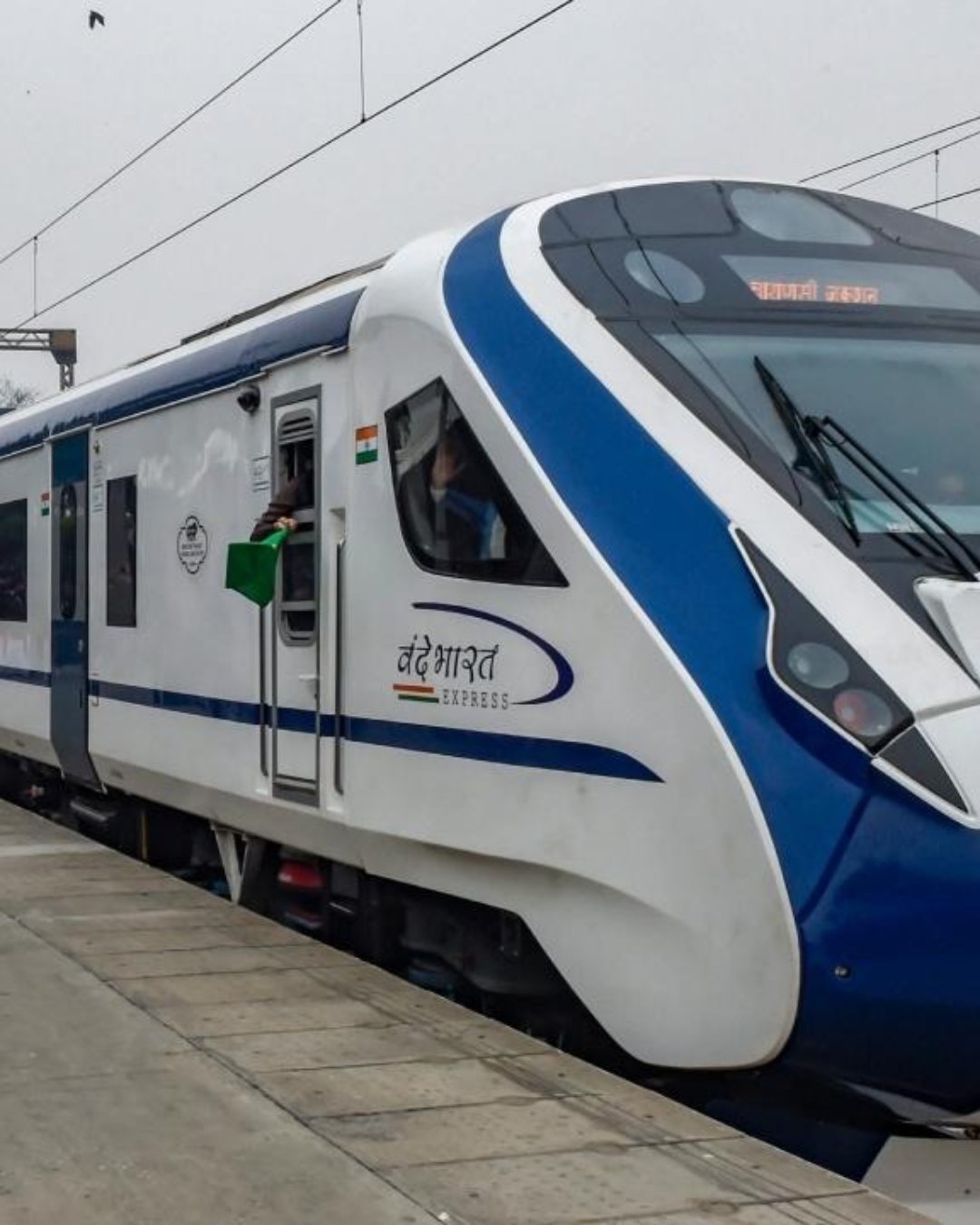
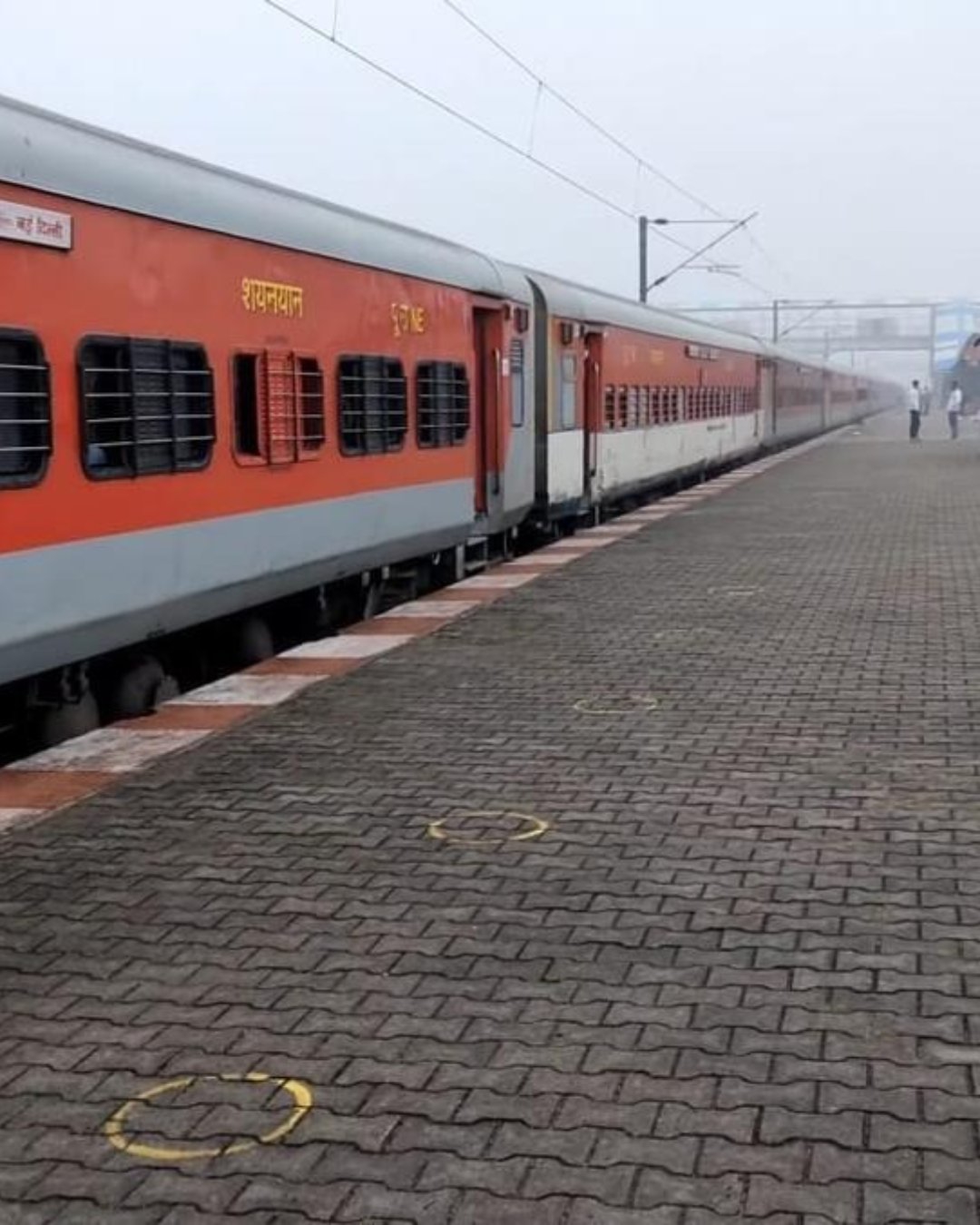
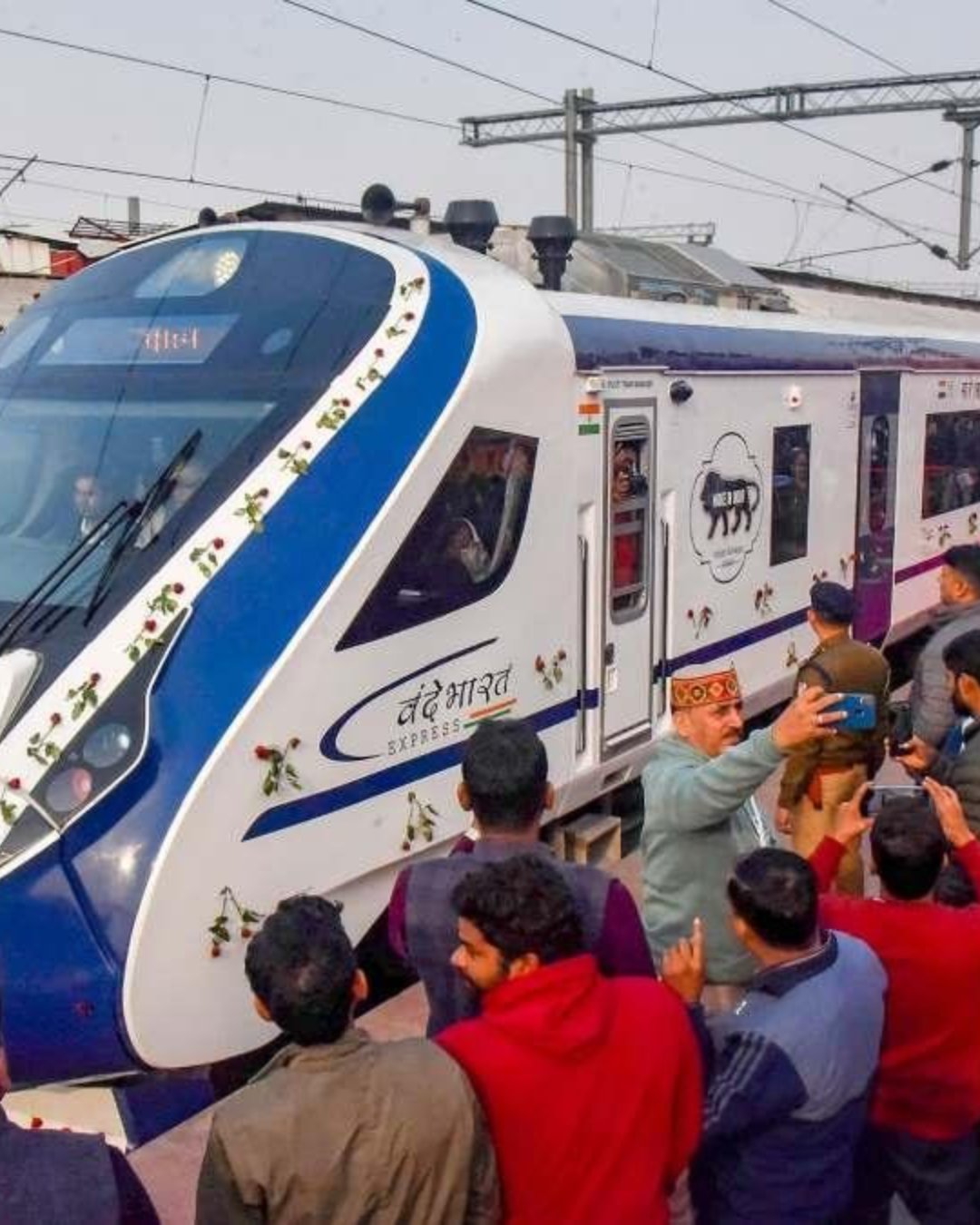
From Delhi, the Train Is the Civilised Option
Delhi to Varanasi is the one long-distance route in India where the train genuinely competes with the plane.
●The corridor runs roughly 755 km. The Vande Bharat service covers it in about eight hours, running six days
a week with stops at Kanpur and Prayagraj, and it is a daytime train in both directions.
●Against that, a flight is roughly ninety minutes in the air — but add airport transfers at both ends, security
and the 25 km drive from Babatpur and the real door-to-door gap narrows considerably.
●The overnight sleeper services are the other genuine option. They take longer but consume a night rather
than a day, and they arrive early enough to leave the whole first morning intact.
●The daytime service has a practical advantage nobody mentions: it crosses the Gangetic plain in daylight,
which is the only way most visitors ever see the landscape between Delhi and Varanasi.
●Book well ahead on this corridor. It is one of the busiest routes in the country and the good trains fill early,
particularly around festivals.
Pro tip: Take an overnight train from Delhi and a flight back. You lose no daylight arriving, you keep a full first
morning at the ghats, and you save the return day for getting home.
The mistakes that ruin it:
●Booking the Delhi train a few days out and expecting availability.
●Choosing a daytime train and then losing that entire day to the journey.
●Assuming the flight is dramatically faster once transfers are counted.
20
MomentVaranasi
From Everywhere Else, It Depends How Far East You Are
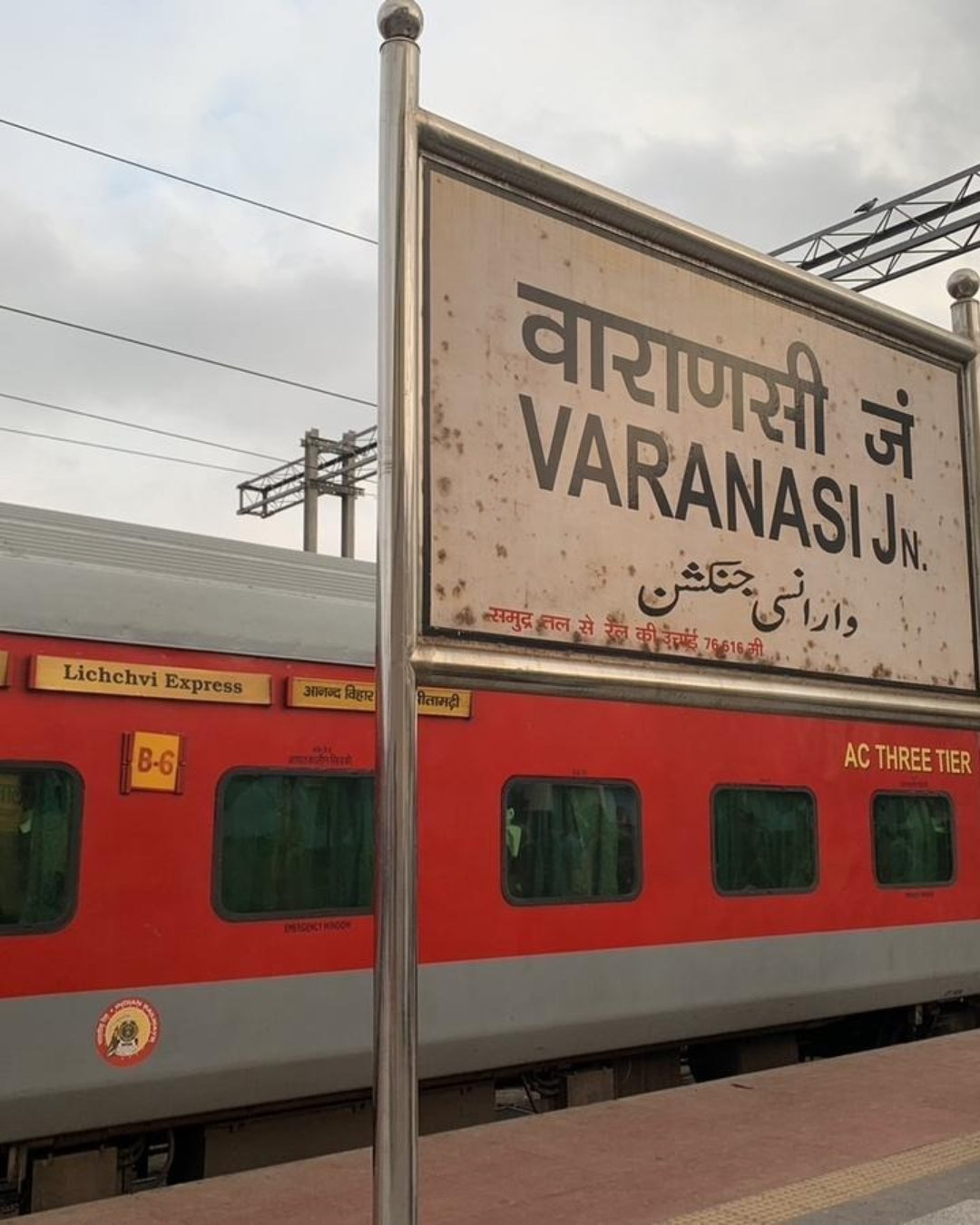
Varanasi sits on one of the busiest rail corridors in India, which is a blessing from the east and a warning from the west.
●From Kolkata the fastest services run in around eight hours, which is a comfortable overnight or a long day. Several of the quickest arrive at DDU rather than at Varanasi Junction, so check the code.
●From Mumbai the picture changes entirely. The fastest trains take roughly a day — around twenty-four to twenty-six hours. This is a route where flying is not a luxury but the obvious answer unless the train
journey is itself the point.
●Lucknow, Prayagraj and Patna are all short hops of a few hours with frequent services, and rail beats road and air comfortably from all three.
●Direct Vande Bharat services also run to Varanasi from several eastern cities, generally covering four to five hundred kilometres in seven to eight hours.
●Gaya, for anyone combining Varanasi with Bodh Gaya, is a straightforward rail connection and a far better idea than driving that leg.
●Across all of these, the arriving station varies by service. Varanasi Junction, Banaras, and DDU all appear on different trains from the same origin city.
Pro tip: Filter by arrival station, not just by journey time, when you search. A train that is an hour faster but arrives
at DDU is not actually faster once you add the transfer.
The mistakes that ruin it:
●Taking the train from Mumbai without understanding it is a full day and night.
●Booking on journey time alone and landing at the wrong station.
●Assuming every fast train from the east reaches Varanasi Junction. Many stop at DDU.
14
MomentAssi Ghat, Varanasi
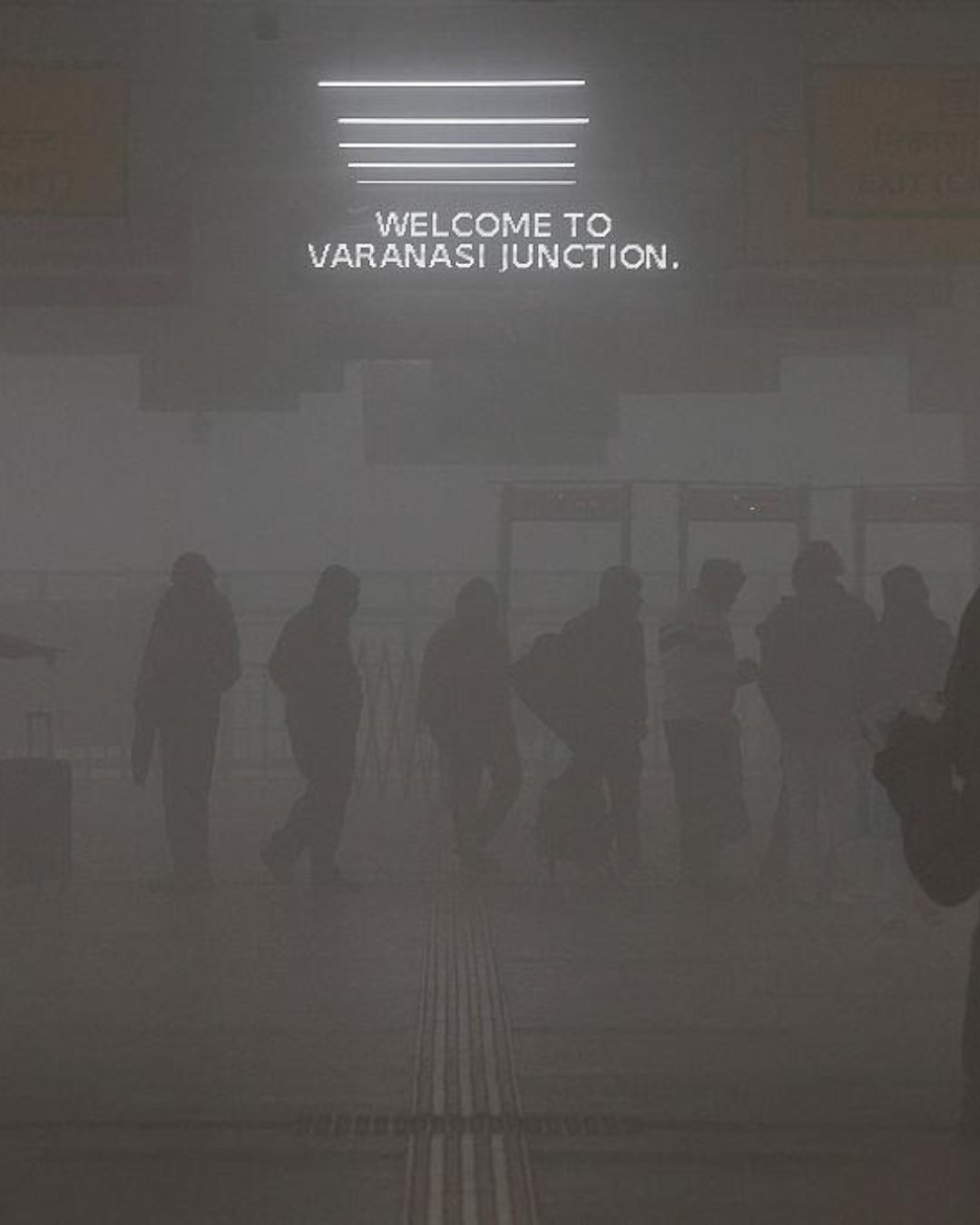
Winter Fog Is a Scheduling Problem, Not a Weather One
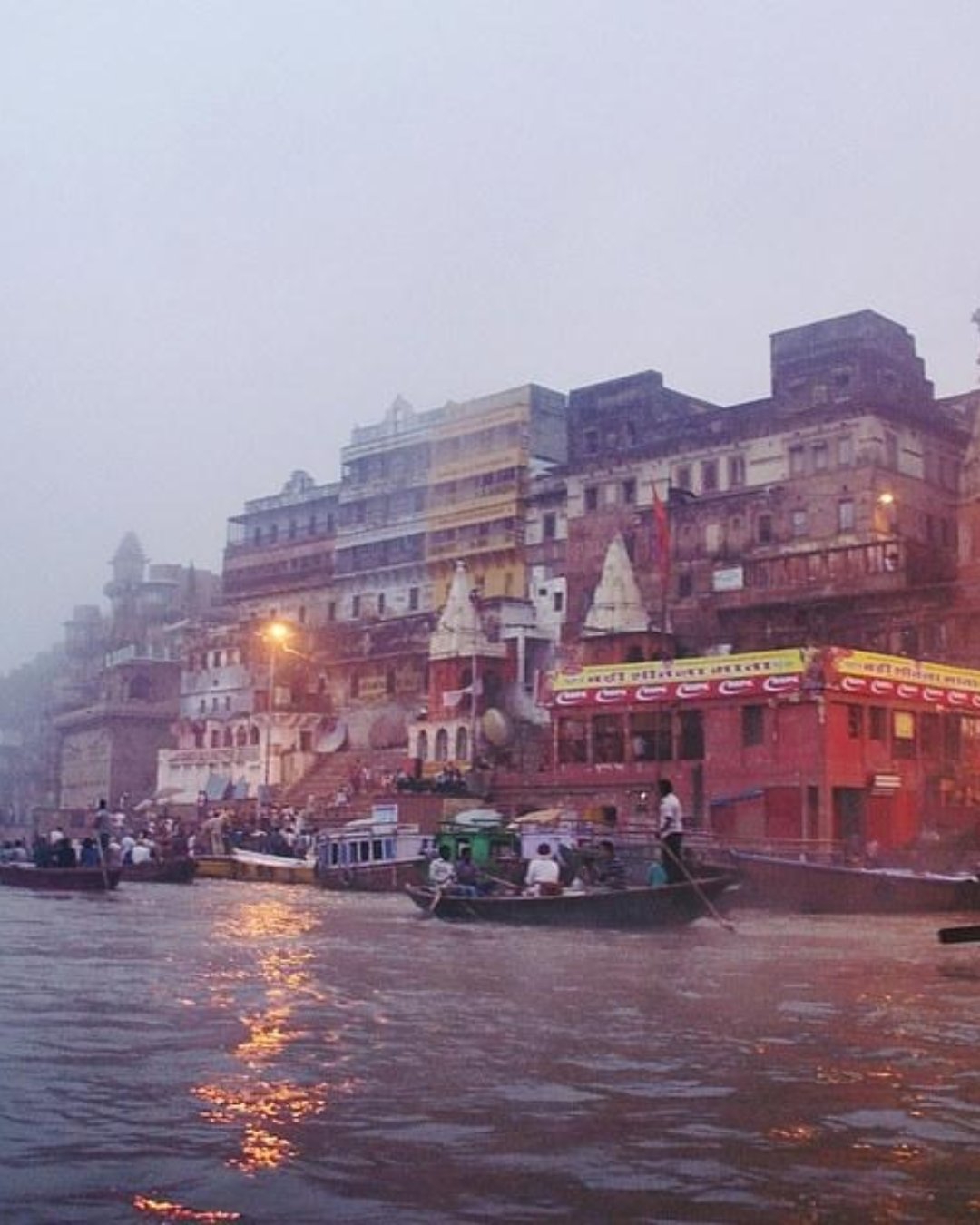
The best months to be in Varanasi are the worst months to have a tight connection anywhere in northern India.
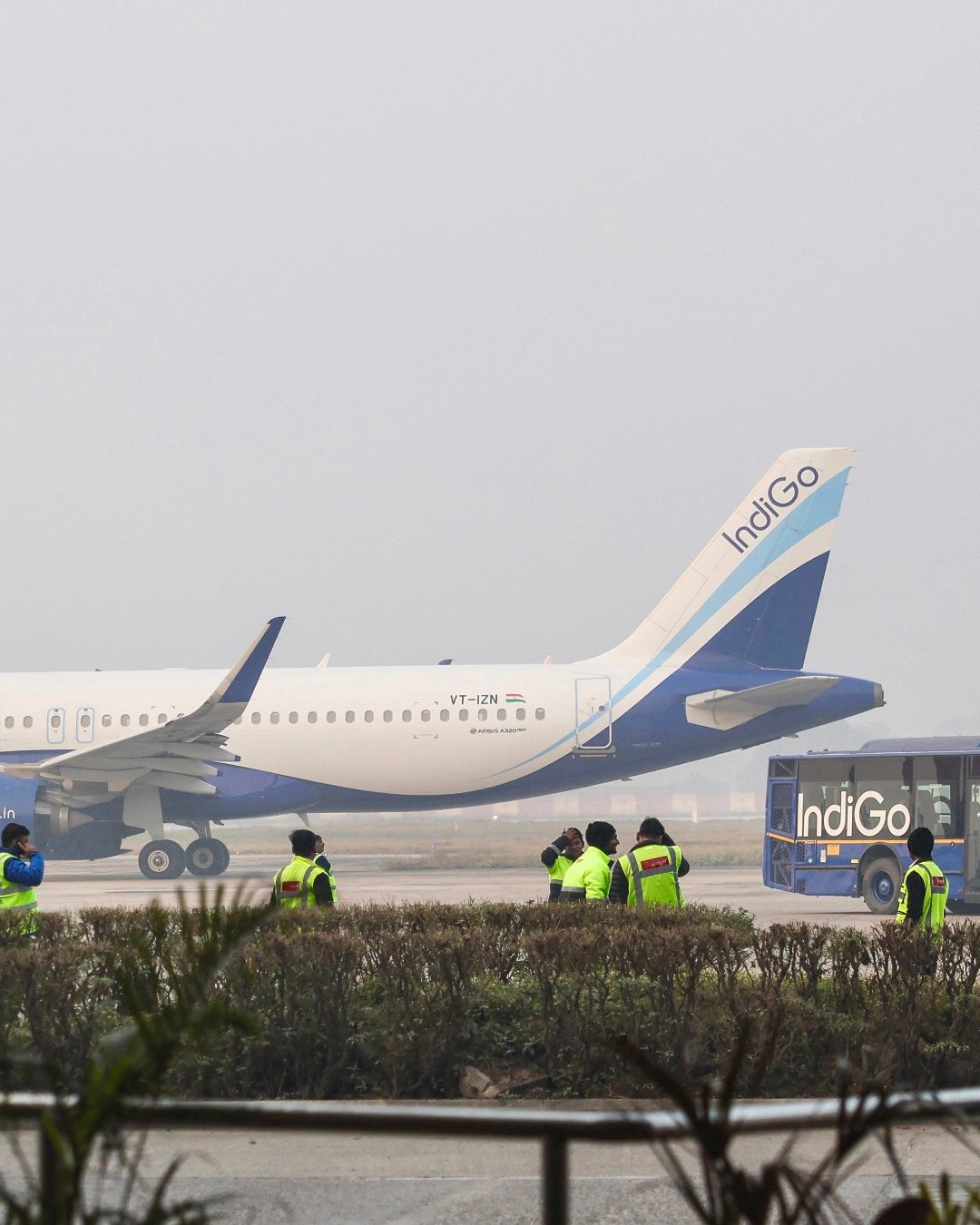
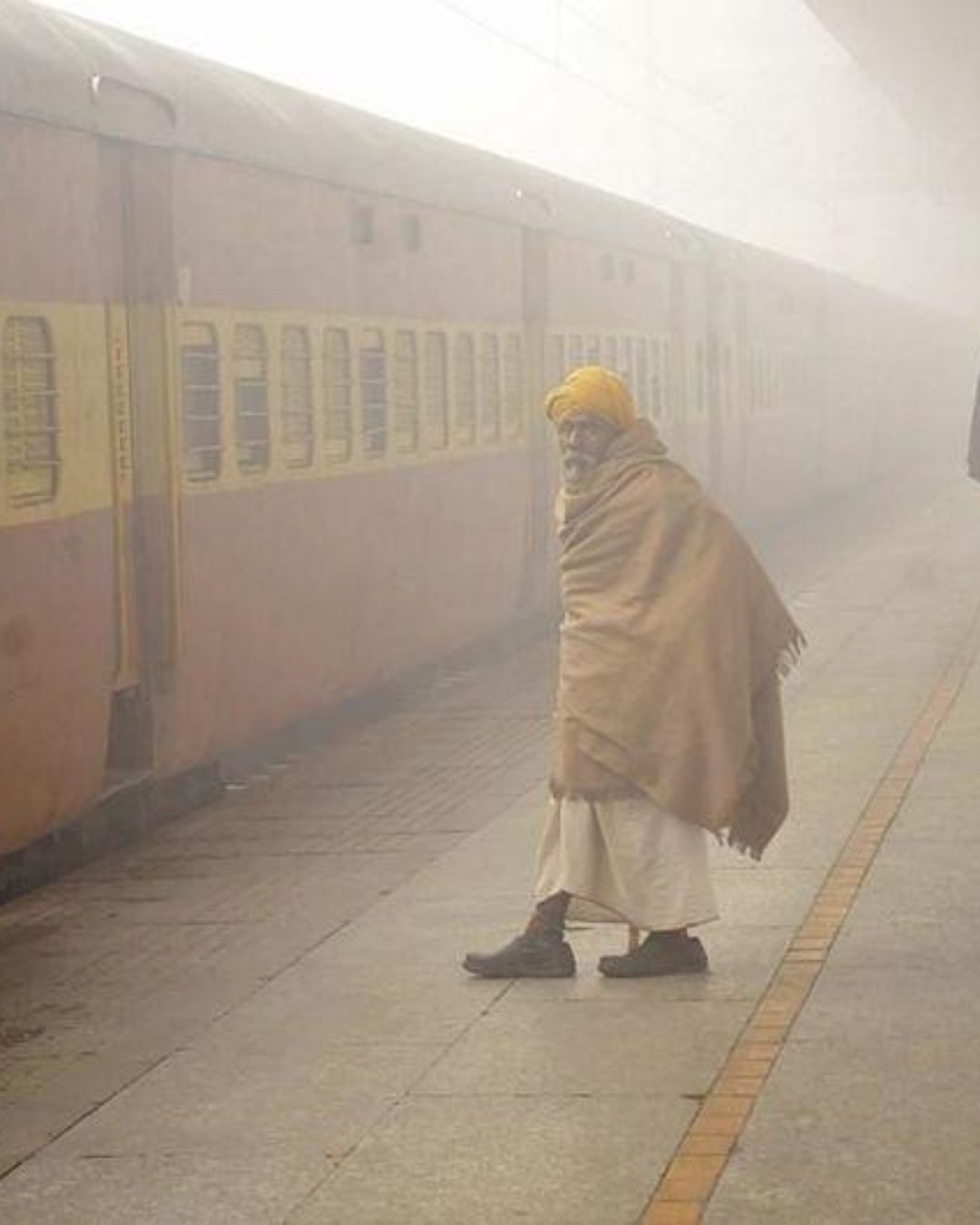
●From roughly mid-December to late January, dense fog settles across the Gangetic plain. It is the reason winter mornings on the river are extraordinary and the reason the transport network stops behaving
predictably.
●Flights into and out of the region are delayed, diverted and cancelled during fog episodes, and Delhi — the hub almost every international visitor connects through — is among the worst affected.
●Trains on the northern corridors run late during these weeks, sometimes by many hours. A train scheduled to arrive at seven in the morning may arrive at lunchtime, and there is no useful way to predict it in advance.
●None of this is a reason to avoid January, which is the finest month on the ghats. It is a reason not to schedule anything tightly in it.
●Practical response: build a spare day at each end of a winter trip, avoid same-day onward international connections, and treat any published arrival time in that window as optimistic.
●Rail is generally more resilient than air in fog — a delayed train still arrives, whereas a cancelled flight may not be rebooked for a day.
Pro tip: In December and January, arrive a day before anything that matters and leave a day of slack before any international departure. That single buffer day is the cheapest insurance in the whole itinerary.
The mistakes that ruin it:
●Booking a same-day connection from Varanasi to an international flight out of Delhi in January.
●Treating the published train arrival time as reliable in fog season.
●Cancelling a winter trip because of fog. The mornings are worth it; the schedule just needs slack.
18
MomentVaranasi Road, Akhari
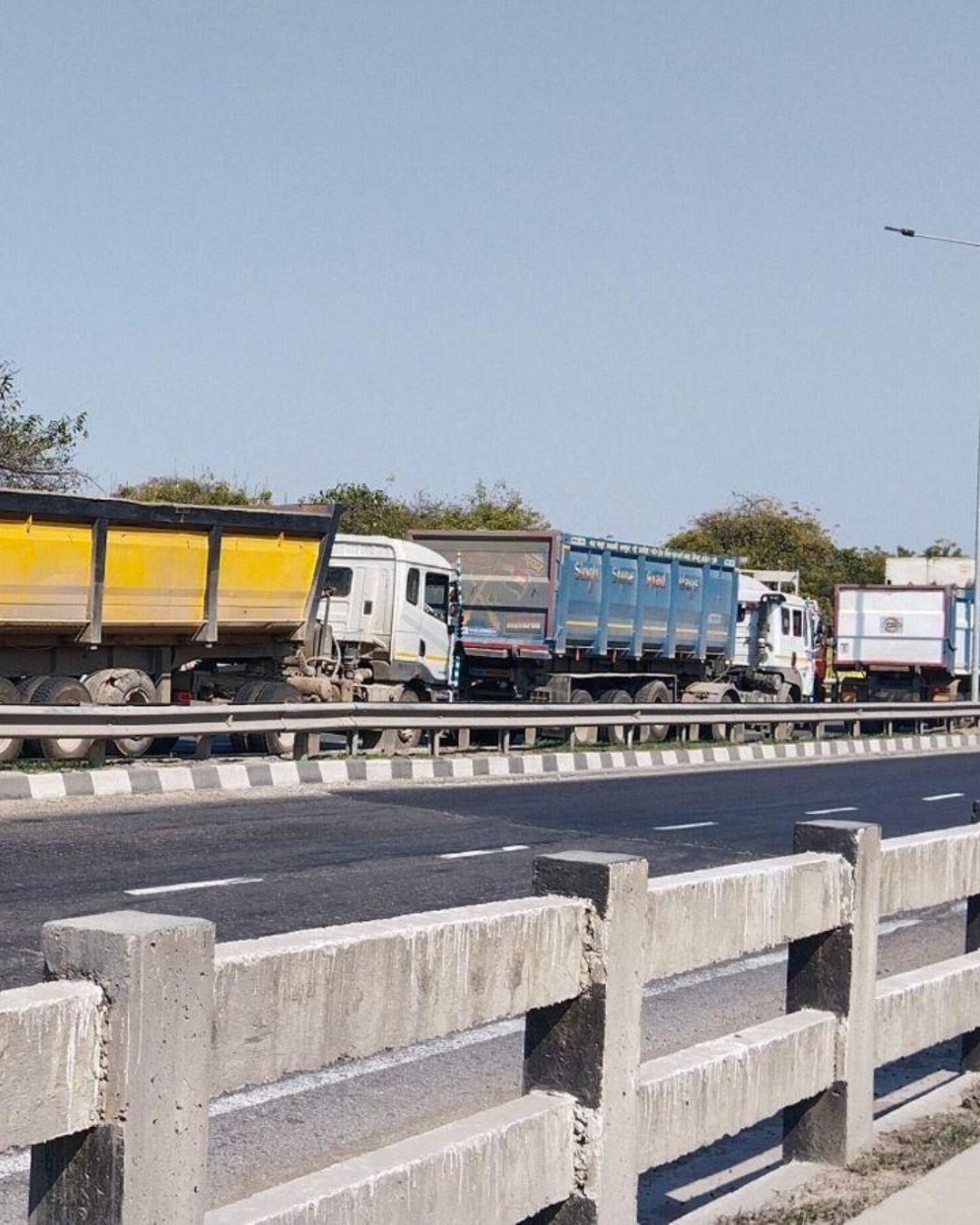
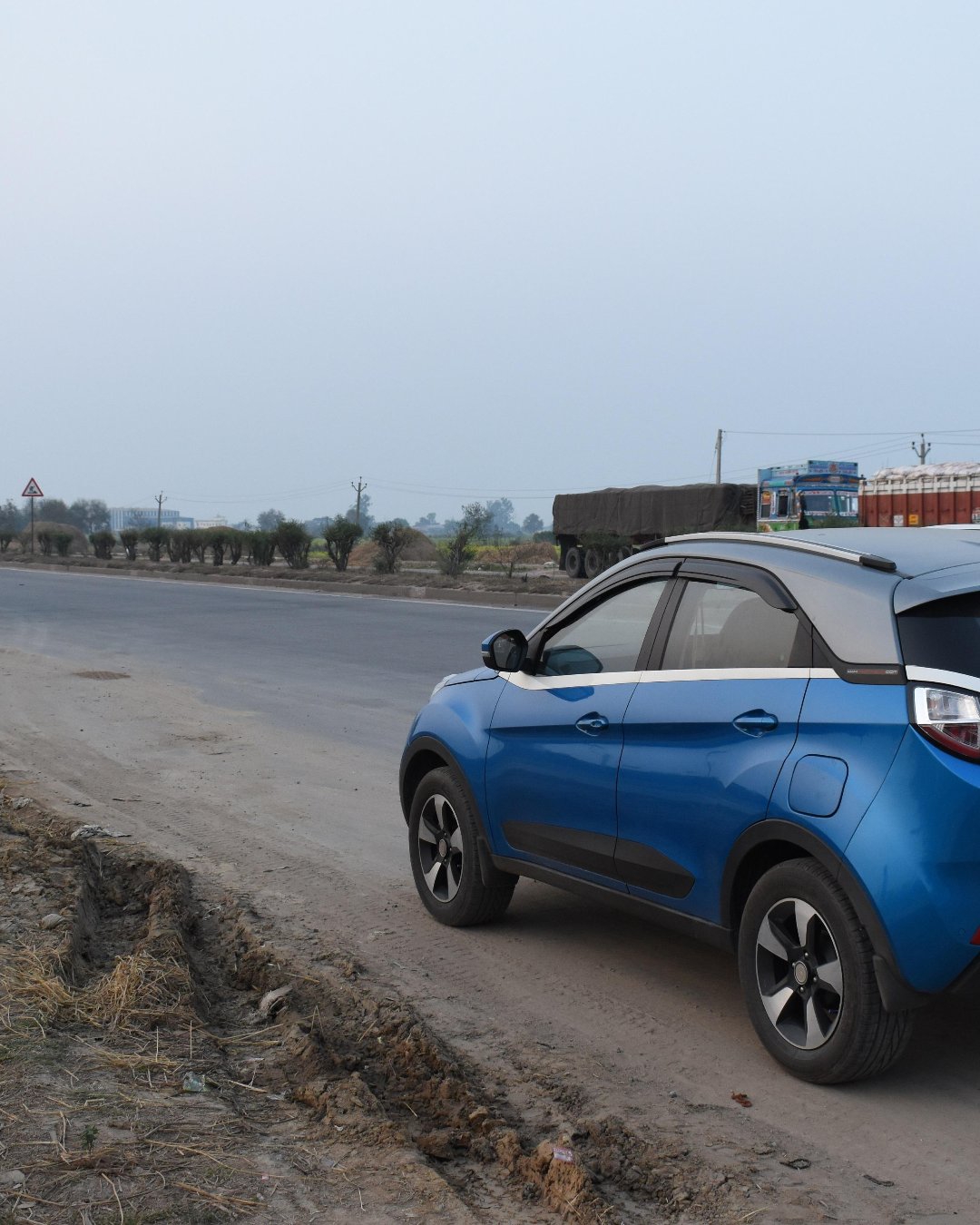
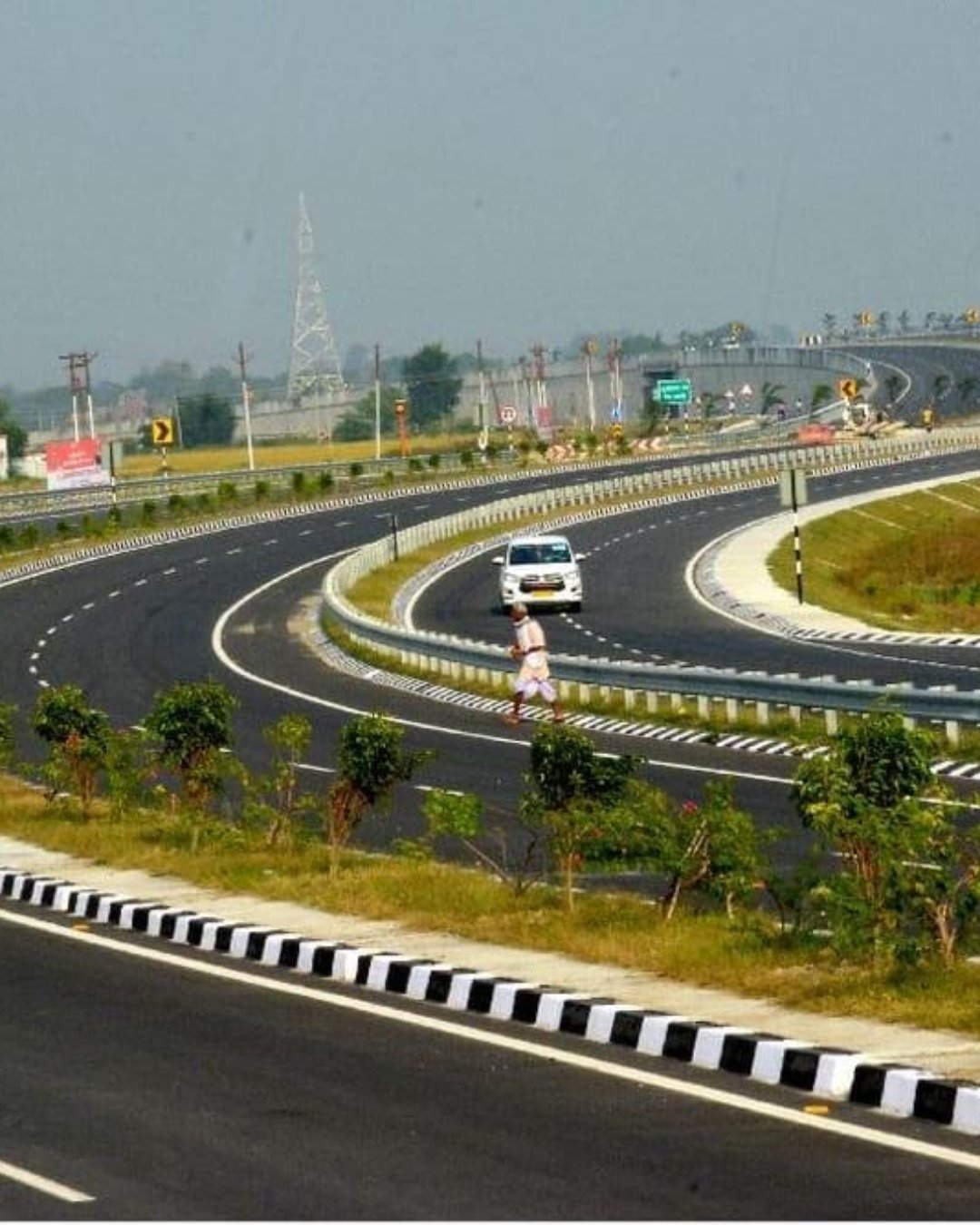
By Road, and Why Almost Nobody Should
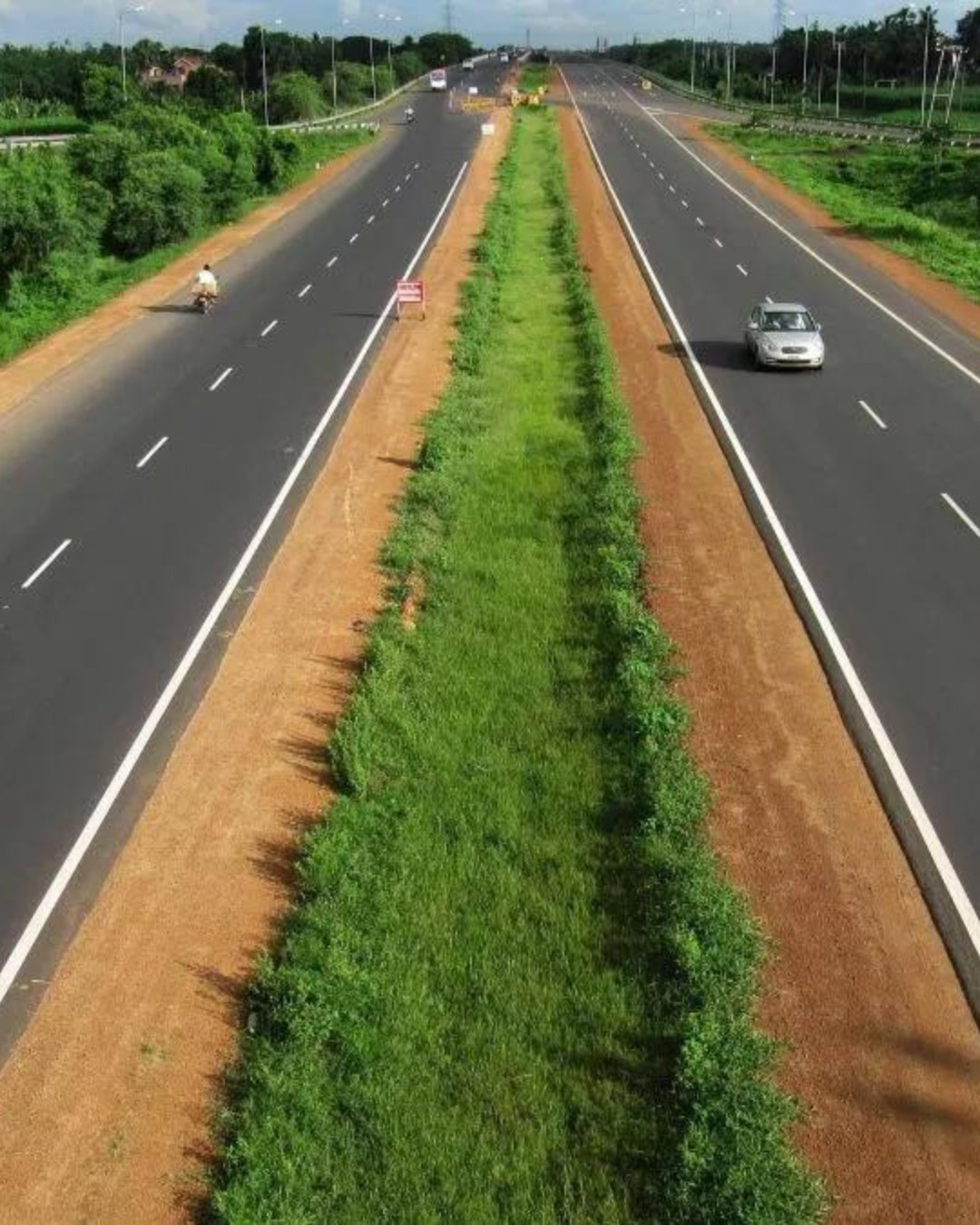
Every so often someone proposes driving to Varanasi from Delhi, and the honest response is a question about why.
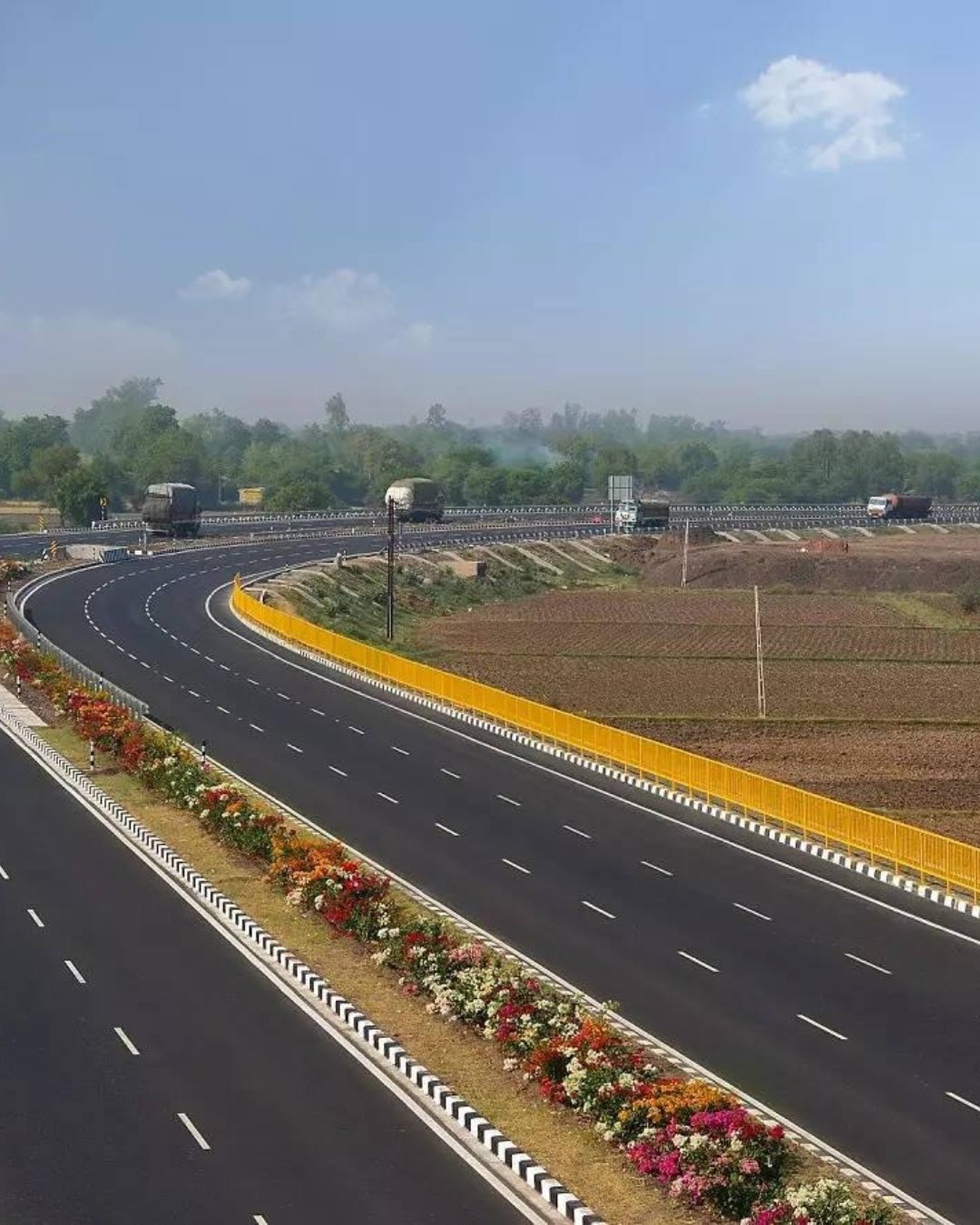
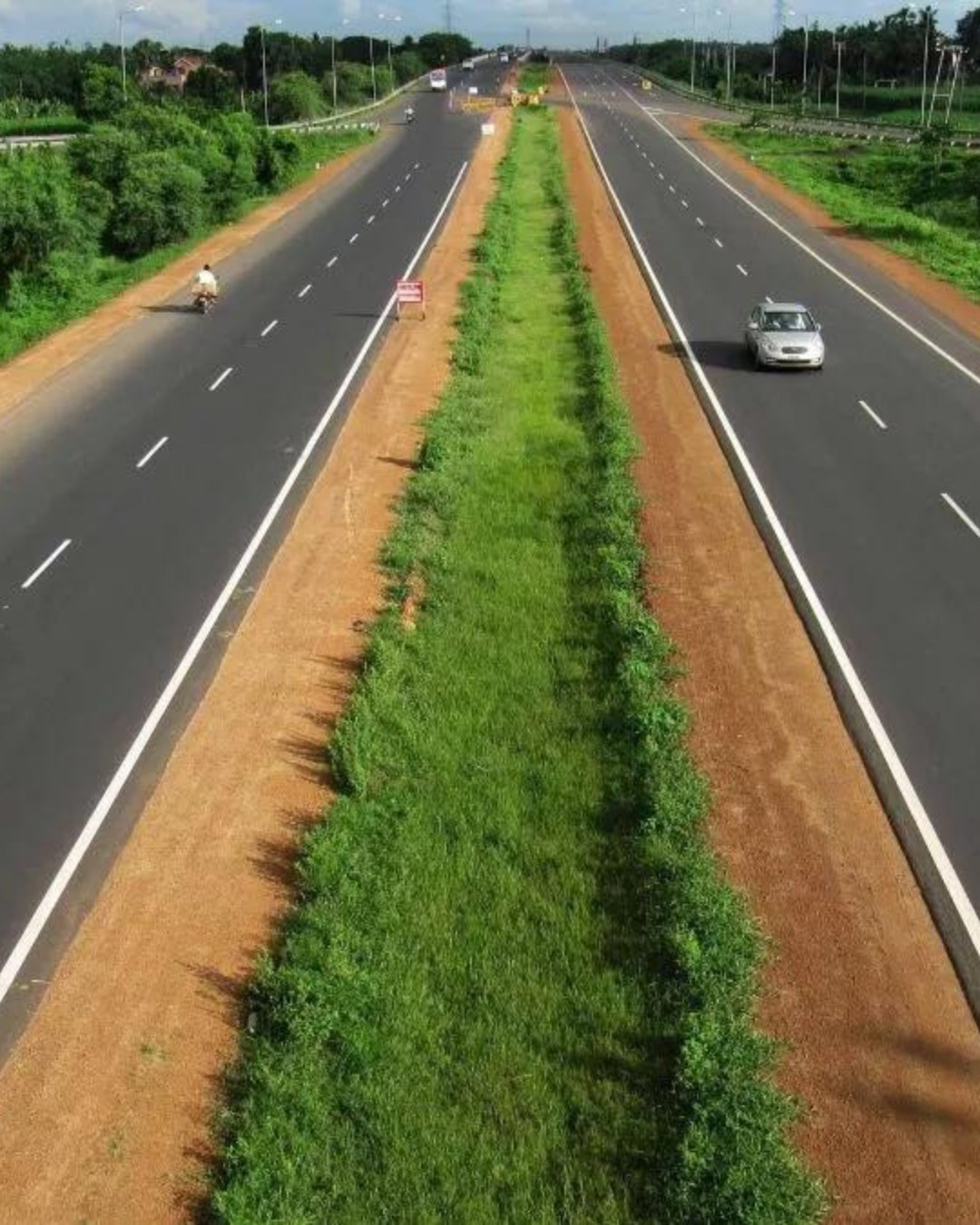
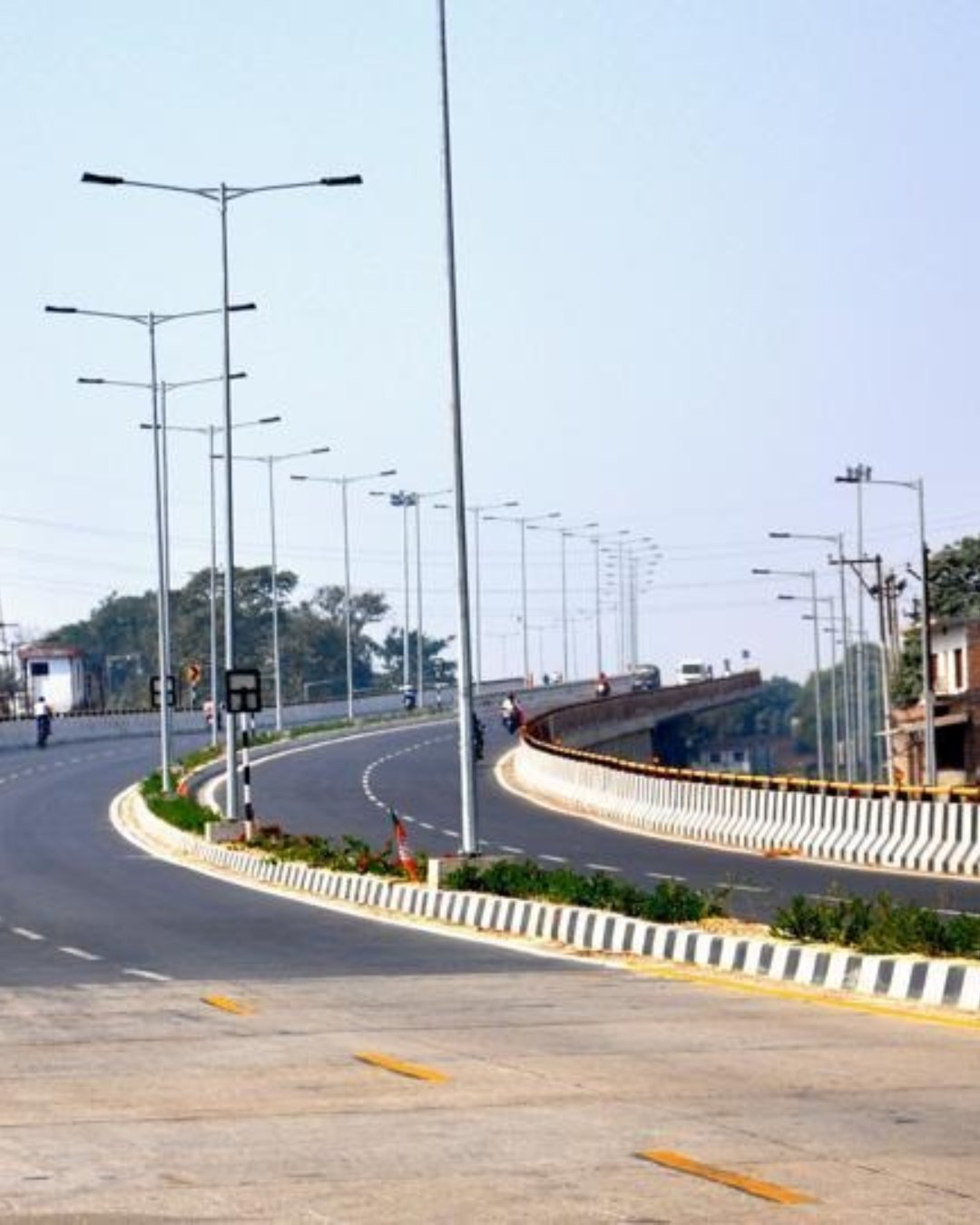
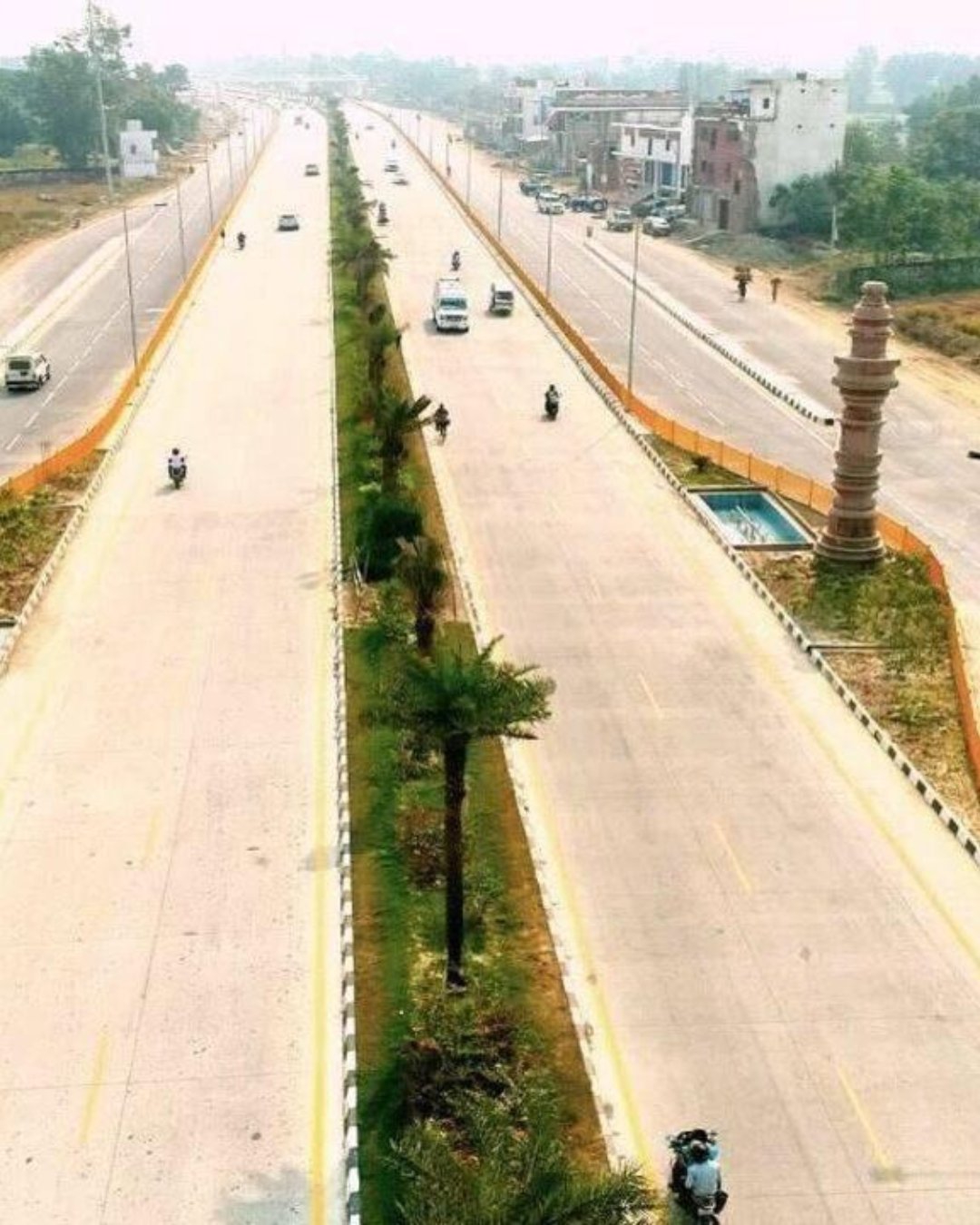
●The road network into Varanasi has improved substantially and the highways are genuinely better than they were, but distance is distance. From Delhi it is a very long day at best.
●Road makes sense in three cases: you are arriving from somewhere within two or three hours, you are already on a multi-city circuit with a car and driver, or you specifically want to stop along the way.
●Long-distance buses run to Varanasi from most regional cities and from Delhi. They are cheap, they take a long time, and for most visitors the overnight train is a better version of the same trade.
●Arriving by road has one advantage worth noting: a car can drop you closer to an old-city stay than a station or airport transfer usually does, because you control the route and the timing.
●It also has the obvious drawback, which is that the last stretch into the old city is where the road runs out for everybody.
Pro tip: If you are coming from Prayagraj, Lucknow, Gorakhpur or anywhere within a few hours, road and rail are genuinely comparable and road wins if you want to stop. Beyond that, take the train.
The mistakes that ruin it:
●Driving from Delhi because the map makes it look reasonable.
●Taking an overnight bus when an overnight train exists on the same route.
●Assuming a car gets you to your hotel door in the old city. It does not.
14
MomentVaranasi
Which Mode From Which City
Stripped of everything else, the choice comes down to how far east you are starting.
●From Delhi: train, ideally overnight. The flight is faster in the air and barely faster in practice.
●From Mumbai, Bengaluru, Chennai, Hyderabad or Ahmedabad: fly. The rail journey is a day or more and there is no version of that trade that favours the train.
●From Kolkata: either. The overnight train is comfortable and lands you close; the flight is quicker if the timings suit.
●From Lucknow, Prayagraj, Patna, Gorakhpur or Gaya: train, without hesitation. Frequent, short and cheaper than any alternative.
●From overseas: fly to Delhi, then take either the domestic hop or an overnight train depending on how much of your arrival day you want to keep.
●From Nepal: check the direct flight first. The overland route via the border is long, and the flight is under two hours.
●From Ayodhya or Prayagraj: rail or road, and treat it as a circuit leg rather than a separate journey in.
●From anywhere within about 200 km: road, and treat it as a transfer rather than a journey.
Pro tip: If two modes look close on paper, pick the one that arrives at a civilised hour. Arrival time affects your first day in Varanasi more than any amount of saved journey time.
The mistakes that ruin it:
●Taking the train from a southern or western metro to save money and losing two days to it.
●Flying a short eastern hop that the train does better and cheaper.
●Optimising the journey rather than the arrival.
21
MomentVaranasi Junction, Varanasi
The Booking Mistakes That Cost You a Day
Almost every ruined arrival in Varanasi traces back to something that was decided weeks earlier, at the booking stage.
●Check the station code, not the city name. BSB, BSBS, BCY and DDU are four different places and only three of them are in Varanasi.
●Book festival periods months ahead. Dev Deepawali, Mahashivratri and the Prayagraj mela seasons empty every seat and room in the region, and prices behave accordingly.
●Avoid arriving and departing on the same days as a major festival if you can. The transport network is under strain and the roads into the city are worst exactly then.
●Give an international connection real slack, especially in winter. A same-day link between a Varanasi flight and a long-haul departure from Delhi is a bet, not a plan.
●Tell your accommodation your arrival station or terminal and your arrival time. In the old city that single message is the difference between a smooth arrival and standing at a junction with bags.
●Once you have arrived, the question becomes how to move around a city where the roads stop before the hotels do — which is a separate subject with its own guide.
Pro tip: Screenshot your ticket and send your hotel a photo of it. Station code, train number and arrival time in one message solves nearly every arrival problem before it happens.
The mistakes that ruin it:
●Booking on the city name and discovering the station later.
●Leaving festival-period travel until the last month.
●Arriving with no one told and no transfer arranged.
Destination
Varanasi, Uttar Pradesh, India
People also ask
01Question
What is the best way to reach Varanasi?
From Delhi, the train — the Vande Bharat covers roughly 755 km in about eight hours, and overnight sleepers arrive early enough to keep your first morning. From Mumbai, Bengaluru, Chennai or Hyderabad, fly; the rail journey takes a day or more. From Lucknow, Prayagraj, Patna or Gaya, take the train. International visitors almost always connect through Delhi.
02Question
Does Varanasi have an airport?
Yes. Lal Bahadur Shastri International Airport, code VNS, at Babatpur, about 25 km northwest of the city. Around seven airlines operate from it to roughly thirty-five destinations, with Delhi, Mumbai and Bengaluru the busiest routes. A few international services run, but most overseas arrivals connect through Delhi. Allow 45 to 60 minutes
for the drive into the city.
03Question
How long is the train from Delhi to Varanasi?
The Vande Bharat service covers the roughly 755 km in about eight hours, running six days a week with stops at Kanpur and Prayagraj. Overnight sleeper trains take longer but use a night rather than a day and arrive early. Book well ahead — this is one of India's busiest corridors and good trains fill quickly, especially around festivals.
04Question
What is DDU station and is it in Varanasi?
No, it is not in Varanasi. Pt. Deen Dayal Upadhyaya Junction — code DDU, still widely called Mughalsarai — sits across the river roughly 16 to 20 km away in a different district. Many major long-distance trains stop there rather than at Varanasi Junction. From DDU you face a further half hour or more by road, or an onward local train of about an hour.
05Question
Which railway station should I book for Varanasi?
Varanasi Junction, code BSB and usually called Cantt, is the main and most central station. Banaras (BSBS) and
Varanasi City (BCY) also serve the city, along with Kashi. DDU is the one to watch — it appears on many searches for Varanasi but is a separate town across the Ganga. Always check the station code on the ticket rather than the city name.
06Question
How far is Varanasi airport from the city?
About 25 km northwest, at Babatpur, and roughly 45 to 60 minutes by road in normal traffic — longer in the evening. Prepaid and app-booked cabs both operate. If you are staying in the old city, the vehicle cannot reach your door, so confirm the drop point with your accommodation before you arrive.
07Question
Does winter fog affect travel to Varanasi?
Yes, significantly. From about mid-December to late January, dense fog across the Gangetic plain delays and cancels flights — Delhi especially — and pushes trains hours behind schedule. It is also the most beautiful time on the ghats, so the answer is not to avoid it but to build slack: arrive a day early, and never book a same-day onward international connection.
08Question
Can you reach Varanasi by road?
Yes, and the highways have improved, but it rarely makes sense beyond a few hours' drive. Road works well from Prayagraj, Lucknow, Gorakhpur or anywhere within two or three hours, or if you are on a multi-city circuit with a car. From Delhi it is a very long day and the overnight train does the same job better. Long-distance buses run but the train is the better version of that trade.
Experience layers
Go further into one part of this trip.