


How to Reach Ayodhya: Flights, Trains & the Station Trap
Flights, trains and road into Ayodhya — which mode from which city, why one station leaves you 10 km from the temple, and how to time your darshan.
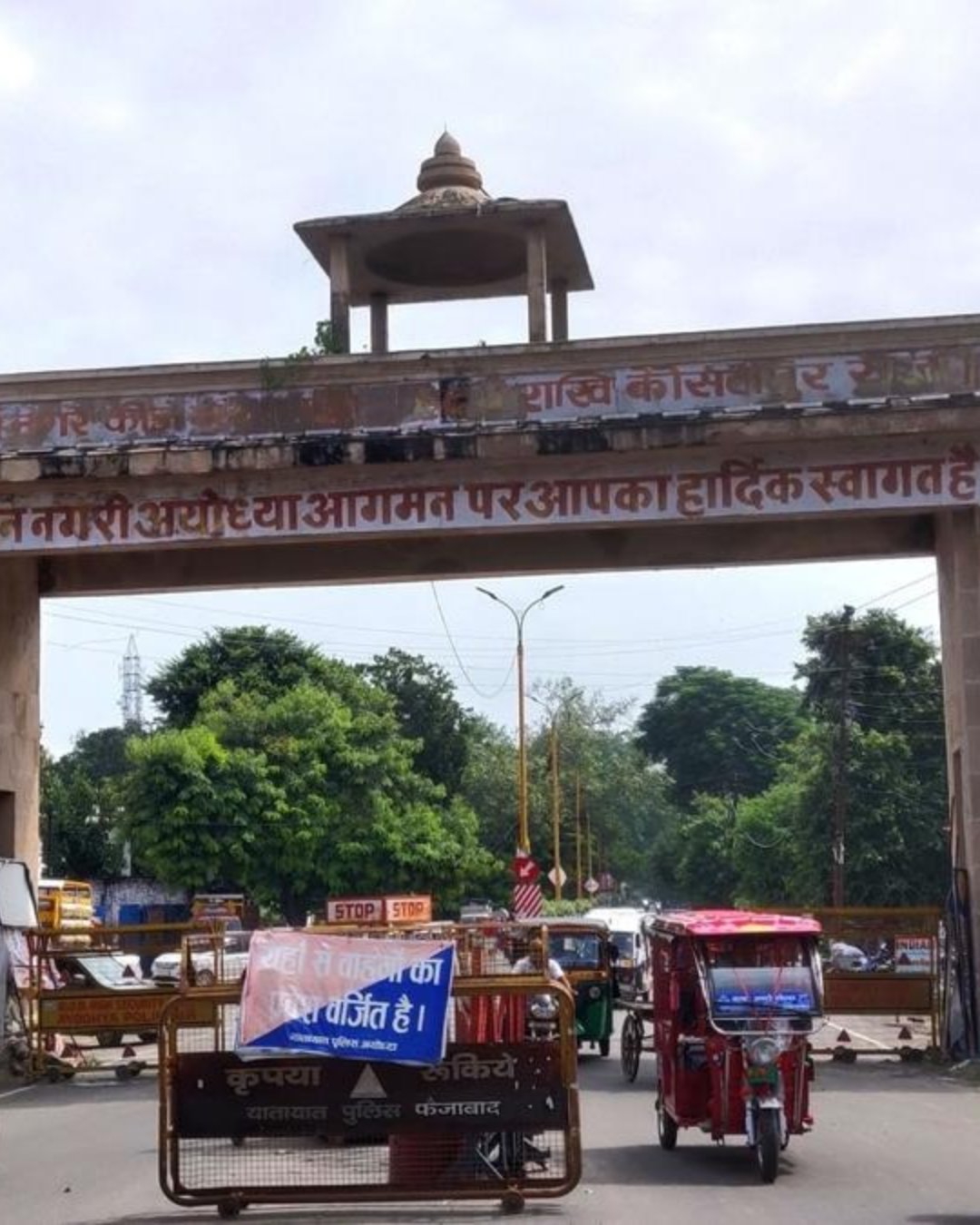
Reaching Ayodhya is not simply a choice between a flight, train or road—it is about choosing the right route, the right arrival point and, most importantly, the right arrival hour. By air, Maharishi Valmiki International Airport is the city's own gateway, so landing in Ayodhya still means allowing time for the final road transfer into the pilgrimage area. By train, Ayodhya Dham and Ayodhya Cantt are the two major railway stations, and checking the exact station on your ticket matters because your final transfer can be very different depending on where you arrive.
The official district guide places Ayodhya Dham about 135 km from Lucknow, 164 km from Gorakhpur, 157 km from Prayagraj and 191 km from Varanasi by rail, while by road Ayodhya is approximately 130 km from Lucknow, 140 km from Gorakhpur, 160 km from Prayagraj, 200 km from Varanasi and 636 km from Delhi. From Lucknow, Gorakhpur and Prayagraj, road or rail can fit naturally into your itinerary; from Varanasi, both road and train work well for a wider spiritual circuit; and from Delhi or other distant cities, the choice usually comes down to whether you want the time efficiency of flying or the convenience of an overnight train.
But transport is only half the planning. Your arrival hour can determine how much of your first day you actually get. Arriving early gives you time to reach your hotel, leave your luggage, freshen up and plan your temple visit without immediately racing against the day's schedule. A midday arrival can become much later once you add the airport or station transfer, hotel check-in, local movement and security or queue arrangements, while a late-evening arrival may make it more practical to settle in and begin your darshan programme the following morning.
Instead of booking transport first and trying to fit darshan around it, plan backwards: decide when you want to visit Shri Ram Janmabhoomi, allow a realistic buffer for the journey from your airport or station, then choose the flight, train or road connection that gets you into Ayodhya with enough time to actually experience the city.
That is the key to this journey—the fastest ticket is not automatically the most useful one; the best arrival is the one that puts you in Ayodhya at the right place and at the right hour for the experience you came to have.
110
Stops
Home
MomentAyodhya Dham Junction, Ayodhya

Three Ways In, and the Station Decides Everything
Ayodhya is now easy to reach and still easy to arrive at badly.
•Air is fastest from beyond roughly 800 km, but the route map is thin — one airport, four carriers, a handful of destinations.
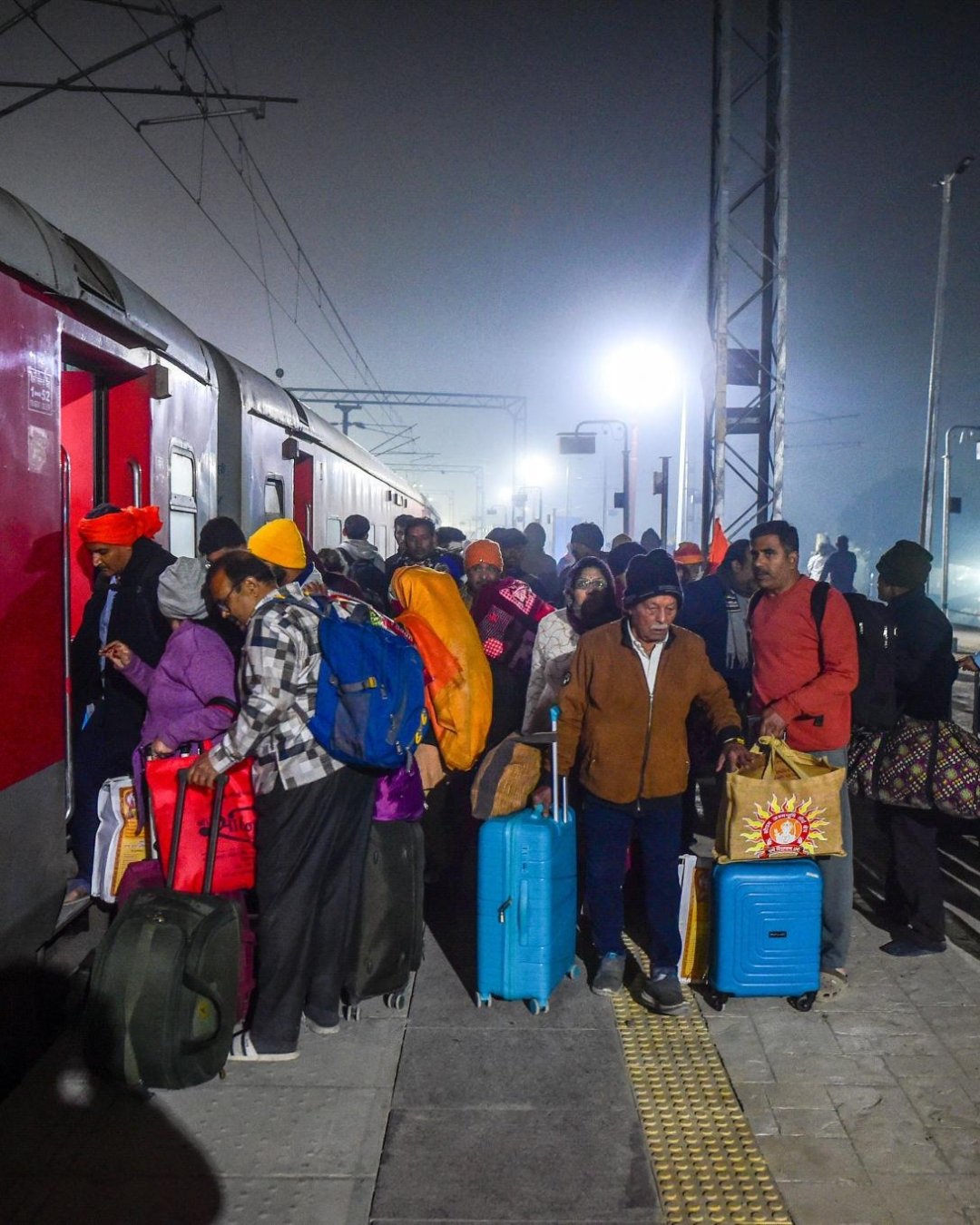
•Rail is the real answer from Delhi, Lucknow, Prayagraj, Varanasi, Gorakhpur and most of the eastern corridor. It also drops you closer to the temple than the airport does.
•Road is the right answer from almost nowhere. It matters as a circuit leg, or from within about 200 km.
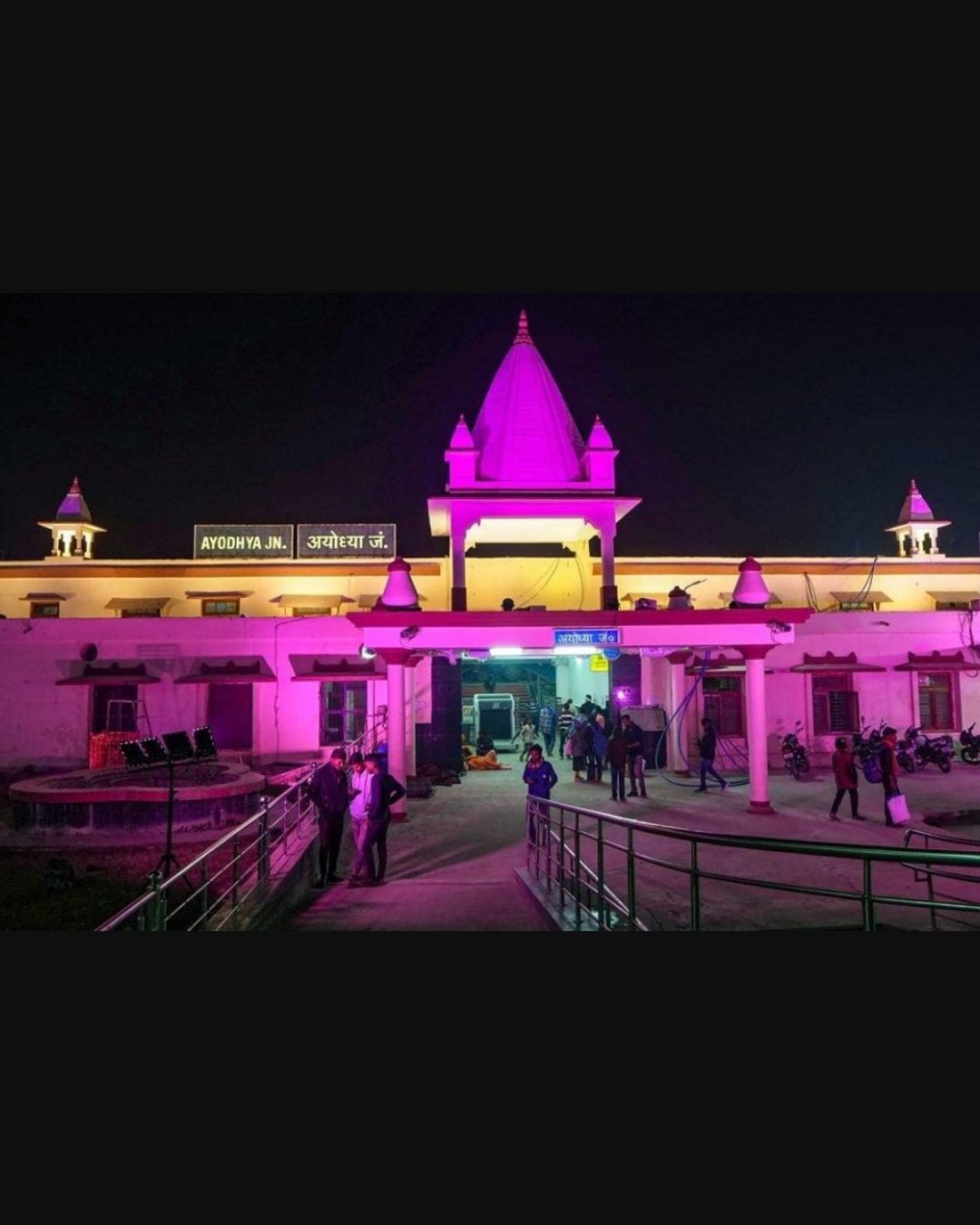
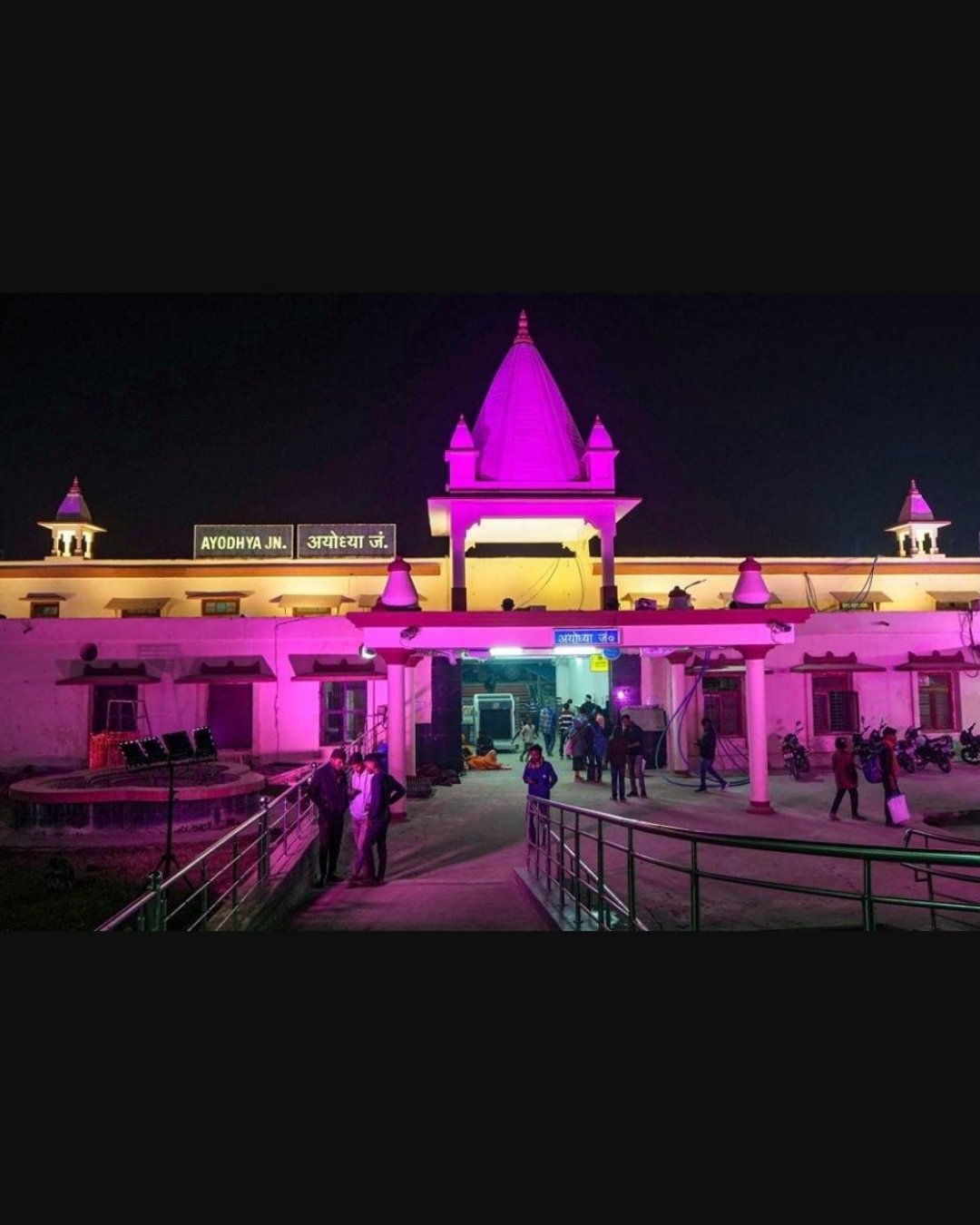
•The variable that actually decides it is not speed. It is which station you land at, because Ayodhya Dham Junction is about 2 km from Ram Mandir and Ayodhya Cantt is about 10 km.
•The second variable is the hour. Darshan runs in two windows with a long midday closure, so a 6 am arrival and a 2 pm arrival are completely different trips.
•Plan the arrival hour, not just the date.
Pro tip: Work backwards from your first darshan, not from the cheapest ticket. Arriving the evening before is worth more than any hour saved in transit.
The mistakes that ruin it:
•Choosing the mode on fare alone and ignoring where it puts you down.
•Booking a late arrival with no transfer arranged.
•Planning a morning darshan off a morning arrival.
40
MomentAyodhya Dham Junction, Ayodhya
The Station 2 km From the Temple, and the One That Is Not
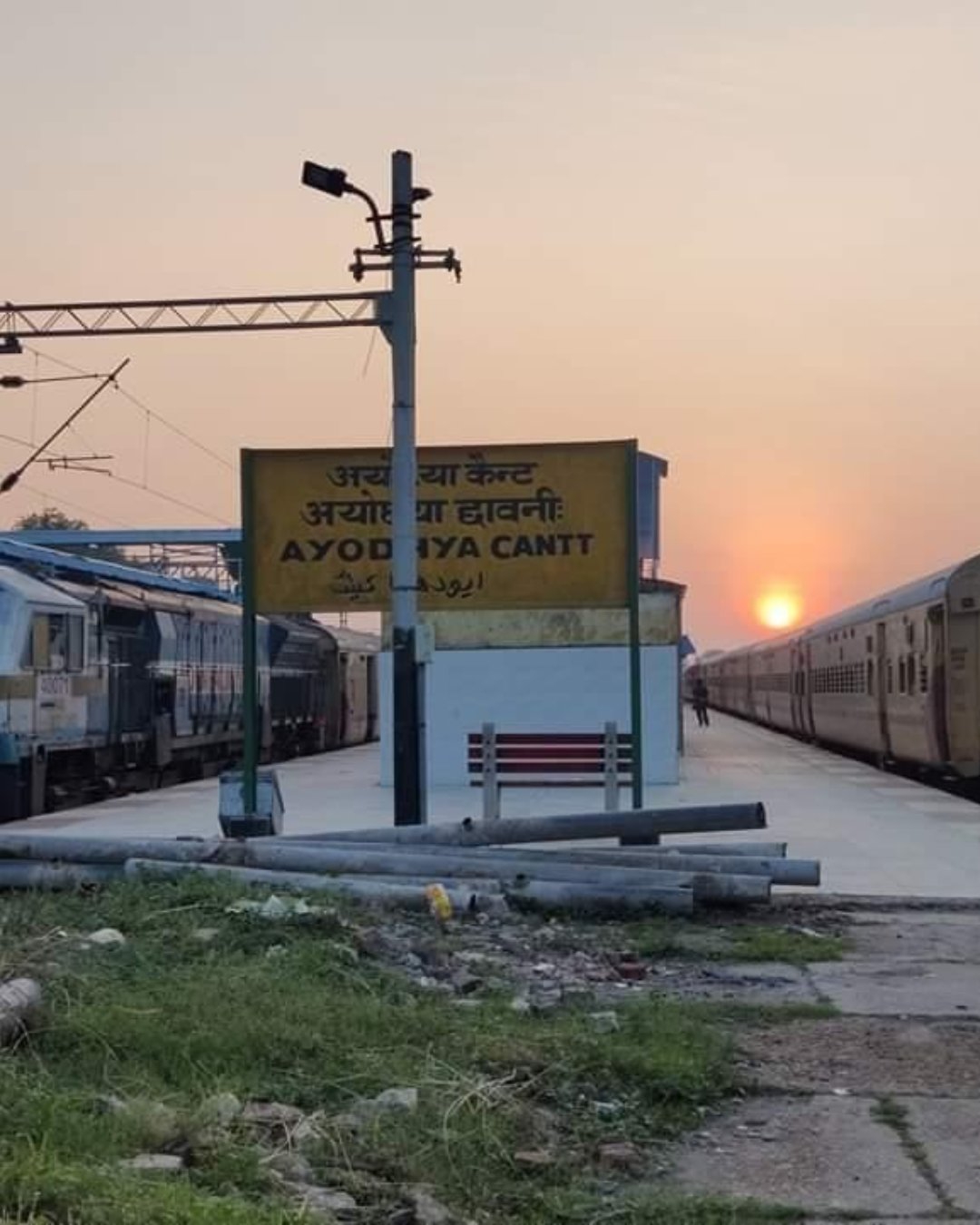
Two stations carry Ayodhya in the name and they are eight kilometres apart in usefulness.
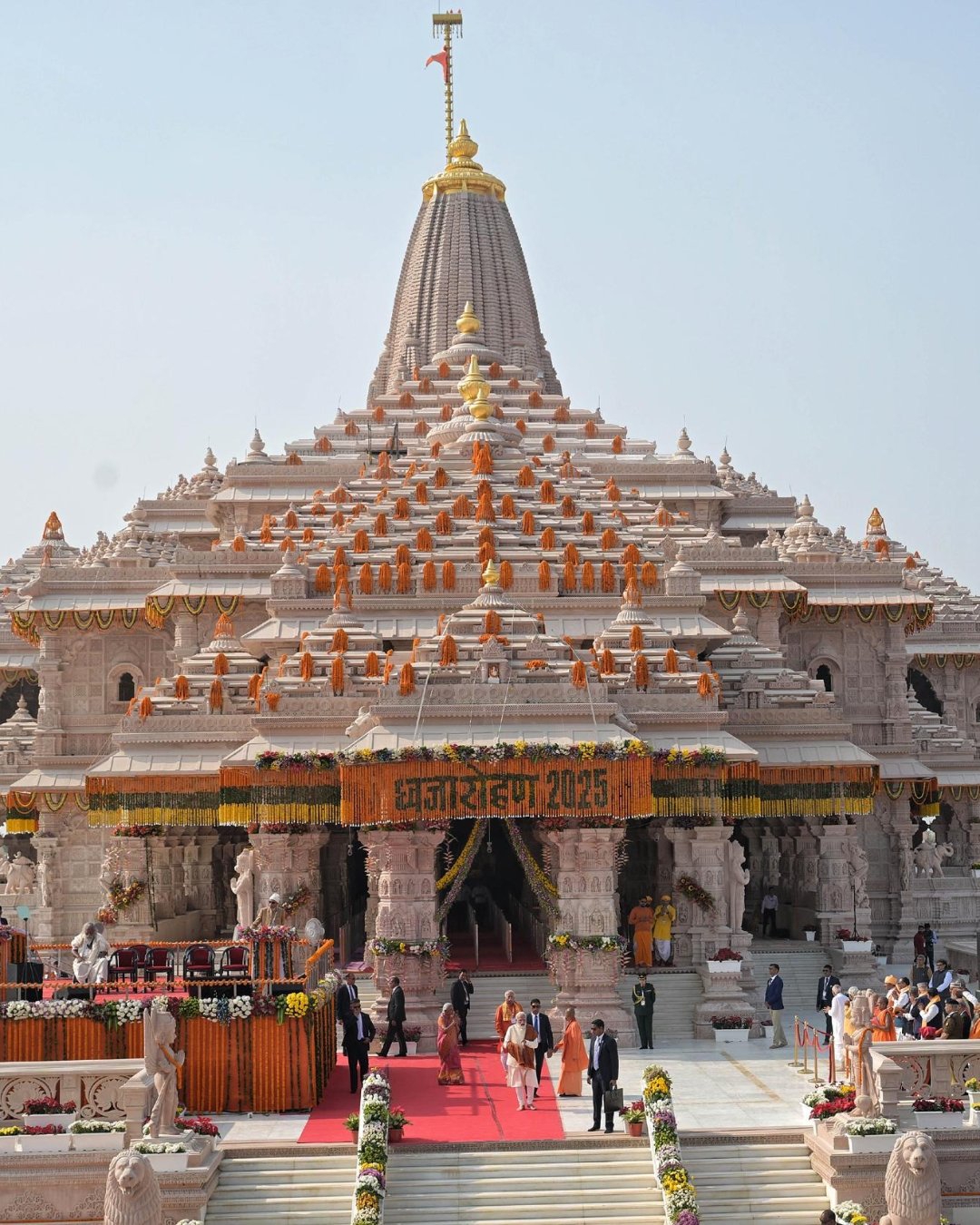
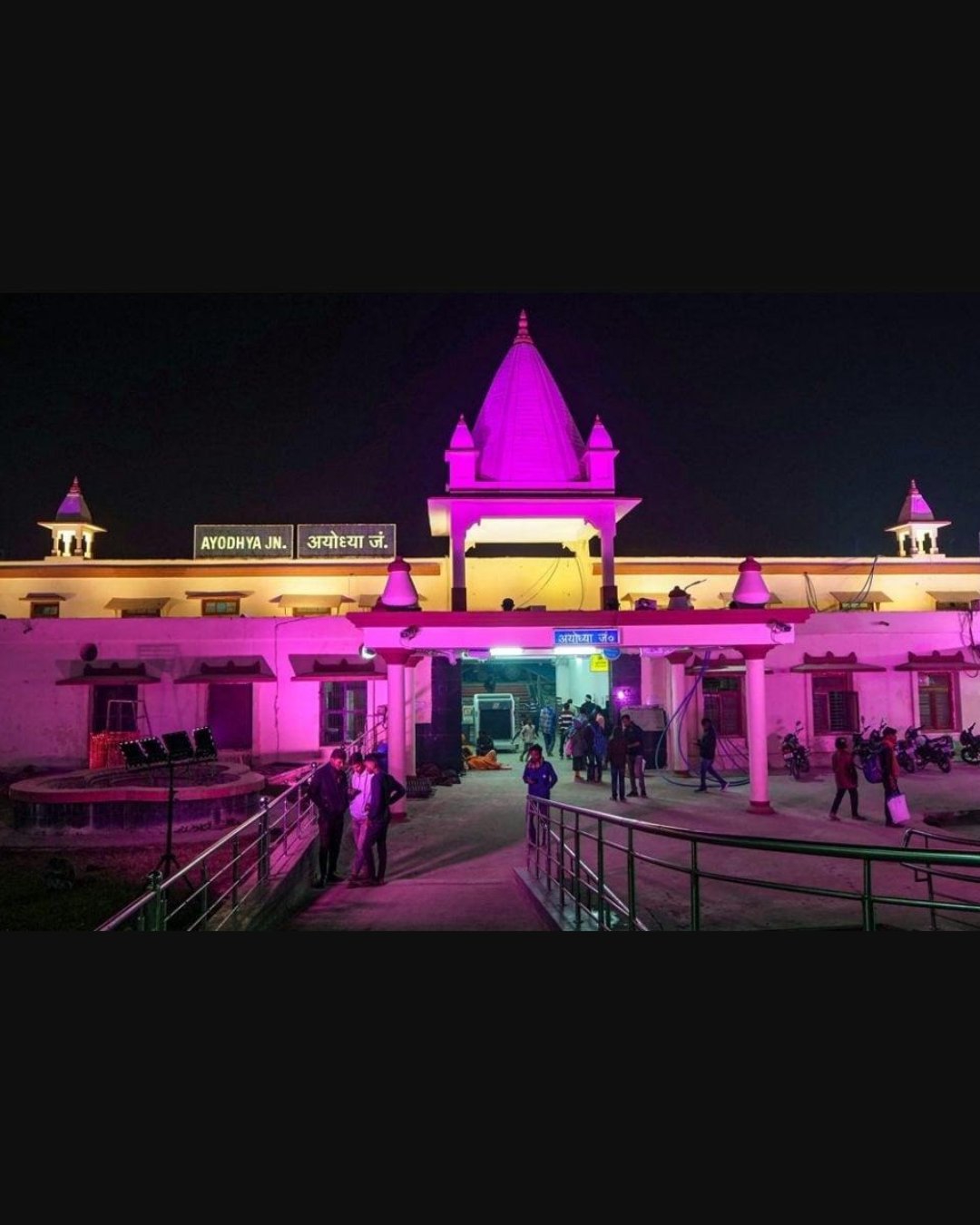
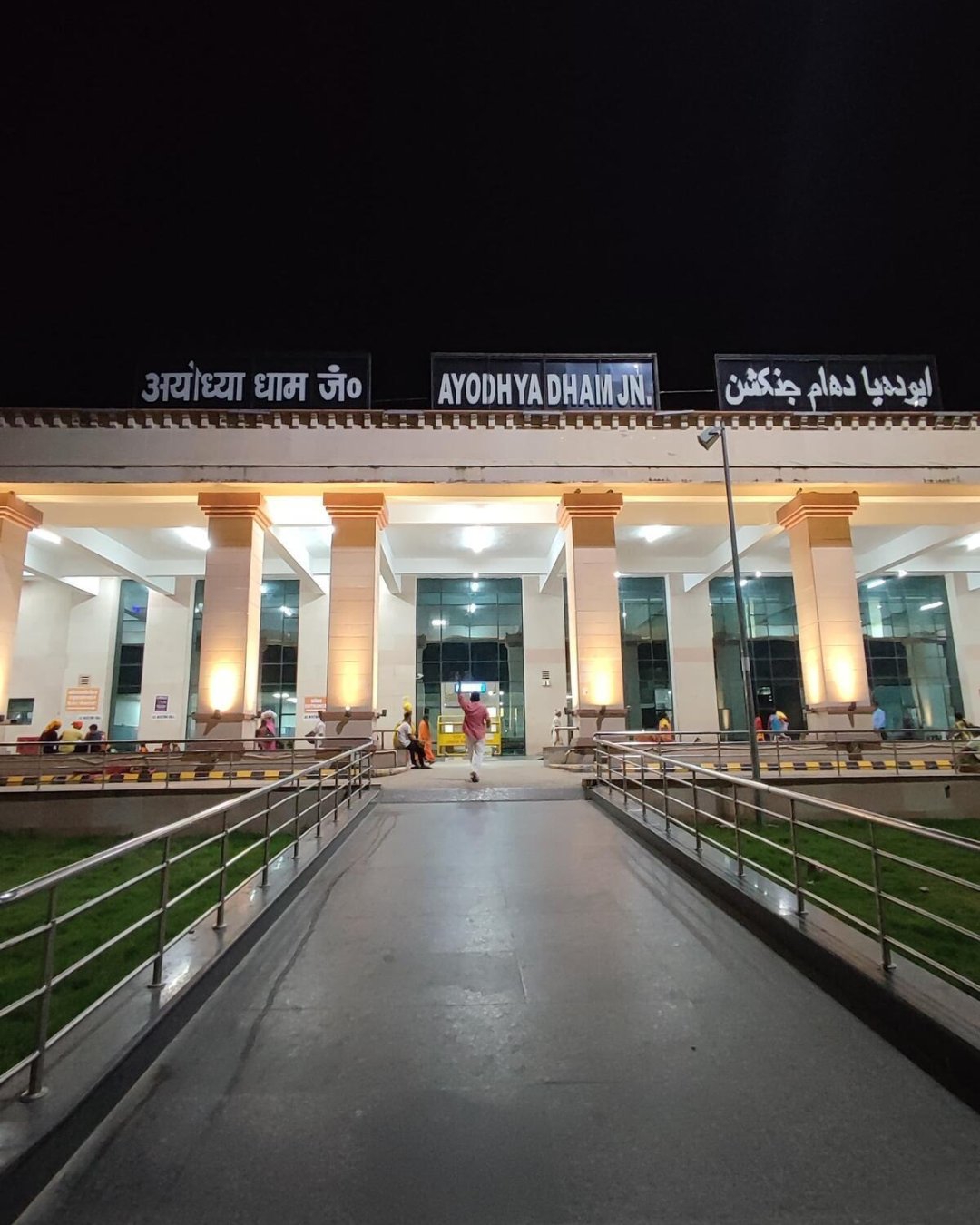
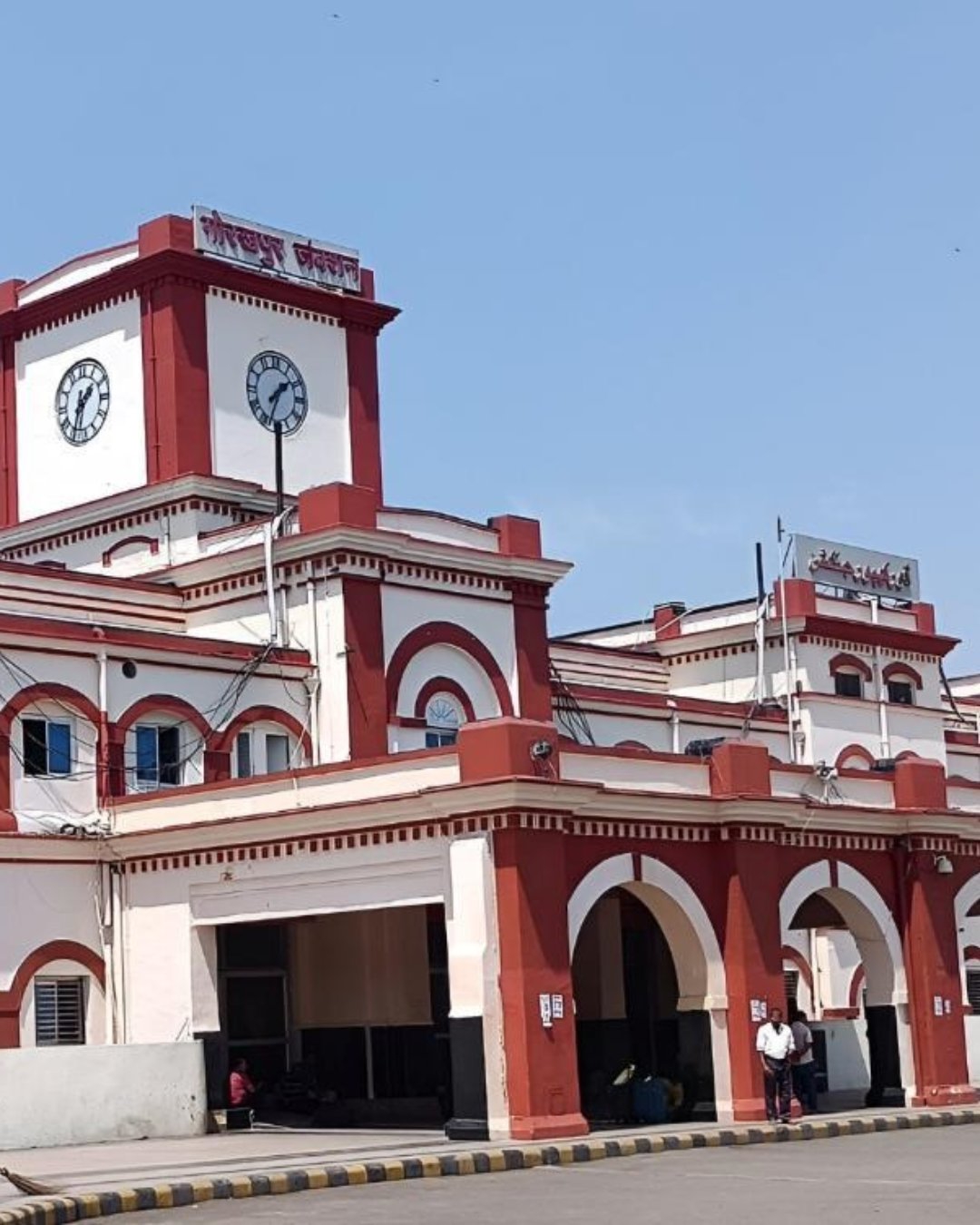
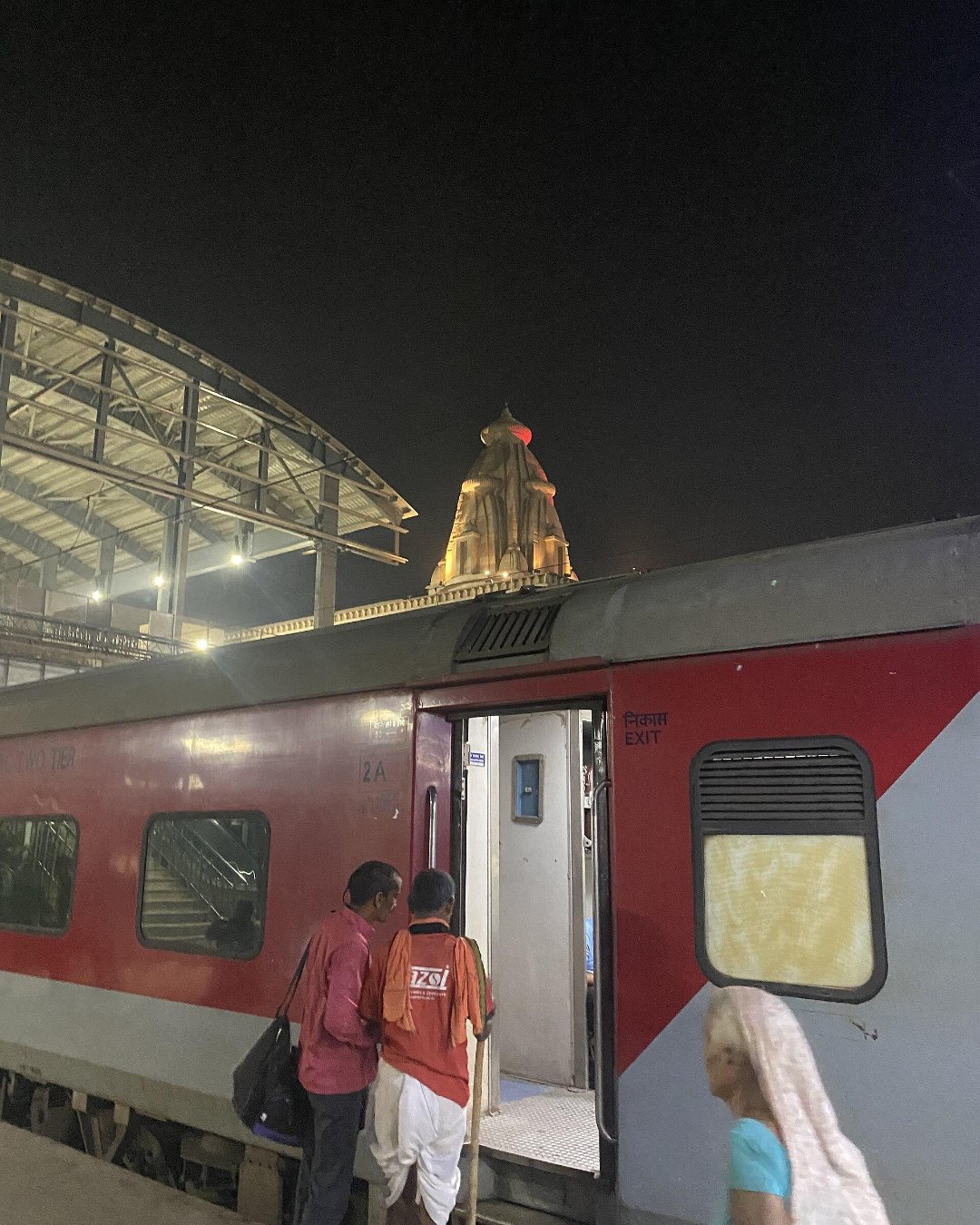
•Ayodhya Dham Junction, station code AY, is the main one — roughly 1.2 to 2 km from Ram Mandir, rebuilt in the same Nagara style as the temple itself.
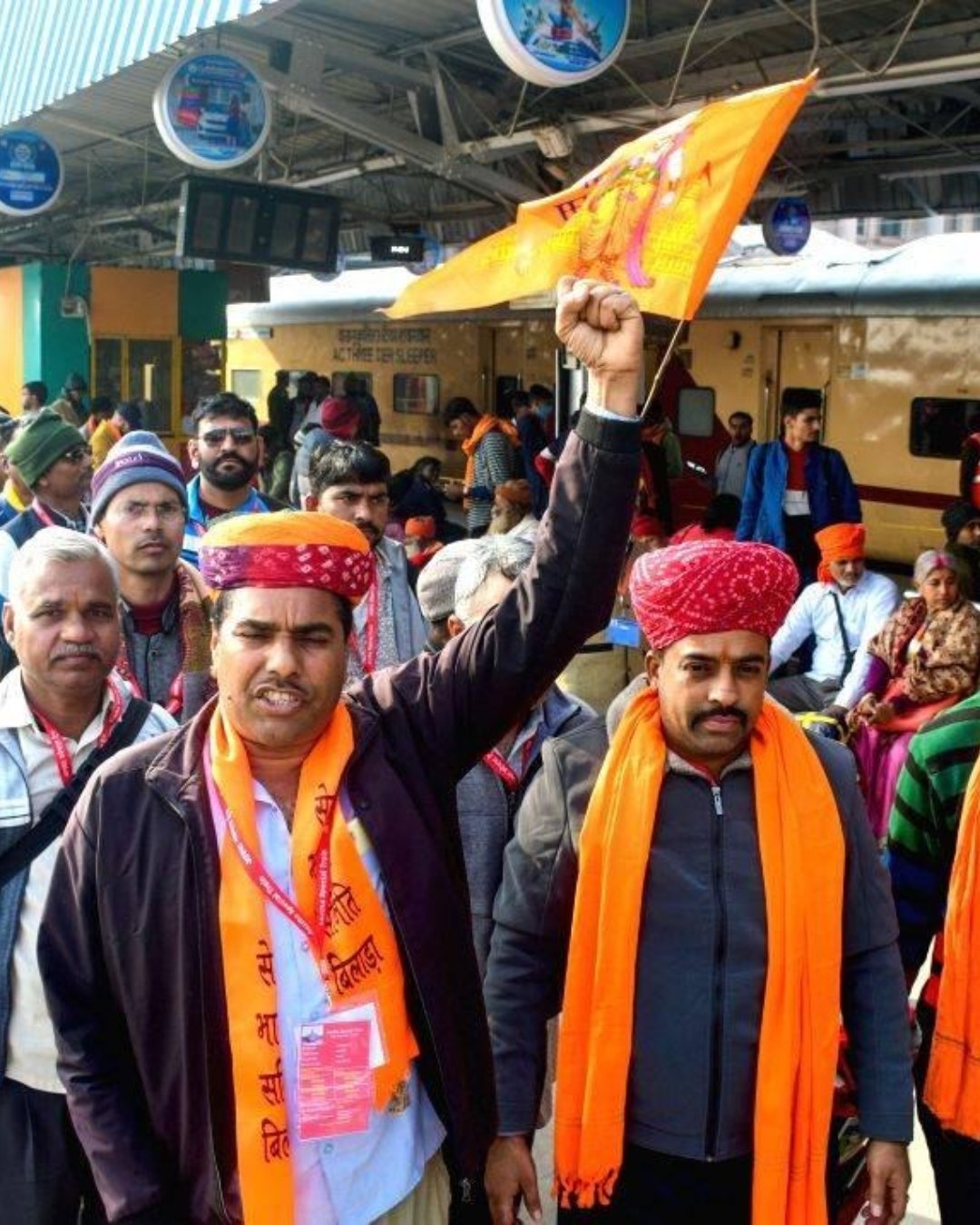
•Ayodhya Cantt, code AYC, is the former Faizabad Junction, about 10 km out. A significant share of services from western and southern India terminate there rather than at Ayodhya Dham.
•Two smaller stations appear in searches and on tickets: Darshan Nagar (DRG) at around 5 km, and Bharat Kund (BTK) at around 20 km.
•Roughly 120 trains pass through Ayodhya Dham Junction, so the closer option usually exists — it is simply not always what a booking site surfaces first.
•Both station-to-temple distances are heavily searched in their own right, which tells you how many people book first and check afterwards.
•Check the station code on the ticket, not the city name in the search box. AY and AYC are different places.
Pro tip: If your train terminates at Ayodhya Cantt, tell your accommodation before you travel and have the pickup arranged. Ten kilometres with luggage at midnight is the worst possible introduction to the town.
The mistakes that ruin it:
•Booking a train “to Ayodhya” without checking which station.
•Assuming Ayodhya Cantt is walking distance from the temple.
•Planning a 7 am darshan off a late arrival at AYC.
29
MomentMaharshi Valmiki International Airport, Ayodhya

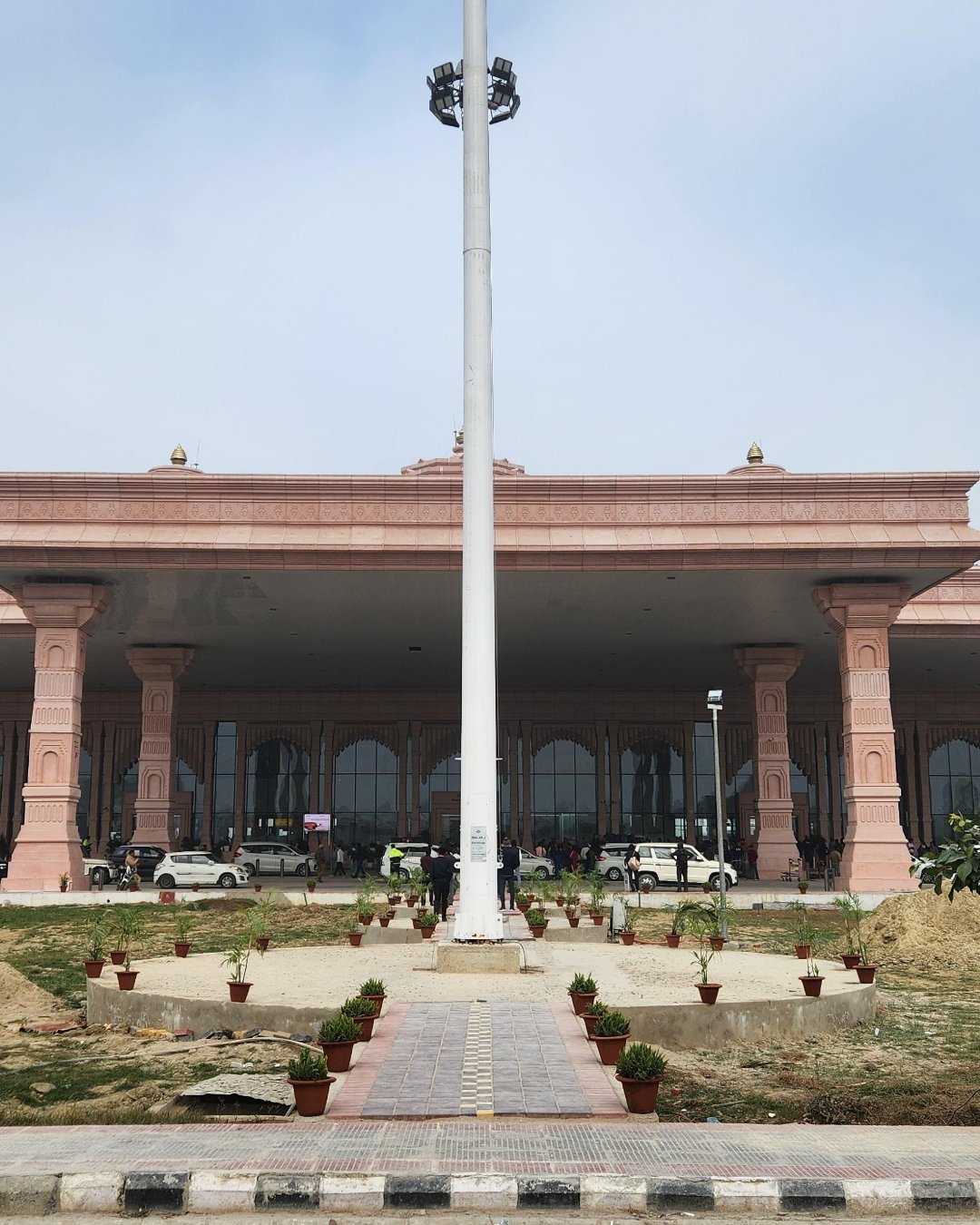
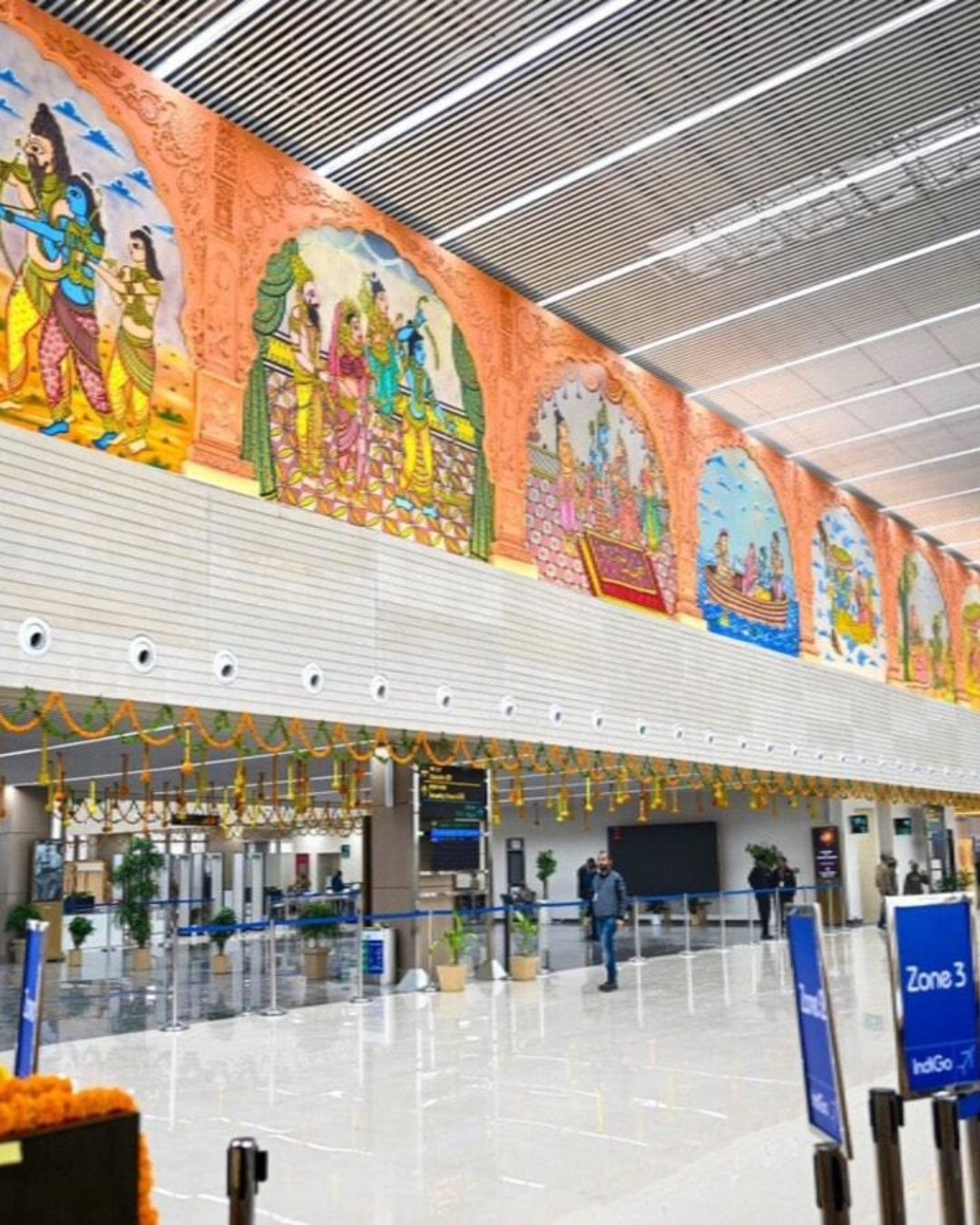
The International Airport That Flies Only Domestic
Ayodhya has an international airport with no international flights, and the name misleads people every week.
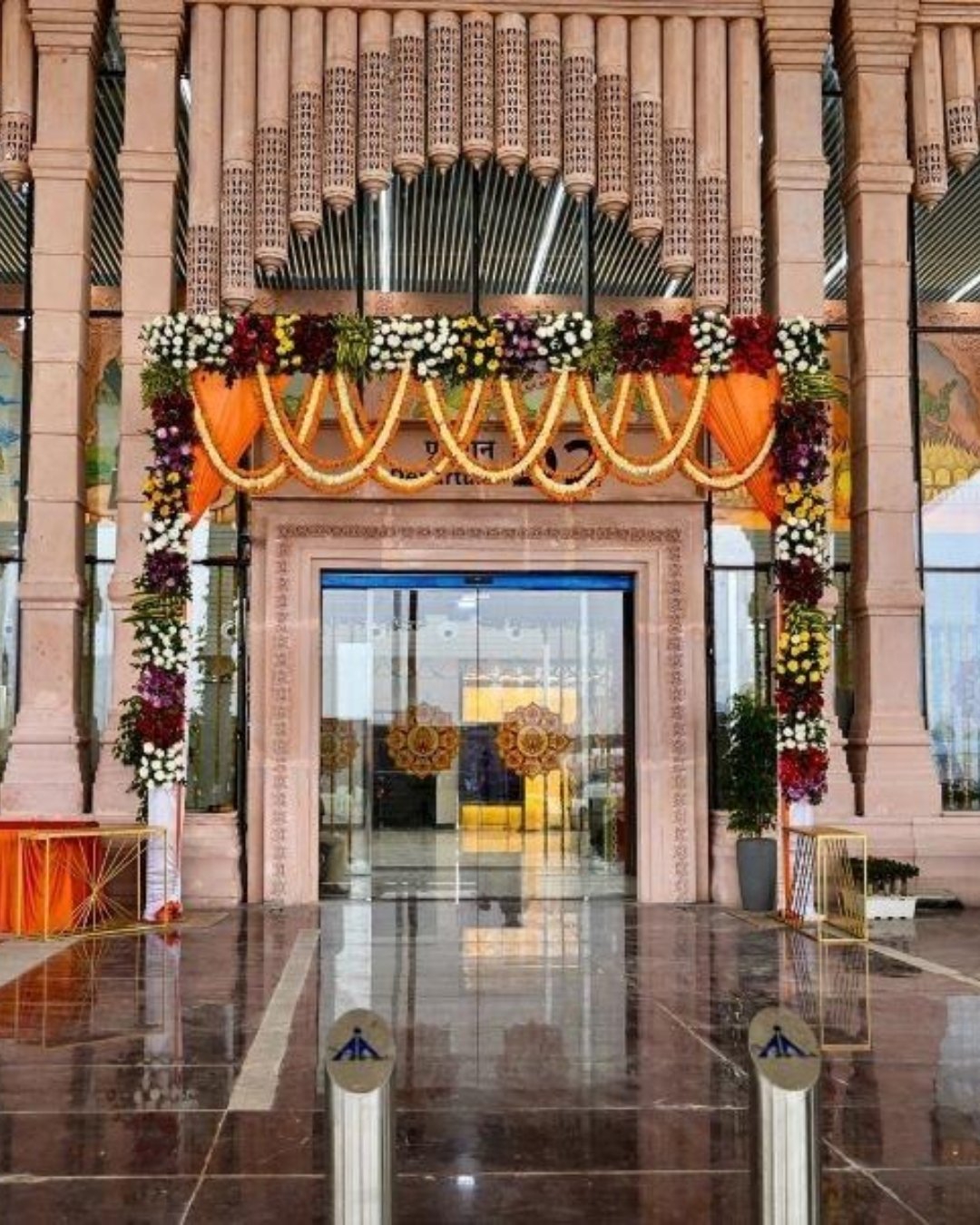
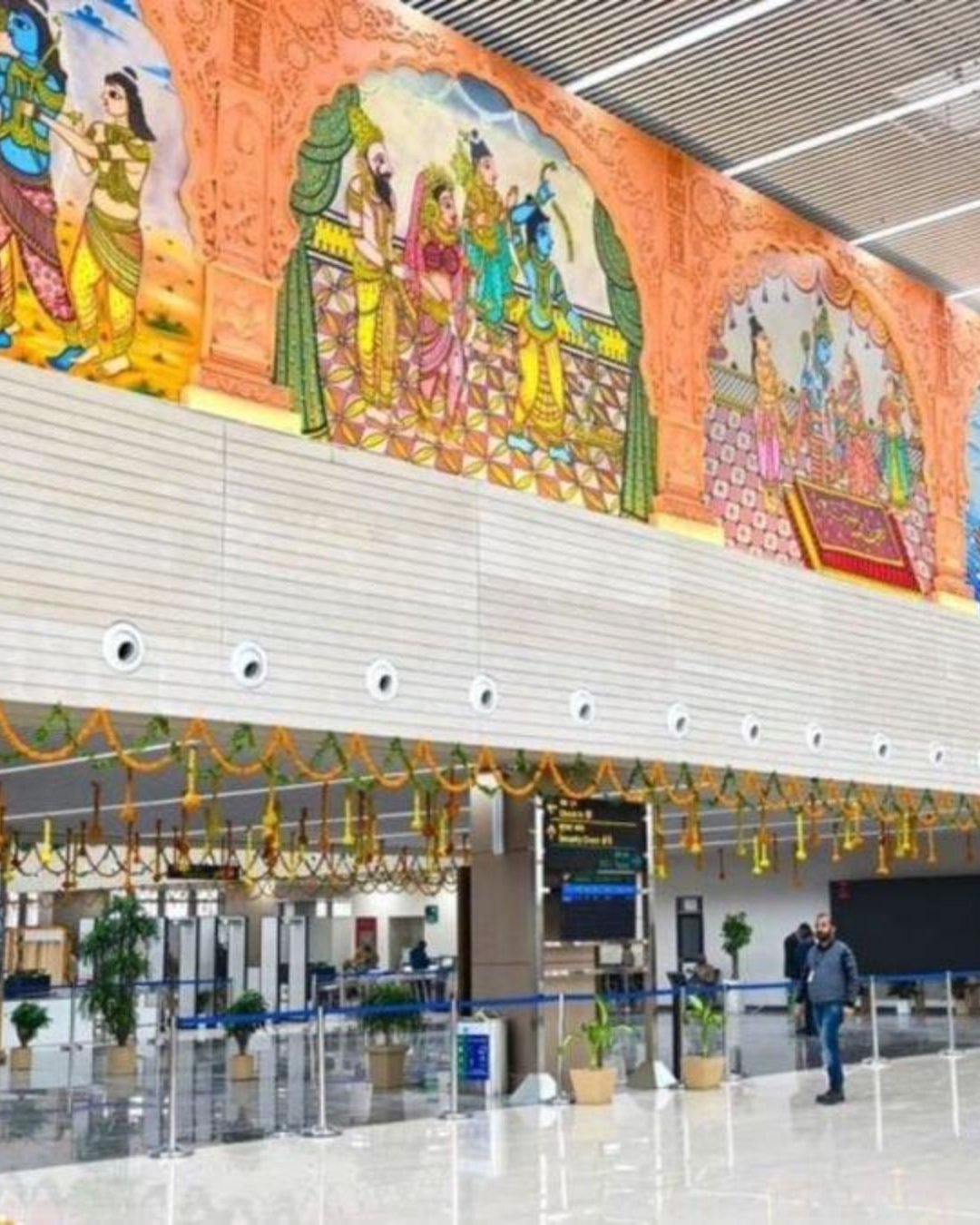
•Maharshi Valmiki International Airport carries the code AYJ and opened at the end of December 2023, weeks before the temple consecration.
•International status is approved and the terminal is built for it, but as of late 2026 every scheduled service is domestic.
•Around four carriers serve roughly six or seven destinations. Delhi and Ahmedabad together account for the large majority of arrivals, and the longest direct route is Bengaluru at a little over two and a half hours.
•If your city is not on the direct list, the connection is almost always through Delhi — or you fly to Lucknow instead.
•The airport sits close to the town by Indian standards, which is a genuine advantage over most pilgrimage destinations.
•The route map has changed materially every year since opening, so check it near your travel date rather than trusting an older guide.
Pro tip: Check the direct-flight list before assuming you must route through Lucknow, and check it again close to departure. This is the fastest-changing fact on the page.
The mistakes that ruin it:
•Expecting an international arrival into AYJ.
•Assuming a direct flight exists from your city without checking.
•Overlooking Lucknow, which often has better timings and fares.
32
MomentLucknow
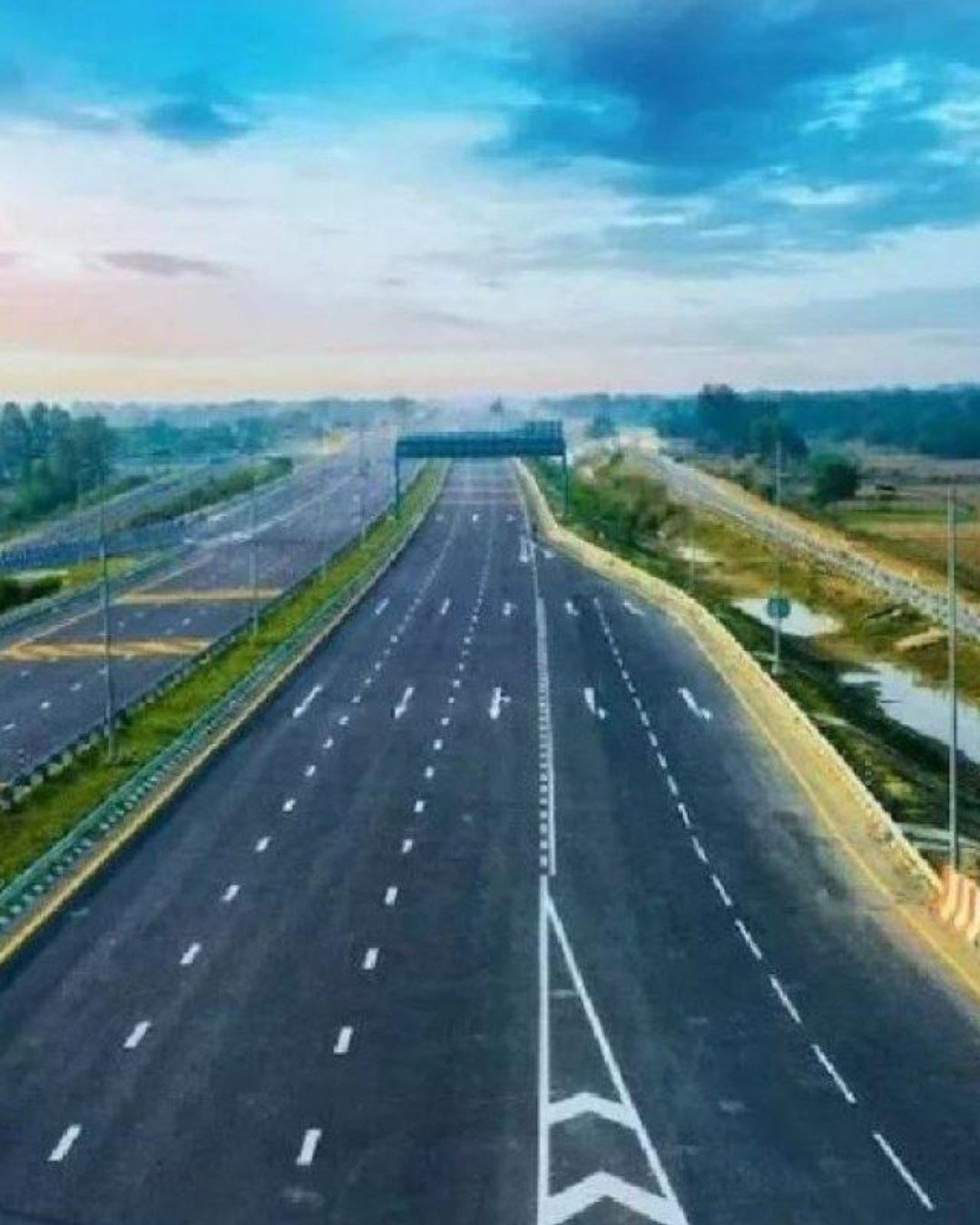
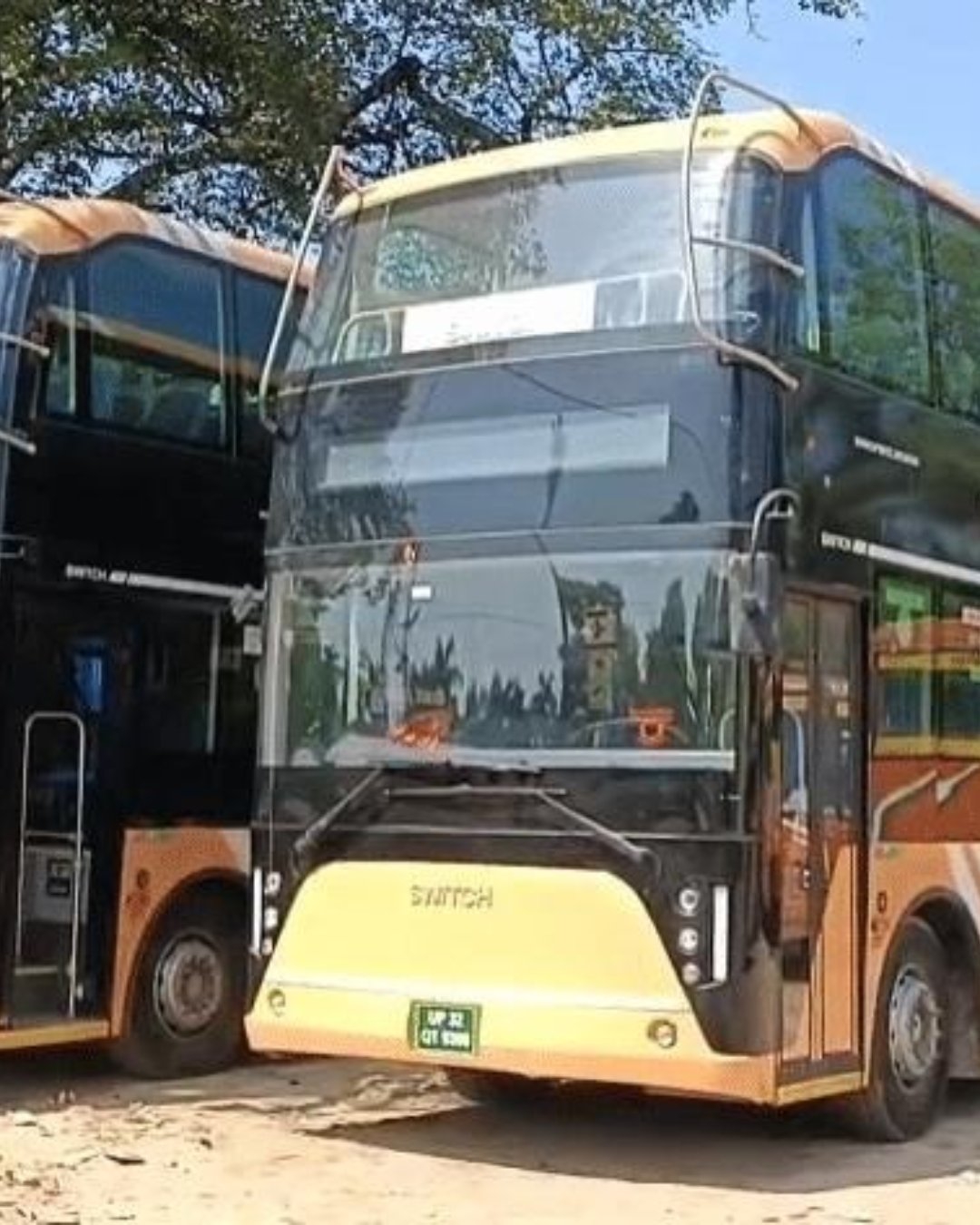
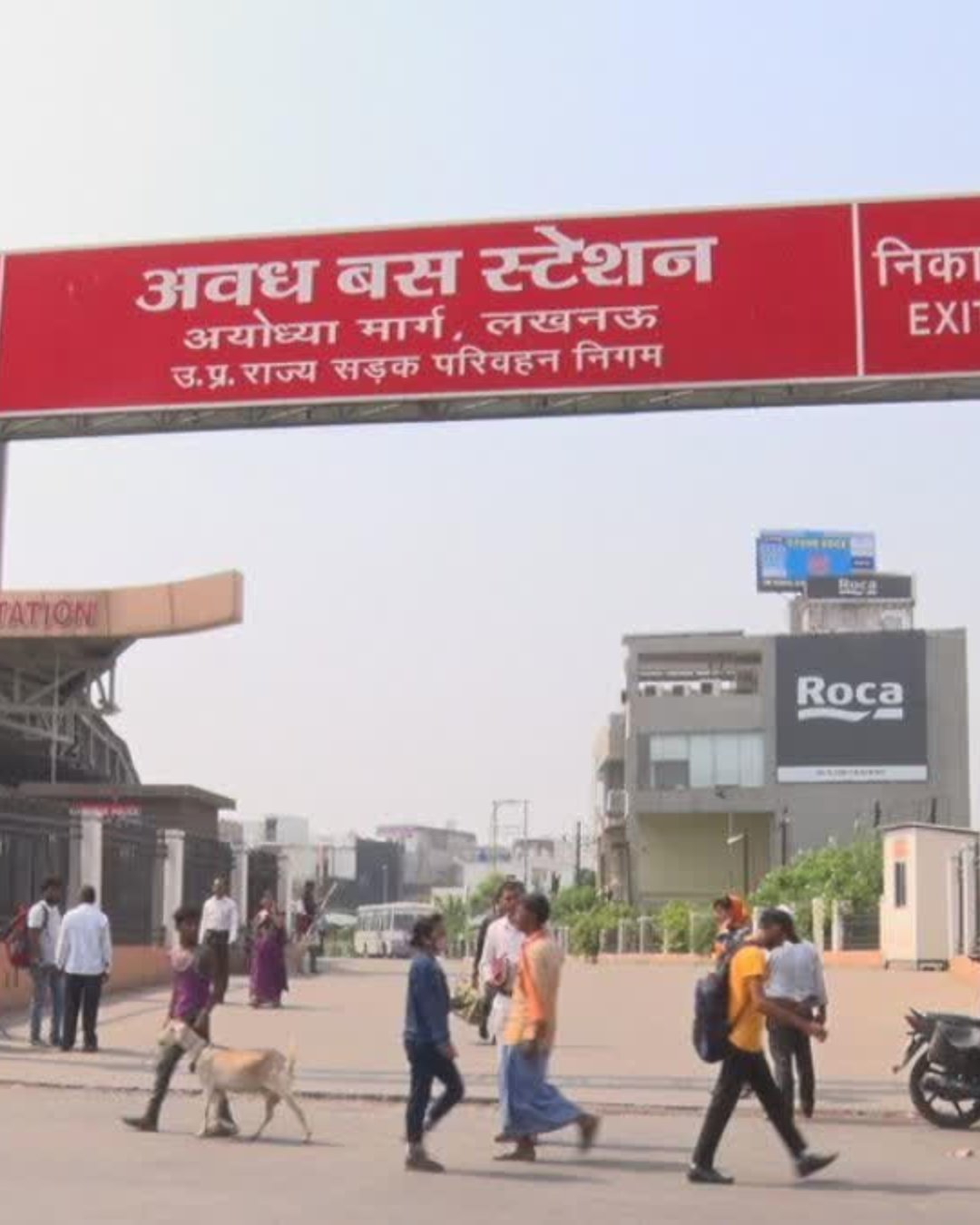
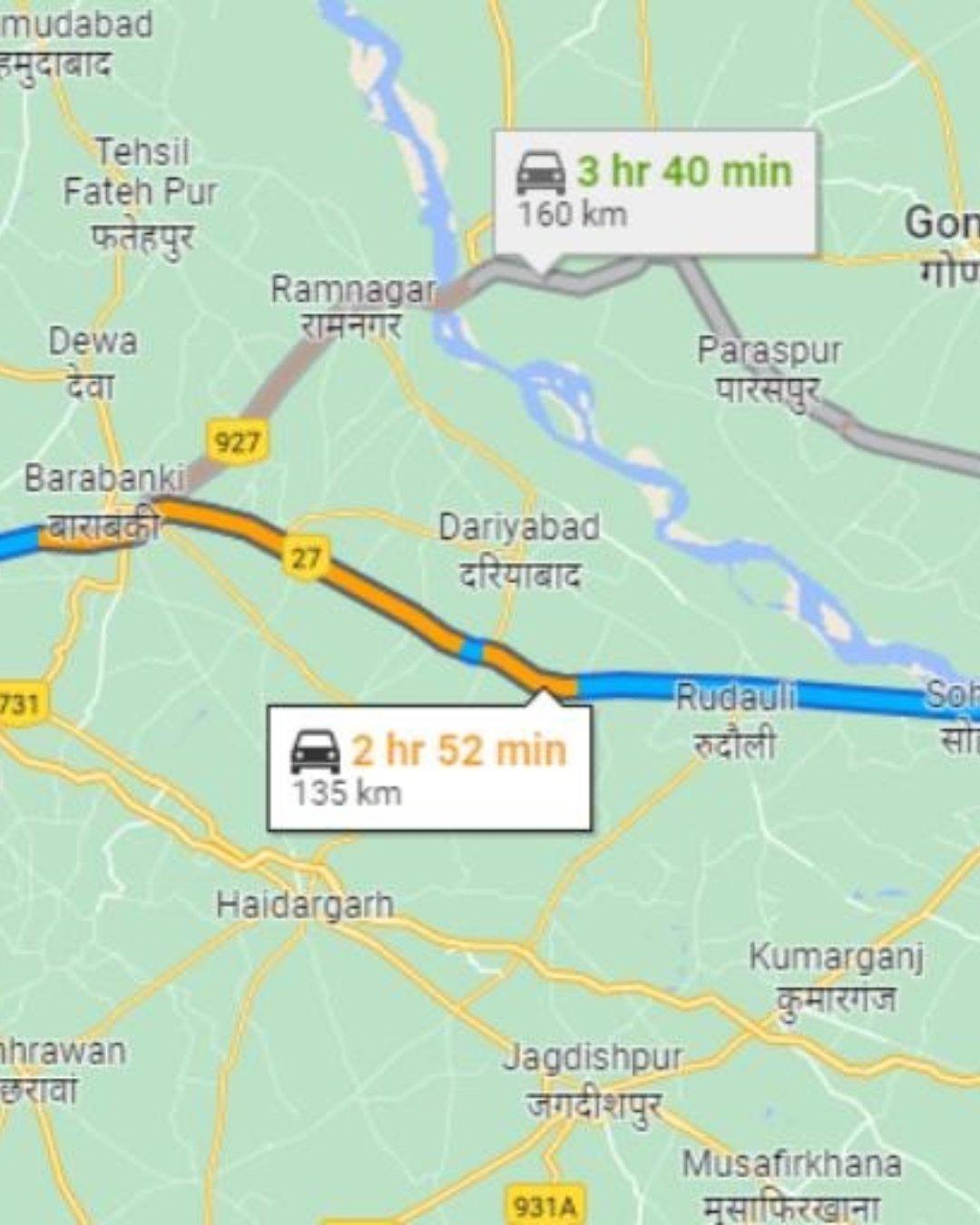
From Lucknow It Is a Transfer, Not a Journey
For a lot of visitors the real route into Ayodhya begins at Lucknow airport.
•Roughly 135 km, about three hours by road, with frequent trains on the same corridor.
•Lucknow has the wide route network Ayodhya does not, so flying to Lucknow and driving in is often cheaper and better timed than a direct flight to AYJ.
•Leave Lucknow early and you make the morning darshan window comfortably.
•Book the car when you book the flight and treat it as the last leg of your arrival rather than a separate errand.
•This is also the most reliable fallback when AYJ has no service from your city.
Pro tip: Compare the Lucknow route against the direct flight on total door-to-door time and arrival hour rather than on airfare. It wins more often than people expect.
The mistakes that ruin it:
•Dismissing Lucknow because it is not “the Ayodhya airport”.
•Landing at Lucknow late and still planning that same morning’s darshan.
19
MomentVaranasi
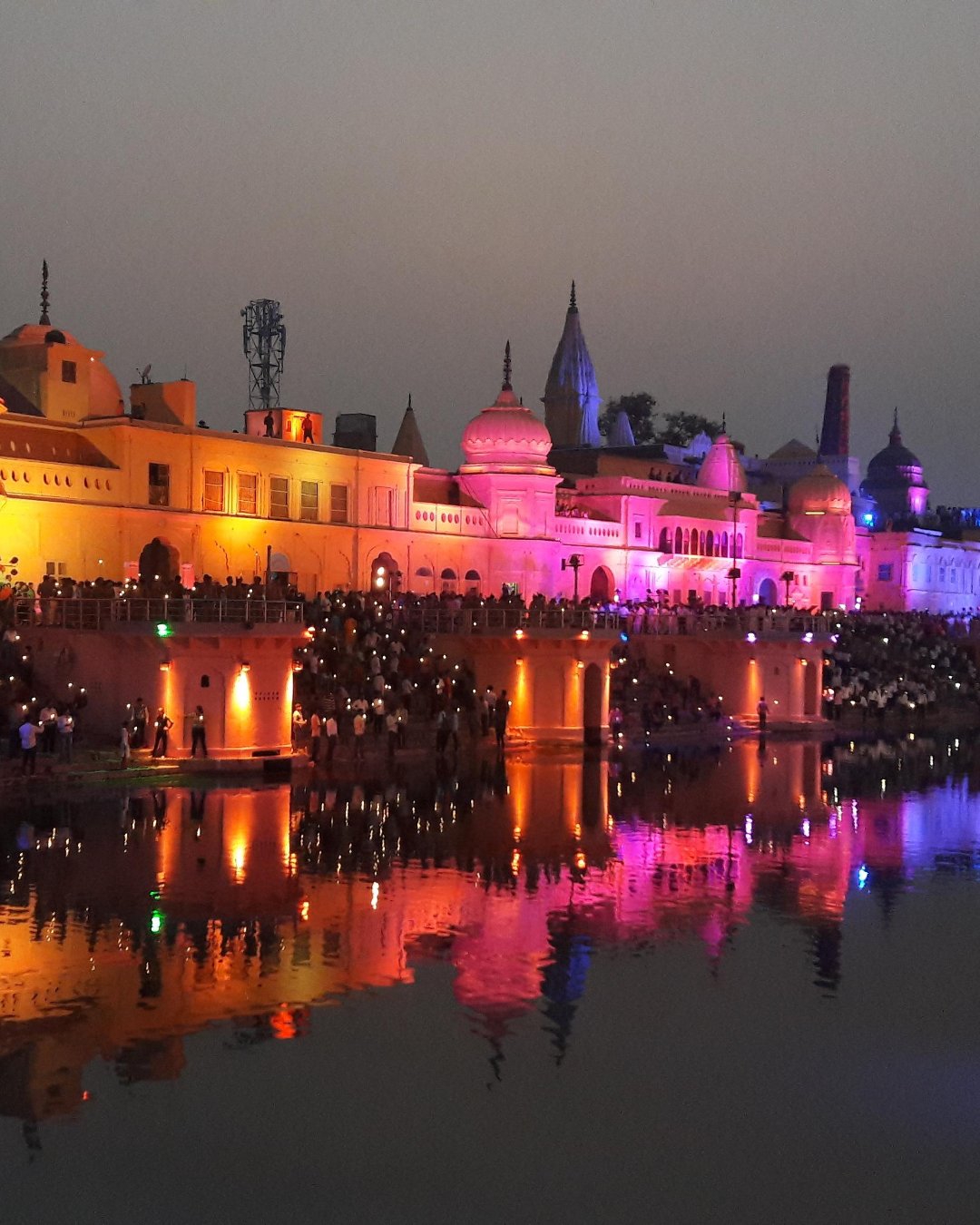
Varanasi to Ayodhya: the Leg Almost Everyone Does
This is the most searched route into Ayodhya, and it is really a circuit question.
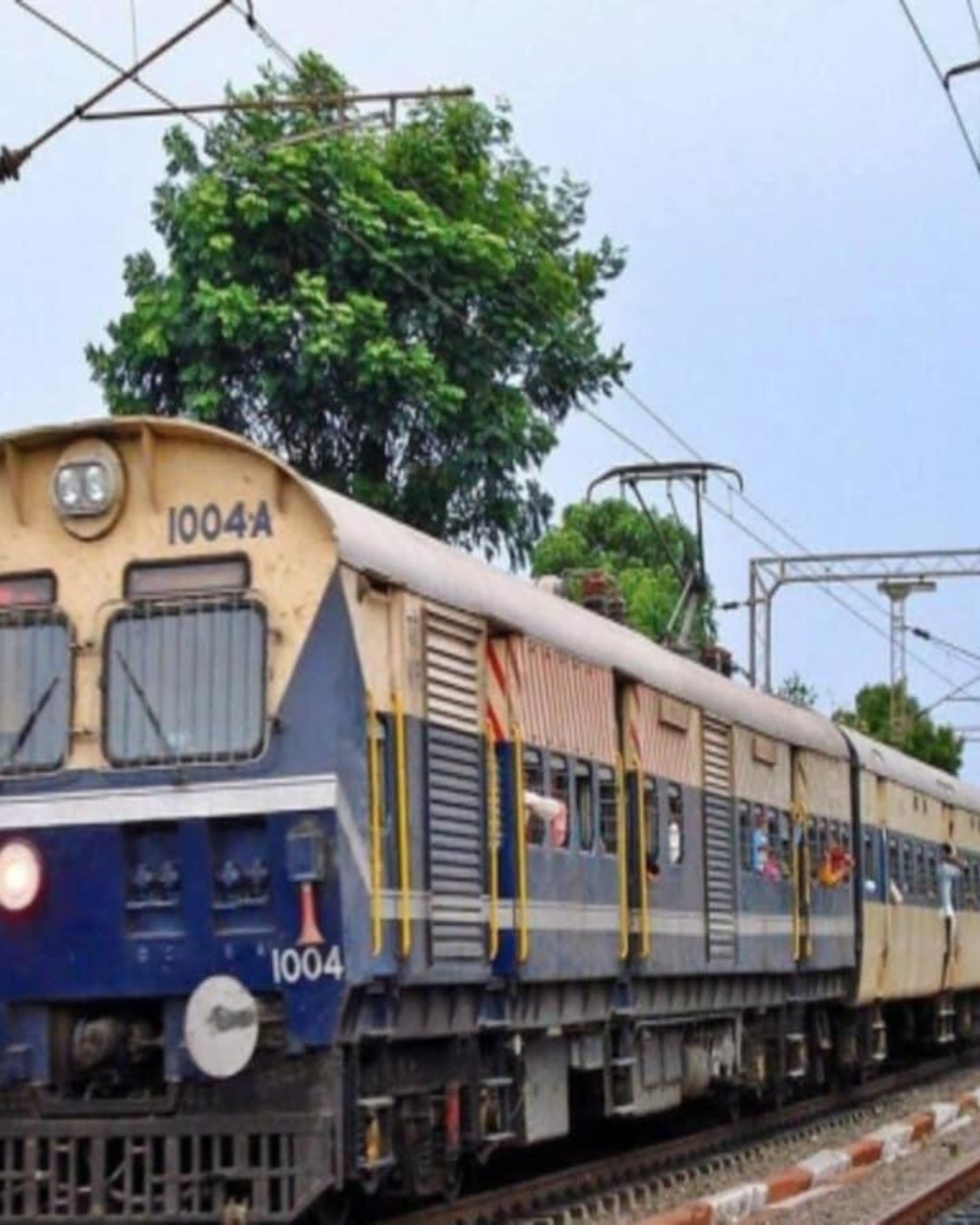
•Roughly 191 km by rail, with regular direct services on the Varanasi–Lucknow line and a comparable drive.
•Very few people travel here from Varanasi and stop. It is nearly always one leg of an Ayodhya, Prayagraj and Varanasi run.
•The searches split almost evenly in both directions, which tells you the corridor is travelled both ways in roughly equal measure.
•Road is comparable on time and wins only if you intend to stop along the way.
•Prayagraj sits on the same corridor at about 157 km, which is why the three cities are almost always done together.
Pro tip: If you are doing all three cities, fix the order by aarti timing rather than by map distance. You want a free sunset at Ram Ki Paidi here and at the Ganga ghats in Varanasi.
The mistakes that ruin it:
•Treating it as a day trip in either direction.
•Booking the three cities as separate trips instead of one circuit.
26
MomentAyodhya Dham Junction, Ayodhya

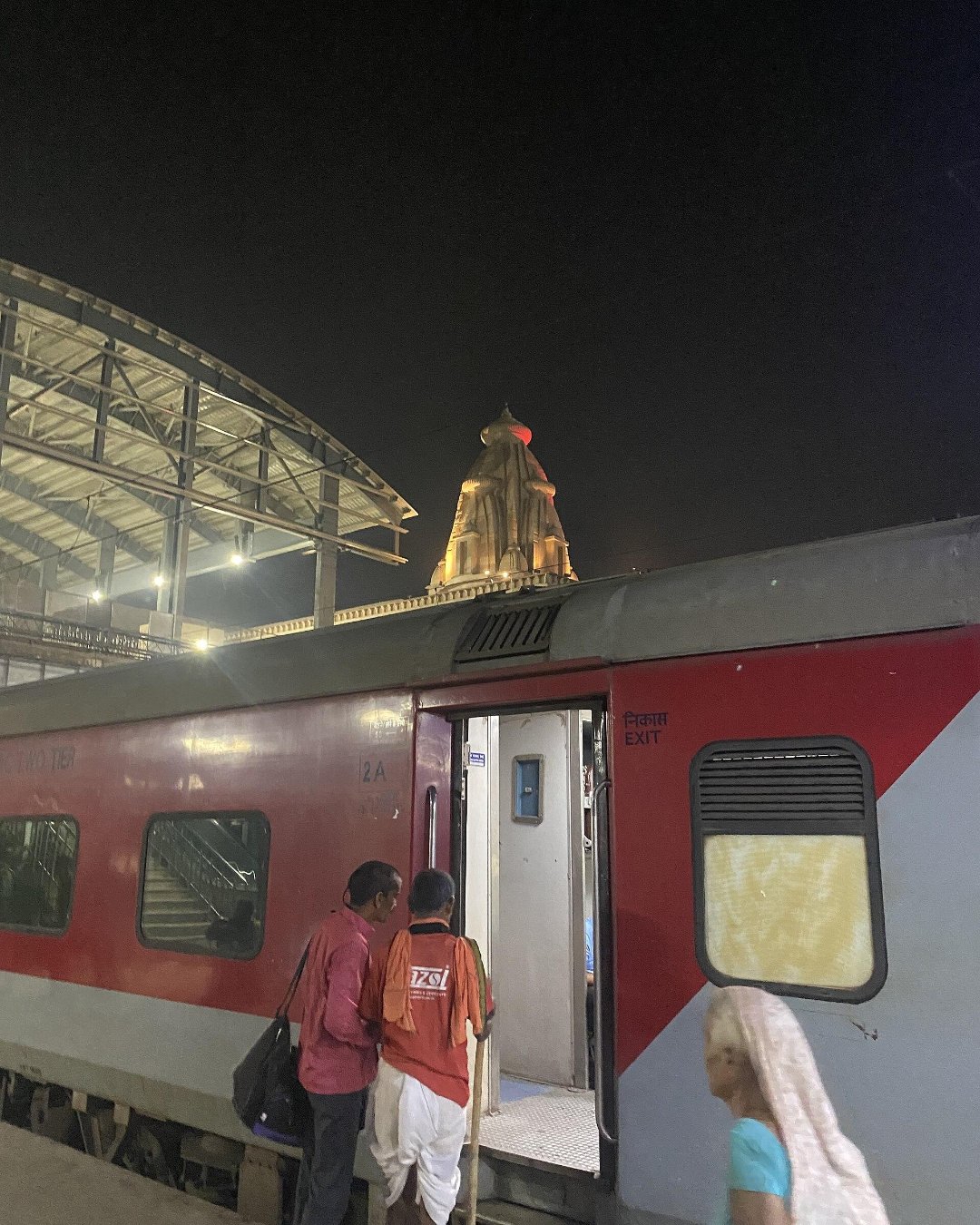
From Delhi, Overnight Beats the Morning Flight
Delhi is the busiest corridor into Ayodhya by both air and rail, which turns the choice into a question of hours rather than speed.
•Roughly 636 km by road. There is a Vande Bharat service on the corridor and it is the fastest rail option.
•Overnight sleepers are the practical choice for most visitors: they consume a night rather than a day and leave the whole first morning intact, which is the entire point in a town that opens at 7 am.
•Delhi is also the largest single source of flights into AYJ, so the air option genuinely exists. The question is what hour it lands.
•Book well ahead around festivals. This corridor empties first and stays empty.
•For international visitors, Delhi is the connecting point either way.
Pro tip: Take the overnight train in and fly out. You arrive with a full morning for darshan and you do not spend a daylight day getting home.
The mistakes that ruin it:
•Taking a daytime train and losing the day to it.
•Booking a late-landing flight and expecting a morning darshan.
•Leaving festival-period booking until the last month.
24
MomentAyodhya Cantt, Dharmakata
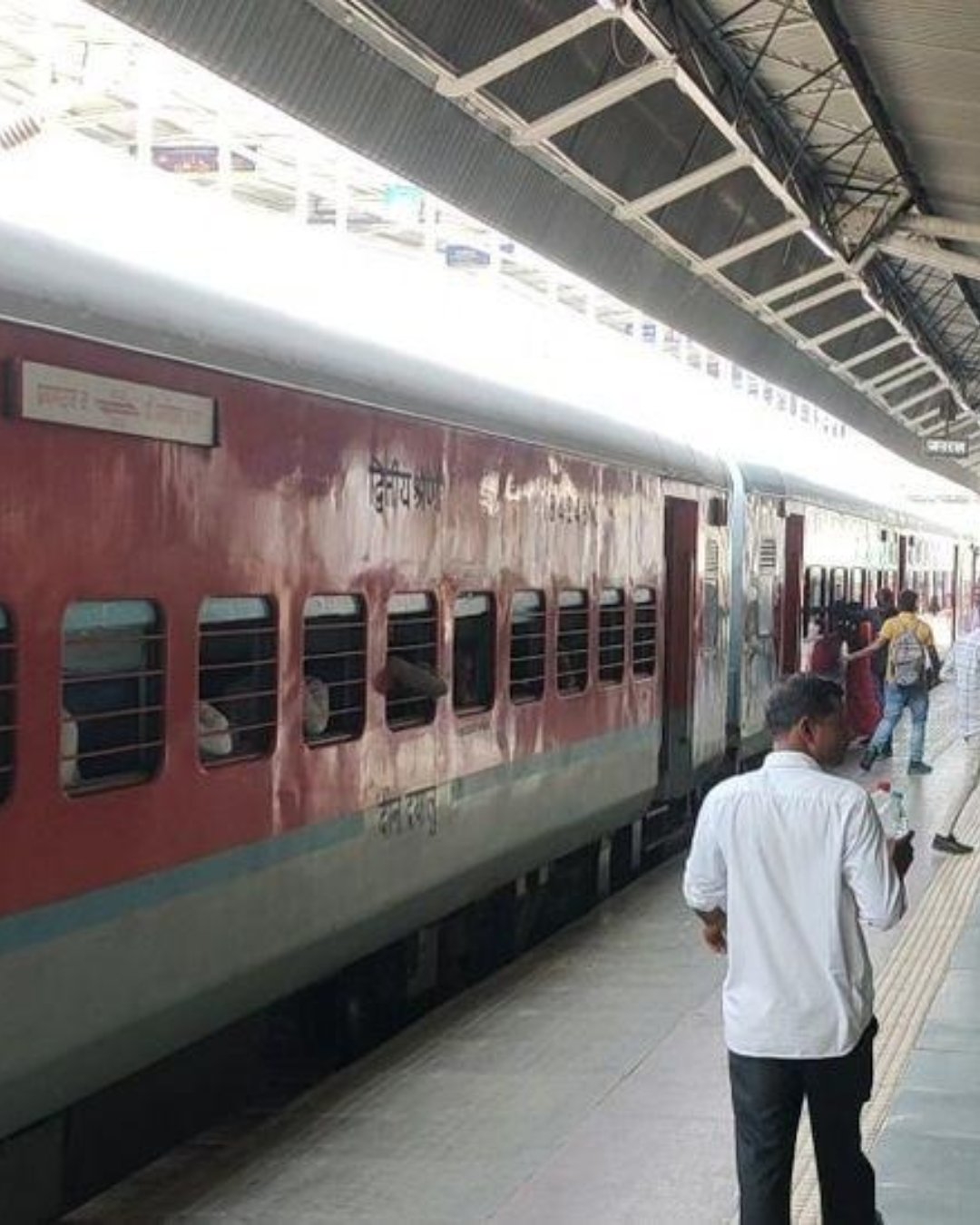
Prayagraj, Gorakhpur and the Short Eastern Hops
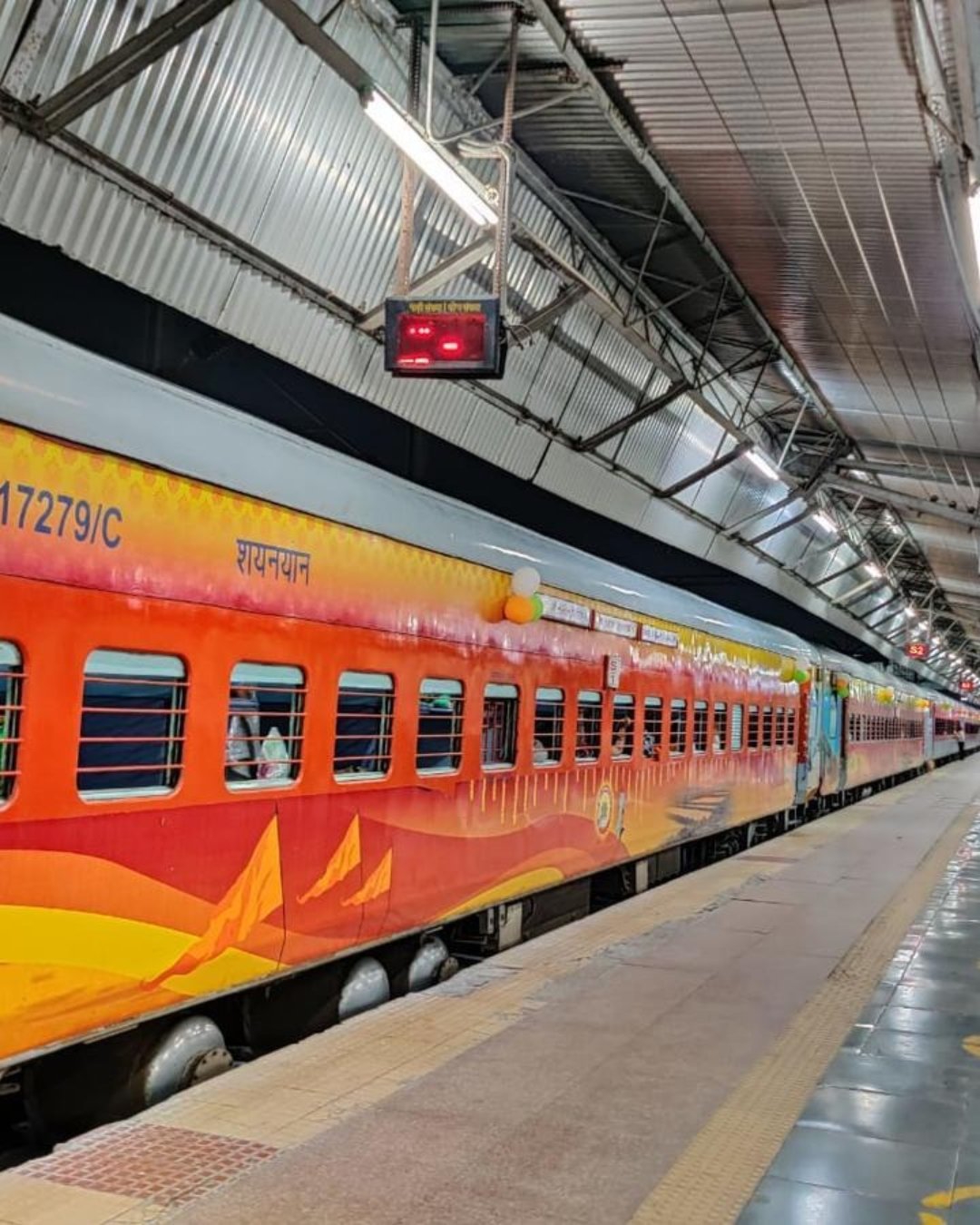
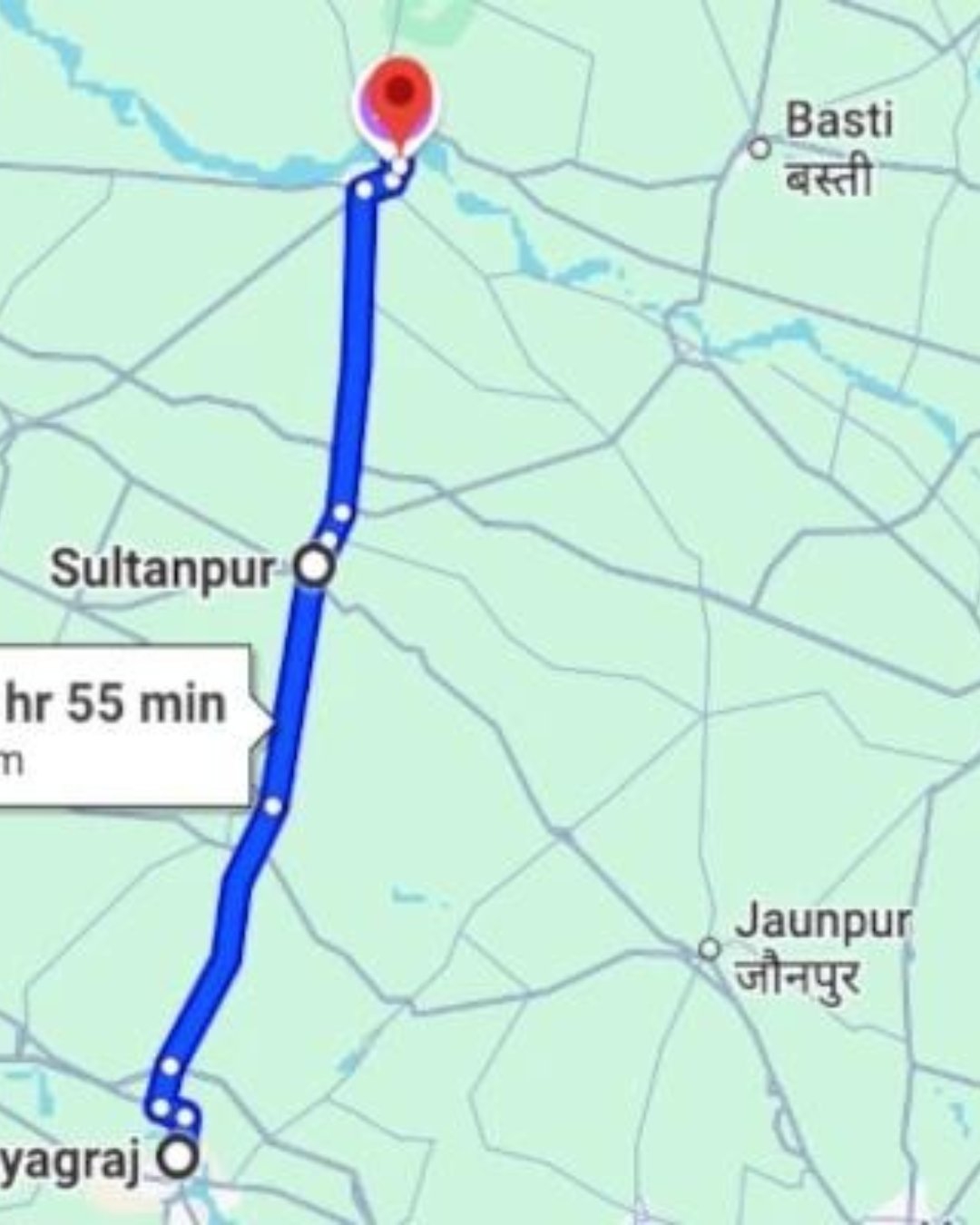
From the eastern cities the train is quick, cheap and frequent, and nothing else competes.
•Prayagraj is about 157 km and Gorakhpur about 164 km, both a few hours by rail or road.
•Prayagraj links Ayodhya into the wider pilgrimage circuit, and demand across the whole corridor spikes hard in mela seasons.
•Gorakhpur is the practical entry point if you are combining Ayodhya with Nepal or the Buddhist circuit.
•Kanpur, Gonda, Mankapur, Sultanpur and Basti are all short hops with dense local services.
•On all of these, road and rail are genuinely comparable. Road wins only if you plan to stop.
Pro tip: From anywhere within about three hours, book the arrival time you want rather than the fastest service. The timetable is dense enough to let you choose.
The mistakes that ruin it:
•Flying a short hop that the train does better and cheaper.
•Underestimating mela-season demand out of Prayagraj.
29
MomentAyodhya Dham Junction, Ayodhya
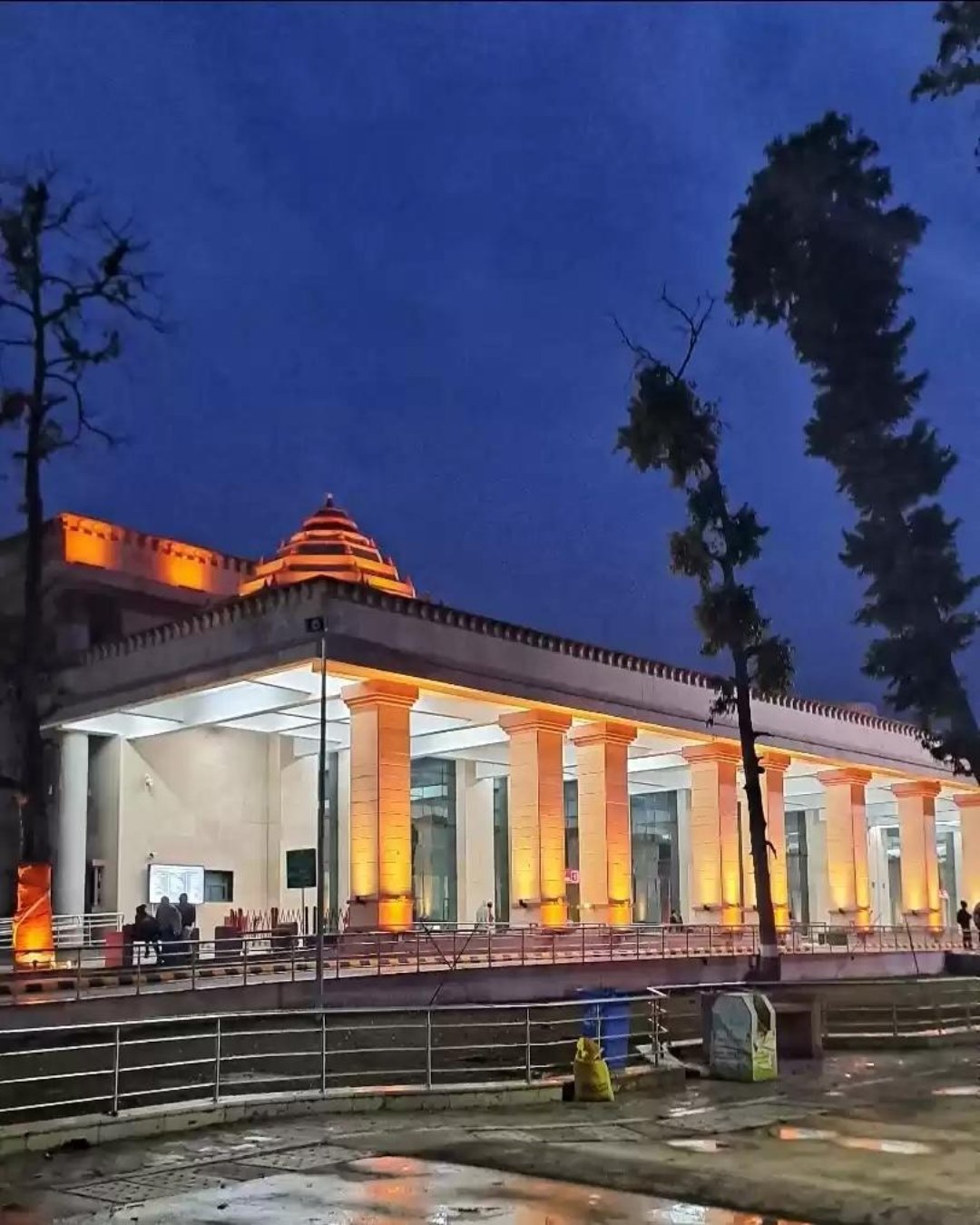
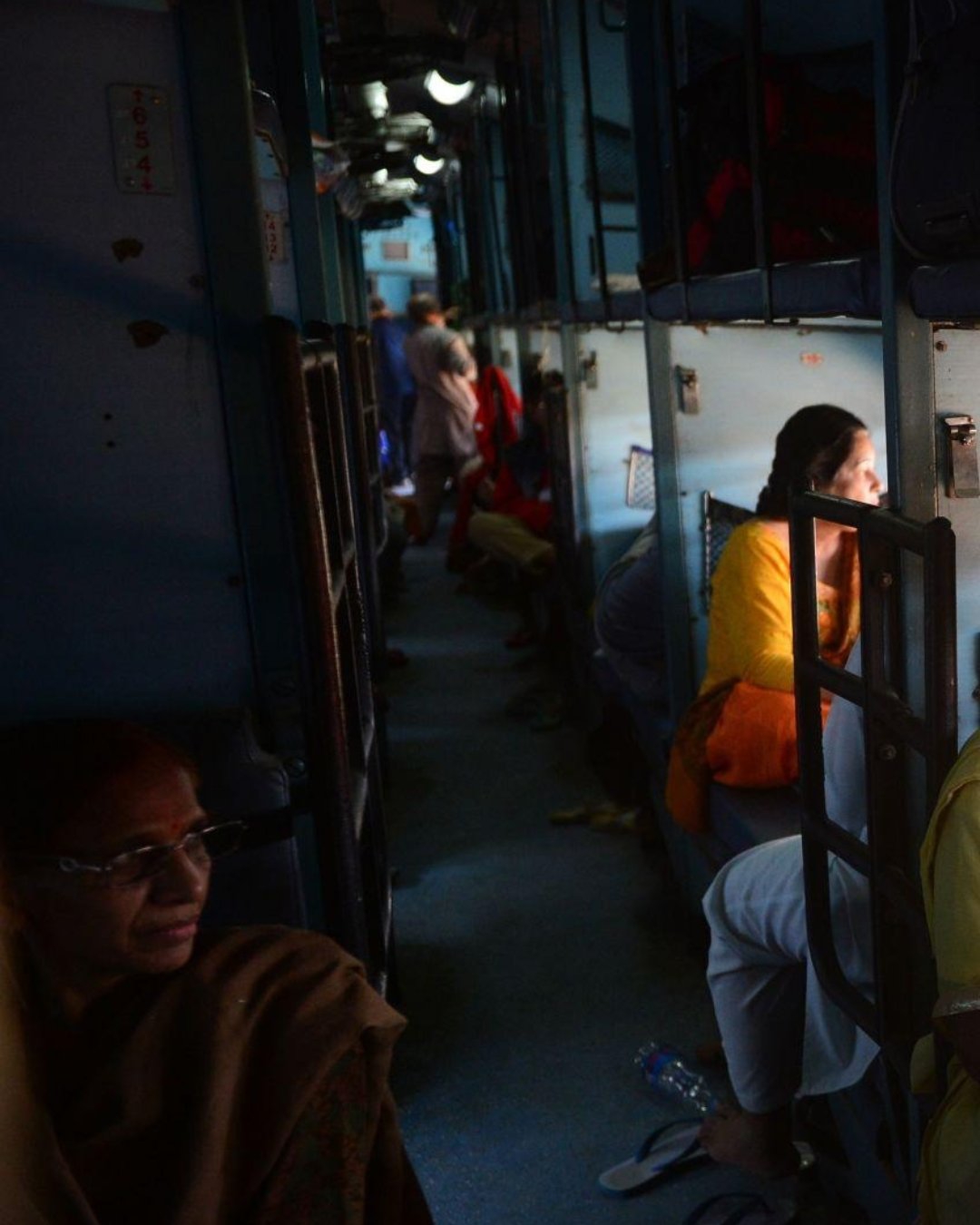
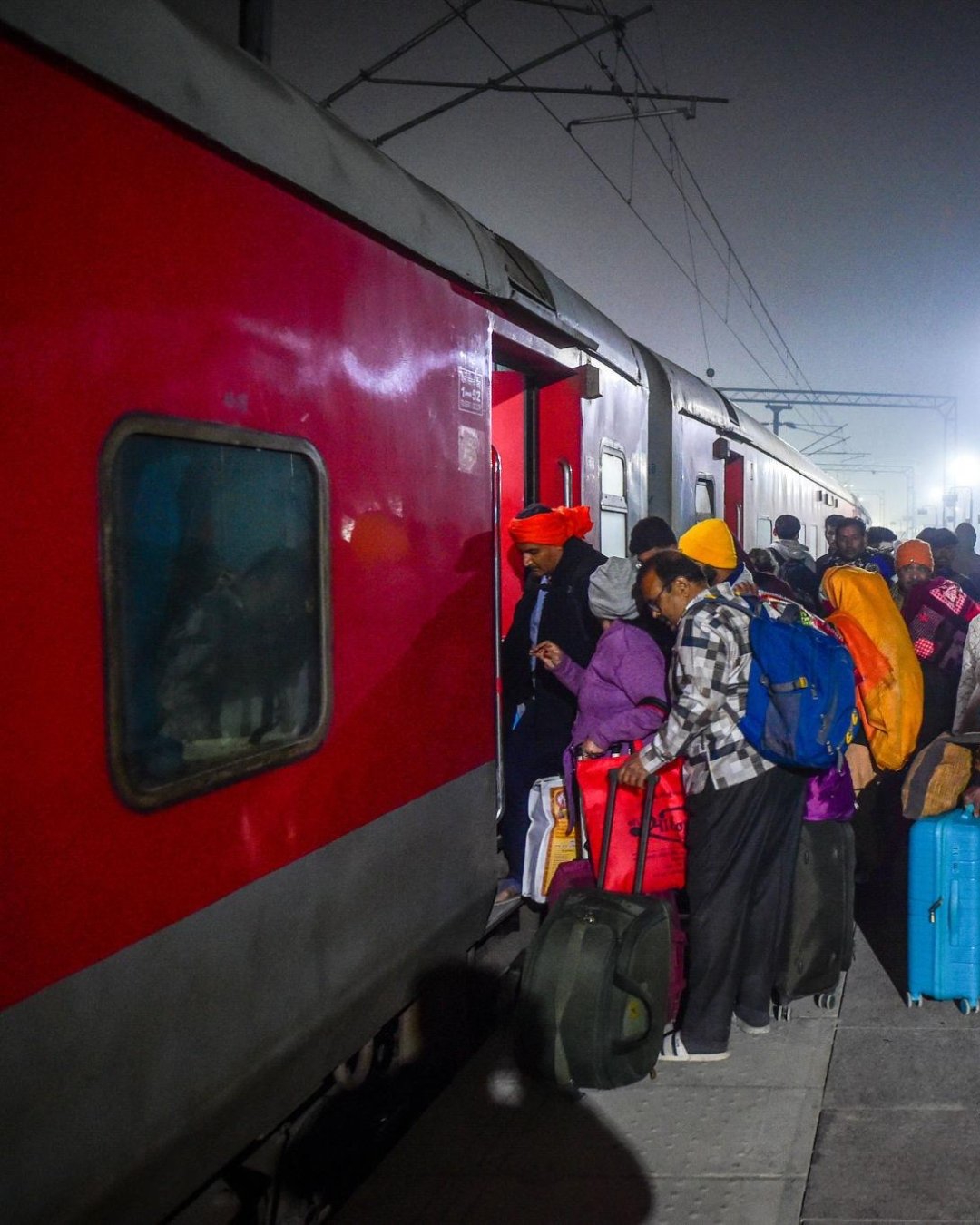
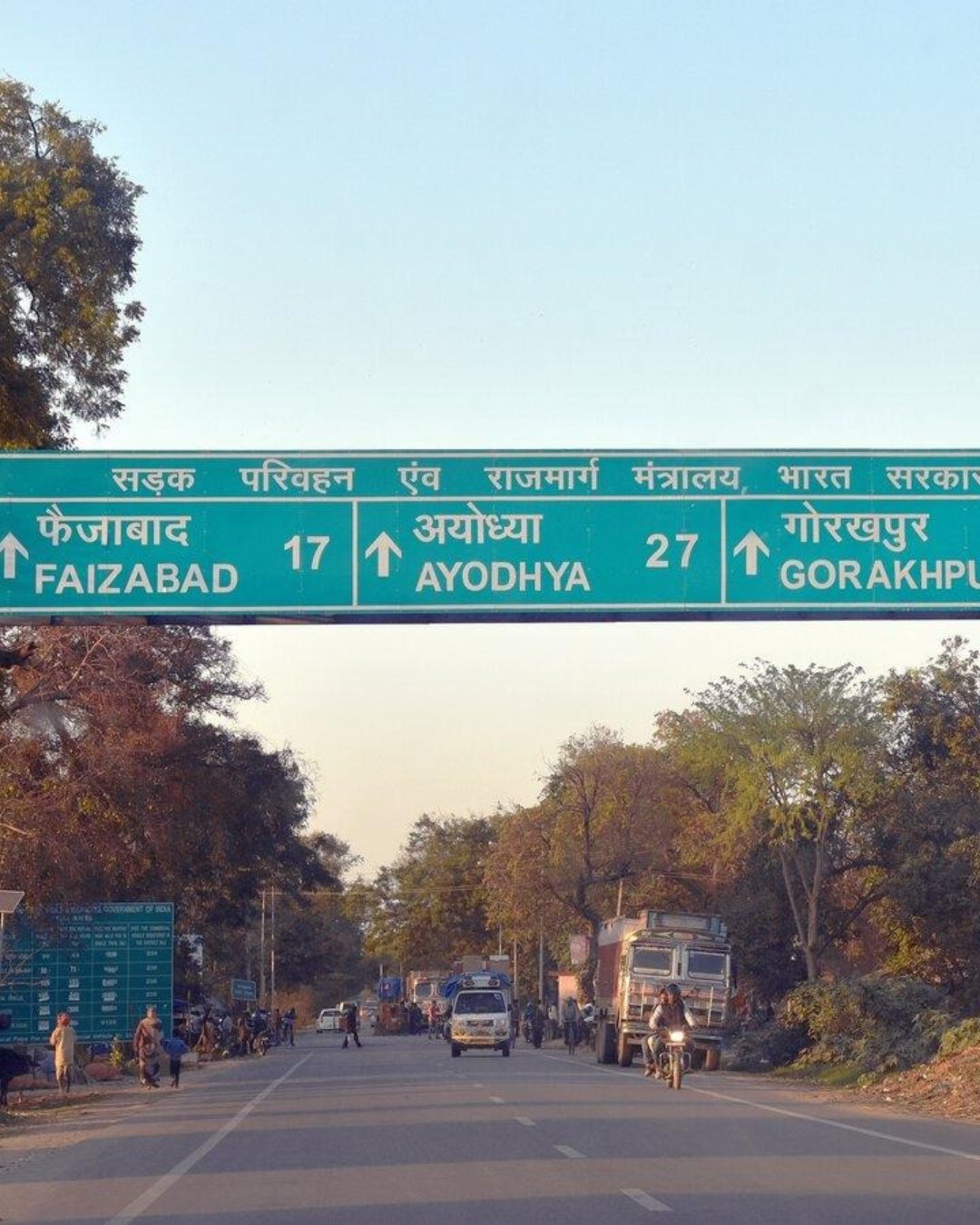
Every Other Distance, in One Frame
Dozens of cities search the same question, and the honest answer is one table rather than a page each.
•Within Uttar Pradesh, Kanpur, Gonda, Mankapur, Sultanpur, Basti and Barabanki are all short rail or road hops of a few hours.
•From the west, the big cities are roughly 500 to 650 km away, which is overnight-train territory or a flight via Delhi or Lucknow.
•From Rajasthan and the north, plan on an overnight service rather than a day drive.
•Toward Nepal, the crossing is reached via Gorakhpur and is a full day rather than an afternoon.
•The pattern holds across all of them: under about 200 km take the road or a local train; beyond that take an overnight service or fly into Lucknow.
•Rail distance and road distance disagree on this corridor more often than elsewhere, and the disagreement is large enough to change your decision.
Pro tip: Build your comparison on rail journey time rather than road kilometres. On this corridor the two routinely tell different stories.
The mistakes that ruin it:
•Trusting a driving estimate for a route the train does in half the time.
•Making a separate trip out of a leg that belongs inside a circuit.
27
MomentAyodhya Dham Mandir, Ayodhya
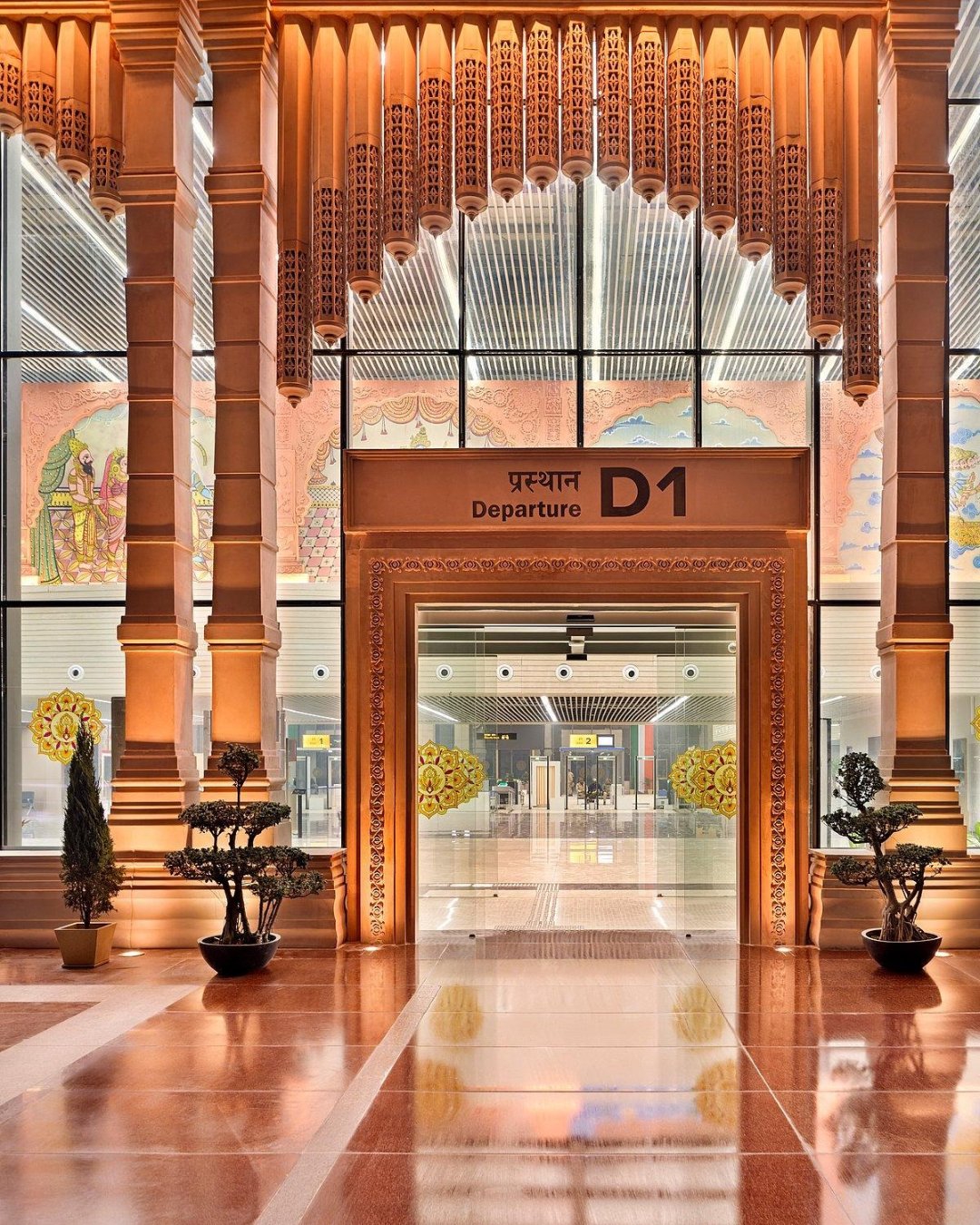
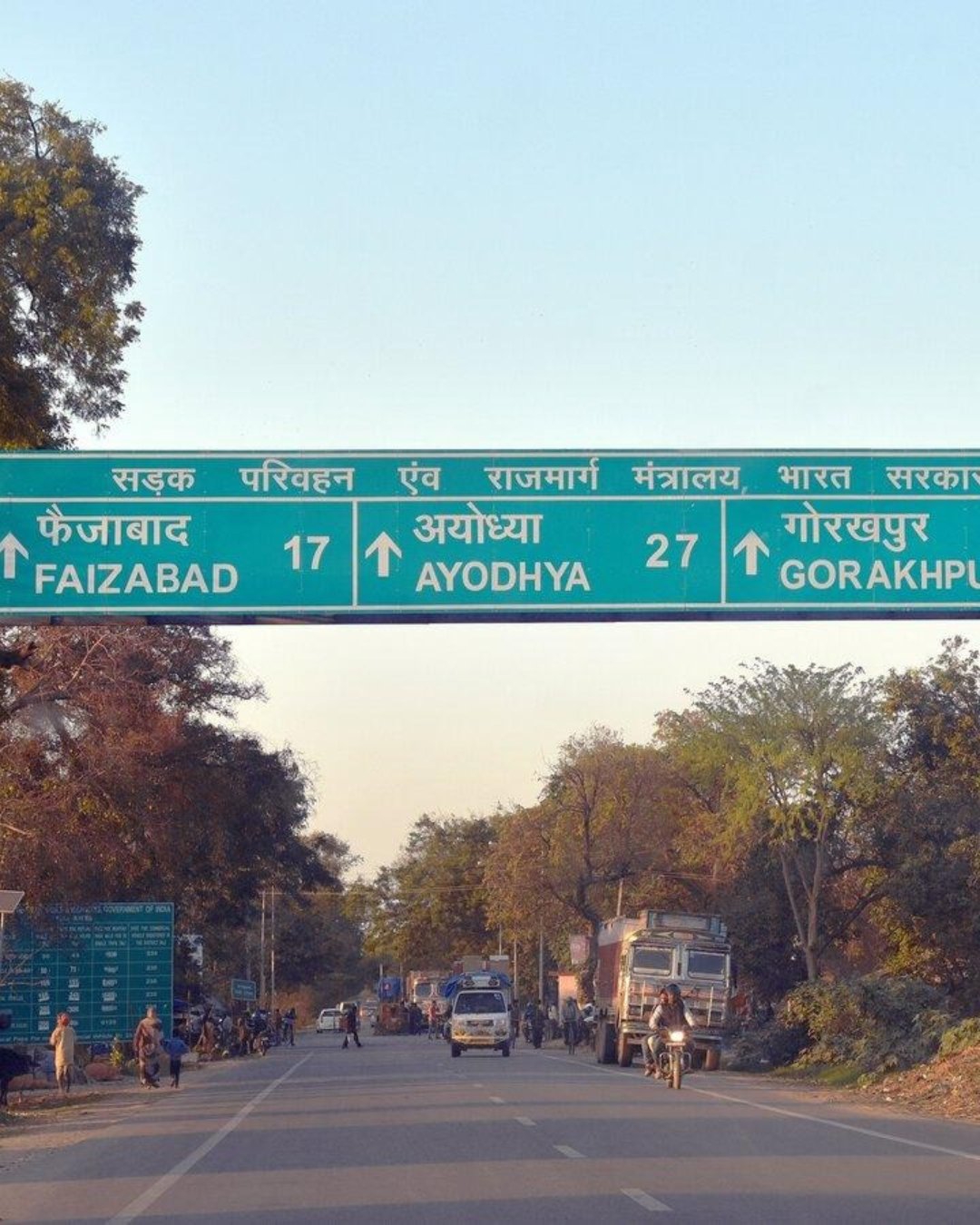
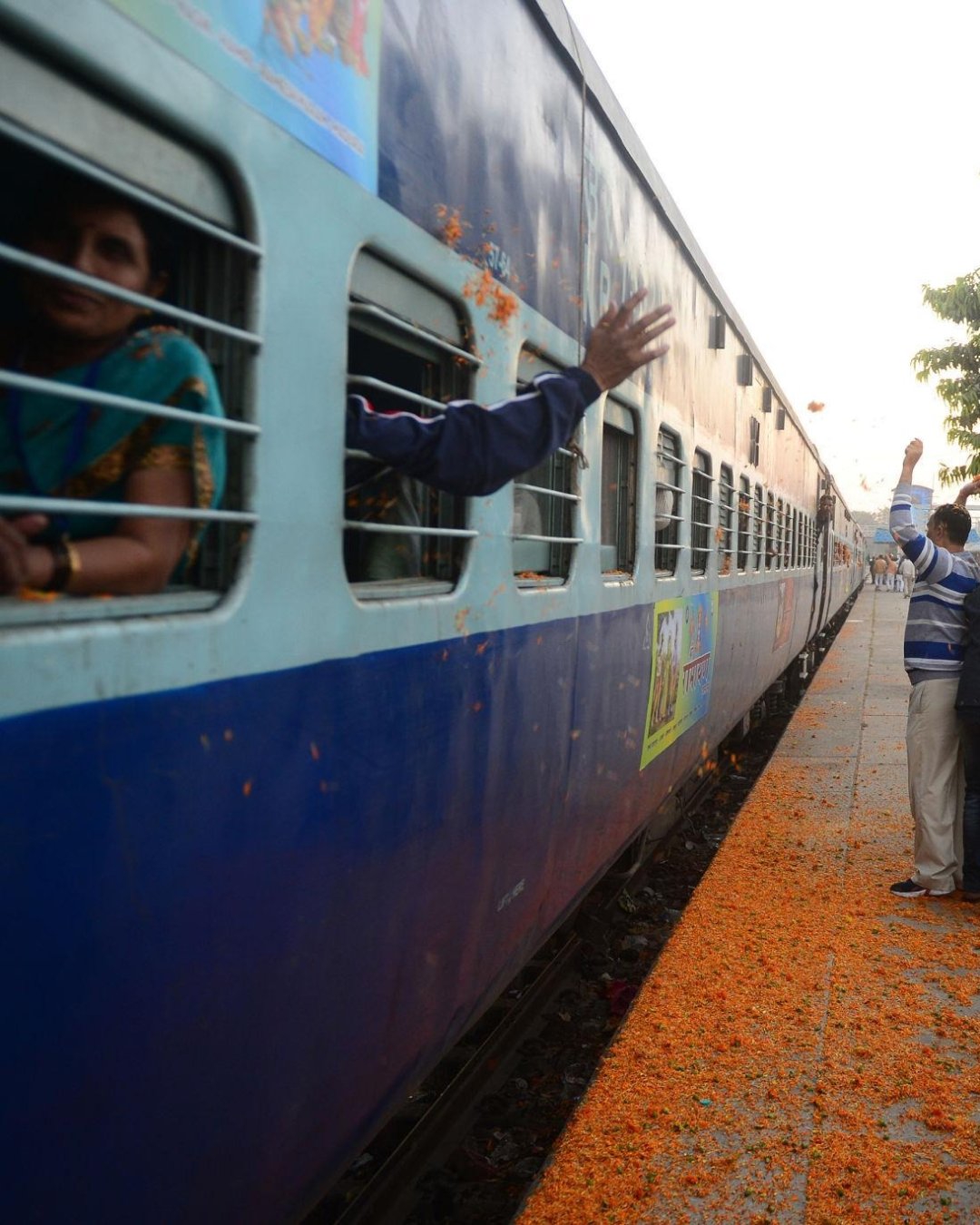
Which Mode From Which City
Stripped of everything else, the answer depends on how far away you start.
•From Delhi: train, ideally overnight. The flight is faster in the air and barely faster door to door.
•From Mumbai, Bengaluru, Hyderabad, Chennai, Pune or Ahmedabad: fly, to AYJ if the route exists and to Lucknow if it does not.
•From Lucknow, Prayagraj, Gorakhpur, Varanasi or Kanpur: train or road, without hesitation.
•From overseas: Delhi, then the domestic hop or an overnight train. There are no international arrivals at AYJ.
•From anywhere within about 200 km: road, and treat it as a transfer rather than a journey.
•When two options look close on paper, the tiebreaker is always the arrival hour.
Pro tip: If two modes look close, pick the one that lands at a civilised hour. Arrival time shapes your first day in Ayodhya more than any amount of saved journey time.
The mistakes that ruin it:
•Optimising the journey instead of the arrival.
•Taking a long-distance train from a southern or western metro to save money and losing two days to it.
16
MomentJanmabhoomi Path, Ayodhya
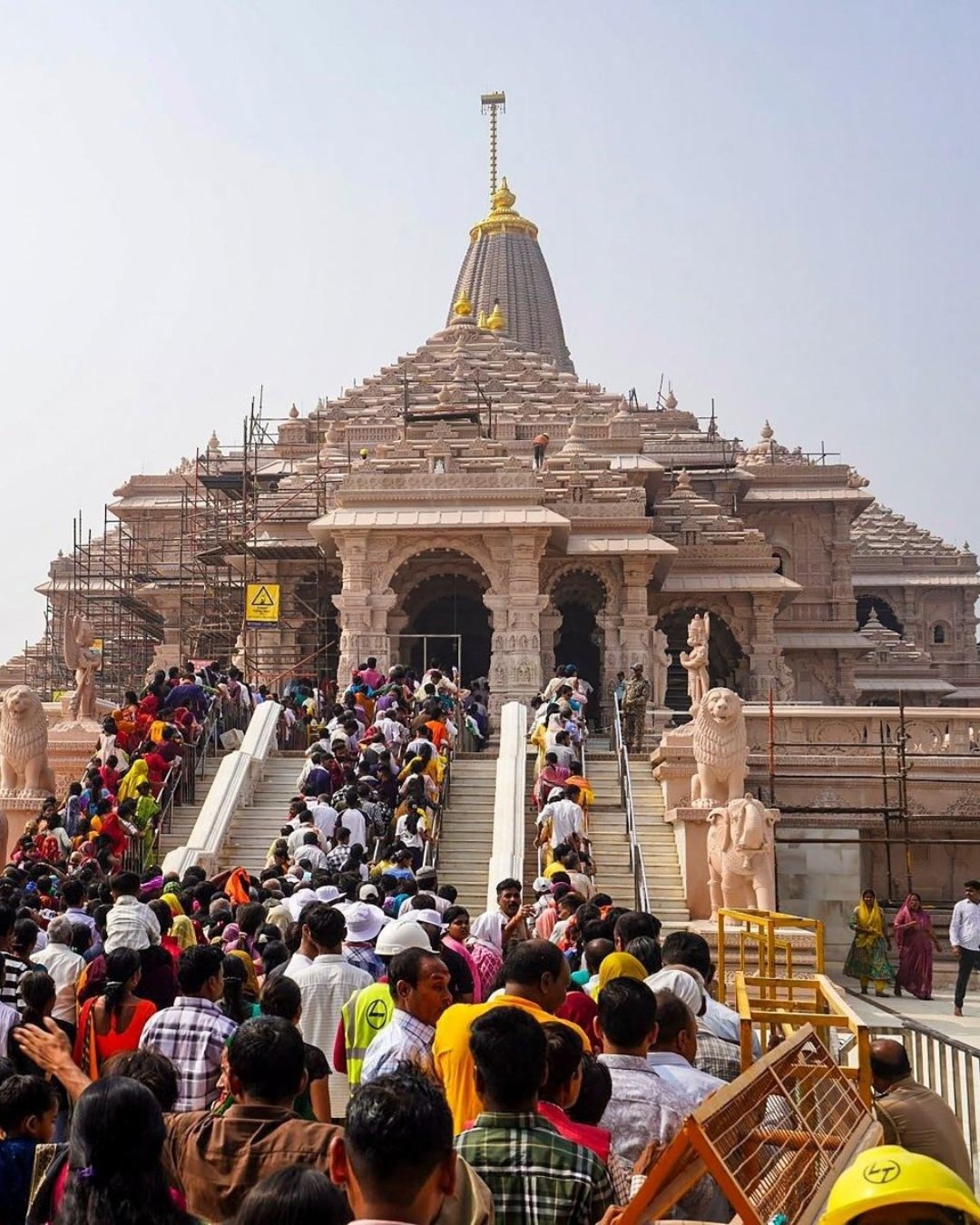
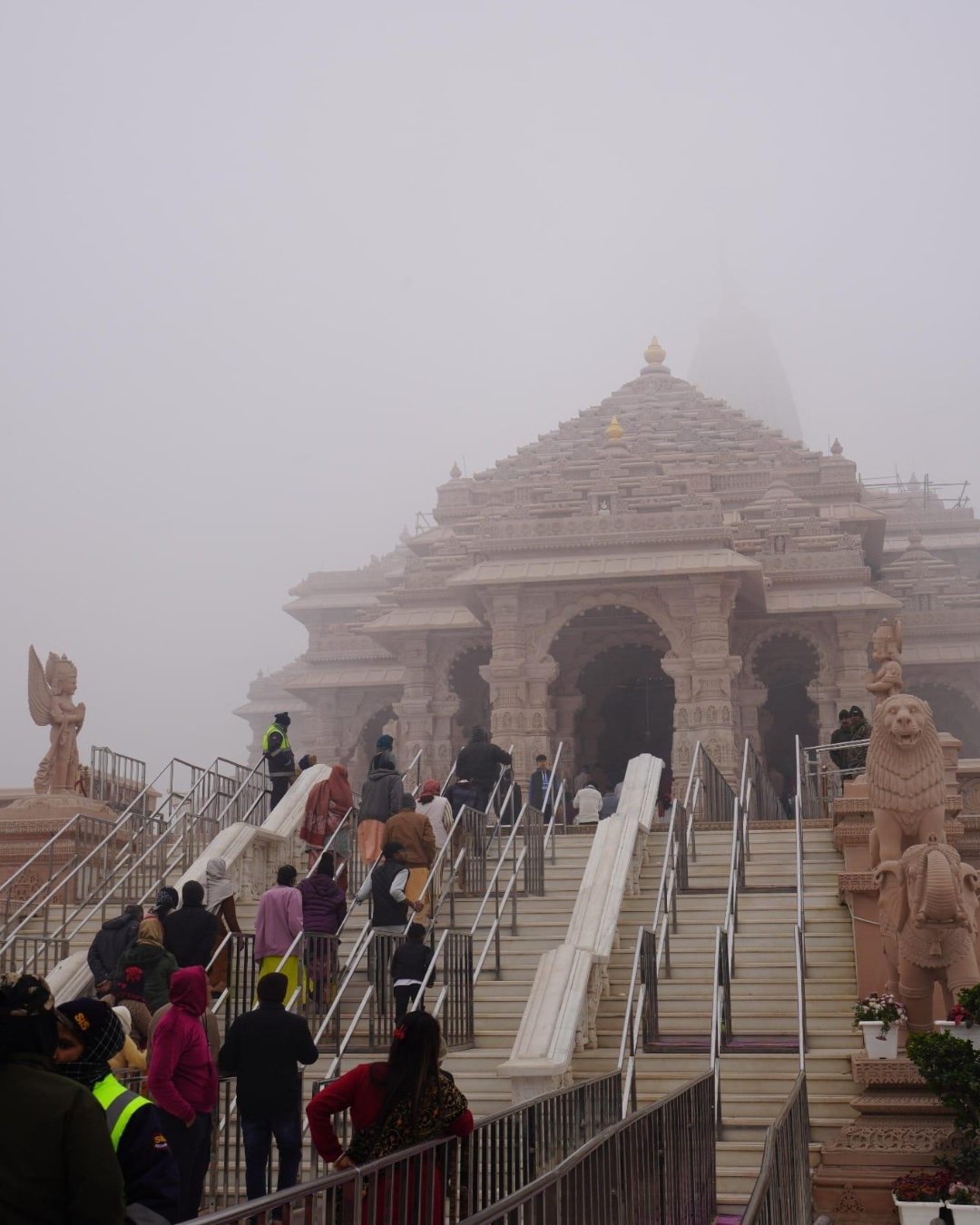
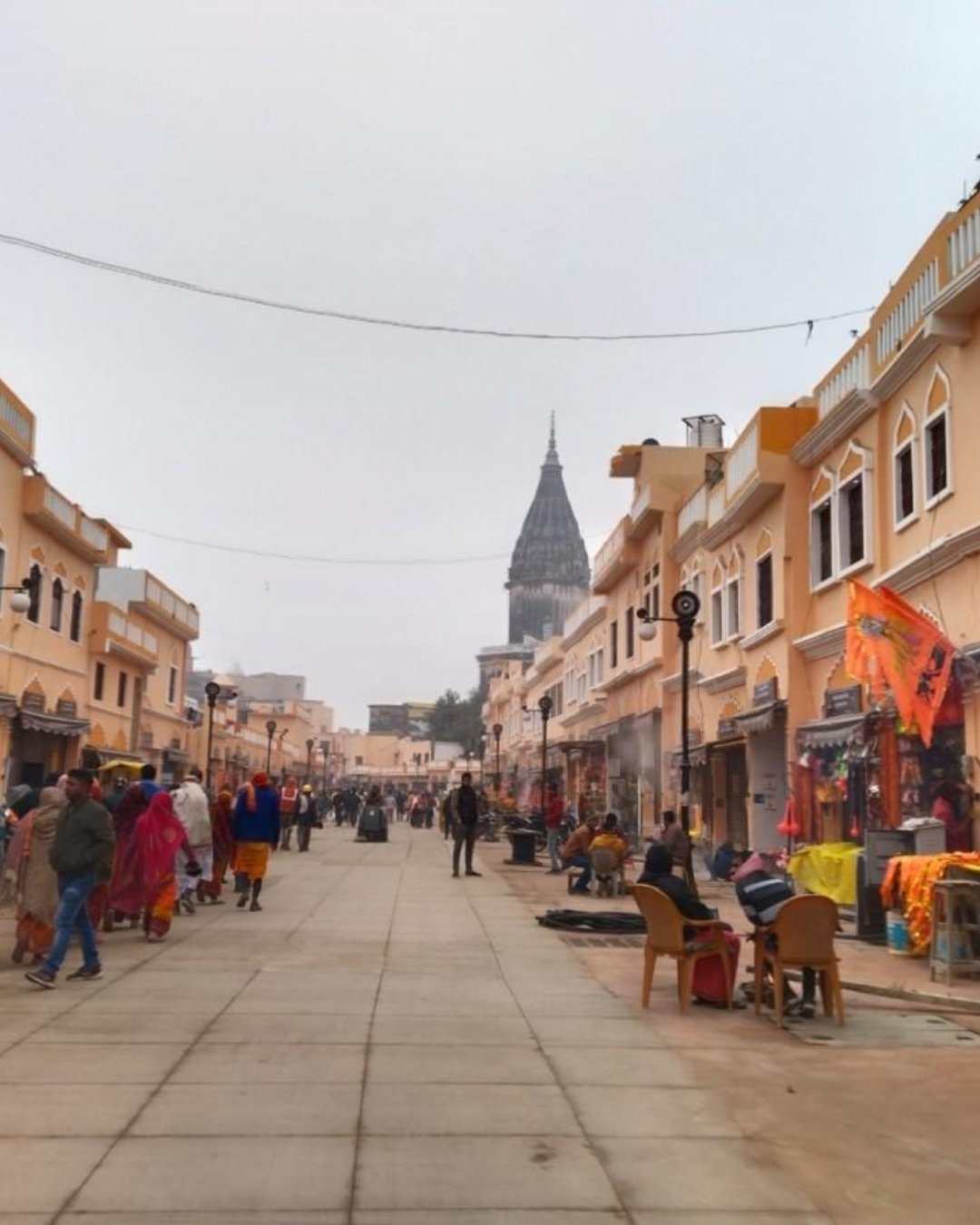
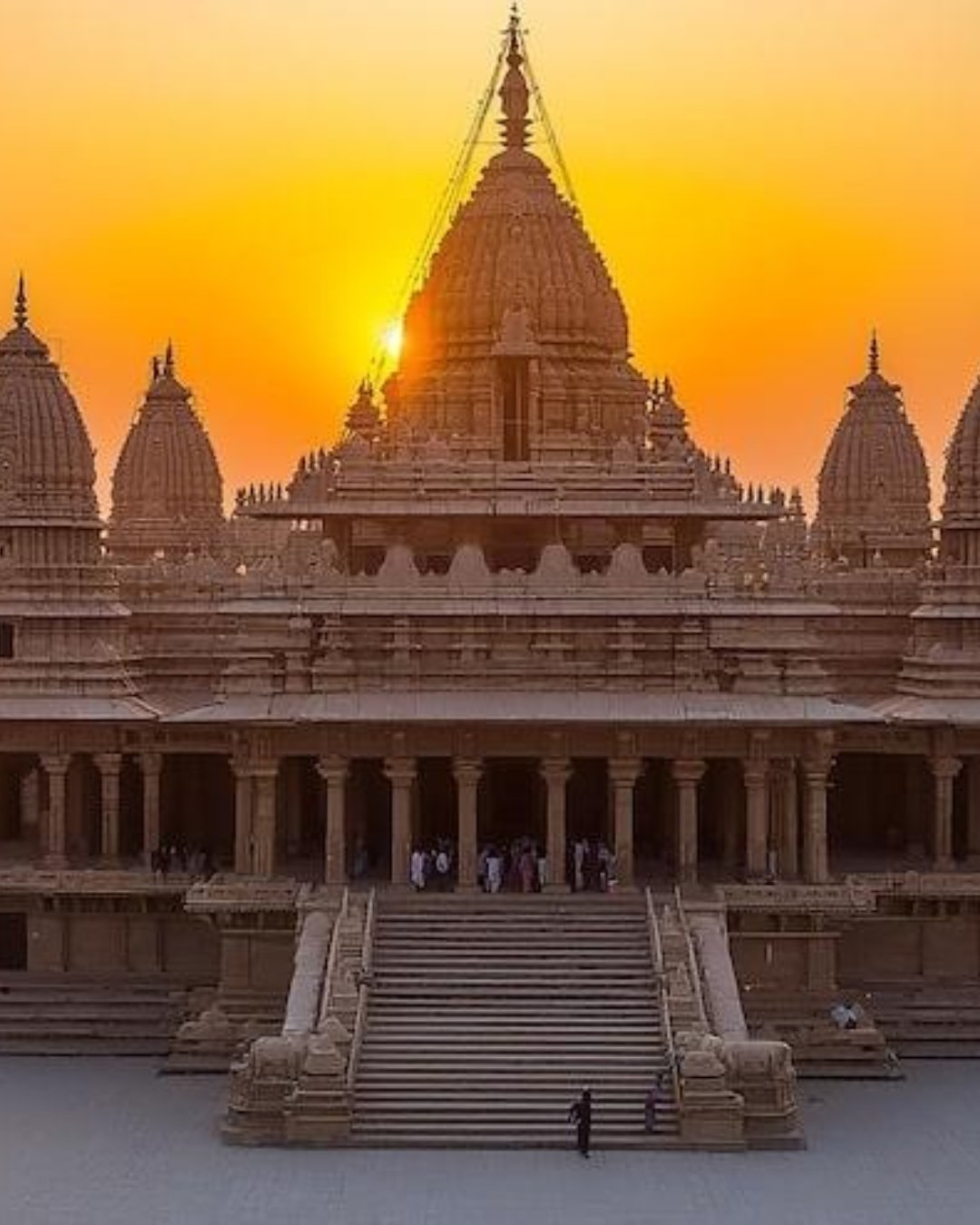
Arriving for Darshan: the Timing Nobody Plans
Ayodhya runs on a temple clock, and your arrival either fits it or wastes a day.
•General darshan runs in two windows with a long midday closure, and the morning window is the calmest of the day.
•Queues build through the day and through the week, so a weekday morning arrival is materially different from a Saturday afternoon one.
•Arriving the previous evening buys you the morning window. Arriving the same morning usually does not.
•Festival weeks change every assumption on this page, including road access near the temple and the ghats.
•Book where you are sleeping before you finalise how you are travelling. The near-temple zone fills first and it is the thing that decides your morning.
•Everything about passes, timings and the queue itself belongs to the darshan guide, which is the page to read next.
Pro tip: Land the evening before, sleep within walking distance of the gate, and be in the queue at opening. That single decision shapes the whole trip more than the mode you arrived by.
The mistakes that ruin it:
•Building the itinerary around transport times instead of darshan windows.
•Arriving in the middle of the day and finding the temple closed.
•Booking accommodation last.
Destination
Ayodhya, Uttar Pradesh, India
Common questions
01Question
How do I reach Ayodhya?
Rail from most of northern and eastern India — Ayodhya Dham Junction is about 2 km from Ram Mandir. Fly to Maharishi Valmiki International Airport (AYJ) from Delhi, Ahmedabad and a handful of other metros, or into Lucknow, about 135 km away, which has far more routes. Road works from within a few hours.
02Question
Which railway station is closest to Ram Mandir?
Ayodhya Dham Junction, code AY, roughly 1.2 to 2 km from the temple. Ayodhya Cantt (AYC), the former Faizabad Junction, is about 10 km out and is where many services from western and southern India terminate.
Darshan Nagar (DRG) is around 5 km. Always check the station code on the ticket rather than the city name.
03Question
Does Ayodhya have an airport?
Yes — Maharishi Valmiki International Airport, code AYJ, which opened at the end of December 2023. Despite the name it currently operates domestic flights only. Around four carriers serve roughly six or seven
destinations, with Delhi and Ahmedabad accounting for the large majority of arrivals.
04Question
Are there international flights to Ayodhya?
Not at present. The airport holds international status and the terminal is built for it, but every scheduled service today is domestic. International visitors connect through Delhi, and occasionally through Lucknow, then take the domestic hop or an overnight train.
05Question
How far is Ayodhya from Varanasi?
Roughly 191 km, with regular direct trains on the Varanasi–Lucknow line and a comparable drive. It is the most searched route into Ayodhya and almost always forms one leg of an Ayodhya, Prayagraj and Varanasi circuit rather than a standalone trip.
06Question
How far is Ayodhya from Lucknow?
About 135 km, roughly three hours by road, with frequent trains on the same corridor. Lucknow is the nearest major airport and often the better arrival point, since it has considerably more routes and timings than Ayodhya’s own airport.
07Question
How far is Delhi from Ayodhya?
About 636 km by road. There is a Vande Bharat service on the corridor, and overnight sleepers are the practical choice for most visitors because they use a night rather than a day and leave the first morning free. Direct flights also operate from Delhi.
08Question
When should I arrive for morning darshan?
Arrive the evening before and stay within walking distance of the temple. Darshan runs in two windows with a long midday closure, and the morning window is both the calmest and the first to fill, so a same-morning arrival usually costs you the best part of the day.
More to explore
Go further into one part of this trip.