


Ayodhya, Uttar Pradesh: The Complete Travel Guide
Where Ayodhya is, what it was called before, when to go and how long it needs — the plain answers, before you book anything.
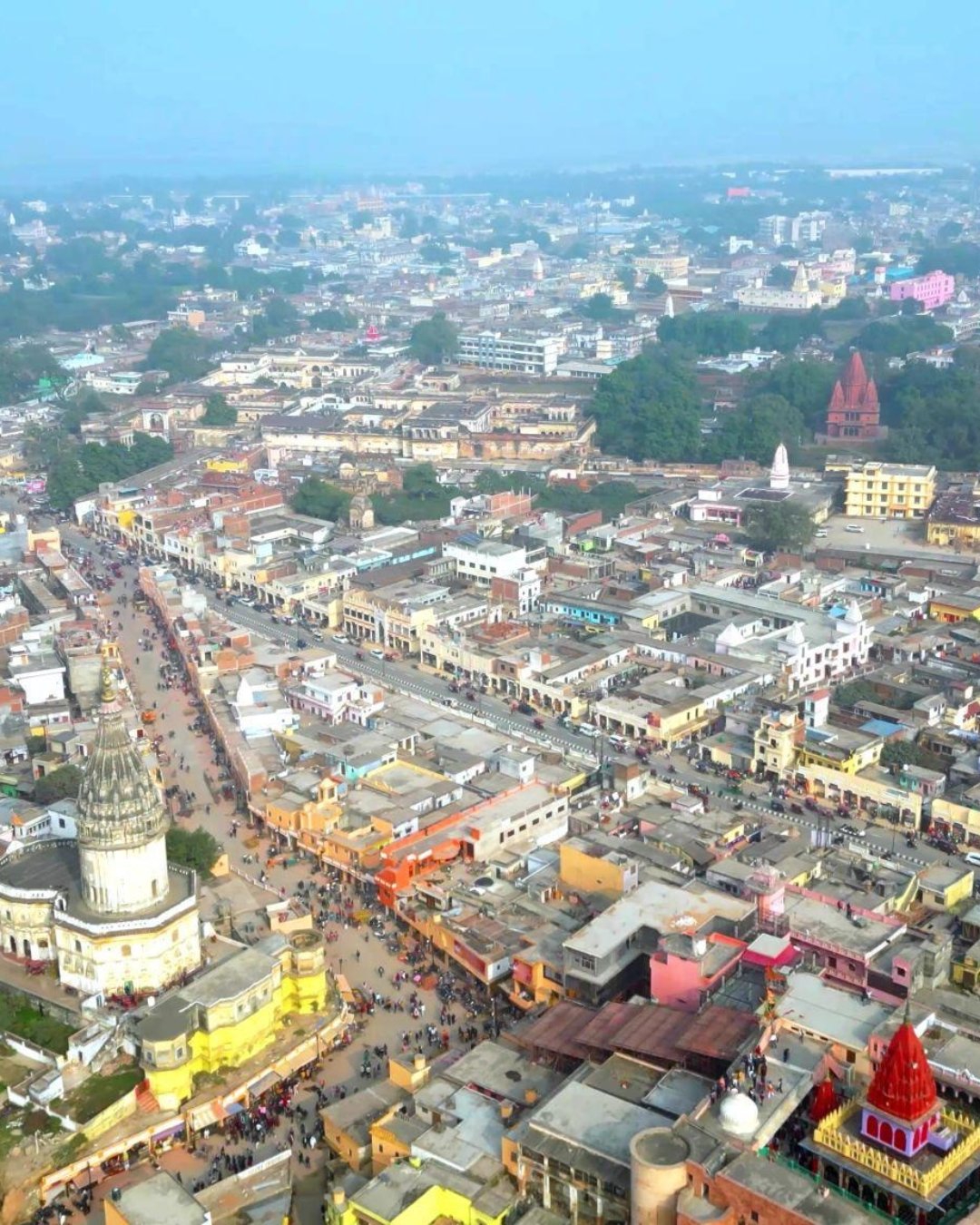
Before you book anything for Ayodhya, this journey gives you the practical picture first: where the city is, what its older identity was, when your visit will actually feel comfortable, and how many days you should keep aside. Ayodhya sits in Uttar Pradesh on the Saryu River and is traditionally associated with the ancient city of Saketa, with a history that reaches far beyond its present-day pilgrimage landscape. Knowing this geography and history helps you understand why the city has such a strong mix of temples, ghats, old lanes and living religious traditions.
You’ll also get a clear sense of Ayodhya’s different areas and how they fit together. The main pilgrimage experience centres around Ram Janmabhoomi, Ram Path, Hanuman Garhi, Kanak Bhawan, the old market lanes and the Saryu riverfront. You can also connect your trip with nearby Faizabad if you want to add historic architecture and another layer of the region’s past. Rather than treating every attraction as a separate stop, the guide helps you understand the city as connected neighbourhoods that can be explored in a practical order.
Timing matters here. For comfortable walking, temple visits and riverside exploration, the cooler months are generally easier, while summer can be much hotter during the middle of the day. Festival periods such as Ram Navami and Deepotsav bring a completely different atmosphere, with major celebrations and much heavier crowds, so you should decide whether you want the quieter everyday rhythm or the energy of a major religious occasion before fixing your dates. Weather, festival calendars, accommodation availability and crowd levels should all be considered before you confirm your booking.
Finally, you’ll know how much time Ayodhya actually deserves. A focused two-day trip can cover the major pilgrimage circuit and Saryu riverfront without making the journey unnecessarily rushed. If you want slower mornings, more temples, markets, food experiences, heritage stops or a side trip around Faizabad, three days gives you considerably more breathing room. Instead of booking first and figuring out the city later, use this guide to choose your dates, stay area and trip length around the experience you actually want.
252
Stops
Home
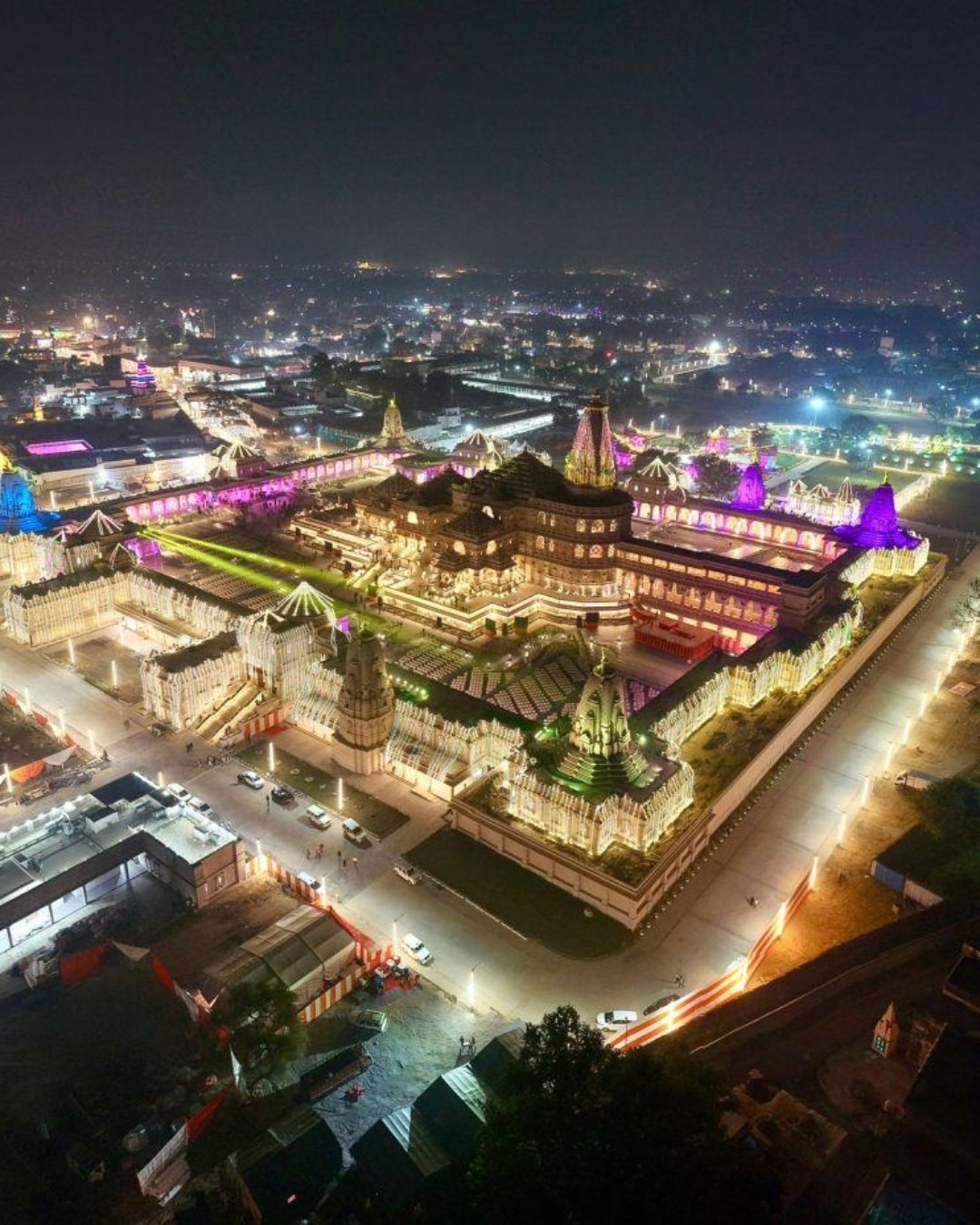
MomentShri Ram Janmbhumi Temple Ayodhya, Ayodhya
Where Ayodhya Is, and Why People Still Ask
The most searched question about Ayodhya is simply where it is.
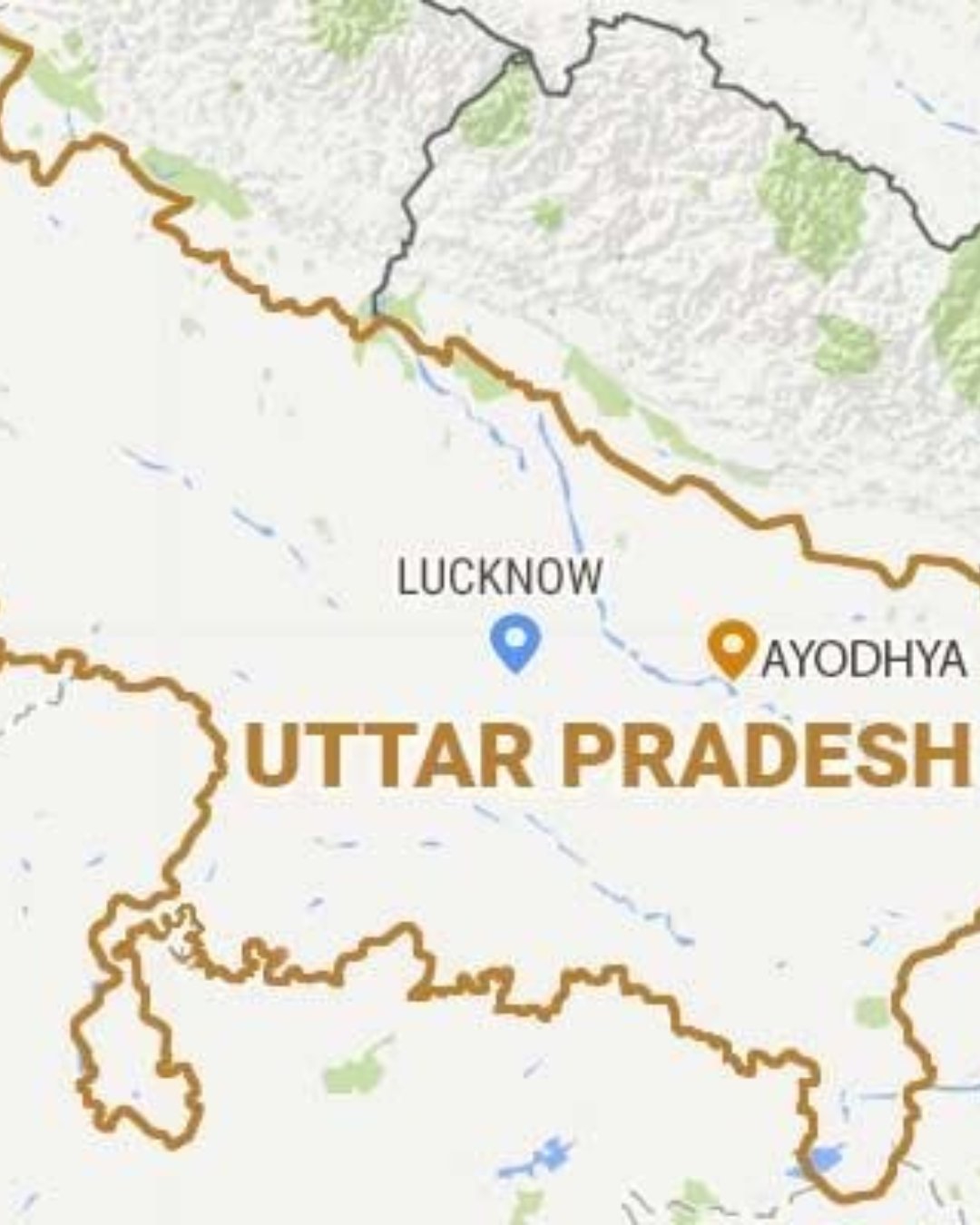
•Ayodhya sits in eastern Uttar Pradesh, in northern India, on the right bank of the river locally called the Saryu.
•It is roughly 135 km from Lucknow, 157 from Prayagraj, 164 from Gorakhpur and 191 from Varanasi.
•It is the headquarters of Ayodhya district, and the city itself lies about seven to eight kilometres from Faizabad.
•The town has its own airport and two main railway stations, so it is far easier to reach than it was before 2024.
•The volume behind this question says something real: a large share of visitors are planning a first trip with no prior picture of the place at all.
Pro tip: Fix the region in your head before you plan anything else. Ayodhya sits on the eastern Uttar Pradesh corridor with Lucknow, Prayagraj and Varanasi, and almost every sensible itinerary follows that line.
The mistakes that ruin it:
•Confusing it with similarly named places elsewhere in India or beyond it.
•Planning a route without realising how close Lucknow, Prayagraj and Varanasi are.
48
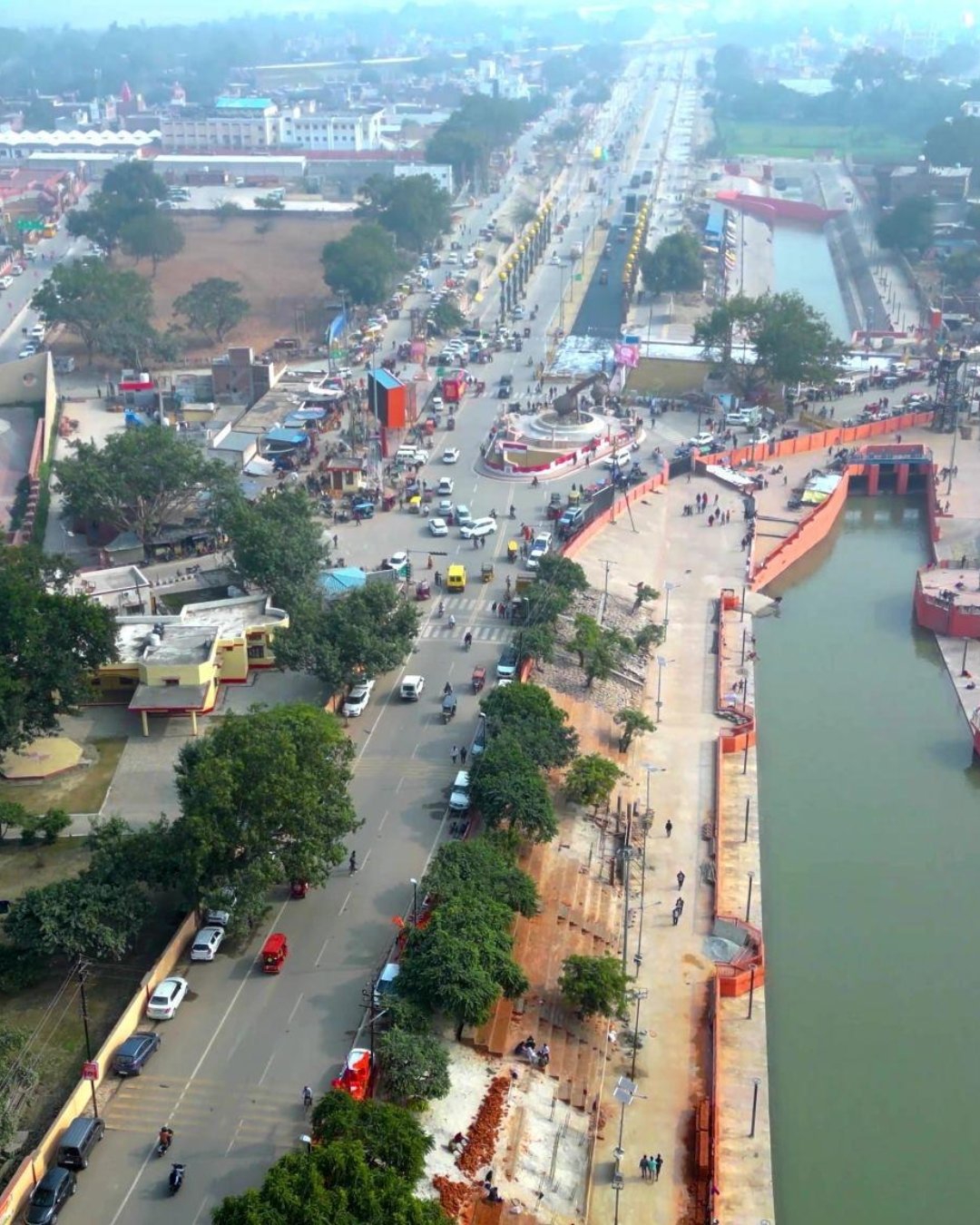
MomentSaryu Ghat, Manjha Kala
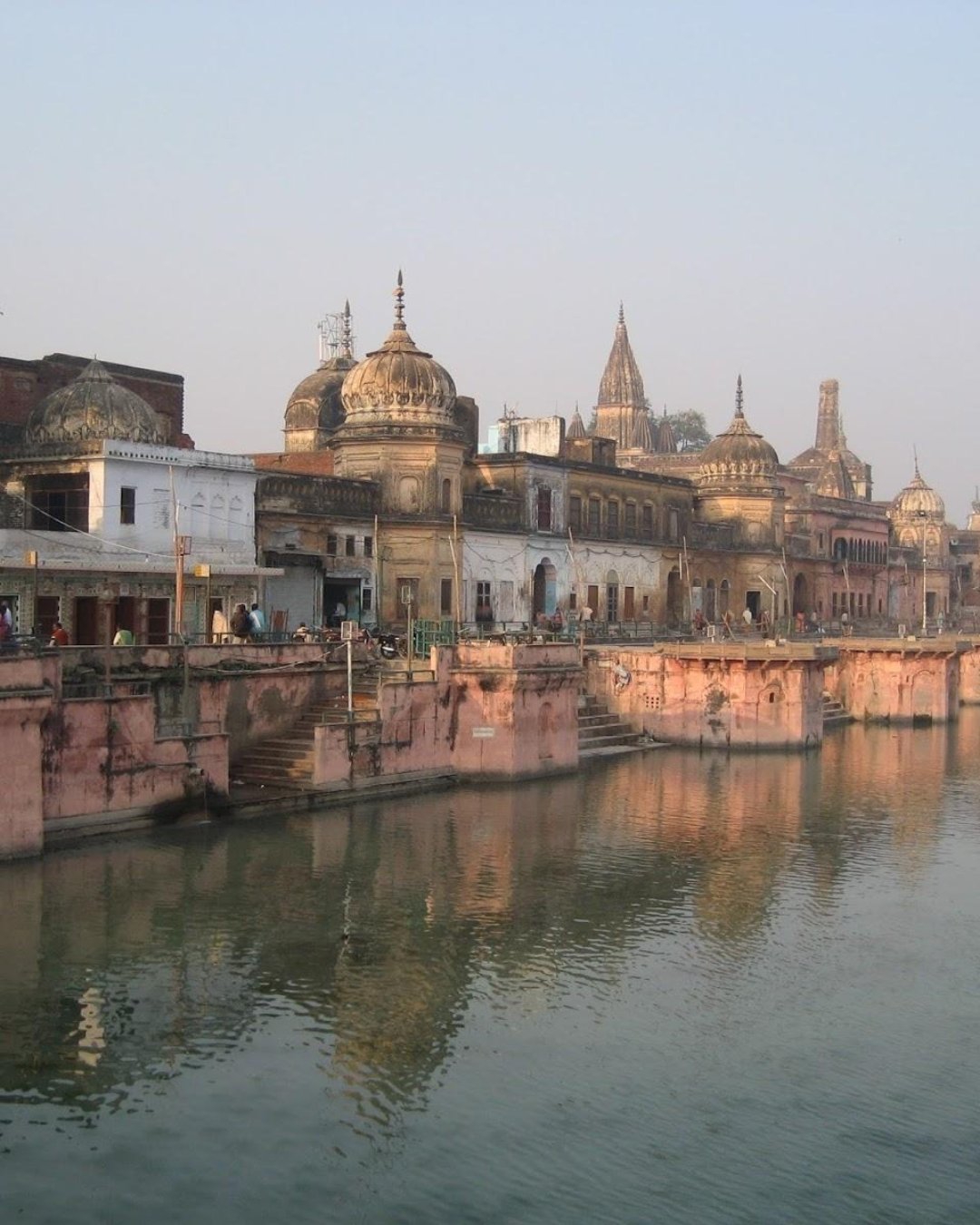
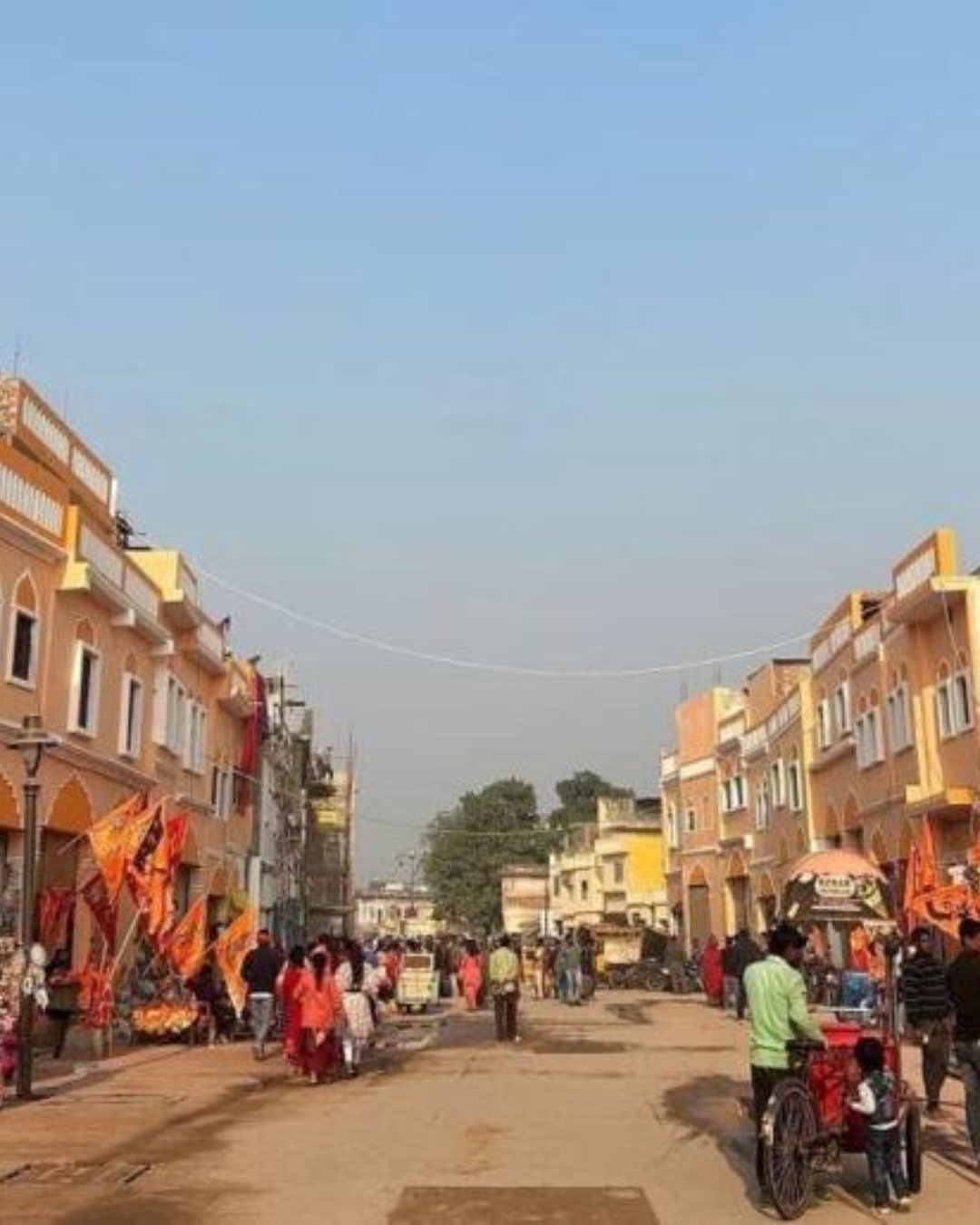
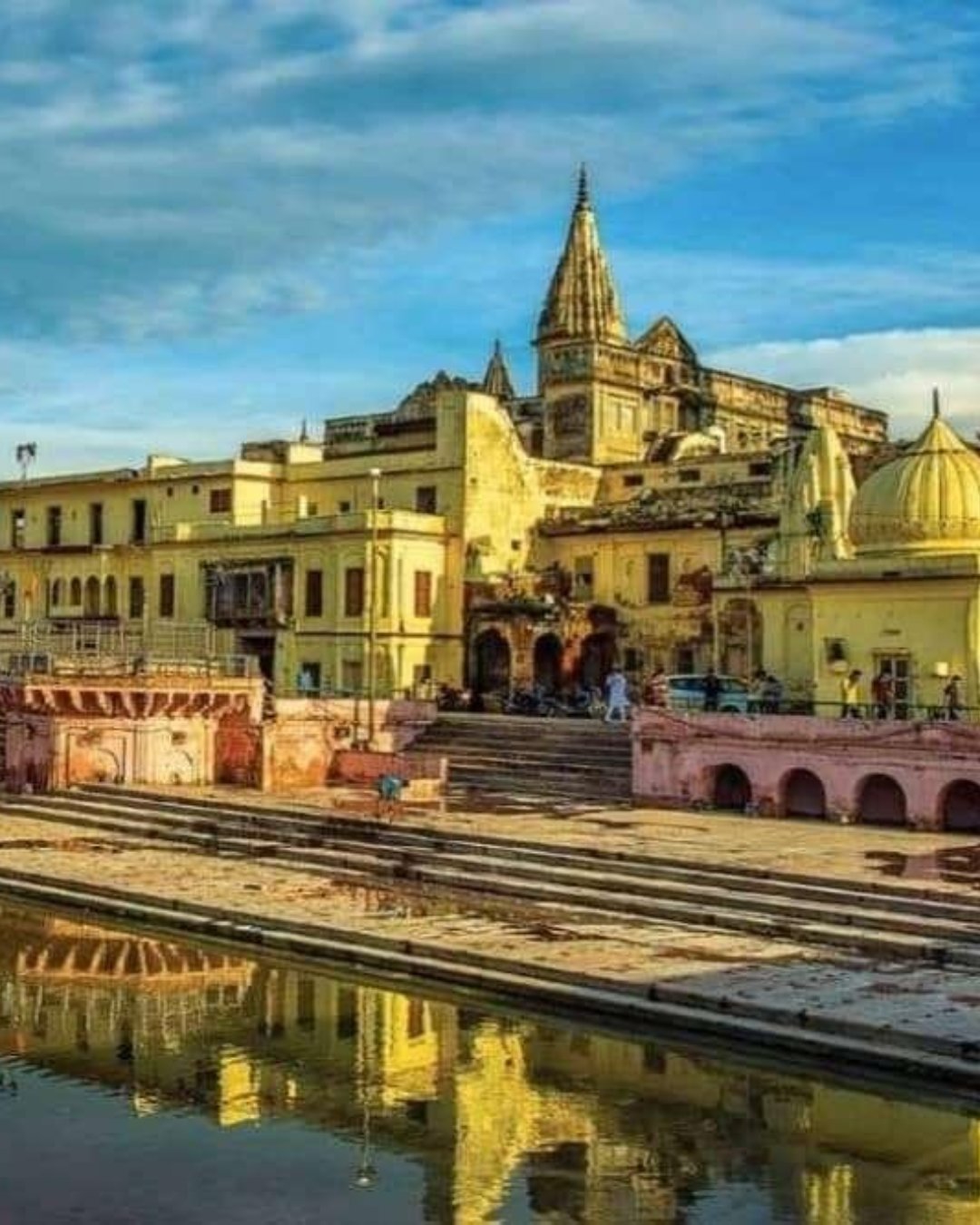
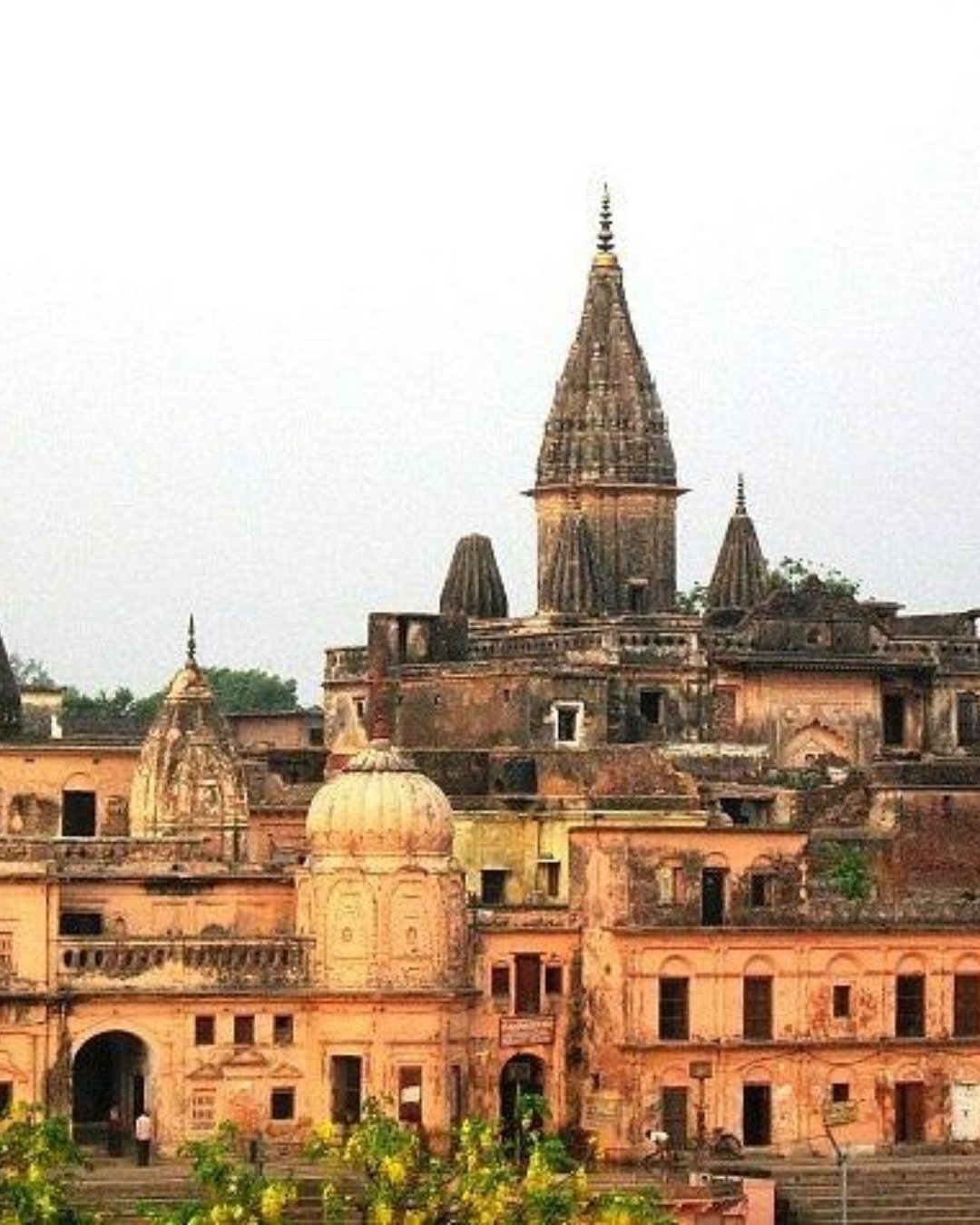
Saketa, and the Town Before the Temple
Ayodhya was an important city for a very long time before it was a headline.
•The town is generally identified with Saketa, an important city of the Kosala kingdom in the first millennium BCE, and the two names appear for the same place from the Gupta period onward.
•It is counted among the seven sacred cities of Hindu tradition, the Sapta Puri, listed alongside Mathura, Haridwar, Kashi, Kanchi, Ujjain and Dwarka.
•It was also a significant Buddhist centre. The Chinese monk Faxian recorded many monasteries here in the fifth century, and a stupa attributed to Ashoka is believed to have stood in the town.
•In Jain tradition it is the birthplace of five Tirthankaras, including Rishabhanatha, the first — more than almost anywhere else in India.
•Early Buddhist and Jain texts record that both the Buddha and Mahavira spent time here.
•None of this is separate from the Ramayana associations; it sits alongside them, and most visitors never hear any of it.
Pro tip: Read twenty minutes of the pre-Ramayana history before you travel. Knowing the town was a Buddhist and Jain centre as well changes how the whole place reads once you are standing in it.
The mistakes that ruin it:
•Assuming the town's history begins with one temple.
•Treating Saketa as a different place. It is the same town under an older name.
38
MomentGhagra River, Manjha Kala
The River the Town Is Built Around
Ayodhya is a river town, which is easy to forget if you only come for the temple.
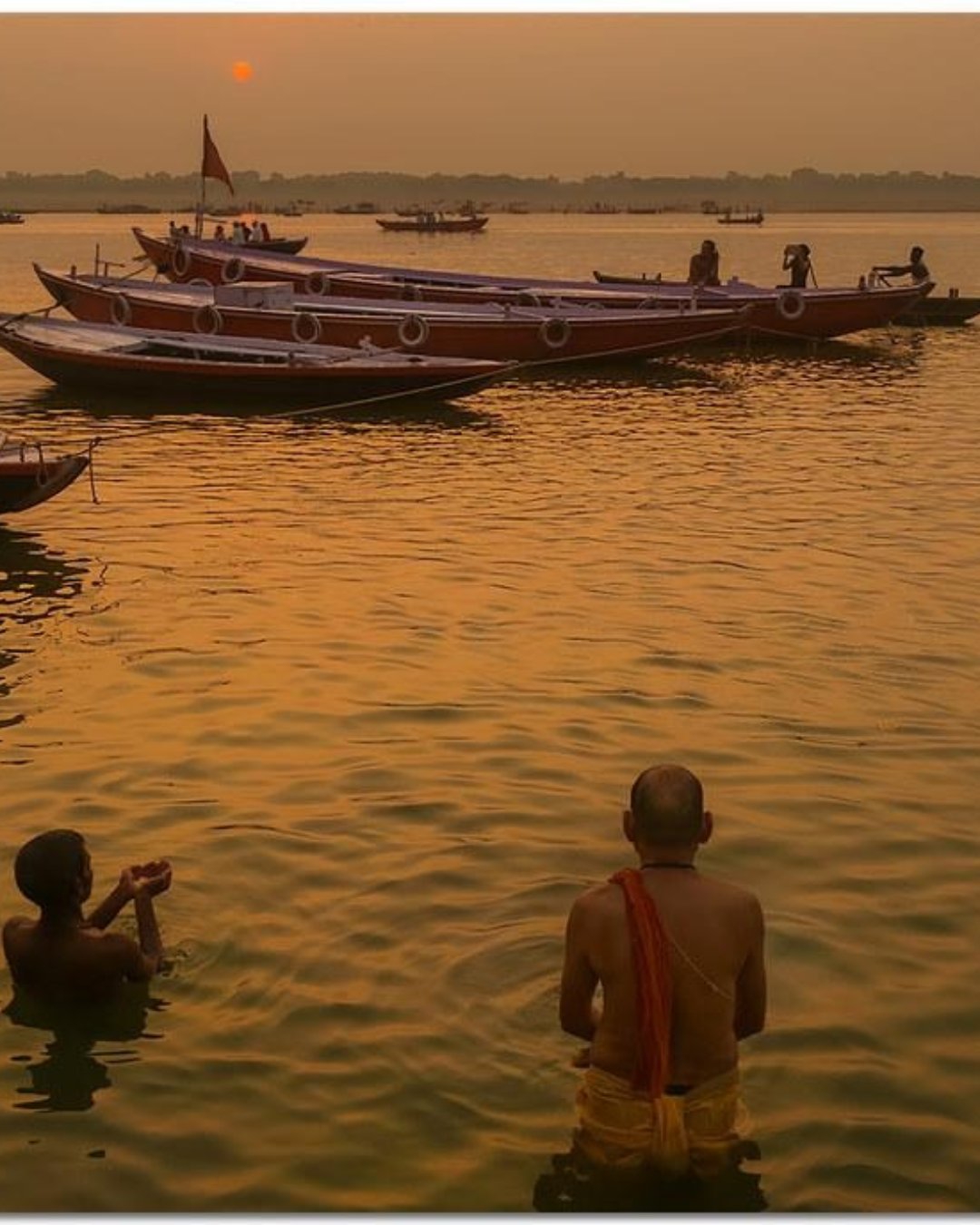
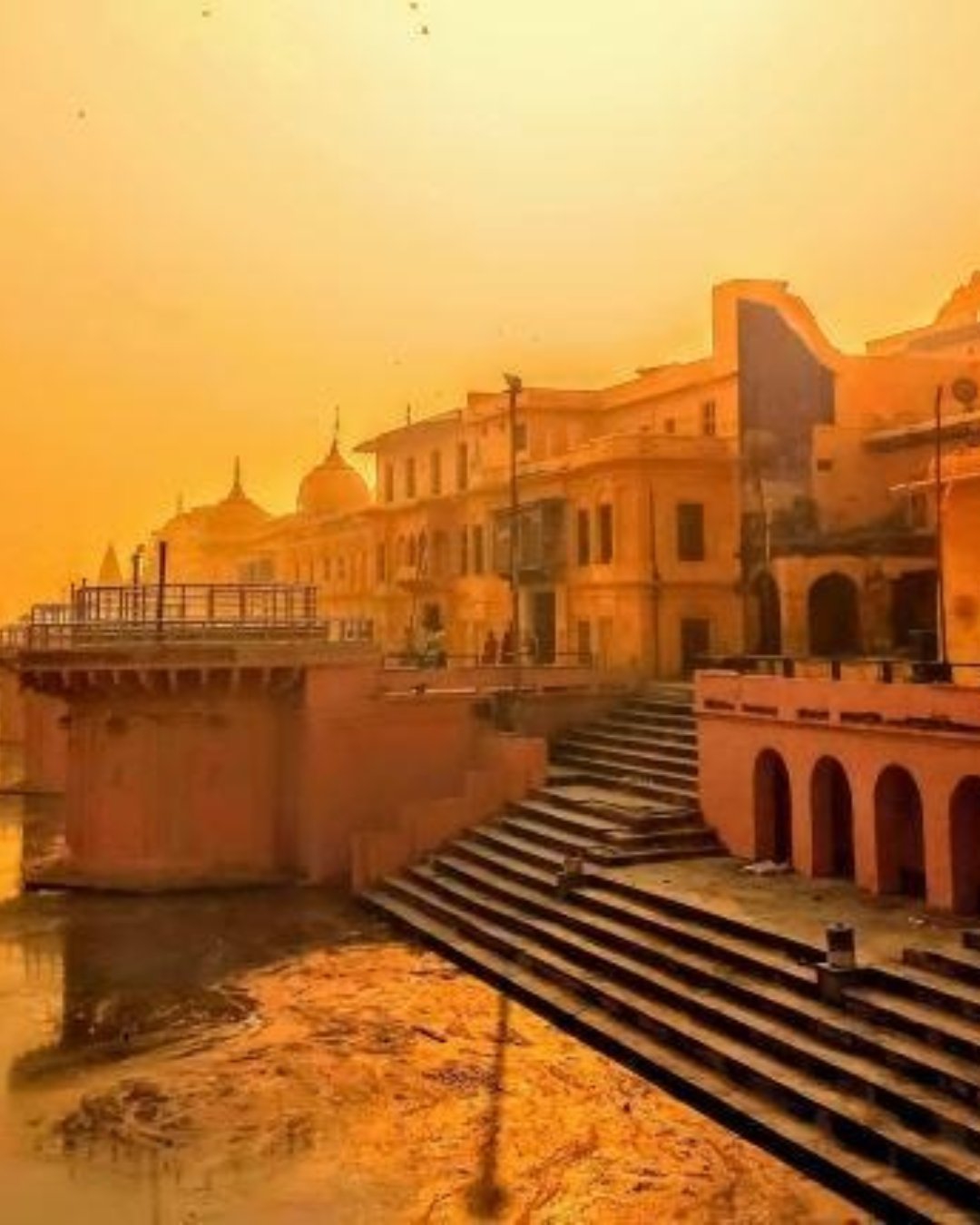
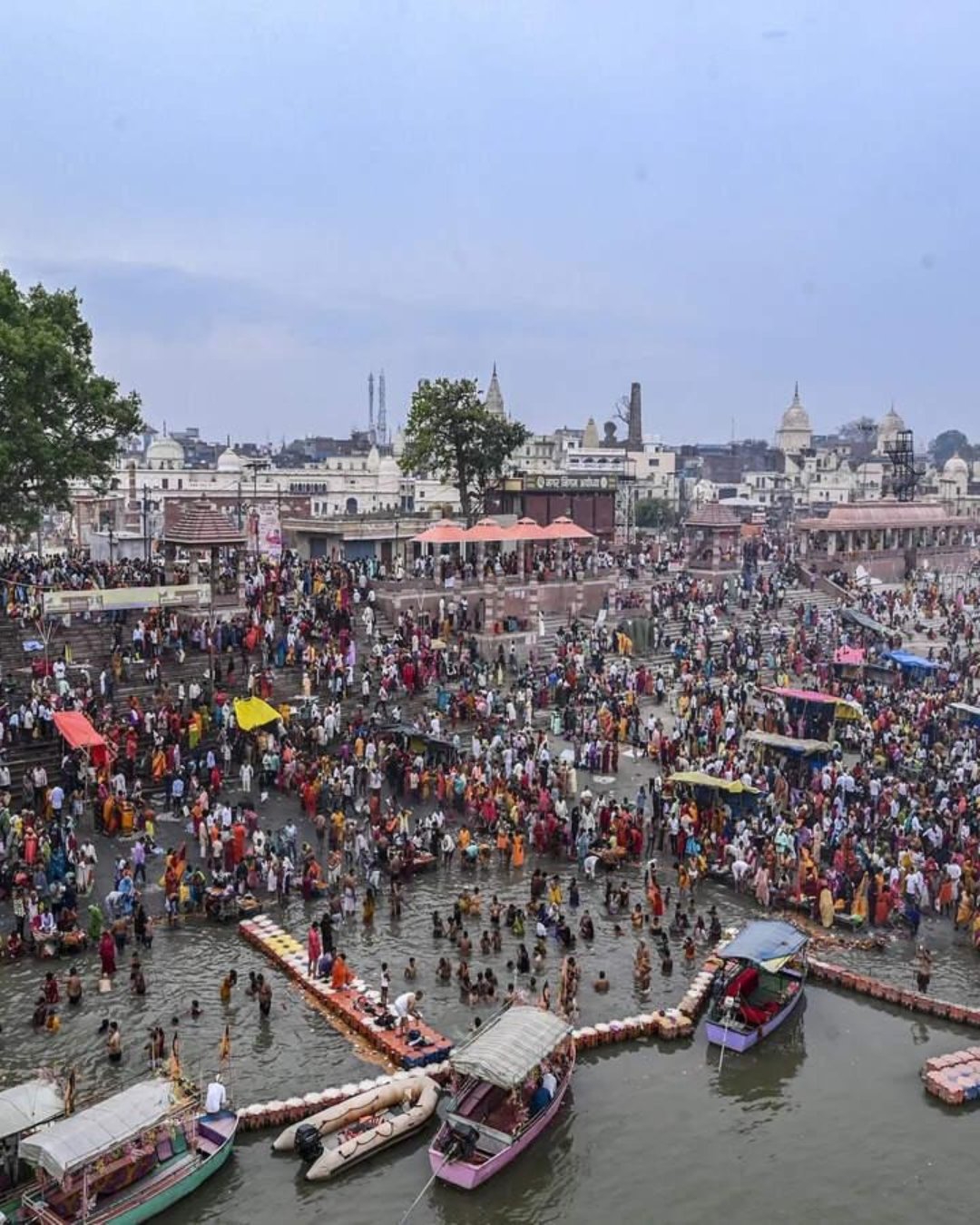
•The river is the Ghaghara, known locally as the Sarayu or Saryu, and the old town sits along its right bank.
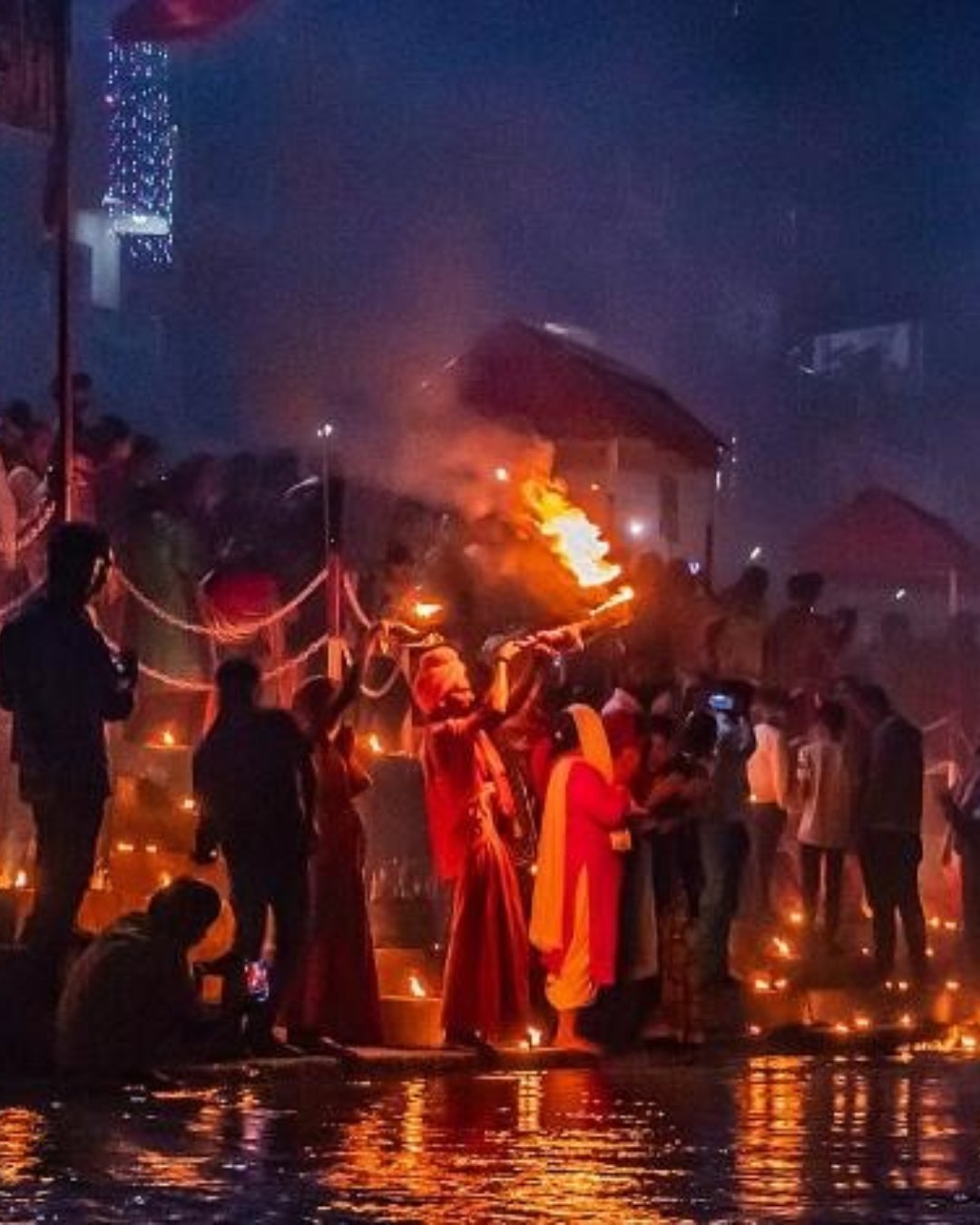
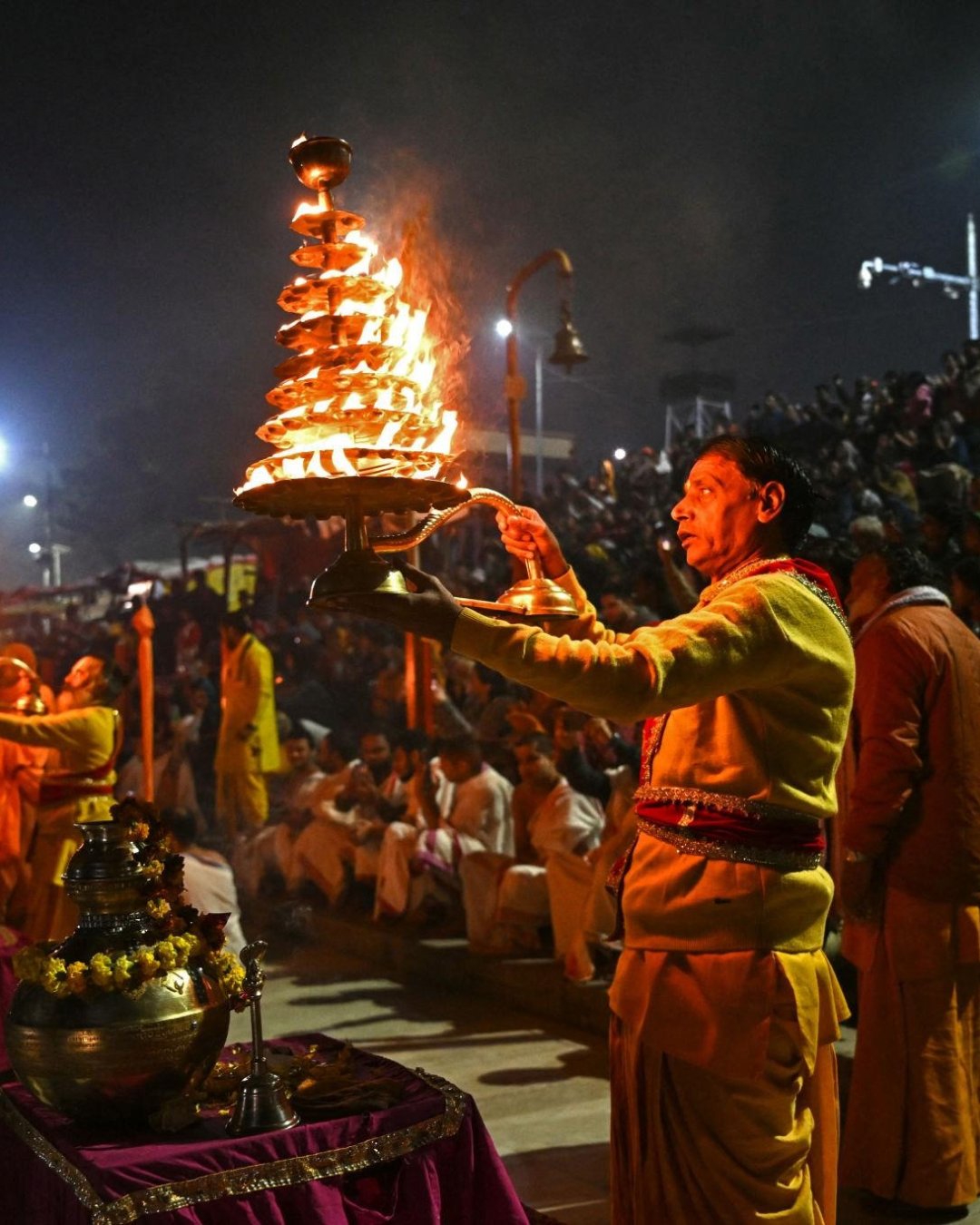
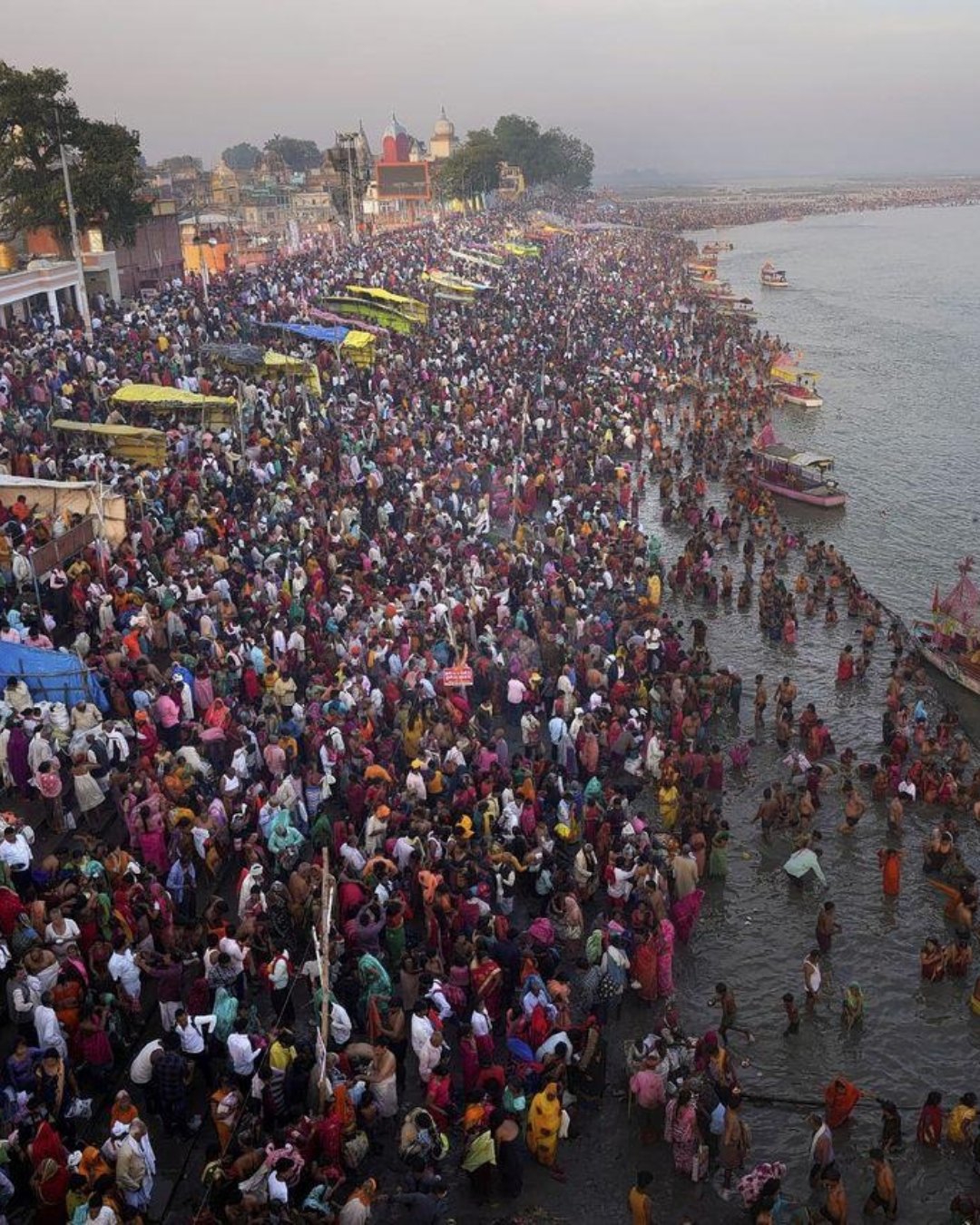
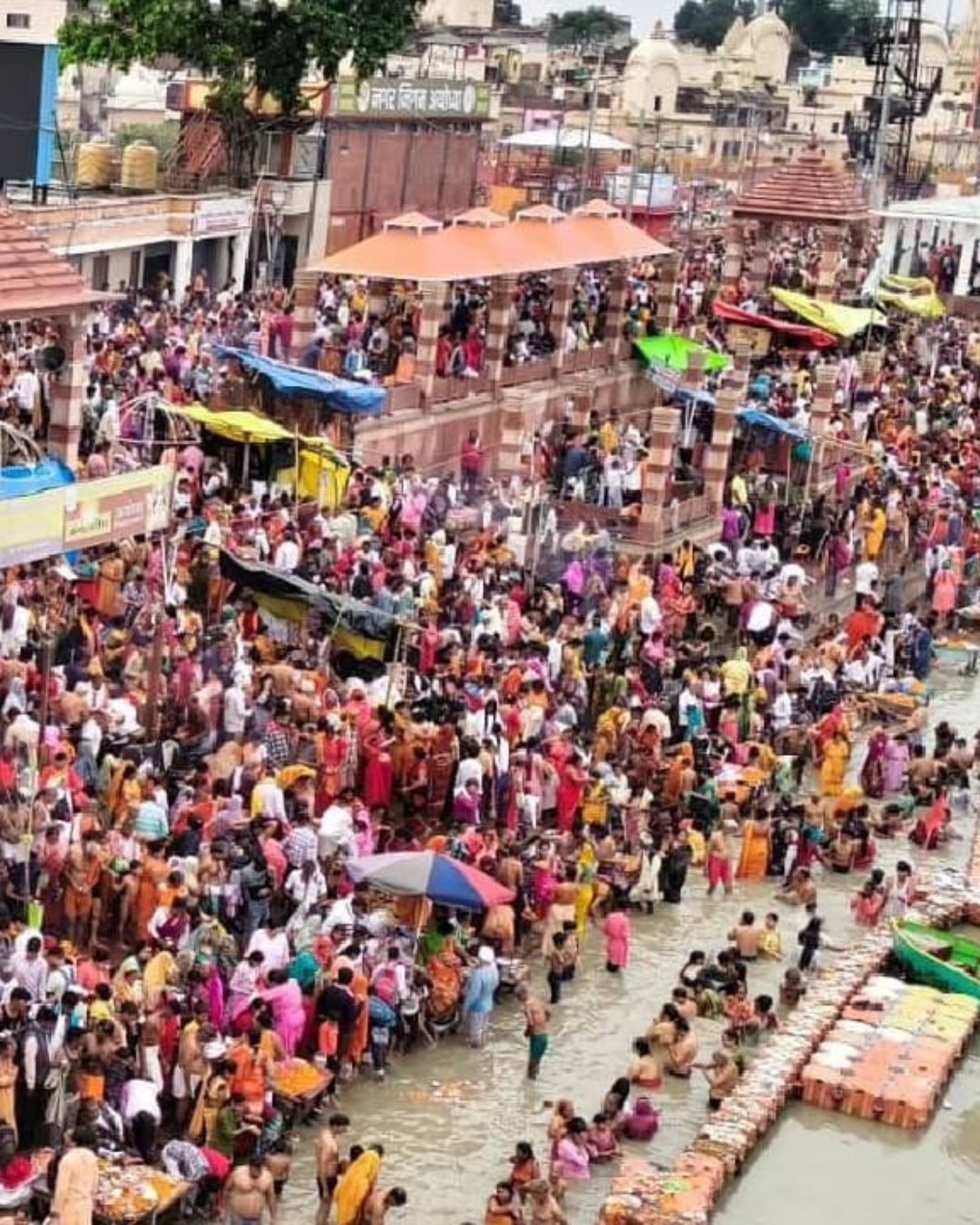
•The ghats at Ram Ki Paidi are the ritual heart of the riverfront and the site of the free evening aarti.
•Deepotsav, the lamp lighting on the eve of Diwali, happens on these steps and is the town's largest annual event.
•Guptar Ghat, further downstream toward the Faizabad side, is quieter and associated with Ram's final departure.
•“Which river is Ayodhya on” is among the most common searches about the town, and the answer opens up the part of it most itineraries skip.
Pro tip: Give the river one evening. It is the part of Ayodhya that behaves least like a queue and most like a place, and it is the thing people say they remember.
The mistakes that ruin it:
•Planning a temple-only trip and never reaching the water.
•Assuming river ghats and evening aartis are a Varanasi thing only.
26
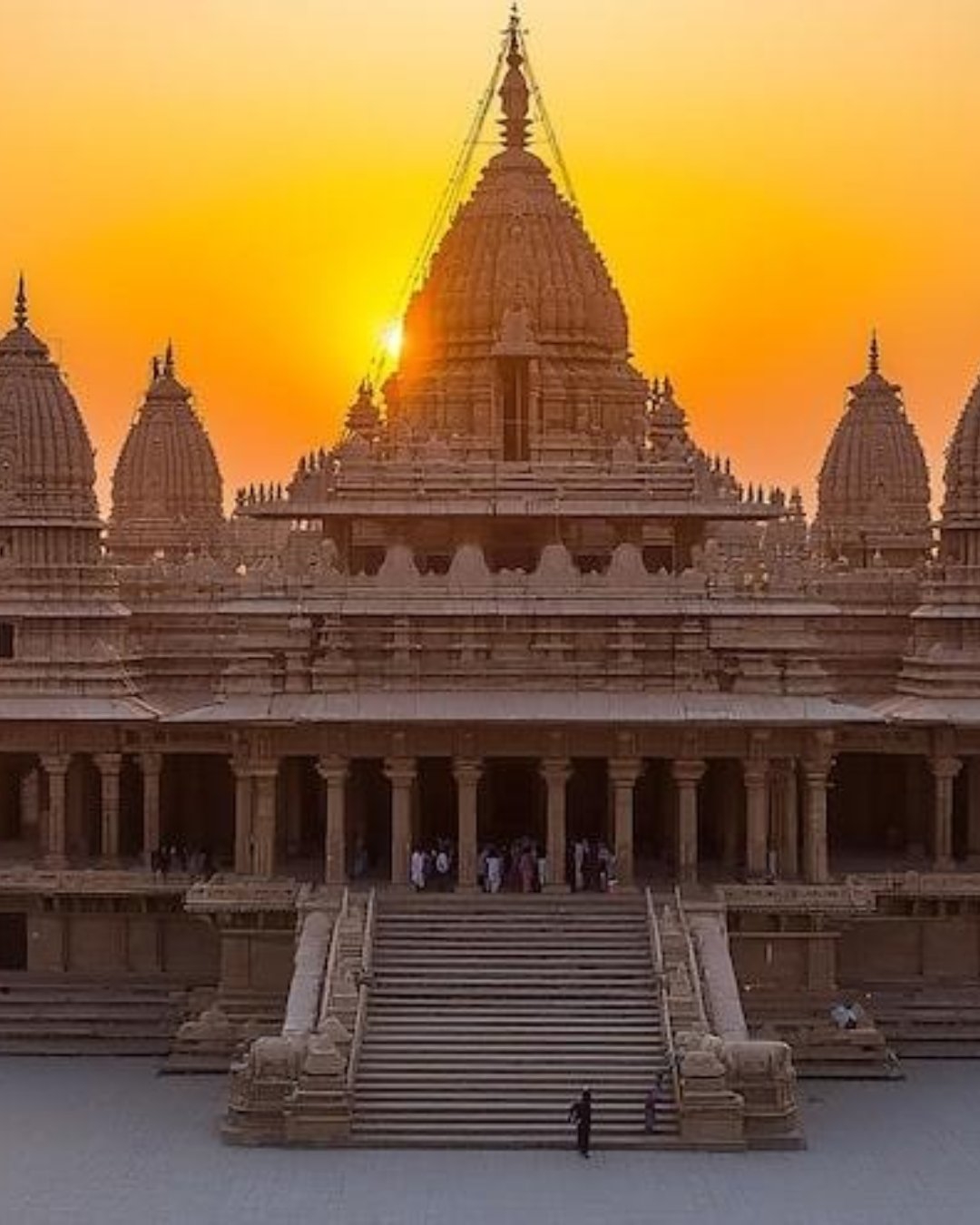
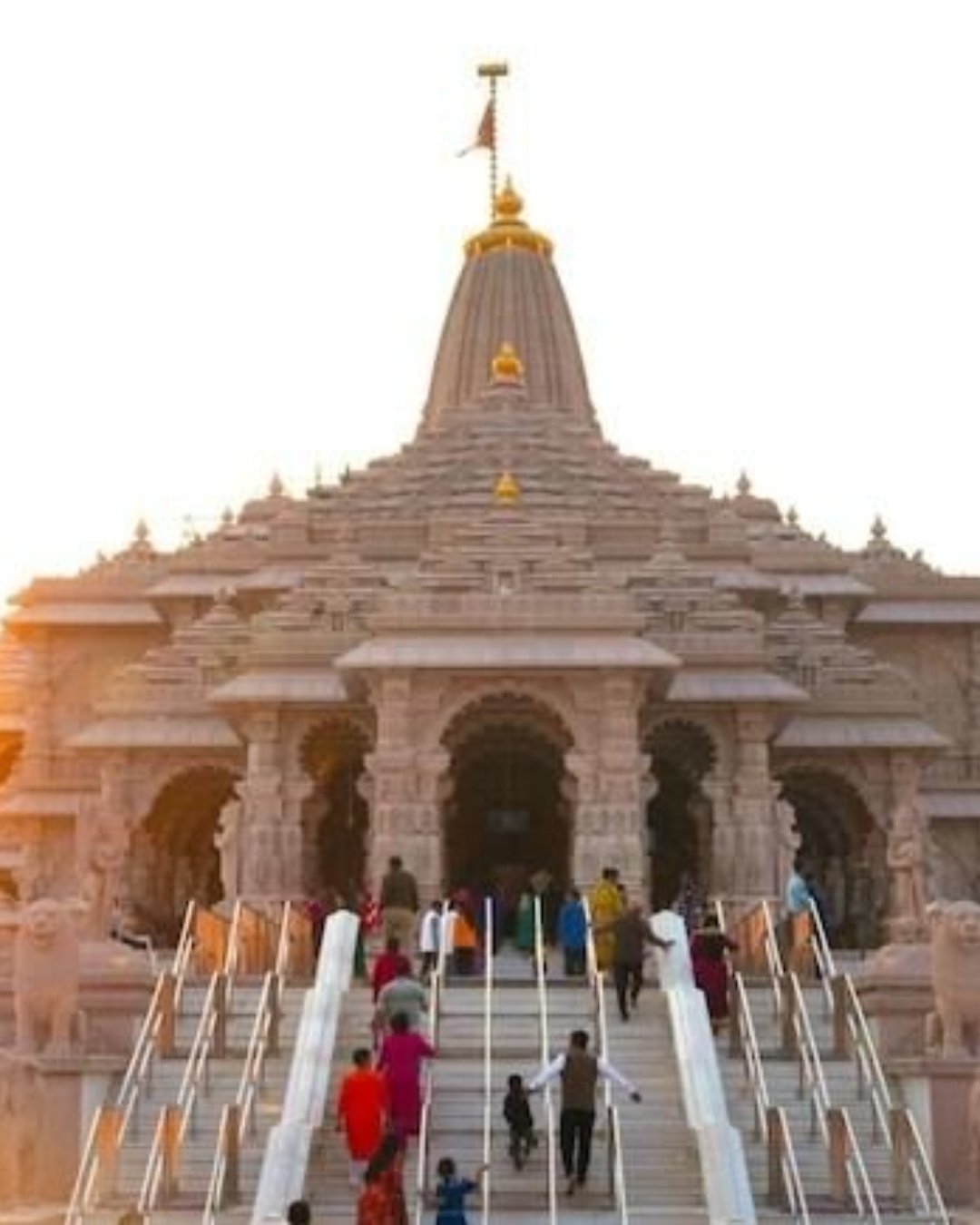
MomentShri Ram Janmabhoomi Temple, Ayodhya
When to Go, and When Not To
The best weather in Ayodhya arrives at exactly the same time as the biggest crowds.
•October to March is the comfortable window — pleasant days, cold mornings, and weather that suits long walks between temples.
•April to June is genuinely hot, and both the temple approach and the queue involve a lot of open walking.
•The monsoon is humid but quiet, and the river runs at its fullest.
•The two largest festivals, Deepotsav around Diwali and Ram Navami in spring, fall inside the good-weather months.
•Late October through December tends to give the best balance — the cool weather without the festival peaks.
•Malai makhan, the town's winter-morning dessert, only exists in the cold months, which is a small argument for the same window.
Pro tip: Late October to December is the sweet spot unless a festival is specifically why you are going. You get the weather without the crowd, and the river evenings are at their best.
The mistakes that ruin it:
•Travelling in May or June and underestimating the heat in an open queue.
•Booking the good-weather months late, when accommodation has already moved.
23
MomentKanak Bhawan, Ramkot
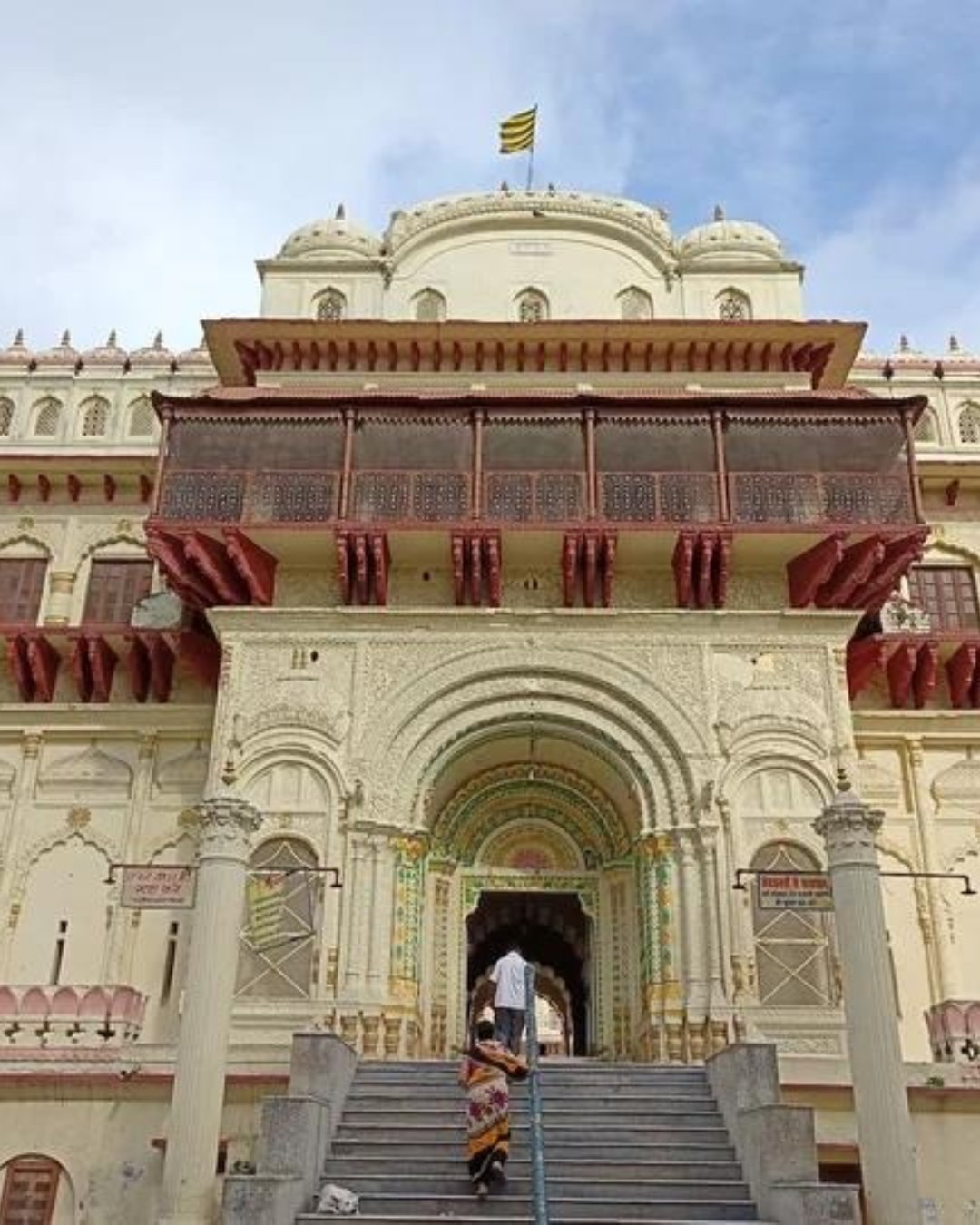
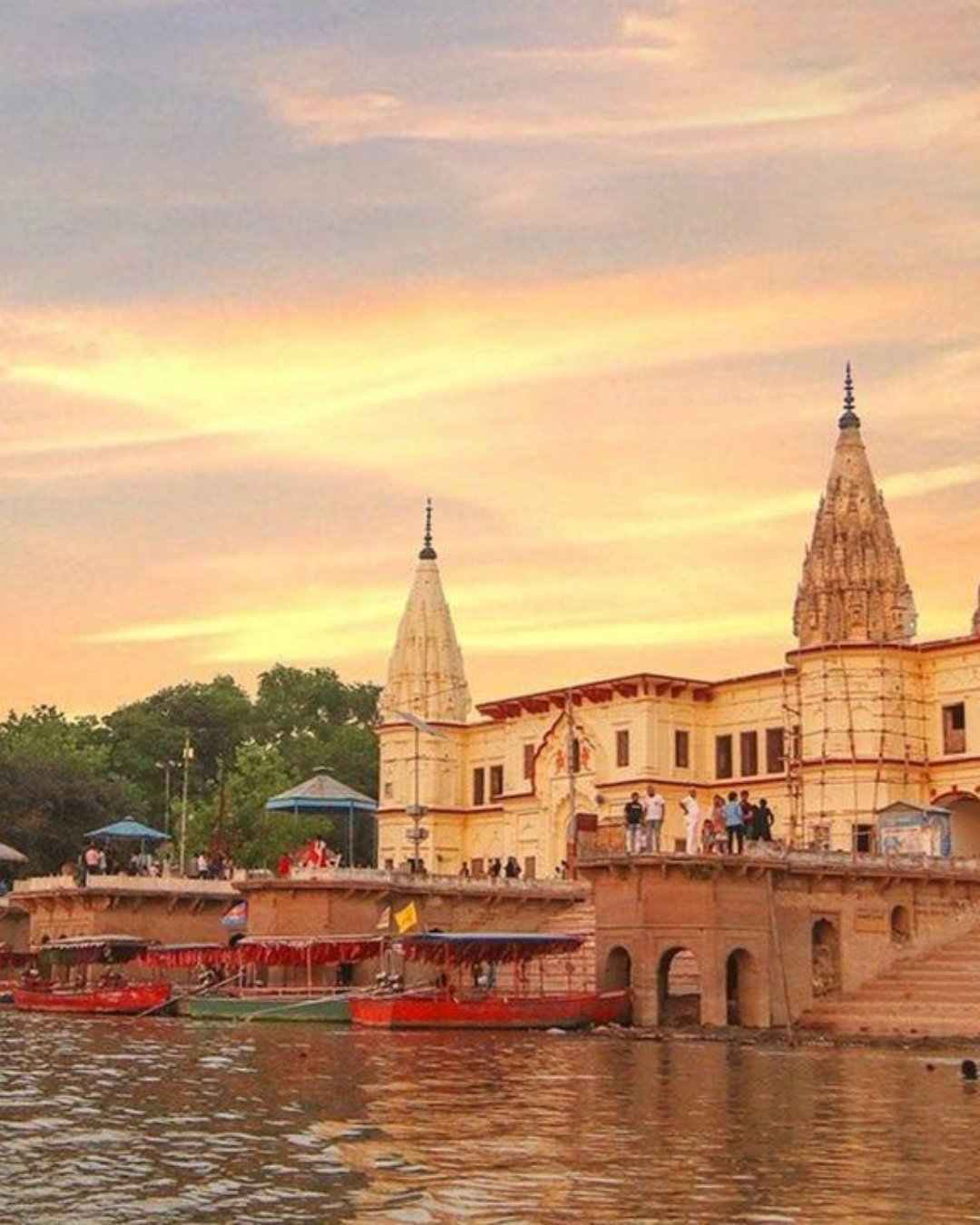
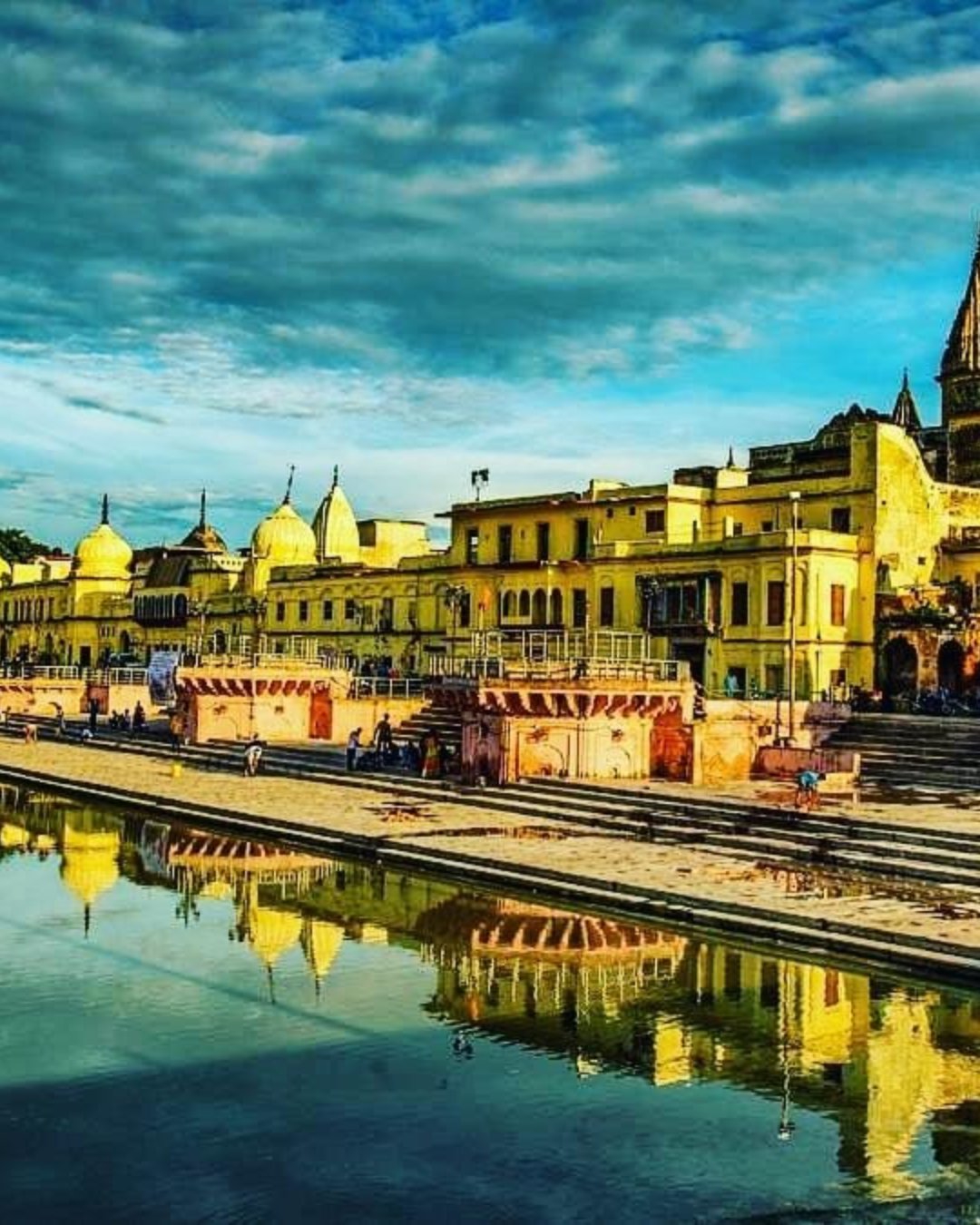
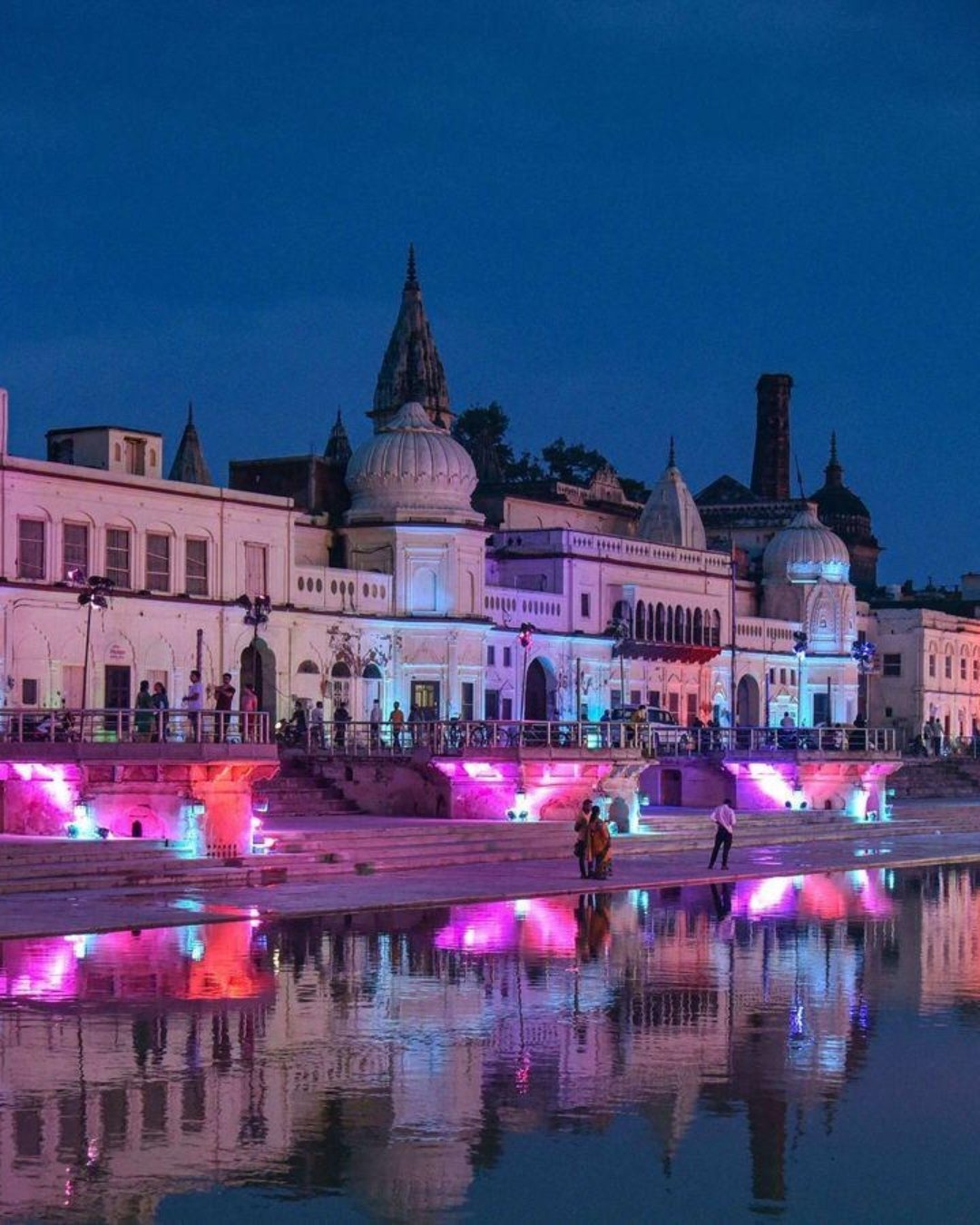
How Long Ayodhya Actually Needs
Ayodhya asks for less time than people fear and rewards more than they expect.
•One full day covers the core: the main temples, the walk between them, and the Saryu aarti at sunset.
•Two days lets you take both darshan windows, reach the older temples and Guptar Ghat, and stop rushing.
•Three days opens what is around the town — Nandigram, Ratnapuri, Faizabad, or an overnight at Sravasti.
•Returning pilgrims often use the extra day for a second darshan with an aarti pass rather than for more sightseeing.
•Whatever length you choose, arrive the evening before. The morning darshan window is the calmest of the day and you cannot reach it from a morning arrival.
•Most visitors come as part of a circuit rather than a standalone trip, which changes how many nights Ayodhya realistically gets.
Pro tip: Give it one night at minimum. A day trip that arrives mid-morning and leaves in the evening misses both the early darshan window and the aarti, which is most of what people come for.
The mistakes that ruin it:
•Treating Ayodhya as a half-day stop en route to Varanasi.
•Allowing four days with no plan for the last two.
19
MomentSaryu Riv Ghaat Rd, Manjha Kala
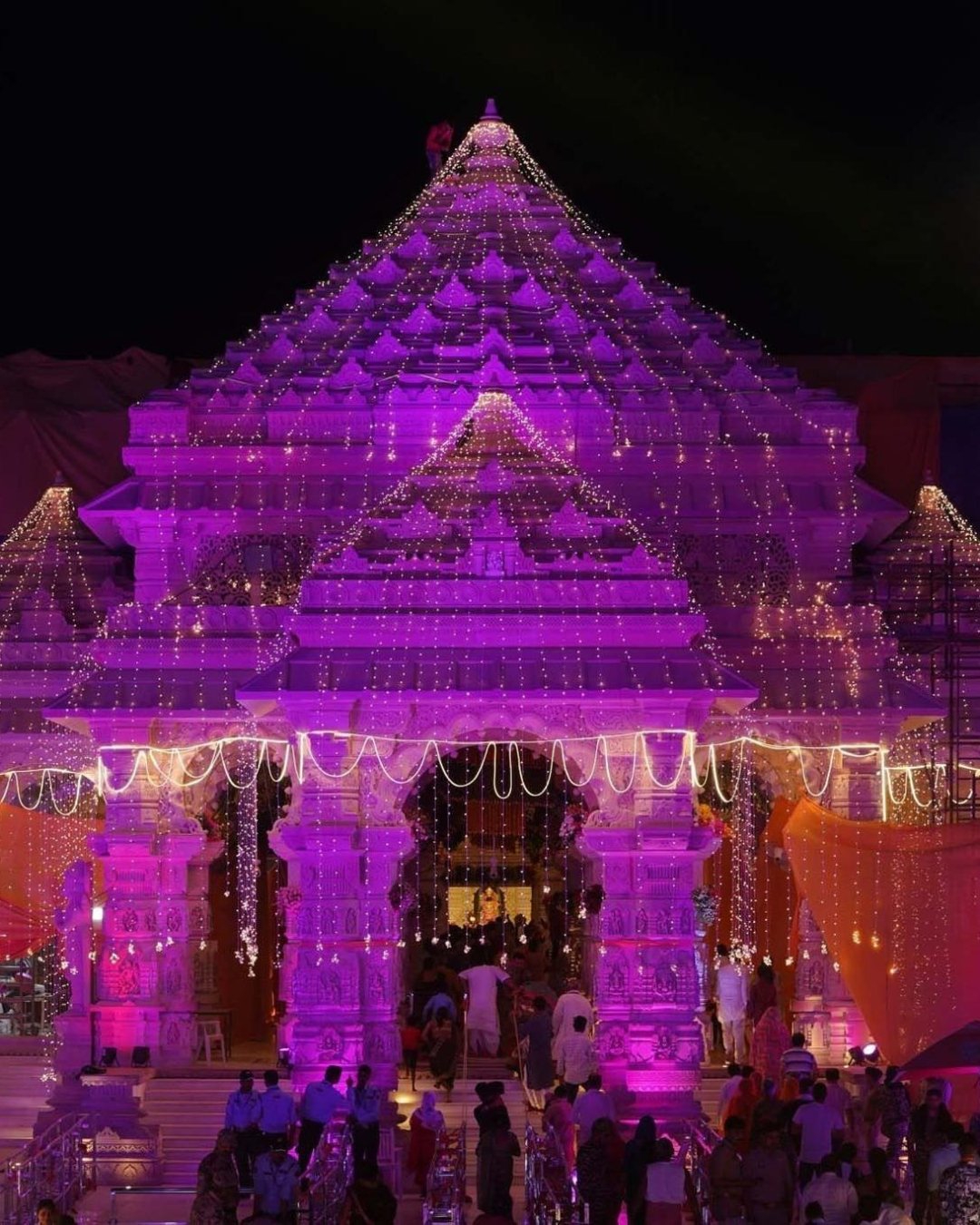
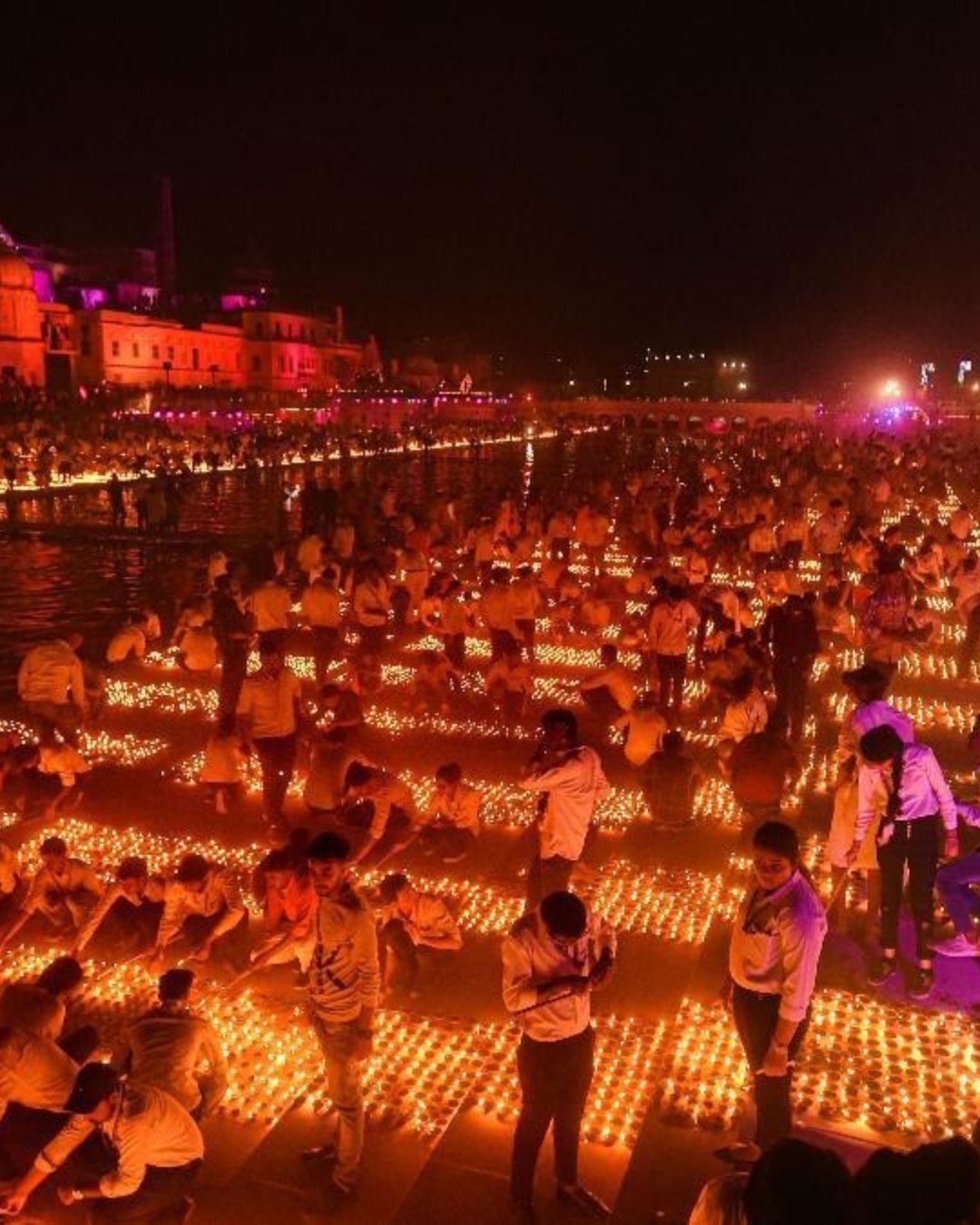
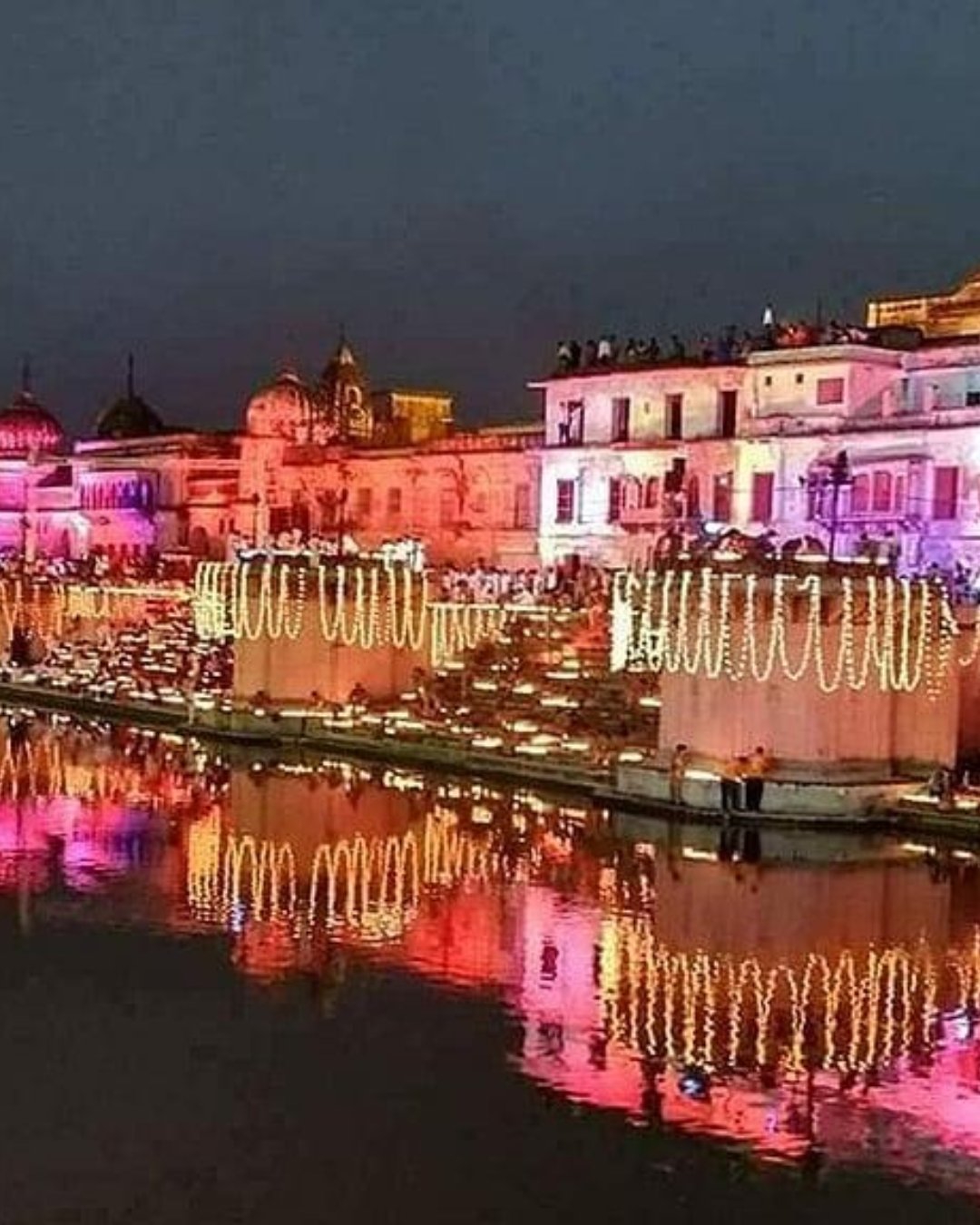
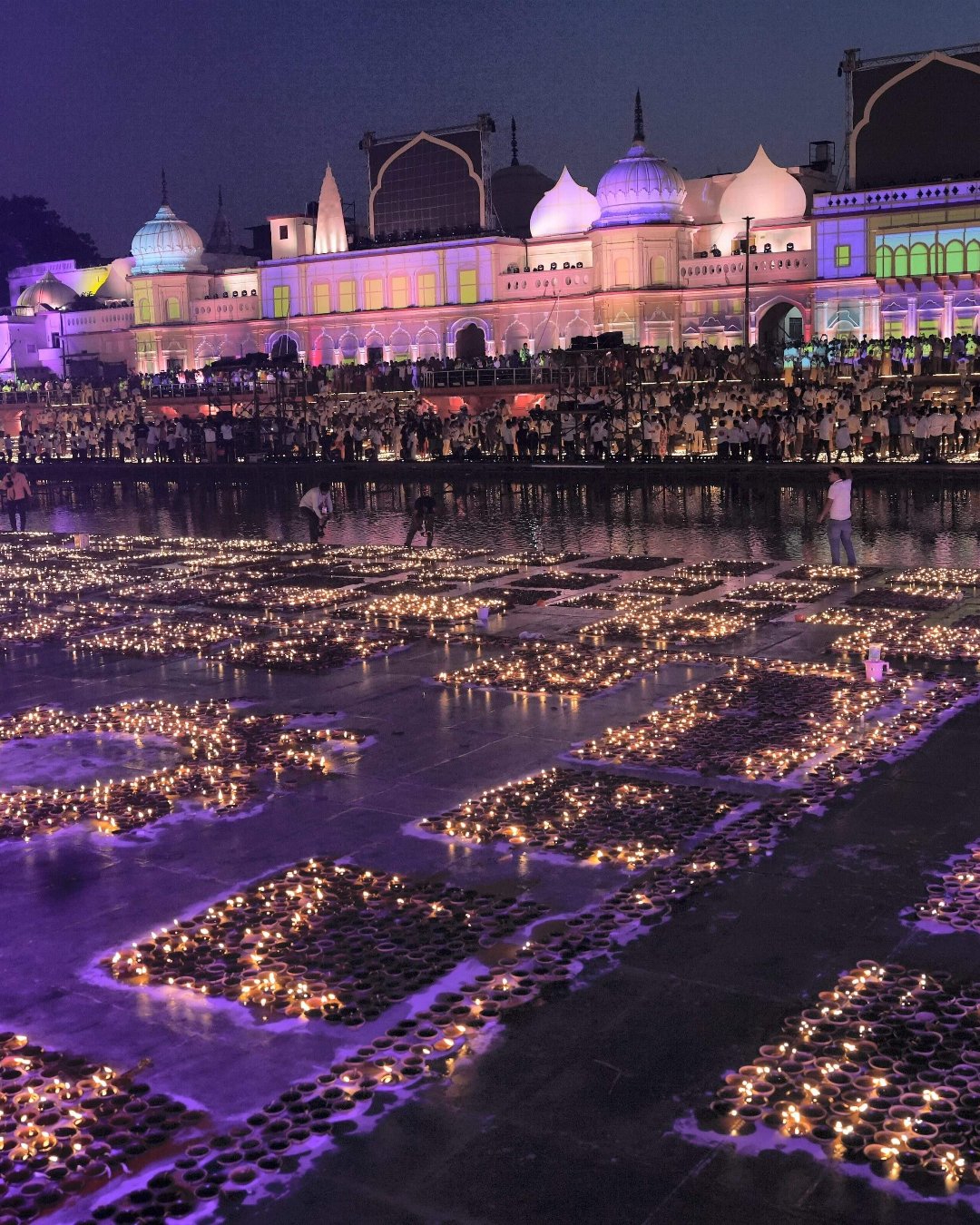
Deepotsav, Ram Navami and the Festival Calendar
Twice a year the town stops being a place you visit and becomes an event you attend.
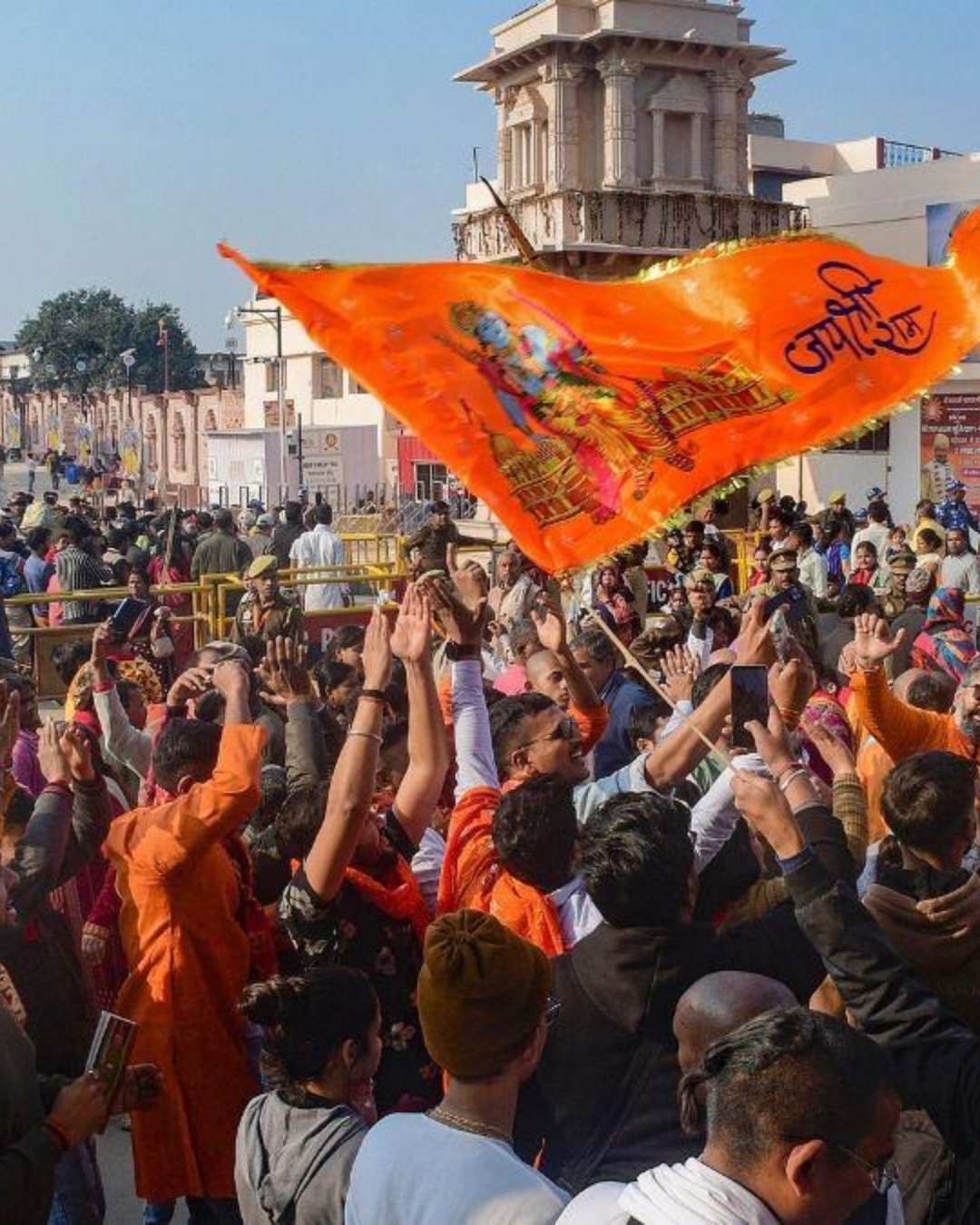
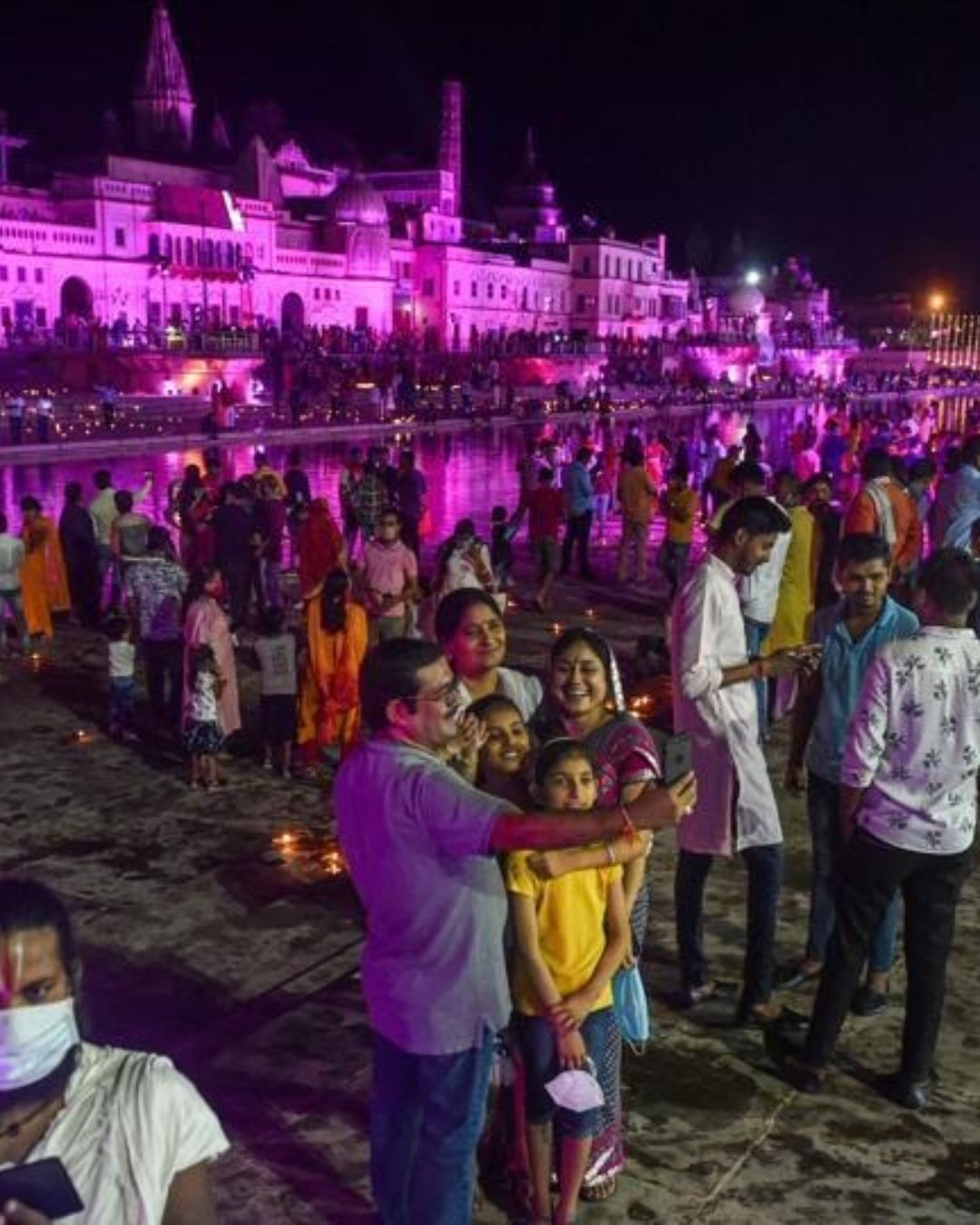
•Deepotsav, on the eve of Diwali, sees hundreds of thousands of lamps lit along the Saryu ghats and sets records most years.
•Ram Navami in spring marks Ram's birth and fills the temple complex beyond ordinary capacity. It is also the day of the Surya Tilak.
•The consecration anniversary in late January has become a third annual peak since 2024.
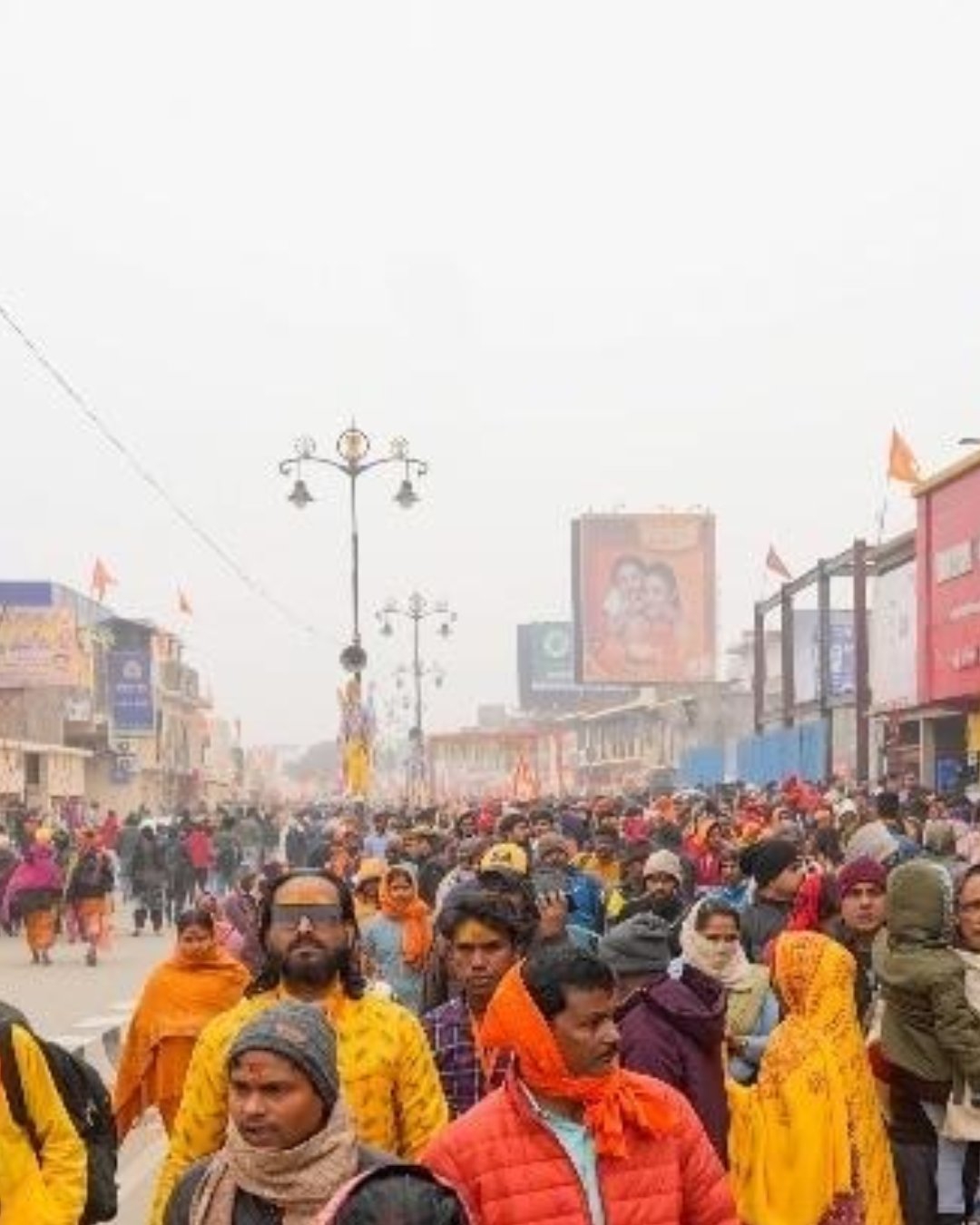
•On all of these, accommodation sells out months ahead and road access near the temple and the ghats is restricted on the main day.
•Smaller festivals — Shivratri at Nageshwarnath, Holi, Kartik observances on the river — fill the calendar between them.
•These are extraordinary times to be here. The answer is to plan early rather than to avoid them.
Pro tip: If a festival is your reason for travelling, book the room before the train. Seats are released closer to the date and can be worked around; the room cannot.
The mistakes that ruin it:
•Arriving in a festival week by accident.
•Expecting normal access, normal prices or a normal queue on the main day.
20
MomentLenskart.com at Civil lines, Ayodhya (Harry Potter Collection), Faizabad
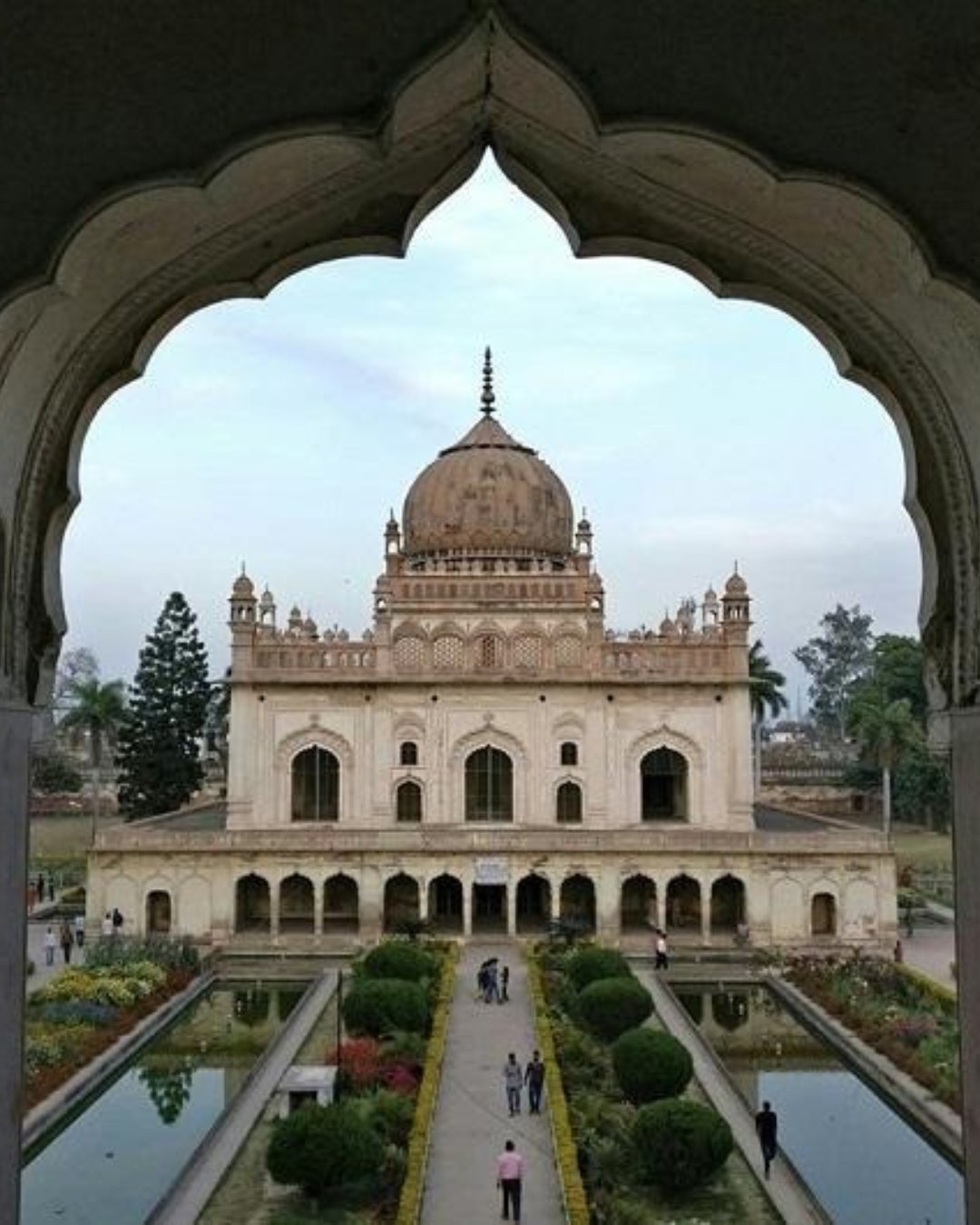
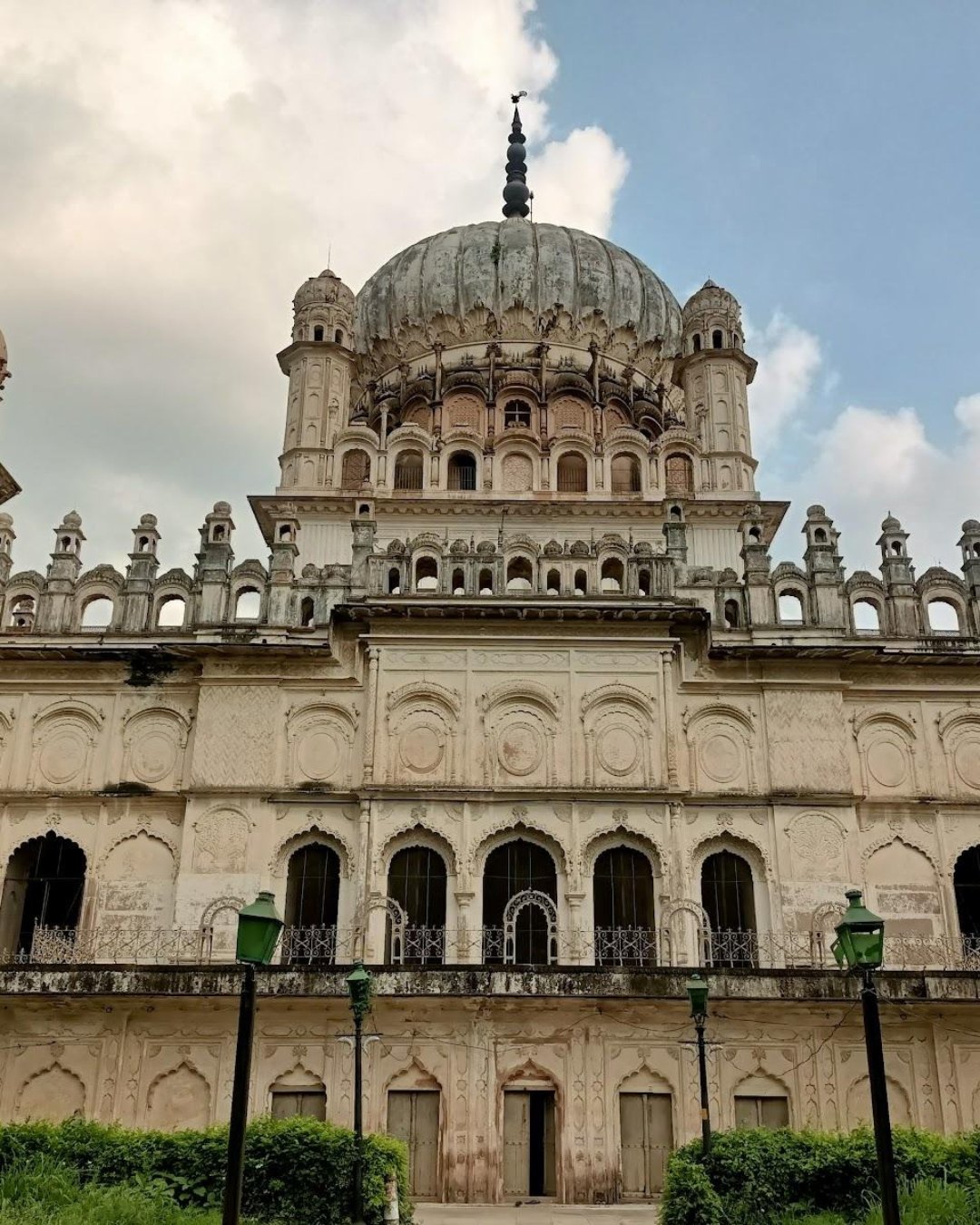
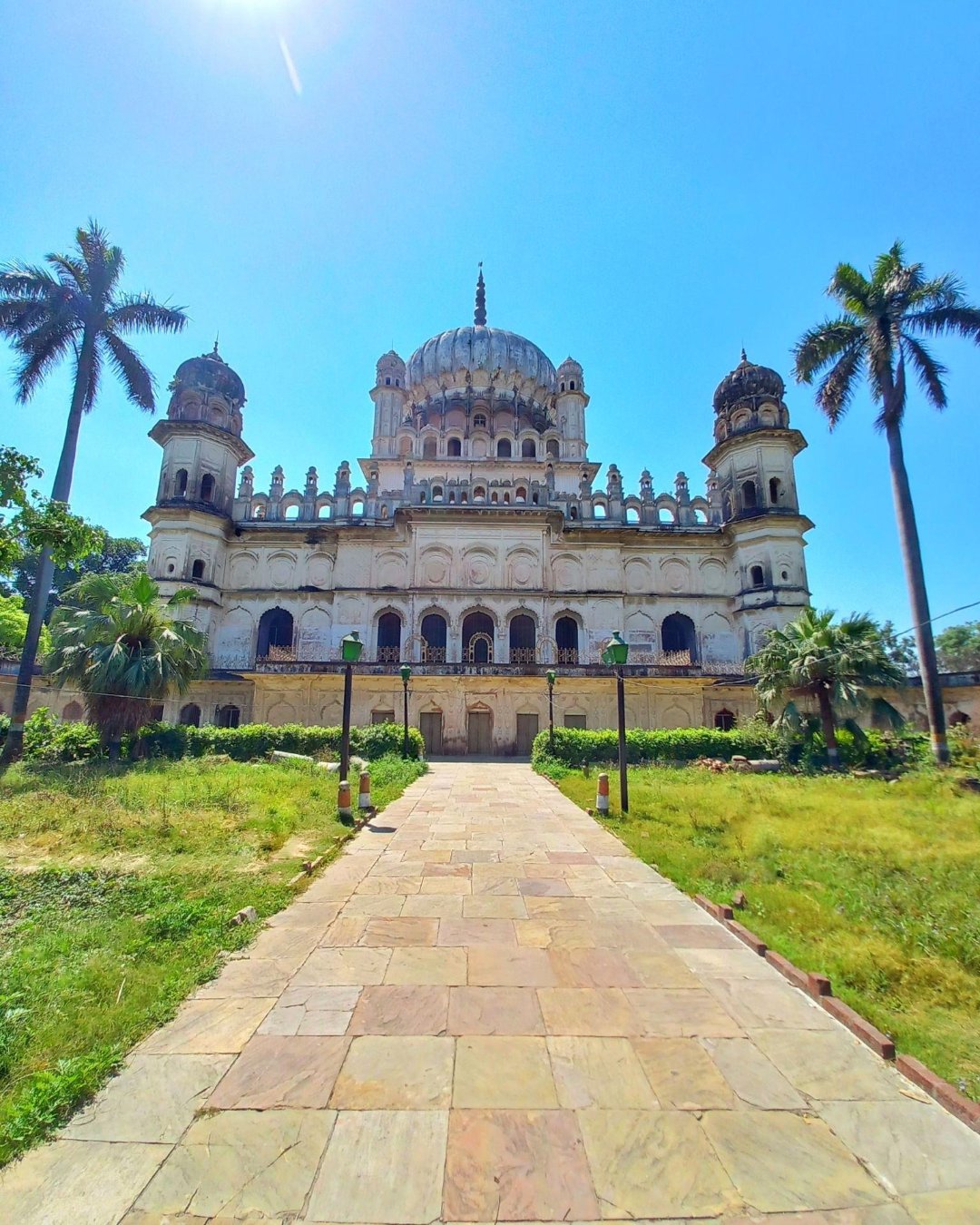
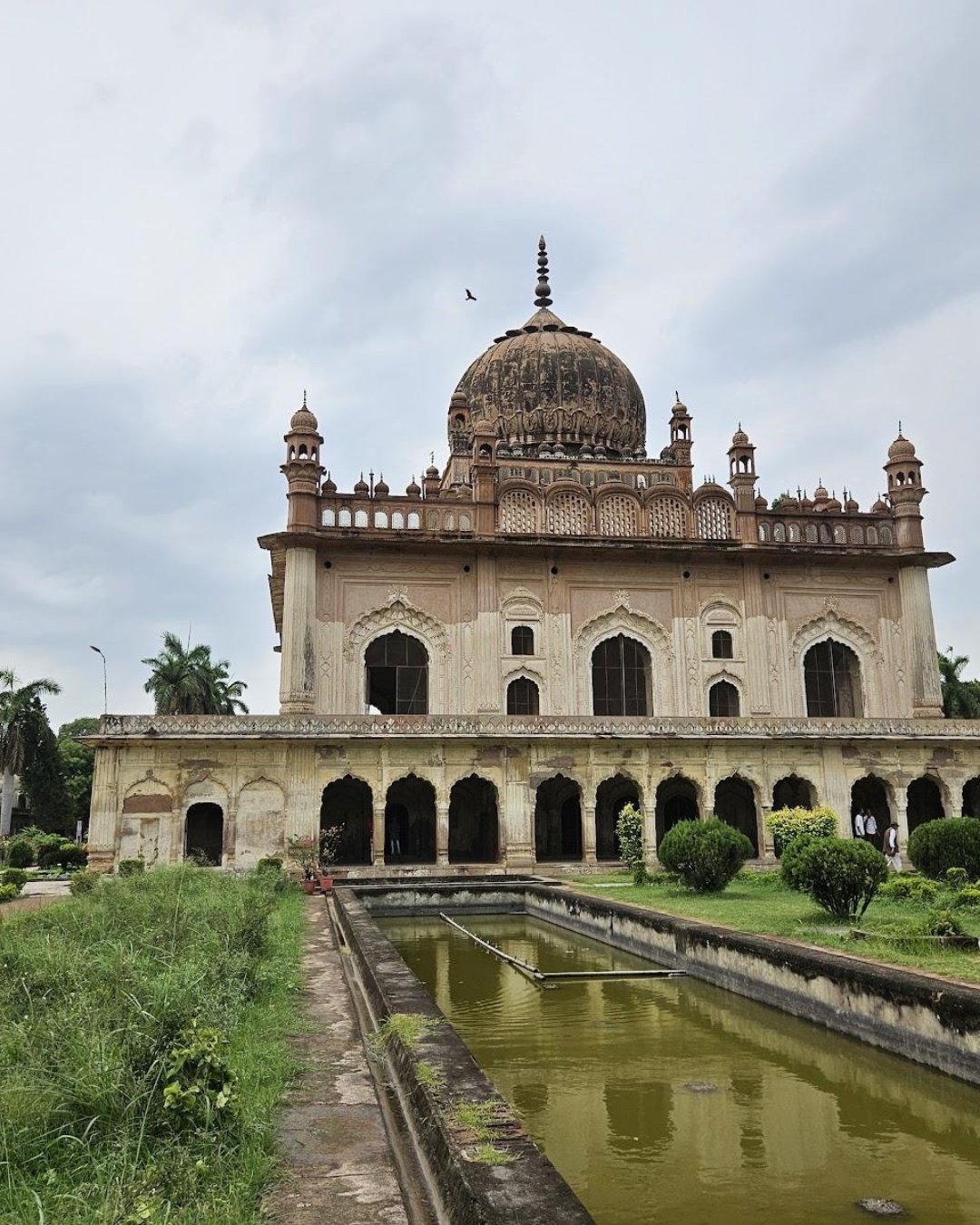
Ayodhya and Faizabad Are Not the Same Story
Faizabad was not Ayodhya renamed, whatever you may have read.
•Ayodhya is an ancient town. Faizabad was founded separately in 1722 by Nawab Saadat Ali Khan, who built a fort and cantonment nearby, and the two sit about seven to eight kilometres apart.
•In November 2018 the Uttar Pradesh cabinet renamed Faizabad DISTRICT as Ayodhya district and moved the administrative headquarters to Ayodhya city. The city of Faizabad still exists.
•In 2021 Faizabad Junction railway station was renamed Ayodhya Cantt, which is why older tickets, timetables and guides use both names.
•Practically this matters when you book: hotels, buses and services are still listed under Faizabad, often at different prices.
•It also matters for what you see. Faizabad has Nawabi architecture — Gulab Bari, Bahu Begum ka Maqbara — which is a completely different register from the temple town.
•Search both names when planning, and expect either to appear on your own booking confirmations.
Pro tip: Search Faizabad as well as Ayodhya when booking anything. The same hotels and services appear under both names, sometimes at noticeably different prices.
The mistakes that ruin it:
•Assuming a Faizabad listing is in a different town.
•Booking a station without checking which of its two names your ticket uses.
39
MomentShri Hanuman Garhi Mandir, Ayodhya
Almost Nobody Comes to Ayodhya Alone
Ayodhya is usually one stop on a longer line, and planning it that way makes everything easier.
•The standard circuit is Ayodhya, Prayagraj and Varanasi, linked by short rail hops along the same corridor.
•Lucknow is the practical air gateway for all three, and Gorakhpur opens the Buddhist circuit and the route toward Nepal.
•Sravasti, about 110 km north, is the most under-visited significant site within easy reach and connects Ayodhya to a completely different tradition.
•Sequencing matters: you want a free sunset in both Ayodhya and Varanasi, which rules out some orderings.
•Distances between all of these are a few hours, so the circuit is comfortable rather than punishing.
•Two to three days in Ayodhya, one to two in Prayagraj and two in Varanasi is the shape that works for most people.
Pro tip: Build the circuit around the two evening aartis — the Saryu here and the Ganga at Varanasi — and let the trains fit around them rather than the other way round.
The mistakes that ruin it:
•Planning each city as a separate trip.
•Ordering the circuit by map distance instead of by evening timings.
Destination
Ayodhya, Uttar Pradesh, India
Common questions
01Question
Which state is Ayodhya in?
Uttar Pradesh, in eastern India, on the right bank of the river locally called the Saryu. It is the headquarters of Ayodhya district and sits about 135 km from Lucknow, 157 from Prayagraj and 191 from Varanasi, all on the same rail corridor.
02Question
What was the old name of Ayodhya?
The town is generally identified with Saketa, an important city of the Kosala kingdom in the first millennium BCE, and both names appear for the same place from the Gupta period onward. It is counted among the seven sacred cities of Hindu tradition.
03Question
Which river is Ayodhya on?
The Ghaghara, known locally as the Sarayu or Saryu. The old town sits along its right bank, and the ghats at Ram Ki Paidi are the ritual centre of the riverfront, with a free evening aarti at sunset and the Deepotsav lamp lighting each year.
04Question
What is the best time to visit Ayodhya?
October to March, when days are pleasant and walking between temples is comfortable. April to June is genuinely hot for open-air queueing. The catch is that the best weather overlaps the biggest festivals, so late October to December usually gives the best balance.
05Question
How many days do you need in Ayodhya?
One full day covers the main temples and the sunset aarti. Two days lets you take both darshan windows and reach the older temples and Guptar Ghat. Three opens what is around the town. Give it at least one night, since a day trip misses both the early window and the aarti.
06Question
What is Deepotsav?
The lamp-lighting festival on the eve of Diwali, when hundreds of thousands of diyas are lit along the Saryu ghats. It sets records most years and draws national coverage. Accommodation sells out months ahead and road access near the temple and ghats is restricted on the main day.
07Question
Is Ayodhya the same as Faizabad?
No, though they are closely linked. Faizabad is an eighteenth-century Nawabi city founded in 1722, about seven kilometres away. In November 2018 the Uttar Pradesh cabinet renamed Faizabad district as Ayodhya district, and in 2021 Faizabad Junction became Ayodhya Cantt. Search both names when booking.
08Question
Should I combine Ayodhya with other cities?
Almost everyone does. The standard circuit is Ayodhya, Prayagraj and Varanasi, linked by short rail hops on the same corridor, with Lucknow as the air gateway. Sravasti, about 110 km north, is the most under-visited significant site within easy reach.
More to explore
Go further into one part of this trip.
- 01Flights, trains and the station that strands you
- 02The monastic city most visitors miss
- 03The three walking circuits
- 04The temples in walking order
- 05Brass, rudraksha and what to carry home
- 06The quietest hour in India
- 07What the temple actually is
- 08Kachori mornings and the winter dessert
- 09Which side of town to sleep on
- 10Darshan timings and the free pass
- 11What two days actually looks like
- 12The town that tells one story
- 13Day trips and where to go next
- 14Stay, transfers and transport, arranged
- 15The three-city circuit, sequenced