


Places to Visit in Ayodhya: Temples, Ghats & the Route
Hanuman Garhi, Kanak Bhawan and the Saryu aarti — Ayodhya's temples in the
order pilgrims actually walk them, and how to use the midday closure give me the overview of the journey which is related with the given title.
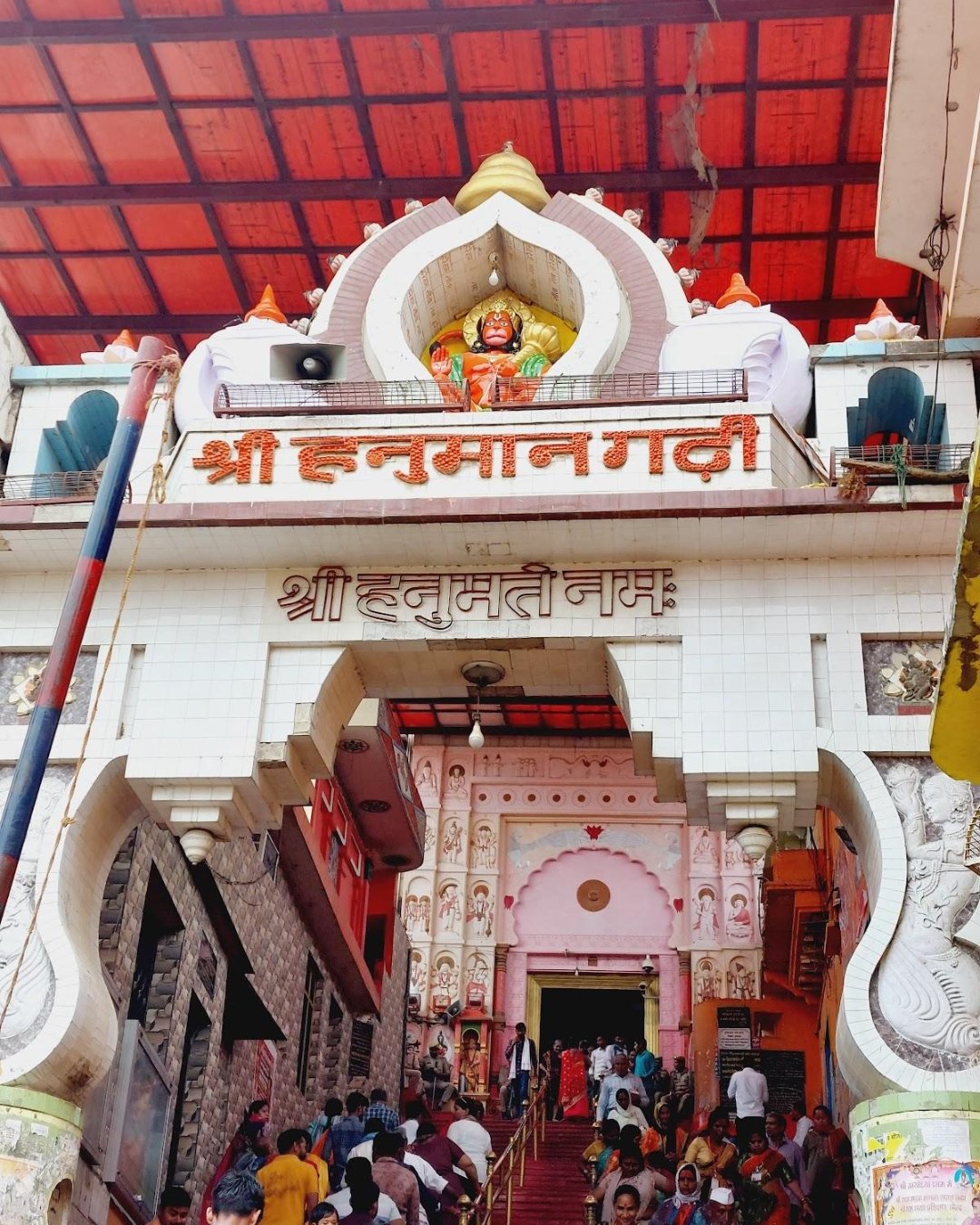
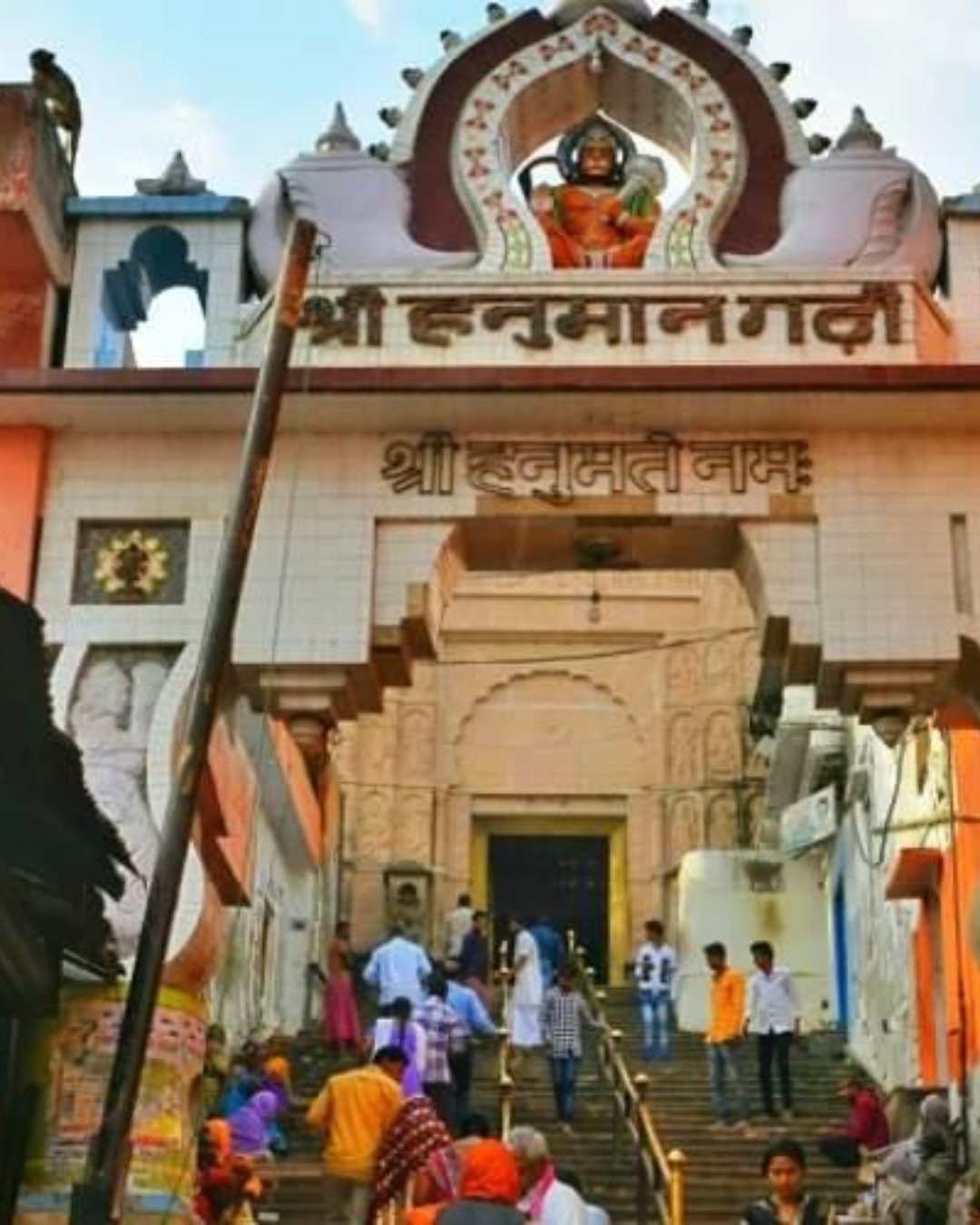
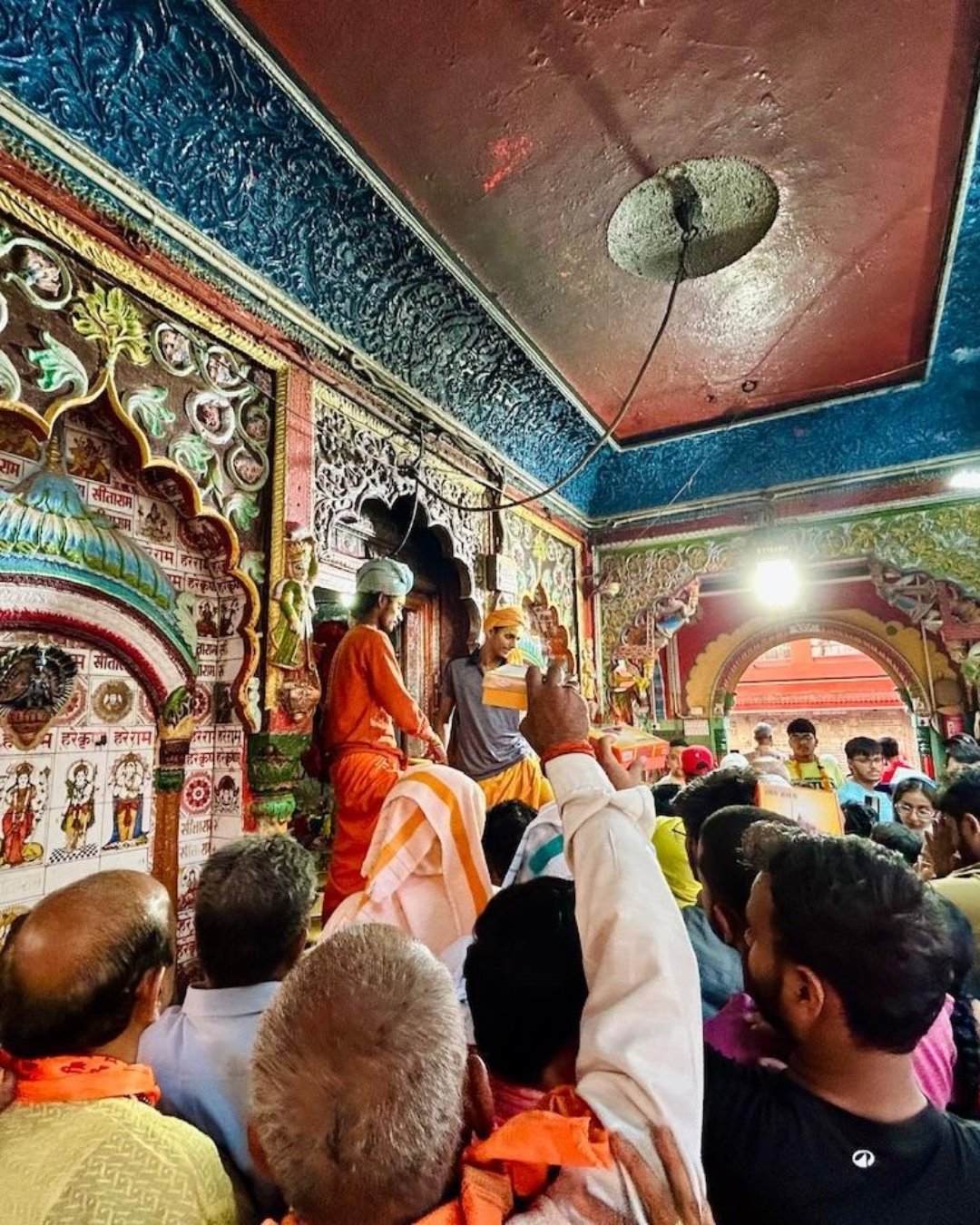
Start your Ayodhya journey in the morning at Hanuman Garhi, one of the city's most important Hanuman temples and a natural first stop for pilgrims. Climb the steps to the shrine, take time for darshan, and experience the lively lanes around the temple, where you will find flower sellers, prasad shops and devotees moving through the old pilgrimage quarter. From here, continue on foot towards Kanak Bhawan, keeping the route focused on the central temple area rather than repeatedly travelling across the city. Kanak Bhawan, associated with Sita and Rama, offers a calmer atmosphere and gives you time to appreciate its devotional setting and distinctive architecture.
The key to this journey is getting the timing right, especially around the midday temple closure. Do not assume that Ayodhya's temples remain open continuously throughout the day; darshan and पूजा timings can vary with the temple, season, festivals and special occasions. Complete Hanuman Garhi and Kanak Bhawan during the morning wherever possible, then use the middle of the day for lunch and a proper break. If your hotel is nearby, this is a good time to rest; otherwise, keep the afternoon relaxed with nearby sightseeing or shopping. This avoids wasting time arriving at a temple during its closure and gives you enough flexibility if morning queues take longer than expected.
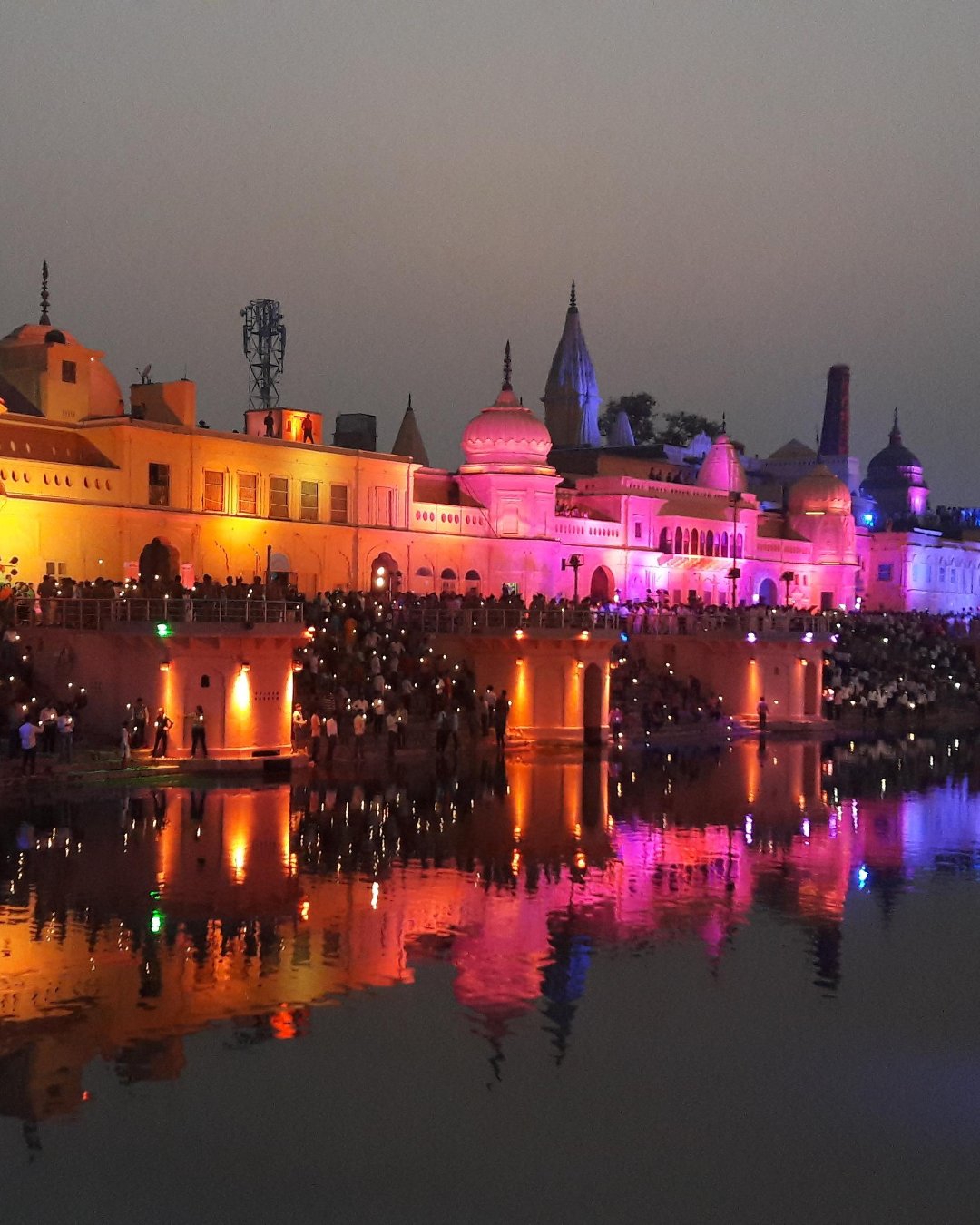
As the afternoon fades, make your way towards the Saryu riverfront for the evening. Arrive with enough time to walk to the ghat, find a suitable place and enjoy the atmosphere before the aarti begins. The riverfront feels very different from the narrow temple lanes: the open river, ghats, gathering pilgrims and evening light create a slower and more reflective part of the journey. The Saryu aarti is best experienced without rushing in at the last moment, particularly on weekends, festivals and other busy days when the waterfront can become crowded. Keep your belongings secure and take care around the steps and river edge.
The complete experience is therefore a simple flow: Hanuman Garhi → Kanak Bhawan → midday break → Saryu aarti. Start with the energetic pilgrimage atmosphere of Hanuman Garhi, continue to the more intimate setting of Kanak Bhawan, use the midday closure as a natural pause, and finish beside the Saryu in the evening. Wear comfortable footwear, allow extra time for crowds, follow current temple rules on photography and belongings, and check the latest darshan timings before your visit. Rather than trying to see every temple in one day, this route lets you experience Ayodhya at a comfortable pace while following the natural rhythm of its most important pilgrimage spaces.
Stops
Home
MomentShri Hanuman Garhi Mandir, Ayodhya
The Route, Not the List
Ayodhya is small enough to walk in a day, if you walk it in the right order.
•The pilgrim sequence traditionally begins at Hanuman Garhi, then Ram Mandir, then Kanak Bhawan, closing at the Saryu ghats for sunset.
•Almost everything of consequence sits within a few kilometres, so transport is a minor problem and timing is the major one.
•Most of these temples close in the middle of the day, on roughly the same rhythm as Ram Mandir, which is what makes the midday gap the planning problem it is.
•The core cluster — Hanuman Garhi, Kanak Bhawan, Dashrath Mahal — sits within a few hundred metres of each other and is genuinely walkable.
•The riverfront is a separate decision: Ram Ki Paidi for the evening, Guptar Ghat for a quiet morning, and they are several kilometres apart.
Pro tip: Walk the core cluster on foot and save transport for the river. The temples are closer together than any map suggests, and the walking between them is half of what makes the town legible.
The mistakes that ruin it:
•Treating it as a list to tick rather than a route to walk.
•Booking transport for distances of a few hundred metres.
•Arriving at the smaller temples during their midday closure.
17
MomentShri Hanuman Garhi Mandir, Ayodhya
Hanuman Garhi, Where the Pilgrimage Starts
Tradition says you come here before you go to Ram Lalla, and most first-time visitors do it the other way round.
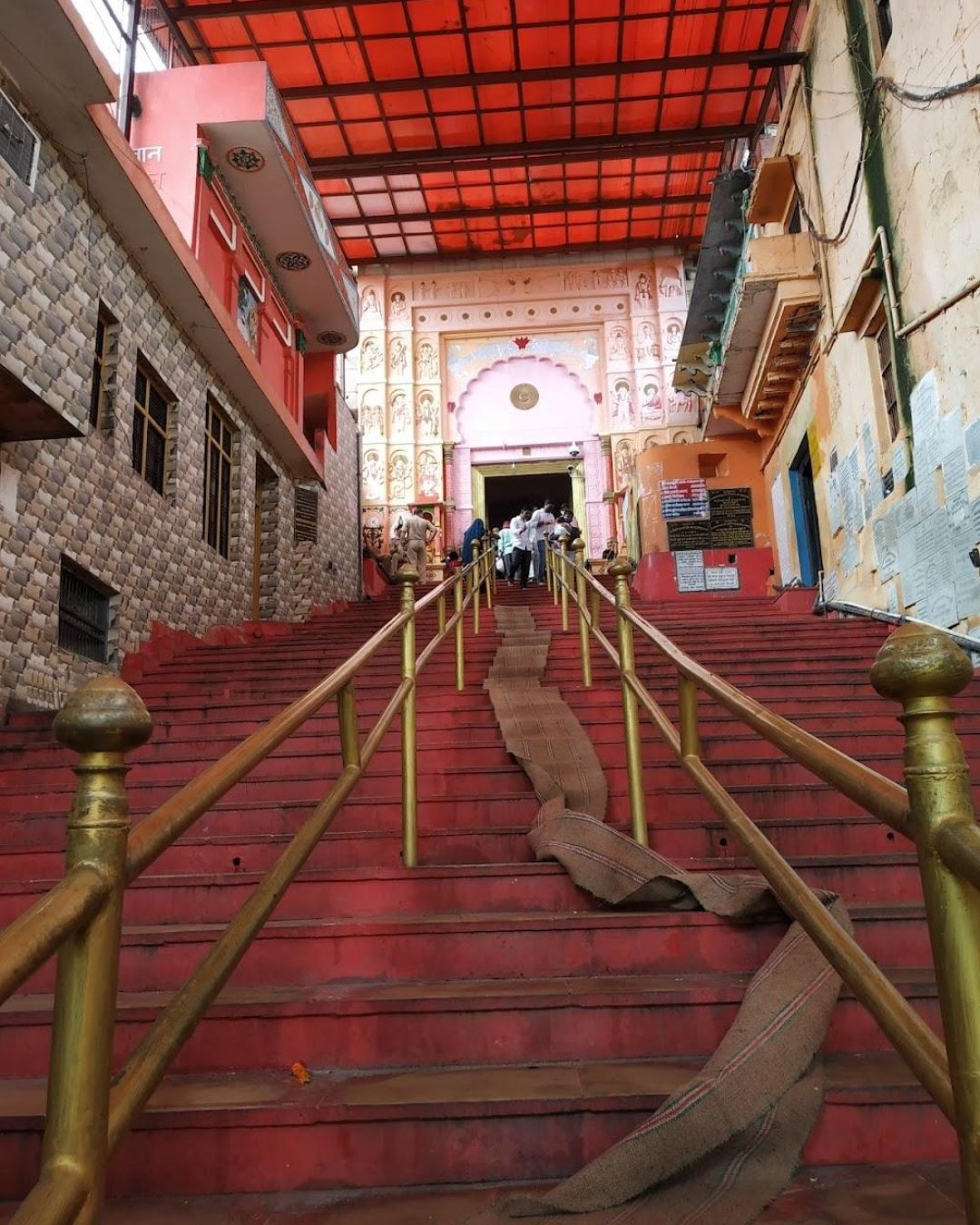
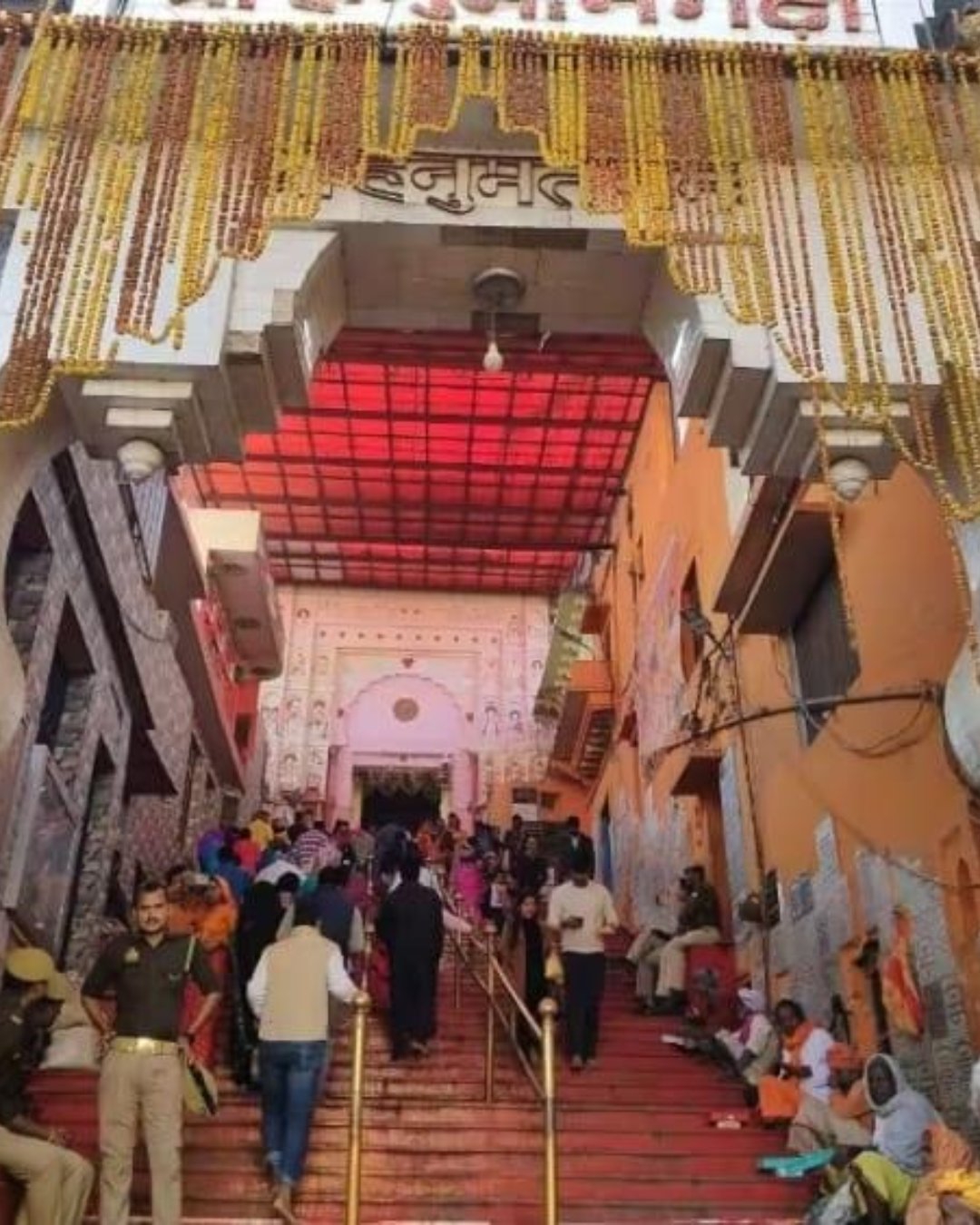
•A hilltop temple dedicated to Hanuman, reached by a climb of around seventy steps, a few minutes from Ram Mandir.
•The shrine holds Hanuman as a child, seated in the lap of his mother Anjani — which is a quieter image than the warrior form most visitors expect.
•Custom holds that Hanuman guarded the Janmabhoomi, and that pilgrims seek his permission before the Ram Mandir darshan. That is why the order matters.
•It is run by an akhara rather than by the temple trust, which is part of why it feels different from Ram Mandir the moment you walk in.
•Busiest at dawn and around evening aarti. The Ram Mandir midday closure is the calmest window.
•The climb is the barrier for elderly visitors and the reason to go early rather than in afternoon heat.
Pro tip: Go during the Ram Mandir midday closure. You get Hanuman Garhi at its quietest and you lose nothing from either darshan window — it is the single best use of that gap.
The mistakes that ruin it:
•Visiting after Ram Mandir and missing the point of the sequence.
•Underestimating seventy steps in May or June.
•Assuming it runs on the same timings as Ram Mandir. It does not.
14
MomentShri Kanak Mahal Ayodhya, janki ghat
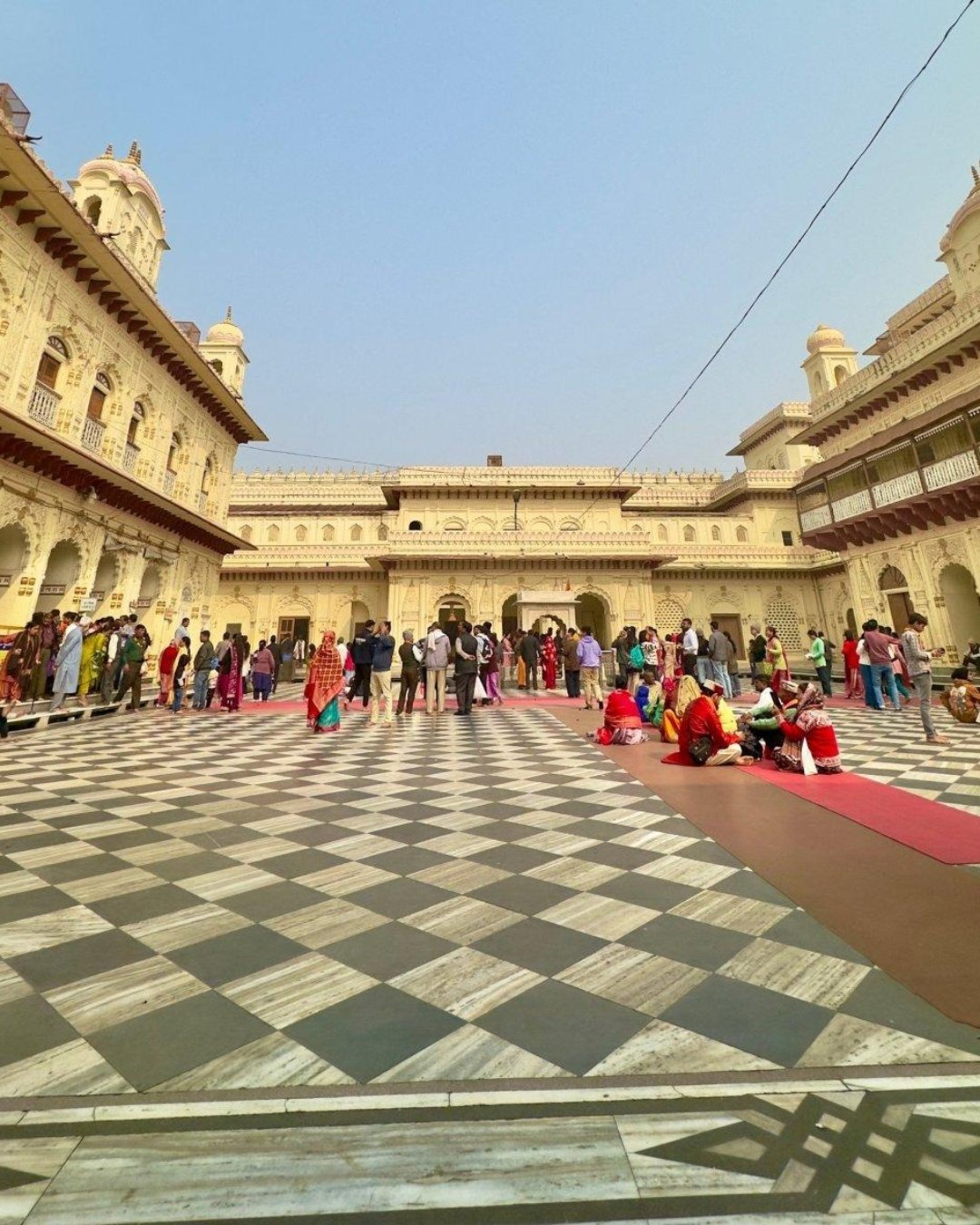
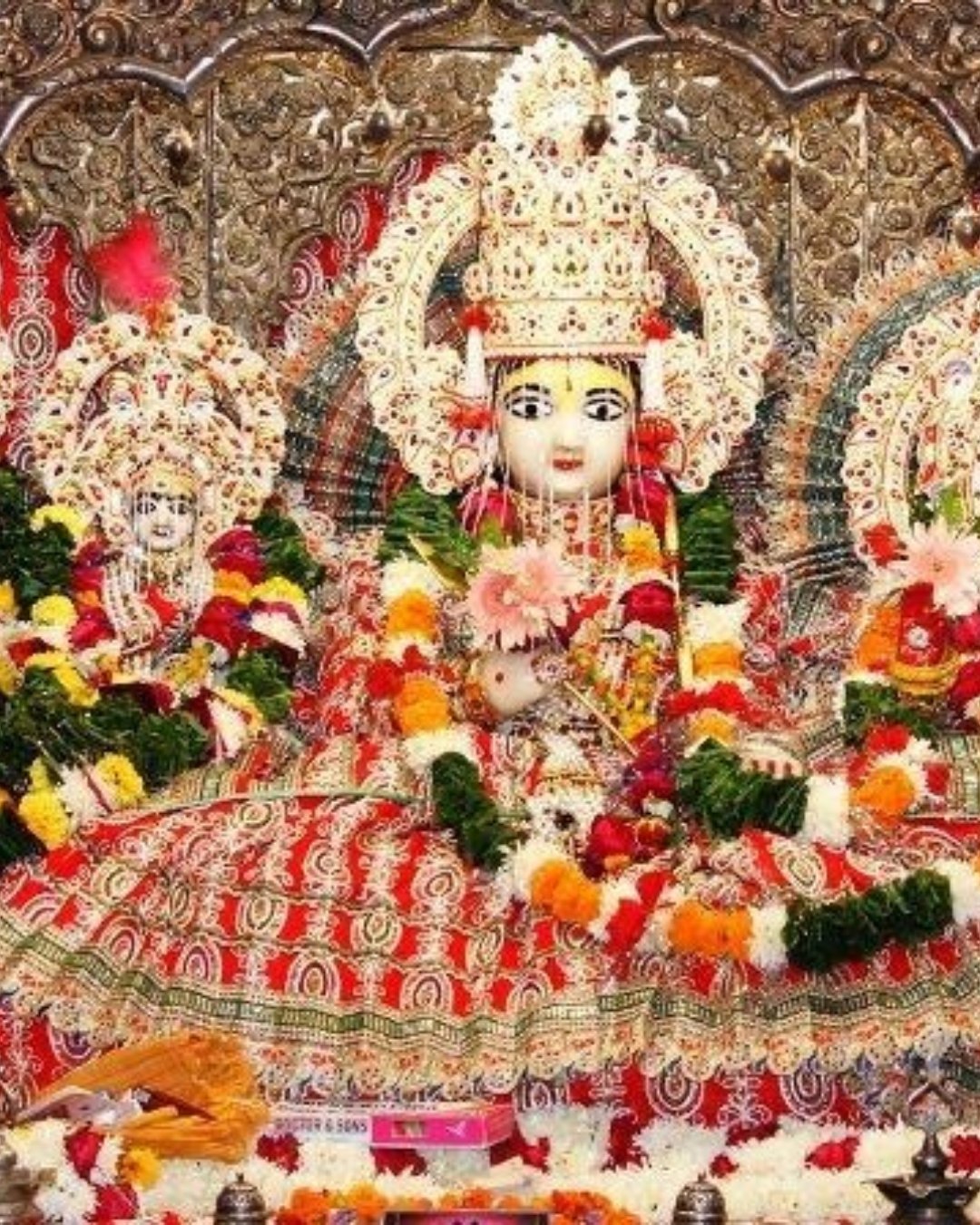
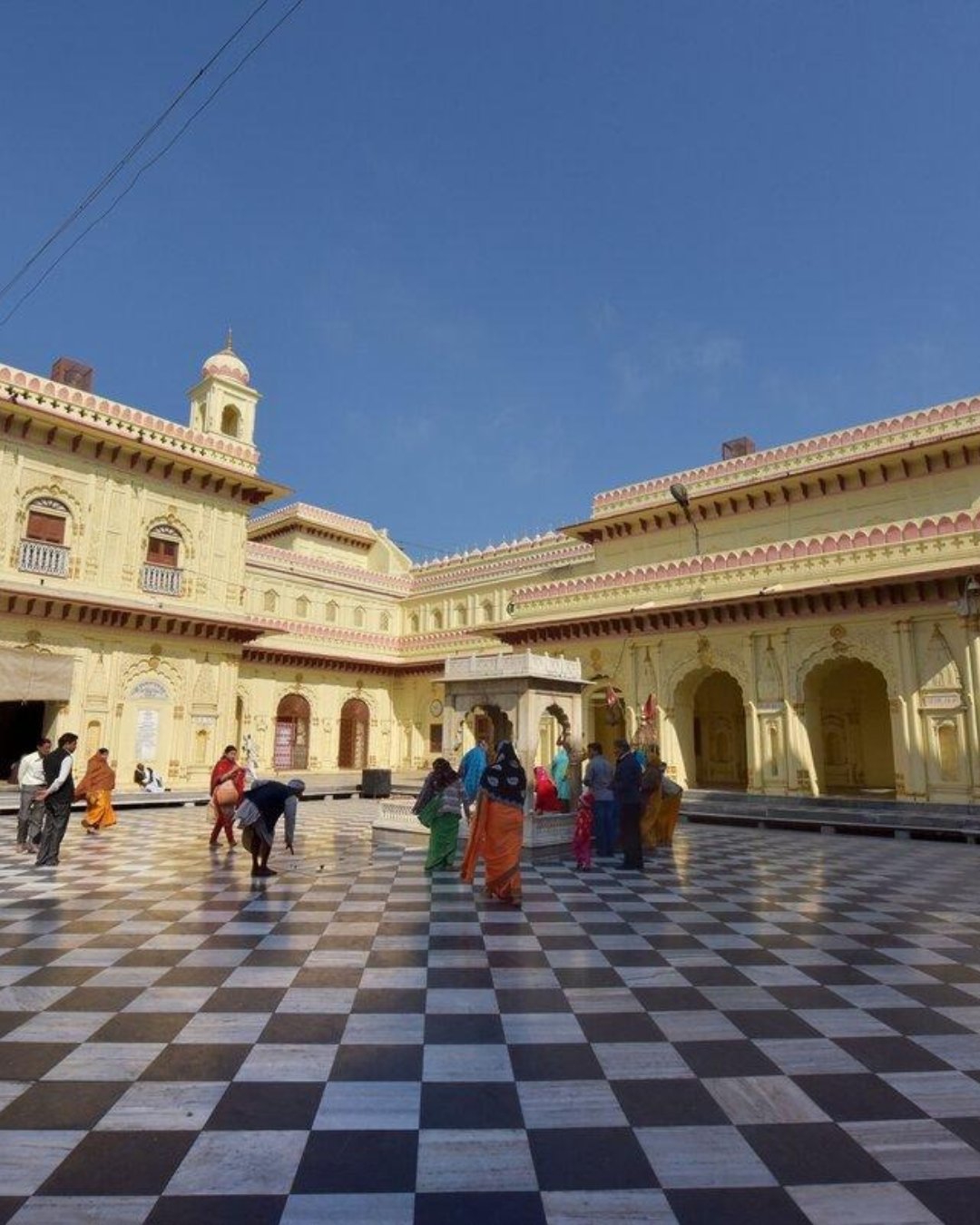
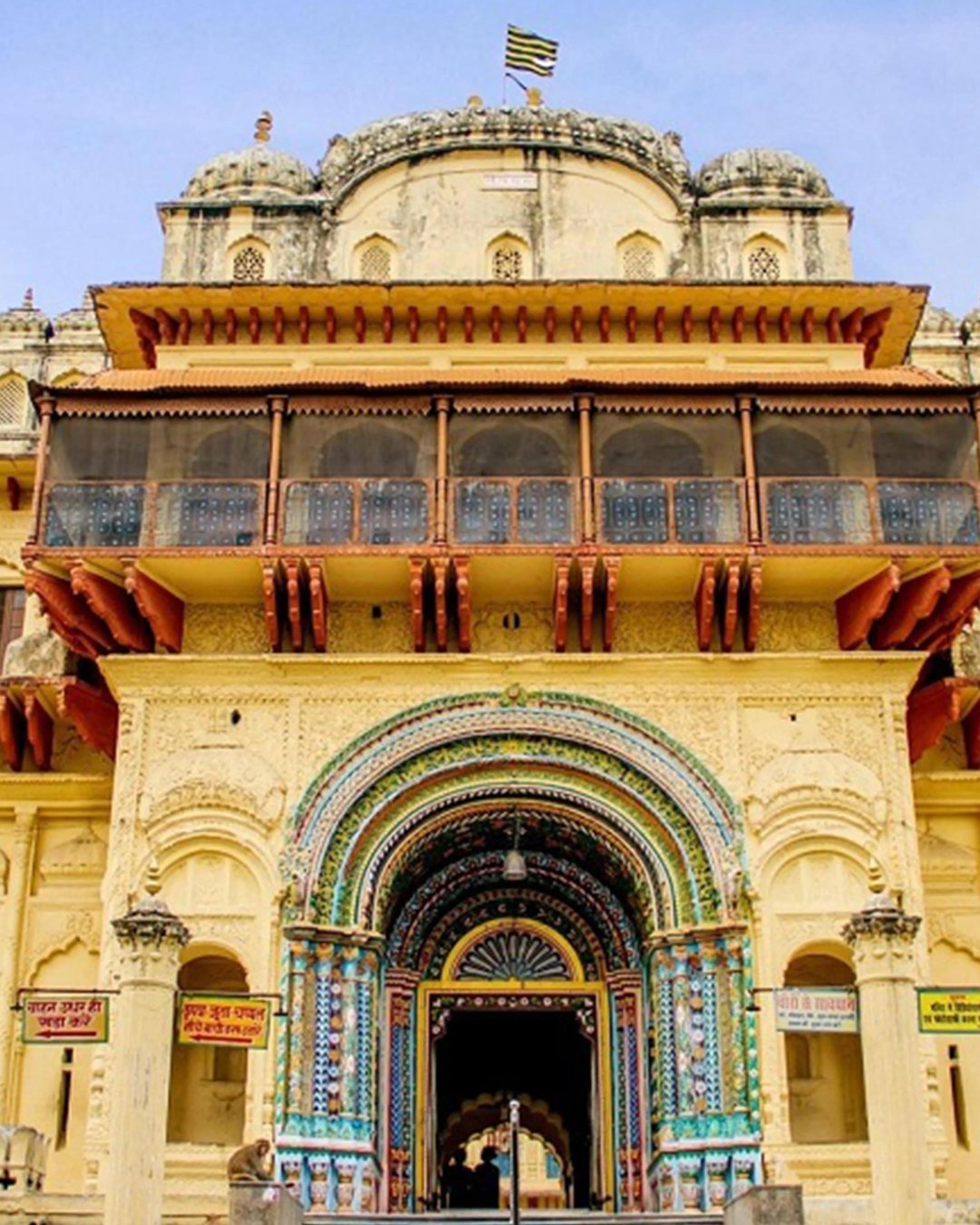
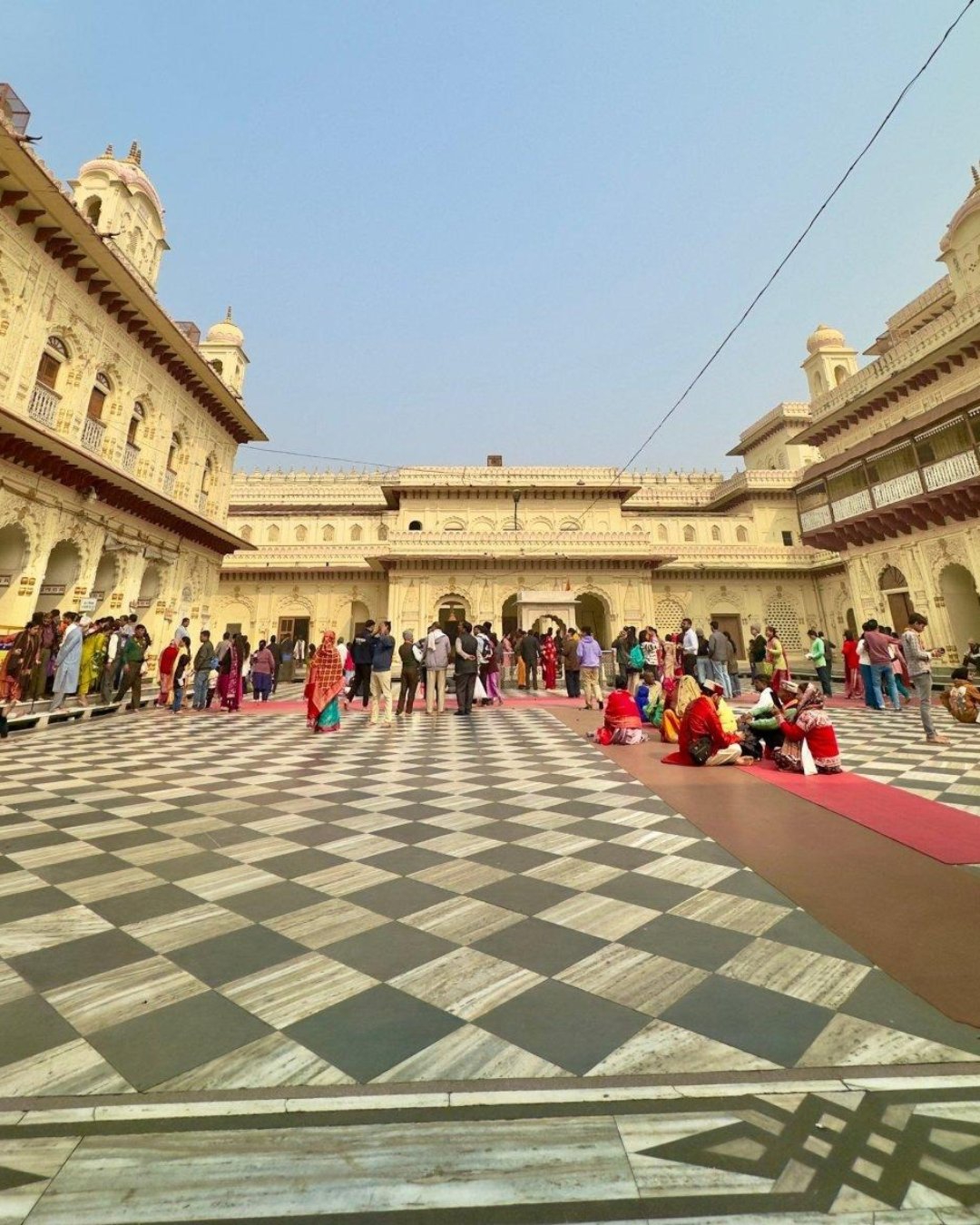
Kanak Bhawan, the Golden House
Five minutes from Ram Mandir is the most beautiful interior in Ayodhya, and most visitors give it ten minutes.
•Known as Sone ka Ghar, the golden house, for the gold-crowned idols of Ram and Sita beneath a silver roof.
•Tradition holds the palace was gifted to Sita by Kaikeyi immediately after her marriage to Ram — which makes it a temple about a marriage rather than about a birth.
•The present structure was built in 1891 by Vrishbhanu Kunwari, Queen of Tikamgarh, on a site rebuilt several times before that.
•Three pairs of idols stand side by side, named Kanak Bihari, Manak Bihari and Jugal Bihari, and temple priests describe them as installed in different eras.
•It sits north-east of Ram Janmabhoomi in Ramkot, walking distance from both Hanuman Garhi and the main temple.
•It closes for a stretch in the afternoon, so check before building it into a midday plan.
Pro tip: Go in the late afternoon once it reopens, before the light goes. The gold work is the whole point and it needs daylight coming through the courtyard to do anything at all.
The mistakes that ruin it:
•Arriving during the afternoon closure.
•Giving it ten minutes because it is not the main temple.
•Missing that there are three idol pairs, not one.
14
MomentDashrath Mahal Ayodhya, Ayodhya
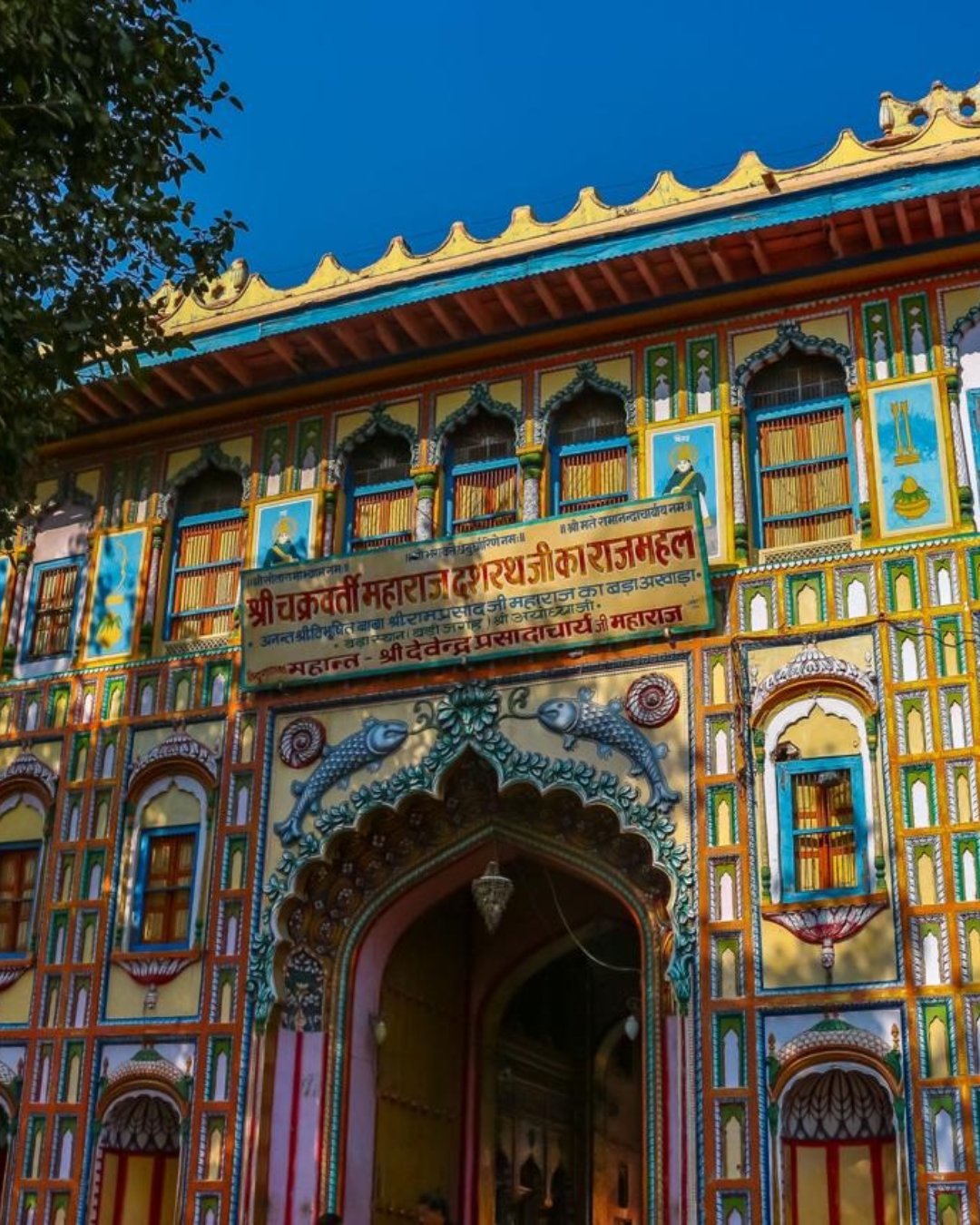
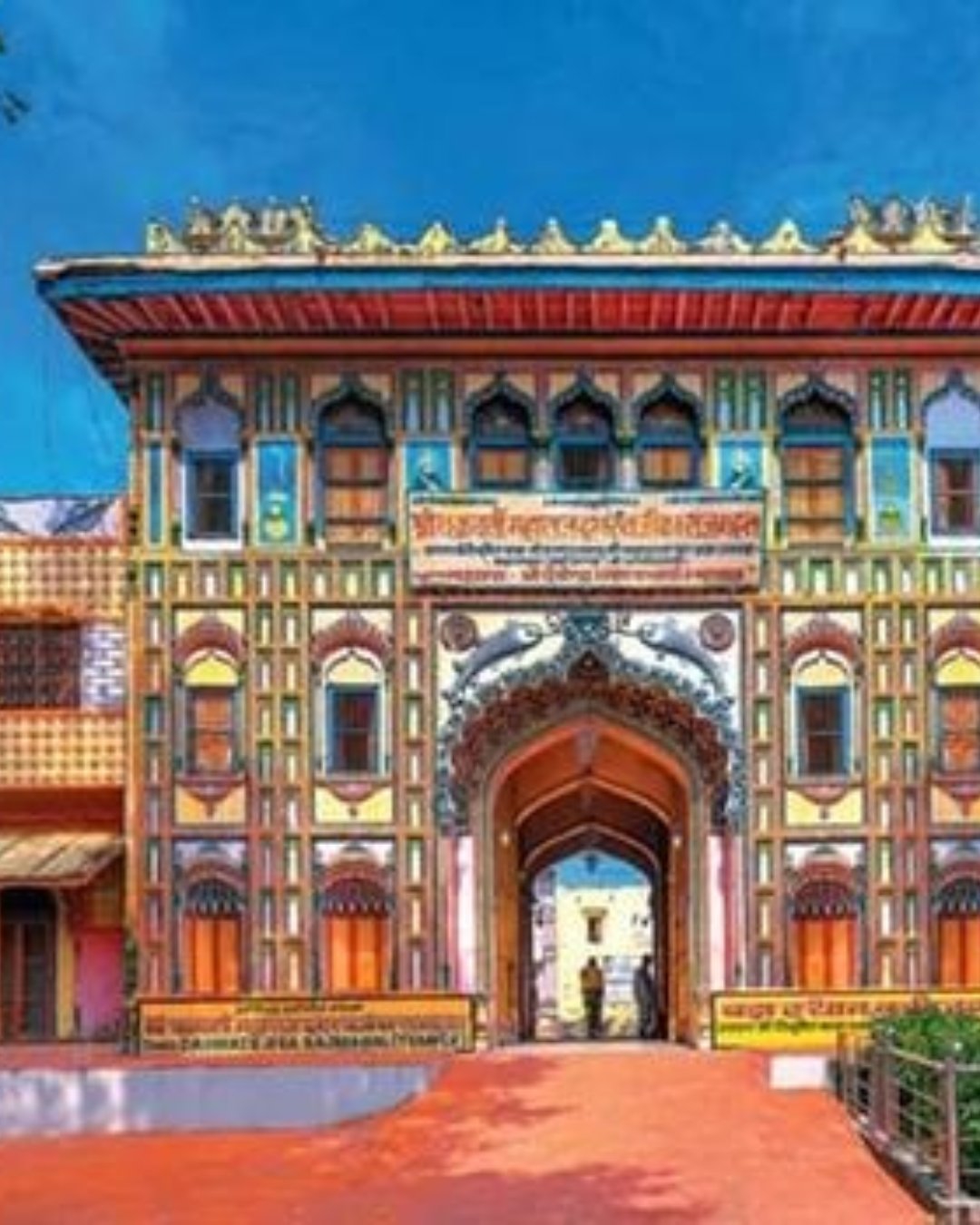
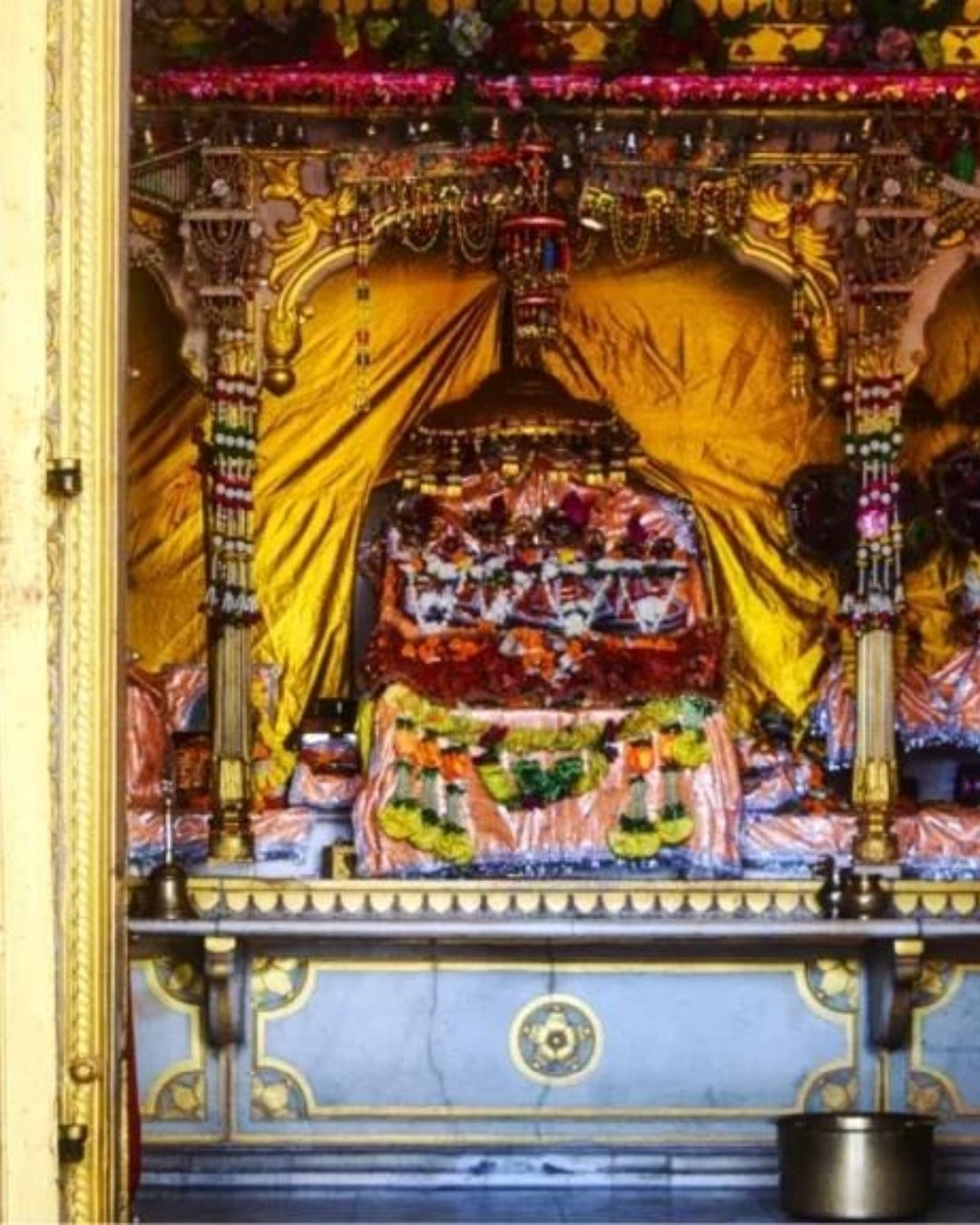
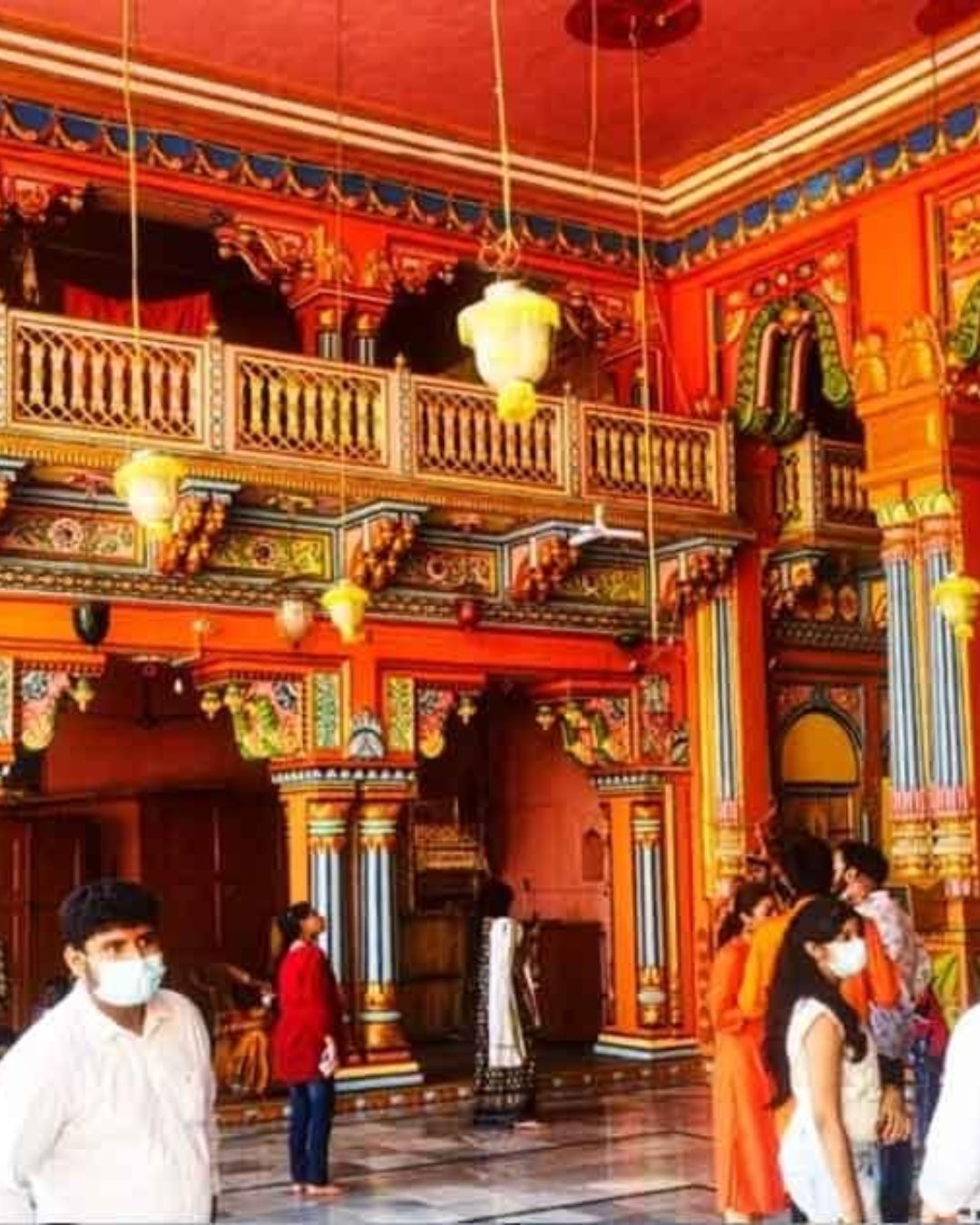
Dashrath Mahal and the Ramayana Addresses
Ayodhya is unusual among pilgrimage towns in that the epic has street addresses here.
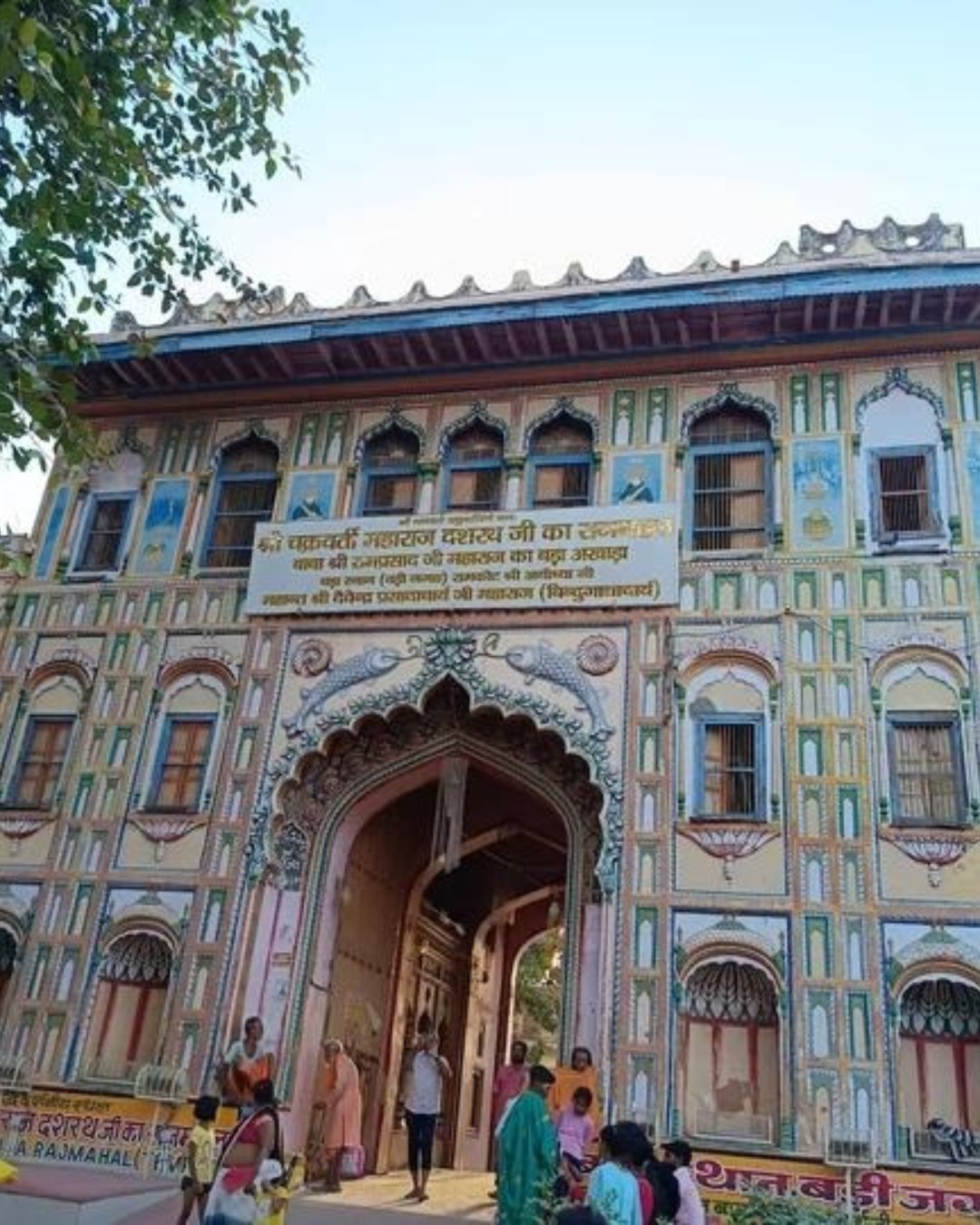
•Dashrath Mahal, traditionally the palace of Ram’s father, sits barely fifty metres from Hanuman Garhi and is sometimes called the heart of Ayodhya.
•Sita ki Rasoi is held to be Sita’s kitchen, and displays cooking implements as a shrine rather than a museum.
•Ramkot is the broader fortified area within which most of these sites sit.
•Individually several of these are small and easily walked past. Collectively they turn the Ramayana from a text into a set of locations.
•The Ram Katha Museum, established in the 1980s, holds material related to the Ram story and is the one genuinely curated stop in the old town.
•None of these takes long. The value is in stringing four or five together in a single walk.
Pro tip: Do these as one continuous walk rather than as separate visits. Individually they are ten minutes each; in sequence they are the best hour in Ayodhya.
The mistakes that ruin it:
•Visiting one, finding it small, and skipping the rest.
•Expecting museum-style interpretation at the shrines. There is almost none.
12
MomentShri Nageshwar Nath Mandir Ayodhya, Ayodhya
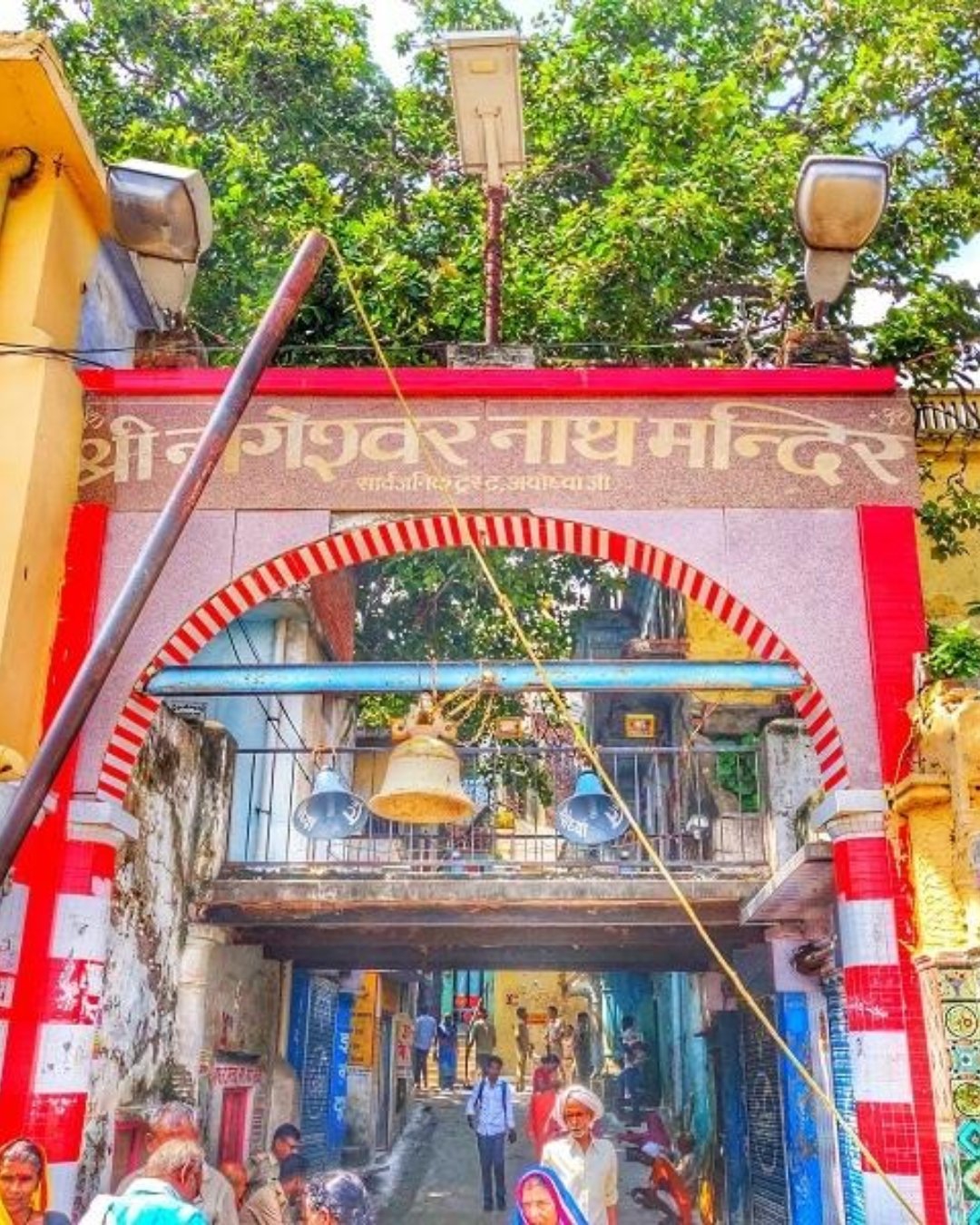
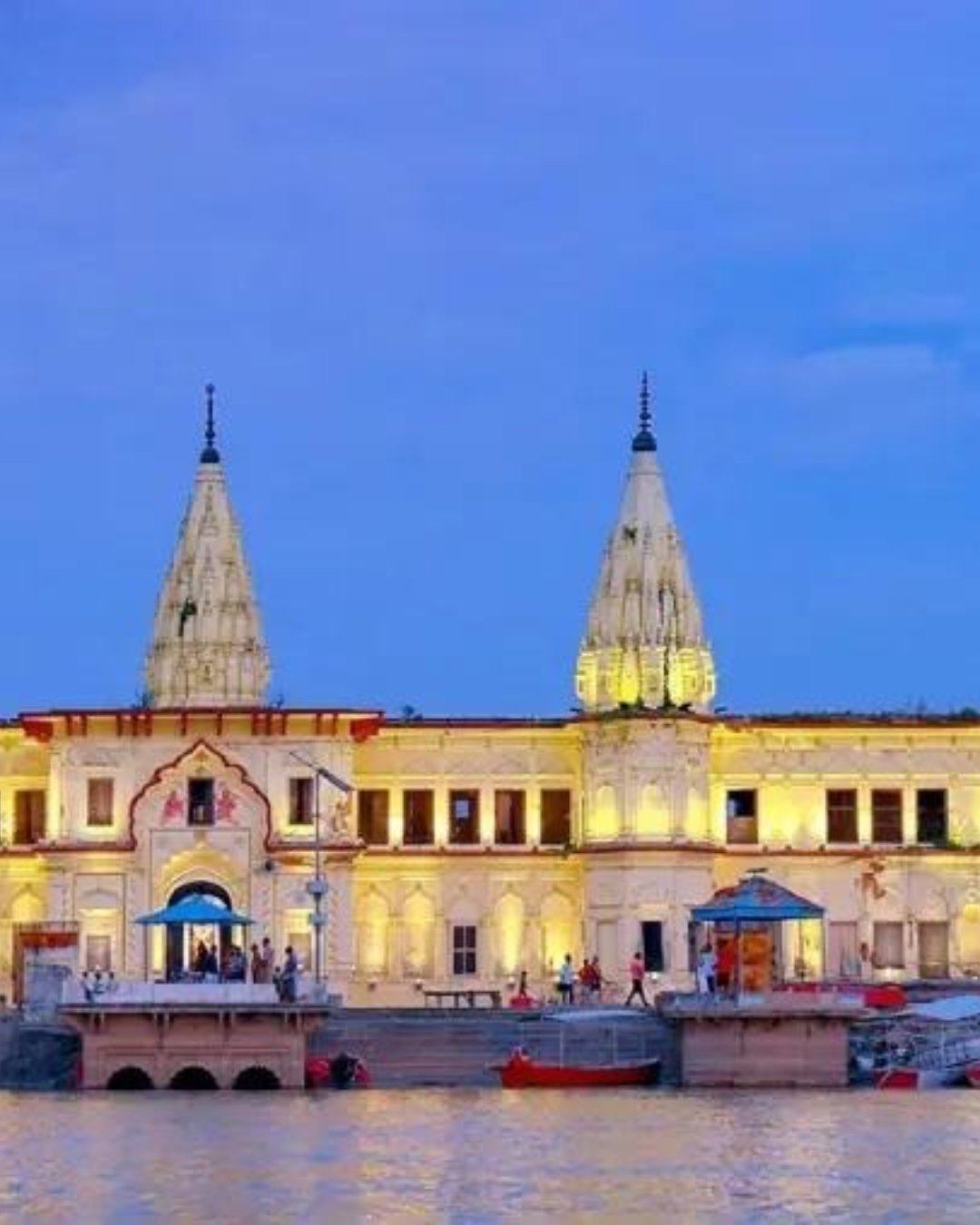
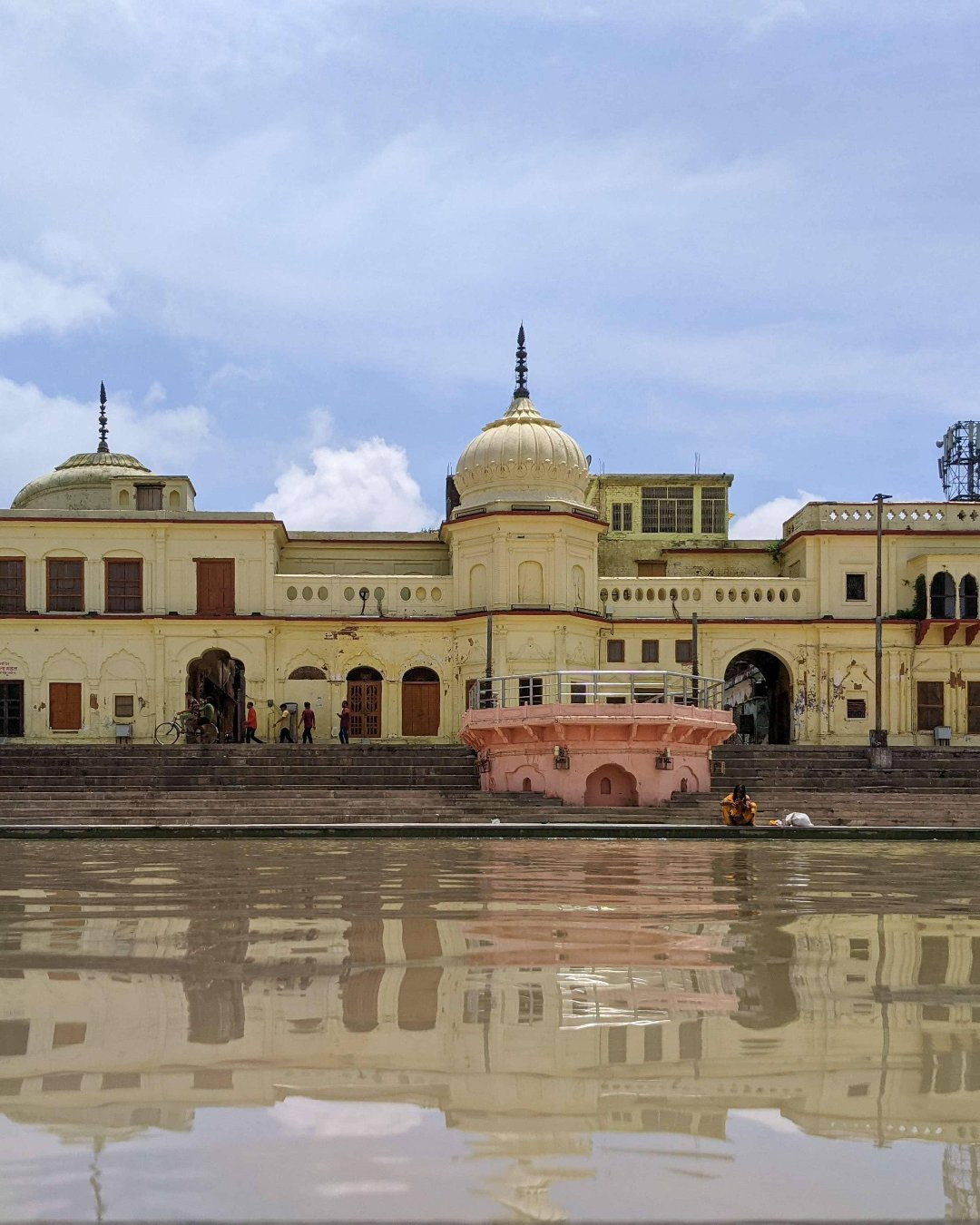
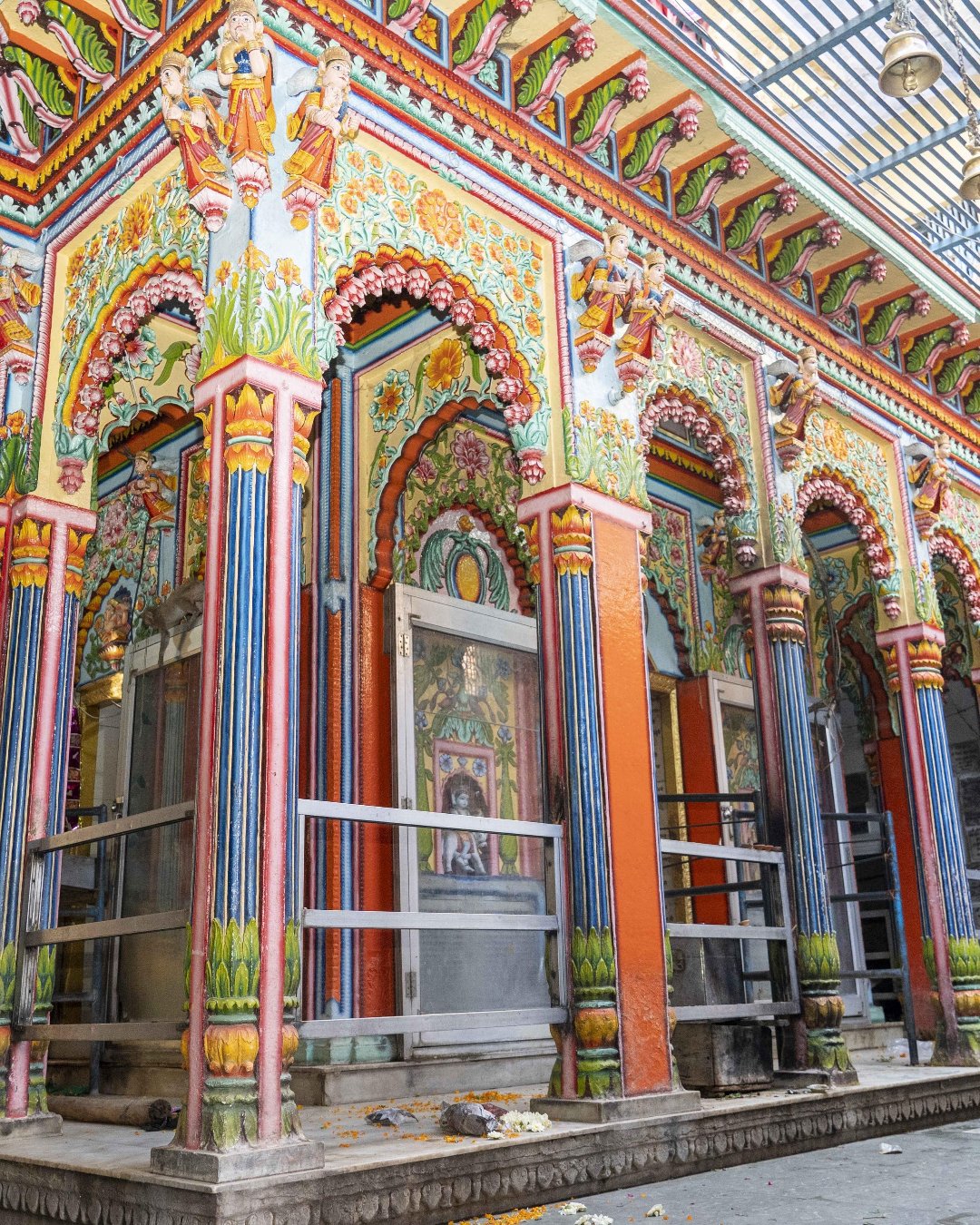
Nageshwarnath, Treta Ke Thakur and the Older Temples
Ayodhya was a temple town for centuries before 2024, and those temples are still standing.
•Nageshwarnath is among the oldest continuously worshipped sites in the town, dedicated to Shiva, and comes into its own at Shivratri.
•Treta ke Thakur stands on the bank of the Saryu, roughly three kilometres from Kanak Bhawan, and is associated with the site of Ram’s ashwamedha yajna.
•Several of these open only at limited hours or on particular days, which is why they stay quiet even in peak season.
•They receive a fraction of the Ram Mandir crowd despite being minutes away from it.
•There is also a Jain presence in and around Ayodhya that surprises almost every visitor, and a Shwetambar Jain temple in the town itself.
Pro tip: Spend a second morning here rather than repeating darshan. It is a completely different experience of the same town, and you will have most of it to yourself.
The mistakes that ruin it:
•Assuming the newest temple is the whole town.
•Turning up at a temple that opens only on certain days without checking.
21
MomentRam ki Paidi, Ayodhya

Ram Ki Paidi and the Saryu Aarti
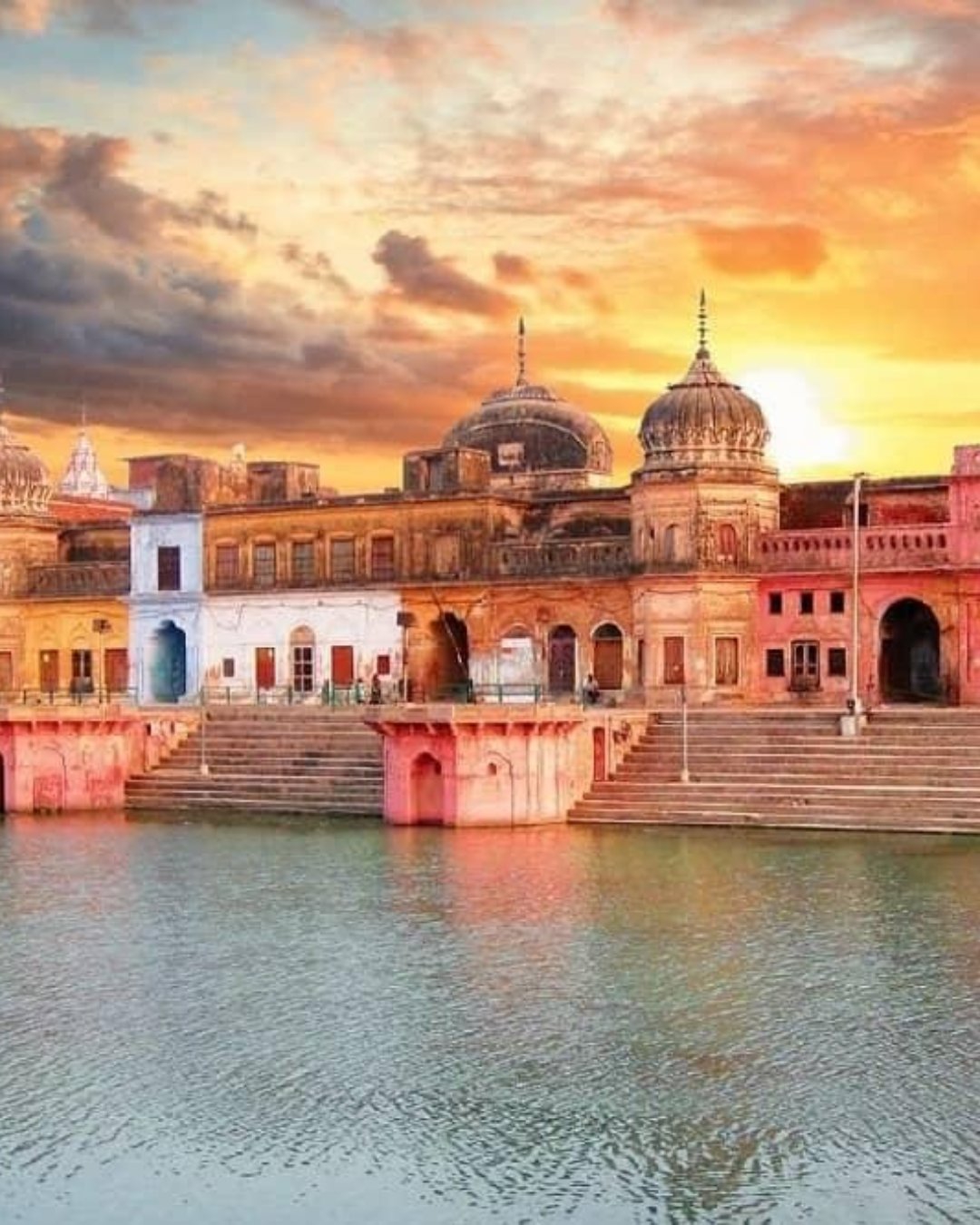
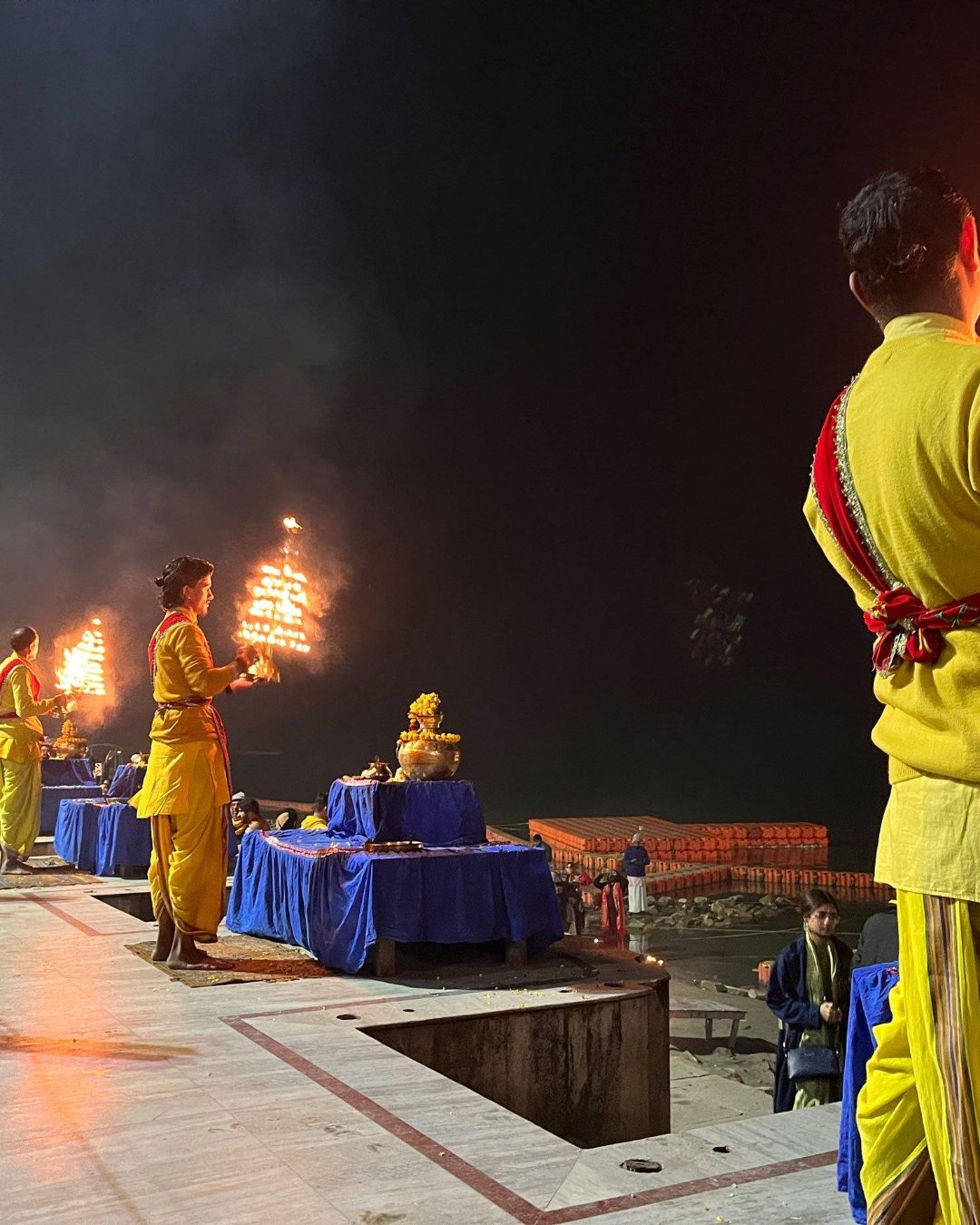
Ayodhya has an evening river aarti, it is free, and almost nobody outside the town talks about it.
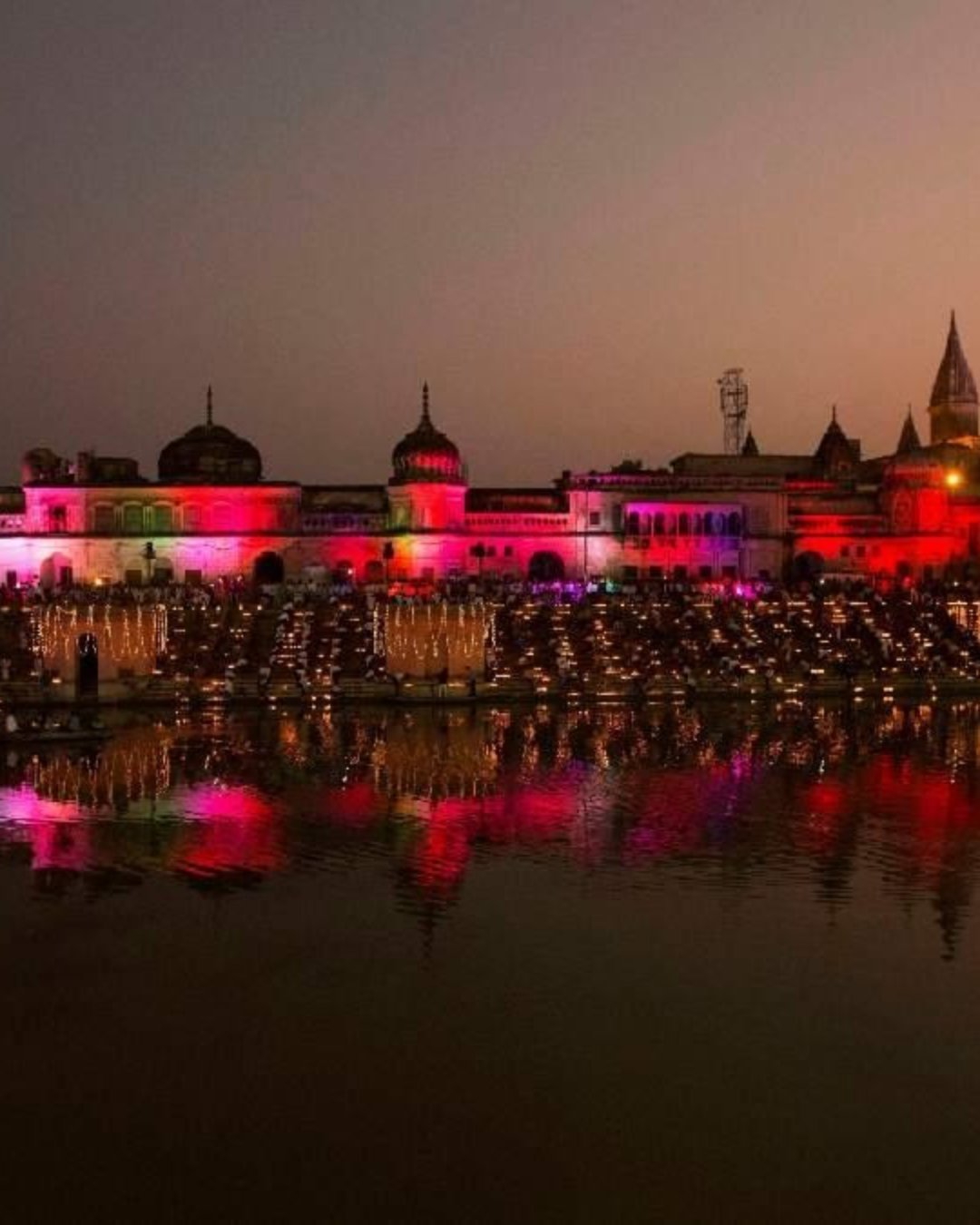
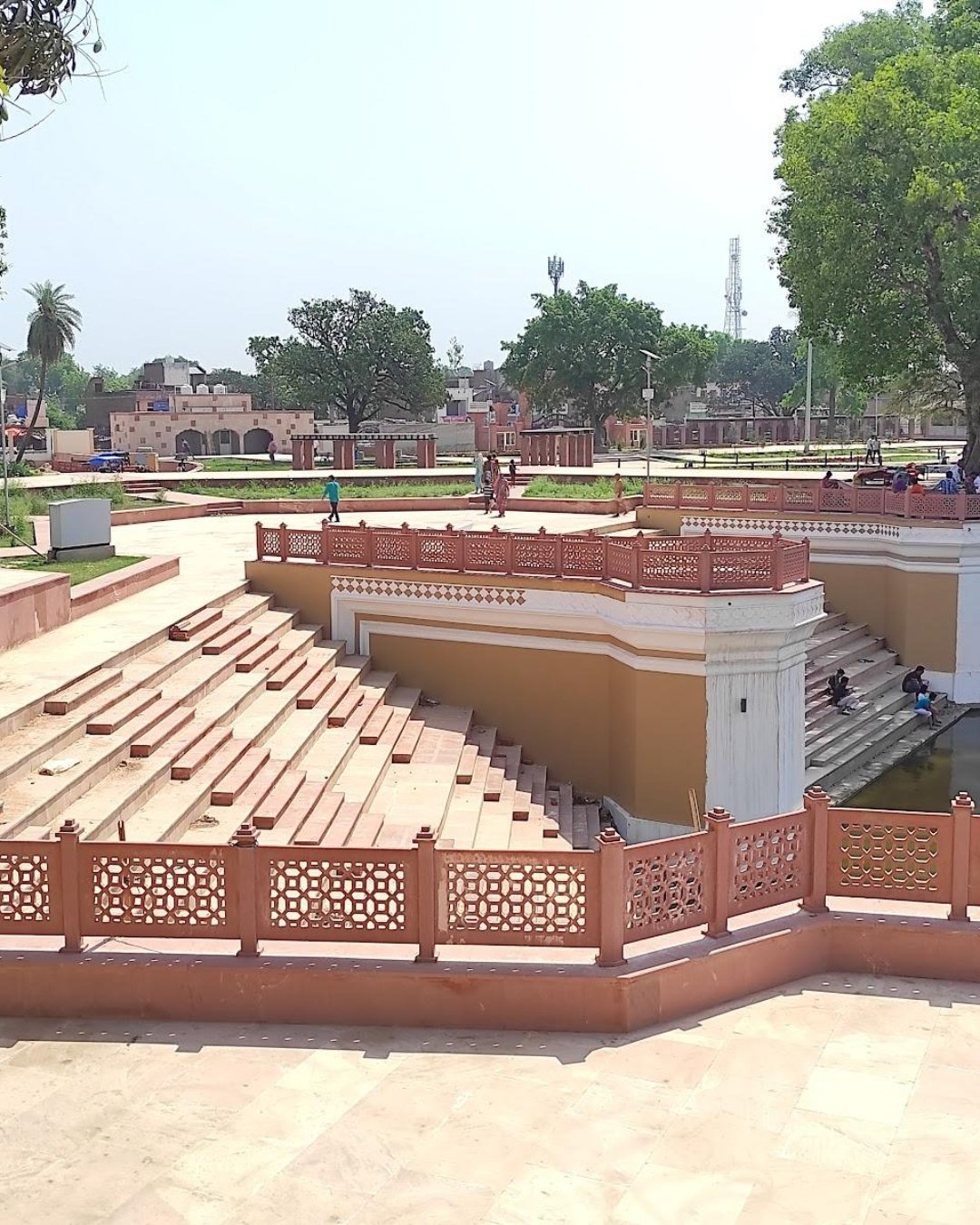
•Ram Ki Paidi is the stepped ghat complex on the Saryu, and the aarti is held there at sunset.
•In feeling it stands comparison with the Ganga Aarti at Varanasi, with a fraction of the crowd and none of the boat traffic.
•It sits neatly after the evening darshan window, so both fit into a single day without rushing either.
•Many pilgrims take a dip in the Saryu before going up for darshan, which is why the ghats are busiest early rather than late.
•These are the Deepotsav ghats — the Diwali-eve lamp lighting that sets records most years happens on these steps.
•The steps are extensive and largely open, so arriving early gets you a position without a scramble.
•A Shiva temple sits across the water and boats cross during the day.
Pro tip: Arrive about forty minutes before sunset and sit high on the steps. You watch the light go off the water before anything begins, which is the part people remember and no itinerary schedules.
The mistakes that ruin it:
•Arriving as the aarti starts and standing at the back.
•Booking an evening train and missing it entirely.
•Assuming the river is a Varanasi thing and skipping Ayodhya’s.
17
MomentGuptar Ghat, Car Parking, Fatehpur Saraiya Manjh
Guptar Ghat and the Quieter River
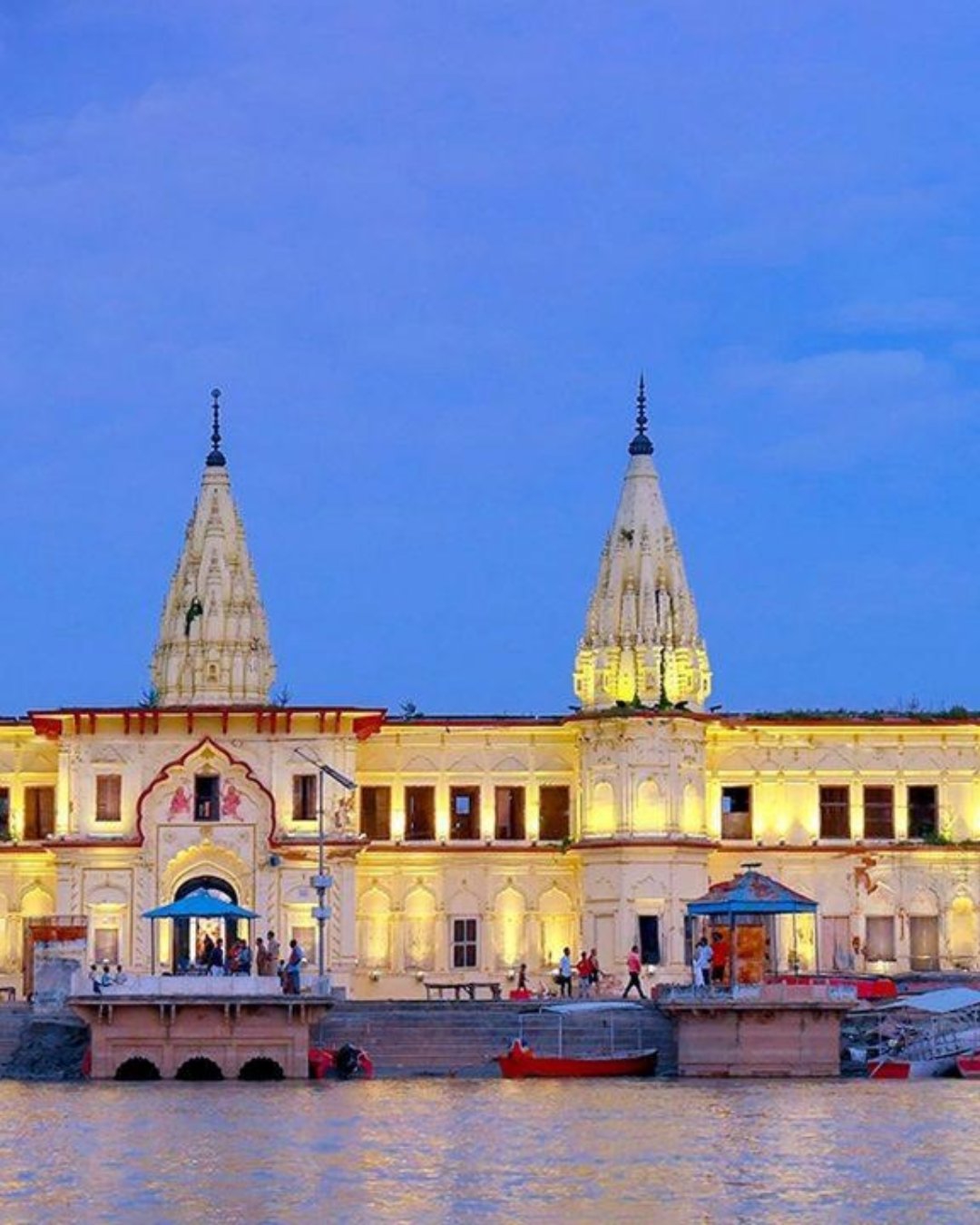
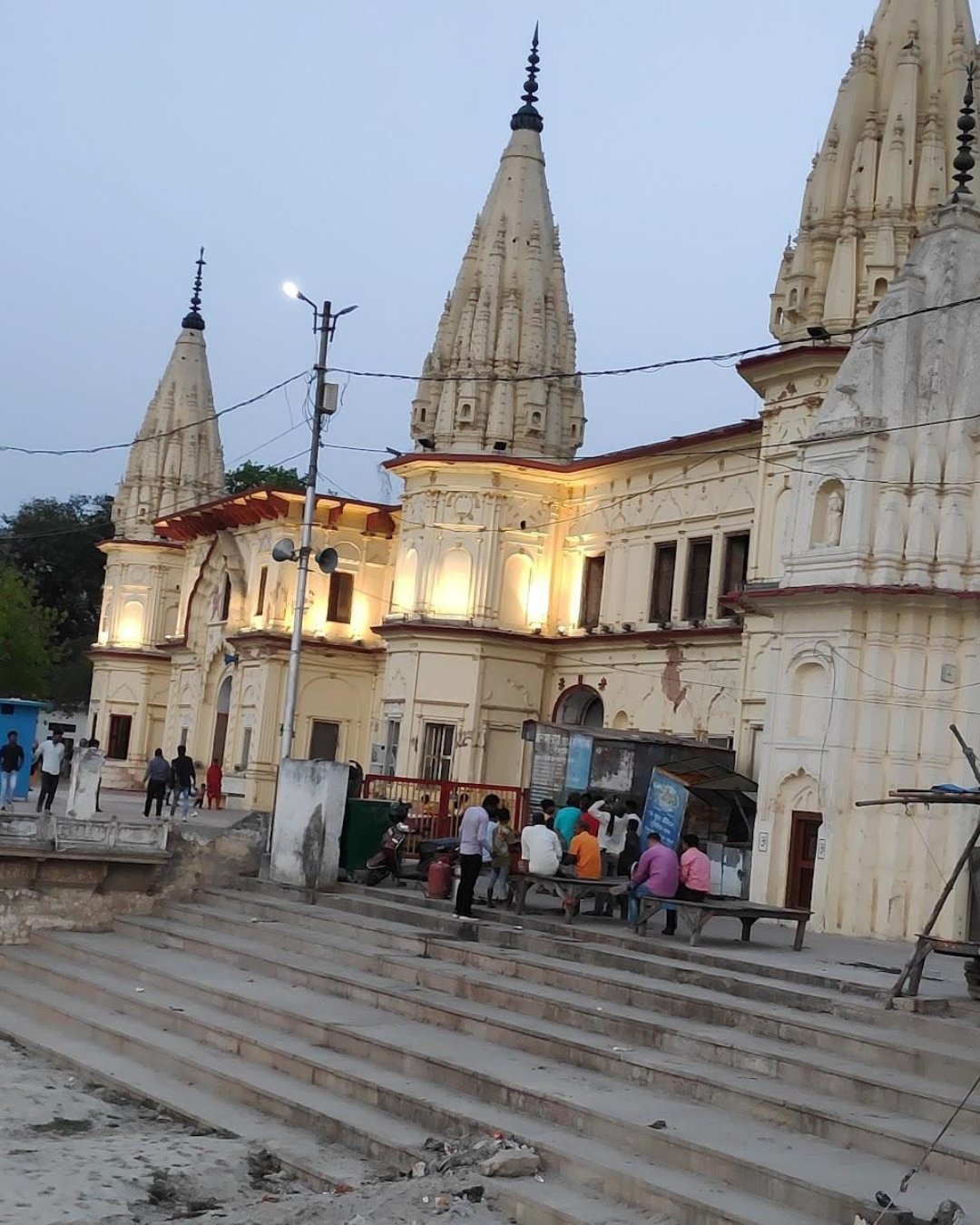
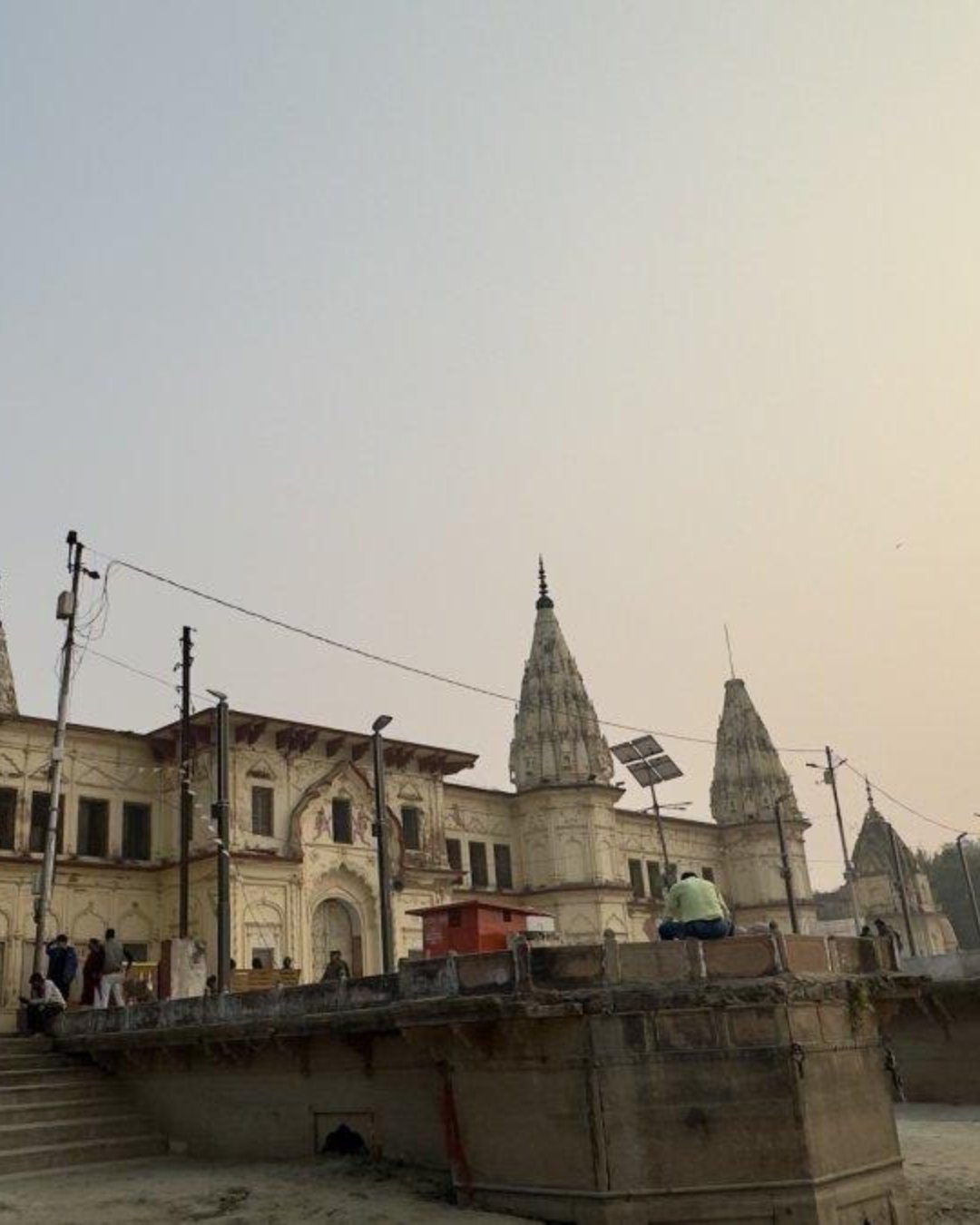
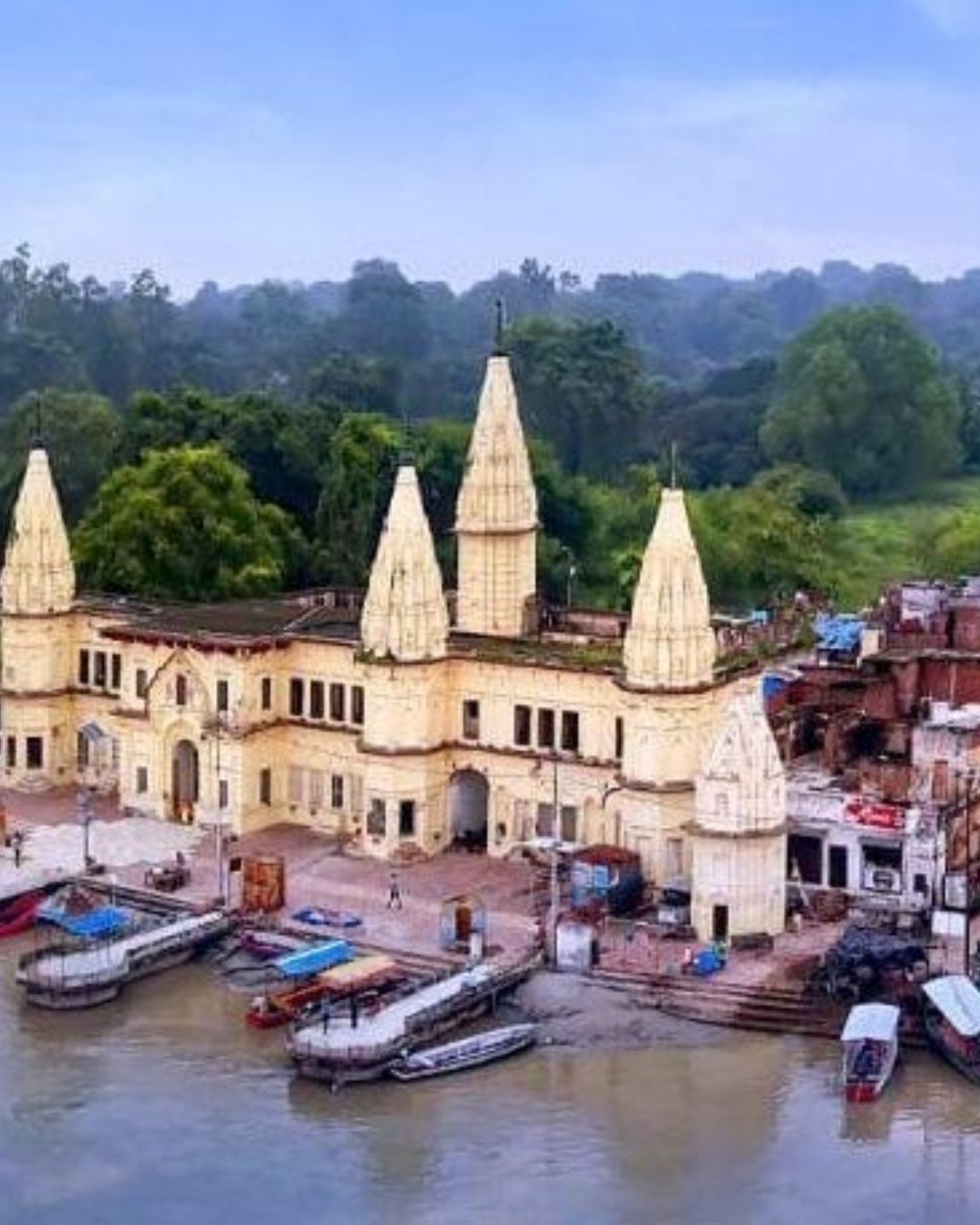
A few kilometres downstream the Saryu goes quiet, and the associations get considerably heavier.
•Guptar Ghat lies toward the Faizabad side and is traditionally linked to Ram’s final departure from the world.
•It is calmer than Ram Ki Paidi at almost every hour and far better for an unhurried morning.
•Colonial-era and older temples sit along this stretch, giving it a different texture from the Ram Ki Paidi steps.
•Smaller evening aarti traditions happen here on a much more modest scale.
•It pairs naturally with the Faizabad side of the twin city, which has its own Nawabi architecture.
Pro tip: Do Guptar Ghat in the morning and Ram Ki Paidi at sunset. Same river, two completely different registers, one day — and it is the best-value day in Ayodhya.
The mistakes that ruin it:
•Seeing only Ram Ki Paidi and assuming that is the riverfront.
•Going at midday, when there is no shade and nothing happening.
19
MomentMani Parvat Temple, Ayodhya
Mani Parvat, Surya Kund and the Edges
A handful of sites sit just outside the walkable core and are worth a second day rather than a squeezed afternoon.
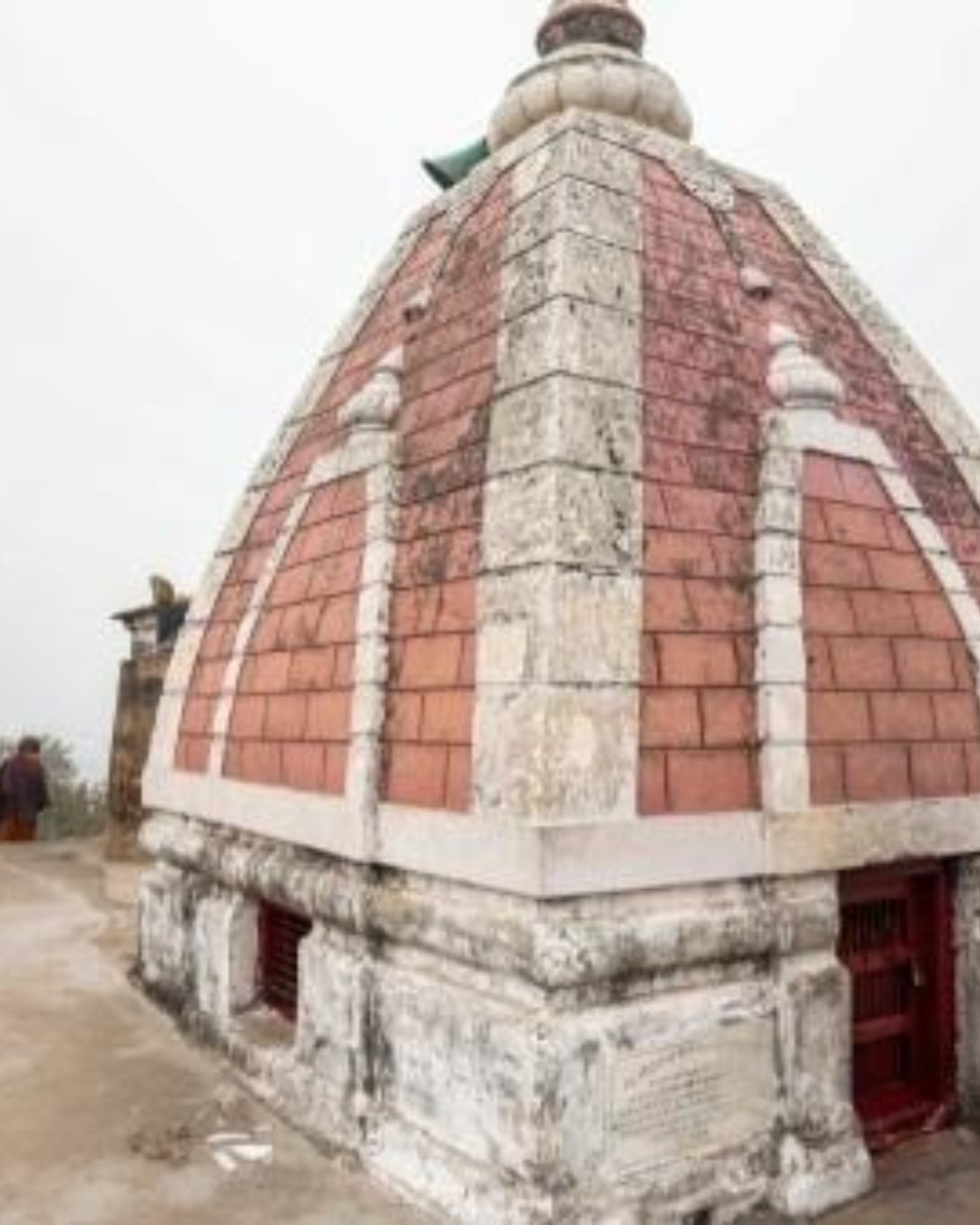
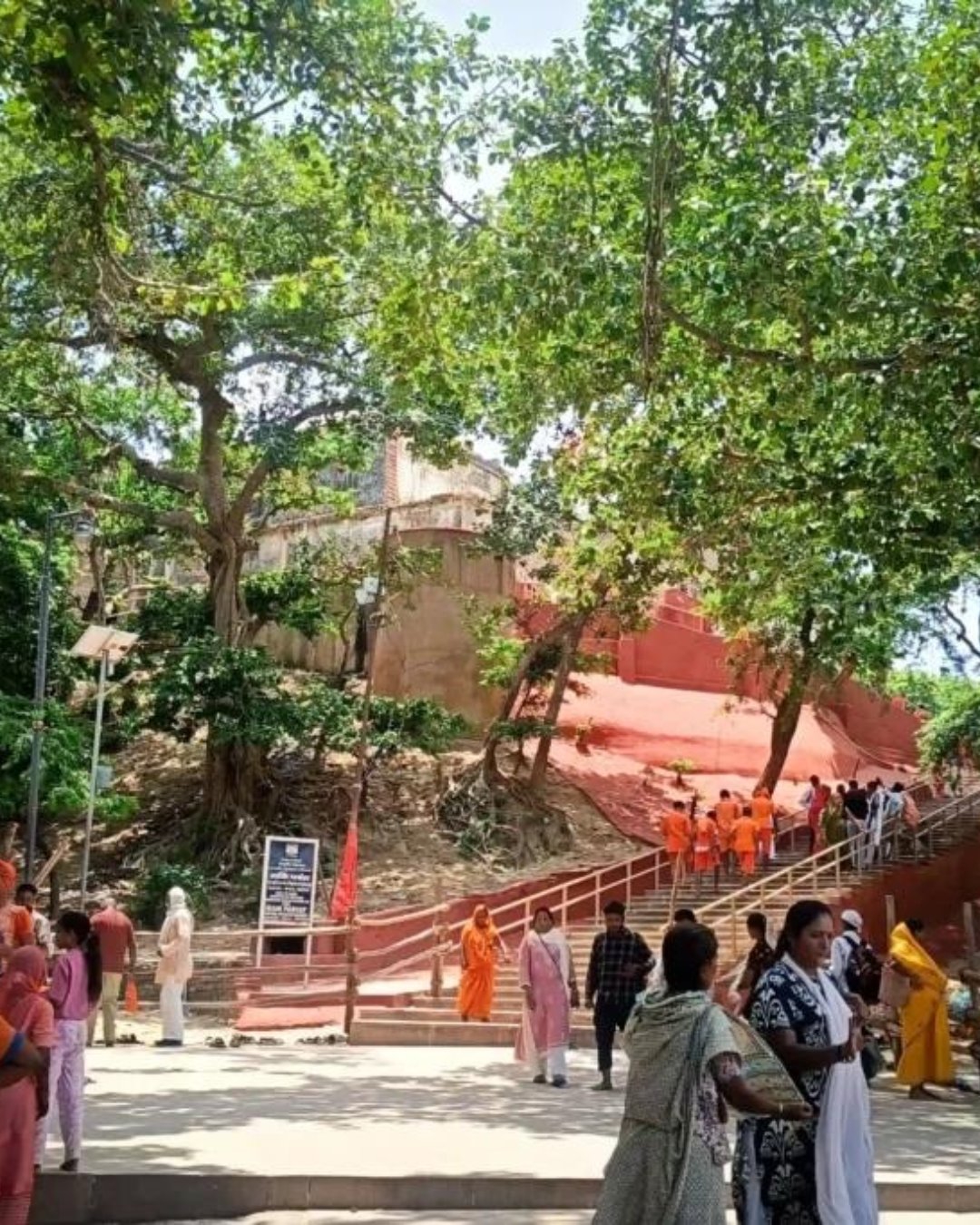
•Mani Parvat is a mound with long views over the town, carrying an ancient stupa and a Buddhist association most visitors never hear about.
•Sugriv Parvat sits on the same loop and is easily combined with it.
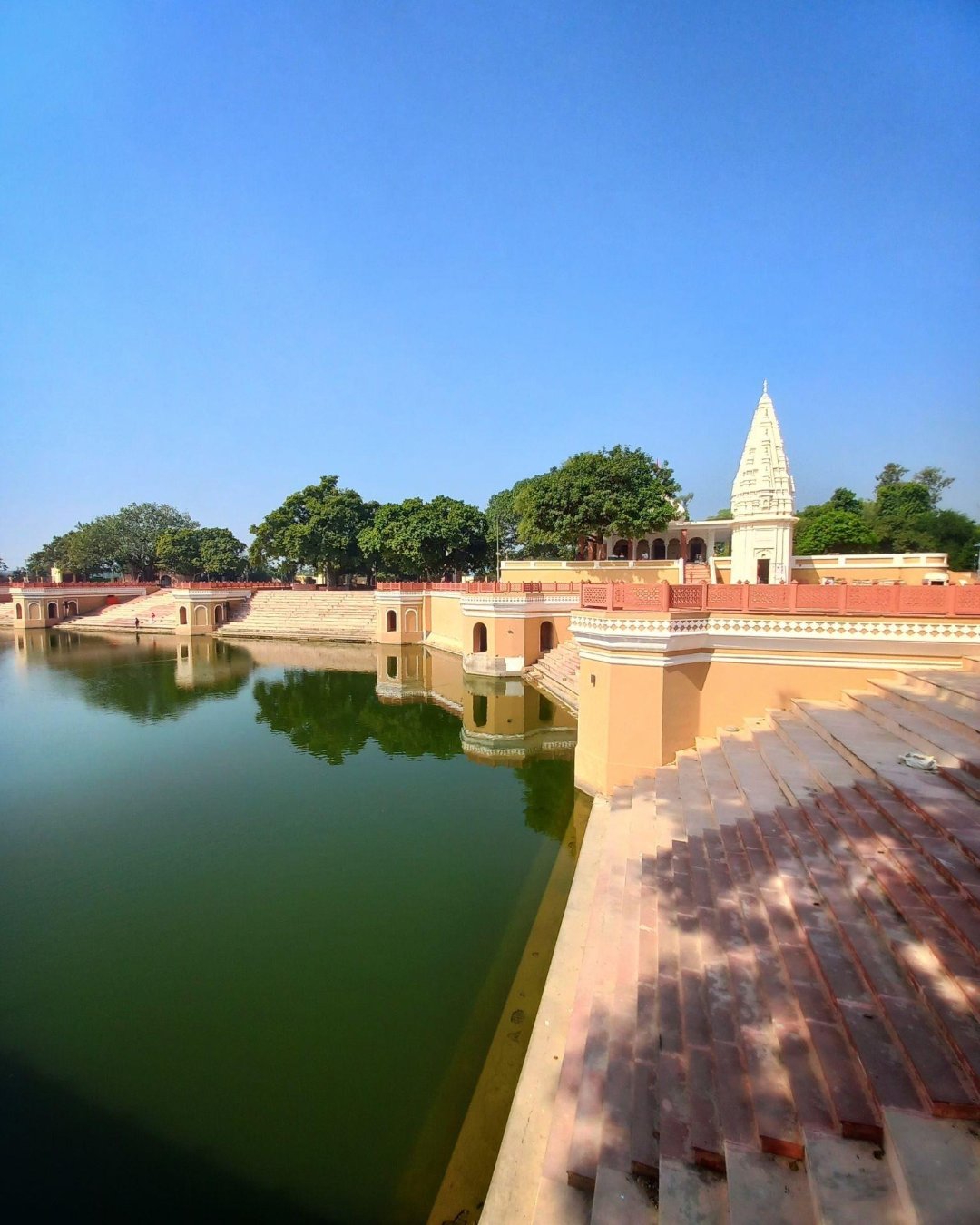
•Surya Kund is a restored tank with a Surya temple attached, linked in tradition to Ram’s childhood, and runs an evening light and sound show telling the Ram story — confirm it is operating before you send
readers.
•Dant Dhawan Kund sits near Hanuman Garhi and belongs to the same family of small kunds.
•Tulsi Smarak Bhawan commemorates Tulsidas and hosts recitation, which connects the town to the Ramcharitmanas rather than only to the Ramayana.
Pro tip: Keep these for a second day. On a one-day trip they cost you the ghats at sunset, which is a straightforwardly bad trade.
The mistakes that ruin it:
•Squeezing the edges into a one-day plan.
•Setting out without transport arranged.
•Promising the light and sound show without checking it is running.
Destination
Ayodhya, Uttar Pradesh, India
Common questions
01Question
What are the best places to visit in Ayodhya?
Hanuman Garhi, Ram Mandir, Kanak Bhawan and the Saryu ghats at Ram Ki Paidi cover the core, and they sit close enough together to walk. Add Dashrath Mahal, Sita ki Rasoi, Nageshwarnath and Guptar Ghat if you have a second day, since those stay quiet even in peak season.
02Question
What is Hanuman Garhi?
A hilltop temple dedicated to Hanuman, reached by a climb of around seventy steps, a few minutes from Ram Mandir. The shrine holds Hanuman as a child in his mother Anjani's lap. Tradition places a visit here before the Ram Mandir darshan, so it is the traditional start of the pilgrimage.
03Question
What is Kanak Bhawan?
A temple known as Sone ka Ghar, the golden house, for its gold-crowned idols of Ram and Sita beneath a silver roof. Tradition holds the palace was gifted to Sita by Kaikeyi after her marriage. The present structure was built in 1891 by Vrishbhanu Kunwari, Queen of Tikamgarh.
04Question
Is there an evening aarti in Ayodhya?
Yes, at the Ram Ki Paidi ghats on the Saryu at sunset, and it is free with no pass required. It stands comparison with the Ganga Aarti at Varanasi and draws a fraction of the crowd. It fits neatly after the evening darshan window, so both work in one day.
05Question
What is Dashrath Mahal?
Traditionally the palace of Dashrath, Ram's father, sitting barely fifty metres from Hanuman Garhi and sometimes called the heart of Ayodhya. It is small and easily walked past, and works best strung together with Sita ki Rasoi and the other Ramayana sites in one continuous walk.
06Question
Which temples in Ayodhya are older than Ram Mandir?
Nageshwarnath is among the oldest continuously worshipped sites in the town, and Treta ke Thakur stands on the Saryu bank about three kilometres from Kanak Bhawan. Several others sit in the old-town core. They receive a fraction of the crowd despite being minutes from the main temple.
07Question
What is Mani Parvat?
A mound on the edge of the old town with long views across Ayodhya, carrying an ancient stupa and a Buddhist association most visitors never hear about. Sugriv Parvat sits on the same loop. Both are second-day material rather than something to squeeze into a single day.
08Question
Can you walk between the temples in Ayodhya?
Yes, and you should. Hanuman Garhi, Ram Mandir, Kanak Bhawan and Dashrath Mahal sit within a few hundred metres of one another. Only the riverfront needs transport, since Ram Ki Paidi and Guptar Ghat are
several kilometres apart and suit different times of day.
More to explore
Go further into one part of this trip.