
Why Write a Travelogue? 5 Reasons That Matter
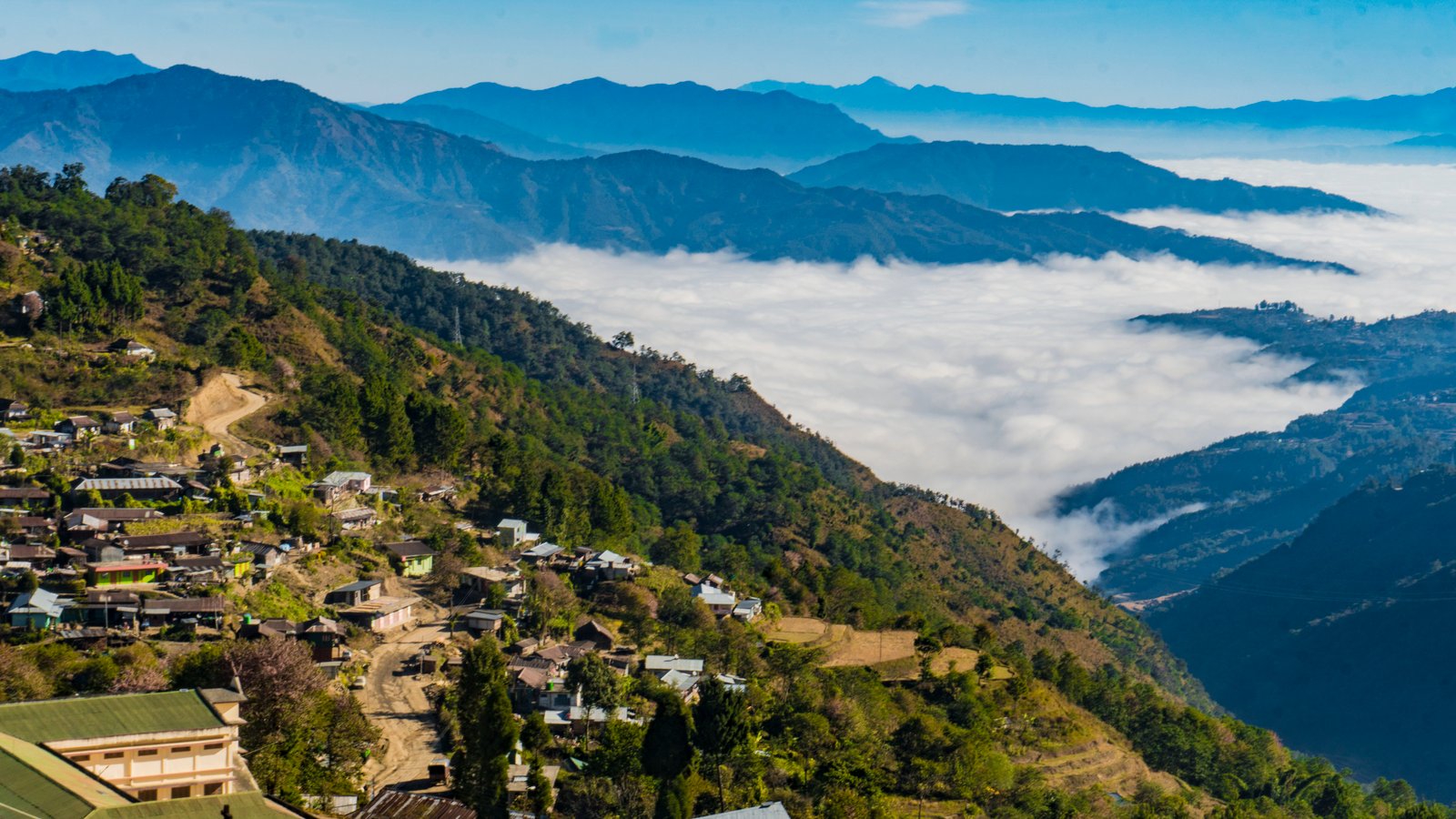
It's been three months since the trip. You remember it was beautiful — you're sure of that. But the details are starting to blur. The name of the village where you had the best meal of your life? Gone. The exact shade of the sky when you reached the top of the pass? You can almost see it, but not quite. The conversation with the woman at the guesthouse who told you about her daughter — what did she say, exactly? You know it moved you. You remember the feeling. But the words are gone.
This is what happens to every trip. Not suddenly — slowly. Like ink fading in sunlight. The big moments hold on longer, but the small ones — the ones that actually made the journey feel alive — they disappear first. And those are the ones that mattered most.
That's why writing a travelogue matters. Not because you need to become a writer or impress anyone. But because some experiences are too important to let them dissolve into vague feelings and half-remembered images. A travelogue is how you hold onto what a journey actually felt like — and who you were while you were living it.
What Is a Travelogue, Really?
A travelogue is a personal account of a journey. Not a review, not a checklist, not an itinerary. It's the story of what you experienced, what you observed, what you felt, and what you understood afterward. It's your truth about a place and a time — written so that the experience doesn't end when the trip does.
People have been writing travelogues for centuries — from Ibn Battuta crossing medieval empires to a college student journaling about their first solo bus trip through the Western Ghats. The form changes. The purpose of a travelogue doesn't: to make the invisible parts of travel visible. To say, “This happened to me, and it mattered.” So why should you write one? Let's talk about it.
1. To Preserve Memories That Would Otherwise Fade
You think you'll remember everything. You won't. Research tells us that within a month, we lose the majority of the specific details from any experience. Not the gist — the details. The smell of pine needles mixed with wood smoke on that cold morning. The way the light fell through the temple doorway and hit the stone floor in a pattern that looked like water. The laugh of the child who sold you flowers at the traffic signal.
Photos help, but only with what things looked like. A travelogue preserves what they sounded like, smelled like, tasted like, and most importantly — what they felt like. When you write down that the mountain air made your chest ache in a way that wasn't pain but something closer to gratitude, that feeling is saved. You can return to it ten years from now and feel it again.
That's not just writing. That's preservation. It's building a personal archive of the moments that made you feel most alive.
2. To Understand What You Actually Experienced
Travel is overwhelming while you're in it. You're navigating new places, managing logistics, absorbing sensory input from every direction. There's rarely time to stop and think about what any of it means. You just... experience it, one moment crashing into the next.
Writing is where understanding happens. When you sit down after a trip and try to describe what happened at that temple, or during that conversation, or on that long walk alone — you start to see patterns. You realize why that particular moment affected you. You understand what you were really feeling when you stood at the edge of that cliff and didn't want to leave.
A travelogue isn't just a record of what happened. It's how you make sense of what happened. It turns raw experience into understanding. And that understanding stays with you long after the suntan fades.
Think about your last trip for a moment. Not the highlights — the quieter moments. Is there one that keeps coming back to you? One that you haven't been able to fully explain to anyone?
That's the moment asking to be written.
3. To Give Meaning to Your Travel
Without reflection, travel is a series of events. You went here, ate there, saw this, came home. It might have been enjoyable. But was it meaningful? That's a different question — and it's one that writing helps you answer.
When you write a travelogue, you're not just documenting where you went. You're asking yourself: What did this journey add to my life? What did I learn about the world? What did I learn about myself? A trip to Pondicherry becomes a story about slowing down. A solo trek in the Himalayas becomes a story about trusting yourself. A family road trip through Rajasthan becomes a story about seeing your children discover wonder for the first time.
Writing transforms travel from consumption into creation. You're not just having experiences — you're turning them into something that means something. That's the deep importance of a travelogue: it's the act of saying, “This wasn't just a trip. This was a chapter of my life.”
4. To Share Your Story and Connect With Others
Somewhere right now, someone is sitting in an office in Bengaluru or Delhi or a small town in Madhya Pradesh, dreaming about a trip they haven't taken yet. Maybe they're nervous about traveling solo. Maybe they don't know if they can afford it. Maybe they just need to hear someone say, “I did this, and it was hard and imperfect and completely worth it.”
Your travelogue could be the thing that gives them courage.
That's one of the most beautiful benefits of writing a travelogue — it connects people across distances. When you write honestly about your experience, someone who's never met you can feel what you felt. They're not just reading about a place — they're experiencing a perspective, a way of seeing the world that might be exactly what they needed.
Your travelogue isn't just for you. It's for every person who will ever read it and think, “Yes. That's exactly what it's like.”
5. To Preserve the Person You Were During the Journey
Travel changes people. Not always dramatically — sometimes it's subtle. A slightly wider perspective. A little more patience. A realization about what actually matters to you. A confidence you didn't have before. You come back different, even if nobody else can tell.
But here's the thing about change: the “before” version fades. A year from now, you might not remember exactly how scared you were on that first solo trip, or how proud you felt when you navigated a city where you couldn't read the signs. The growth feels obvious now, but it will become invisible as it blends into who you are.
A travelogue freezes that moment of transformation. It captures who you were during the journey — your fears, your surprises, your realizations. When you read it years later, you'll meet yourself at a particular point in time, and you'll understand how far you've come. That's not just the purpose of a travelogue. That's a gift to your future self.
Why Travelogues Matter Even More in 2026
We live in the fastest era of travel content ever created. Reels flash by in fifteen seconds. Destination lists scroll endlessly. AI-generated travel guides tell you the “top 10 things to do” everywhere. Travel content is abundant. Meaning is not.
In a world that moves this fast, the act of slowing down and writing about what you actually experienced — not what was trending or algorithm-friendly, but what was real and personal — becomes almost radical. A travelogue in 2026 is an act of resistance against the shallow. It says: this moment was worth more than a reel. This experience deserved more than a caption.
And the tools to share that story are better than ever. You don't need a publisher or a book deal. Platforms like Pinaak were built for exactly this — a space where real travelers share real travelogues with a community that values depth over likes. Your journey, your words, your audience — all in one place.
The barrier to writing and sharing a travelogue has never been lower. The importance of doing so has never been higher.
How did your last journey change you? Even if it was subtle — even if you can barely put it into words yet — something shifted. What was it?
Frequently Asked Questions
Why do people write travelogues?
People write travelogues to hold onto experiences that memory alone can't preserve — the feelings, the small moments, the quiet realizations. Writing helps them process what they lived through, understand what it meant, and share it with others who might need to hear exactly that story.
What is the purpose of writing a travelogue?
The purpose of a travelogue is to capture the full experience of a journey — not just where you went, but what you felt, observed, and understood. It transforms travel from a series of events into a meaningful story, and it creates a lasting record that the writer and reader can return to again and again.
Why is a travelogue important?
A travelogue is important because it preserves the parts of travel that no photo can — the emotions, the atmosphere, the inner shifts. It also bridges distances, allowing someone who's never been to a place to feel what it was like through someone else's honest account. In a world of shallow travel content, travelogues offer something rare: depth and truth.
What are the benefits of writing a travelogue?
The benefits of writing a travelogue include preserving fading memories, gaining deeper understanding of your experiences, giving narrative meaning to your travels, inspiring others through your honest perspective, and keeping a personal record of your growth. It also strengthens your ability to observe, reflect, and communicate — skills that enrich every part of life.
Is writing a travelogue useful?
Very much so. For the writer, it sharpens observation and self-awareness. For readers, it provides authentic, human perspectives on places and cultures. In an age where most travel content is surface-level, a thoughtful travelogue stands out as something genuinely valuable — both to create and to read.
The Trip Ends. The Travelogue Doesn't.
Every journey has a last day. A last meal in an unfamiliar place. A last walk through streets you're starting to recognize. A last look out the window before the bus pulls away and the place you'd begun to love becomes a memory.
That's where most trips end. But it doesn't have to be where yours does.
A travelogue lets the journey continue — in the words you write, in the moments you choose to preserve, in the meaning you give to what you lived through. It's how you say: this experience was worth more than a timestamp in my camera roll. This journey shaped me. And I want to remember exactly how.
You don't have to start big. You don't have to write the whole trip. Start with one moment — the one that won't leave you alone. The one you keep trying to describe but the words haven't been right yet. Write it down. Be honest. Be specific. Be yourself.
That's all a travelogue is. One moment, honestly told. And from there, the rest of the story will follow — because it always does, once you give it permission to begin.
That's what platforms like Pinaak are for — a community where everyday travelers share real journeys, not polished performances. Your travelogue doesn't need to be perfect. It just needs to be yours.
Ready to write your travelogue?
Pinaak turns your travel moments into travelogues worth sharing. No writing skills needed — just your journey.

Keep Reading

What Skills Do You Need to Write a Travelogue?
Discover the essential skills needed to write a travelogue. This beginner-friendly guide shows you that you already have what it takes — you just need to recognize it.

How to Write a Travelogue: A Beginner's Guide
Learn how to write a travelogue with this beginner-friendly step-by-step guide. Includes travelogue format, structure, writing tips, real examples, and FAQs.