
7 Key Elements Every Travelogue Needs
It's never the destination that makes a travelogue worth reading. It's what you noticed while you were there.

Someone asks about your last trip. You start listing: "We went to Manali, then Solang Valley, then the old temple near the market, then we drove to Kasol..." You watch their eyes glaze. They nod politely. And you stop — because you realize that nothing you've said captures what the trip actually felt like. The cold air that hit your face the morning you climbed above the treeline. The woman who sold you apples and told you about the winter she spent snowed in for three weeks. The exact moment you stopped checking your phone and started actually seeing where you were.
The places are not the story. They're the stage. The story is what happened to you on that stage — what you observed, what you felt, what shifted inside you. And turning that experience into something another person can feel? That's a travelogue.
The good news is: you already have the raw material. Every trip you've taken is full of moments worth preserving. You just need to know which elements of a travelogue bring those moments to life. There are seven. And once you see them, you'll realize you've been collecting them all along — you just didn't know what to call them.
What Is a Travelogue?
A travelogue is a personal account of a journey — not a map, not a review, not a list of destinations. It's the story of what you experienced, observed, felt, and understood while traveling. It weaves together the outer world (places, people, landscapes) with the inner world (thoughts, emotions, realizations). Every strong travelogue, from Herodotus to a backpacker's blog post, shares the same core travelogue elements — and they're simpler than you think.
The 7 Key Elements Every Travelogue Needs
1. Personal Perspective
A travelogue is not a Wikipedia article about a place. It's your account of being in that place. Your perspective — your background, your mood, your personality, your way of seeing — is the lens through which the entire journey is told. Two people can visit the same temple on the same day and write completely different travelogues, because they noticed different things, felt different emotions, and brought different questions.
This is the most fundamental of all travelogue elements: your voice. Not a performance of who you think the reader wants you to be, but the honest way you see the world. If you tend to notice small details, lean into that. If you connect with people easily, make that your strength. Your perspective is what makes your travelogue yours — and it's the one thing no other writer can replicate.
2. Meaningful Moments
A travelogue doesn't need to cover every hour of a trip. It needs to capture the moments that mattered. The ones your body remembers — the silence at the top of a pass, the unexpected kindness of a stranger, the laugh that came out of nowhere at a bus stop in the middle of the night.
Meaningful moments are the anchors of a travelogue. They're the scenes that, when described well, make a reader stop scrolling and think: I can picture that. They don't need to be dramatic. Some of the most powerful moments in travel writing are quiet ones — a cup of chai shared in silence, a dog following you through a village, the exact second the fog lifted and you saw the valley. Choose the moments that stayed with you. Those are the right ones.
3. Sensory Details
This is what separates a travelogue from a trip summary. Sensory details are the sights, sounds, smells, textures, and tastes that make a place real on the page. Not "the market was busy" but "the market smelled of cardamom and diesel, and a man with a cart of oranges was singing under his breath."
Sensory details do something extraordinary: they bypass the reader's intellect and go straight to their body. When you describe the crunch of gravel underfoot on a mountain trail, the reader doesn't just understand — they feel it. When you describe the warmth of a clay cup against your palms, the reader's hands remember something similar. This is how a travelogue transports someone. Not through information, but through sensation.
What moment from your travels already contains these elements — a personal perspective, a meaningful moment, sensory details? Close your eyes. One scene will surface. That's where your travelogue begins.
4. Emotional Honesty
A travelogue that describes a place without sharing how it made you feel is like a photograph with all the color drained out. Technically accurate. Emotionally empty. The element that gives a travelogue its warmth — its heartbeat — is emotional honesty.
This doesn't mean being dramatic or sentimental. It means being truthful. If you were nervous your first night in a new city, say so. If a sunset made your eyes water for reasons you couldn't explain, write that. If you felt lonely on a solo trip and then unexpectedly didn't, that's a story worth telling. Readers don't connect with perfection. They connect with truth. And truth is always enough.
5. Observation of People and Places
Travel happens in the world — among people, inside buildings, on streets, in forests, at borders. A travelogue that only looks inward misses half the story. Observation is the element that grounds your travelogue in reality — that makes the reader believe they're walking beside you.
Notice the shopkeeper who arranges his fruit with the precision of a jeweler. The way the light enters a mosque through colored glass and paints the floor. The group of old men playing cards on a bench, speaking in a language you don't understand but whose rhythm you find beautiful. These observations aren't decoration — they're the substance of your journey. The places and people you encountered are characters in your story. Give them the attention they deserve.
6. Reflection and Personal Growth
This is the element that elevates a travelogue from "what I did" to "what it meant." Reflection is the pause between experiences where you ask yourself: what just happened inside me? What did I learn? What do I understand now that I didn't before?
A travelogue without reflection is a diary. A travelogue with reflection is a story of transformation — even a small one. Maybe you realized you don't need noise to feel alive. Maybe a conversation with a stranger made you rethink something you'd believed for years. Maybe you just noticed that you're calmer when you walk slowly. These realizations don't need to be profound. They need to be real. And they're what give your travelogue its lasting depth.
7. Narrative Flow and Structure
The final element is the container that holds everything else together. Travelogue structure isn't a rigid formula — it's a natural flow that helps the reader follow your journey. A beginning that sets the scene. A middle that walks them through your experiences. Moments of reflection woven throughout. And an ending that leaves them with something to carry.
Without structure, even the most vivid moments feel scattered. With it, they become a narrative — a journey the reader can walk through from start to finish. You don't need to follow a strict chronological order. You can organize around moments, themes, or emotions. What matters is that the reader can feel the journey moving forward, and that each part connects naturally to the next. Structure is the element that turns fragments into a whole.
What experience would you want someone else to feel through your travelogue? Not just see or know about — but genuinely feel? That answer tells you which elements to lean into most.
What Makes a Travelogue Truly Good?
Here's something that might reassure you: what makes a good travelogue has nothing to do with how far you traveled, how exotic the destination was, or how polished your writing is. The best travelogues are not written by the best writers. They're written by the most attentive travelers.
A good travelogue has three qualities: perspective (a genuine human voice telling the story), authenticity (honest feelings and observations, not performed ones), and reflection (meaning that goes beyond the surface of what happened). If your travelogue has these three qualities — even if the grammar is imperfect, even if the trip was short, even if the destination was nearby — it's a good travelogue. Because it's real.
A weekend trip to a small town two hours from your house, written with awareness and honesty, will always be a better travelogue than a luxury Maldives vacation described as "amazing views and great food." Depth beats distance. Always.
These Elements in the Digital Age
The seven elements of a travelogue haven't changed since Herodotus picked up a reed pen. But the way we capture and share them has. Today, travelogues live on blogs, social platforms, digital journals, and travel communities. You can capture a sensory detail in a voice memo while walking. You can jot down a reflection in your phone before bed. You can structure your travelogue in a digital space that's designed for exactly this kind of storytelling.
Platforms like Pinaak are built to help travelers capture and preserve travelogues with all of these elements — perspective, moments, sensory details, emotions, observations, reflections, and structure — in one place. The tools have changed. The travelogue elements that make a journey worth reading haven't. They're as old as storytelling itself.
Frequently Asked Questions
What are the elements of a travelogue?
The seven key elements are: personal perspective (your unique voice), meaningful moments (specific scenes that define the trip), sensory details (sights, sounds, smells, textures), emotional honesty (genuine feelings), observation of people and places (the world around you), reflection and personal growth (what the journey meant), and narrative flow and structure (organizing experiences into a story readers can follow).
What makes a good travelogue?
Three things: perspective (a genuine human voice), authenticity (honest observations and feelings, not performed ones), and reflection (meaning beyond the surface of what happened). A good travelogue doesn't require an exotic destination or perfect writing — it requires attention, honesty, and the willingness to share what the journey actually felt like.
What should be included in a travelogue?
Include your personal perspective, specific meaningful moments, vivid sensory details, honest emotions, careful observations of people and places, reflections on what you learned or realized, and a structure that helps readers follow your journey. You don't need to include everything — focus on the moments that mattered most and describe them with detail and feeling.
How do you make a travelogue interesting?
Be specific instead of generic. Replace "beautiful view" with the actual details of what you saw. Share honest emotions instead of performing them. Include interactions with people. Add reflection — what did it make you think or feel? And give your travelogue a structure with a strong opening, vivid middle, and a closing that resonates. The most interesting travelogues come from the most attentive travelers, not the most traveled ones.
You Already Have Everything You Need
A travelogue is not defined by where you went. It's defined by how deeply you observed, felt, and reflected on being there. The seven elements — perspective, moments, sensory details, emotional honesty, observation, reflection, and structure — are not skills you need to learn from scratch. They're capacities you already have. You just need to point them at your journey and let them do what they do naturally.
You've already noticed things that nobody else on your trip noticed. You've already felt things you couldn't explain to someone who wasn't there. You've already carried home a perspective that only you hold. Those are the elements of a travelogue — and they've been inside every trip you've ever taken. The only step left is writing them down.
Start with one moment. Add what you saw. Add what you felt. Add what it made you realize. That's a travelogue paragraph. String a few of those together, and you have a travelogue. String a few of those travelogues together, and you have a record of your life as a traveler — a collection of journeys preserved not as photos or tickets, but as lived, felt, understood experiences.
The elements were always there. In every trip. In every quiet moment. In every scene that made you stop and think: I want to remember this. Now you know what to call them. And now you know how to use them.
Ready to write your travelogue?
Pinaak turns your travel moments into travelogues worth sharing. No writing skills needed — just your journey.

Keep Reading
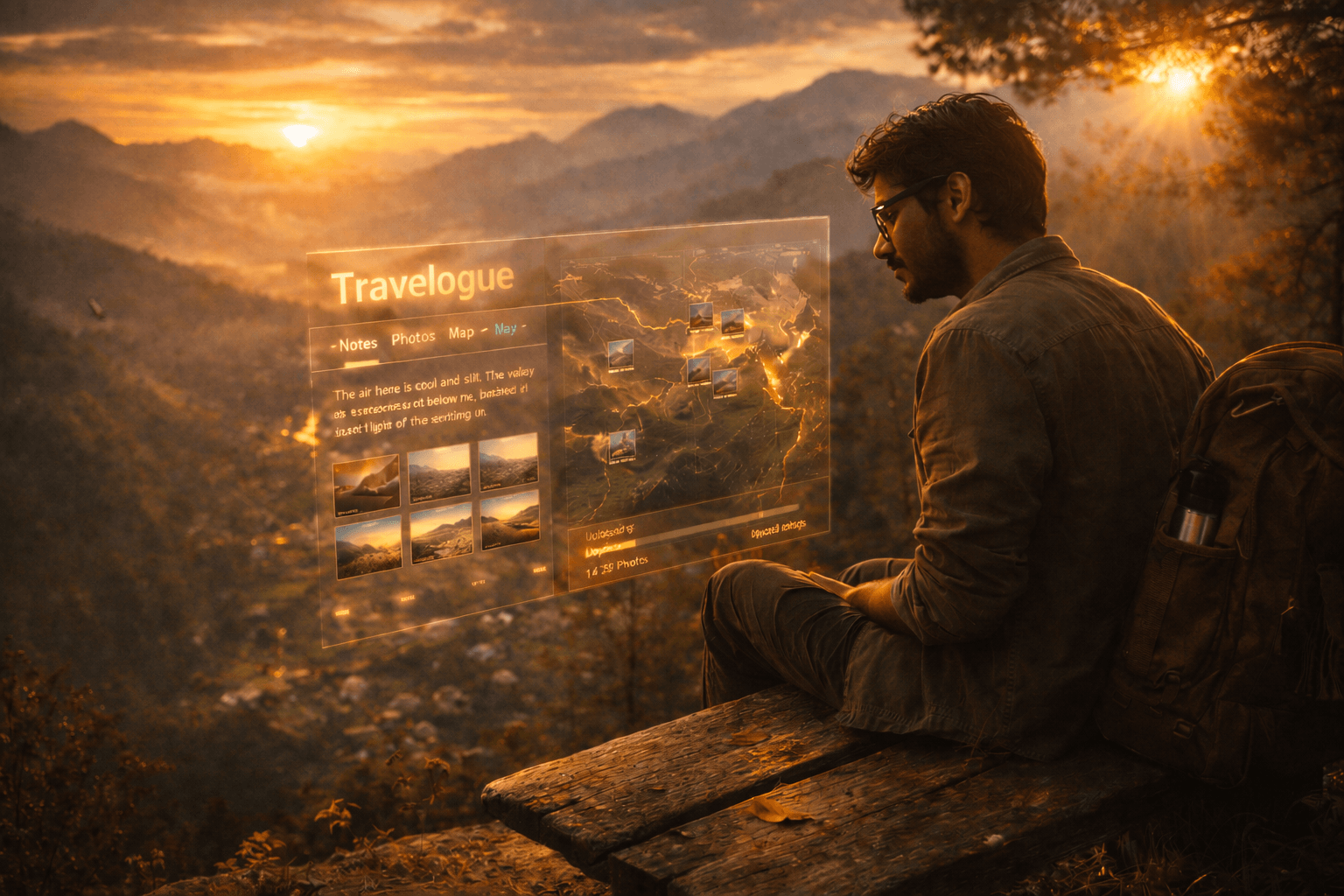
How to Plan a Travelogue: A Step-by-Step Guide
Learn how to plan a travelogue — from setting intention to organizing memories. A practical guide to turning your journey into a story worth keeping.
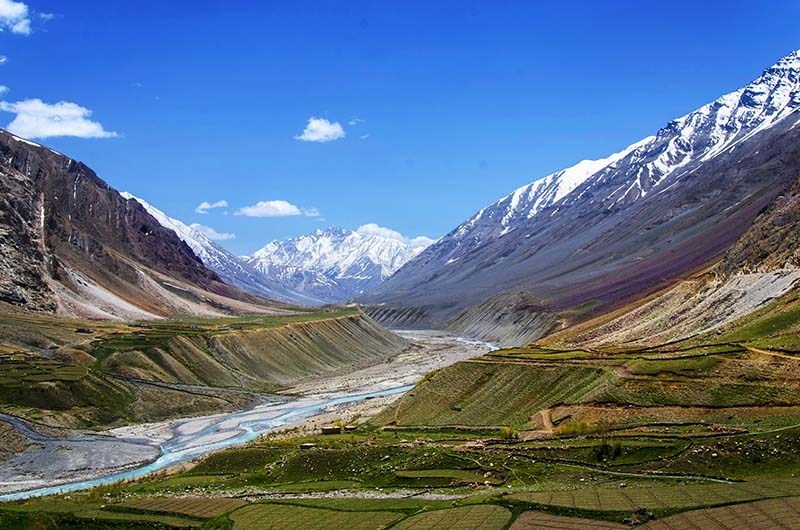
What Best Defines a Travelogue? Meaning & More
Understand what truly defines a travelogue — its meaning, essential elements, natural pattern, and why your journey already qualifies as one worth sharing.