
How to Write a Travel StoryEven If You Don't Think You're a Writer
You have 937 photos from your last trip. A few voice notes you forgot about. A half-written caption in your drafts that says "What a trip" followed by nothing.
You know the trip was meaningful. You felt things. You saw things. Something inside you shifted — maybe just a little, maybe a lot. But when you sit down to write about it, you stare at a blank screen and think: where do I even start?
Here's the thing. You don't need a writing degree. You don't need to have climbed Everest or survived something dramatic. You need one moment. One honest, specific, human moment from your journey. That's where every great travel story begins.
This isn't a lecture on craft. Think of it as a conversation — between you and the story that's already inside you, waiting to come out.
Forget the Itinerary. Find the Moment.
The single biggest mistake people make when they try to write a travel story is starting from the beginning. Day one, woke up early, went to the airport, flight was delayed, arrived at the hotel, checked in, went for a walk.
Nobody wants to read that. Not even your mom.
A travel story doesn't start with the plan. It starts with the moment the plan stopped mattering. The moment something unexpected happened — something you felt, not just something you saw.
Maybe it was the afternoon you got hopelessly lost in the lanes of old Delhi, and instead of panicking, you followed the smell of frying bread until you found a tiny shop where a man handed you a plate of jalebi without asking if you wanted it. Maybe it was the five minutes you spent standing at the edge of a cliff in Meghalaya, wind in your face, unable to think a single thought because the view emptied your brain completely.
That's your opening. Not the flight. Not the hotel. The moment where everything got real.
If you're asking yourself how to write a travel story, this is step one: find the moment that made you feel something. Start there.
Start in the Middle of Something
Here's a travel writing tip that changes everything: don't build up to the interesting part. Start inside it.
Instead of this:
"Last summer, I went to Goa with my friends and on the third day something happened."
Try this:
"The fisherman looked at us like we were insane. It was 4 AM, the boat was the size of a bathtub, and the sea was definitely not calm."
See the difference? The first version makes the reader wait. The second version puts them right in the middle of the scene. They can feel the boat rocking. They want to know what happens next.
Think of how you actually tell travel stories to your friends. You don't start with "So I booked the ticket on March 14th." You start with "Okay so this crazy thing happened—" and you're already in the story. Do the same thing when you write.
Write What You Felt, Not Just What You Saw
This is where most travel writing falls flat. It describes the outside but never goes inside.
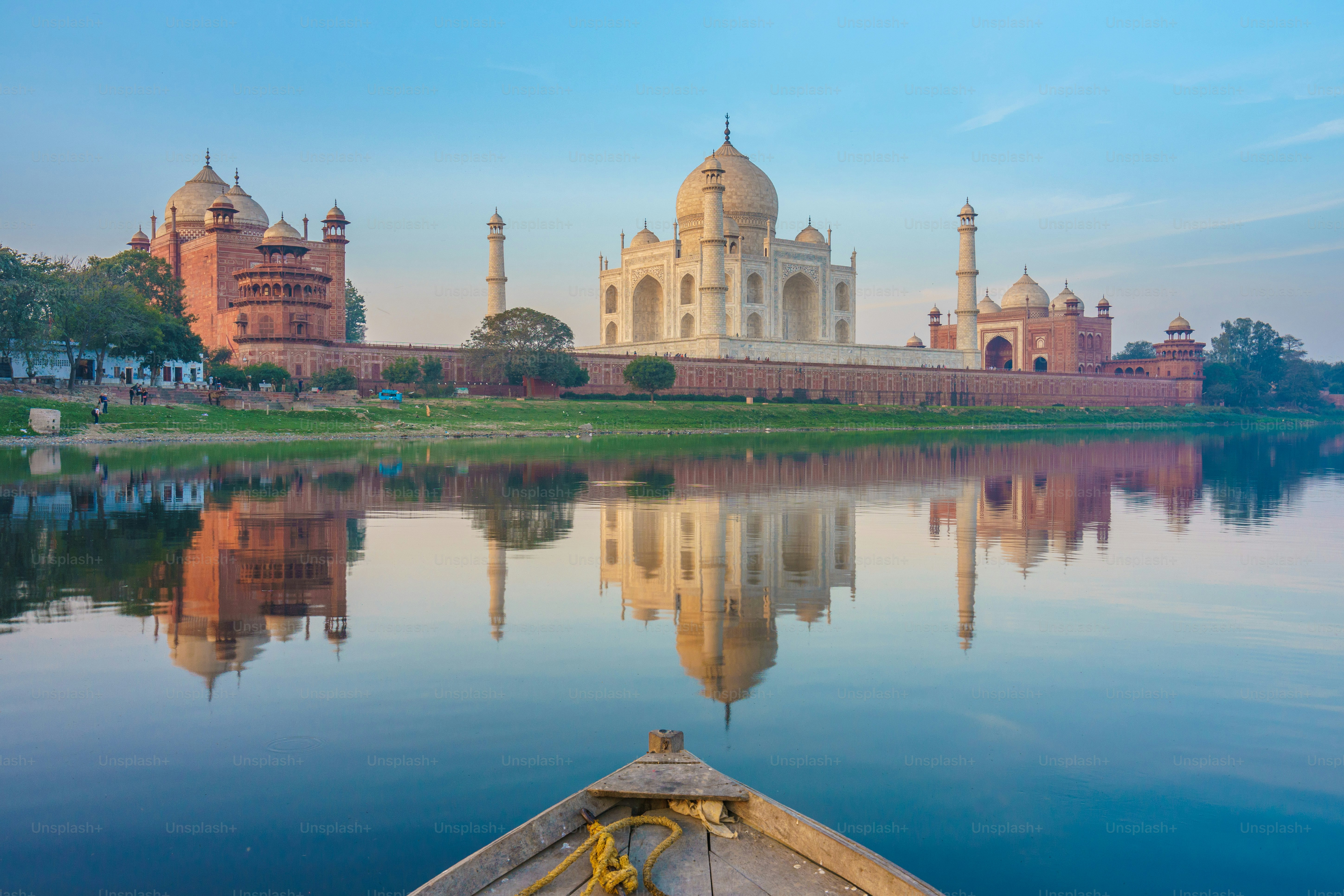
"The Taj Mahal was beautiful. The marble was white. The gardens were green. It was amazing."
Okay. But what did it actually do to you? What happened in your chest when you saw it? Did you feel small? Did you feel connected to something old? Did you feel nothing at all and wonder if something was wrong with you?
The best travel storytelling doesn't just describe places. It describes what those places did to the person standing in them. That's what makes readers lean in — not the facts about a destination, but the truth about a human experience.
Here's a simple trick: after you write a paragraph about what you saw, ask yourself "So what? What did this make me feel? What did I realize? What changed?" Then write that. That's usually the real story hiding behind the description.
Your travel experiences become stories when you add the invisible layer — the thoughts, the doubts, the quiet revelations, the discomfort, the unexpected joy. The outside is the setting. The inside is the story.
Use Specific Details (They're Everything)
"We ate great food."
"The thali had six small bowls, each one a different shade of orange and red, and the woman who served it stood by our table until we tasted the dal, like she needed to see the look on our faces before she could walk away."
Specific details are what transport your reader from their screen to the place you're writing about. They're the secret weapon of good travel writing.
You don't need to describe everything. You need to describe the right things — the small, vivid, precise details that make a scene come alive.
Smell
Not "it smelled good" — woodsmoke? Diesel? Wet earth after rain? Cardamom in chai?
Sound
Not "it was noisy" — a call to prayer mixing with a Bollywood song from a passing auto. Kids playing cricket in an alley.
Touch
The grit of sand in your shoes. The cold steel of a train berth at midnight. A stranger's handshake that lasted one beat too long.
These details don't just make your writing better. They help you remember. When you write about the exact color of the sky over Udaipur at 6 PM, you're not just telling a story — you're preserving a moment that would otherwise dissolve into "yeah, the sunset was nice."
Be Honest About the Messy Parts
Here's something nobody tells you about travel storytelling: the uncomfortable parts are the best parts.
The perfect trip makes for a boring story. "Everything went as planned, the weather was lovely, the food was excellent, we had a wonderful time." Great. Nobody's reading that twice.
But the trip where you got food poisoning in Varanasi and a pharmacist who spoke no English somehow figured out what you needed through charades? That's a story people will tell other people about.
The best personal travel narratives include the real stuff. The loneliness of eating alone in a foreign city. The argument you had with your travel partner on a 12-hour bus ride. The moment you almost quit and went home. The language barrier that made you feel like a child. The fear that crept in at night in an unfamiliar room.
This isn't negativity. It's honesty. And honesty is what separates a forgettable travel blog from a story that stays with someone.
Sometimes travel is sitting on your suitcase in a bus station, wondering why you left home, and then — slowly — remembering exactly why.
Give the Story a Shape
A good travel story isn't a diary entry. It has a shape — a beginning, a middle, and something that feels like an ending.
You don't need a plot twist. You don't need a dramatic climax. You need movement. Something should be different at the end than it was at the beginning.
1. The Setup
Where are you? What's happening? What do you want or expect? Set the scene in two or three sentences. Make the reader feel like they're standing next to you.
2. The Tension
Something goes sideways. Plans change. You're uncomfortable, confused, lost, amazed, or completely out of your element. Without tension — even small, quiet tension — there's no reason to keep reading.
3. The Shift
Something changes. A realization. A connection. A moment of understanding. It doesn't have to be huge. Maybe a stranger says something that reframes your whole day.
4. The Landing
You don't need a neat conclusion. You need an honest one. Where did this moment leave you? Sometimes the best ending is a question you're still thinking about.
That's it. Setup, tension, shift, landing. You can write a travel story in 300 words using this shape, or 3,000. The structure is the same.
Write Like You Talk
If your writing sounds like a Wikipedia entry, something has gone wrong.
The best travel stories sound like a person talking. They have personality. They have rhythm. They have the kind of honesty that only comes when someone stops trying to sound impressive and starts trying to be real.
Read your sentences out loud. If they sound like something you'd never actually say to another human, rewrite them. If a sentence has more than 25 words, split it. If a paragraph is longer than four or five lines, break it up.
Use "I." Use "you." Use short sentences. Use fragments. Like this one. They create pace. They give the reader room to breathe.
And please — don't use words you wouldn't use in real life. You didn't "traverse" a market. You walked through it. The landscape wasn't "resplendent." It was the most beautiful thing you'd ever seen and you literally stopped breathing for a second. Say that instead.
Travel writing tips from craft guides will tell you to "show, don't tell." That's good advice. But here's simpler advice: write the way you'd tell the story to your best friend over chai at 11 PM. That version is almost always better than the polished, careful, "writerly" version.
You Don't Need Permission to Start
This is the part where I need you to hear something.
You don't need to be a published writer. You don't need a blog with a thousand followers. You don't need anyone's approval. You just need to open a notes app, or a journal, or a blank document, and write about one moment from one trip that you don't want to forget.
It doesn't have to be perfect. The first draft of every great story is messy. That's how it's supposed to be. You can fix sentences later. You can't fix a story you never wrote.
Write about that chai stall in Shimla where the owner told you about his son in the army. Write about the sunrise in Hampi that made you cry and you still don't fully know why. Write about getting on the wrong train and ending up somewhere better.
Write about the version of you that existed on that trip — the one who was braver, or more lost, or more open, or more afraid than the version sitting here right now.
That version of you has a story. And that story deserves to exist outside your memory.
Your Travel Story Is Already Written
It's written in the photos you keep going back to. It's written in the thing you always tell people when they ask about that trip. It's written in the moment that pops into your head at random — on a Tuesday evening, in traffic, in the shower — and makes you smile, or ache, or both.
All you're doing when you write a travel story is giving that moment a home. A place where it lives outside your head. Where someone else can find it, read it, and think: I know that feeling.
You already know how to tell stories. You've been doing it since your first trip. All that's left is to write it down.
A travel story doesn't begin when you pick up a pen. It begins the moment you step into the unknown and let it change you. The writing is just you remembering out loud.
Your story is waiting.
Pinaak turns your photos and notes into travel stories — powered by AI, shaped by your voice. No blank page. No writer's block. Just your journey, told your way.

Keep Reading

Best Area to Stay in Varanasi: Budget to Luxury
Find the best area to stay in Varanasi - from ghat-side guesthouses to luxury hotels in Cantonment. A practical neighbourhood guide for every budget.

Varanasi Famous Food: Street Food & Must-Try Dishes
Discover Varanasi famous food from kachori sabzi to malaiyyo. A local's guide to the best street food, sweets, cafes & restaurants in Varanasi.