Delhi Metro Guide for Tourists (2026): Routes, Fares, Tips
A simple Delhi Metro guide for first-time tourists—how to use tokens vs smart cards, key routes, fares, best stations, and tips to avoid common mistakes.
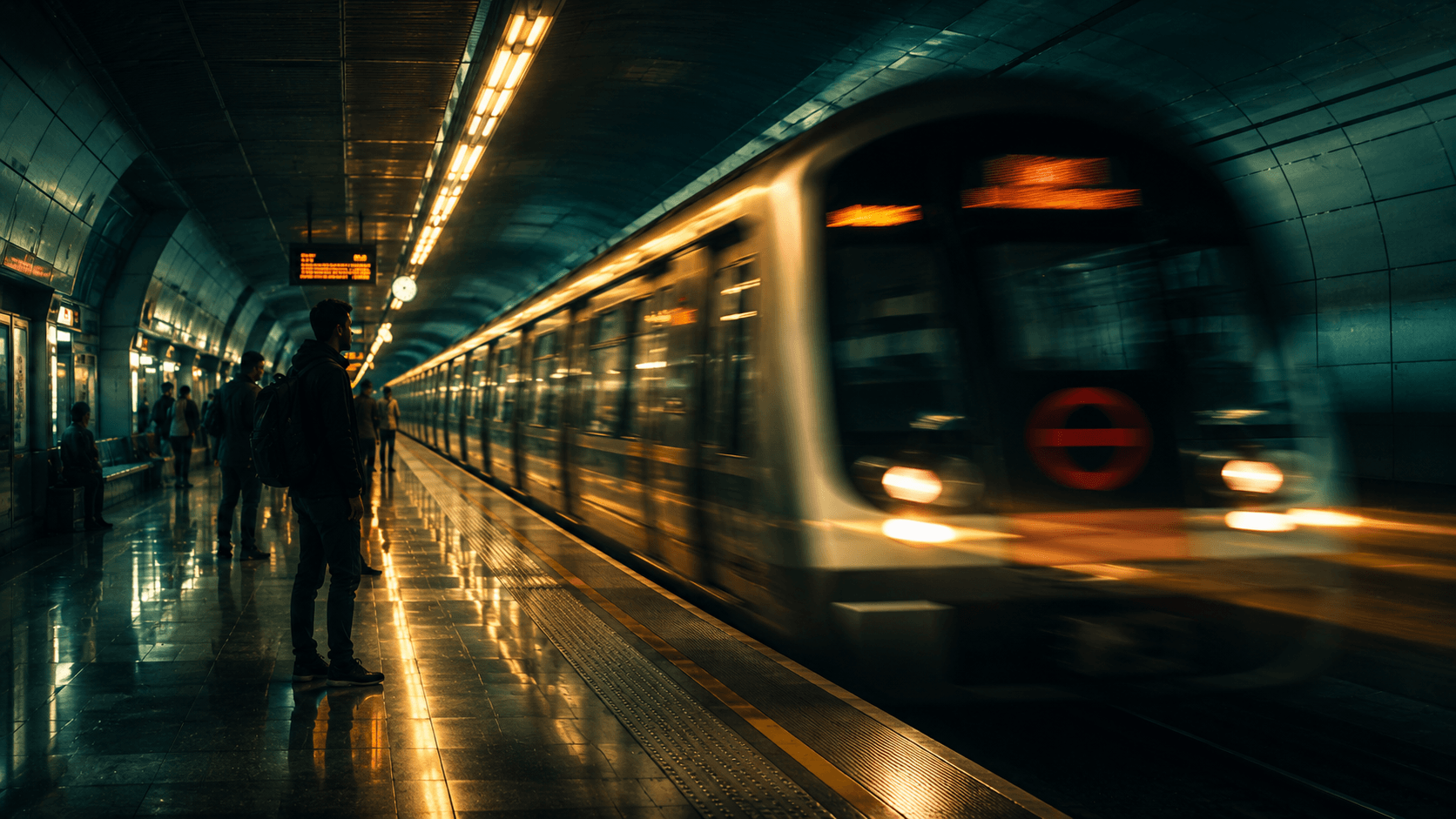
You land in Delhi, open Google Maps, and suddenly every route says "take the metro." But no one actually tells you how it works. Which gate? Which line? Token or card? What's an interchange and how do you not miss one?
I felt the same way the first time. So this delhi metro guide is the quick, no-anxiety version - what tourists actually need to know to ride Delhi Metro confidently from day one. By the end, you'll skip the queue at the airport, plan routes in 30 seconds, and avoid the rookie mistakes everyone makes.
Why the Delhi Metro is the Best Way to Get Around
Delhi traffic is unpredictable. A 6 km cab ride can take 20 minutes or 50 - depends on the time of day, a random VIP movement, or rain. The Delhi Metro doesn't care about any of that.
It's fast, air-conditioned, clean, and absurdly cheap. Most tourist rides cost INR 10-INR 60. The network covers nearly every major attraction - Red Fort, Chandni Chowk, Qutub Minar, Lotus Temple, Akshardham, and the airport. It runs from roughly 5:30 AM to 11:30 PM, with trains every 2-5 minutes.
For tourists, that combination is unbeatable. Use the metro for predictable timing. Use cabs only for the awkward last-mile or late nights.
Metro-ready? Plan your Delhi days.

How the Delhi Metro Works (Simple Breakdown)
The Delhi Metro is run by DMRC (Delhi Metro Rail Corporation). 12 color-coded lines. Trains every few minutes. Signage in English and Hindi. You'll be fine.
Tokens vs Smart Cards vs Tourist Card
You have three main options:
- Single-journey token - plastic coin you buy at the station counter or a vending machine. INR 10-INR 60 depending on distance. Good for one ride only. Tap at entry, drop in slot at exit.
- Smart Card - rechargeable card, INR 200 refundable deposit + your loaded balance. Gives you a 10% fare discount. Best for stays longer than 3-4 days.
- Tourist Card - unlimited rides for 1 day (INR 150) or 3 days (INR 300). For most tourists, this is the easiest option. No queues, no math, no token-fumbling.
The first time I used Delhi Metro, I bought tokens for every ride. Wasted 5 minutes per station in the queue. Get a Tourist Card or Smart Card on day one. You'll save an hour easily.
Entry & Exit Process
The flow is simple:
- Security check at the station entrance - X-ray your bag, walk through a metal detector, brief frisking. 30-60 seconds.
- Tap in at the gate using your token or card. Gate opens. Walk through.
- Board the train. Wait behind the yellow line on the platform.
- Tap out at your destination station. Drop the token in the slot if it's single-journey; tap the card if it's Smart/Tourist.
That's the whole system. Once you do it once, it's muscle memory.
Reading Metro Maps
Delhi Metro lines are color-coded - Yellow, Blue, Red, Green, Violet, Pink, Magenta, Orange (Airport Express), and a few others. Each line has two end-point names showing the direction. Always check which end your train is heading toward.
Interchanges are stations where two or more lines meet. You'll change trains here without exiting the station. Just follow the colored line signs to the correct platform.
Key Metro Lines Every Tourist Should Know
Out of the 12 lines, three carry almost all tourist traffic.
- Yellow Line - the most important tourist line. Connects Old Delhi (Chandni Chowk), Connaught Place (Rajiv Chowk), Qutub Minar, and New Delhi Railway Station. If you're on a 1-3 day trip, you'll spend most time on this line.
- Blue Line - east-west. Useful for Akshardham, Karol Bagh, and Dwarka.
- Violet Line - south-east. Goes near Lotus Temple (Kalka Ji Mandir station) and through Nizamuddin / Khan Market area.
- Airport Express Line (Orange) - direct from New Delhi station to IGI Airport Terminal 3 in around 20 minutes, INR 60. The fastest airport metro Delhi has, and the smartest choice over a cab during traffic hours.
Best Metro Stations for Tourists
Three stations matter more than the rest.
Rajiv Chowk
Directly under Connaught Place. Yellow Line + Blue Line interchange - the busiest station in the network, and the one you'll pass through most. Multiple exits open into different CP blocks. Take Exit 6 for the inner circle, Exit 2 for Janpath, Exit 7 for the Outer Circle restaurants.
Tip: Rajiv Chowk during evening rush (6-8 PM weekdays) is packed wall-to-wall on the platform. If you're traveling with luggage, time your transfers around it.
Kashmere Gate
Yellow + Red + Violet interchange. The triple interchange of the network. Useful if you're heading to Old Delhi from the north, or transferring between lines on long routes. The bus terminal upstairs (ISBT Kashmere Gate) is the main inter-state bus hub if you're heading to Rishikesh, Manali, or Dharamshala after Delhi.
New Delhi Metro Station
Yellow Line + Airport Express. Connects to New Delhi Railway Station above ground. This is where you start your Airport Express ride to IGI. Walking transfer between the two systems is straightforward and signposted - about 5 minutes between metro platforms and the railway concourse.
How to Plan Your Route (Without Getting Lost)
Google Maps handles Delhi Metro accurately. Enter your destination, pick the public transit option, and it'll show you which line, which direction, where to interchange, and how many stops.
The DMRC Momentum 2.0 app is the official option. It also generates QR ticket purchases and shows real-time first/last train times for your specific line.
A rough rule: most tourist trips take 25-45 minutes including one interchange. Add 10 minutes if you're walking from the station to a monument afterwards. Always check the direction (end-station name) on your platform before boarding - it's the most common mistake.
Metro Timings & Fare Guide
Timings: Most lines run from around 5:30 AM to around 11:30 PM Monday to Saturday. Sundays usually start around 8 AM. Airport Express runs from 4:45 AM, useful for early flights.
Fares: Distance-based. INR 10 for short rides, up to INR 60 for the longest journeys. Airport Express is a flat INR 60 to/from the airport. Tourist Card unlimited rides - INR 150 for 1 day, INR 300 for 3 days. Smart Card gives 10% off all fares.
Ride smart — book the full Delhi trip.
Pro Tips for Using Delhi Metro
Avoid peak hours. 8:30-10:30 AM and 5:30-8 PM on weekdays are packed. Trains aren't dangerous, just uncomfortable. Move your sightseeing start times outside this window if you can.
Escalator etiquette. Stand on the right, walk on the left. Blocking the left lane is the fastest way to annoy a local.
Use the women's coach. The first coach on every train is reserved for women. Solo female travelers should always use it - it's clearly marked on the platform with pink signage.
Carry cash + card. Token counters take cash and UPI; vending machines often take cards but glitch sometimes. Have both as backup.
Airport Express is always faster. Even with check-in baggage. A cab from CP to IGI can take 90 minutes in traffic. The metro takes 20. Always.
Don't eat or drink on the train. It's not allowed and security will call you out.
Common Mistakes Tourists Make
The avoidable ones, ranked by how often I've seen them:
- Boarding the wrong direction. Always check the end-station name on the platform sign. Easy to fix - get off at the next stop, cross to the other platform, ride back.
- Missing an interchange. Google Maps tells you where to change trains. Set a phone reminder for one stop before, or just keep looking up at station names as you pass them.
- Buying tokens for every ride. If you're doing 4+ rides a day, get the Tourist Card. The token queue eats your day.
- Underestimating exits. Big stations like Rajiv Chowk have 8+ exits. Pick the right one or you'll add 10 minutes of walking.
- Skipping security check rules. Don't carry sharp objects, large knives, or alcohol. Bags get x-rayed.
- Not having Smart Card balance. If your card runs low mid-trip, the gate won't open. Always top up an extra INR 50 buffer for safety.
- Believing every station name on the map. Some interchange stations have different names on each line (rare, but it happens). Trust Google Maps over your memory.
Is Delhi Metro Safe for Tourists?
Yes - Delhi Metro is one of the safest public transport networks in India. CCTV is everywhere, security personnel are visible at every station, stations are well-lit and clean, and announcements are bilingual.
For solo female travelers, the first coach of every train is reserved for women, and there's also a women-only security queue at the entrance. Pickpocketing is rare but possible in peak-hour crowds - keep your bag in front.
At night, the network stays safe until close. Just avoid the very last train if you can, and use a rideshare from the station to your hotel.
Metro vs Cab: What Should You Use?
The honest split.
Use the metro when: You're traveling between two stations near major attractions (Old Delhi, CP, Qutub, Akshardham). It's peak traffic time. You want to save money. You're going to or from the airport.
Use a cab when: Your destination is more than a 10-minute walk from the nearest metro. You have heavy luggage. It's late at night and the metro is closed. You're going somewhere with awkward connectivity like Hauz Khas Village or Mehrauli - both better by cab.
A practical hybrid: metro for the long haul, cab for the last mile. This works for almost every Delhi tourist itinerary.
Concrete example: going from Connaught Place to Qutub Minar. Yellow Line metro from Rajiv Chowk to Qutub Minar station takes around 30 minutes, costs INR 30. A cab is 35-60 minutes depending on traffic and costs INR 250-INR 350. Metro wins easily during the day. Going the other way after 10 PM? Cab. Metro is closing and the time saved isn't worth it.
Ride With Confidence
That's the entire delhi metro guide you need. Get a Tourist Card on arrival, learn three station names (Rajiv Chowk, Kashmere Gate, New Delhi), use Google Maps for routing, and stay off peak-hour trains. Everything else falls into place.
The metro is the quiet hero of any Delhi trip. The travelers who use it confidently see more of the city in less time and spend less money doing it.
Want to see how other travelers explored Delhi using the metro? Explore Discover Delhi - real stories, routes, and tips from people who've ridden these lines. Browse delhi travel experiences before your trip.
Navigate Delhi with ease — book your trip now!
Get tailored quotes from verified operators on WhatsApp — or explore the full journey first.