



When to Shop, and How to Get It Home
Vishwanath Gali, Varanasi, India
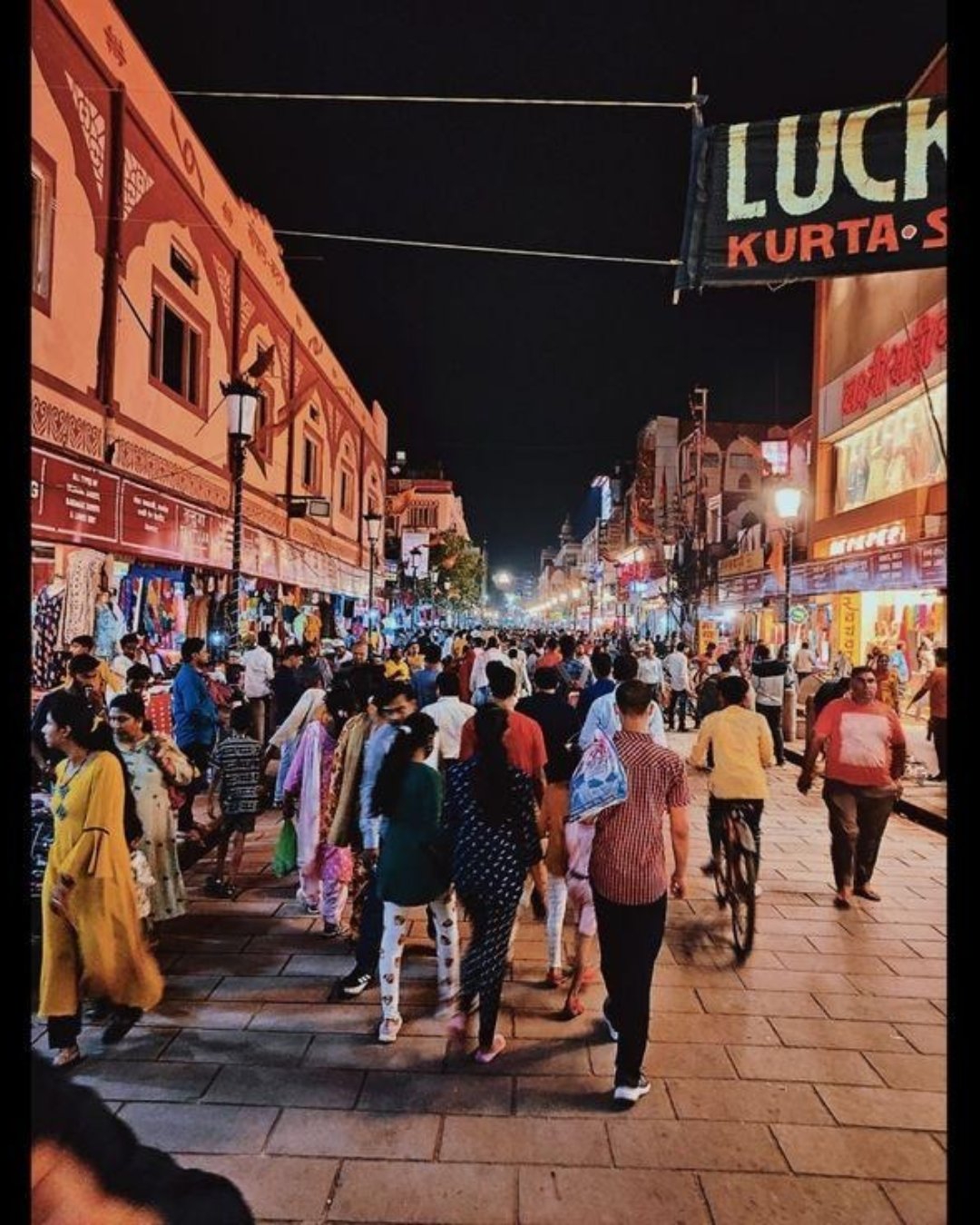
Shopping in Varanasi is not just about knowing what to buy — it is also about knowing when to shop, how to pay, and how to get your purchases home safely. The old-city markets have their own rhythm, and arriving at the wrong hour can mean navigating packed lanes when you could have been browsing calmly, or missing the chance to see artisans actually working.
Tuesday deserves a little attention when planning a shopping day. Many traditional shops in and around the Vishwanath Gali and Chowk areas have historically kept Tuesday as a weekly closing day or operated with reduced hours, although this is not universal and individual shops can vary. If shopping is a major part of your Varanasi itinerary, do not make Tuesday your only shopping day. Check the particular shop before making a special trip, especially if you are travelling specifically to buy silk or a particular craft.
For the best experience, go in the morning. Earlier hours generally mean cooler lanes, fewer crowds, and more time to examine products without being rushed. Mornings can also be useful if you want to understand how something is made: in weaving and craft neighbourhoods, workshops may be active during working hours, giving you a chance to see the process behind the product rather than just the finished item in a showroom. If an artisan or shopkeeper is willing to explain the weaving, material, zari or finishing, take advantage of it.
Payment methods can vary considerably in the old-city lanes. Larger established stores are more likely to accept cards and digital payments, while smaller workshops and traditional vendors may prefer cash or UPI. Do not assume that every small shop will accept a card, and keep a practical payment backup available. If paying a substantial amount digitally, check the recipient details carefully before confirming the transaction.
Getting it home
A silk sari folds small and travels fine in hand luggage — that's the safest option, and the one to take if you can. Fold along the existing creases, keep it in the shop's muslin or a cotton cloth rather than plastic (silk needs to breathe), and don't vacuum-pack it.
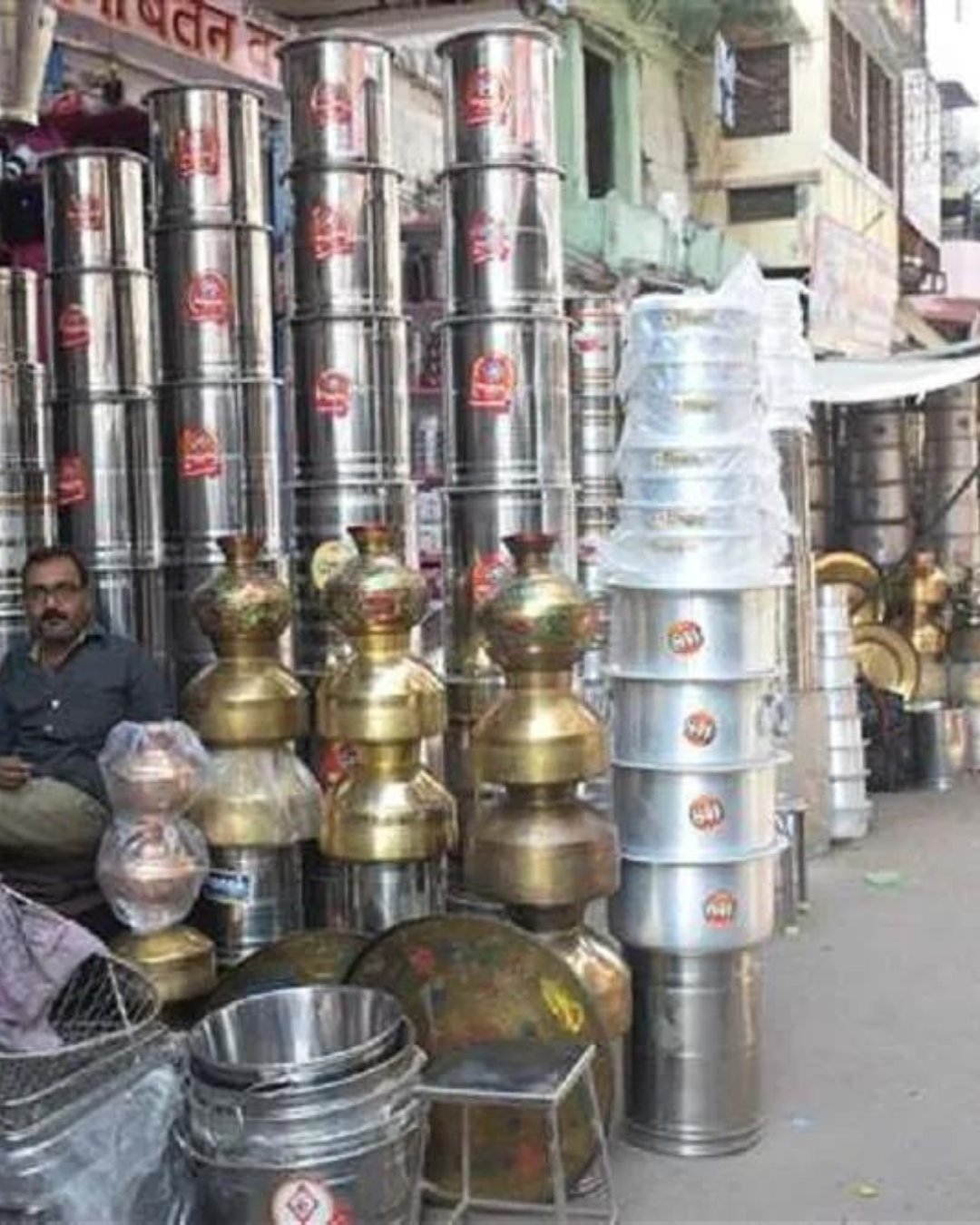
For anything bulky — brass, a large mirror-work piece, several saris — most established shops will courier internationally, and the better ones do it routinely. Three rules if you use that service:
Get the receipt and the tracking number before you leave the shop, not emailed later.
Photograph the item and the packed parcel with the shop's name visible.
Ask what's declared on the customs form — under-declaring to save you duty is a favour that becomes your problem at the other end.
For high-value silk, keep the GST invoice with the GI/Silk Mark details on it. It's your only proof of what you bought if there's ever a dispute — and it matters at customs in some countries.
The easiest approach is simple: avoid relying on Tuesday, shop in the morning, buy from identifiable sellers, get your paperwork, pack valuable silk carefully, and check your destination's customs requirements before you fly. That turns shopping from a last-minute scramble into a purchase you can enjoy long after you leave Varanasi.