

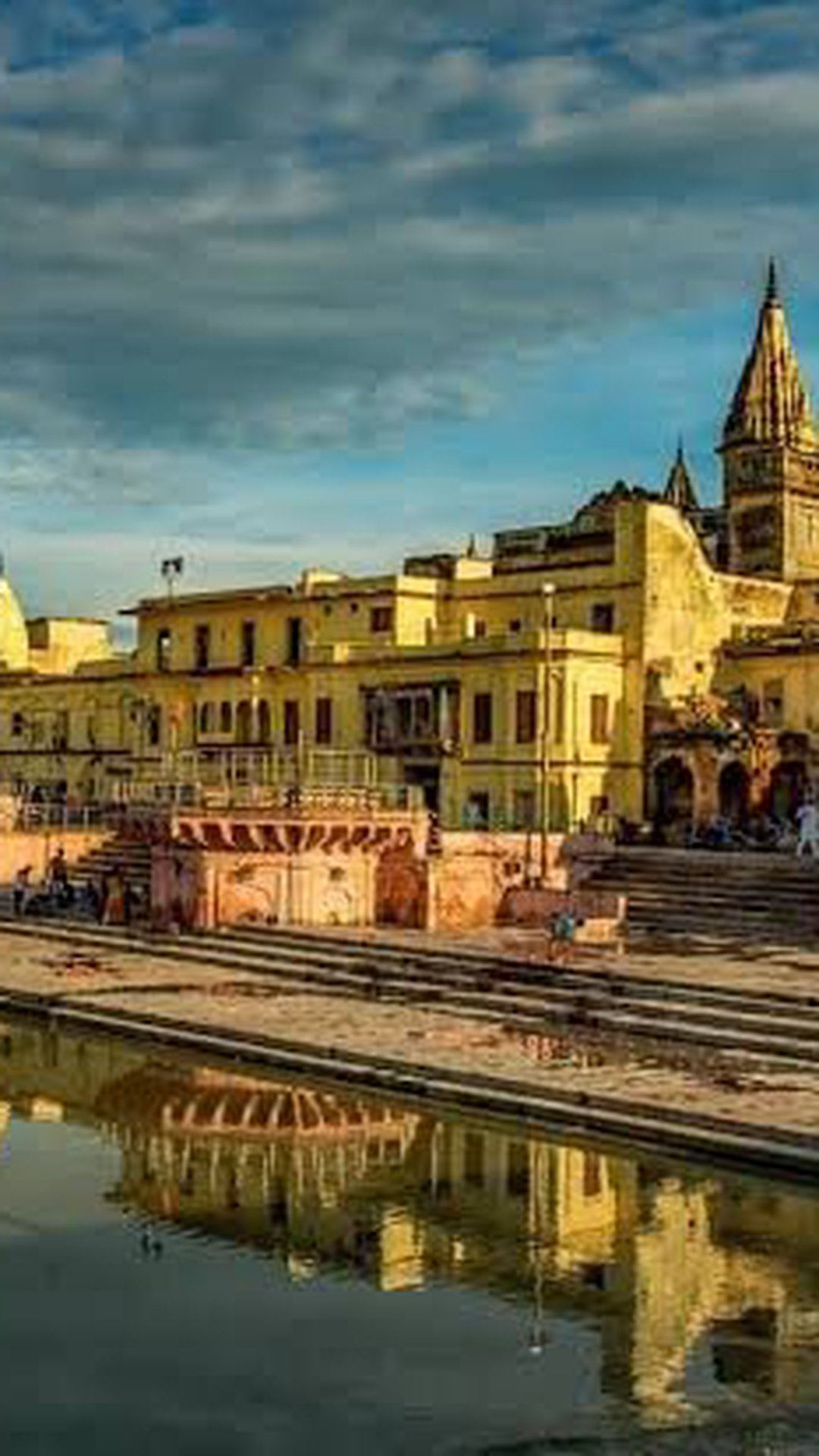
Ayodhya in 2 Days: The Order That Saves You Hours
Check-in is 11am, so day one is an evening — the Saryu aarti, then Hanuman Garhi. Ram Lalla at first light on day two, when the queue is shortest.
Hotels check in at eleven. You arrive on a morning flight/train, you are not in a room until midday, you eat, and you are not really free until three or four. Plan day one as a full day and you will spend most of it waiting for one.
So this is two days built the way the clock actually runs. Day one is an evening: the Saryu aarti first, because it happens at a fixed time and arrival days slip, then Hanuman Garhi after dark and the bazaars on the way back. Day two starts before sunrise — the river to yourself, then Ram Lalla in the morning window, when the queue is at its shortest and you are rested rather than fresh off a train.
you greet Hanuman the night you arrive and come to Ram at first light. And it leaves room for the thing most itineraries ignore. Mangala Aarti opens the temple day and Shayan Aarti closes it; both are free, both need their own pass booked at midnight about fifteen days ahead, and most visitors never find out either exists. Take Mangala if you wake early, Shayan if you would rather end the day inside the temple than start it there, or both if you can live with one short night.
Darshan is free. The Sugam pass is free. The Saryu aarti is free. Nobody should be selling you any of them, and we do not. What we arrange is the arriving, the timing and the leaving — everything in Ayodhya that is genuinely hard to do from a train seat.
393
Route
Home
MomentSaryu Ghat, Manjha Kala
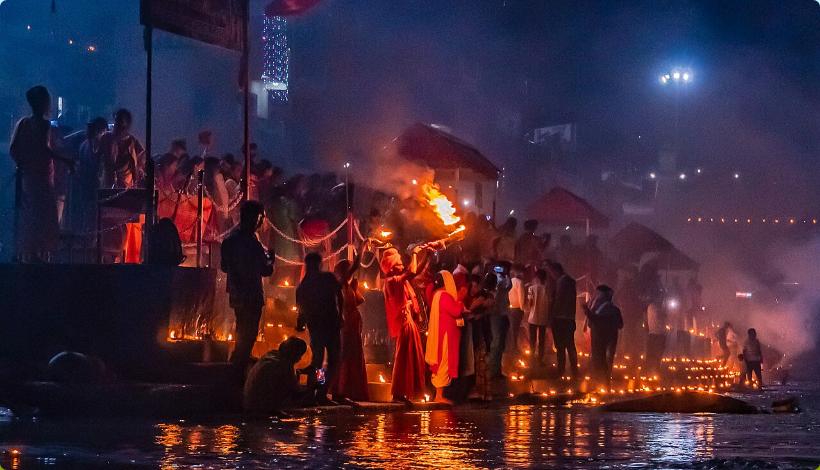
The Saryu Aarti, Which Is What Day One Is For
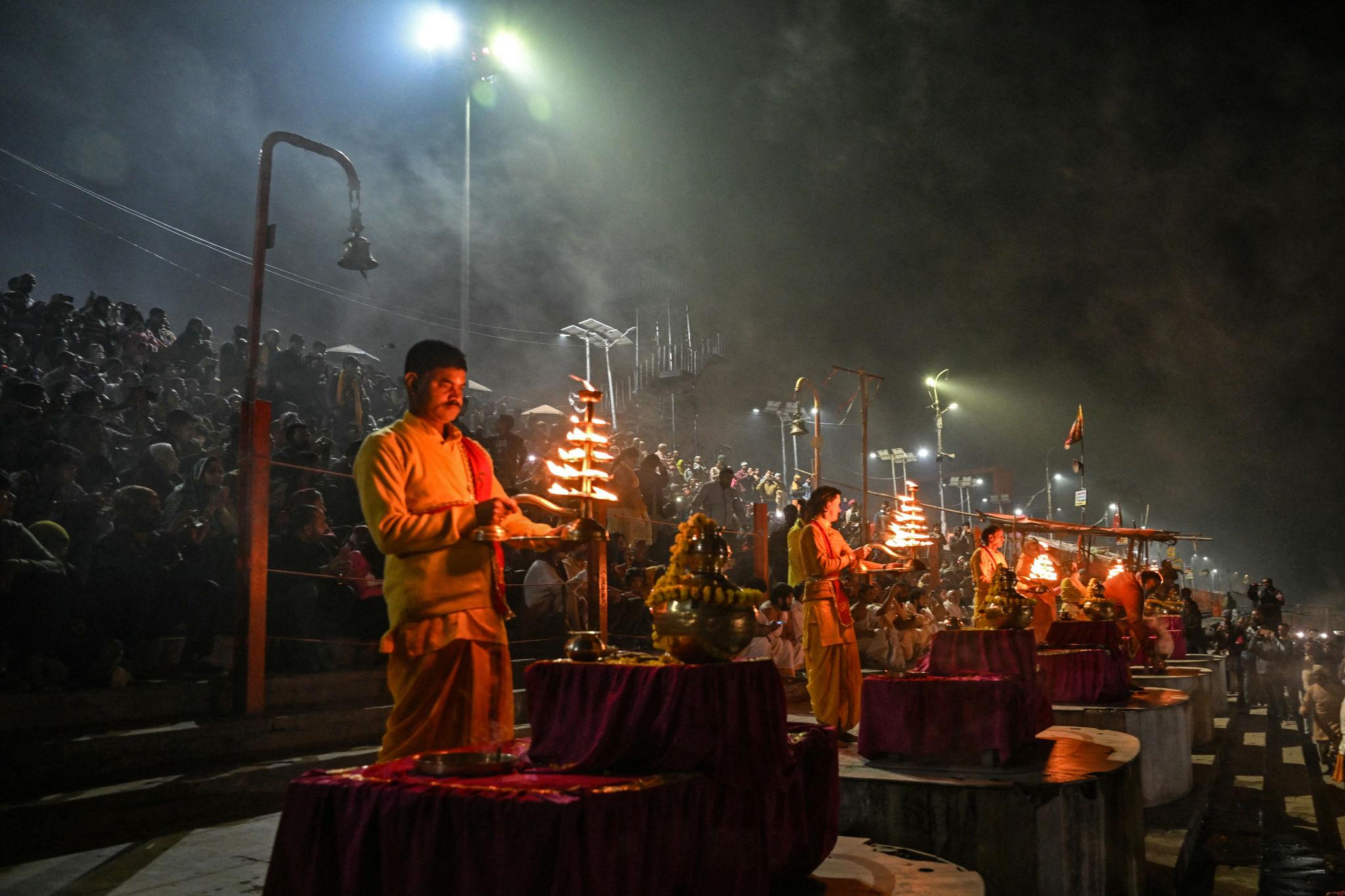
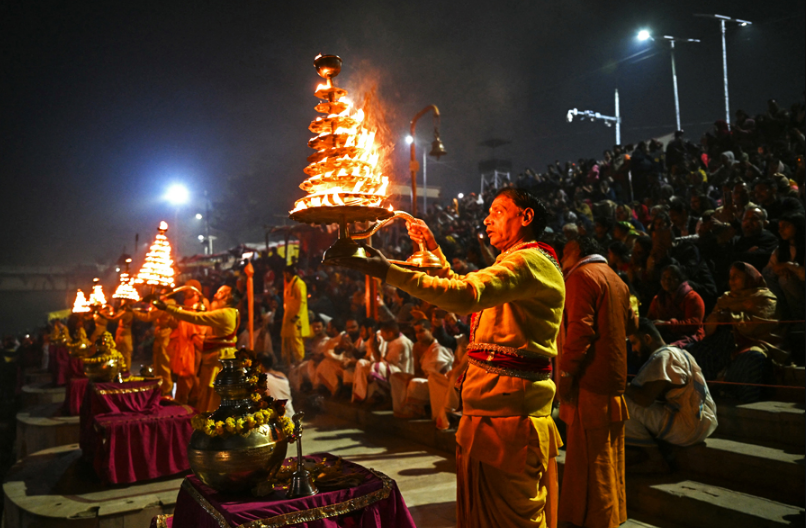
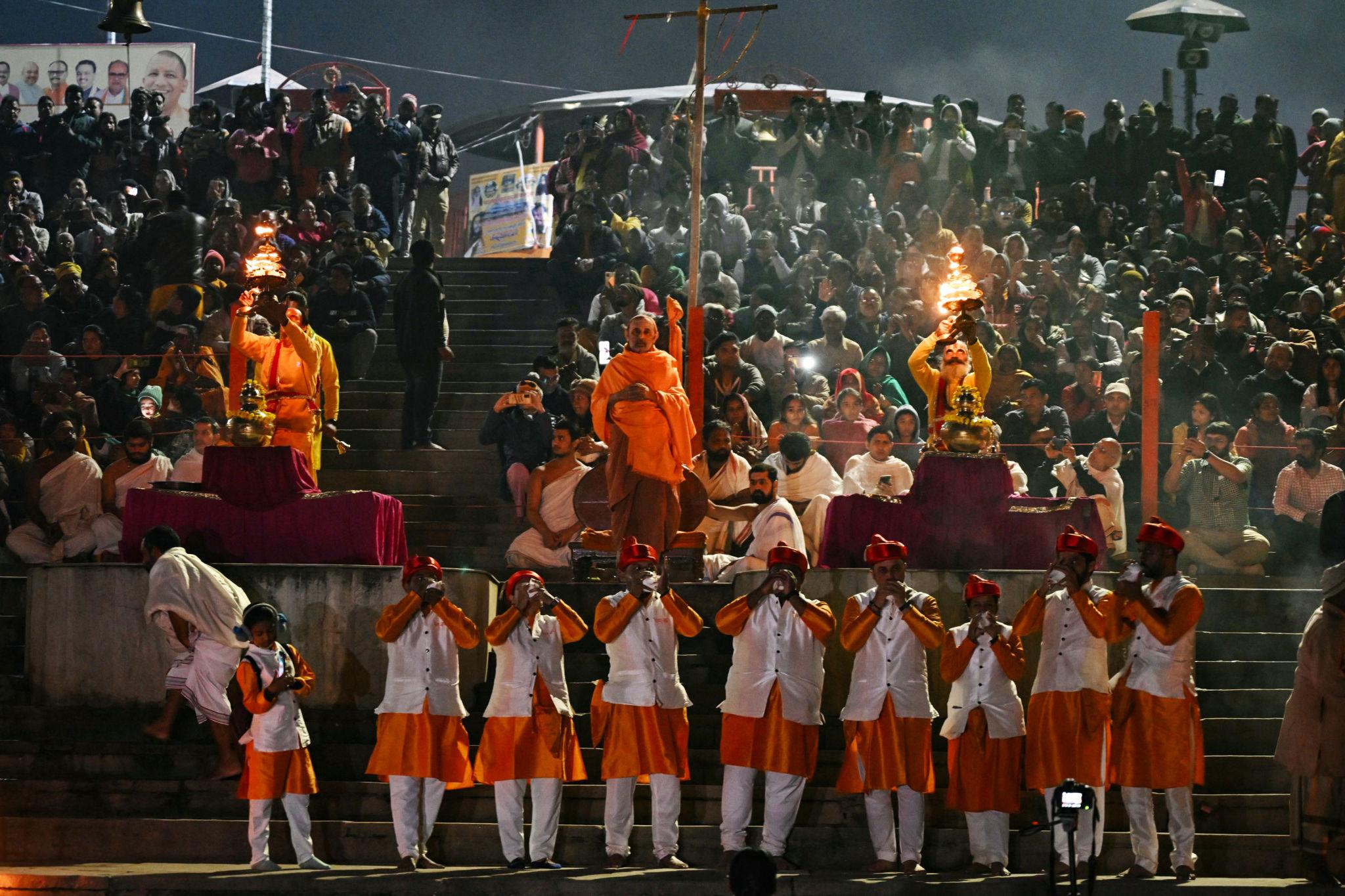
It is free, it happens every evening, its start from 6 PM, and it is the one thing on day one that happens whether or not your train was late.
- Arrival days slip. Build the evening around a temple visit and a two-hour delay costs you the evening; build it around the aarti and it costs you nothing.
- Arrive about forty minutes early if you want to watch it rather than stand behind people watching it.
- Ram Ki Paidi is several metres of steps, not a single viewing point. The crowd thins considerably if you walk away from the middle.
- Free, no pass, no booking.
- Festival weeks transform it.
Pro tip: Choose your step on the way down, while there is still light. The good places are gone by the time the lamps are lit.
The mistakes that ruin it:
- Turning up at the advertised time.
- Treating it as a warm-up for day two — on a one-night trip it is the only evening there is.
167
MomentManjha Kala
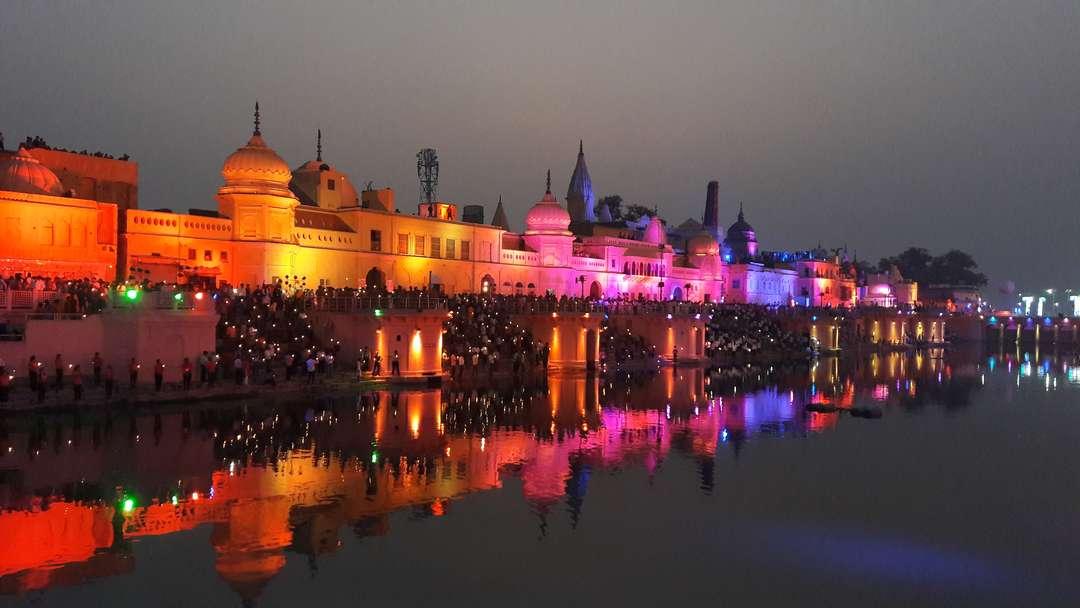
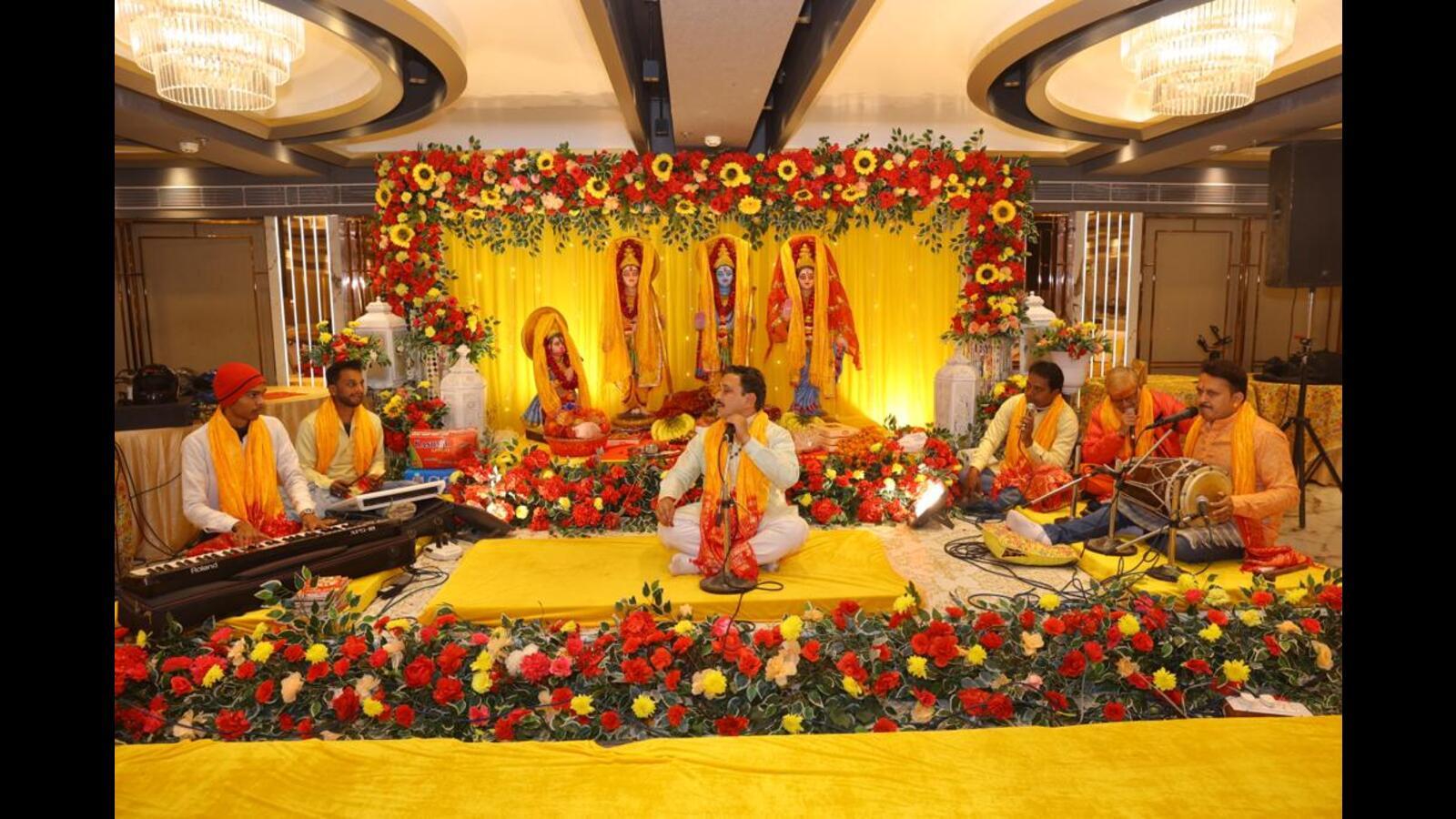
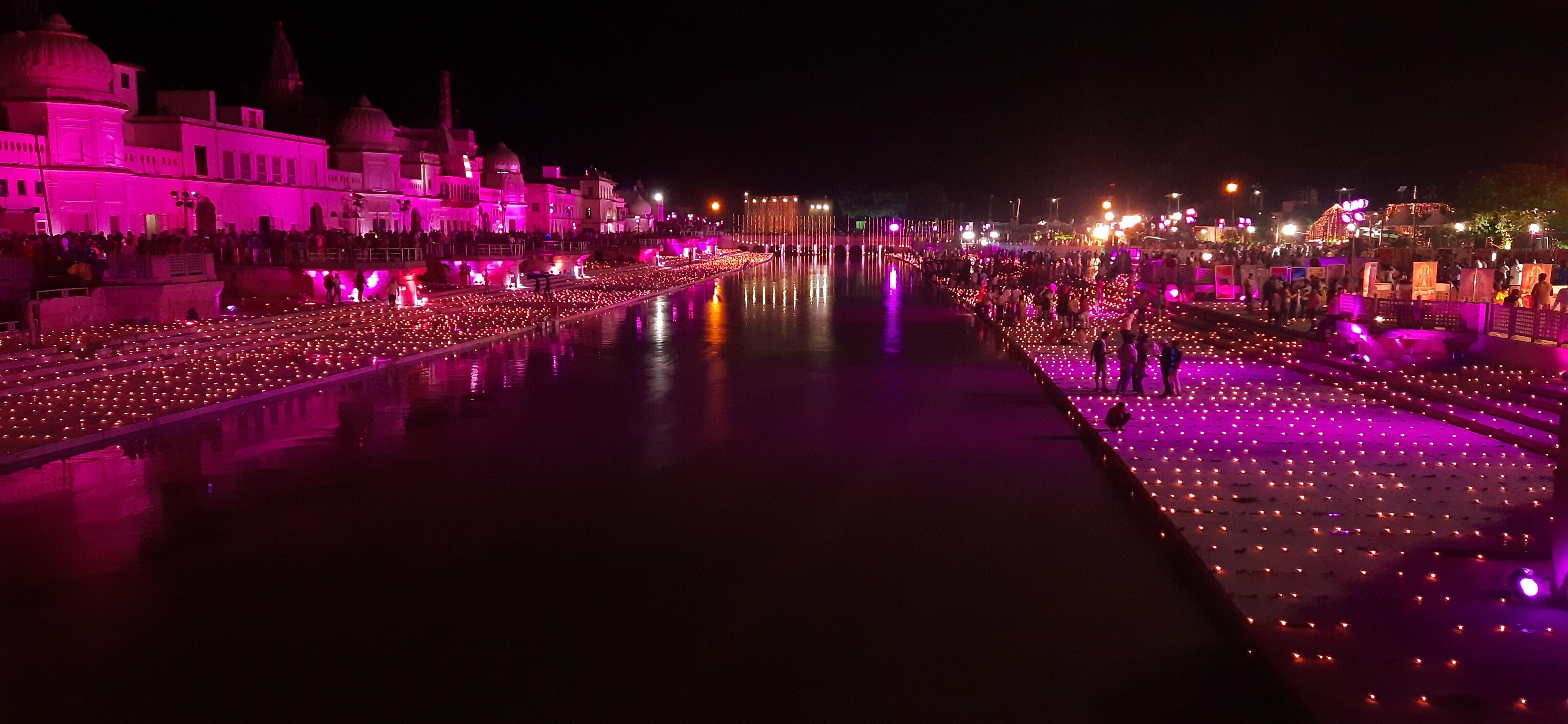
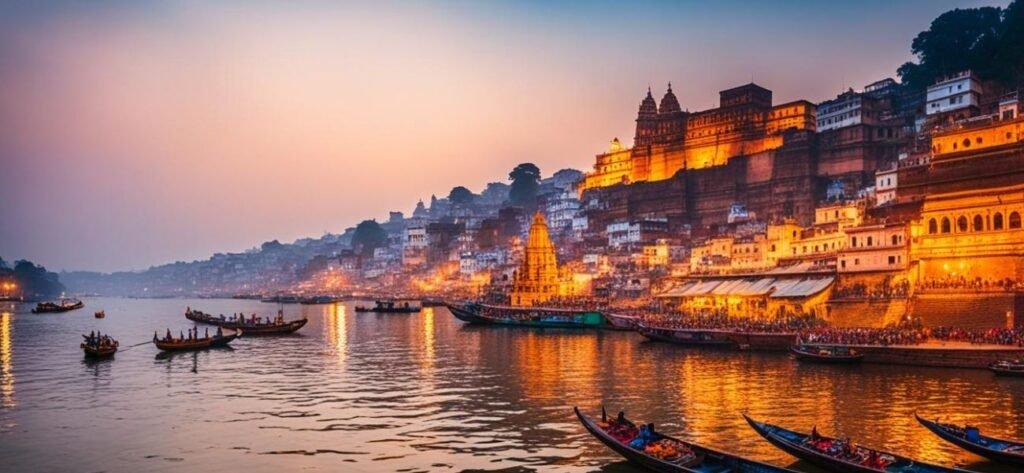
Bhajans And Chants Spiritual Atmosphere
As the sun sets in Ayodhya, the city begins to feel completely different. Temple bells echo through the streets, soft bhajans play in the background, and the ghats slowly light up with diyas. The spiritual atmosphere after sunset feels calm, emotional, and deeply peaceful. Walking through the riverfront or sitting quietly near the Saryu River at night feels less like sightseeing and more like experiencing the soul of the city.
The combination of chants, glowing temples, incense in the air, and reflections on the river creates a feeling that stays with travelers long after they leave Ayodhya.
140
MomentRam janm Bhoomi, Sai Nagar, Ayodhya
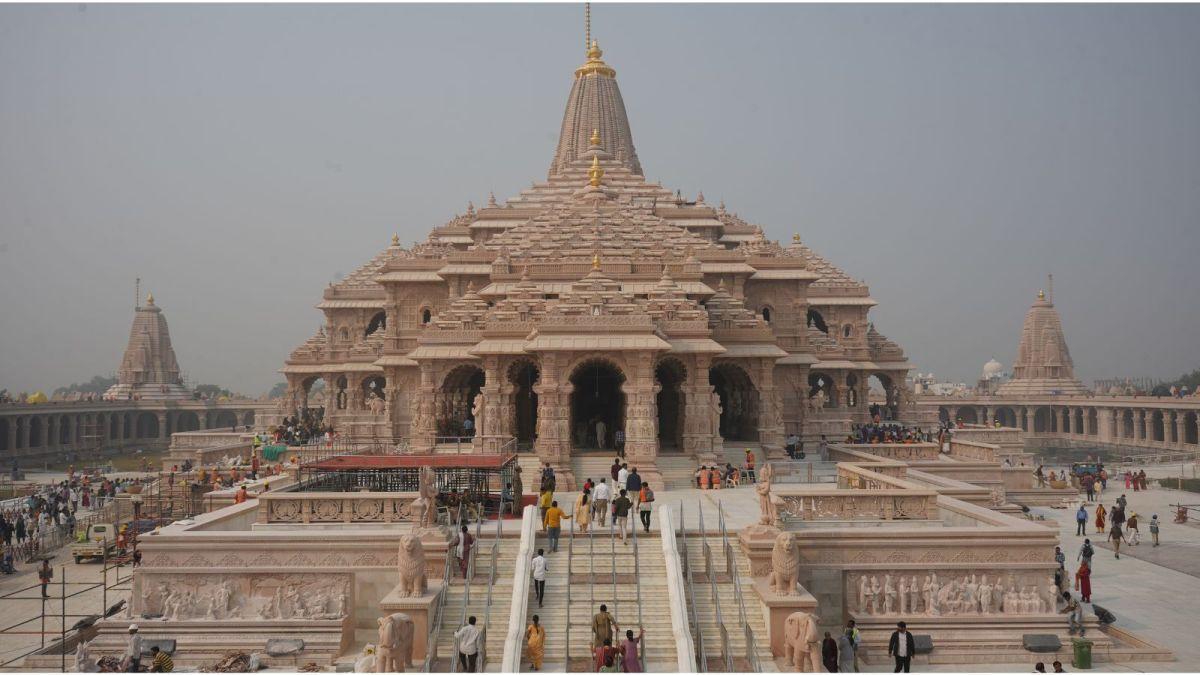
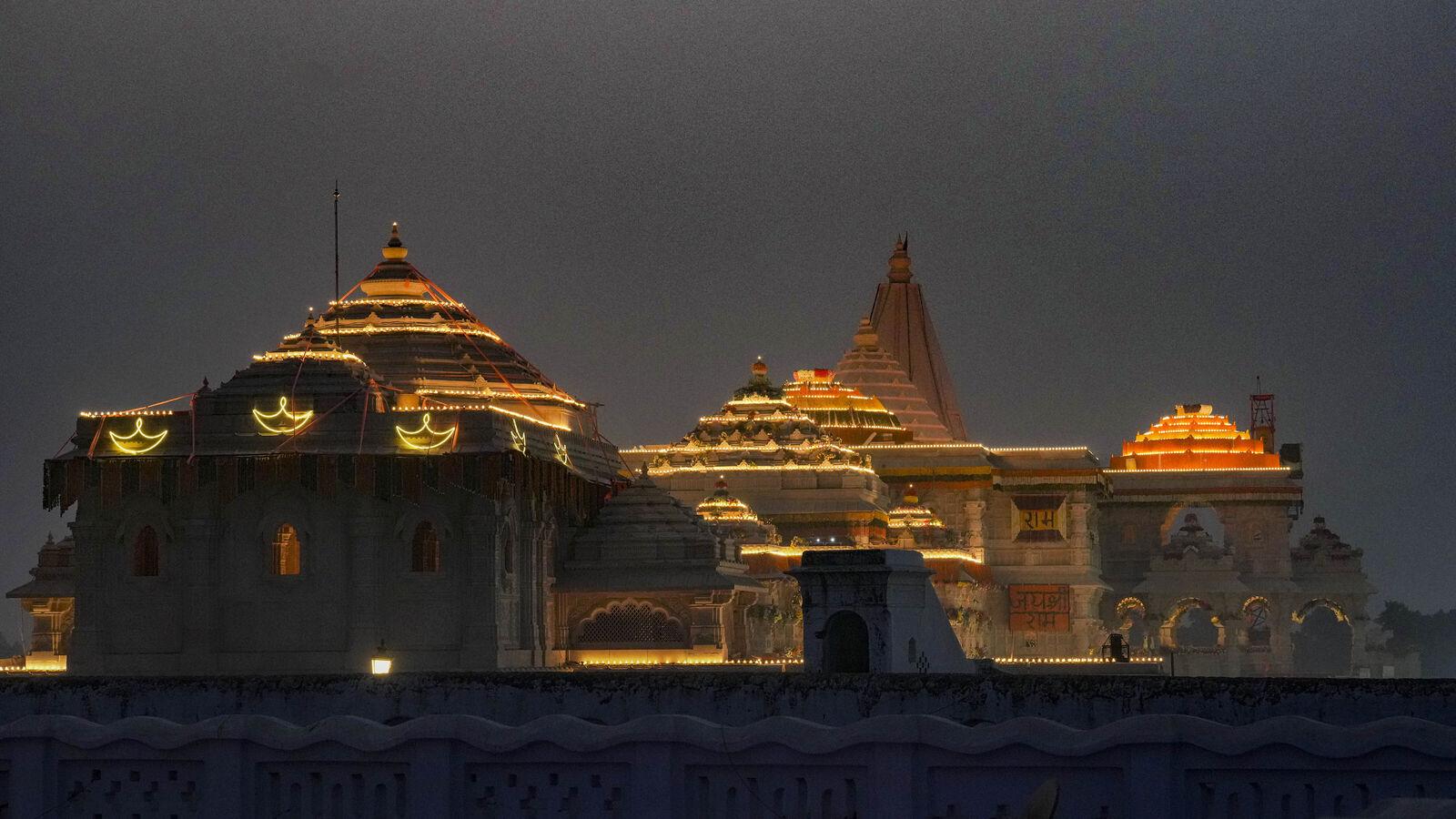
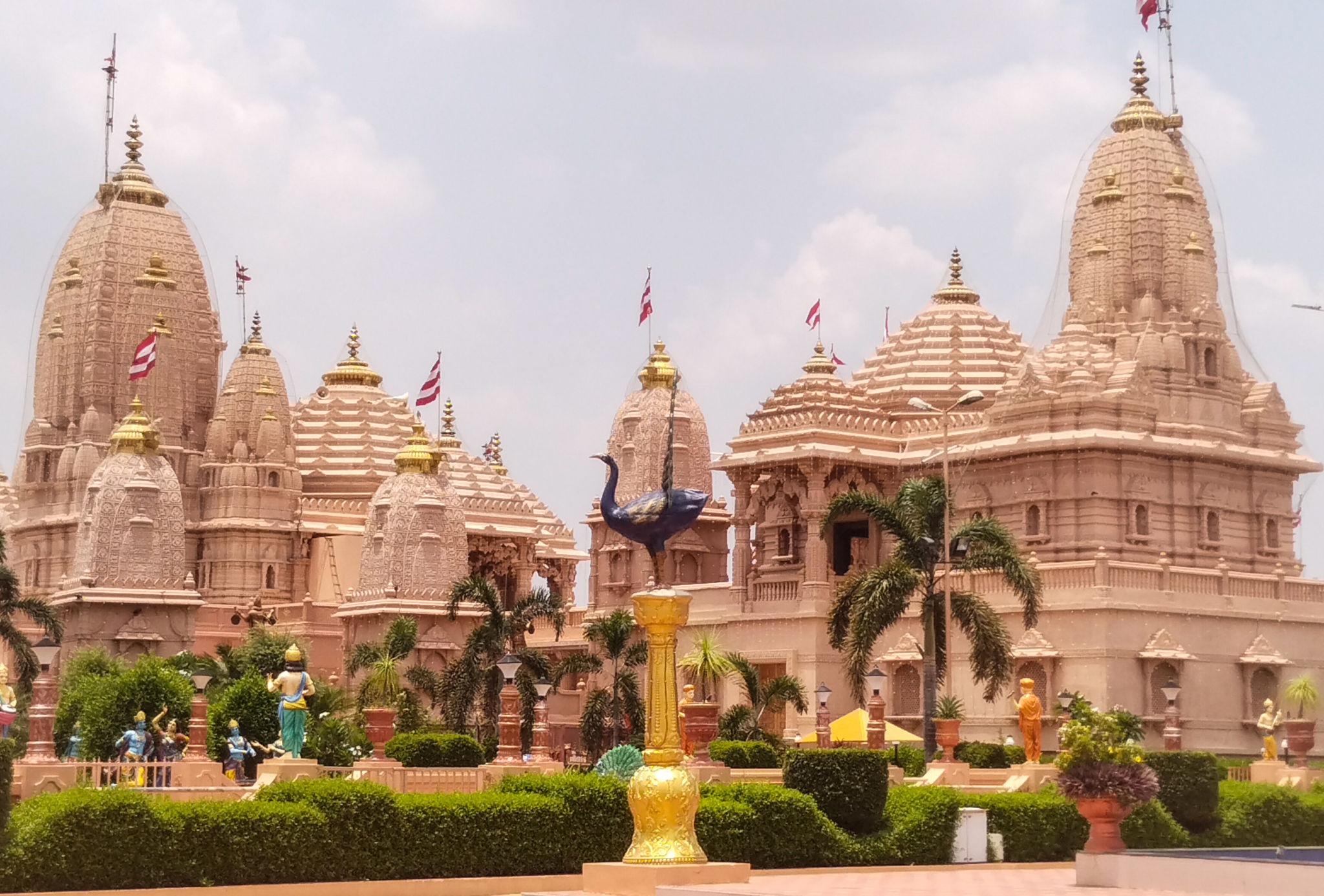
Ram Mandir And Its Architecture Design
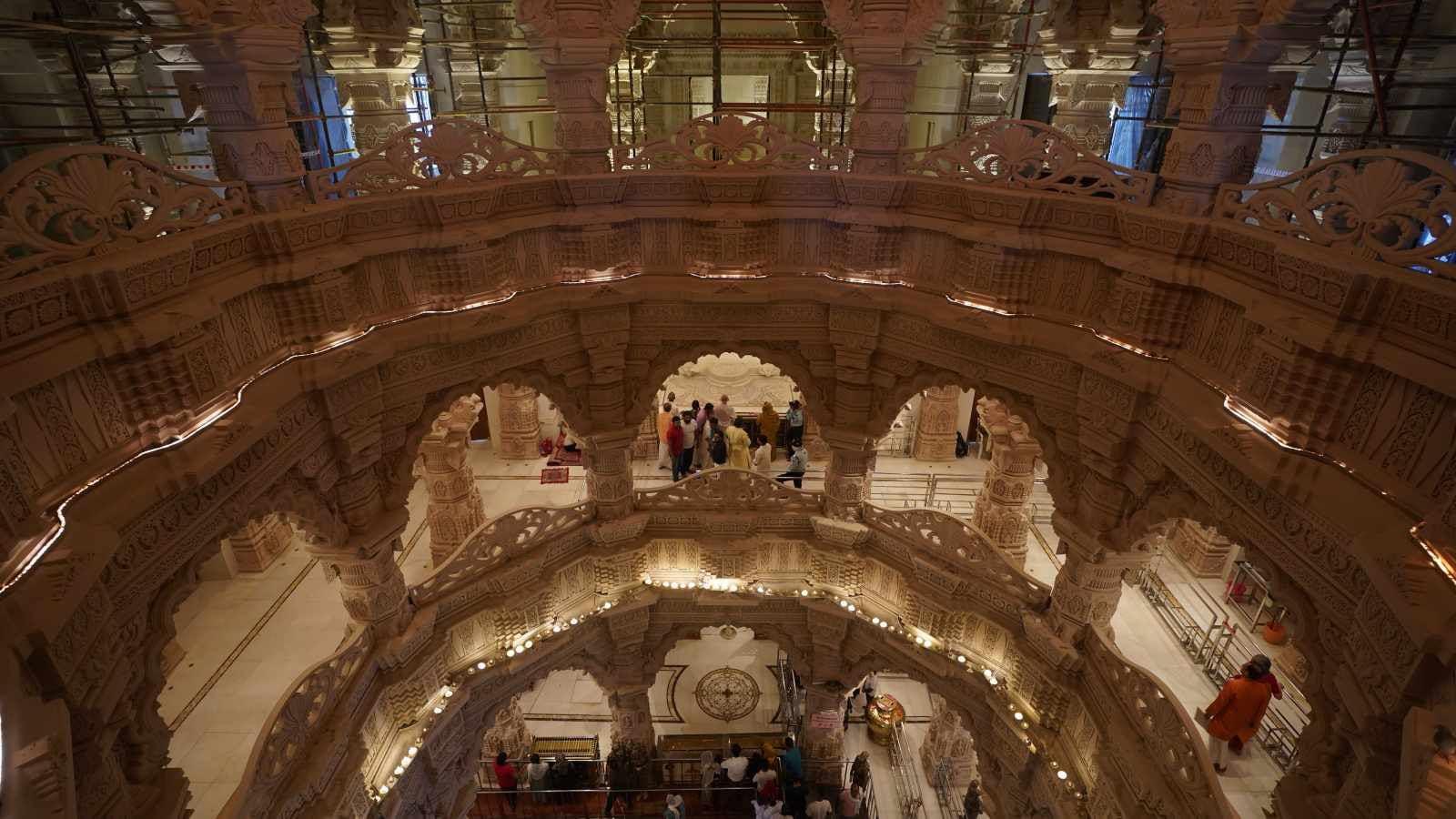
Ram Mandir is the spiritual heart of Ayodhya and one of the most significant temple projects in modern India. Built in traditional Nagara-style architecture, the temple stands out with its massive sandstone structure, intricately carved pillars, detailed sculptures, and towering shikharas inspired by ancient Hindu temple design.
The atmosphere around the temple feels grand yet peaceful. From the wide temple corridors and carved walls to the devotional chants echoing through the complex, every part of the experience feels deeply spiritual. During sunrise and evening lighting, the golden sandstone glows beautifully, making the temple look even more majestic.
For travelers, Ram Mandir is not just a religious site — it’s also an architectural and cultural landmark that represents centuries of history, devotion, and craftsmanship.
198
MomentDharmakata, Ayodhya
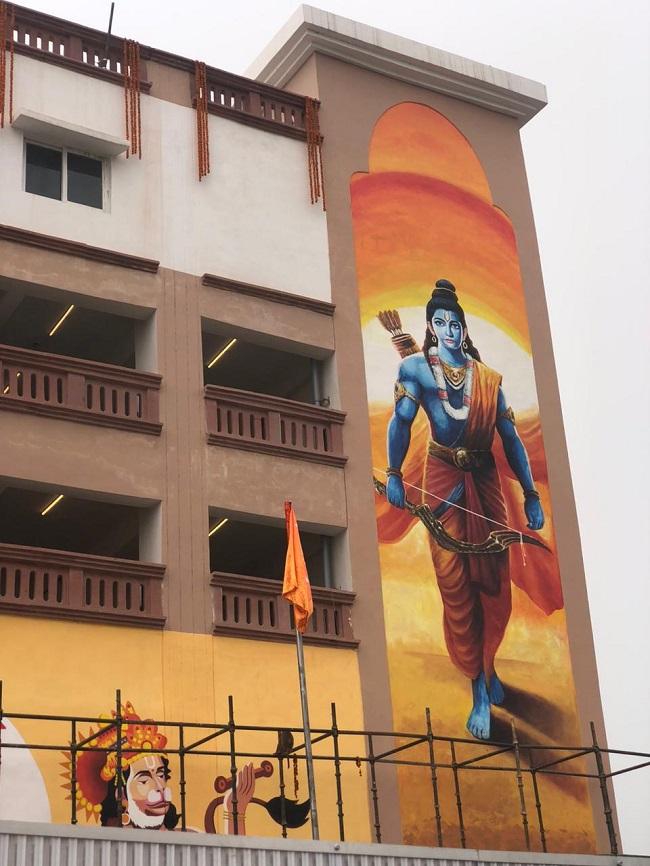
Spiritual Storytelling Murals In Ayodhya
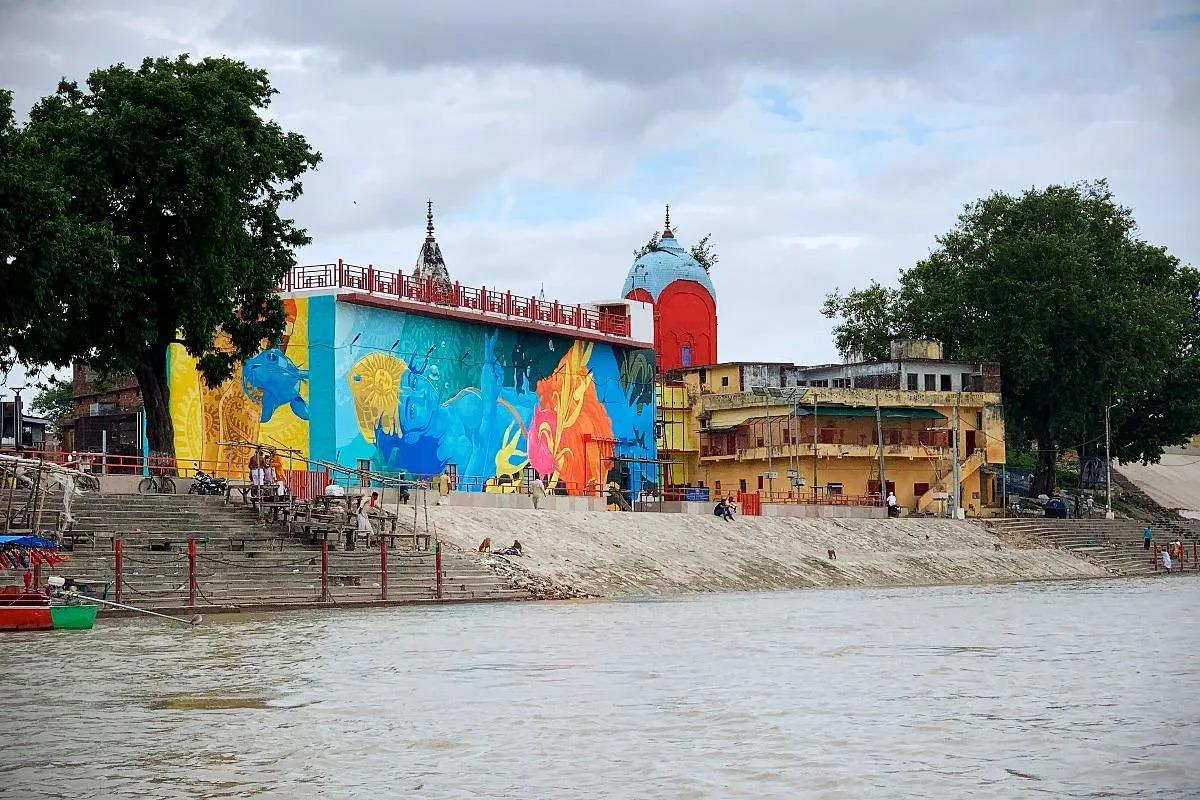
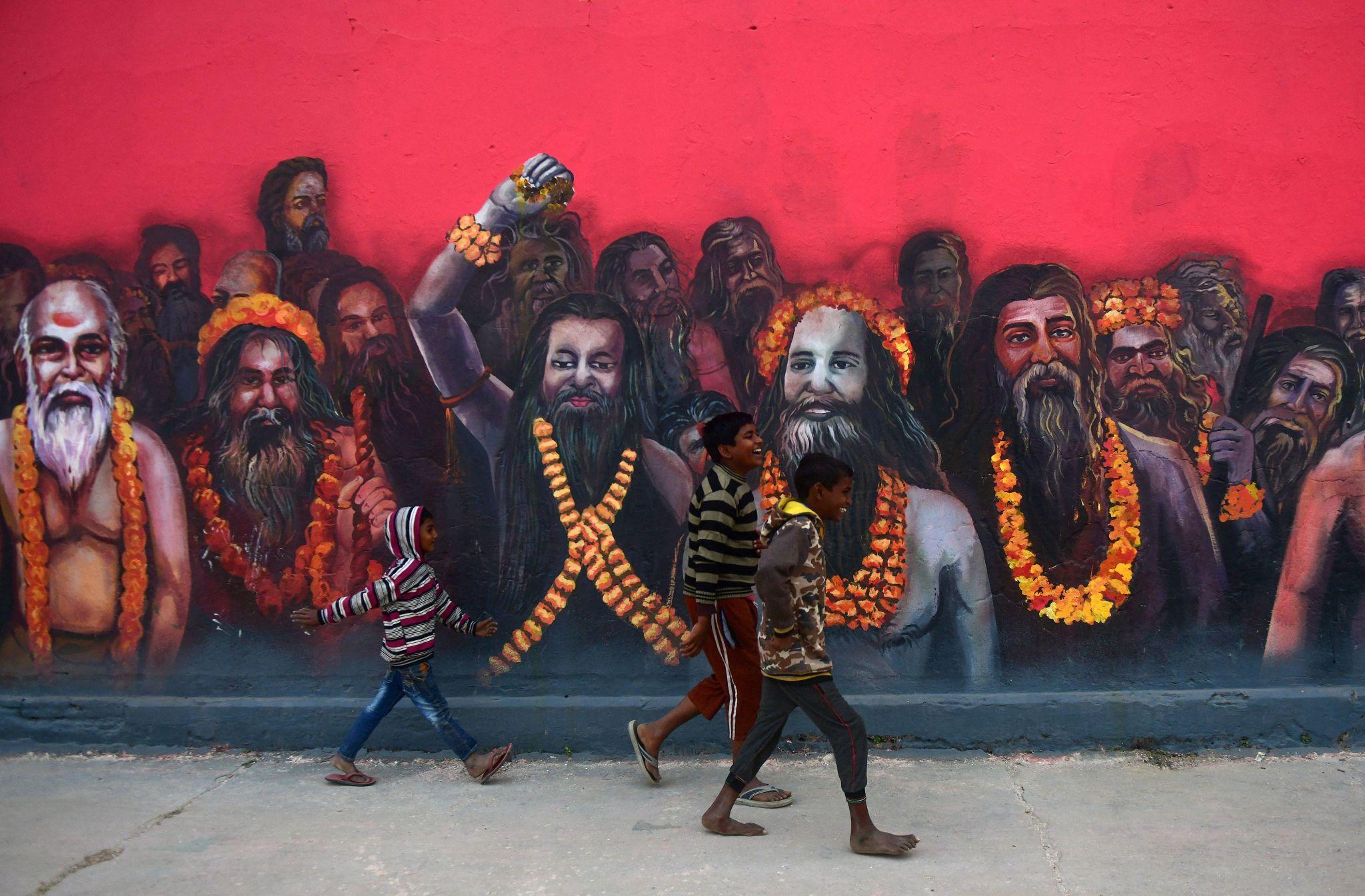
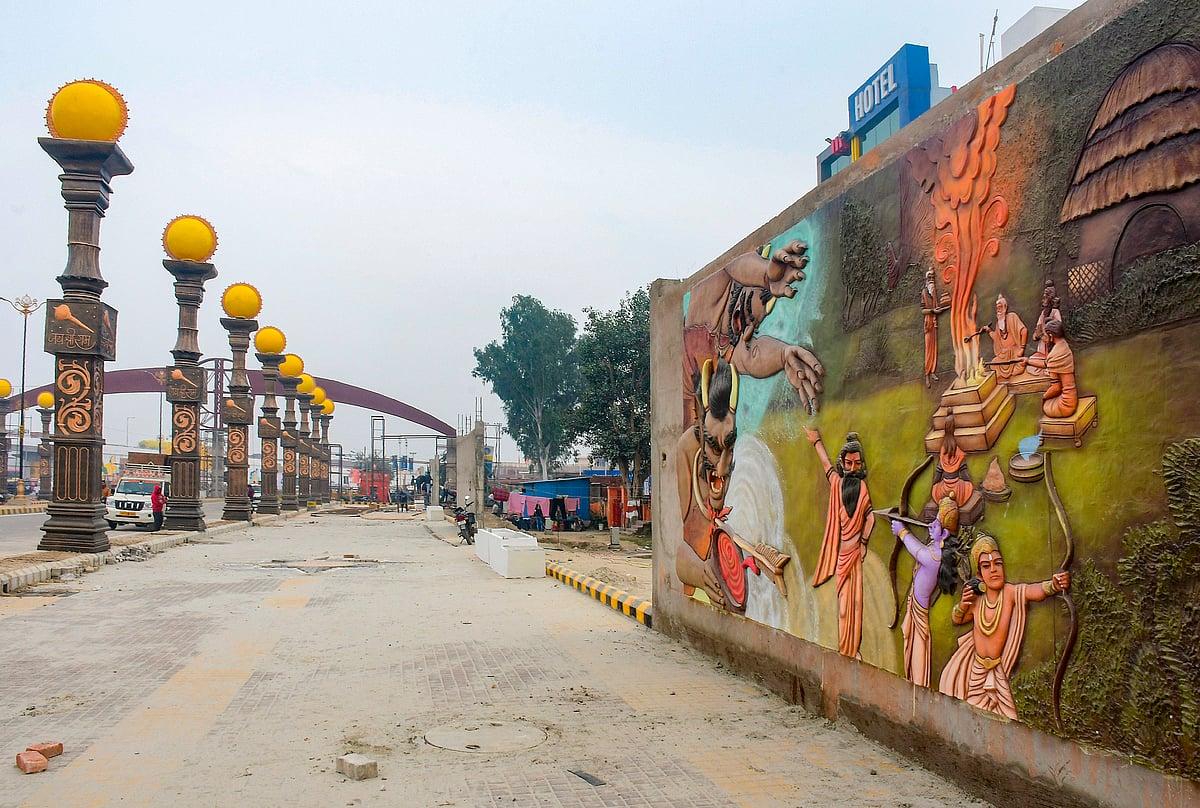
The spiritual storytelling murals in Ayodhya transform ordinary streets and public spaces into visual stories from the Ramayana. Across temple corridors, riverfront pathways, and cultural zones, large-scale artworks depict scenes from Lord Ram’s life, moments of devotion, ancient Ayodhya, and India’s spiritual heritage. The murals are designed with vibrant colors, detailed traditional art styles, and symbolic storytelling that make the city feel like an open-air cultural gallery.
What makes these murals special is the atmosphere around them. During the evening, warm lighting, devotional music, and temple chants create an immersive experience where history, spirituality, and art blend together. For travelers, walking through these mural-lined pathways feels less like sightseeing and more like stepping into the stories of the Ramayana itself.
129
MomentDharmakata, Ayodhya
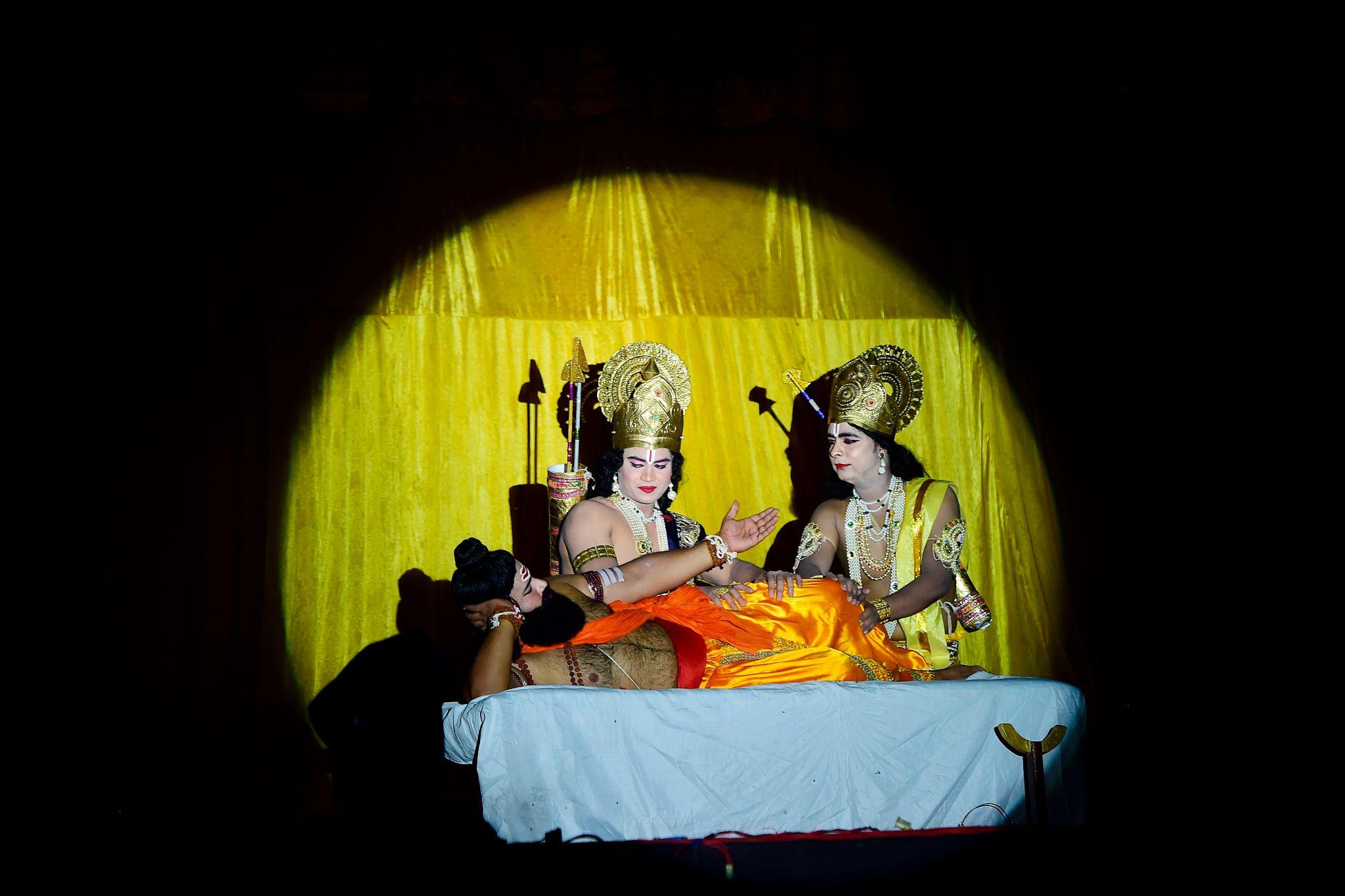

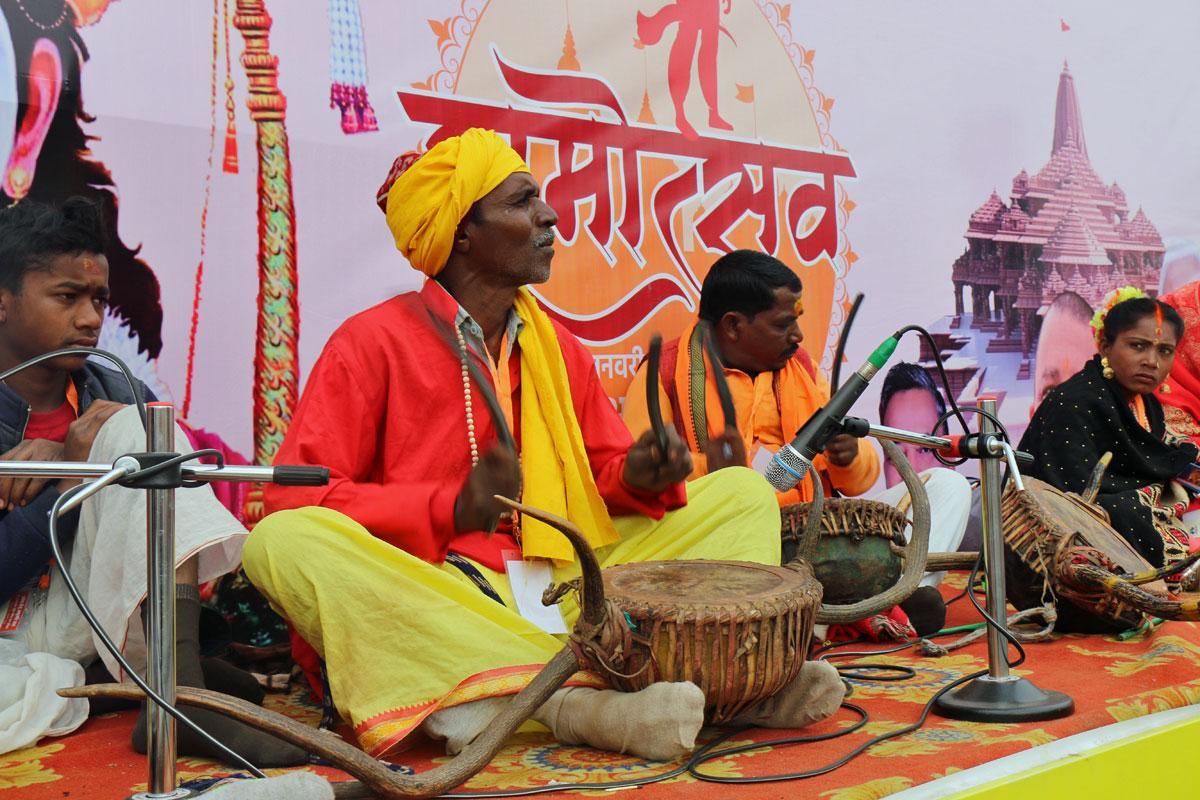
Traditional Performances During Festivals
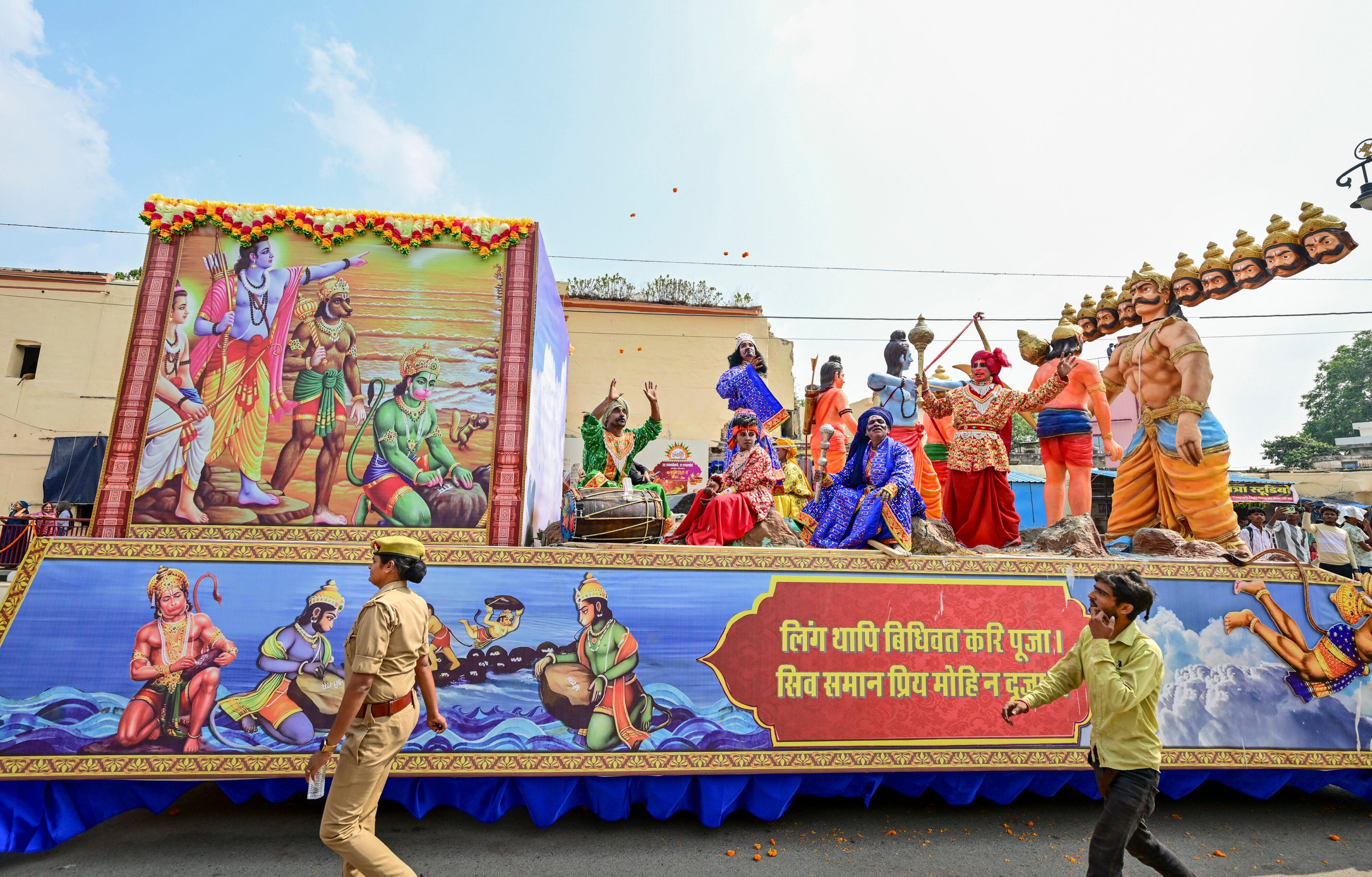
During major festivals in Ayodhya, the city transforms into a massive cultural and spiritual celebration filled with traditional performances, devotional music, and vibrant processions. Streets near the temples and riverfront come alive with Ramleela acts, folk dances, bhajans, classical performances, and dramatic retellings of stories from the Ramayana.
What makes these performances special is the atmosphere around them. The sound of chants, traditional instruments, glowing diyas, colorful costumes, and illuminated ghats create an experience that feels deeply immersive and emotional. During festivals like Deepotsav and Ram Navami, the entire city feels like a living celebration of Indian culture and devotion.
For travelers, these performances are not just events to watch — they feel like stepping into the spiritual and cultural soul of Ayodhya.
118
MomentAyodhya Dham Rd, Ram Nagar, Ayodhya
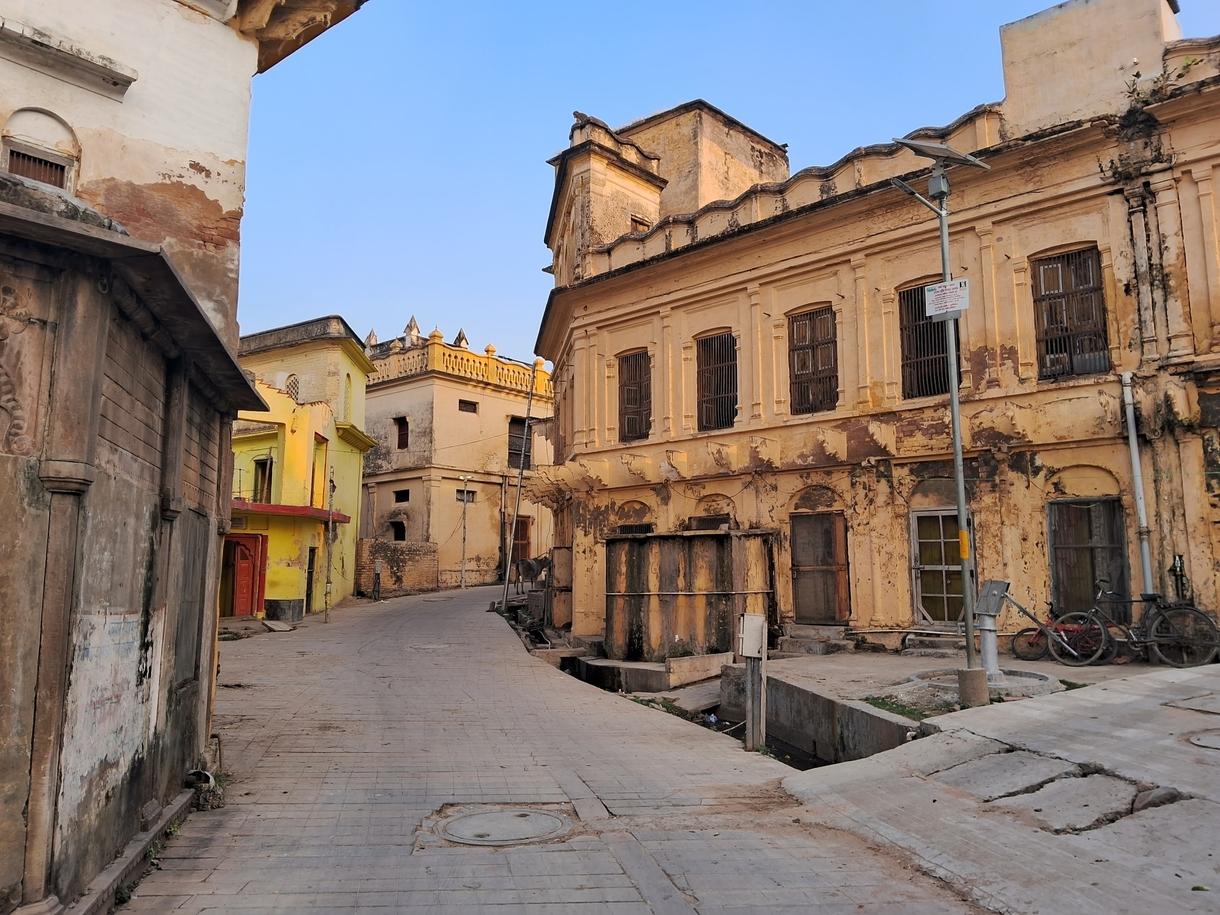
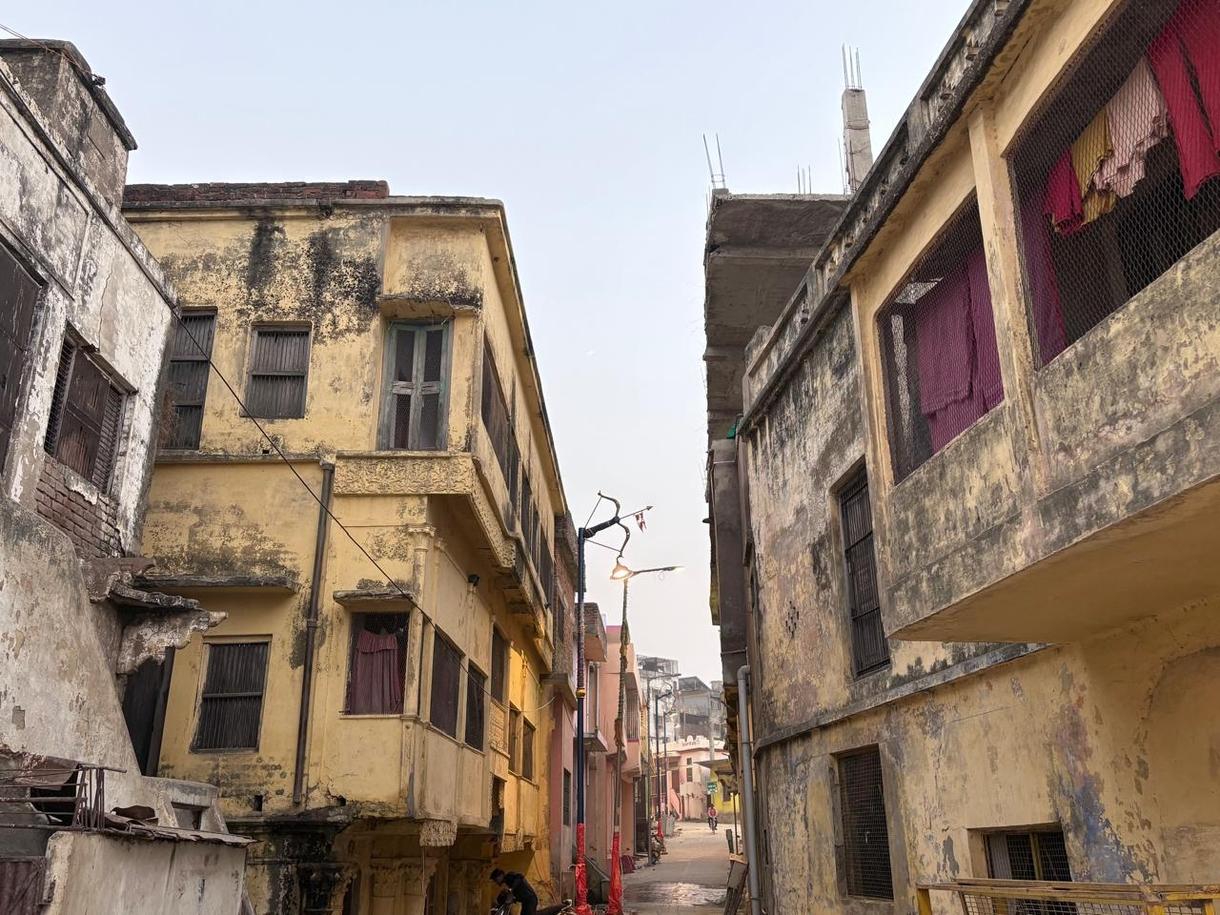
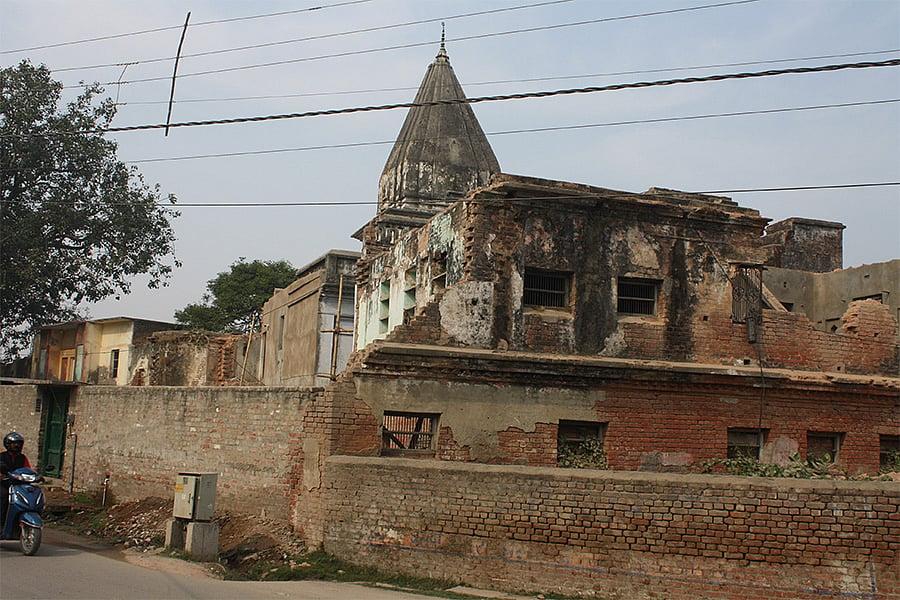
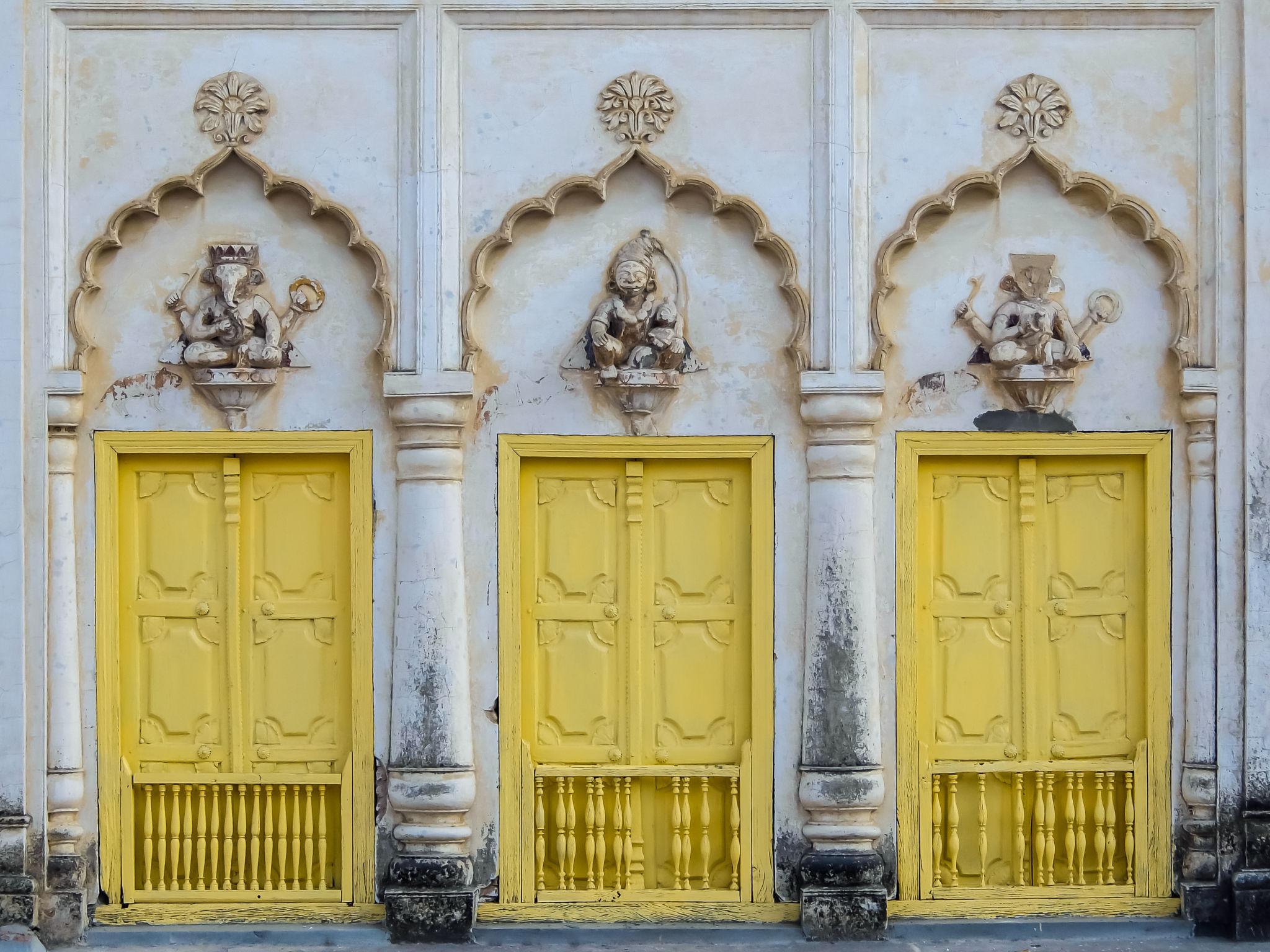
Traditional Homes And Heritage Streets
Walking through the traditional homes and heritage streets of Ayodhya feels like entering a slower, more timeless side of the city. Narrow lanes lined with old-style houses, carved wooden doors, faded pastel walls, small courtyards, and hanging temple bells create an atmosphere that feels deeply connected to Ayodhya’s spiritual heritage.
In the early morning, the streets come alive softly — shopkeepers preparing chai, devotional music playing from nearby temples, locals offering prayers outside their homes, and the smell of incense drifting through the air. Unlike modern tourist destinations, these heritage streets feel authentic and lived-in, where spirituality and daily life blend naturally together.
The experience is less about rushing between attractions and more about slowing down, observing the details, and feeling the calm cultural rhythm of old Ayodhya.
141
MomentJanki Mahal Rd, Karsewakpuram, Ayodhya
The Sanskrit Schools And Spiritual Learning
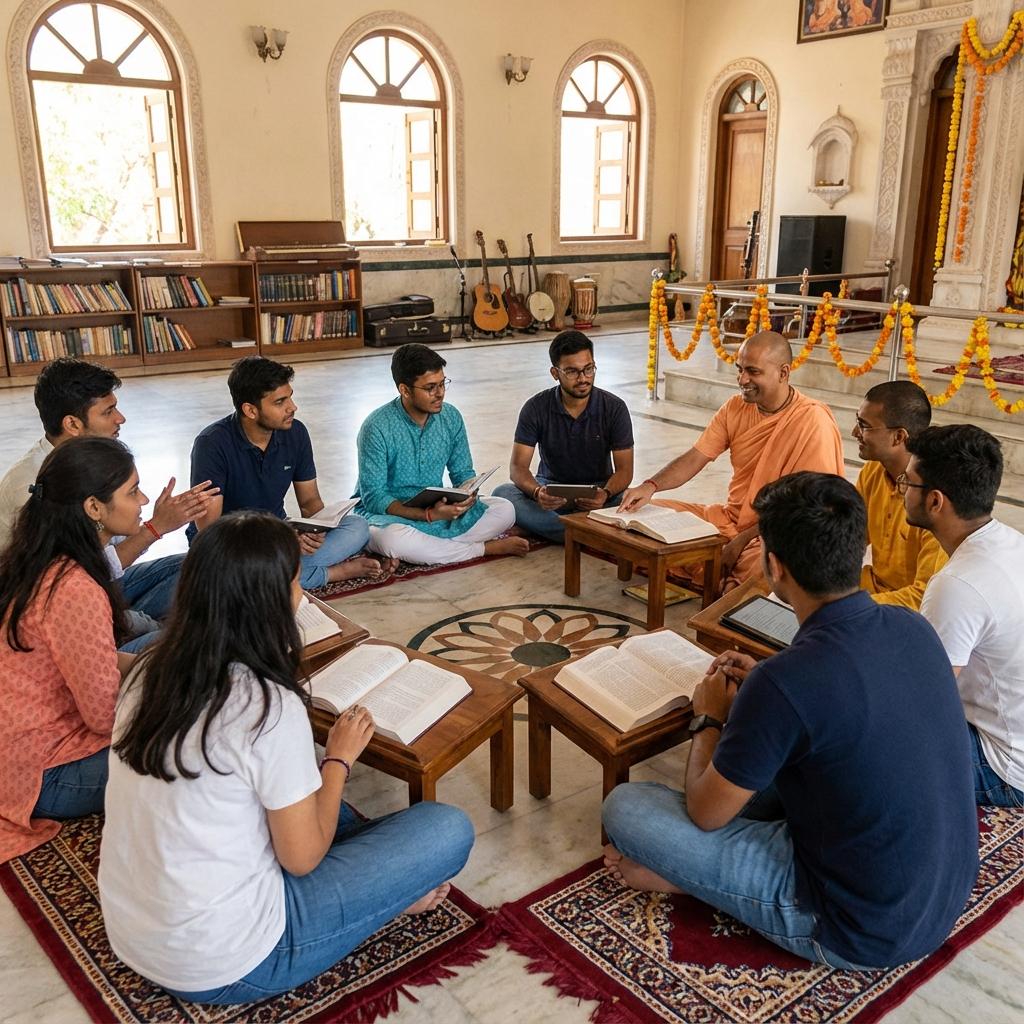
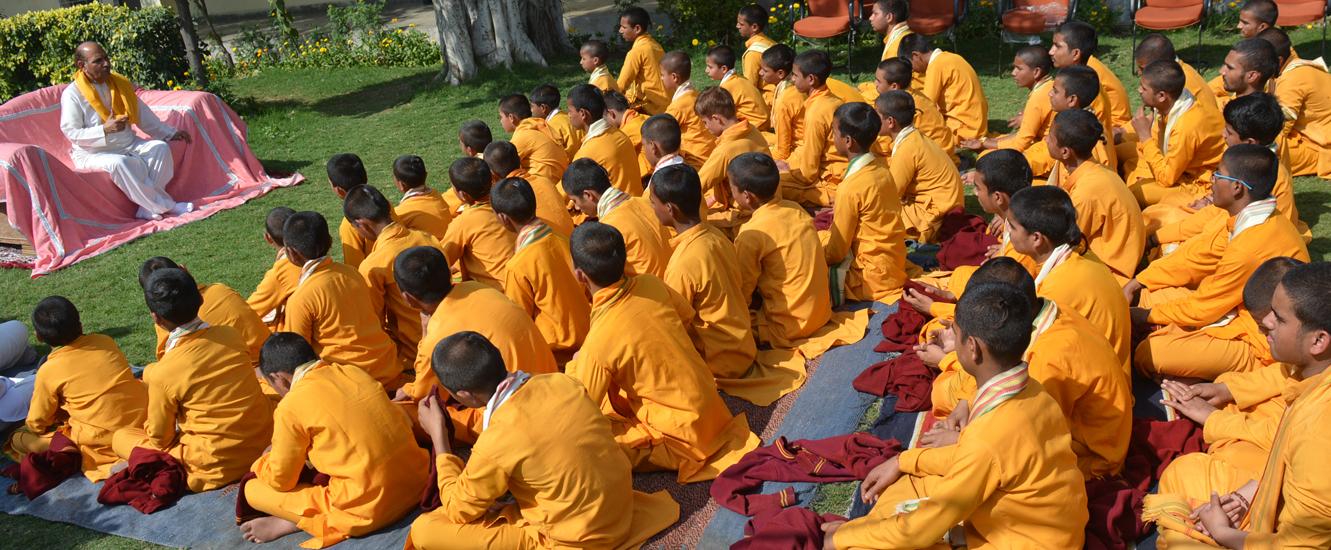
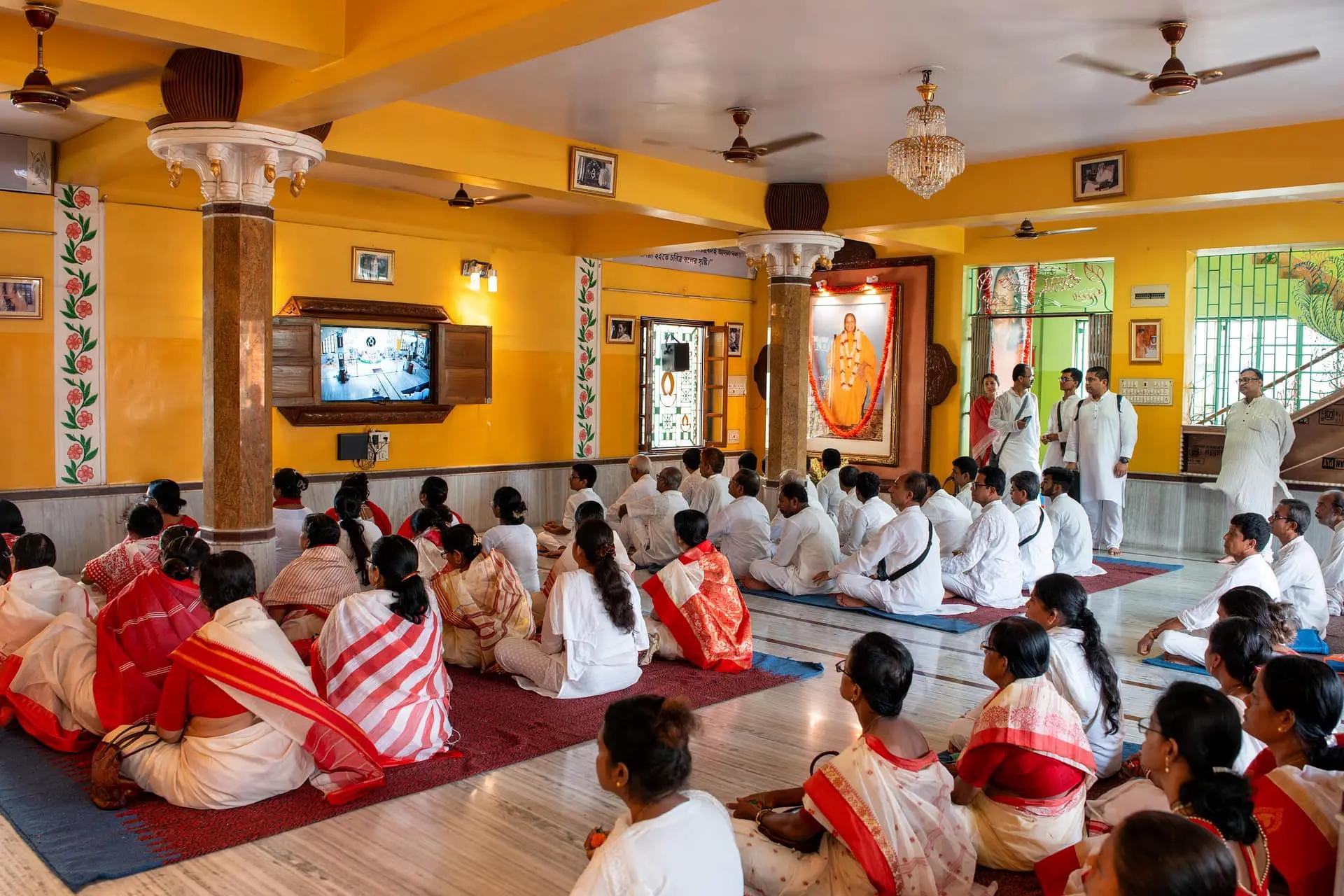
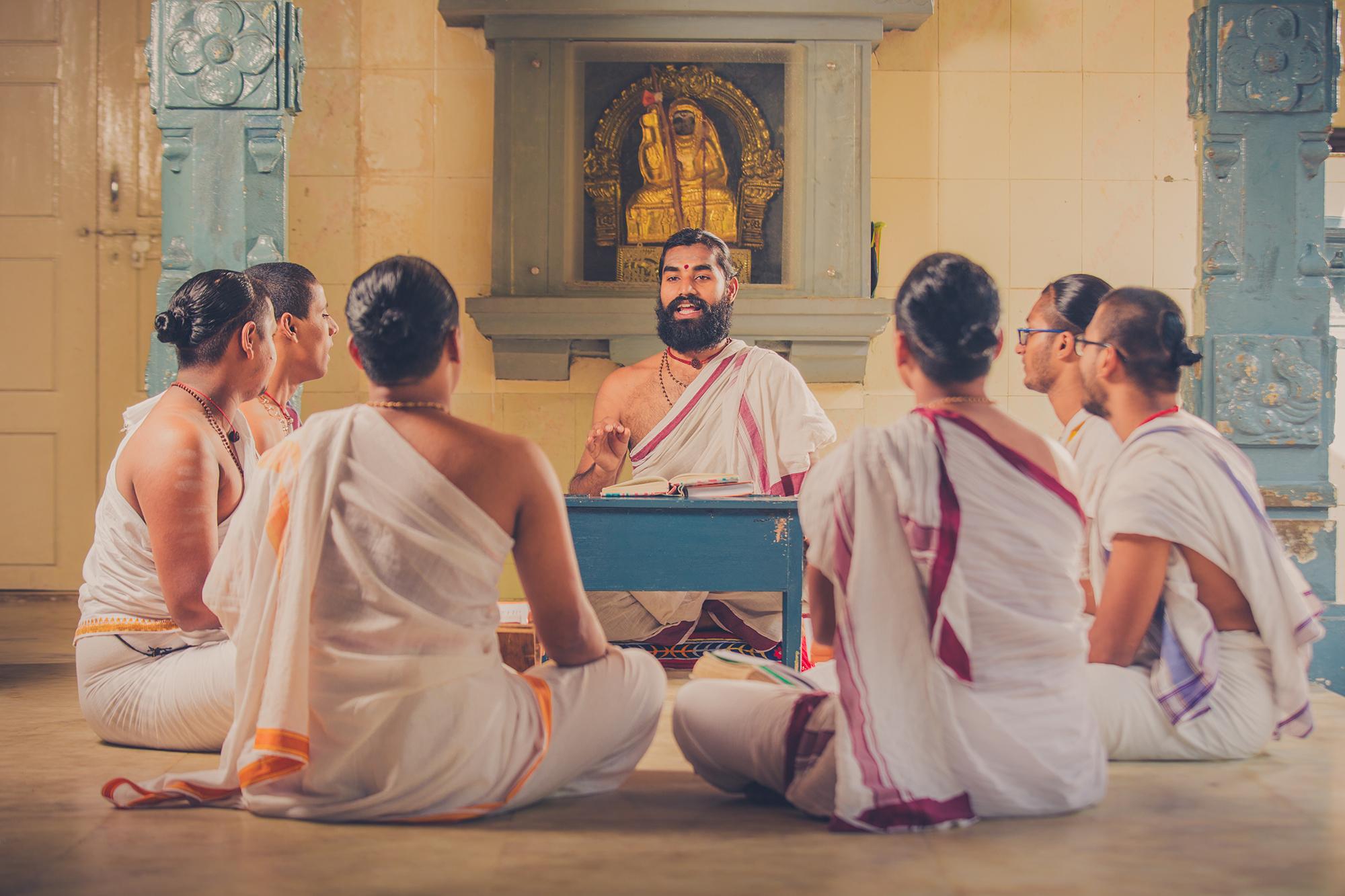
The Sanskrit schools and spiritual learning centers in Ayodhya offer a rare glimpse into India’s ancient traditions that are still alive today. Hidden within temple lanes and ashram areas, these gurukuls and Sanskrit schools preserve centuries-old practices of Vedic learning, scripture recitation, and spiritual education.
Walking near these spaces in the morning feels incredibly peaceful. You can often hear students chanting Sanskrit shlokas in rhythm, temple bells ringing softly in the background, and teachers guiding lessons in traditional settings. Many students wear simple traditional attire, creating an atmosphere that feels timeless and deeply spiritual.
Unlike modern classrooms, these places focus not only on education but also on discipline, devotion, and spiritual living. For travelers, experiencing these schools becomes less about sightseeing and more about witnessing a living part of India’s cultural and spiritual heritage.
114
MomentHanuman Gadi, Ayodhya
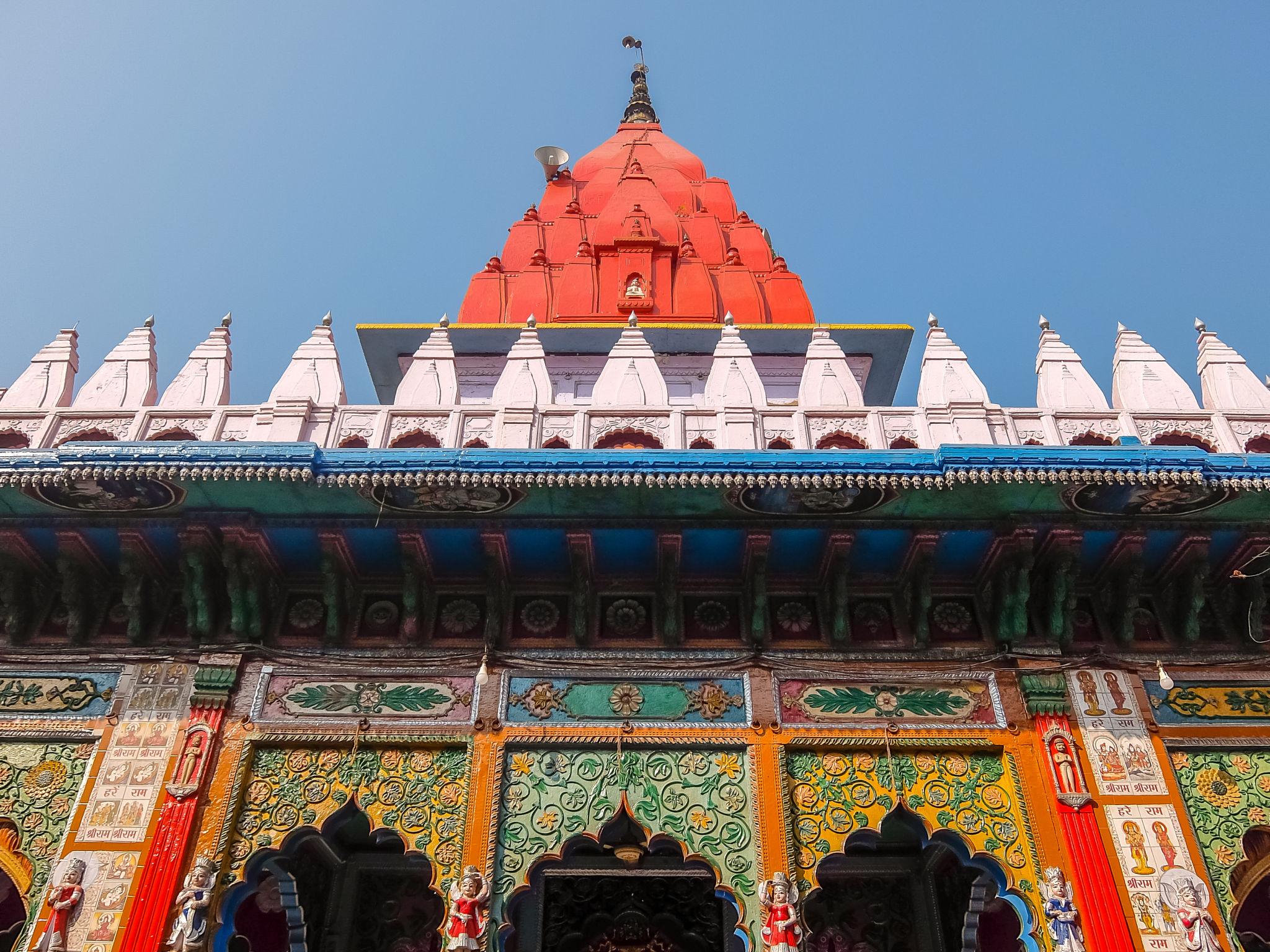
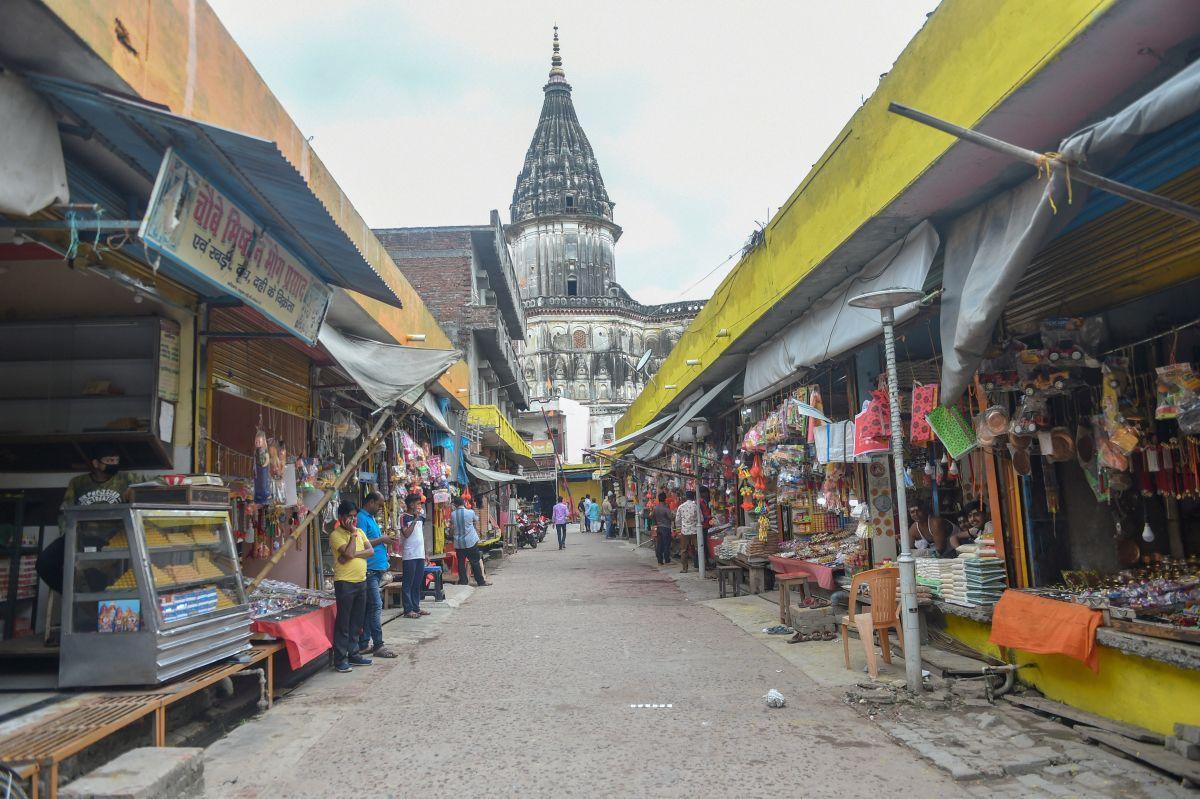
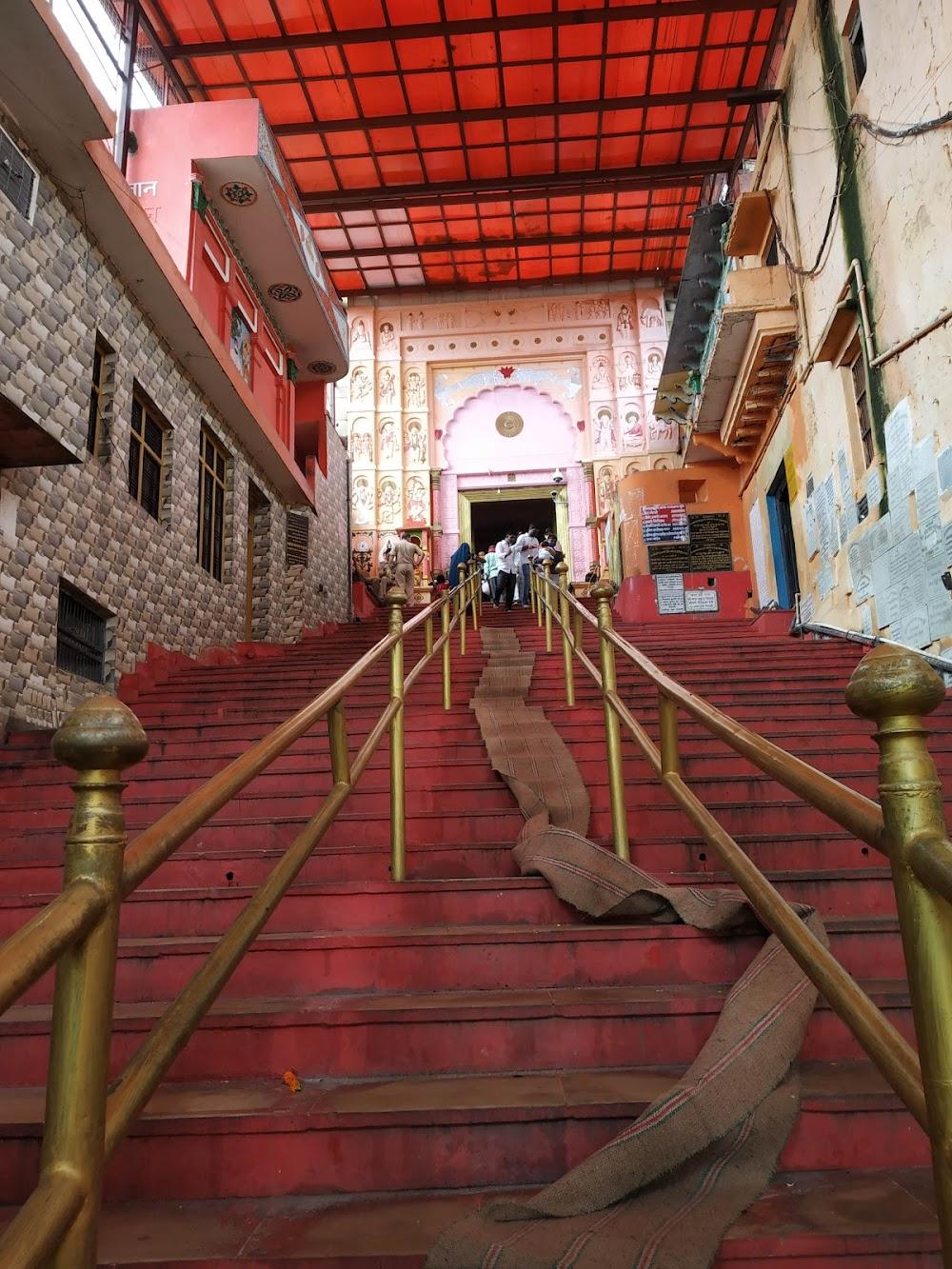
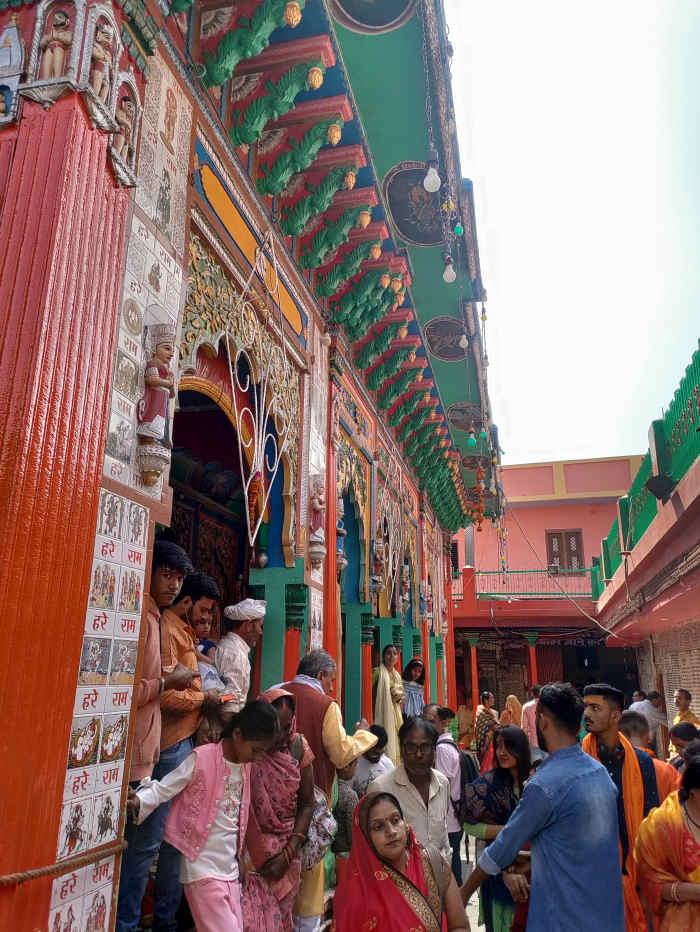
Hanuman Garhi, After Dark
You greet the gatekeeper the night you arrive and come to Ram at first light, which is the order the town asks for.
- About seventy steps up, and it belongs to an akhara rather than a state trust, so its timings answer to the mahants and not to a published schedule.
- Evening is when it is busiest and most alive: bells, the staircase shops, people coming down as you go up.
- Dashrath Mahal is barely fifty metres on, so the two are one short walk.
- Spreading Hanuman and Ram across two days keeps the devotional order intact while moving darshan into the better window.
- The staircase is lit but uneven.
Pro tip: If anyone in the group is unsteady on steps, do this one in daylight on day two instead, straight after darshan — it is five minutes from the Ram Mandir entry.
The mistakes that ruin it:
- Writing off the shops on the stairs — that is where the prasad people carry up comes from.
- Walking over from the aarti with a bag of sweets and then carrying it up seventy steps.
114
MomentTulsi Nagar, Ayodhya
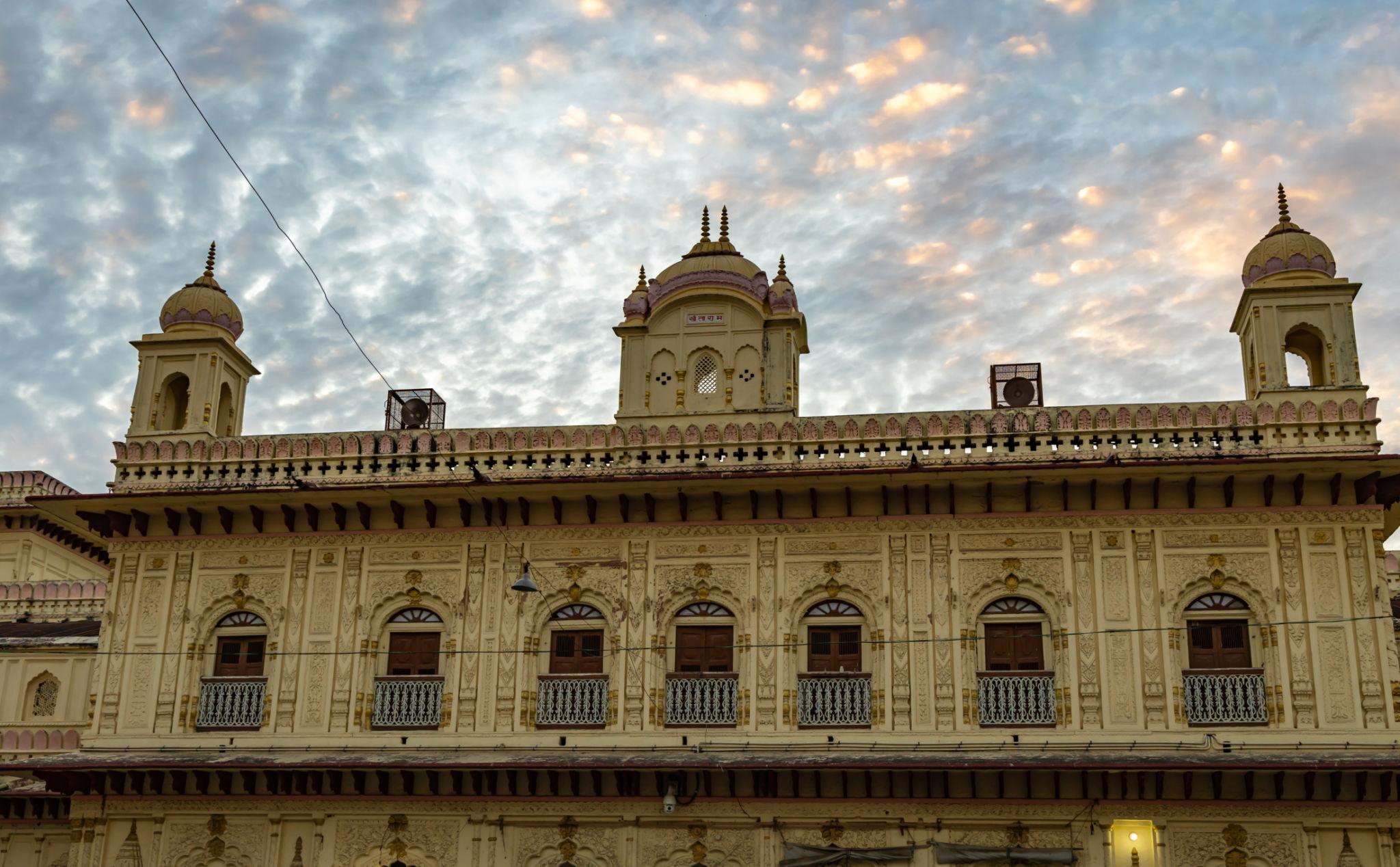
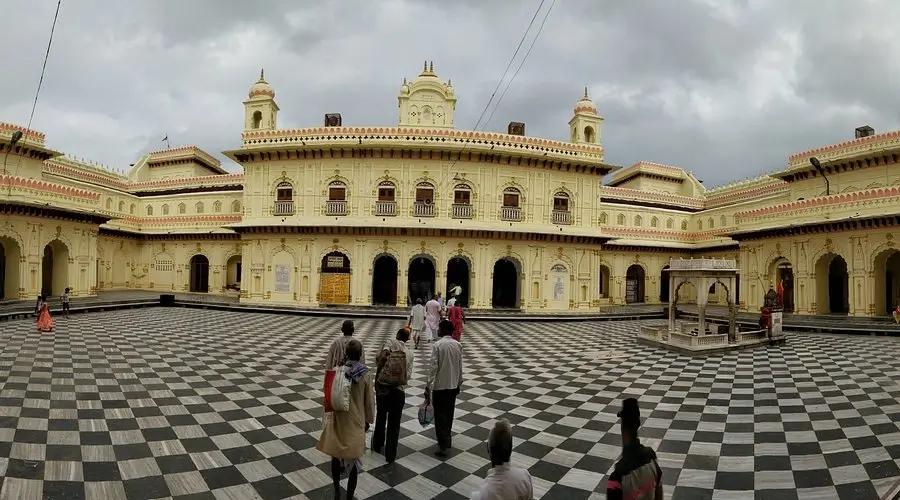
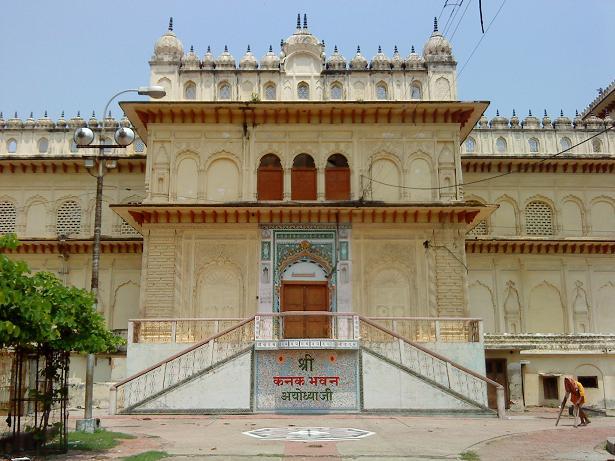
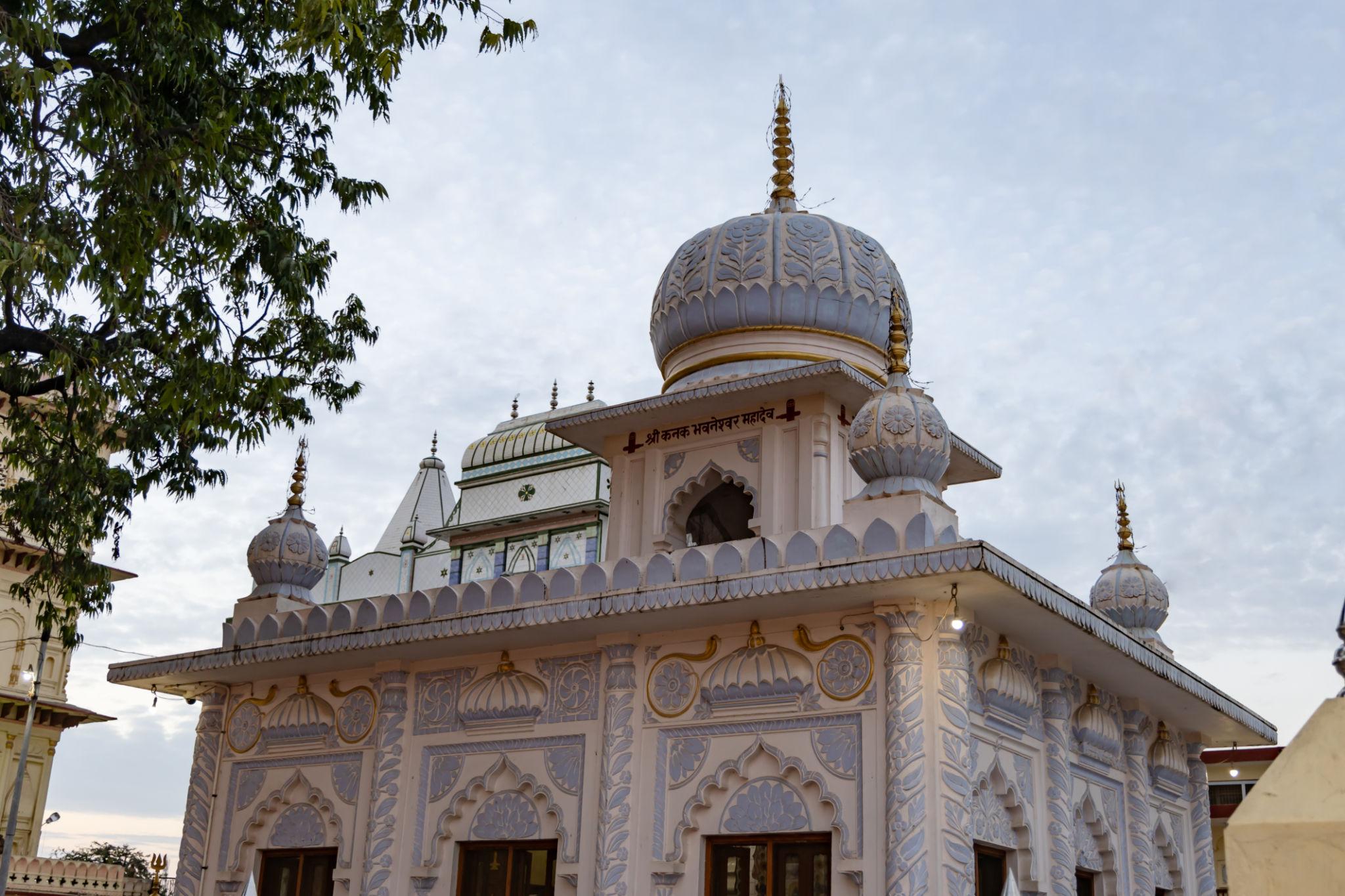
Kanak Bhawan Lanes
The lanes around Kanak Bhawan feel calmer, more traditional, and deeply connected to the old spiritual charm of Ayodhya. Narrow alleyways lined with colorful temple walls, old-style homes, flower shops, sweet stalls, and devotional music create an atmosphere that feels peaceful and timeless.
Early mornings here are especially beautiful. Soft sunlight enters the narrow lanes while temple bells, Sanskrit chants, and the smell of incense slowly fill the air. Unlike crowded tourist areas, the Kanak Bhawan surroundings feel slower and more intimate, allowing travelers to experience the quieter cultural side of Ayodhya.
Walking through these lanes feels less like sightseeing and more like exploring a living heritage neighborhood where spirituality, local life, and tradition blend naturally together.
112
MomentTheri Bazar, Ayodhya
Ghats And Temples From Water Overview
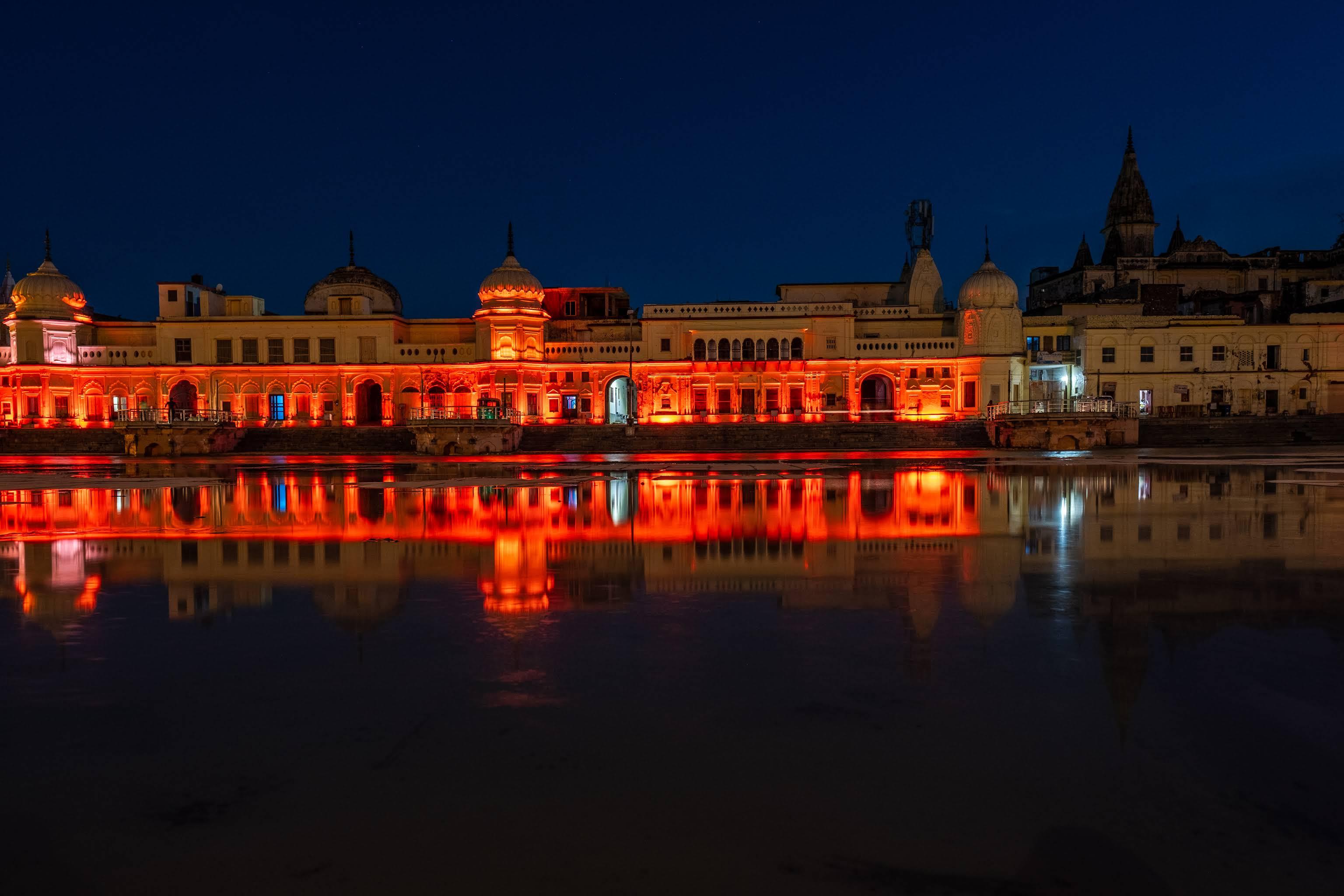
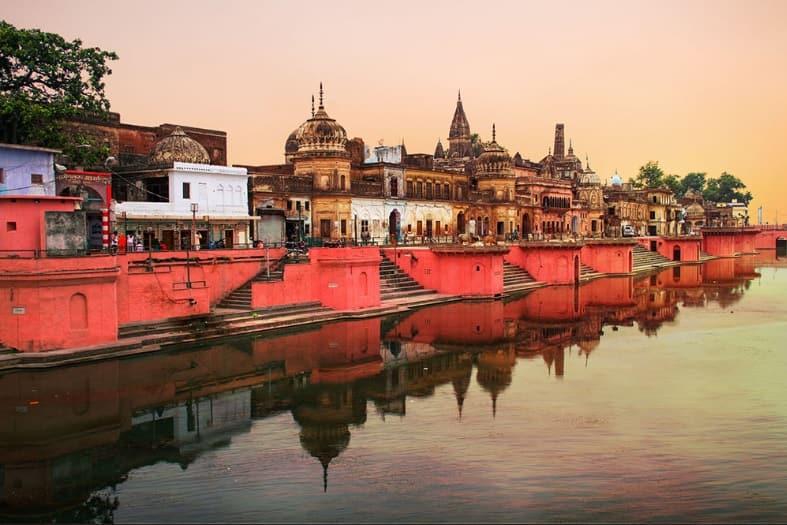
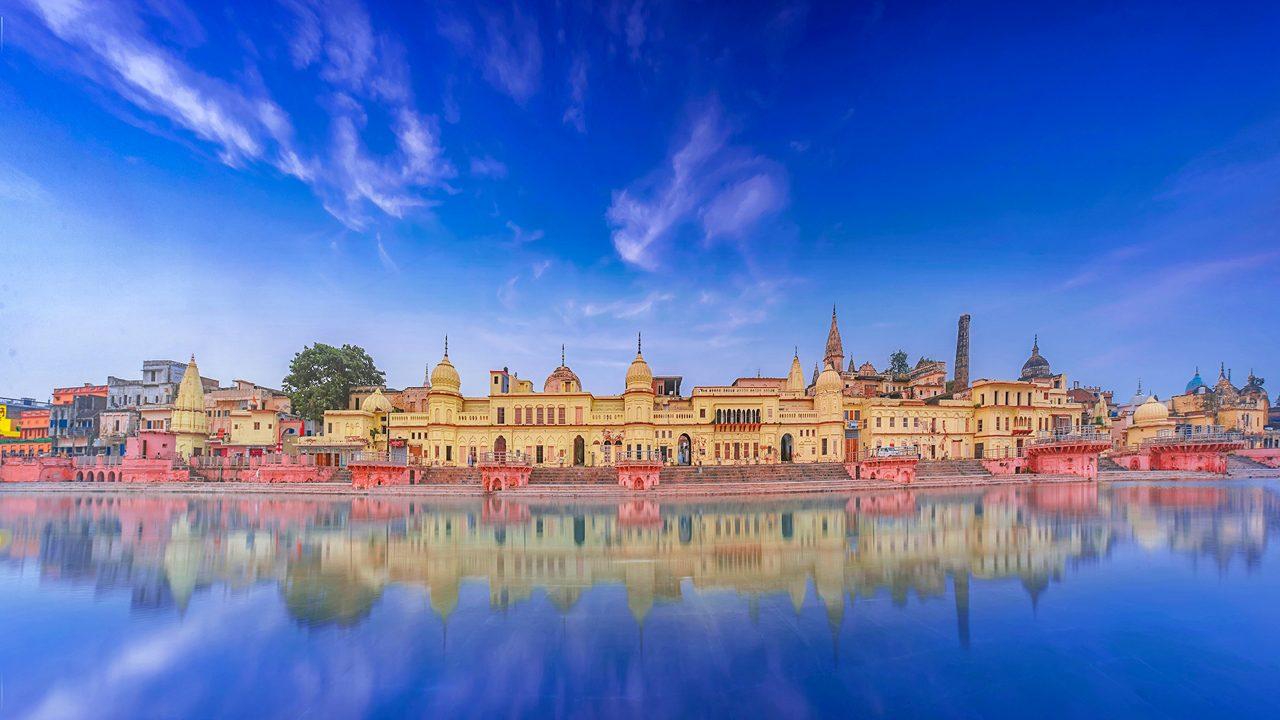
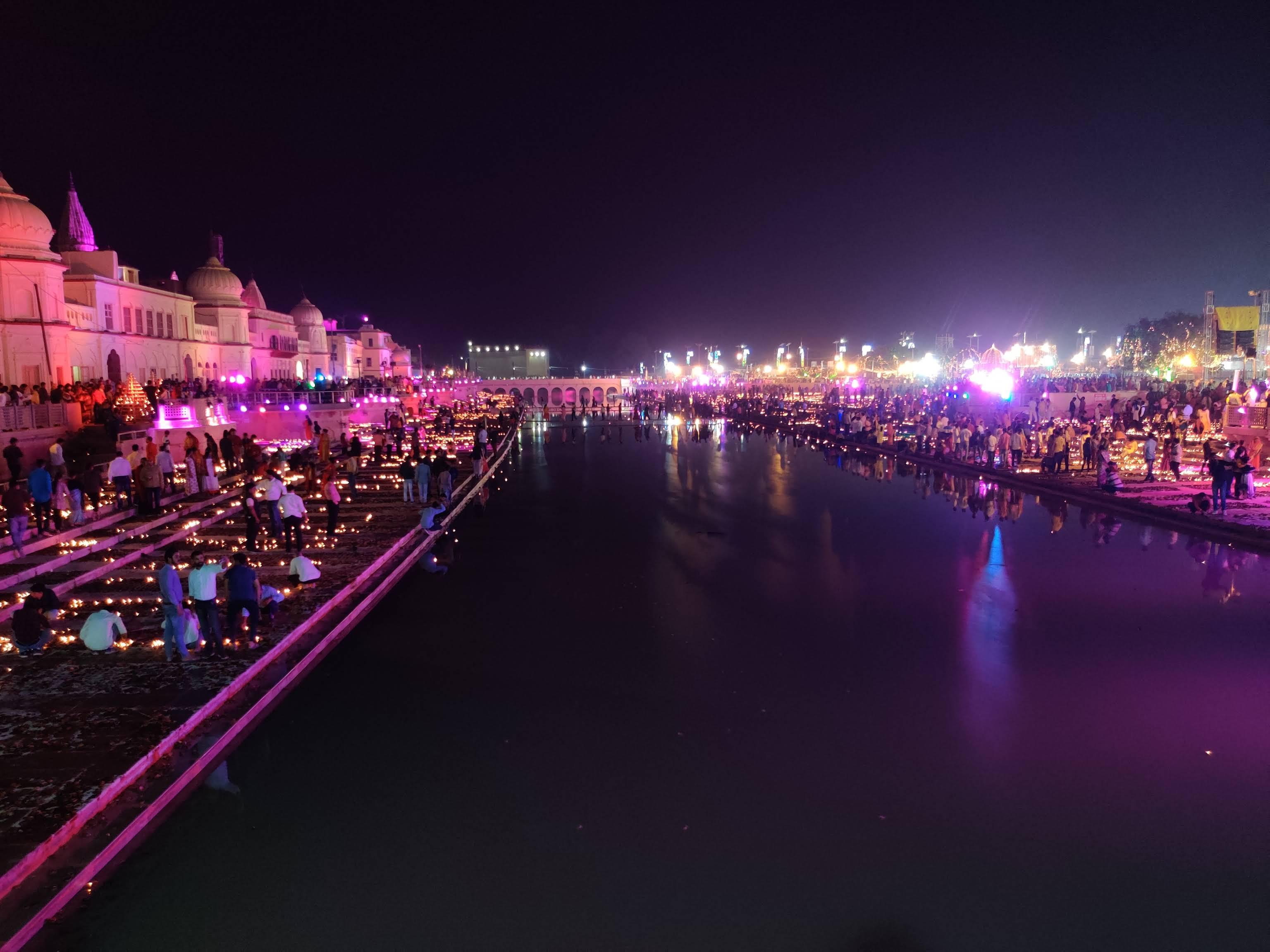
Watching the ghats and temples of Ayodhya from the water gives a completely different perspective of the city. As the boat moves slowly across the Saryu River, the riverfront opens up with long stretches of illuminated ghats, temple silhouettes, saffron flags, and devotional activity unfolding along the banks.
From the water, places like Ram Ki Paidi look especially beautiful, with stairways descending into the river and reflections of diyas shimmering on the surface. Early mornings feel calm and misty with temple bells echoing softly, while sunsets create golden reflections across the river and glowing lights around the temples.
The experience feels peaceful, cinematic, and deeply spiritual — perfect for photography, quiet moments, and experiencing the sacred atmosphere of Ayodhya away from the crowds.
88
MomentTheri Bazar, Ayodhya

Morning Walks And Cycling
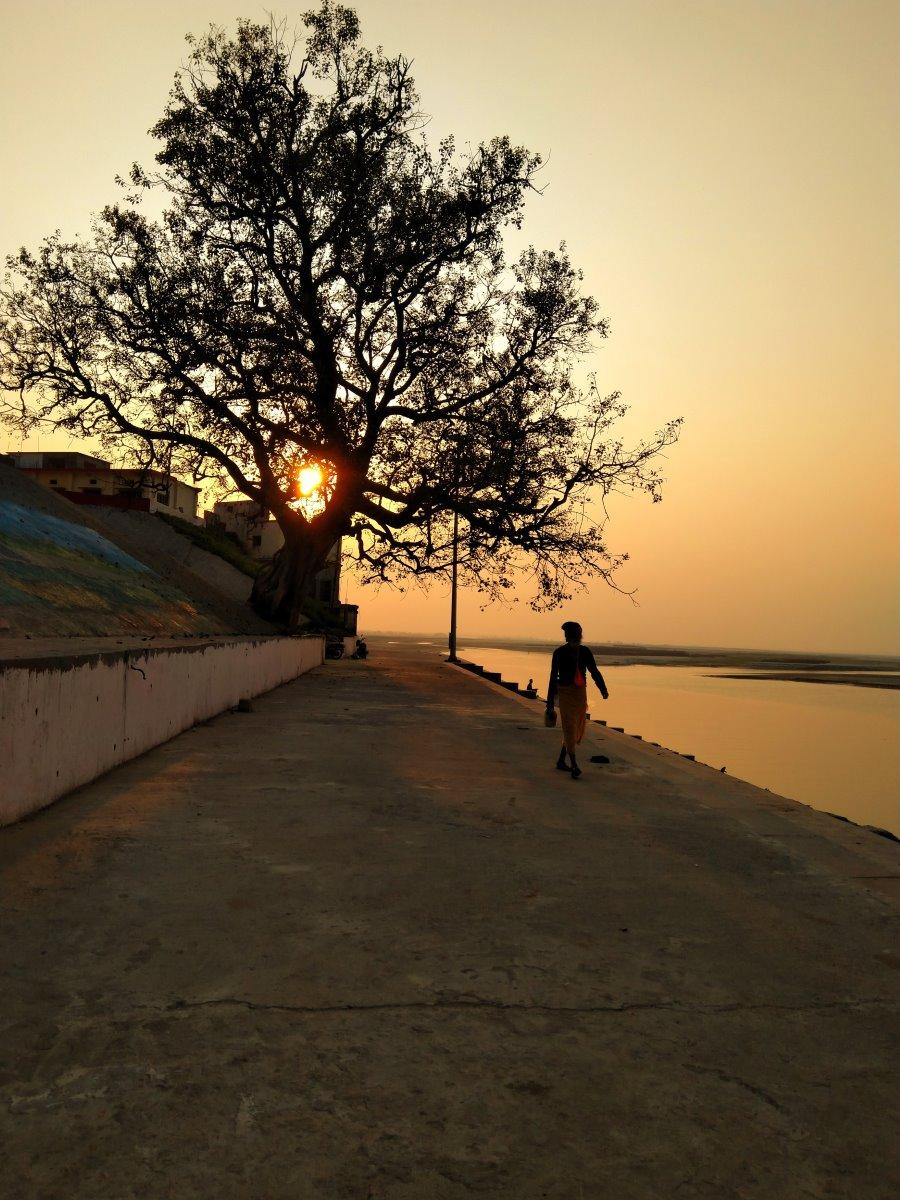
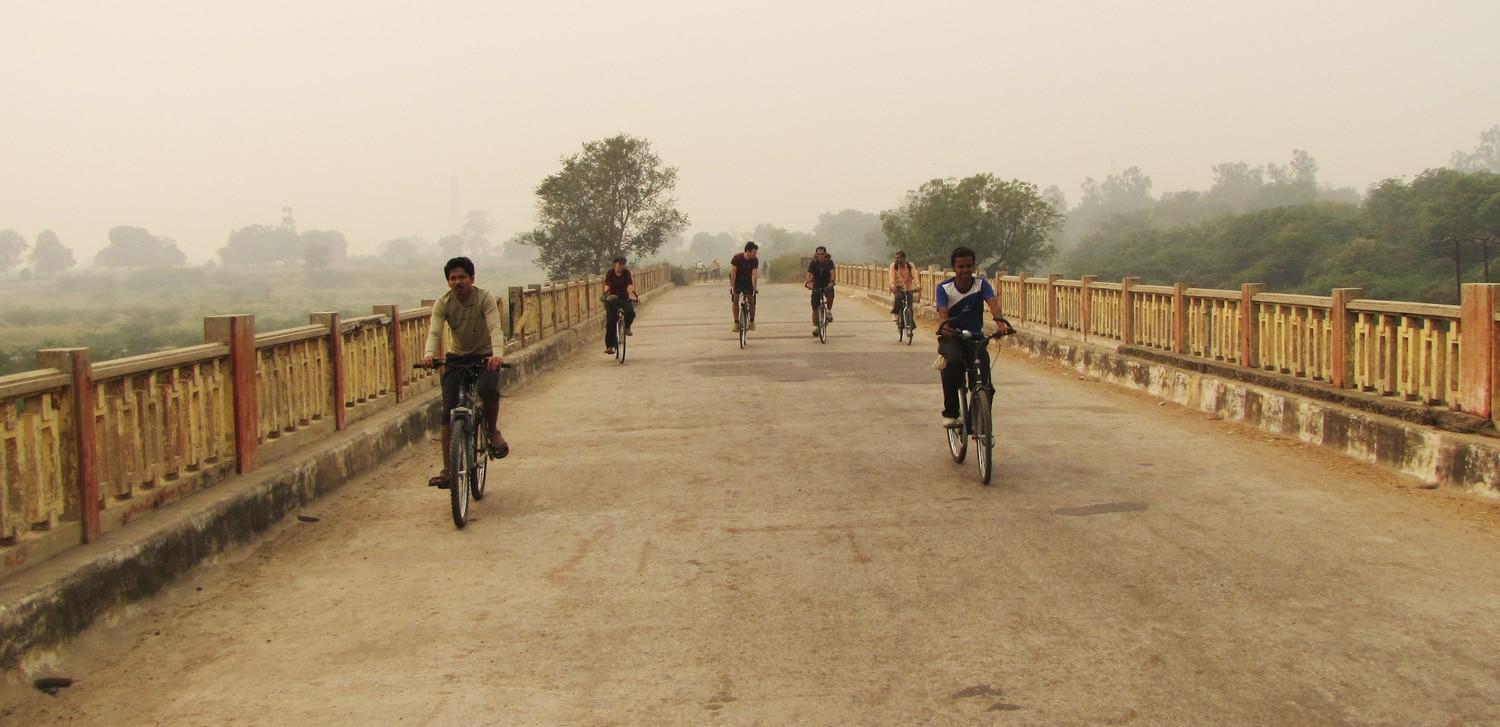
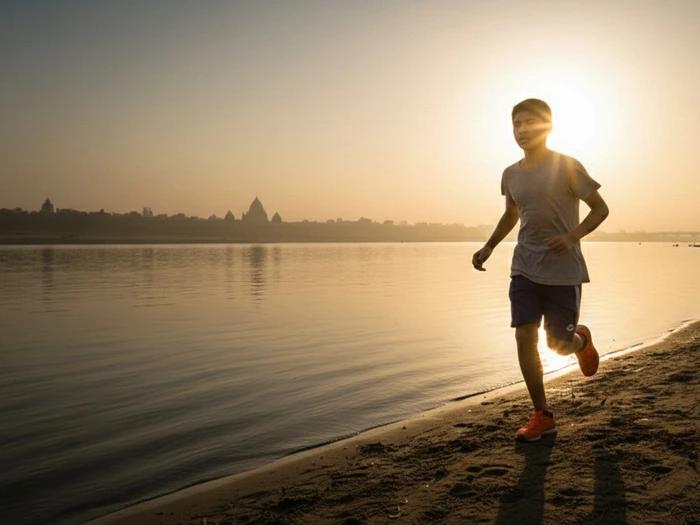
Morning walks and cycling near Ram Ki Paidi offer one of the most peaceful experiences in Ayodhya. As the sun slowly rises over the Saryu River, the riverfront pathways fill with soft golden light, cool breeze, temple bells, and the calming sound of morning chants echoing across the ghats.
The newly developed riverfront feels clean, open, and relaxing, making it perfect for slow walks, jogging, or cycling beside the river. During winters, the light mist over the water creates a beautiful cinematic atmosphere while devotees offer prayers and boats rest quietly along the ghats.
Unlike crowded tourist areas, the riverfront in the early morning feels calm and refreshing — a place where spirituality, nature, and local life blend together. Whether you’re cycling through the peaceful pathways or simply walking beside the river, the experience feels less like an activity and more like starting the day with complete calmness.
103
MomentTheri Bazar, Ayodhya
Photography In Ayodhya
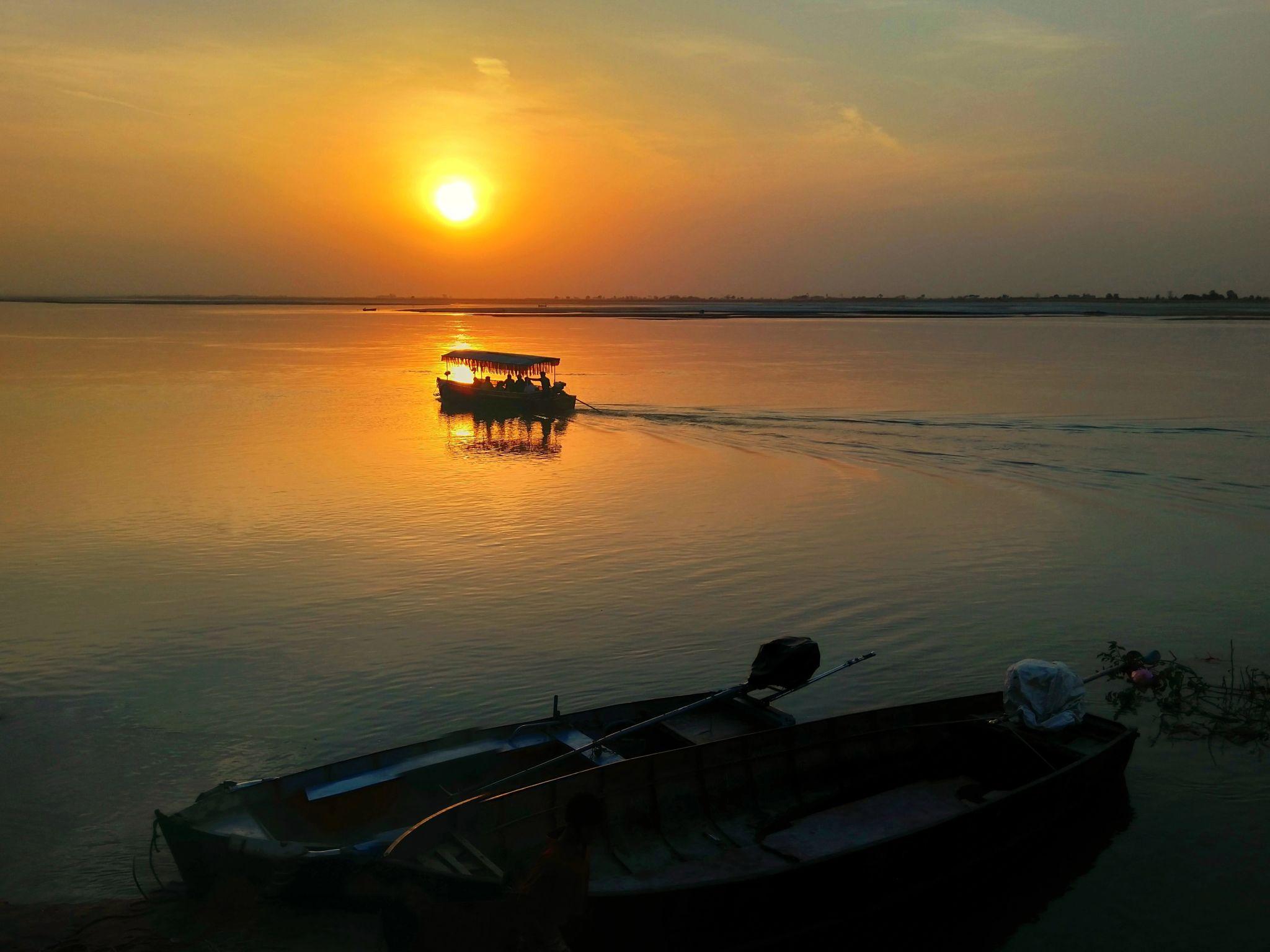
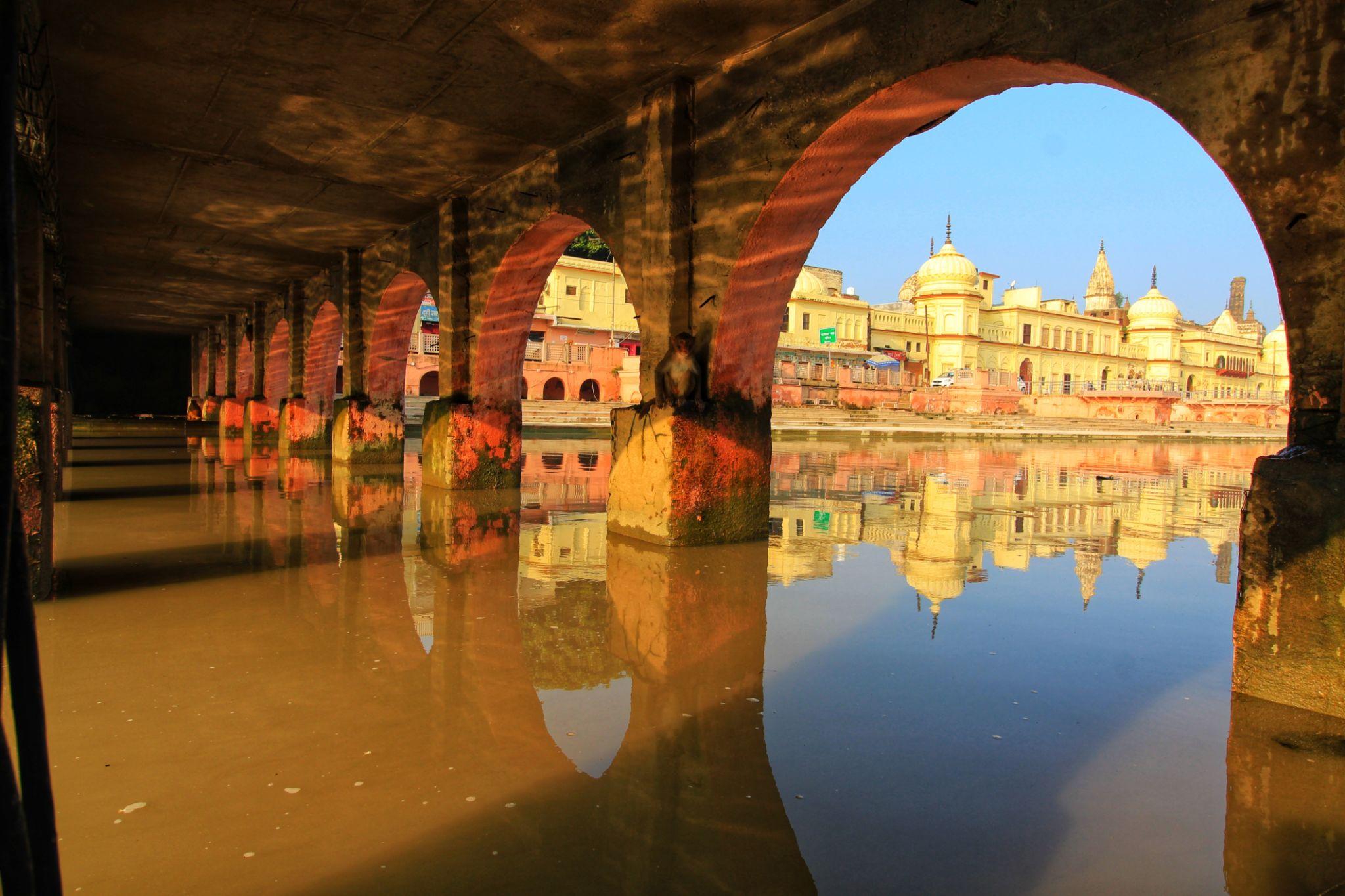
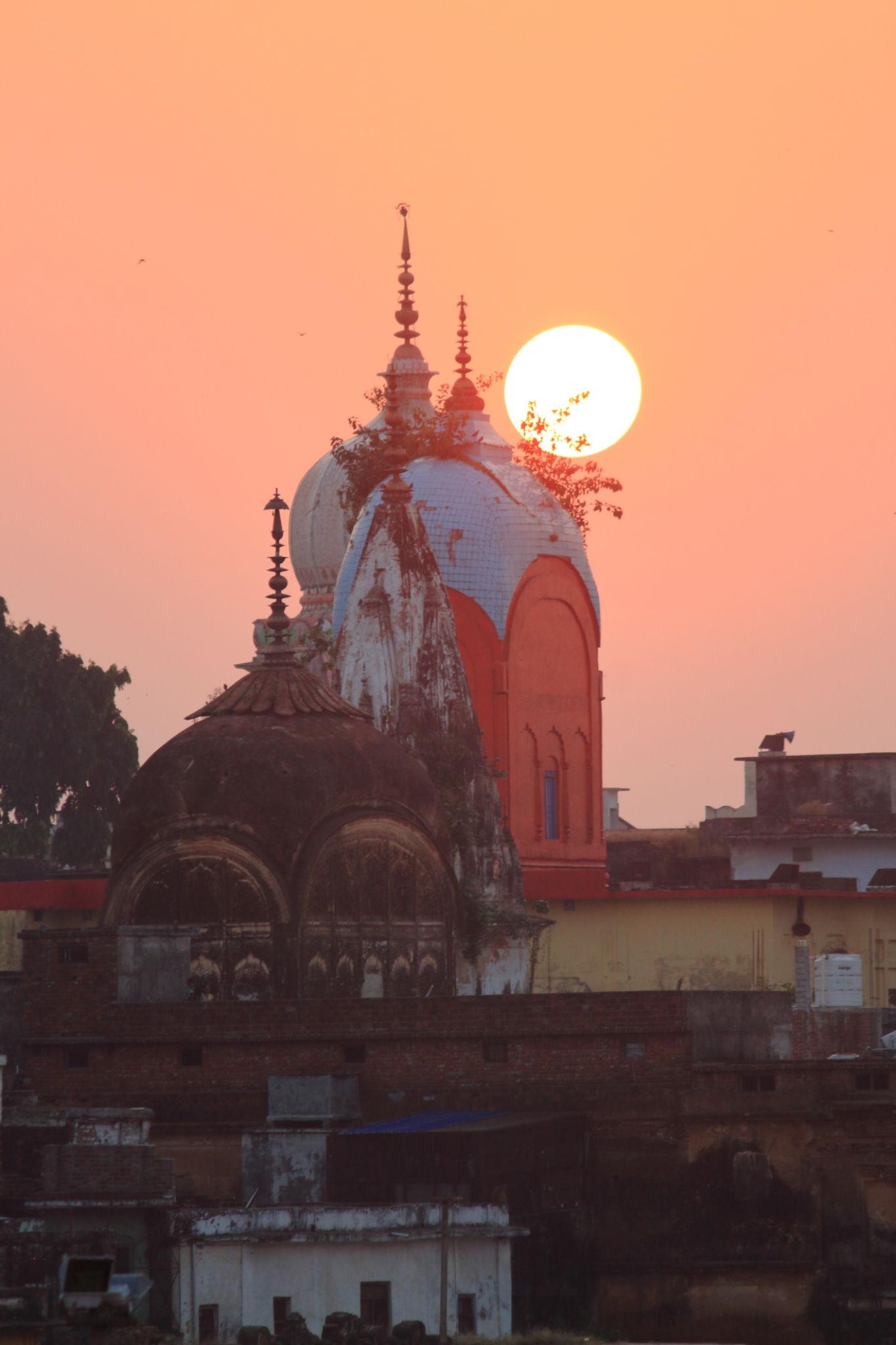
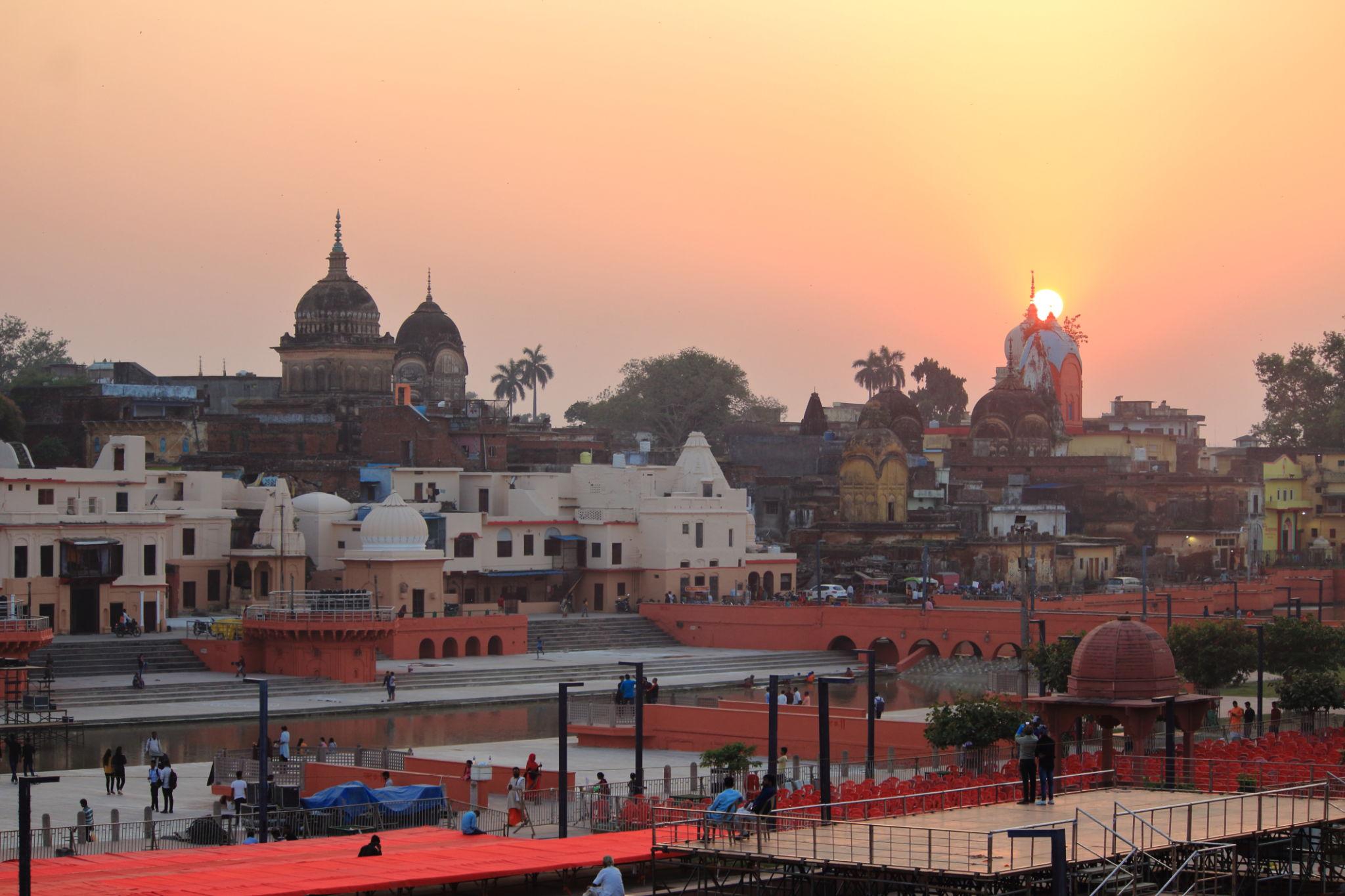
The riverfront around Ram Ki Paidi is one of the most photogenic places in Ayodhya. From sunrise reflections on the Saryu River to illuminated ghats and glowing diyas at night, every corner of the riverfront offers cinematic views and peaceful spiritual moments.
Early mornings are perfect for capturing misty river scenes, temple silhouettes, boats resting near the ghats, and soft golden sunlight reflecting on the water. During evenings, the decorative lights, river reflections, devotional atmosphere, and glowing temples create stunning frames for photography and reels.
Whether you enjoy travel photography, street moments, architecture, or spiritual landscapes, Ram Ki Paidi gives a perfect mix of culture, light, and atmosphere that makes every shot feel unique.
109
MomentSai Nagar, Ayodhya
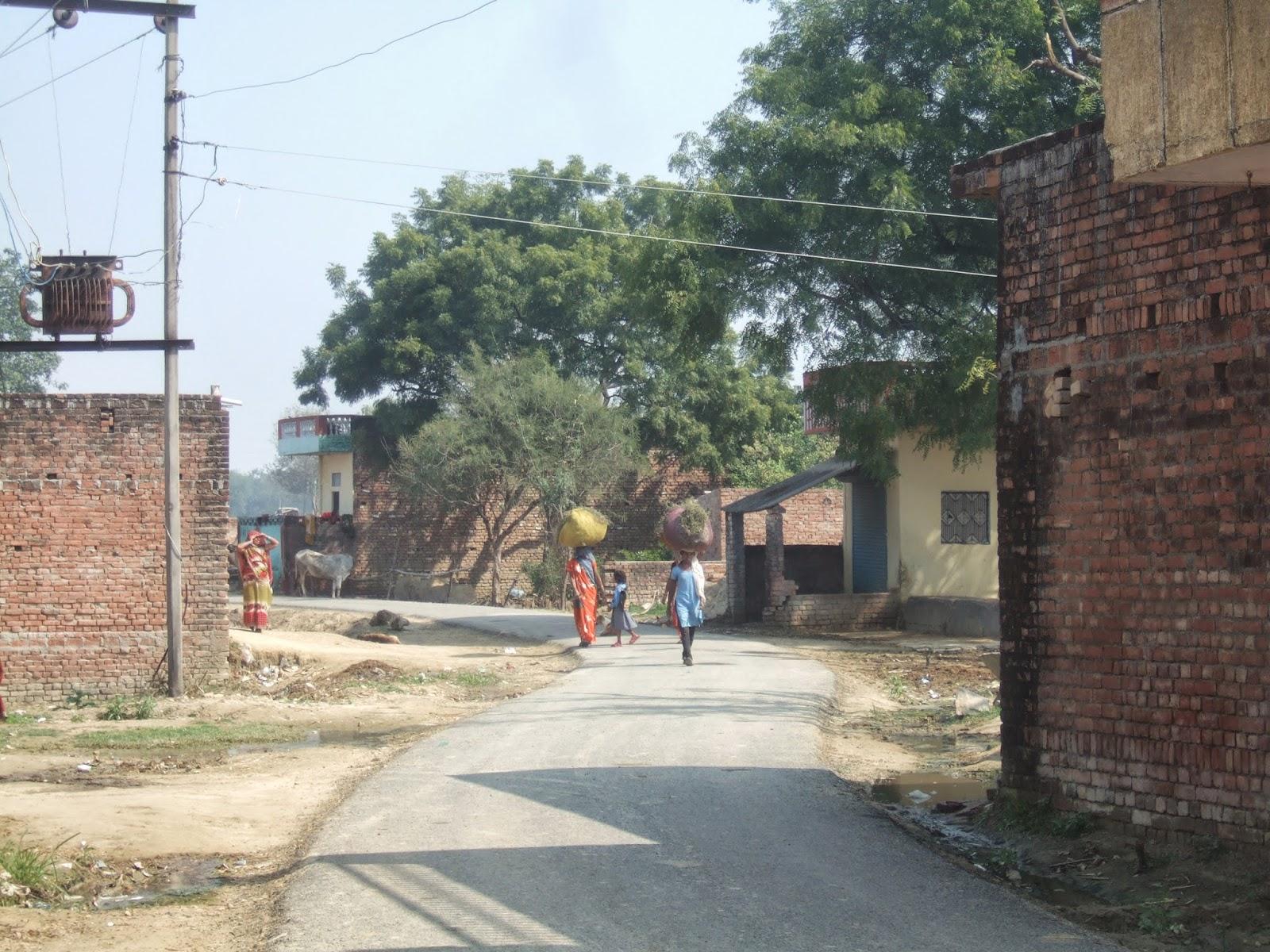

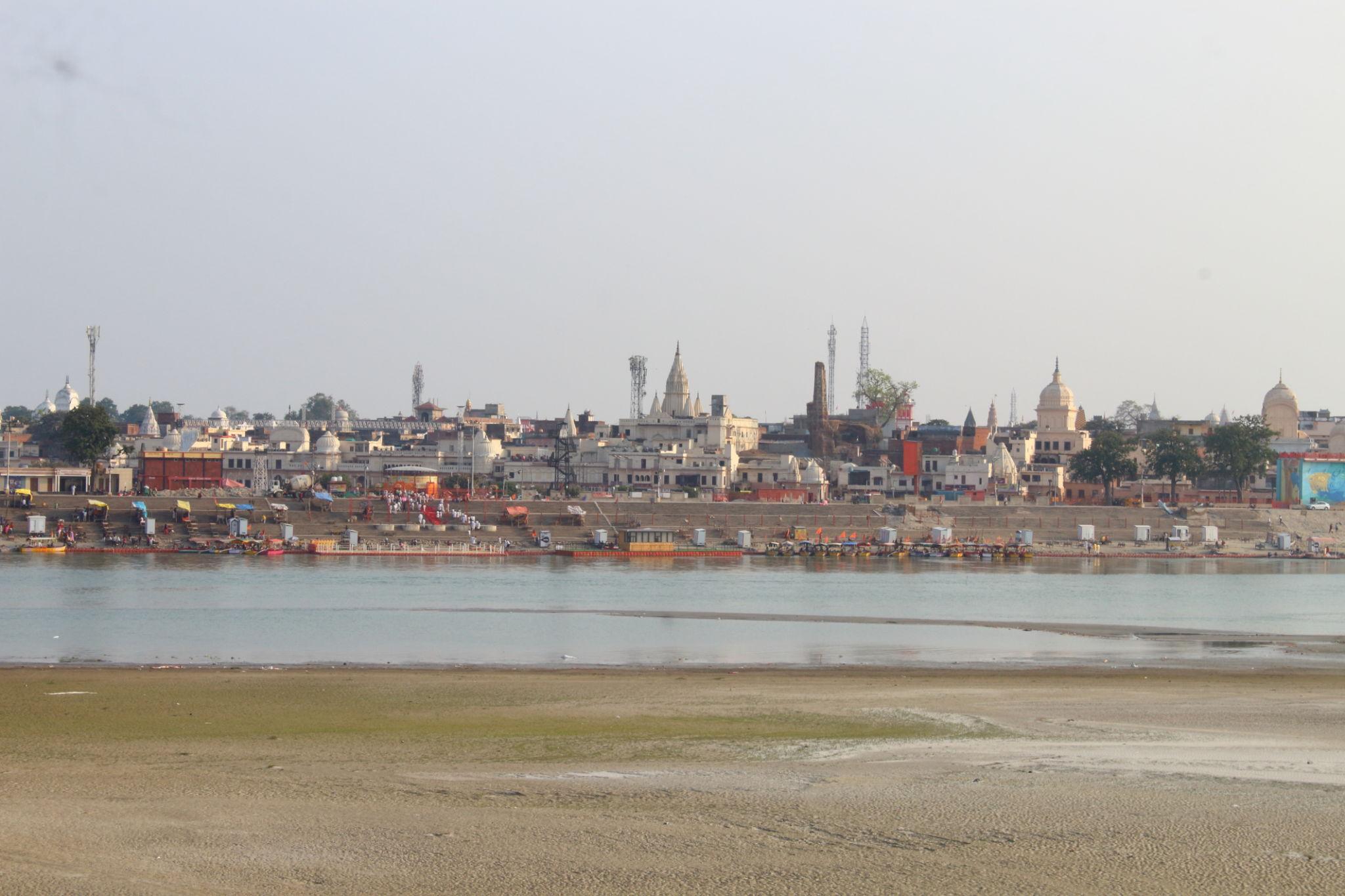
The Riverside Villages And Countryside
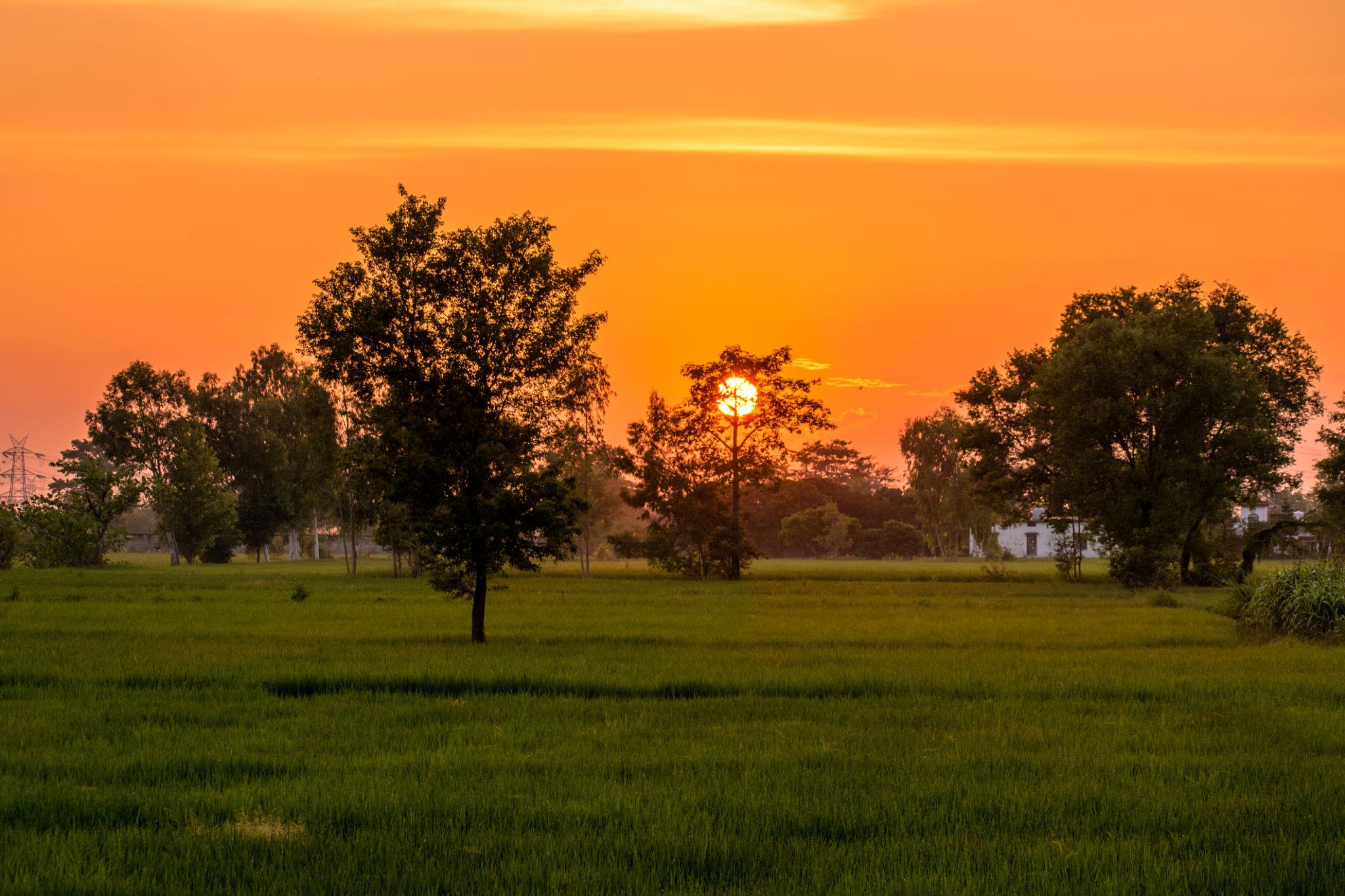
The riverside villages and countryside around Ayodhya offer a peaceful escape from the city’s crowded temple areas. Spread along the banks of the Saryu River, places near Guptar Ghat and Darshan Nagar are known for calm river views, rural landscapes, slow drives, and authentic village life.
The roads pass through mustard fields, open farmlands, quiet villages, and peaceful riverbanks — making them perfect for countryside photography, riverside walks, birdwatching during winters, and relaxing picnic experiences.
What makes these places special is their slow and calming atmosphere, where nature, spirituality, and rural life blend together beautifully.
73
MomentRam Ki Paidi Rd, Theri Bazar, Takpura
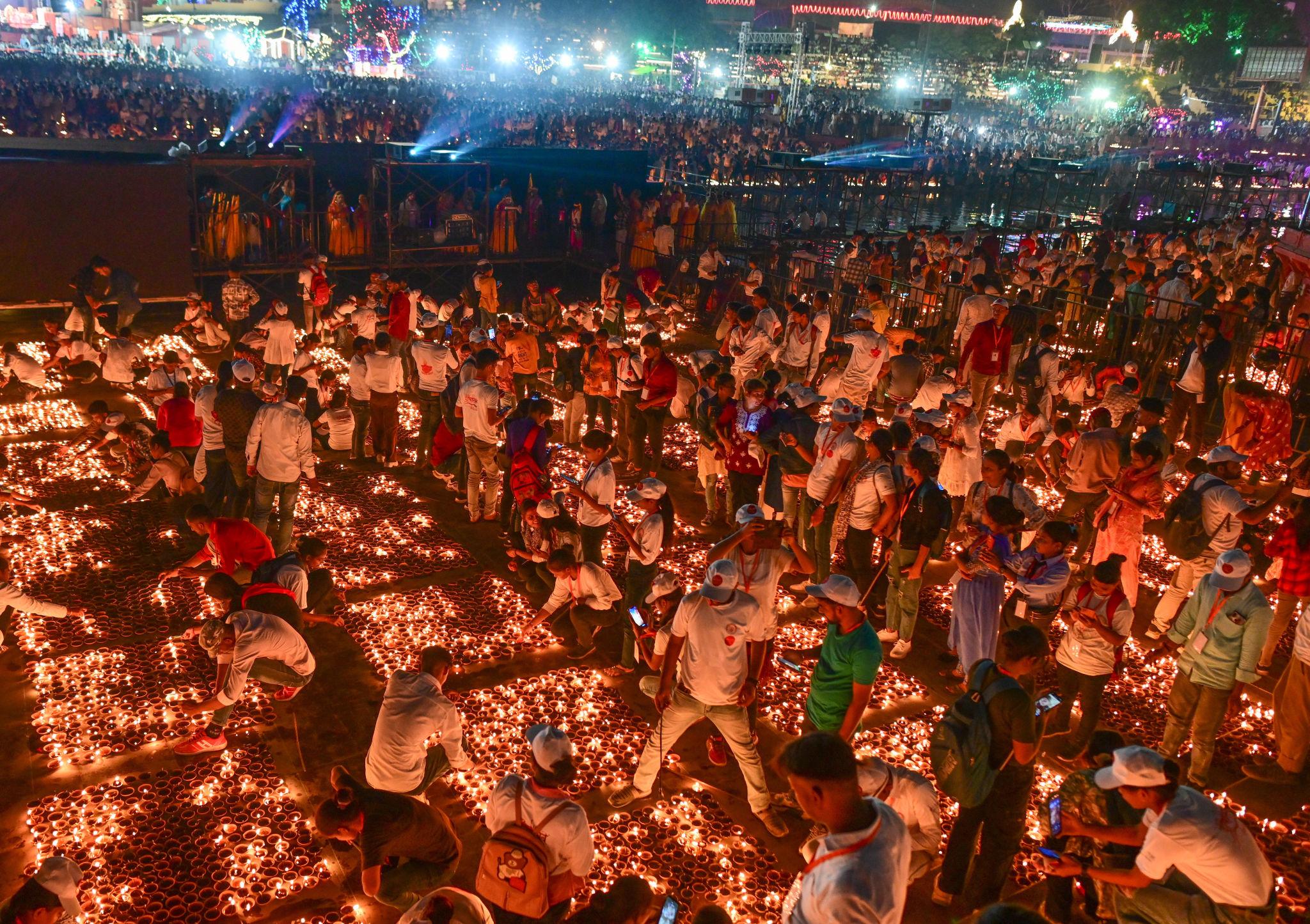
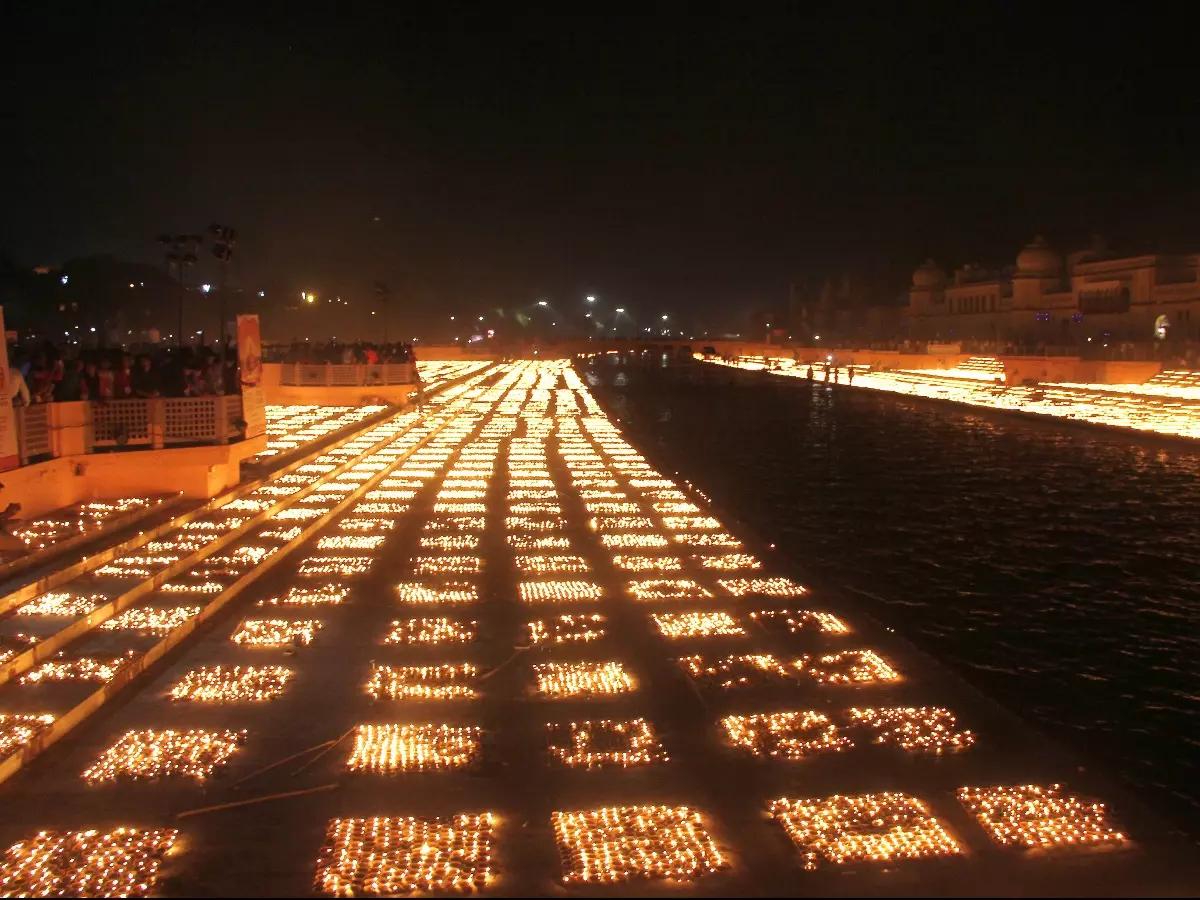
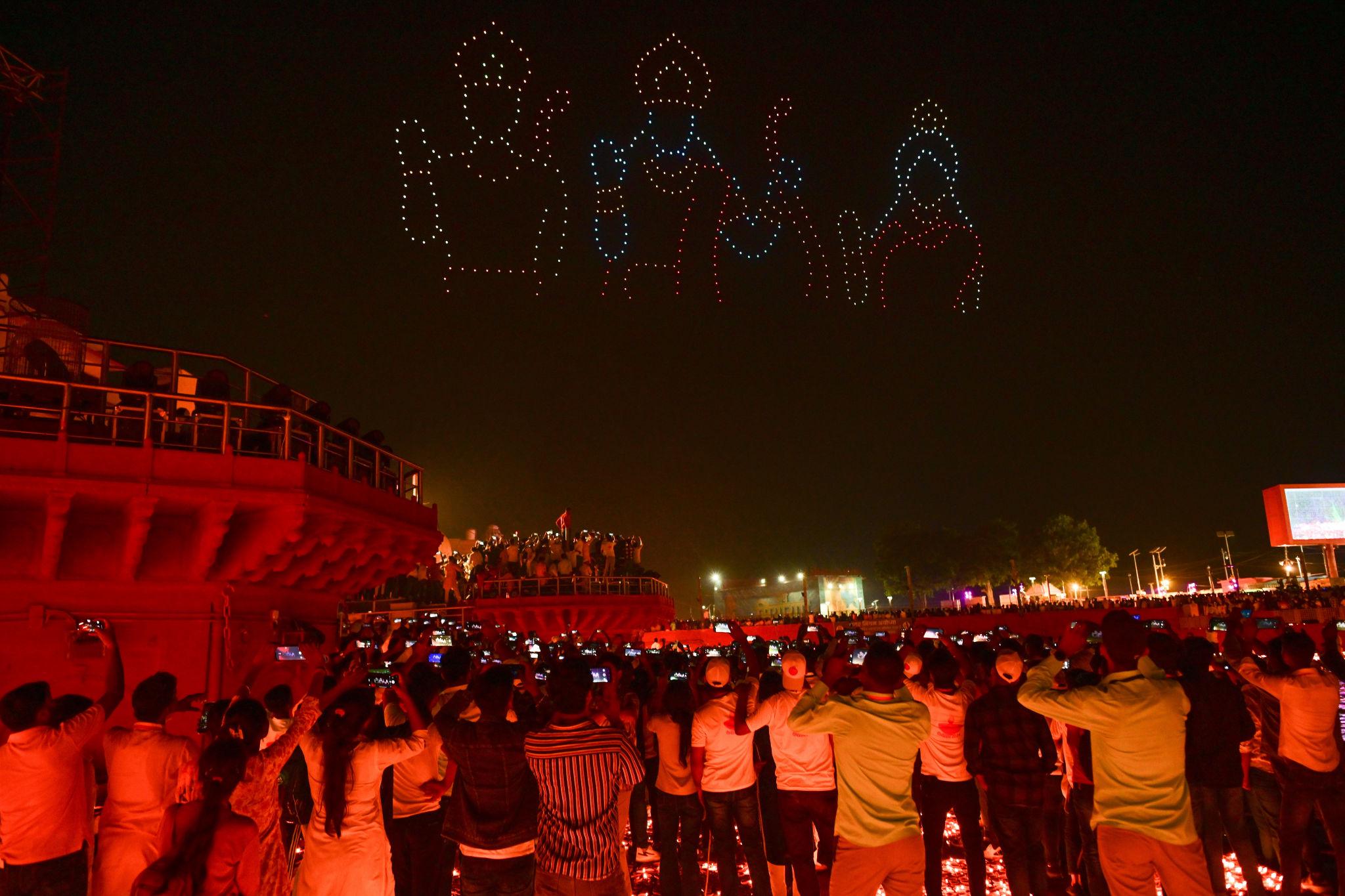
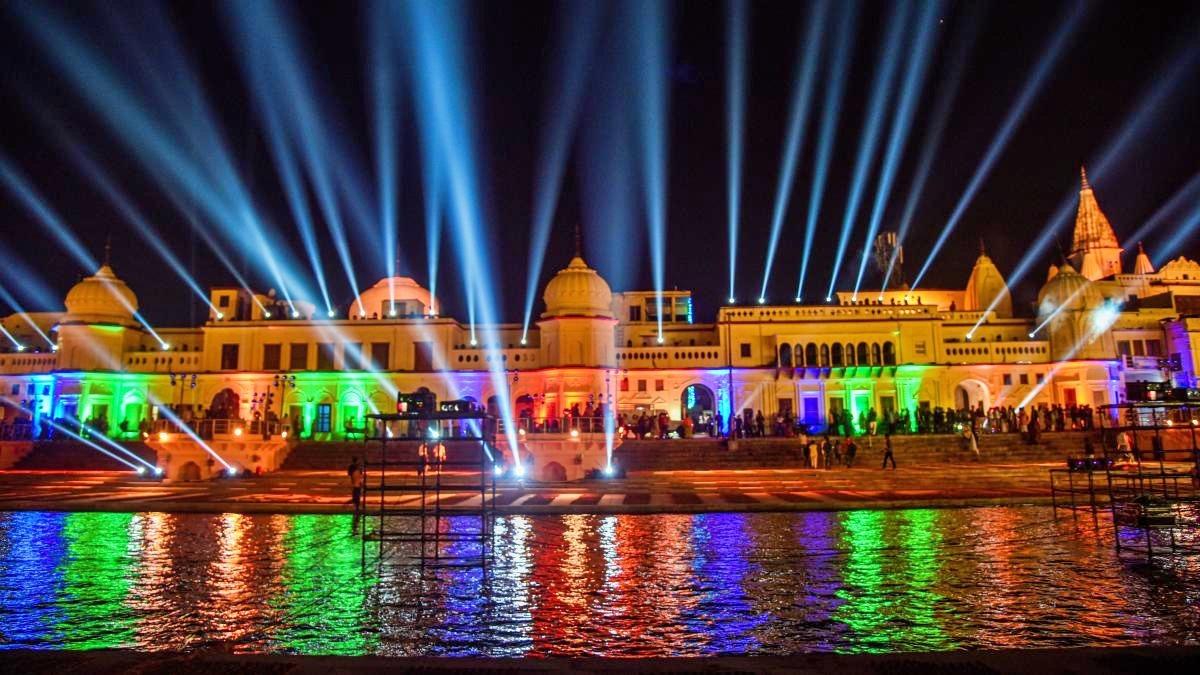
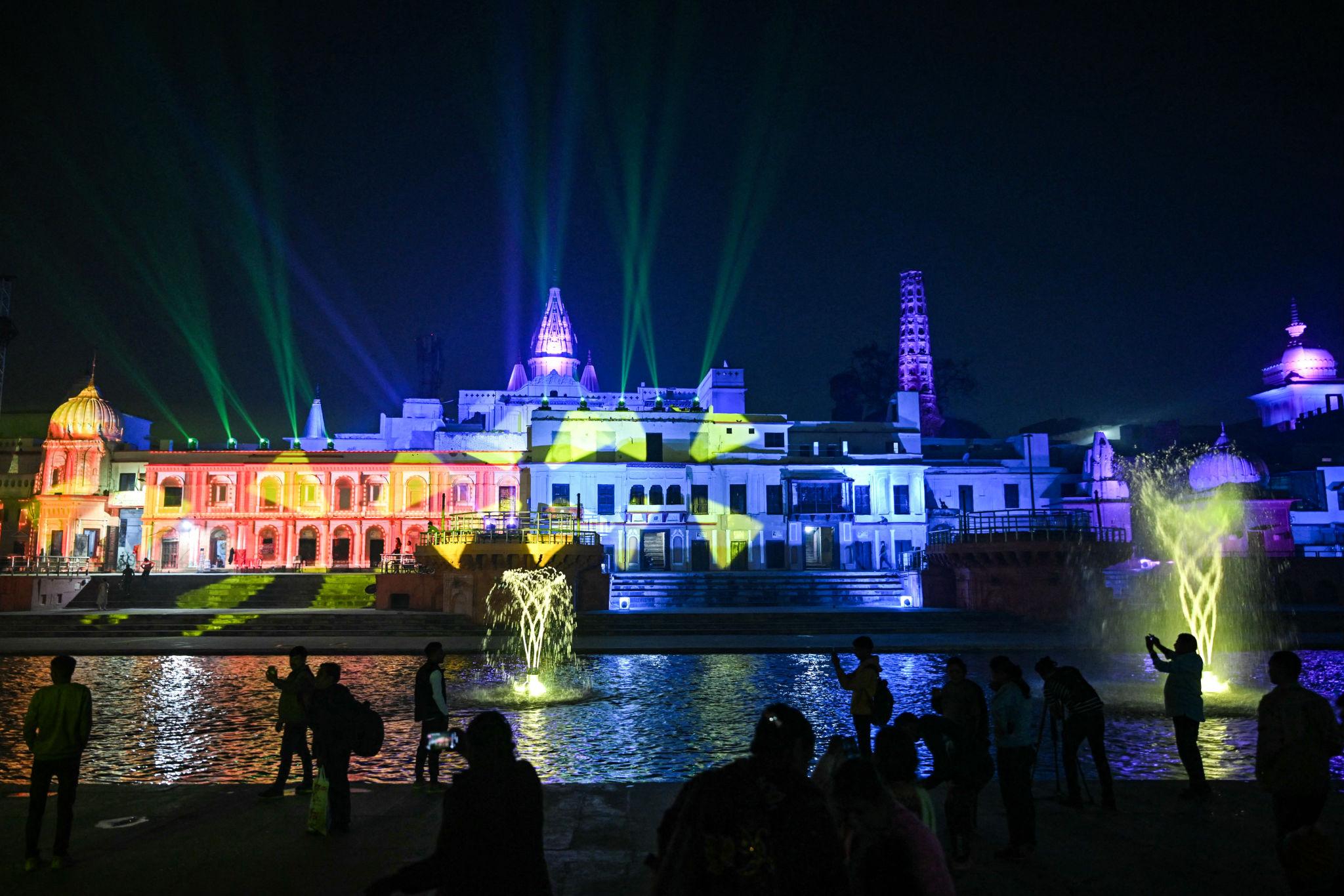
Deepotsav In Ayodhya
During Diwali, Ayodhya transforms into one of the most spectacular spiritual celebrations in India through the grand Deepotsav celebrations. Millions of diyas illuminate the ghats of the Saryu River, especially around Ram Ki Paidi, creating a breathtaking golden glow across the entire riverfront.
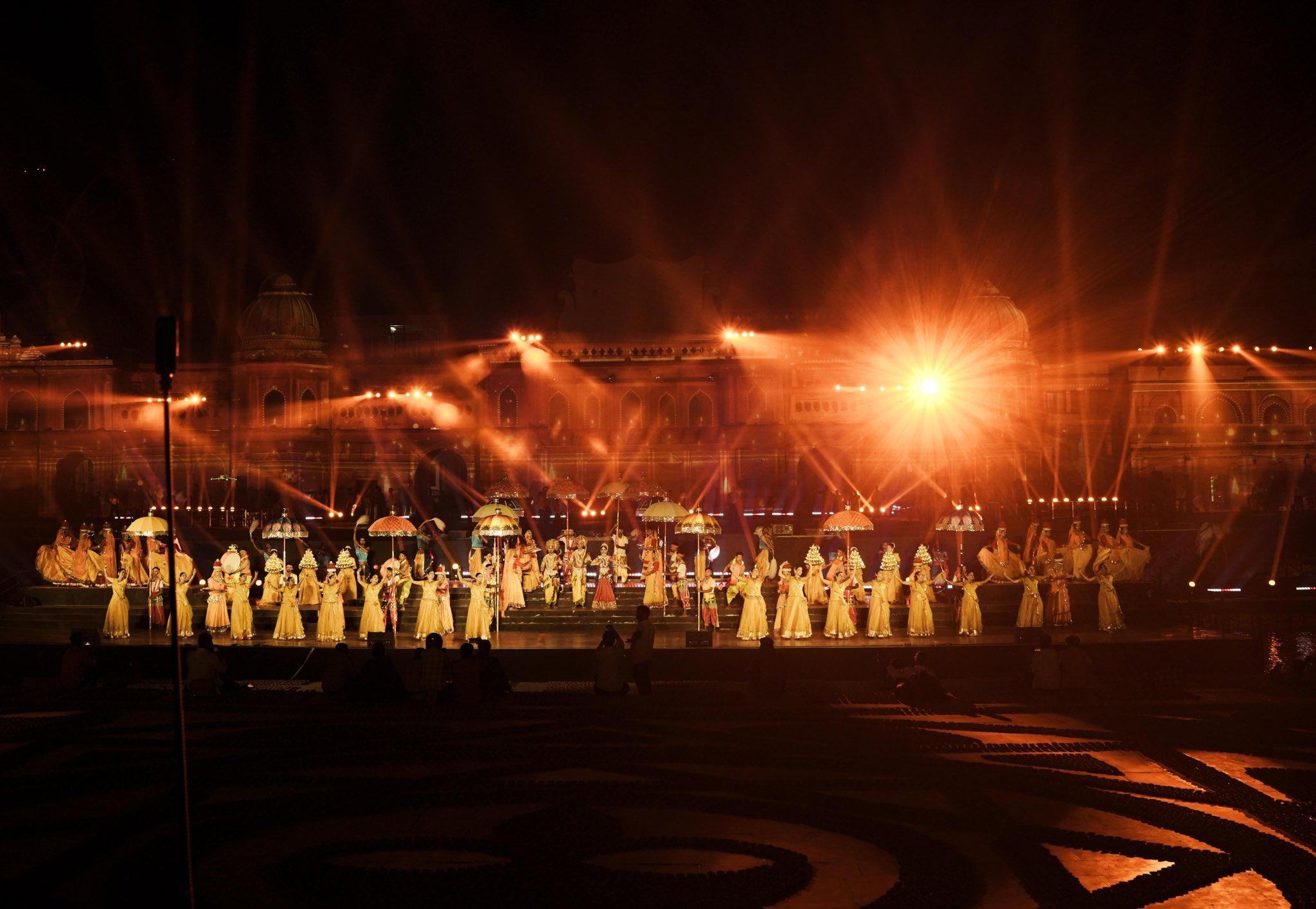
One of the biggest highlights of Deepotsav is the laser, drone, and projection shows held in the evening. The night sky above Ram Ki Paidi lights up with colorful laser visuals, Ramayana-themed drone formations, music, and storytelling performances that blend spirituality with modern technology. Cultural performances, devotional chants, fireworks, and synchronized lighting make the atmosphere feel cinematic and deeply emotional at the same time.
In recent years, Deepotsav has also created Guinness World Records by lighting more than 26 lakh diyas across the ghats, attracting travelers, devotees, photographers, and tourists from across the world.
50
MomentDharmakata, Ayodhya
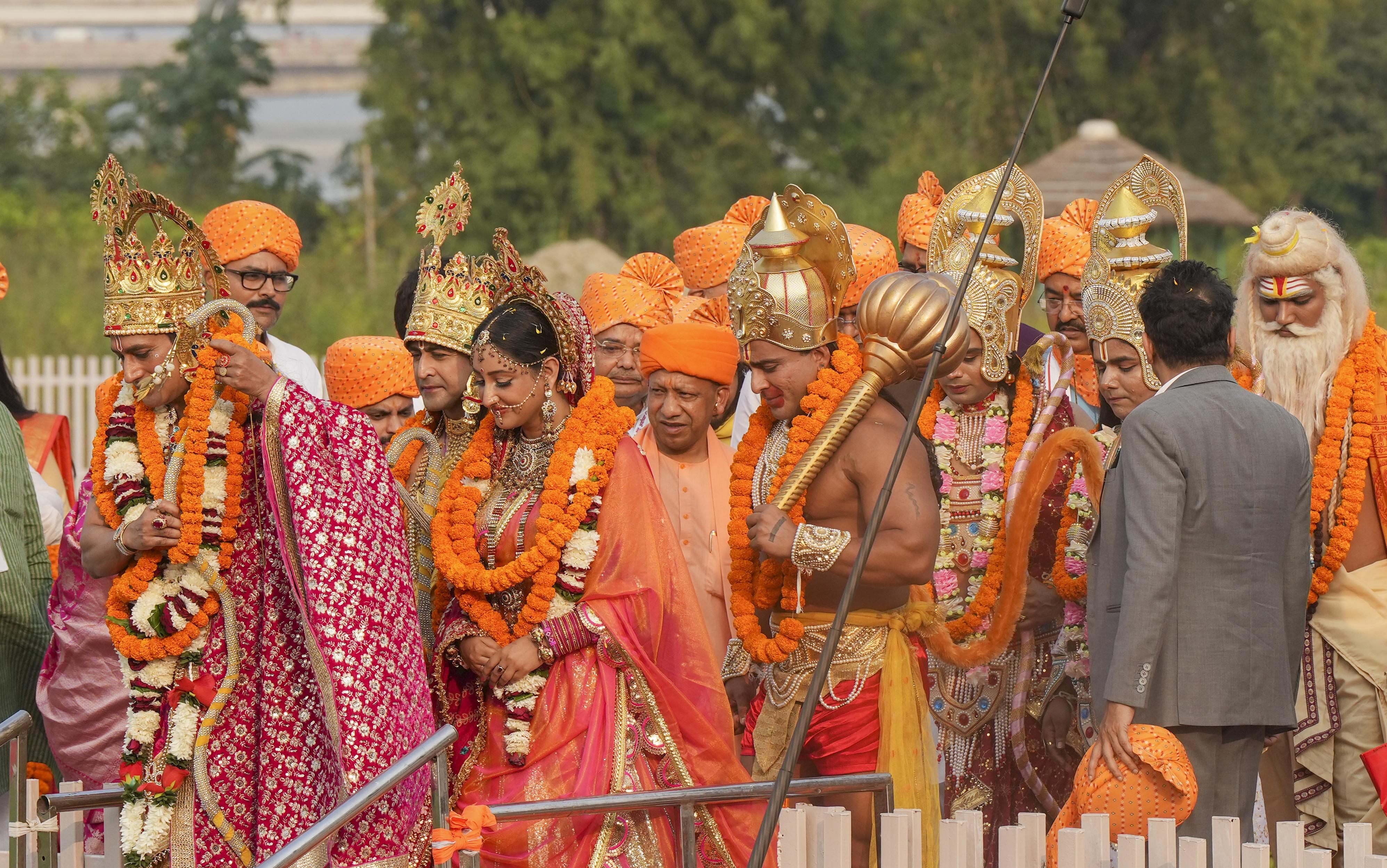
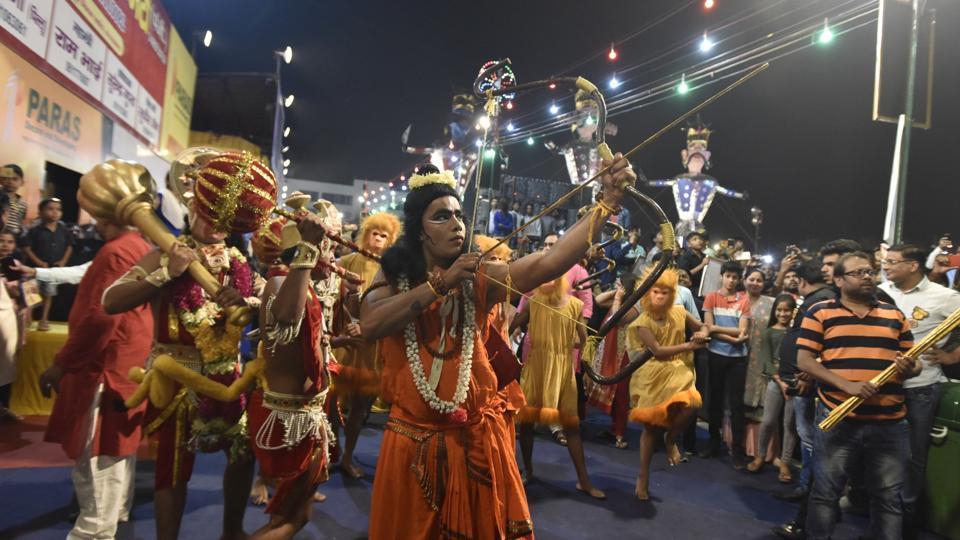
Cultural Parades And Spiritual Energy
The cultural parades and spiritual energy in Ayodhya become especially magical during festivals like Deepotsav. The streets fill with traditional processions, Ramayana-themed tableaux, folk dancers, devotional music, saffron flags, and artists dressed as characters from Hindu epics, creating an atmosphere that feels deeply cultural and emotional.
As evening arrives, chants, temple bells, glowing diyas, laser shows, and devotional performances transform the city into a vibrant spiritual celebration. The ghats near Ram Ki Paidi glow with millions of lamps while crowds gather to witness the grand celebrations and experience the collective spiritual energy of the city.
The combination of culture, devotion, music, lights, and storytelling makes Ayodhya feel alive in a way that few places experience during festivals.
73
MomentAyodhya Dham Rd, Ram Nagar, Ayodhya


Traditional Food In Ayodhya
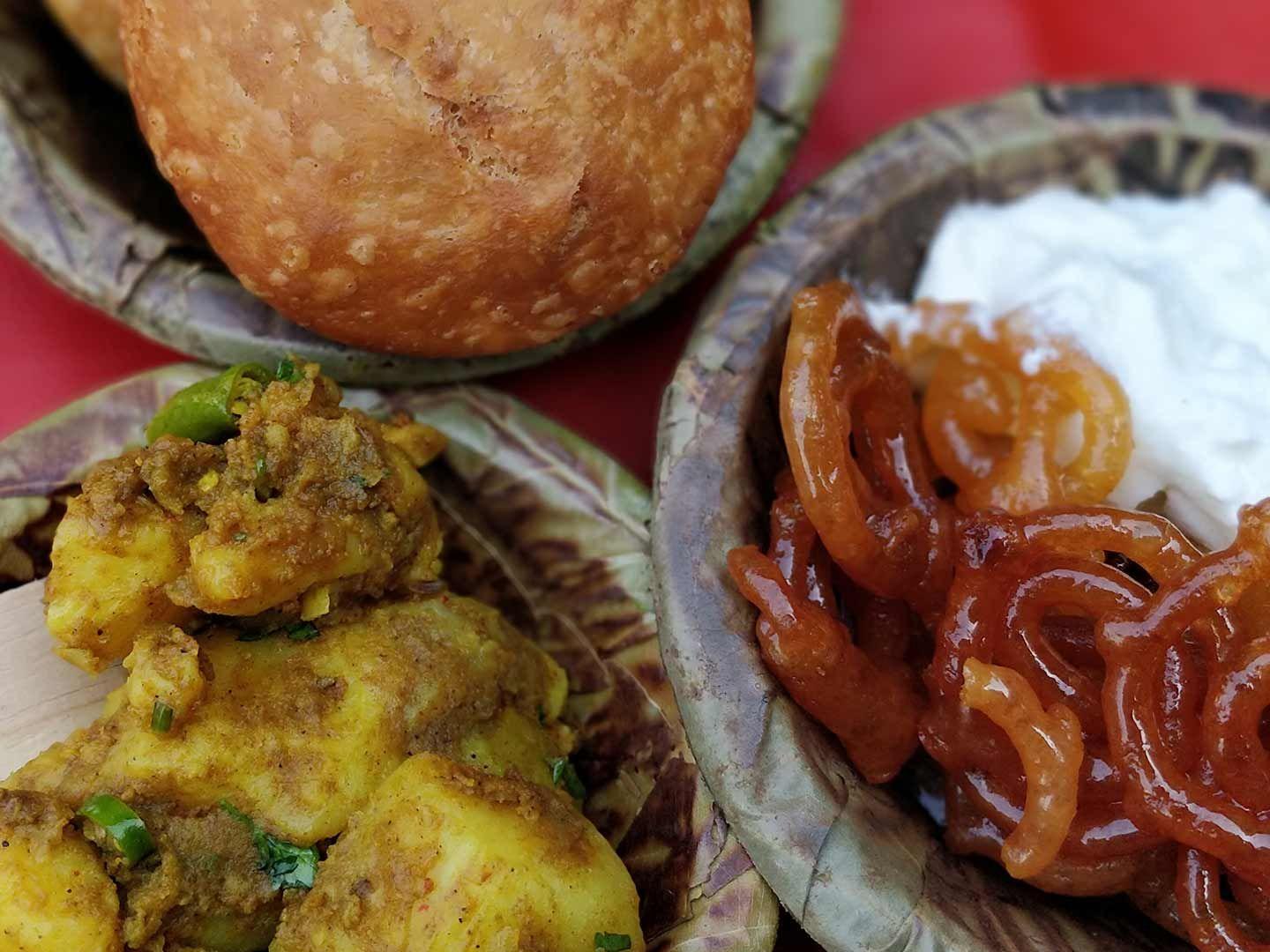
Traditional food in Ayodhya is simple, flavorful, and deeply connected to the city’s spiritual and local culture. Exploring the food streets around Hanuman Garhi, Ram Path, and the surroundings of the Saryu River gives you a mix of traditional sweets, local breakfast dishes, and old-style street food experiences.
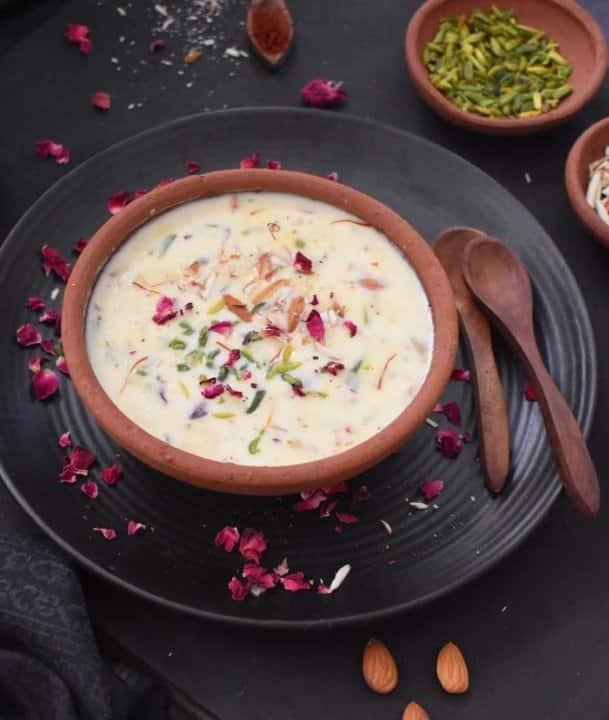
Hot Bedai Puri served with spicy aloo sabzi is one of the most popular local breakfasts, especially in the morning temple lanes. Sweet dishes like rabri and peda are famous among pilgrims and travelers, while thick lassi and street-side chai become perfect evening stops after exploring the ghats and temples.
What makes the food experience special is the atmosphere around it — narrow devotional streets, temple bells, local sweet shops, and chai stalls filled with conversations and spiritual energy. Eating in Ayodhya feels less like trying famous dishes and more like experiencing the city’s traditional rhythm and culture.
94
MomentTheri Bazar, Ayodhya
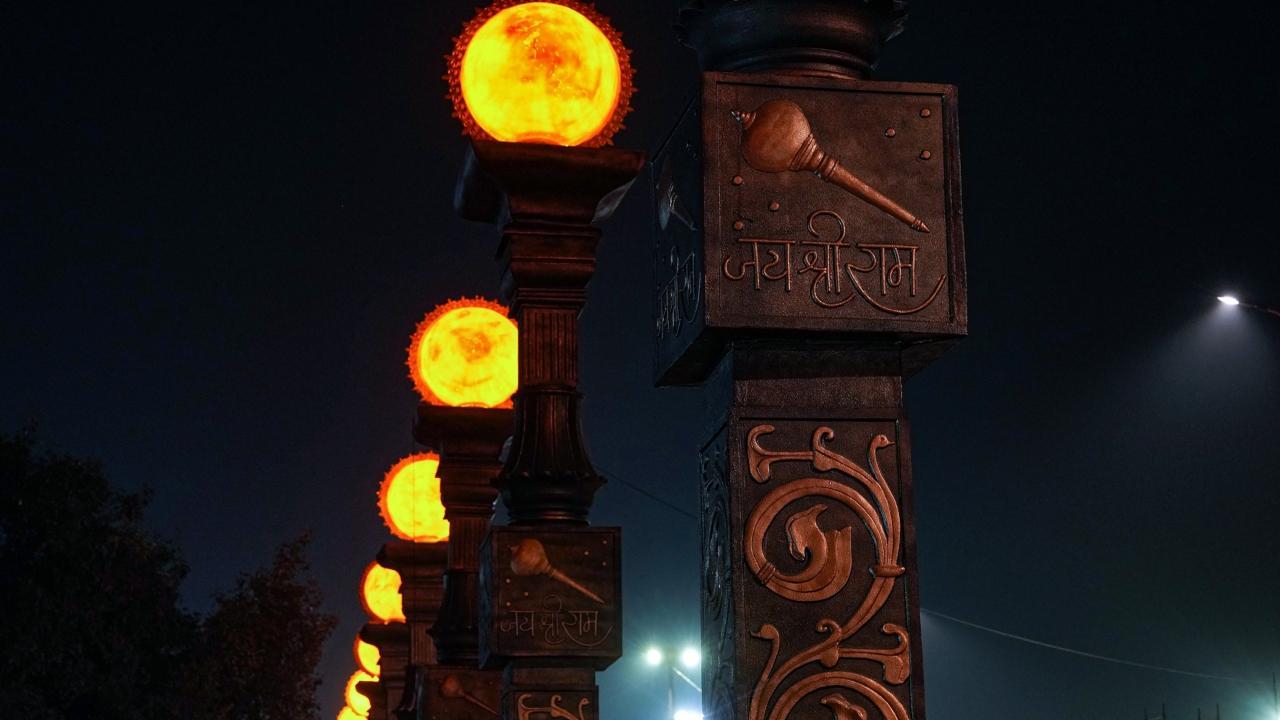
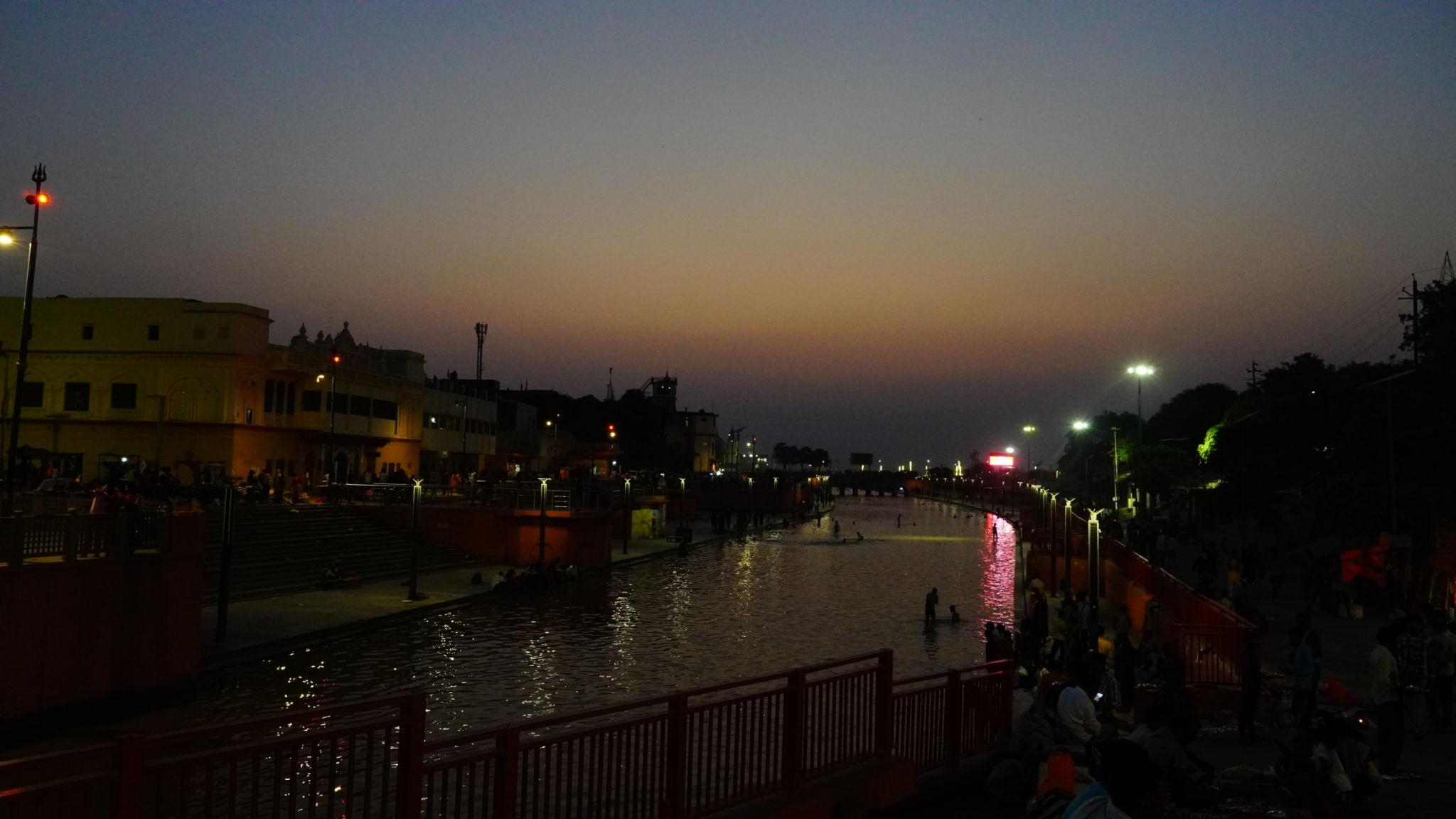
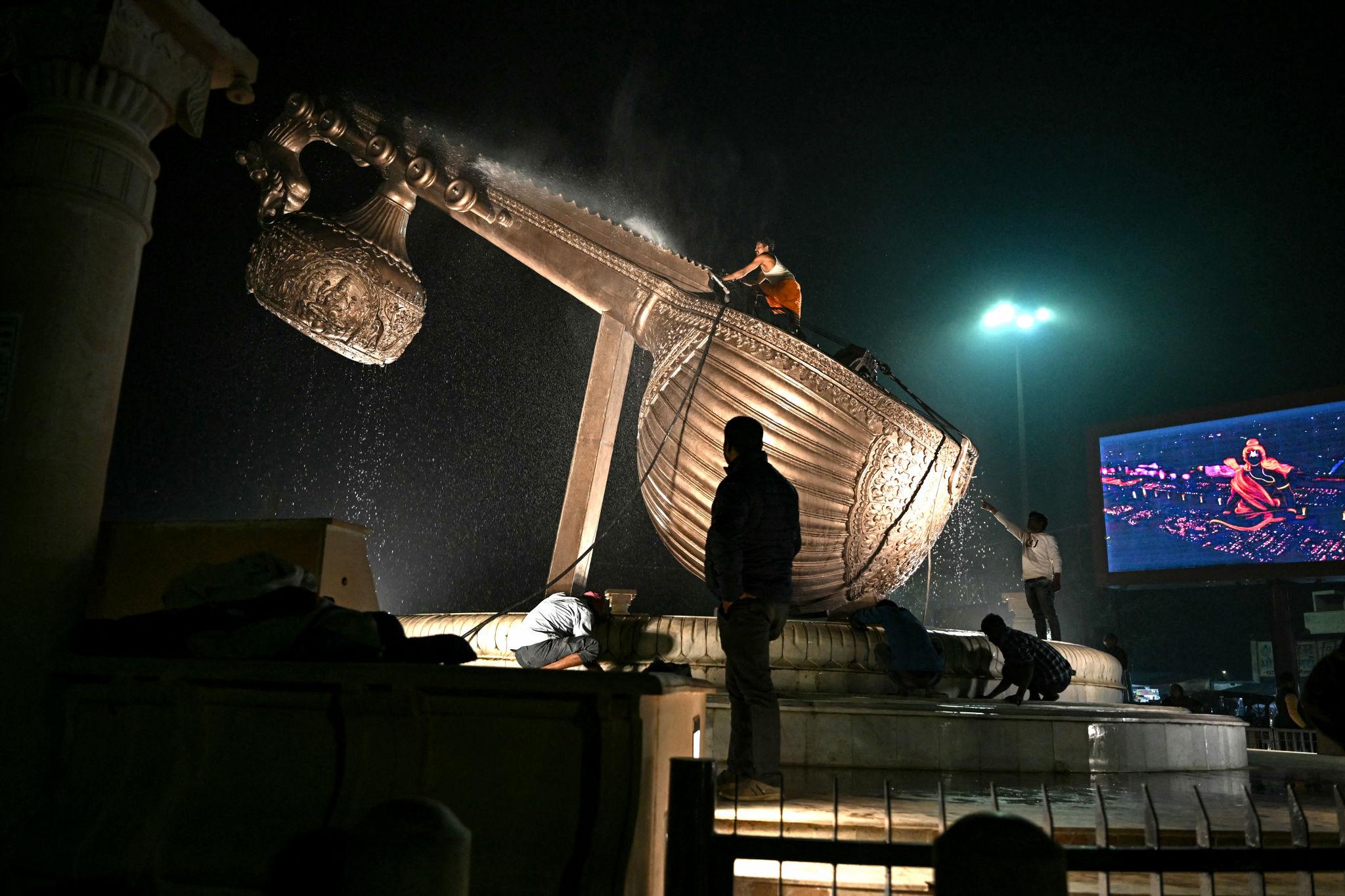
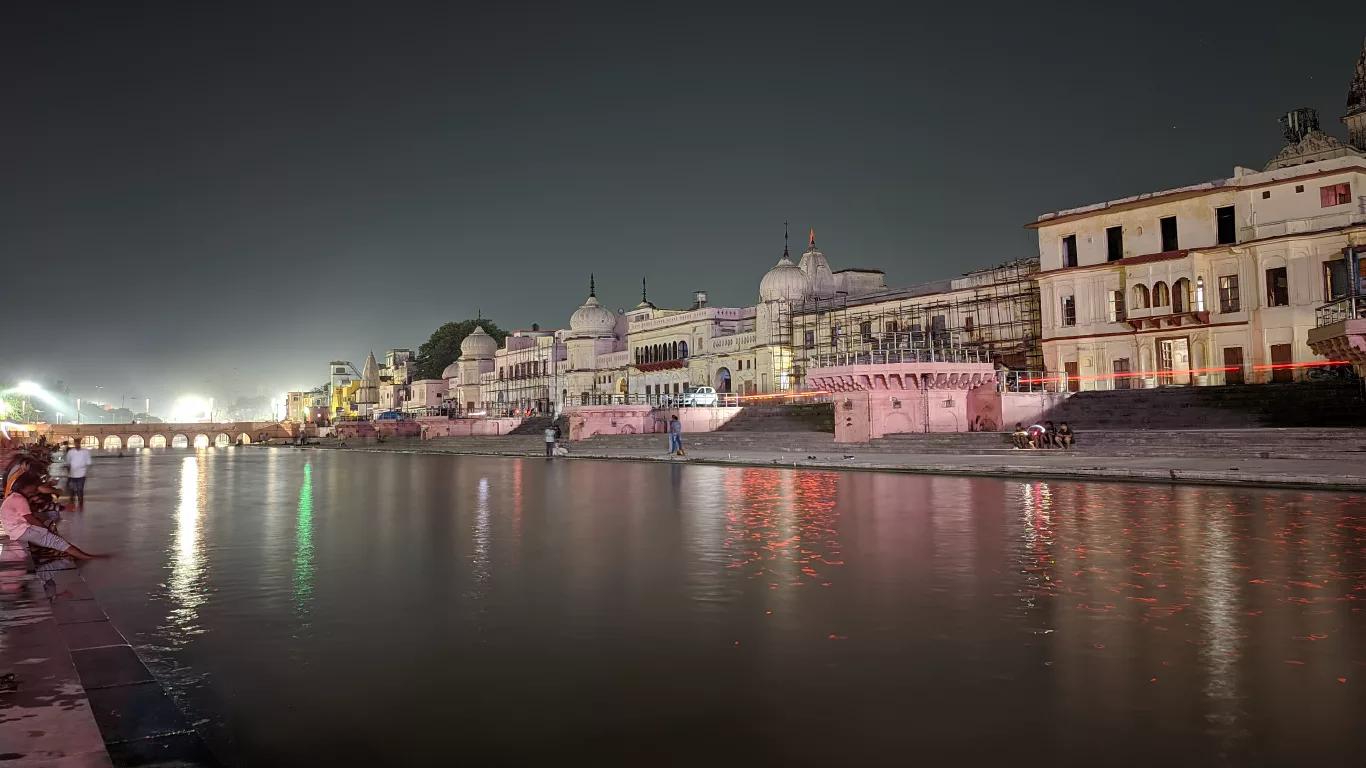
Ram Ki Paidi At Blue Hour And Decorative Lights
As sunset fades, Ram Ki Paidi slowly transforms into a glowing riverside landscape. The sky turns deep blue while the lights from the ghats, temples, and diyas begin reflecting beautifully on the calm waters of the Saryu River. The atmosphere feels calm and spiritual, with temple bells, evening chants, and cool river breeze creating a surreal experience that feels almost timeless.
Nearby, Ram Path comes alive with decorative lighting, illuminated arches, saffron-themed street decorations, and beautifully lit roads leading toward the temple areas. The warm golden lights, spiritual statues, and vibrant evening atmosphere make the streets feel more like a cultural festival corridor than a normal city road.
Together, the peaceful blue-hour riverfront and the glowing streets of Ram Path create one of the most visually stunning and emotionally calming experiences in Ayodhya — perfect for slow walks, photography, travel reels, and simply absorbing the spiritual energy of the city.
80
MomentTheri Bazar, Ayodhya
Morning Chants Sunrise Meditation
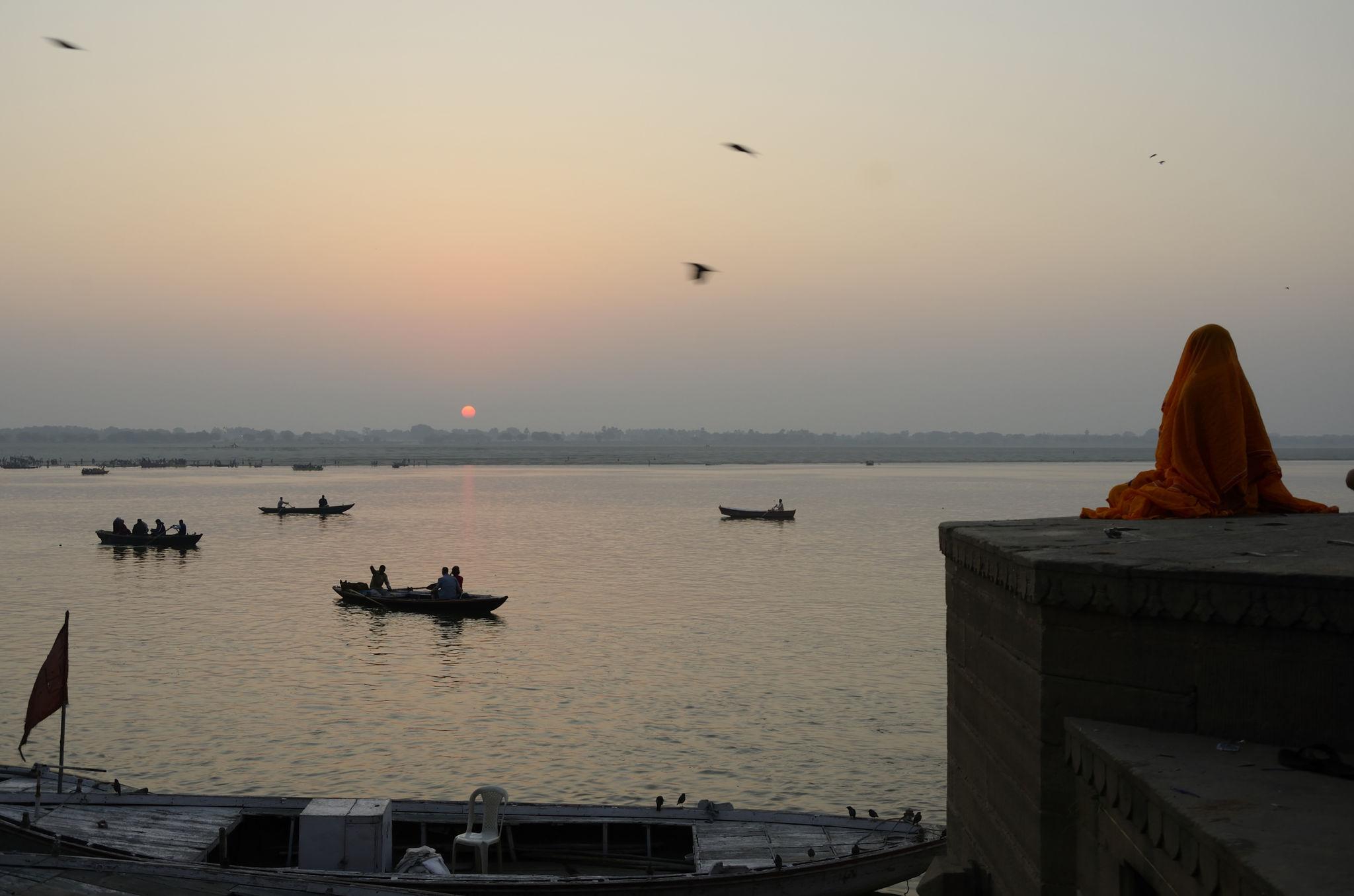
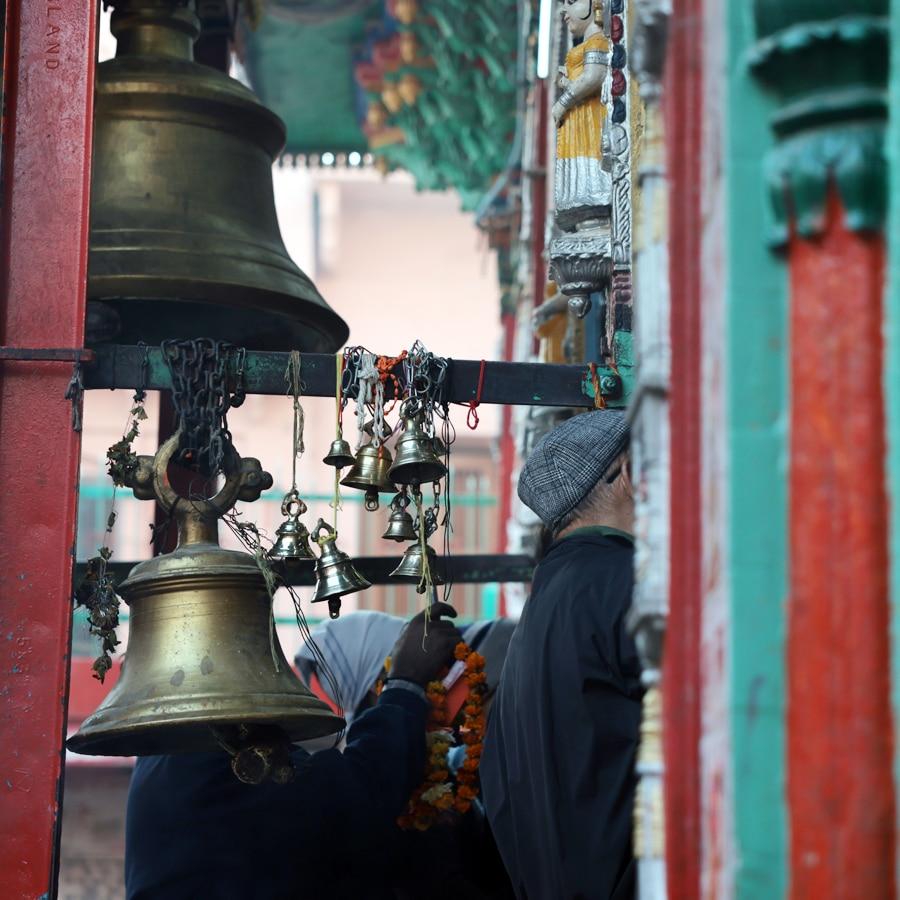
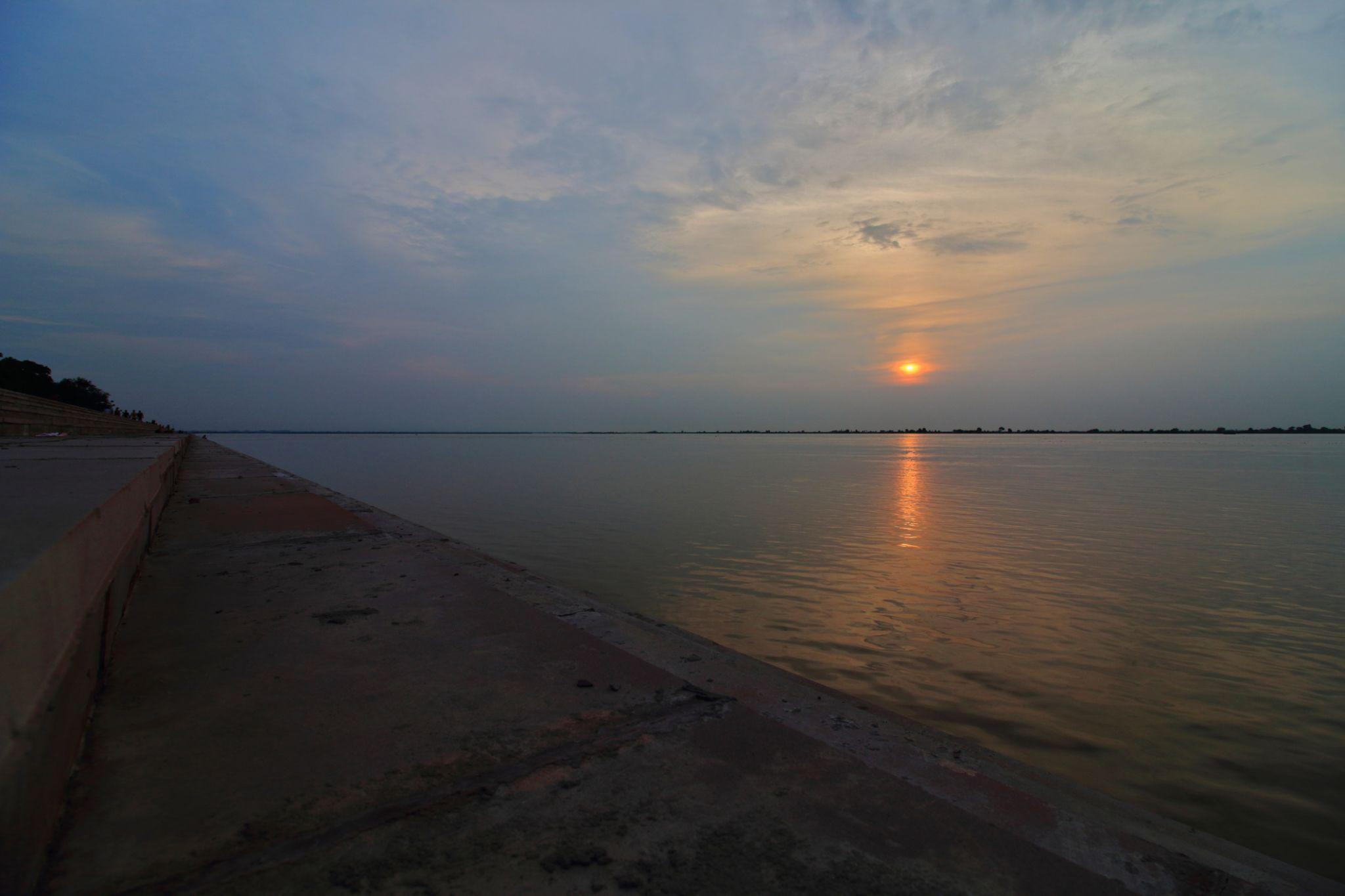
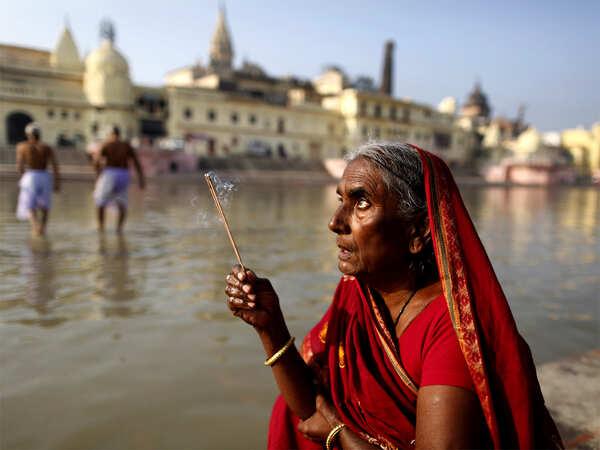
Sunrise near the Saryu River offers one of the most peaceful and spiritual experiences in Ayodhya. As the first light of morning touches the river, the soft sound of temple bells begins echoing across the ghats while devotional chants and prayers slowly fill the air.
The calm river breeze, quiet surroundings, and golden reflections on the water create a naturally meditative atmosphere. Unlike the crowded daytime energy of the city, mornings here feel slow, silent, and emotionally grounding. Devotees quietly offer prayers near the river, boats rest peacefully along the ghats, and the combination of chants, bells, and sunrise light makes the entire experience feel deeply calming.
Whether sitting quietly by the river, practicing meditation, or simply listening to the sounds around you, the atmosphere near the Saryu at sunrise feels less like sightseeing and more like a moment of stillness and spiritual peace.
Destination
Ayodhya, Uttar Pradesh, India
Experience layers
Go further into one part of this trip.